If you grew up in Pennsylvania in the 1980s, there is a good chance your best memories are tied to something warm in a paper bag, bubbling in a bakery box, or served across a crowded counter where everybody seemed to know exactly what to order before you even reached the register. This was a state where food felt local in the strongest possible way, shaped by proud neighborhoods, church festivals, roadside stops, family-run diners, steel town traditions, Italian market energy, Dutch Country comfort, and recipes that traveled from one generation to the next without needing a written card because everybody simply knew how it should taste.
Long before social media told people what was trendy, Pennsylvania kids and parents were already loyal to tomato pie after parties, pretzels on city streets, pierogies at community events, chili dogs after games, and sandwiches so specific to one town or one tavern that they almost felt like hometown passwords. These 15 meals were not just popular in the state during the 1980s – they were part of the rhythm of everyday life in Pennsylvania, and if even one of them sounds familiar, you are probably about to unlock a whole flood of memories.
1. Tomato Pie
If you grew up in Pennsylvania, this was the kind of bakery treat that showed up before you even asked what was for lunch.
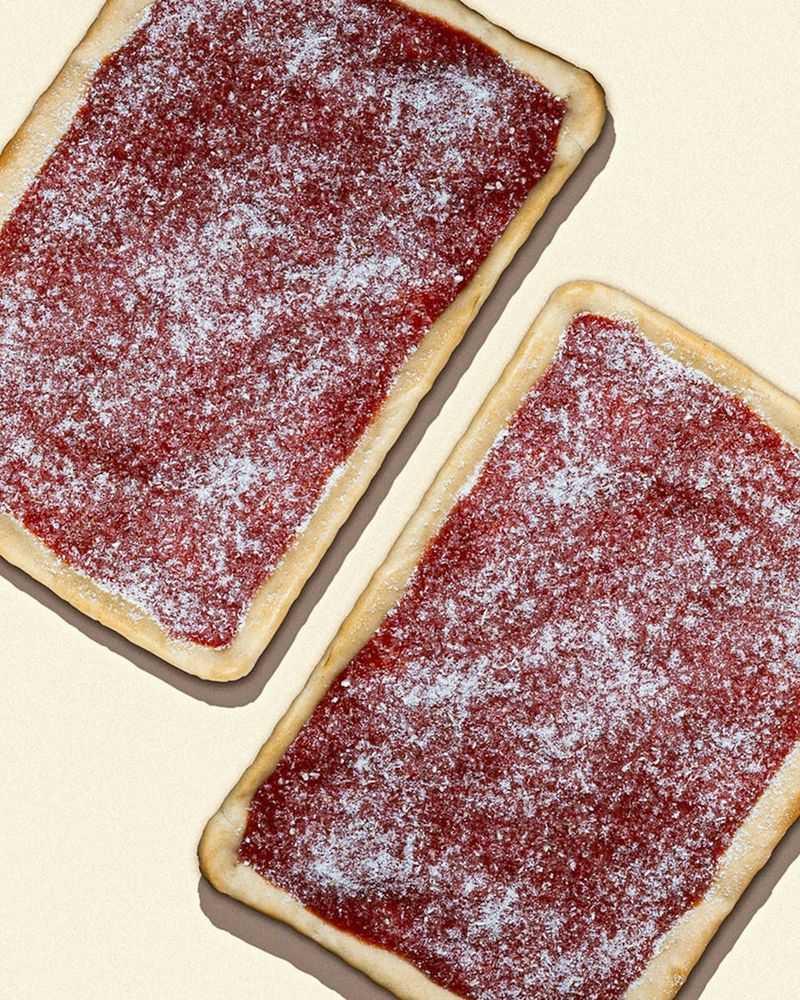
Thick, airy crust, a swipe of bold tomato sauce, and just a dusting of cheese made tomato pie feel different from standard pizza in a way every local understood.
Around Norristown, Corropolese Bakery and Deli helped define that expectation, and by the 1980s, plenty of families treated a box of it like a required stop for birthdays, office parties, and weekends with relatives.
What made it memorable was how unfussy it seemed while still being completely specific to the region.
You could eat it warm, but a lot of people loved it at room temperature, which somehow made the sweet, tangy sauce stand out even more against the chewy crust.
If you were a kid, it was one of those foods that taught you Pennsylvania had its own rules, because visitors sometimes looked confused while locals grabbed a square and acted like this was the most obvious thing in the world.
In the 1980s, it fit the pace of family life perfectly because it traveled well, fed a crowd, and worked for nearly any occasion.
It belonged on folding tables at school events, next to chips and soda at graduation parties, or sitting on the kitchen counter while everyone wandered in and tore off another piece.
Even now, one look at a proper square from a place like Corropolese can send you right back to that era, when local food traditions felt permanent, comforting, and proudly Pennsylvanian.
2. Roast Pork Sandwich
If your idea of a great Pennsylvania sandwich starts with something juicy, messy, and worth leaning over the counter to eat, this one probably lives in your memory.
The roast pork sandwich was never about flashy presentation.
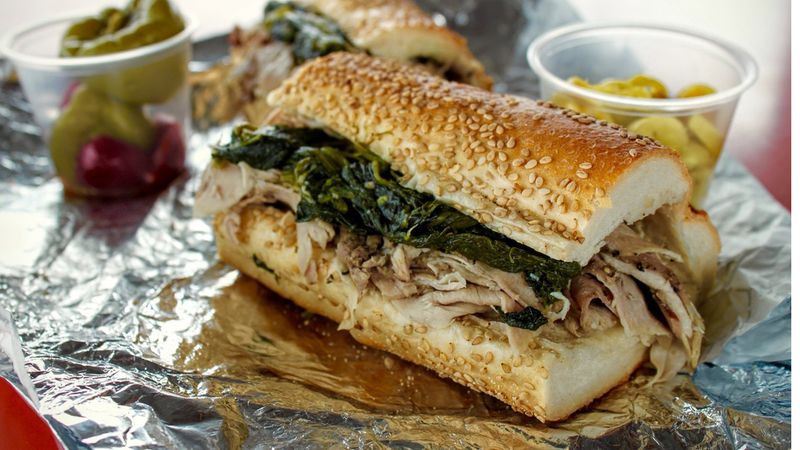
It was about deeply seasoned meat, a sturdy roll, sharp provolone, and greens that cut through all that richness, and in Philadelphia, John’s Roast Pork became one of the places that showed exactly how it should be done.
In the 1980s, this felt like food for people who knew where the good stuff was hiding.
It had working-class credibility, neighborhood pride, and just enough drippy chaos to make it unforgettable the second you bit in.
If you were younger, it might have seemed like a grown-up order compared with a cheesesteak, but once you got used to the garlicky pork and the way the bread soaked up every bit of flavor, you understood why so many Pennsylvanians swore by it.
Part of its staying power came from how Philadelphia food culture rewarded loyalty and strong opinions.
People did not just eat this sandwich.
They defended their favorite version, sent out-of-town relatives to try it, and treated a good roast pork spot like local knowledge that had to be passed down carefully.
Looking back, it captures an important side of Pennsylvania in the 1980s: immigrant influence, industrial city appetite, and the kind of no-nonsense meal that made perfect sense in a place where food was expected to be hearty, direct, and absolutely worth talking about.
3. Pagach
If you were raised around western Pennsylvania, this was the kind of comfort food that felt both humble and deeply special.
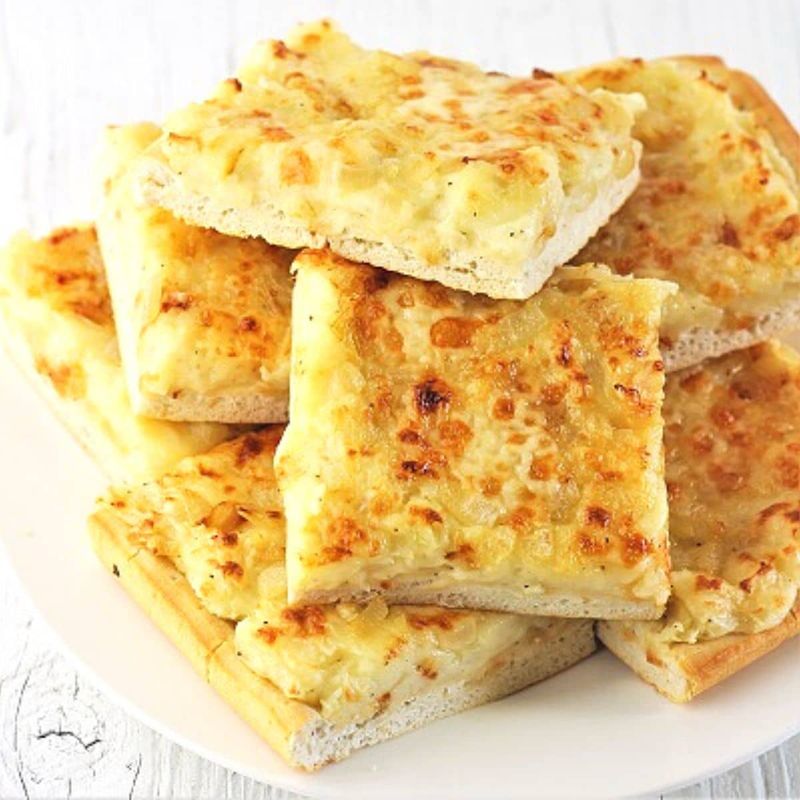
Pagach, with its soft dough and rich topping of potatoes, cheese, and often onions, carried the influence of Eastern European kitchens into everyday life.
In Pittsburgh, places like Pitaland kept that tradition visible, and by the 1980s, it was already the sort of food that connected families to church festivals, neighborhood markets, and recipes older than anyone at the table.
For kids, it could seem almost magical because it looked simple but tasted incredibly satisfying.
The combination of bread and potatoes made total sense in a region built on hearty food, cold weather, and long workdays, and the cheesy richness gave it instant appeal even if you did not know much about its background.
Eating it was one of those quiet Pennsylvania experiences that taught you local food was shaped by the people who settled here, worked here, and made do with ingredients that turned into something filling and memorable.
In the 1980s, pagach fit naturally into western Pennsylvania life because it crossed the line between side dish, snack, and full meal without needing any explanation.
It showed up at gatherings where everybody had an opinion on whose version was best, and it felt especially right on a table crowded with other old-country favorites.
Looking back, its staying power says a lot about Pennsylvania itself: practical, proud, immigrant-rooted, and full of foods that may have looked modest from the outside but carried real history in every bite.
4. Stromboli
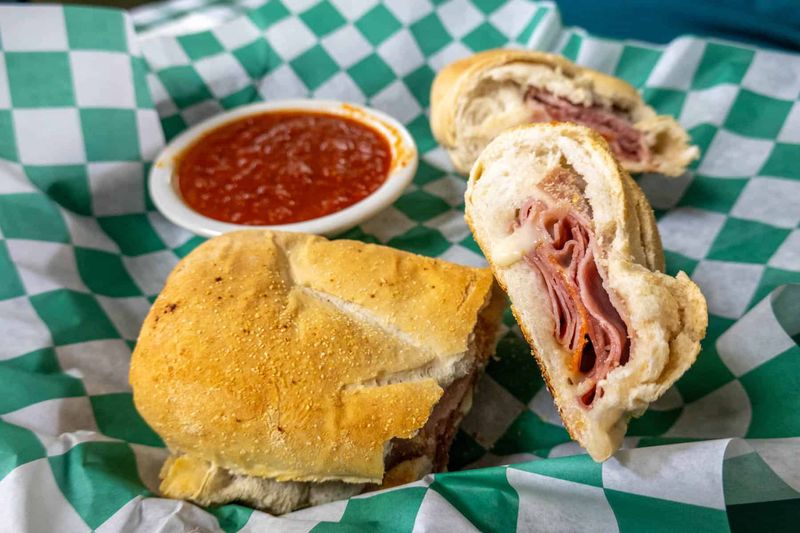
If there was one food that could instantly make a Friday night feel complete, this had a strong case.
Stromboli brought together everything Pennsylvania families loved about pizza night, but wrapped it into something heartier, neater to carry, and somehow even more exciting when it hit the table.
In Essington, Romano’s Pizzeria and Italian Restaurant represented the kind of local place where this rolled, stuffed classic became part of the routine for takeout dinners, team celebrations, and casual family meals.
What made it so memorable in the 1980s was how flexible it felt without ever losing its identity.
You had golden baked dough, melted cheese, seasoned meats, maybe some sauce on the side, and enough savory aroma to make the whole car smell like dinner on the ride home.
For Pennsylvania kids, a slice of stromboli often meant less waiting, fewer arguments over toppings, and that satisfying moment when stretchy cheese and crisp crust worked together in the way only a good neighborhood pizzeria could deliver.
It also captured the strong Italian American influence found across much of eastern Pennsylvania, where pizza shops were not trendy destinations but dependable parts of daily life.
Everybody seemed to have a favorite local version, and places like Romano’s stayed important because they turned a practical meal into something people looked forward to all week.
Looking back, stromboli feels unmistakably tied to 1980s Pennsylvania, when family-run restaurants, reliable takeout, and generously portioned comfort food shaped the memories of school nights, sleepovers, and weekends alike.
5. Chili Dogs
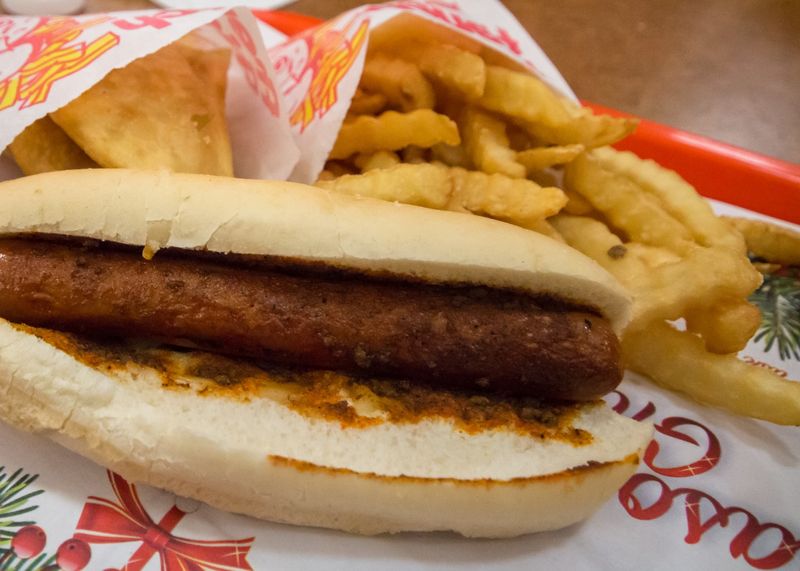
If you spent any time in eastern Pennsylvania, this was the sort of quick meal that felt woven into everyday life.
A proper chili dog came loaded with meaty sauce, mustard, onions, and all the salty, savory energy you could want after school, after work, or after a local game.
In Allentown, Yocco’s Hot Dog King became one of the names people associated with that experience, and by the 1980s, it had already earned a place in the state’s comfort-food conversation.
Part of the appeal was how unpretentious it was.
Nobody ordered chili dogs because they were elegant.
You ordered them because they were fast, flavorful, affordable, and satisfying in that very Pennsylvania way that values no-nonsense food done right.
If you were a kid, they felt fun and a little messy, and if you were an adult, they were the kind of reliable favorite you could crave without needing a special occasion or a long explanation.
In the 1980s, places like Yocco’s were more than hot dog stands.
They were community markers where generations overlapped, regulars knew the routine, and the menu had enough regional identity to make locals feel at home instantly.
Looking back, chili dogs belong on any Pennsylvania food list because they speak to the state’s diner culture, industrial-town practicality, and affection for handheld meals that get the job done.
One bite still brings back fluorescent counters, paper wrappers, and the easy confidence of a local classic that never needed reinvention.
6. Cheesesteak
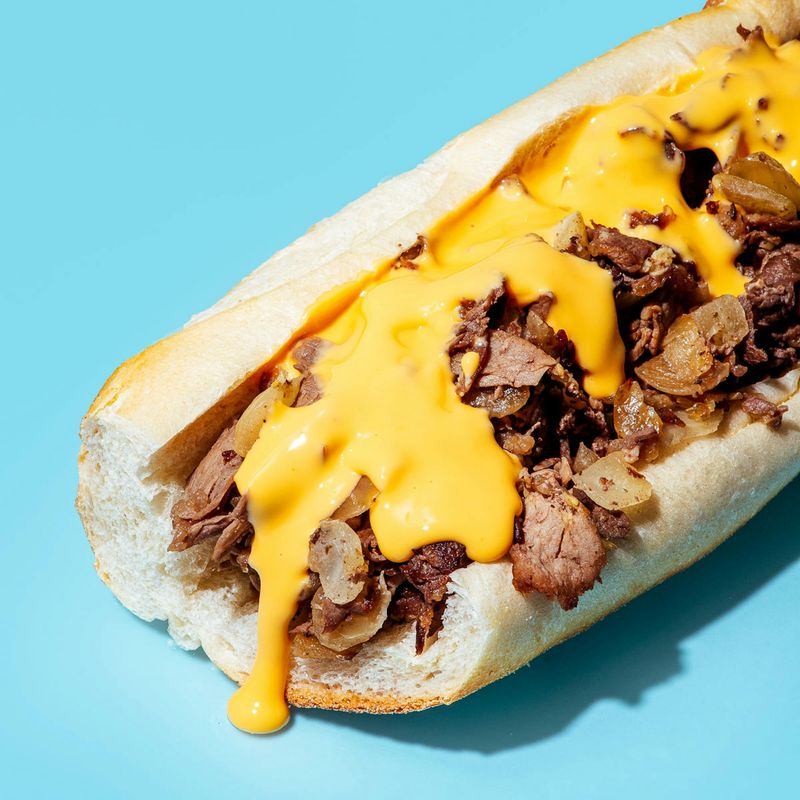
If any sandwich defined Pennsylvania to outsiders in the 1980s, this was probably the one.
Thinly chopped beef, melted cheese, and a long roll created a combination that was simple on paper but impossible to separate from Philadelphia identity.
At Pat’s King of Steaks, the experience became part meal, part ritual, and for plenty of Pennsylvanians, grabbing a cheesesteak was less about tourism than about participating in a local tradition everyone seemed to have an opinion about.
The thing that made it stick in your memory was the atmosphere surrounding it.
You heard the sizzle, watched the fast hands on the grill, and learned quickly that ordering correctly mattered if you did not want to hold up the line.
For kids and teenagers, that all added to the thrill, making the cheesesteak feel like a meal with rules, attitude, and bragging rights.
Even people who preferred another neighborhood spot still understood why it held such a powerful place in the state’s food culture.
In the 1980s, the cheesesteak represented a big slice of Pennsylvania personality: direct, proud, urban, and impossible to fake.
It worked after late nights, before sporting events, during family outings, and anytime you wanted food that tasted like the city itself.
Looking back, its staying power comes from more than the ingredients.
It is tied to South Philadelphia energy, to local loyalty, and to a period when food memories were built in line at counters, under bright signs, with grease on the wrapper and zero regrets.
7. Soft Pretzels
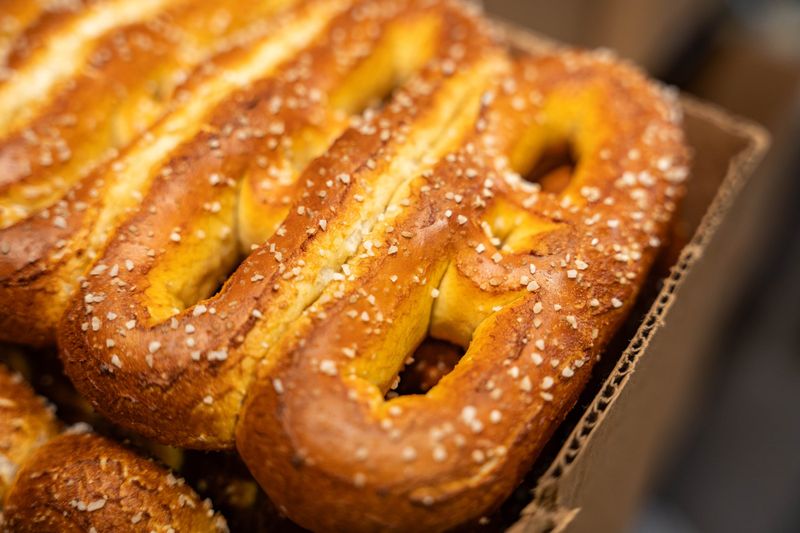
If you grew up in Pennsylvania, there is a good chance this was one of the first foods that taught you local pride could fit in one hand.
Soft pretzels were everywhere, from school fundraisers to corner stores, and in Philadelphia they felt especially essential.
Center City Pretzel Co. represented the real thing: dense, chewy, just salty enough, and unmistakably tied to the city’s streets, where grabbing one on the go felt as normal as carrying a coffee or newspaper.
What made them different from mall pretzels or later chain versions was their texture and personality.
These were often a little irregular, a little sturdier, and a lot more satisfying, especially with mustard.
In the 1980s, they were practical food for busy days, cheap snacks for kids, and a familiar comfort that crossed every age group.
You did not need an event to justify one.
Sometimes a pretzel was simply what the day required.
They also reflected a much older Pennsylvania story, rooted in German influence and sustained by city routines that made certain foods feel permanent.
Pretzels worked at breakfast, as a snack, after school, or before a game, and everybody seemed to know where to find a good one without checking a guide.
Looking back, soft pretzels capture the kind of everyday tradition that defined Pennsylvania in the 1980s.
They were not flashy, and that was part of the appeal.
They were reliable, local, satisfying, and so common that you barely noticed how special they were until much later.
8. Pierogies
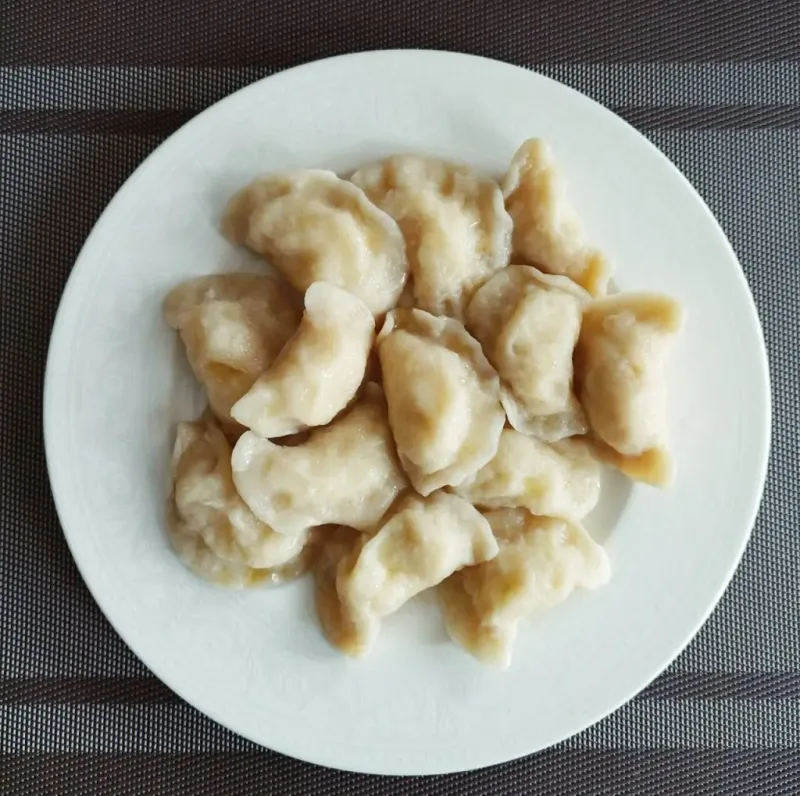
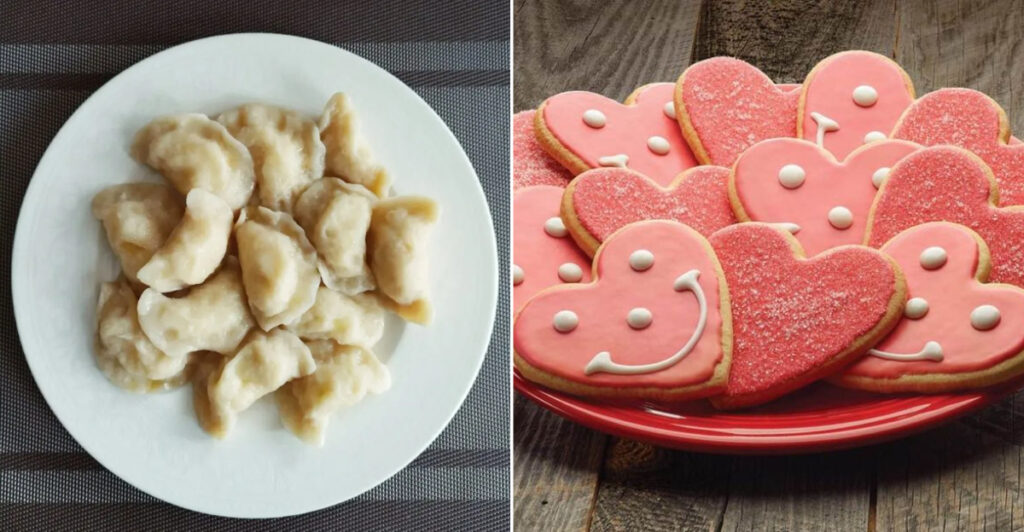
If you came from western Pennsylvania, these little dumplings probably felt less like a novelty and more like a fact of life.
Filled with potatoes, cheese, or other hearty ingredients, pierogies carried generations of Eastern European tradition into school lunches, church dinners, and family meals.
Around McKees Rocks, Pierogies Plus reflects that enduring love, but the roots of the dish in Pennsylvania run much deeper, especially in communities shaped by immigrant labor, close-knit neighborhoods, and practical, filling food.
In the 1980s, pierogies fit the region perfectly because they could be simple or celebratory depending on where you ate them.
Boiled, fried, topped with onions, or served with butter, they always delivered comfort without needing to be fancy.
For a kid, they were easy to love because the flavors were mild and satisfying, but for adults they carried more meaning, connecting dinner tables in Pennsylvania to family histories from Poland, Slovakia, Ukraine, and beyond.
What keeps them memorable is that they never felt like food that belonged only in restaurants.
They belonged in the culture itself.
You saw them at ethnic festivals, on parish menus, and in homes where someone always claimed their aunt or grandmother made the best batch.
Looking back at Pennsylvania in the 1980s, pierogies symbolize the state at its most honest: hardworking, immigrant-built, and loyal to dishes that offer real comfort.
One plate can still remind you of crowded halls, community fundraisers, and the reassuring sense that some traditions were strong enough to last forever.
9. Old Forge-Style Pizza
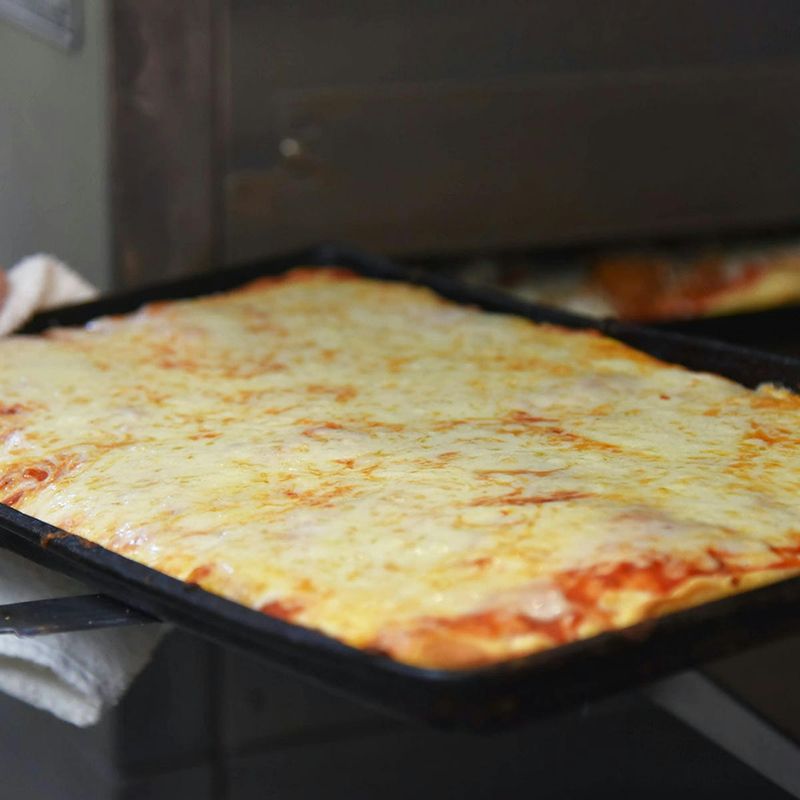
If you were raised in northeastern Pennsylvania, this local pizza style might have seemed completely normal until you realized the rest of the country did things differently.
Old Forge-style pizza came in rectangular cuts, often with a distinct sauce and cheese blend, and it inspired a level of hometown loyalty that outsiders sometimes underestimated.
At Arcaro & Genell in Old Forge, that tradition has long been part of the town’s identity, and in the 1980s it already felt woven into how families gathered and celebrated.
What made it stand out was not just the shape.
The texture, the sweet-savory balance, and the way whole trays appeared at parties gave it a personality all its own.
For Pennsylvania kids, it was one of those foods you took for granted because it showed up so often, from family get-togethers to casual dinners after busy days.
Only later did many people understand that this was not just pizza.
It was a regional language.
In the 1980s, Old Forge’s claim as a pizza town reinforced something Pennsylvanians already knew: local specialties mattered here.
People did not just support neighborhood restaurants out of convenience.
They supported them because taste, place, and identity were tightly linked.
Looking back, this style captures the best parts of Pennsylvania food culture, where pride could center on a tray of pizza as easily as on a landmark or sports team.
It was comforting, shareable, fiercely local, and specific enough to make you feel that where you lived shaped what you loved to eat.
10. Smiley Cookies
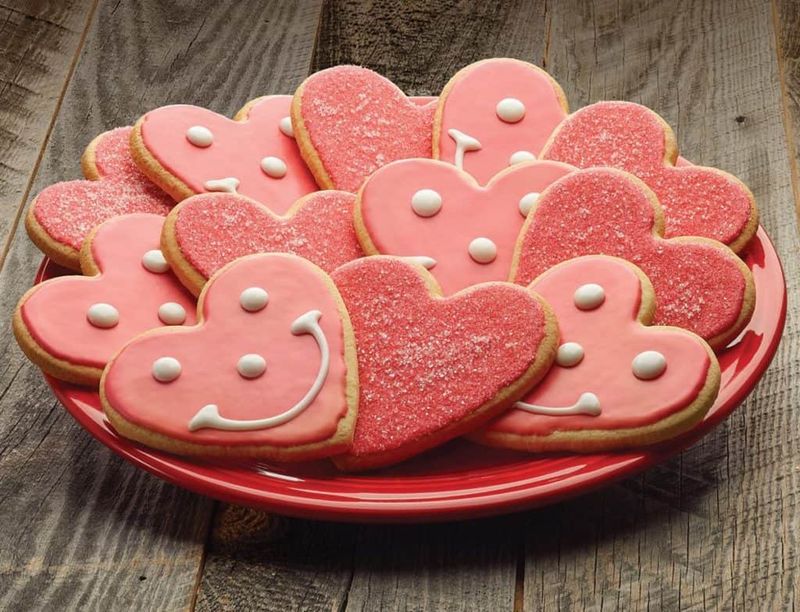
If you grew up in Pennsylvania, few treats felt as instantly cheerful as one of these familiar frosted faces staring back at you from the plate.
Smiley Cookies were sweet, soft, and impossible to confuse with anything else, and in western Pennsylvania they became closely linked with Eat’n Park.
By the 1980s, they were already a childhood icon, the kind of dessert that made family restaurant visits feel special even if you had only gone out for burgers, soup, or breakfast-for-dinner.
The genius of the cookie was not complexity.
It was emotional impact.
That bright icing and simple smile turned an ordinary meal into a small event, especially for kids who watched for it at the end of dinner like a promised reward.
In a decade built around family-friendly chain restaurants and dependable routines, Smiley Cookies fit perfectly.
They were affordable, recognizable, and so tied to Pittsburgh-area life that they became part of the region’s shared visual memory.
Looking back, they matter because they capture a softer side of Pennsylvania food culture.
Not every beloved local item was a heavy sandwich or old-world savory dish.
Sometimes the food that sticks with you most is the one that made you feel seen, celebrated, or just plain happy at the table.
In the 1980s, Eat’n Park used that cookie to create exactly that kind of warmth, and generations carried the memory forward.
Even now, one glance at a Smiley Cookie can bring back vinyl booths, family chatter, and the simple excitement of being handed dessert with a grin already built in.
11. Stuffed Cabbage Rolls
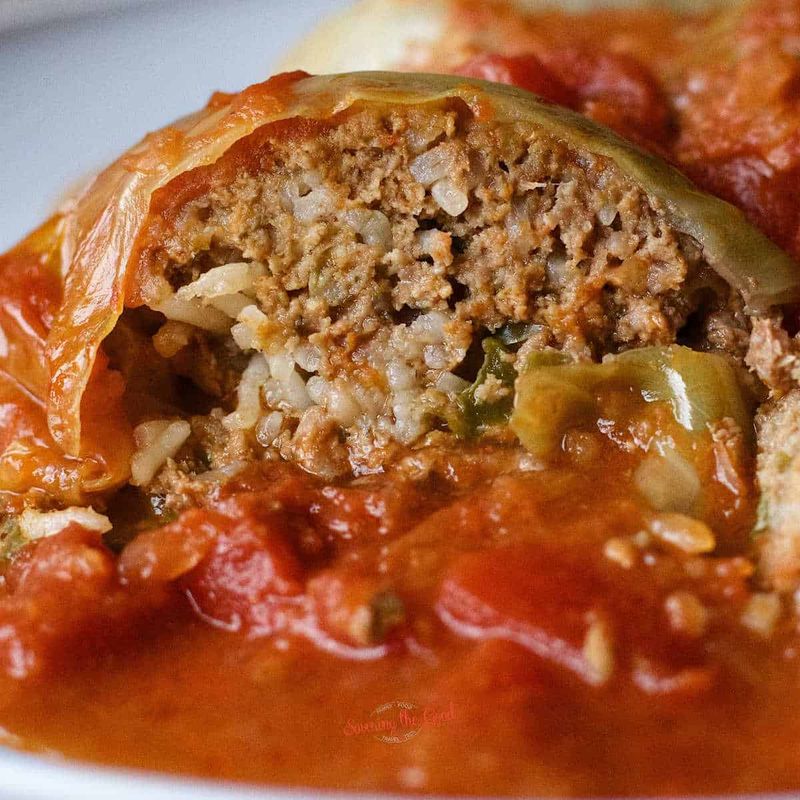
If your family table in Pennsylvania leaned heavily on Eastern European comfort food, this dish probably carries real weight in your memory.
Stuffed cabbage rolls brought together tender cabbage leaves, savory filling, and sauce in a way that felt deeply practical and deeply comforting at the same time.
In Pittsburgh, S&D Polish Deli represents the kind of place where those traditions stayed visible, but the dish itself speaks to a much wider story of immigrant neighborhoods, church kitchens, and recipes kept alive through repetition.
In the 1980s, this was not trendy food.
It was dependable food, and that mattered.
Cabbage rolls felt like something made with care, often in batches, often for people you loved, and often with the understanding that leftovers might taste even better.
For kids, they could seem a little old-fashioned at first, but the richness of the filling and sauce usually won people over quickly.
For adults, they carried a stronger sense of family history, thrift, and cultural continuity.
What makes them so Pennsylvanian is not that they originated here, but that communities across the state made them part of daily life.
In steel towns, city neighborhoods, and ethnic enclaves, dishes like this helped preserve identity while also feeding people well.
Looking back at the 1980s, stuffed cabbage rolls remind you that Pennsylvania’s food culture was built as much in delis and home kitchens as in famous restaurants.
They symbolize patience, tradition, and the kind of hearty meal that made a cold day or long week feel much easier to handle.
12. Schmitter Sandwich
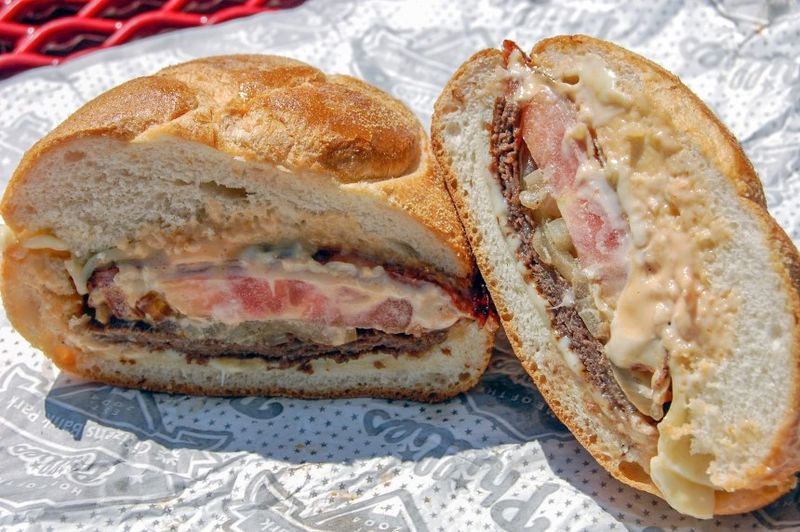
If you know Pennsylvania sandwiches well, this one stands out because it never tried to fit neatly into a familiar category.
The Schmitter combined steak, salami, cheese, tomato, fried onions, and a special sauce on a Kaiser roll, creating something part cheesesteak, part deli sandwich, and entirely its own.
At McNally’s Tavern in Philadelphia, it became a local legend, and in the 1980s it had the exact kind of neighborhood reputation that made people feel like they were in on a delicious secret.
What made it memorable was how layered the flavor felt.
You got beefy richness, salty cured meat, sharpness, freshness, and crunch, all in one gloriously overbuilt package.
It was a sandwich that demanded both hands and your full attention.
For Pennsylvania diners, especially those who loved pub food with personality, it delivered the kind of excess that somehow still felt balanced.
It was indulgent without being gimmicky, and distinctive without trying too hard.
In the 1980s, taverns remained important social spaces across Pennsylvania, and a signature sandwich like this fit that culture perfectly.
It gave a local place an identity people talked about, recommended, and returned for.
Looking back, the Schmitter represents a very Pennsylvania kind of creativity: practical ingredients assembled into something bigger than the sum of its parts, then defended with hometown pride for decades.
It may not have had the universal fame of a cheesesteak, but that was part of the charm.
It felt specific, beloved, and strongly connected to the city and the era that embraced it.
13. Italian Sausage
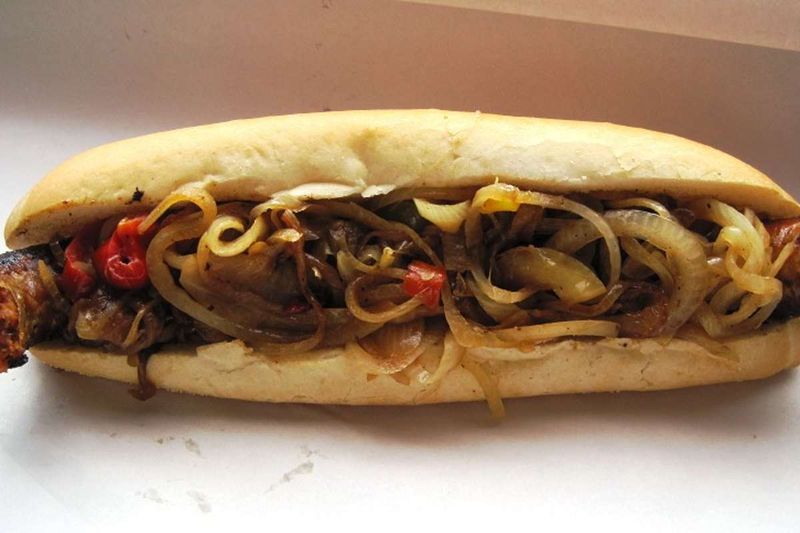
If you spent time in Philadelphia, this was one of those market meals that could stop you in your tracks with its aroma alone.
Italian sausage, especially when tucked into a roll with peppers and onions, felt bold, satisfying, and unmistakably tied to the city’s strong Italian American influence.
At Tommy DiNic’s in Reading Terminal Market, that style of sandwich became part of the market’s appeal, and by the 1980s it already fit perfectly into Pennsylvania’s love of hearty, straightforward food.
The best versions were all about balance.
You needed a good snap from the sausage, sweetness from the peppers, savoriness from the onions, and bread sturdy enough to hold everything together without getting lost.
In a place like Reading Terminal, the whole experience mattered too.
The sounds, the pace, the mix of shoppers and regulars all made a sausage sandwich feel like more than lunch.
It felt like participation in a city tradition that had been feeding people for generations.
In the 1980s, market culture still held a strong place in Pennsylvania life, especially in Philadelphia, where food buying and food eating often happened side by side.
That gave dishes like this extra staying power.
They were not isolated menu items.
They were part of a living local ecosystem shaped by butchers, bakers, produce stands, and family-run counters.
Looking back, Italian sausage belongs on this list because it captures the flavor, hustle, and immigrant roots that made Pennsylvania food culture so distinctive.
It was loud, delicious, reliable, and exactly the sort of meal you remembered long after the wrapper was gone.
14. Chicken Corn Soup
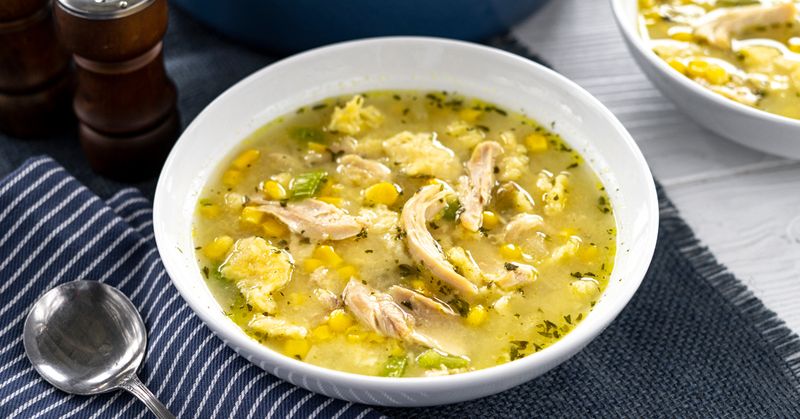
If your Pennsylvania memories include long drives through farm country, family dinners after church, or roadside restaurant stops that felt instantly comforting, this bowl probably means something to you.
Chicken corn soup is one of the clearest expressions of Pennsylvania Dutch cooking, combining simple ingredients into a meal that tastes gentle, filling, and deeply rooted in place.
At Dienner’s Country Restaurant in Ronks, that tradition fits naturally into the landscape, but the dish itself belongs to a broader central Pennsylvania story.
In the 1980s, it was the kind of food that felt especially right in a state where seasons mattered and so did thrift.
Chicken, corn, broth, and noodles or rivels came together in a way that never seemed showy, yet always delivered comfort.
For kids, it was mild enough to love immediately.
For adults, it represented practicality and hospitality, the sort of thing you served generously because making people feel fed was part of the point.
What makes this soup so memorable is how strongly it evokes region.
It tastes like Lancaster County roads, family-style dining rooms, and the slower rhythm of places where food was expected to nourish before it impressed.
Looking back at Pennsylvania in the 1980s, chicken corn soup stands for a quieter side of the state’s food identity, one built on agricultural abundance, religious community influence, and recipes designed to sustain everyday life.
It may seem simple beside some bigger local specialties, but that simplicity is exactly why it endured.
It feels honest, familiar, and unmistakably Pennsylvanian.
15. Whoopie Pies
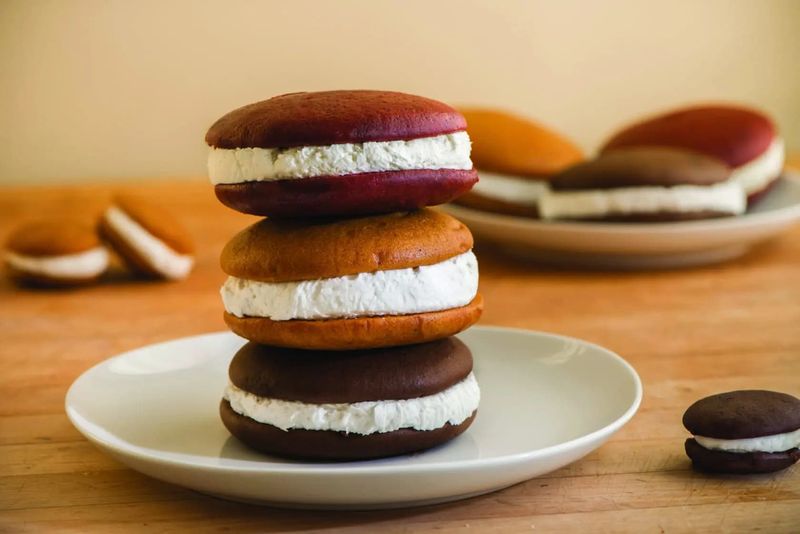
If you grew up in Pennsylvania, there is a strong chance this was one of the treats that made bakery cases feel impossible to resist.
Whoopie pies, with their soft cake-like cookies and sweet creamy filling, were especially tied to Pennsylvania Dutch country, where baked goods carried as much cultural weight as they did sugar.
At Bird-in-Hand Bake Shop, that tradition feels right at home, and by the 1980s these handheld desserts had already become a familiar favorite for locals and travelers alike.
What made them special was how comforting they felt.
They were not delicate pastries meant to be admired from a distance.
They were generous, slightly messy, and built for real enjoyment, whether you grabbed one after a family meal or brought a box home from a day in Lancaster County.
For kids, the cream filling made them instantly lovable.
For adults, they often came with a sense of place, linking dessert to roadside stands, country markets, and family outings through southeastern Pennsylvania.
In the 1980s, whoopie pies fit the era perfectly because they felt homemade even when bought from a beloved local shop.
That mattered in a state where authenticity often came down to whether food tasted like someone’s kitchen rather than a factory.
Looking back, they represent the sweeter side of Pennsylvania’s regional identity, shaped by baking traditions, rural culture, and recipes sturdy enough to travel well and keep people coming back.
One good whoopie pie can still bring back memories of packed car rides, paper bakery boxes, and the simple thrill of holding a dessert that felt both nostalgic and completely satisfying.