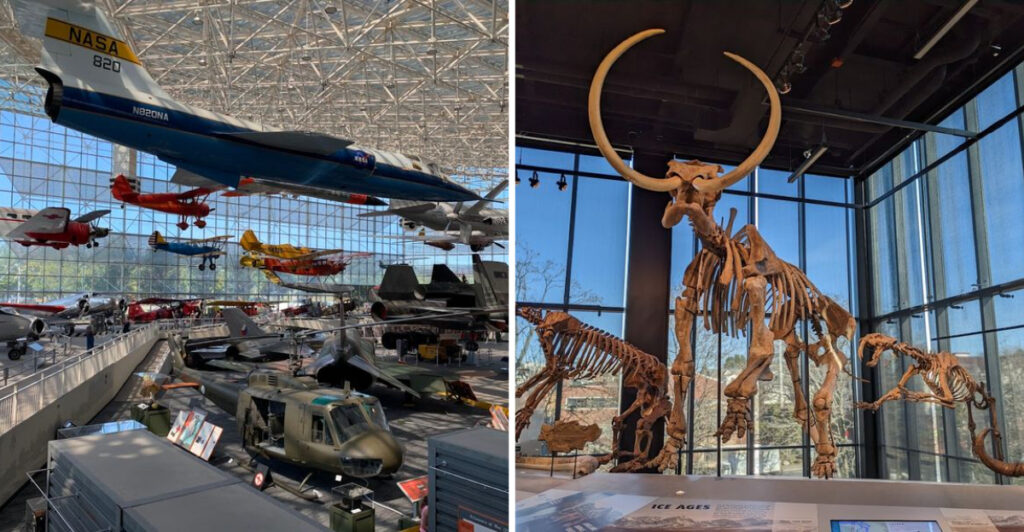
A rainy forecast has a way of reshuffling plans, but in Washington it can also point you toward some of the state’s most interesting places. One afternoon might involve standing beneath suspended aircraft, another wandering through galleries of glowing glass or watching marine life drift past enormous aquarium windows.
The best indoor attractions do more than keep you dry—they turn gray skies into part of the atmosphere. Some are hands-on, some are immersive, and a few deliver views that rival anything outside. When the clouds settle in, these Washington destinations make staying indoors feel like the smarter choice.
1. Museum of Pop Culture (Seattle, WA)
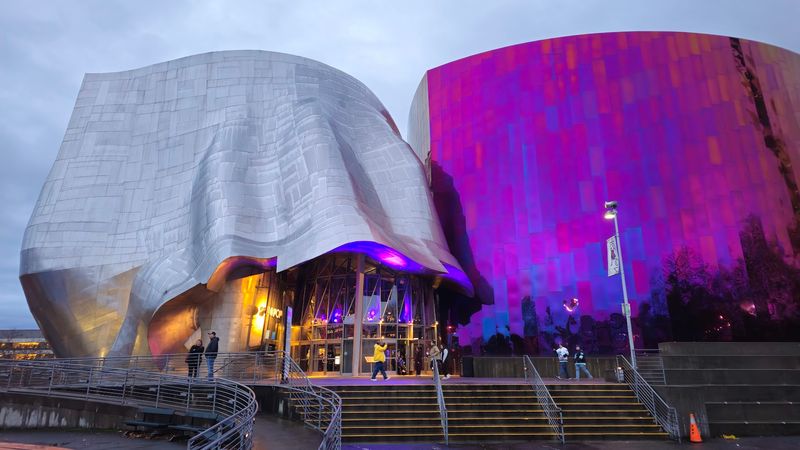
Start with the building itself, because the Museum of Pop Culture does not ease you in quietly. Curved metallic surfaces, bold shapes, and a layout that keeps shifting your attention set the pace before you even settle on a gallery.
Once inside, you move through music history, film worlds, science fiction, fantasy, and gaming in a way that stays energetic instead of overly polished.
One room might pull you toward iconic instruments and stage costumes, while another drops you into immersive displays built around fandom, storytelling, or the craft behind entertainment. Interactive elements break up the visual spectacle, so you are not just reading labels and nodding politely.
You can listen, play, test, and compare, which gives the museum a more active rhythm than many large institutions manage.
The strongest part is the range. You do not need to care equally about rock history, blockbuster movies, and video games for the visit to click, because each section has its own identity and pace.
That variety makes it easy to shape your route around your interests without getting stuck in one long, samey sequence of exhibits.
For a Seattle bucket list, this one earns its spot because it offers a full indoor afternoon with real personality. It suits solo visitors, couples, families, and friend groups without trying too hard to please everyone in the same way.
You leave with images still bouncing around your head, a short list of favorite displays, and probably a renewed urge to revisit a soundtrack, replay a game, or rewatch a film with fresh attention.
2. Chihuly Garden and Glass (Seattle, WA)
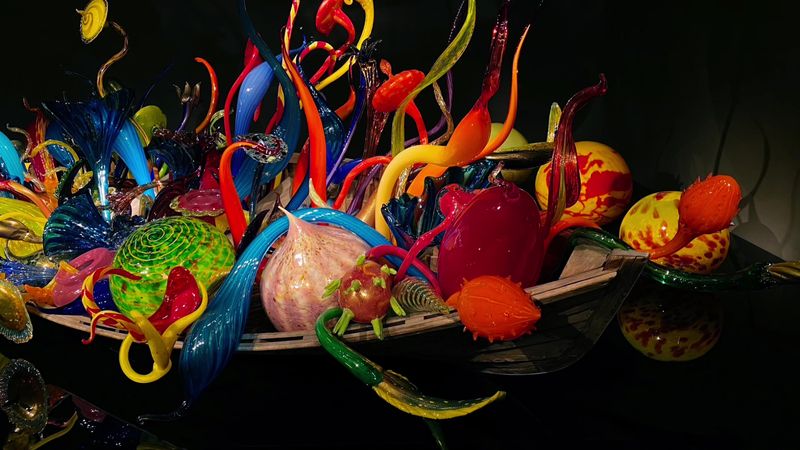
Few indoor spaces in Seattle hit with color this quickly. Chihuly Garden and Glass pulls you into rooms where glass twists, blooms, spikes, and drifts overhead in arrangements that are precise, theatrical, and impossible to ignore.
The lighting does a huge part of the work, turning each gallery into a controlled visual scene instead of a simple display of beautiful objects.
You move from delicate detail to oversized forms without much warning, which keeps the visit lively. One piece might draw you close to study tiny variations in shape and color, while the next spreads across the room like a burst of movement frozen in midair.
That contrast keeps your eyes active, and it helps the exhibition avoid the monotony that can happen in single-medium art spaces.
Even if you do not arrive thinking of yourself as a glass-art person, the scale and presentation make the appeal easy to understand. The work is intricate, but the experience is not fussy.
You can simply look, react, circle back, and notice how transparency, reflection, and shadows change the mood from one gallery to the next.
On a Washington bucket list, this is the kind of stop that works whether you have ninety minutes or a slower afternoon. It pairs well with nearby Seattle attractions, but it never reads like an add-on.
You come for glass, yet you end up remembering the full sensory effect of color, light, space, and arrangement, which is exactly why this place continues to stand out in a city crowded with strong indoor options.
3. Space Needle (Seattle, WA)
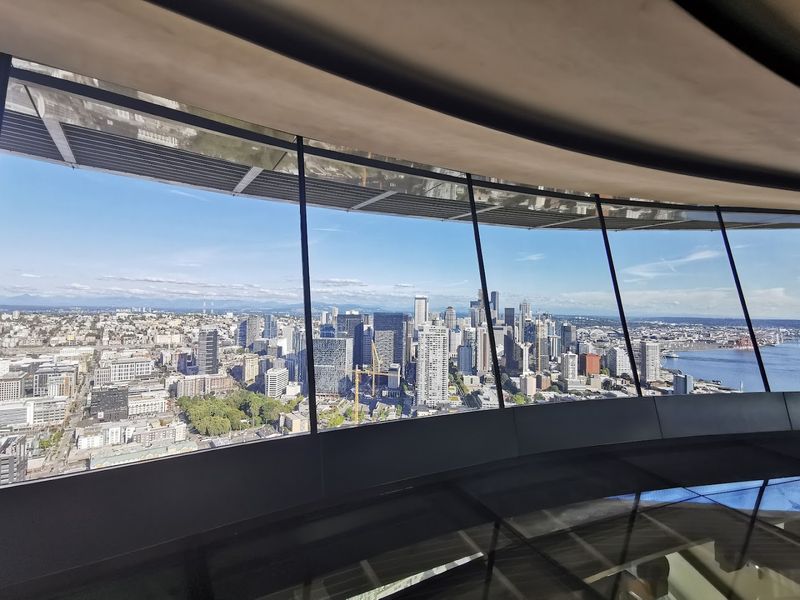
Yes, the Space Needle is famous, but the indoor experience still lands. The elevator ride builds suspense fast, and once you step onto the enclosed observation level, Seattle opens up in every direction through tall glass walls that keep the weather from hijacking the view.
Even on a moody day, the city, water, and surrounding landscape create a layered scene that rewards slow looking.
The design keeps your attention moving. You can circle the deck, watch neighborhoods and landmarks come into focus, and get a better sense of how Seattle fits together between hills, shoreline, and urban density.
Then there is the rotating glass floor below, which adds an entirely different kind of thrill without requiring you to set foot outside.
That rotating section is the detail people talk about afterward for good reason. Looking down at the structure beneath you while the scenery shifts creates a mix of curiosity and nerves, and even cautious visitors usually end up taking at least one extra lap.
It turns a classic viewpoint into something more memorable than simply snapping skyline photos and heading back down.
For a 2026 bucket list, the Space Needle belongs here because it delivers a distinctly Seattle perspective while staying comfortable indoors. It works in bright weather, gray weather, and the kind of drizzly stretch that can flatten lesser plans.
The experience is streamlined, visually strong, and easy to pair with nearby attractions, making it one of the simplest ways to get a big-city overview without sacrificing time, convenience, or a little sense of daring.
4. Seattle Aquarium (Seattle, WA)
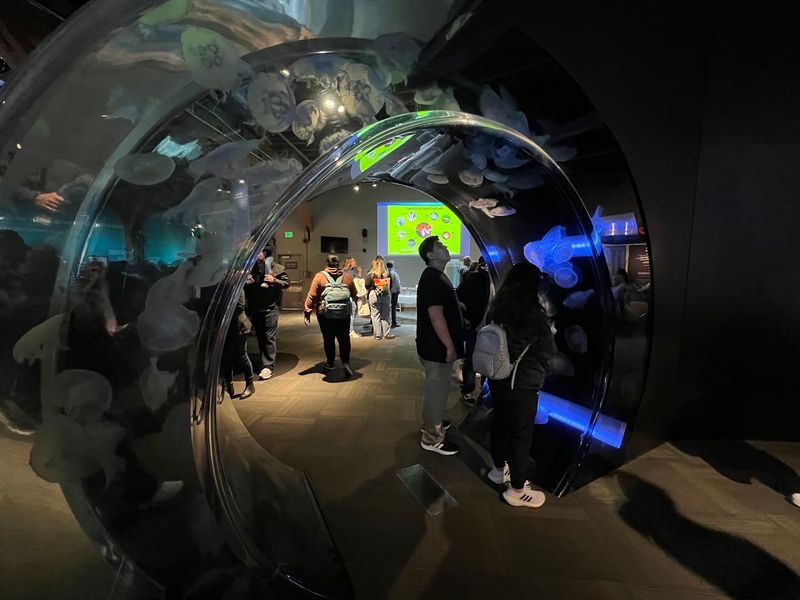
For an indoor stop that stays lively without turning chaotic, the Seattle Aquarium is a strong play. The focus on Pacific Northwest marine life gives the visit a clear regional angle, so you are not wandering through a generic collection with no connection to place.
Instead, the exhibits keep bringing you back to the coastal ecosystems that shape Washington in everyday and surprising ways.
The variety helps a lot. Jellyfish tanks glow with hypnotic movement, octopus displays pull your attention toward camouflage and texture, and sea otters bring in a more playful energy that changes the room whenever they zip past.
These shifts in pace keep the aquarium engaging for adults as much as kids, especially when you slow down long enough to notice patterns rather than rush from one tank to the next.
There is also something satisfying about seeing local marine life presented with enough detail to make familiar waters seem more complex. You start connecting shoreline walks, ferry rides, and beach visits with species and habitats you might otherwise overlook.
That local thread gives the experience more staying power than a purely entertainment-driven aquarium stop.
As a bucket-list pick, this one works because it is approachable and layered at the same time. You can treat it as a relaxed indoor outing or use it as a deeper look at the region’s underwater world, depending on your mood.
Either way, the aquarium offers a clean, visually rich change of pace in central Seattle, and it leaves you with a sharper sense of the life moving through Puget Sound and nearby coastal environments.
5. Seattle Art Museum (Seattle, WA)
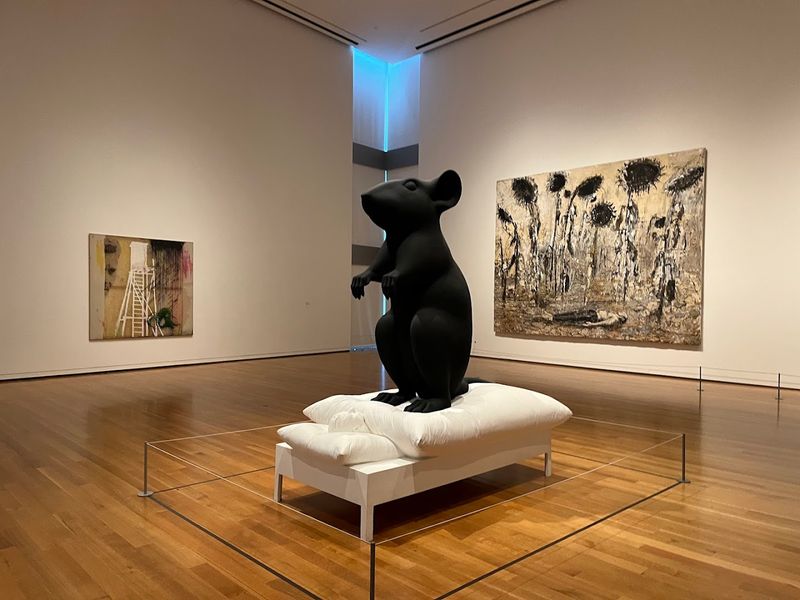
The Seattle Art Museum is the kind of place that rewards curiosity over checklist behavior. Rather than locking you into one era or style, it opens up a broad mix of global art, letting ancient objects, contemporary works, and Indigenous pieces share the conversation.
That range gives the visit momentum, because each gallery shifts your frame of reference and asks for a slightly different kind of attention.
You might move from intricate historical craftsmanship to a large modern work with a completely different visual language, and that contrast is part of the appeal. The museum does not need to shout to hold interest.
It trusts the collection, the pacing, and the variety of materials to keep you engaged, which makes it a smart pick when you want an indoor experience that feels substantial without becoming exhausting.
Rotating exhibitions also help keep the museum fresh for repeat visits. Even if you have been before, there is usually a reason to return, whether you want to spend more time with familiar galleries or catch a featured show that changes the tone of your afternoon.
That repeatability matters in a city with no shortage of rainy days and culture options.
For a Washington bucket list, Seattle Art Museum belongs here because it can match several moods. It works when you want a focused art outing, a downtown reset between other plans, or a quieter stretch after high-energy attractions nearby.
The museum gives you scale, variety, and enough visual contrast to stay memorable, all while remaining easy to navigate for visitors who want depth without spending an entire day decoding every wall text.
6. Museum of Flight (Seattle, WA)

The Museum of Flight has range in the best possible sense. You are not limited to a few static displays and a predictable timeline, because the experience stretches across aviation milestones, aircraft design, and space exploration with enough scale to keep the whole visit visually active.
Historic planes overhead and expansive exhibit spaces immediately set a bigger, bolder tone than many transportation museums manage.
One of its strengths is how easily it works for different levels of interest. Aviation enthusiasts can dig into design details, engineering progress, and notable eras, while casual visitors can simply enjoy the spectacle of seeing aircraft up close and tracking how flying changed over time.
Add in simulators and interactive areas, and the museum avoids becoming a passive walk past machines you are not allowed to approach.
The space side broadens the appeal even more. Moving from early flight stories to artifacts tied to exploration beyond Earth gives the museum a natural arc, and it keeps the subject from feeling boxed into one theme.
That shift also helps younger visitors stay engaged, since the imagination factor rises quickly once rockets and space travel enter the picture.
Put this on your 2026 list if you want an indoor attraction that can easily fill several hours without dragging. The Museum of Flight delivers scale, variety, and a strong sense of progress, all while giving you plenty to look at from different angles.
It is educational without getting dry, family-friendly without feeling watered down, and memorable enough that you will probably leave spotting planes overhead with a little more interest than before.
7. Seattle Children’s Museum (Seattle, WA)
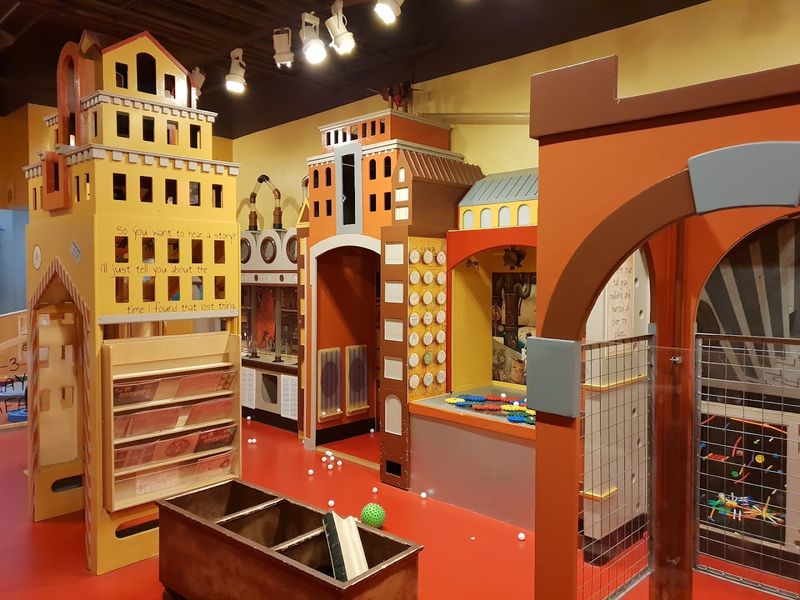
When younger kids need room to explore indoors, Seattle Children’s Museum makes the case for play that is active, varied, and clearly designed with curiosity in mind. This is not a place where adults whisper reminders to keep hands off everything.
The whole point is interaction, which instantly changes the energy and gives children space to test ideas through movement, pretend scenarios, and problem-solving.
The best part is how many kinds of play can happen under one roof. Some exhibits encourage building and experimenting, others lean into imaginative roles and everyday worlds scaled for kids, and plenty invite simple sensory discovery.
That mix keeps children from burning out on one mode too quickly, while giving caregivers a better chance of following the child’s pace instead of forcing a rigid route.
Because the museum centers learning through doing, the visit often lands differently than a standard attraction. Kids are not just absorbing information from signs or looking through glass at something interesting.
They are making choices, trying things, adjusting, and inventing little narratives as they move, which often leads to longer engagement than you might expect from a purely visual experience.
For families building a Washington bucket list, this one earns its place by solving two problems at once: it provides an indoor outing and gives children an environment built around participation rather than patience. That matters on rainy afternoons, travel days, or weekends when everyone needs a change of scene.
The museum keeps the mood upbeat, encourages creativity without overcomplicating it, and offers a practical, fun option in Seattle that parents often appreciate just as much as the kids do.
8. Rocky Reach Dam Discovery Center (Wenatchee, WA)
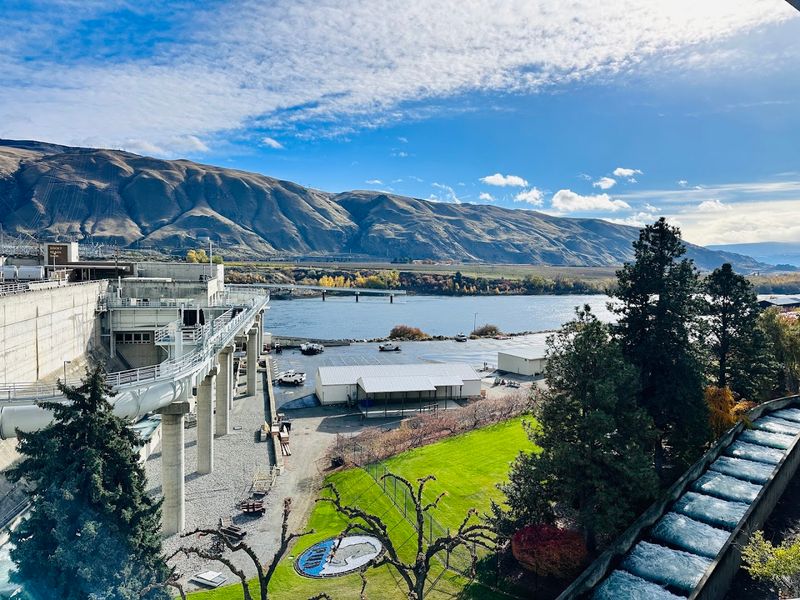
Not every memorable indoor stop in Washington sits in Seattle, and Rocky Reach Dam Discovery Center proves that quickly. In Wenatchee, this place turns big infrastructure into a more approachable experience by combining educational displays with river context and regional history.
You are not just staring at diagrams of turbines and calling it a day. The exhibits connect power generation to landscape, water, and the communities shaped around both.
That broader lens is what makes the visit interesting. Hydroelectric power can sound technical on paper, but interactive elements help break it into understandable pieces, and the ecology angle keeps the story grounded in more than engineering.
As you move through the center, the connection between the Columbia River system, energy production, and local environmental questions becomes easier to picture.
The views toward the dam add another layer because they anchor the exhibits in a real, working setting. Instead of learning in a vacuum, you can look out and connect what you just read or tested to an actual structure with regional significance.
That shift from concept to visible scale gives the experience more punch, especially for visitors who enjoy seeing how infrastructure and geography intersect.
For a 2026 bucket list, this is an excellent wildcard pick. It is educational, yes, but not in a stiff classroom way, and it offers a change of pace from the state’s better-known museums and observation decks.
If you want an indoor stop that broadens your sense of Washington beyond major-city attractions, Rocky Reach Dam Discovery Center adds science, history, and place-based context in one compact, surprisingly engaging visit.
9. Leavenworth Nutcracker Museum (Leavenworth, WA)

This is the list’s most delightfully specific stop, and that is exactly why it works. The Leavenworth Nutcracker Museum takes a highly focused subject and turns it into a surprisingly engaging indoor experience through sheer volume, variety, and historical range.
You walk in expecting a quirky collection and quickly realize you are looking at centuries of design, craftsmanship, folklore, and odd human creativity lined up in case after case.
The scale of the collection changes the whole equation. A single decorative nutcracker might register as a novelty, but thousands of them arranged across styles, regions, and eras become a study in materials, faces, mechanics, and cultural storytelling.
You start noticing how forms shift from practical tools to symbolic objects and then to highly stylized collectibles with their own visual language.
That evolution gives the museum more depth than its playful theme might suggest. There is humor in the figures, of course, and part of the fun is seeing just how many interpretations exist, but the visit also reveals how everyday objects can carry history in quiet, unexpected ways.
It is compact enough to stay approachable yet distinctive enough to stick in your memory long after larger attractions blur together.
On a Washington bucket list, this museum earns its place by doing something many bigger venues cannot: it surprises you. Leavenworth already has a strong identity, and this collection fits right into that sense of character without needing elaborate technology or oversized spectacle.
If you want an indoor stop with personality, unusual subject matter, and enough visual detail to keep you scanning every shelf, this one delivers a very different kind of museum win.
10. Washington State History Museum (Tacoma, WA)
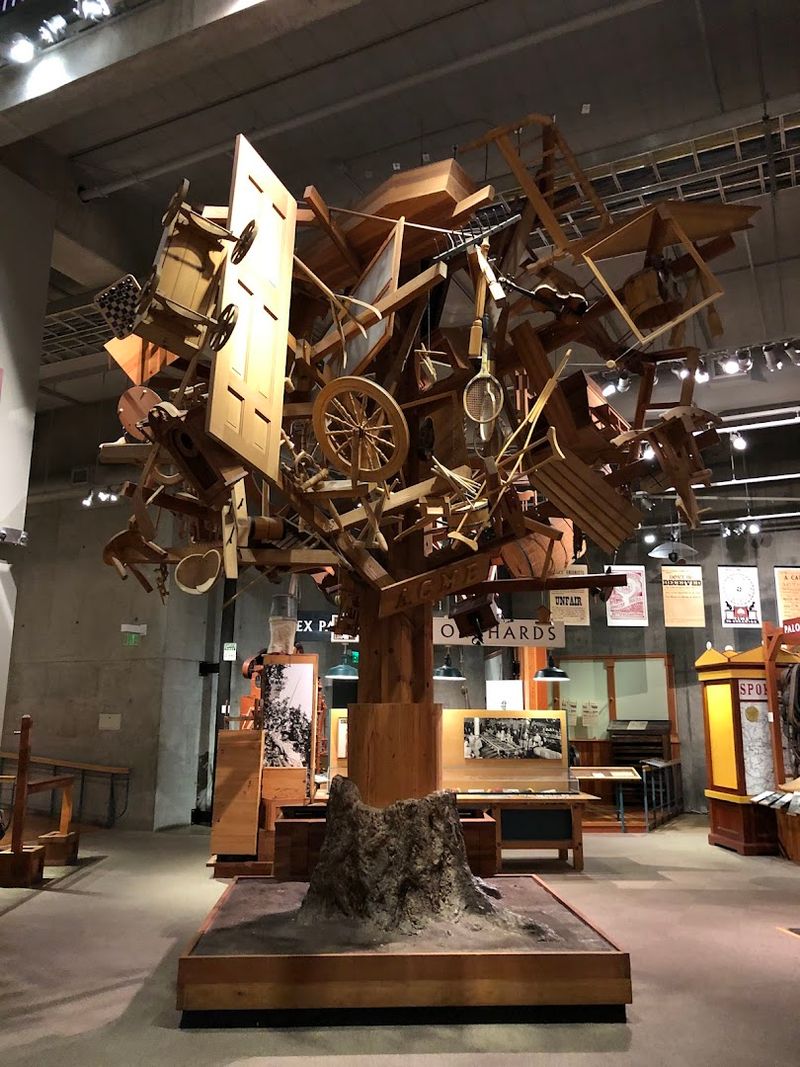
History museums can either flatten a region into a timeline or make it feel layered and alive. The Washington State History Museum lands on the stronger side by bringing together Native cultures, railroads, industry, immigration, and major state developments in a way that gives you multiple entry points.
Instead of presenting the past as one tidy march forward, it shows how different forces shaped Washington across time and place.
The museum’s broad scope is a real advantage. You can move between topics that reveal how transportation changed communities, how labor and industry influenced growth, and how migration patterns left marks on the state’s identity.
That variety keeps the galleries from feeling too narrow, while still giving enough specificity to hold attention beyond a quick skim.
Because the subject matter is regional, the experience often sharpens places you may already know by name. Cities, industries, and routes across Washington start connecting in new ways once you see them framed through historical context.
That makes the museum especially useful for visitors who want more than entertainment and prefer an attraction that adds depth to future road trips, city walks, or conversations about the state.
For a 2026 bucket list, this Tacoma stop deserves a spot because it rounds out the flashier picks with substance. You are still getting a polished indoor attraction, but the reward here is perspective rather than spectacle.
The museum adds texture to Washington’s story, offers enough range to keep different interests engaged, and gives you a smart reason to spend time in Tacoma while building a fuller picture of the state beyond its most photographed landmarks.
11. Burke Museum of Natural History and Culture (Seattle, WA)
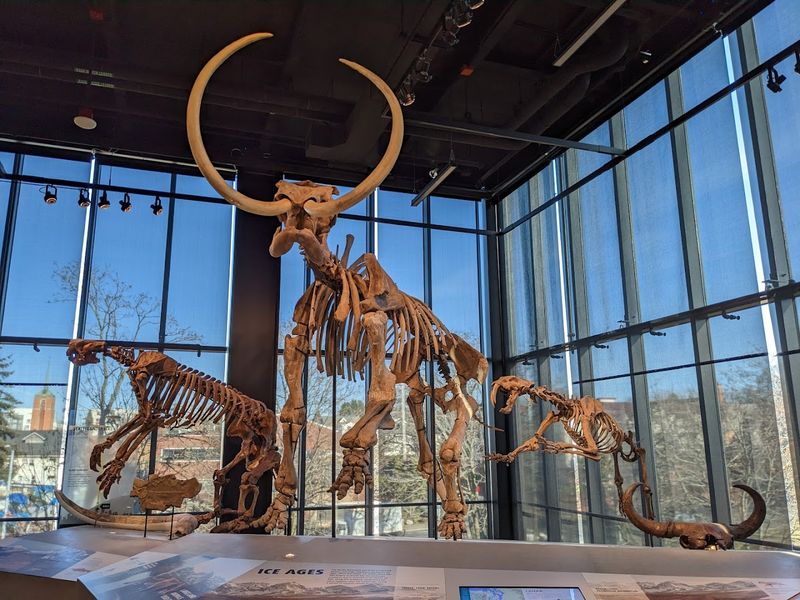
The Burke Museum succeeds because it makes natural history feel active rather than tucked away behind glass. From the moment you enter, there is a sense that discovery is still happening.
Dinosaur fossils, Northwest wildlife, cultural artifacts, and scientific collections share the space, but the museum presents them in a way that feels connected instead of fragmented.
Rather than moving through isolated subjects, you begin to see how landscapes, species, people, and history intersect across Washington and the broader Pacific Northwest.
One of the museum’s most distinctive features is the visibility of its working collections and research areas. Visitors are not completely separated from the scientific process, which adds an extra layer of interest beyond the exhibits themselves.
Seeing how specimens are preserved and studied helps transform the museum from a place that simply displays knowledge into one that actively creates it. That approach makes the experience feel more engaging and gives visitors a stronger connection to the material on display.
You can spend time admiring towering fossils, then shift toward exhibits that explore regional ecosystems or cultural heritage without the experience losing momentum. The variety helps maintain curiosity because each gallery offers a different lens through which to understand the natural and human stories that shaped the region.
Exhibits often encourage visitors to think about long timelines, from prehistoric life and geological change to the development of modern communities throughout the Pacific Northwest. That balance between science and culture is what gives the Burke its staying power.
For a Washington bucket list, it earns its place by providing depth without becoming overwhelming. You leave with memorable images, a better understanding of the Pacific Northwest, and a stronger appreciation for the connections between people, wildlife, and the environments they have shared for generations.