A real English castle standing beside an American lake already sounds improbable, but Thornewood Castle goes further than that. Its stonework, stained glass, carved wood, and formal gardens create the kind of setting that stops casual conversation mid-sentence.
In Lakewood, Washington, this historic estate works as both a place to stay and a place to study, because nearly every corridor reveals another layer of imported craftsmanship and Pacific Northwest adaptation. If you want a property with actual architectural drama instead of themed imitation, this is the one to keep reading about.
A Castle Façade That Resets Your Expectations
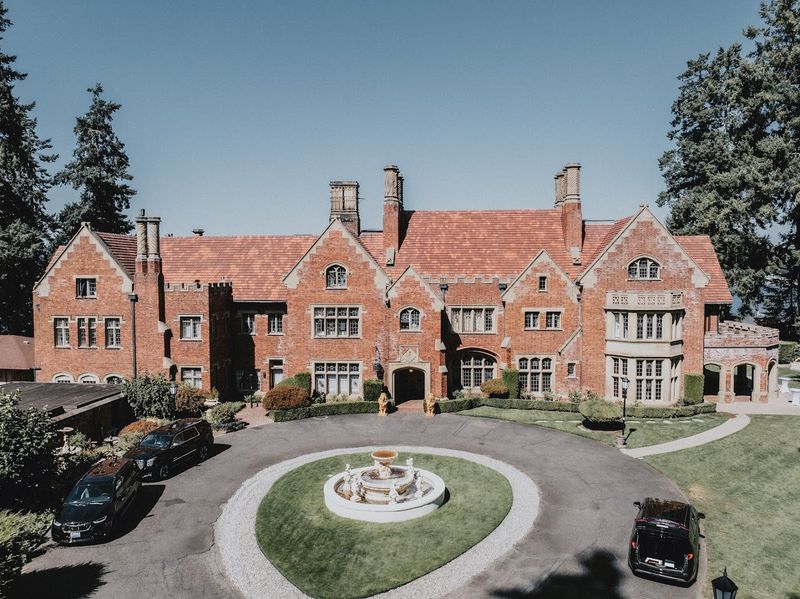
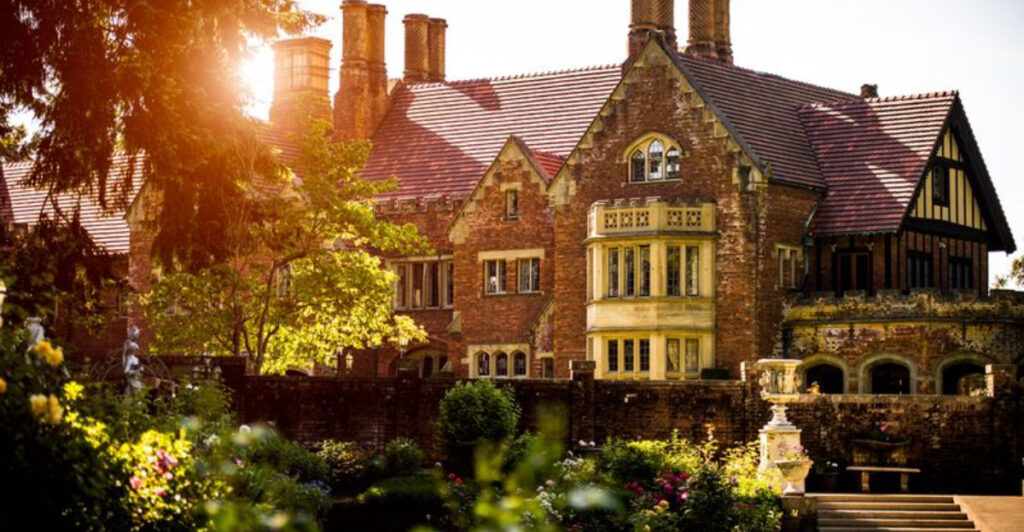
The approach to Thornewood Castle does not read like a novelty stop or a themed hotel. You turn into a residential pocket of Lakewood and suddenly the building rises with Tudor Gothic lines, old masonry, leaded windows, and a silhouette that belongs more to an English country estate than suburban Washington.
That contrast is the first jolt, and it works because the castle is not pretending to be old world inspired. It is old world material placed in a new setting.
Its most arresting quality is proportion. The house has the vertical pull, carved detail, and stately massing that make you slow down before you even think about checking in, taking photos, or finding your room.
You notice the roofline, the patterned exterior, and the way the structure sits on the land with unusual confidence, as if it has always been there, even though its story traveled across an ocean.
The lakefront acreage strengthens that arrival. Open lawn softens the building’s severity, while the water behind it gives the castle a quieter edge than you might expect from such dramatic architecture.
Instead of urban grandeur, you get a slightly secluded estate mood, with garden space, mature trees, and room for the building to breathe.
That combination explains why the property photographs so well without requiring much embellishment. The facade already carries the scene, whether the weather is bright and clear or wrapped in Washington cloud cover.
Before you even step indoors, Thornewood makes a strong argument that real architectural presence still beats manufactured spectacle every time, and here you get the rare bonus of seeing that presence translated into a working place to stay, celebrate, and explore.
Inside, the Craftsmanship Does the Talking
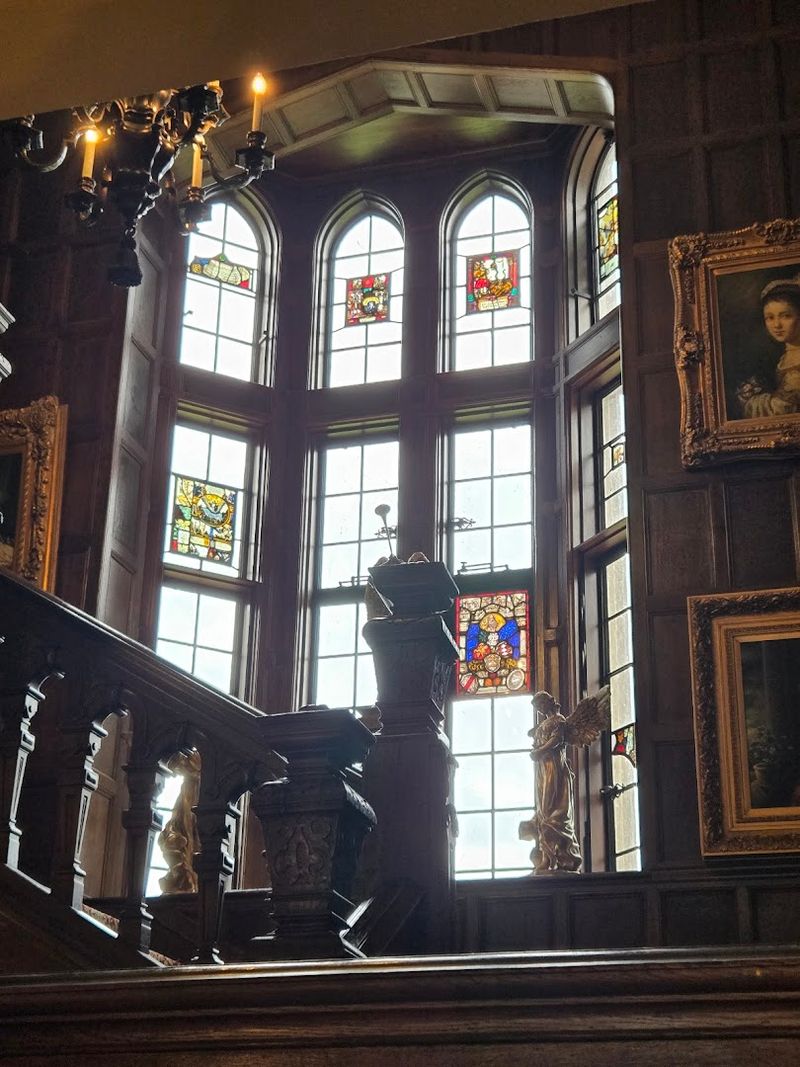
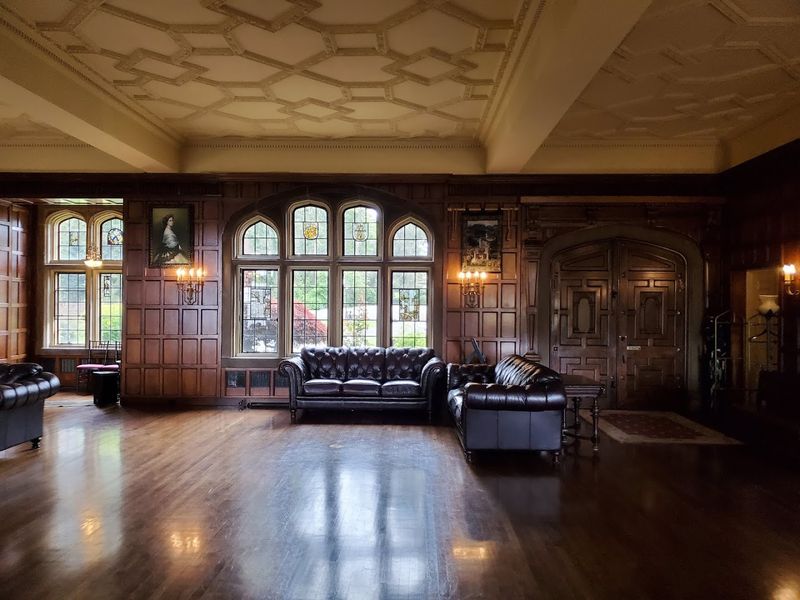
Step inside Thornewood Castle and the mood shifts from impressive exterior landmark to immersive period setting. The interiors lean hard into carved wood, old-world furnishings, dramatic staircases, richly framed windows, and the kind of layered surfaces that reward slow looking.
You are not moving through blank luxury rooms with a few historic accents. You are moving through spaces where the architectural fabric itself carries the experience.
That distinction matters because plenty of historic lodgings preserve a facade while smoothing out the interior into something generic. Here, the appeal comes from details that keep the rooms visually active: stained glass, fireplace surrounds, heavy trim, ornamental touches, and formal lines that make ordinary circulation spaces feel theatrical.
Even a hallway can read like a scene set, especially when light falls across dark wood or colored glass catches part of a wall.
The guest rooms add a softer layer without breaking the castle atmosphere. Amenities like coffeemakers, microwaves, minifridges, and cable television keep the stay practical, while suites and specialty rooms can add lake views, fireplaces, whirlpool tubs, or standout windows.
That blend means the property is not a museum frozen behind velvet rope. It is a functioning lodging experience that lets you inhabit the architecture rather than just admire it from a distance.
Rooms also appear to vary in personality, which suits a place with this much design history. Instead of uniform layouts, you get the appeal of distinct corners and individual character.
If you are choosing Thornewood for the romance of a castle stay, the interior delivers where it counts: not through gimmicks, but through material richness, spatial drama, and enough genuine detail to keep your eyes busy long after you have dropped your bags.
The Imported History Is the Headline
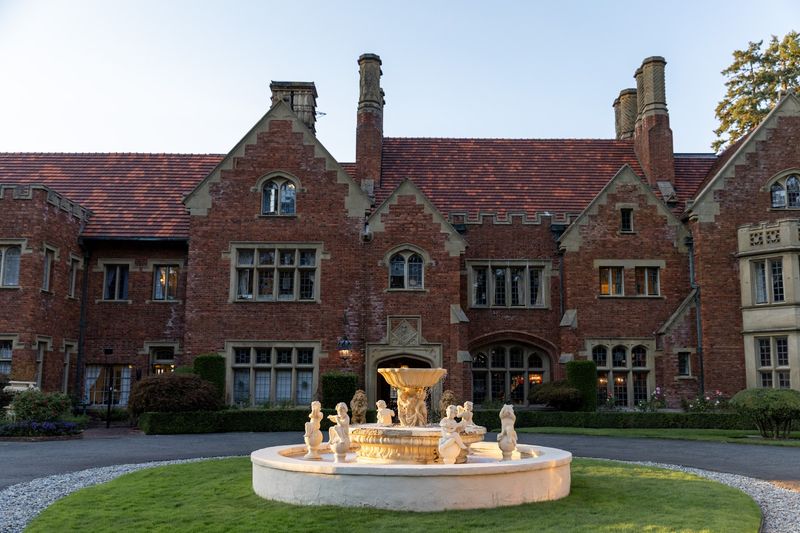
The single most remarkable fact about Thornewood Castle is not just that it is old looking. Parts of it were taken apart in England and reassembled in Washington, which turns the building from a stylish curiosity into a serious conversation piece.
That backstory changes how you read every beam, panel, and window. You are not looking at a regional imitation of European design. You are looking at transplanted architectural history adapted to a new landscape.
Once you know that, the house becomes more than a beautiful place to sleep. It becomes a study in salvage, ambition, and taste from an era when wealthy builders could import centuries-old material and rebuild with astonishing confidence.
The result is especially interesting because it sits in the Pacific Northwest rather than a denser East Coast setting where historic estates might feel more expected. In Lakewood, the contrast lands harder.
That imported identity also helps explain why the castle avoids the hollow mood that can cling to faux-historic properties. Old materials carry irregularity.
Craftsmanship from earlier periods brings depth to wood, glass, and stone that is difficult to fake at scale. Even if you do not arrive knowing technical architectural vocabulary, you can sense when a place has texture earned over time rather than applied for effect.
Thornewood’s story gives Washington a property unlike almost anything else in the region. It is part lodging, part architectural artifact, and part local legend precisely because the structure crossed both geography and centuries to get here.
If you like places that offer more than surface beauty, this is where the estate separates itself. The building is not memorable only because it is dramatic. It is memorable because the drama comes with provenance, movement, and a genuinely unusual origin story.
Gardens, Lawn, and Lake Give It Breathing Room
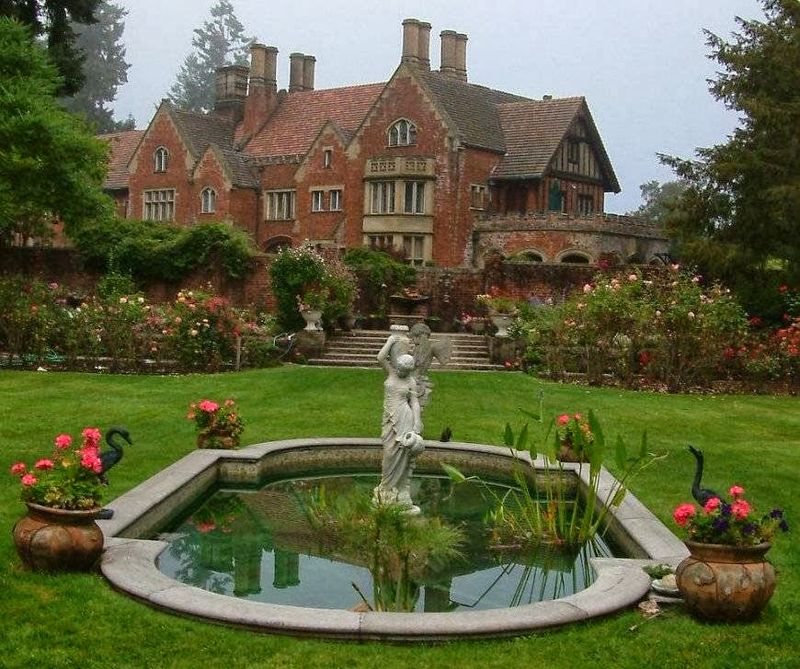
For a property with such a commanding building, Thornewood Castle does not rely on architecture alone. The grounds matter just as much to the experience, because the estate includes an English garden, open lawn, and lakefront space that pull the eye outward after all that interior detail.
Instead of feeling hemmed in by grandeur, you get room to wander, pause, and see the castle from multiple angles.
The garden design plays a key role here. Formal plantings, statuary, pathways, and maintained green space reinforce the estate identity while softening the stone-and-timber weight of the house.
It is easy to understand why photographers gravitate to the property. The setting gives them contrast on demand: structured architecture, floral texture, clipped lawn, reflective water, and changing weather that can turn the same spot from bright and polished to moody within an hour.
The private dock adds another visual break. Water immediately changes pacing, and at Thornewood it creates a quieter back edge to the property that offsets the ceremonial energy of the main building.
You can imagine starting in the richly furnished interior, moving through the gardens, then ending by the lake where the scale opens up and the estate relaxes a little. That sequence is part of the appeal.
It also explains why weddings and events fit so naturally here. The grounds provide built-in staging areas without making the property feel overprogrammed.
Even if you are not attending a celebration, the landscape gives the castle context and prevents it from becoming all facade, all the time.
In Washington, where greenery and water often define the strongest stays, Thornewood uses its three-acre lakefront setting wisely. The result is a property that knows when to be ornate and when to let the horizon do part of the work.
Why Washington Weddings Keep Circling Back Here
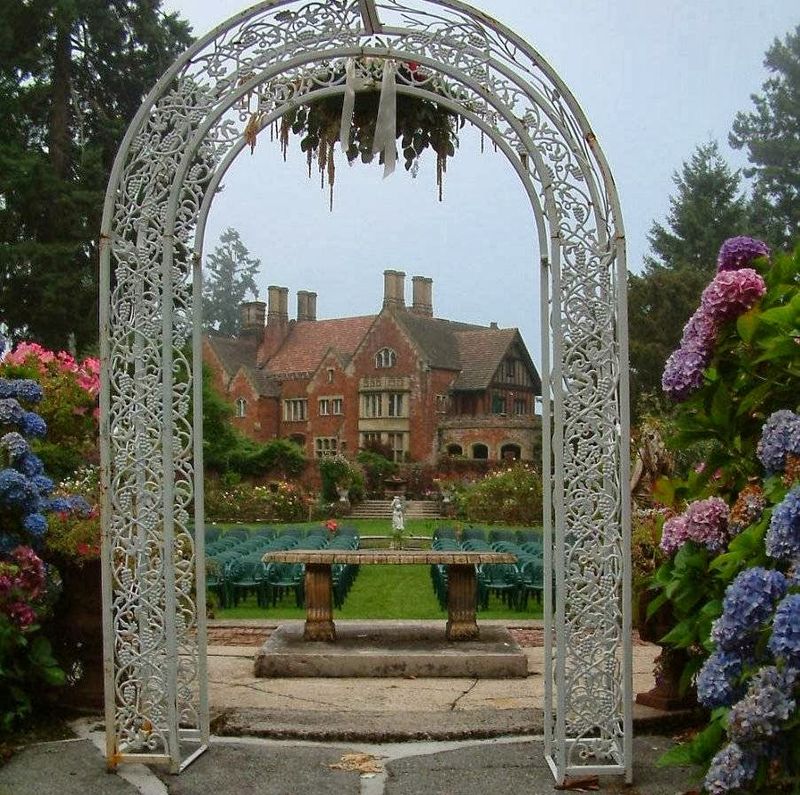
Thornewood Castle functions as lodging, but its public identity is closely tied to weddings and special events. That is not hard to understand once you look at the layout and visual assets.
The property offers a grand arrival, photogenic interiors, cared-for gardens, lake views, and a sense of occasion that most venues spend heavily trying to simulate. Here, the setting already does much of the heavy lifting.
For couples, the appeal is obvious. The castle provides architectural drama indoors and multiple outdoor backdrops without needing a long shuttle between ceremony, portraits, and reception spaces.
A staircase, a fireplace, stained glass, garden pathways, and lakeside light can all be used within the same property. That range supports everything from classic formal events to fantasy-inspired celebrations, which helps explain the venue’s recurring role in themed weddings and elaborate photography.
Still, if you are booking an overnight stay rather than an event, this reputation matters in practical ways. Several accounts make it clear that weddings can shape how the property operates on certain dates, including which areas are active or crowded.
That does not erase the appeal, but it does suggest that timing affects the kind of stay you will have. A quiet castle weekend and a celebration-heavy weekend are not the same product, even if they share the same address.
Seen editorially, that dual identity is part of what makes Thornewood interesting. It is not a secluded relic protected from modern use.
It is a historic estate still performing social duty, still being dressed up, photographed, and moved through in ceremonial ways. In Washington State, very few places can offer that blend of imported history and active event life.
Thornewood is compelling not because it is frozen in time, but because it remains visually potent enough to anchor some of life’s biggest staged moments.
How to Experience the Stay Without Missing the Point
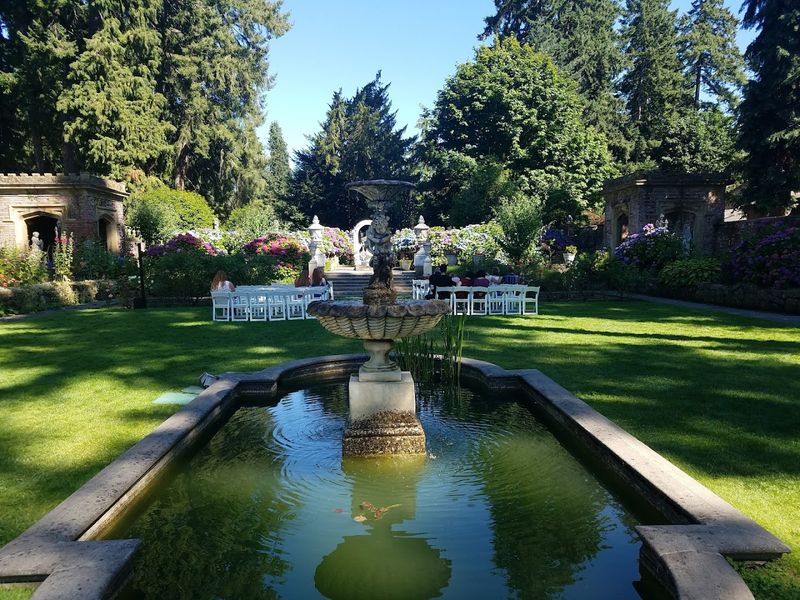
The smartest way to experience Thornewood Castle is to treat it less like a standard hotel and more like a destination stay built around place.
You are here for architecture, setting, and the unusual privilege of sleeping inside a story-rich estate, so the best plan is simple: give yourself time on the property. Rushing in for one night and spending most of it offsite misses the strongest parts.
A room with a view or a standout feature can shift the visit from interesting to immersive. Some accommodations offer lake outlooks, fireplaces, stained glass, or whirlpool tubs, while the broader room package includes familiar conveniences like a minifridge, microwave, and coffeemaker.
Breakfast is part of the rhythm too, whether taken in a traditional dining room or delivered in-room. That little bit of ceremony suits the setting better than a grab-and-go routine ever could.
Once settled, the property invites a slow circuit. Walk the grounds in changing light, notice how the building reads differently from the lawn than from the dock, and spend time in the common spaces where details reveal themselves gradually.
If the weather turns gray, that is not a setback. The castle actually gains mood from cloud cover, and interior spaces can feel even richer when the light outside is muted.
The main caution is expectations. This is not a full-service resort built around constant staff visibility, dining variety, or endless programming.
Its strengths are atmosphere, setting, and architectural character. If you arrive wanting polished modern hotel sameness, the castle may feel idiosyncratic.
If you arrive ready to lean into its quirks, timing, and historic texture, you give yourself the best chance of understanding why so many guests treat an overnight here as an experience rather than merely a booking.
Planning the Timing Matters More Than You Think
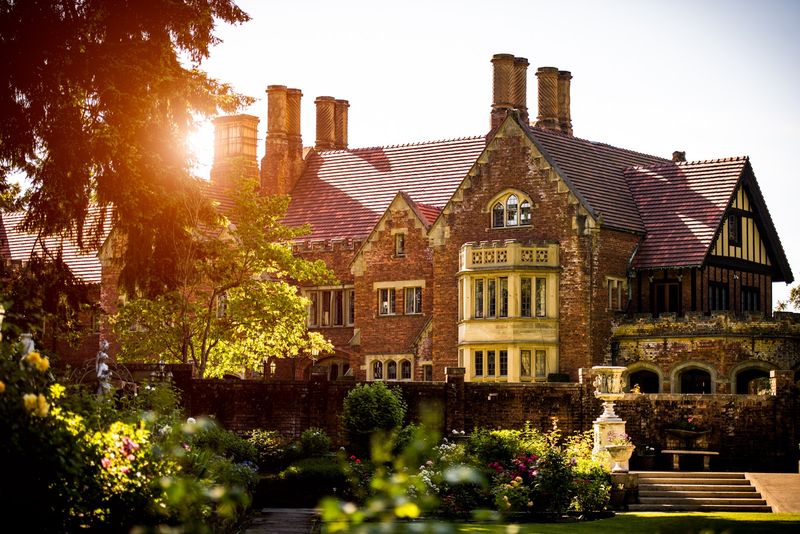
Thornewood Castle is one of those places where timing can shape the entire visit. On paper, the property offers upscale lodging in a Tudor Gothic castle with gardens, a dock, breakfast, and lakefront acreage near Tacoma.
In practice, the calendar matters because this is also an active event venue. Depending on when you book, the stay may range from hushed and secluded to lively and wedding-centered.
That makes pre-trip planning especially important. If you want maximum quiet, it is wise to confirm whether a private event is scheduled and to understand how shared spaces may function during your dates.
Several guest accounts suggest that event activity can affect movement through the grounds or common areas. Knowing that in advance helps you choose the right weekend instead of arriving with the wrong expectation.
Accessibility and comfort details are worth considering too. The castle provides useful in-room amenities and on-site parking, but it is still a historic building with spatial quirks, and not every traveler wants the same kind of experience from a heritage property.
Some guests will love the sense of stepping slightly outside modern hotel norms. Others may prefer more conventional service structure. That difference is less about quality than fit.
Location also works best if you are intentionally going to the castle, not merely passing through and needing a generic room. The property sits in Lakewood with reasonable access to Tacoma, yet its real draw is self-contained.
You book Thornewood because you want Thornewood. Get the timing right, choose a room category that matches the occasion, and build in hours to use the grounds.
Do that, and the practical side supports the fantasy instead of colliding with it. For a stay this distinctive, logistics are not boring background details. They are part of the craft.
The Sharp Reason This Place Stands Out
Plenty of historic stays offer charm. Plenty of event venues offer scenery. Thornewood Castle stands out because it combines provenance, architectural seriousness, and visual drama in a way that still feels strange in the best possible sense.
A centuries-old English castle reconstructed in Washington could have become a gimmick. Instead, it lands as a place with enough substance to support the headline.
The building itself earns that distinction. Exterior massing grabs attention immediately, interiors carry real decorative depth, and the imported-history angle gives the estate a narrative stronger than ordinary luxury branding.
Then the grounds step in with gardens, lawn, dock, and lake views that prevent the experience from becoming overly formal or claustrophobic. You move between enclosed richness and open air, which keeps the property dynamic.
Its operating life also adds texture. Thornewood is not only admired from a distance. People sleep here, get married here, photograph elaborate celebrations here, and build entire weekends around the setting. That ongoing use gives the estate a contemporary pulse.
The castle remains active rather than embalmed, and that matters because historic places often become flatter once they stop functioning as lived environments.
If you are deciding whether the property is notable beyond its social-media appeal, the answer is yes. The visual impact is obvious, but the deeper appeal comes from the convergence of craftsmanship, relocation history, lakefront landscape, and continued relevance.
Very few American stays can tell you, with a straight face, that their most compelling feature crossed the Atlantic in pieces before becoming part of the Pacific Northwest. Thornewood can.
That is why it rises above the category of unusual hotel and enters a narrower group of destinations that are worth understanding on their own terms. It is dramatic, certainly, but the more important point is that the drama is backed by real material history.
Share this story