Along the sparkling shores of Grand Traverse Bay, Traverse City stands out as one of Michigan’s most exciting destinations — and there’s so much more to it than cherry festivals and wine trails. This northern Michigan gem is packed with eerie ghost stories, towering sand dunes, and water so clear it almost looks Caribbean.
Whether you’re chasing thrills, digging into history, or simply looking for scenery that feels too beautiful to be real, Traverse City has something that will leave you speechless. Get ready to discover seven incredible reasons this place deserves a top spot on your Michigan bucket list.
The Historic Haunts of Downtown Traverse City
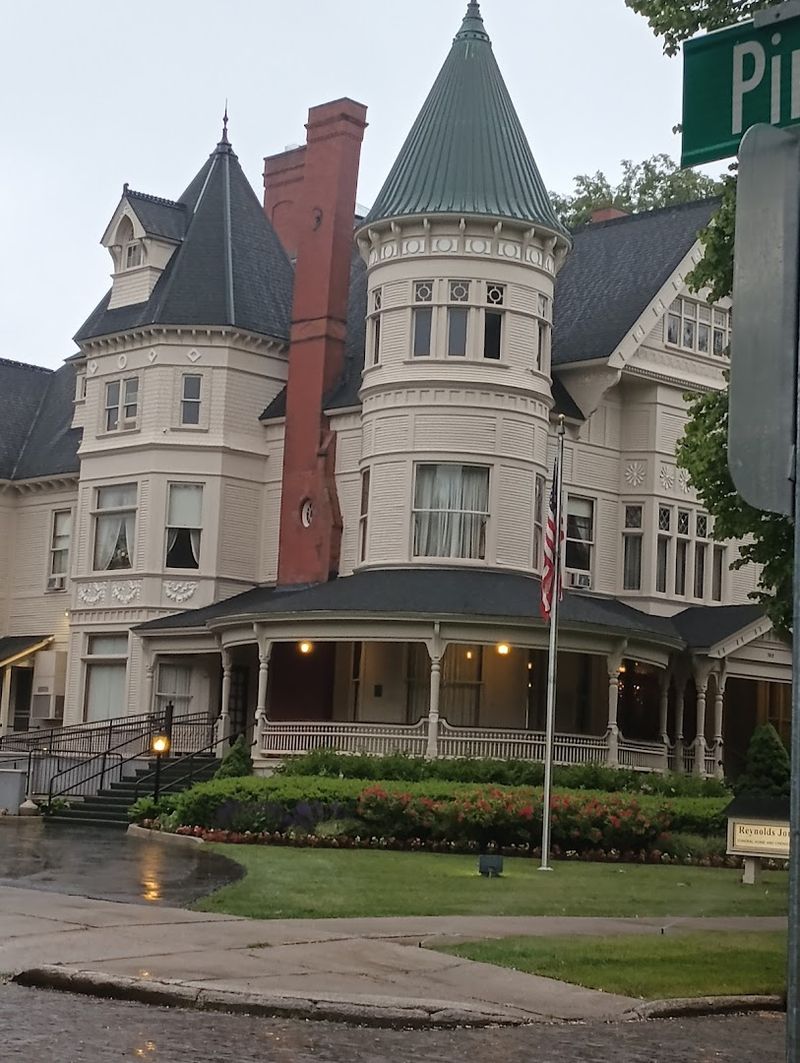
Some towns have history — Traverse City has ghost stories baked right into its cobblestone soul. The downtown corridor is lined with buildings that date back to the late 1800s, and more than a few locals will tell you that some of those old walls still hold secrets.
The most talked-about haunted spot is the former Northern Michigan Asylum, now reimagined as The Village at Grand Traverse Commons, a sprawling Victorian-era campus that once housed thousands of patients.
Walking through The Commons feels like stepping into another century entirely. The red-brick buildings stretch for blocks, with turrets, arched windows, and long shadowy corridors that make even the bravest visitors glance over their shoulders.
Ghost tours operate seasonally here, and the stories shared by guides are pulled from real historical records — not just campfire tales.
Downtown Traverse City itself carries layers of history worth exploring on foot. Buildings along Front Street have housed everything from general stores to prohibition-era speakeasies, and local historians love sharing the more colorful chapters of the city’s past.
The Traverse City State Hospital cemetery, located nearby, adds another layer of somber reflection to the area’s story.
For travelers who love history with a side of chills, timing a visit around Halloween season is especially rewarding. Tours fill up fast, so booking in advance is a smart move.
Even outside spooky season, architecture lovers will find plenty to admire in the ornate details of the city’s oldest structures.
Traverse City’s historic haunts aren’t just about fear — they’re about connection to a complicated, fascinating past. Spending an evening wandering these streets feels genuinely unlike anything you’d experience in a modern tourist town.
Sleeping Bear Dunes National Lakeshore
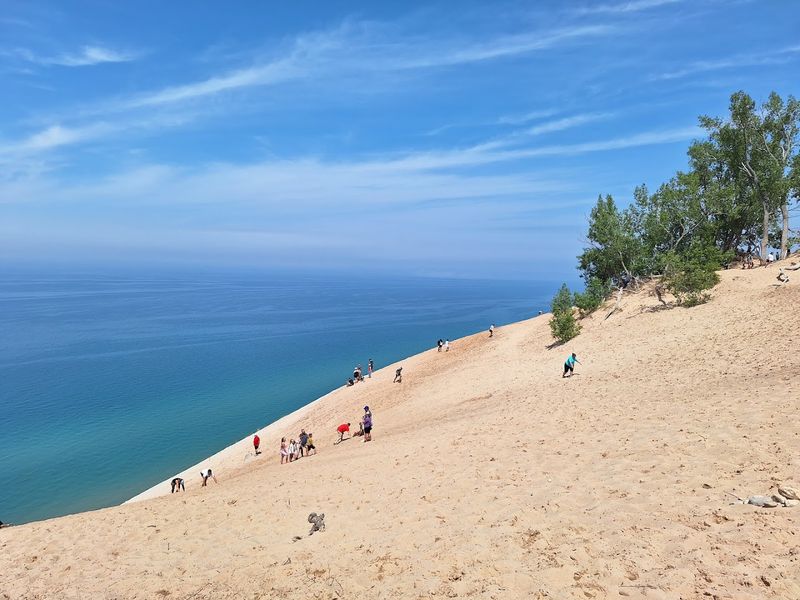
Picture standing at the top of a 450-foot sand dune with nothing but shimmering blue water stretching out below you. That’s the Sleeping Bear Dunes experience — and it genuinely stops people mid-sentence.
Located just a short drive from Traverse City, this National Lakeshore is one of the most dramatic natural landscapes in the entire Midwest, full stop.
The dunes were shaped over thousands of years by glacial activity and relentless wind off Lake Michigan. The result is a landscape that feels almost cinematic — rippling hills of pale sand contrasting against deep green forests and that impossibly blue water.
Climbing the Dune Climb trail is a rite of passage for visitors, though fair warning: what goes up must come down, and the return trek back up from the shoreline is genuinely humbling.
Beyond the famous dune climb, the park offers over 100 miles of hiking trails, two stunning offshore islands accessible by ferry, and some of the most picturesque picnic spots you’ll find anywhere in Michigan. The Pierce Stocking Scenic Drive winds through the park and delivers jaw-dropping overlook views without requiring a single uphill step.
Sleeping Bear was famously voted “Most Beautiful Place in America” by viewers of Good Morning America back in 2011, and spending even one afternoon here makes that title feel completely earned. The park draws visitors year-round — in winter, the dunes dusted in snow take on an entirely different kind of magic.
If you’re planning a trip to Traverse City and skipping the dunes, reconsider immediately. Pack water, wear sturdy shoes, and set aside at least half a day.
The views from the top are the kind you’ll still be talking about years later.
Caribbean-Blue Waters of Grand Traverse Bay
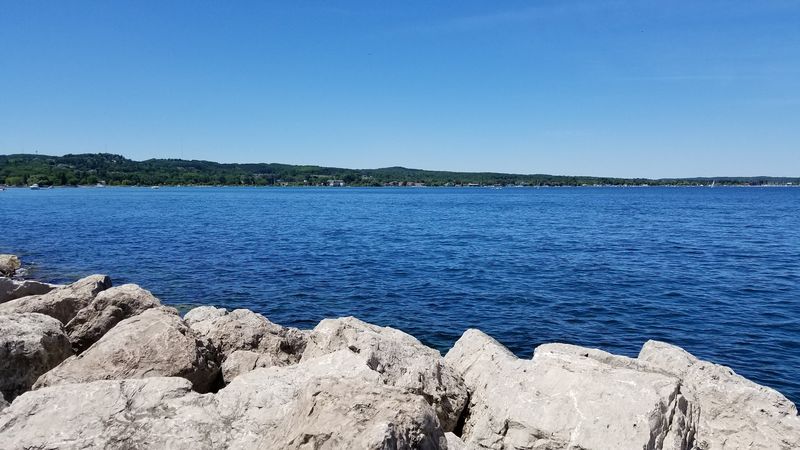
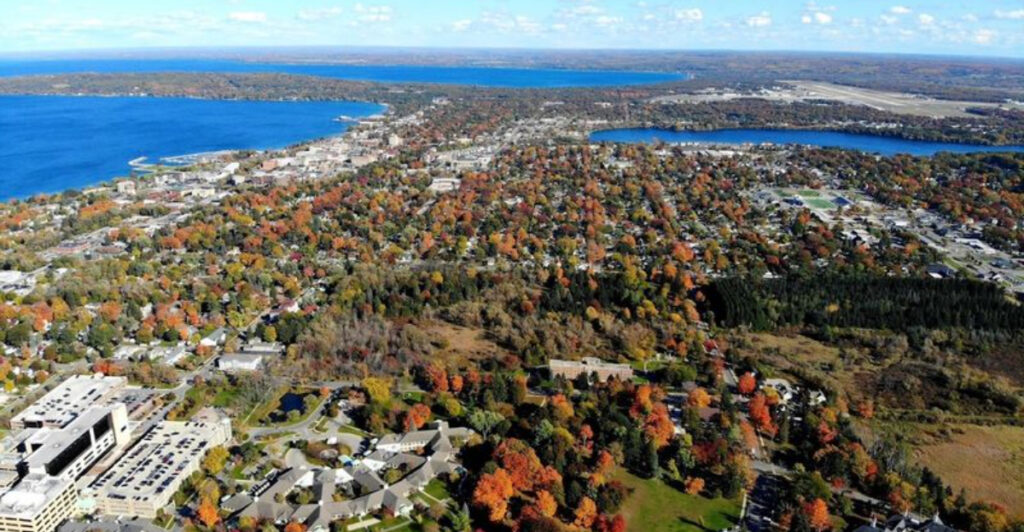
Forget booking a flight south — the water in Grand Traverse Bay genuinely rivals tropical destinations for color. On a clear summer day, the bay glows in shades of aquamarine and deep sapphire that seem almost too vivid to be real.
Locals have long known this secret, but visitors from out of state consistently do a double-take when they see it for the first time.
The bay is actually split into two arms — East Bay and West Bay — each offering slightly different vibes. East Bay tends to be calmer and shallower, making it a favorite for families with young kids who want safe swimming conditions.
West Bay runs deeper and is popular with paddleboarders, kayakers, and sailors who love open water with a serious backdrop of rolling hills.
Clinch Park Beach sits right in the heart of the city and is one of the most accessible spots to experience the bay up close. The soft sandy shoreline, clear water, and easy parking make it a go-to for spontaneous afternoon swims.
Sunset at Clinch Park is a full event — locals bring chairs, grab food from nearby spots, and settle in for one of the best free shows in northern Michigan.
Water temperatures in summer reach comfortable swimming levels, usually peaking in late July and August. The bay also supports a thriving ecosystem, and kayakers often spot fish darting through the clear shallows below their boats.
Snorkeling near rocky areas can reveal surprisingly colorful freshwater life.
Grand Traverse Bay is the kind of place that makes you question why you ever looked at airline prices for a beach vacation. The water is right here, it’s stunning, and it’s free to enjoy all summer long.
The Village at Grand Traverse Commons
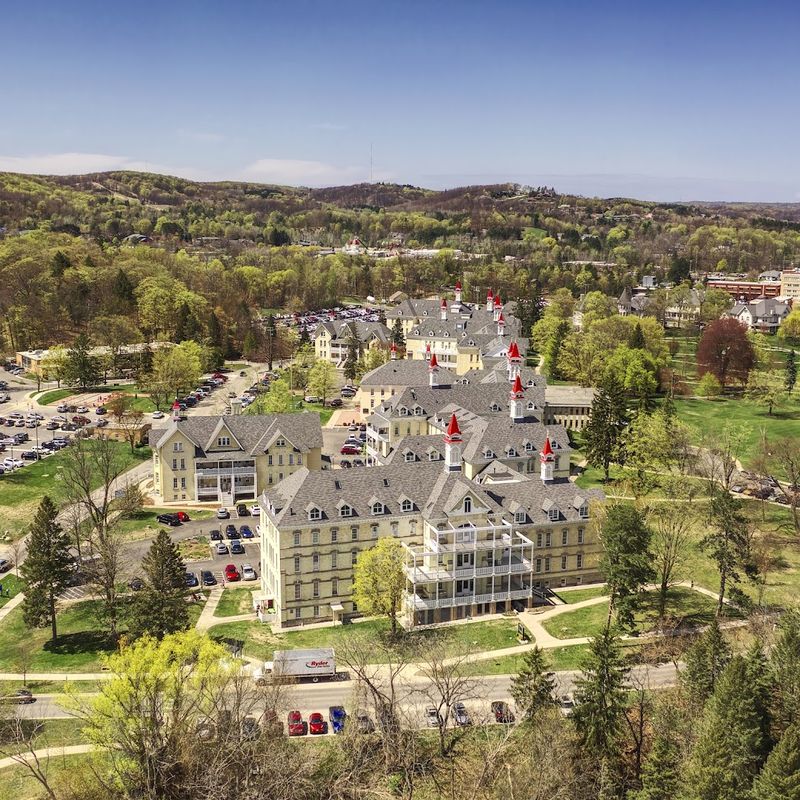
Few places in Michigan blend history, architecture, and modern revival quite like The Village at Grand Traverse Commons. Originally built in 1885 as the Northern Michigan Asylum, this sprawling Victorian campus operated for nearly a century before closing.
What happened next is genuinely remarkable — instead of demolition, the community chose restoration.
Today, the 63-acre property has been transformed into a lively mixed-use village complete with local shops, restaurants, breweries, yoga studios, and residential lofts. Walking the grounds feels surreal in the best way — you’re sipping a craft latte inside a building where patients once strolled the same hallways over a hundred years ago.
The architecture alone is worth the visit, with its distinctive Kirkbride-style design featuring long rambling wings and ornate brick detailing.
The Commons hosts regular community events, farmers markets, and art shows throughout the warmer months. It’s become a genuine gathering place for Traverse City locals, which gives it an energy that’s very different from a typical tourist attraction.
You’ll find families, artists, remote workers, and history enthusiasts all sharing the same beautifully restored space.
Ghost tours of the property are wildly popular and run seasonally, drawing visitors from across the state who are curious about the building’s more mysterious past. The tours are thoughtfully done — respectful of history while still delivering plenty of spine-tingling moments.
Even without a tour, wandering the exterior corridors and gardens at twilight has its own quiet intensity.
The Village at Grand Traverse Commons represents something rare in American travel — a place where preservation won, and the result is richer for it. Plan at least two hours here, because there’s genuinely more to explore than most visitors expect on their first walk-through.
Old Mission Peninsula Wine Trail
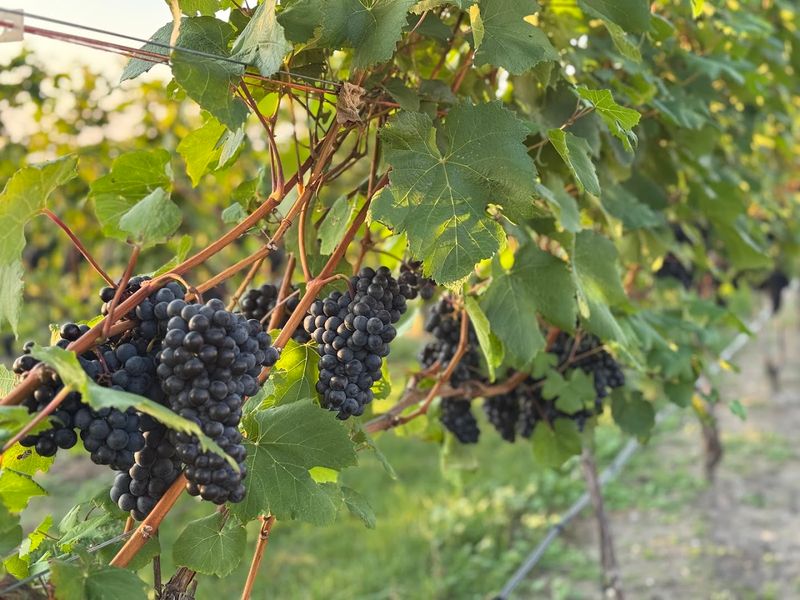
Jutting 18 miles into Grand Traverse Bay like a narrow green finger, Old Mission Peninsula sits on the 45th parallel — exactly halfway between the equator and the North Pole. That geographic quirk turns out to be a big deal for winemakers, because it creates growing conditions surprisingly similar to Burgundy, France.
The result? World-class wines grown right here in northern Michigan.
The peninsula is home to several well-regarded wineries, each with its own personality and specialty. Some focus on cool-climate whites like Riesling and Pinot Grigio, while others have made a name for their bold reds and unique fruit wines.
Tasting rooms range from polished and modern to charmingly rustic, and nearly all of them come with sweeping views of the bay that make every sip taste better.
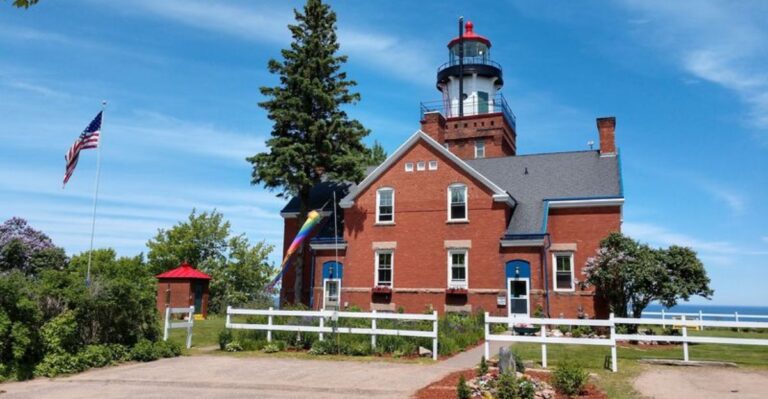
Driving the peninsula takes less than an hour if you’re just passing through, but most visitors stretch it into a full day of stops and scenic pulloffs. The narrow road winds past orchards, farmstands, and historic homesteads, eventually reaching the Old Mission Lighthouse at the tip — a postcard-perfect landmark perched right at the water’s edge.
Fall is arguably the most spectacular time to visit, when the vineyards turn amber and gold and harvest season brings special events at most wineries. Summer is lively and busy, while spring offers a quieter, more intimate experience with the vines just waking up.
Wine enthusiasts will want to arrive with an empty trunk and a detailed plan.
Even if wine isn’t your thing, the peninsula’s scenery alone earns its place on any Traverse City itinerary. Few drives in Michigan pack this much beauty into such a compact stretch of road.
Traverse City’s Thriving Craft Beer Scene
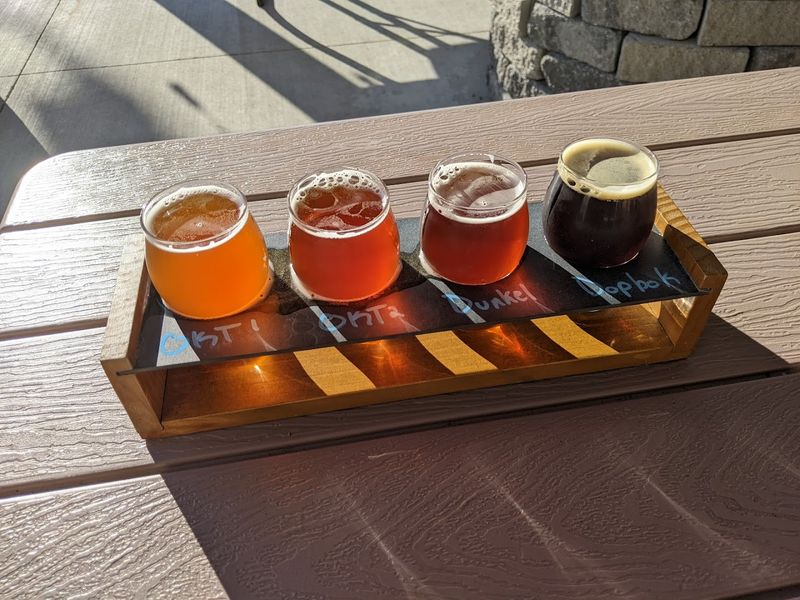
Right Brain Brewery helped put Traverse City on the craft beer map years ago with its wildly creative flavor experiments, and the city has only leaned harder into that reputation since. Today, the local brewing scene spans a range of styles and personalities — from cozy neighborhood taprooms to larger brewpubs with full kitchens and live music stages.
For a city of roughly 15,000 people, the beer selection here is genuinely impressive.
Brewery Terra Firma stands out for its commitment to using locally sourced ingredients, often pulling produce directly from their own farm to create seasonal brews that taste distinctly northern Michigan. Rare Bird Brewpub in the heart of downtown has become a beloved gathering spot, known for its rotating taps and laid-back atmosphere that feels more neighborhood bar than tourist trap.
North Peak Brewing Company rounds out the downtown scene with its historic setting inside a century-old building and reliably solid lineup of year-round favorites.
Beer tourism is a real thing in Traverse City, and several outfitters offer guided tours that hit multiple breweries in a single afternoon. For those who prefer a self-guided approach, the breweries are clustered close enough to make walking between several of them very doable.
Pairing a brewery crawl with a waterfront stroll along the bay is one of those perfect Traverse City afternoon combinations.
The craft beer culture here isn’t just about the drinks — it’s about community. Locals show up to taprooms the way people in other cities go to coffee shops: regularly, comfortably, and often with their dogs in tow.
Patios fill up fast on warm evenings, so arriving early is always a smart call.
Traverse City’s breweries reflect the city’s broader personality — creative, welcoming, and unapologetically proud of what this corner of Michigan produces.
National Cherry Festival and the Cherry Capital Legacy
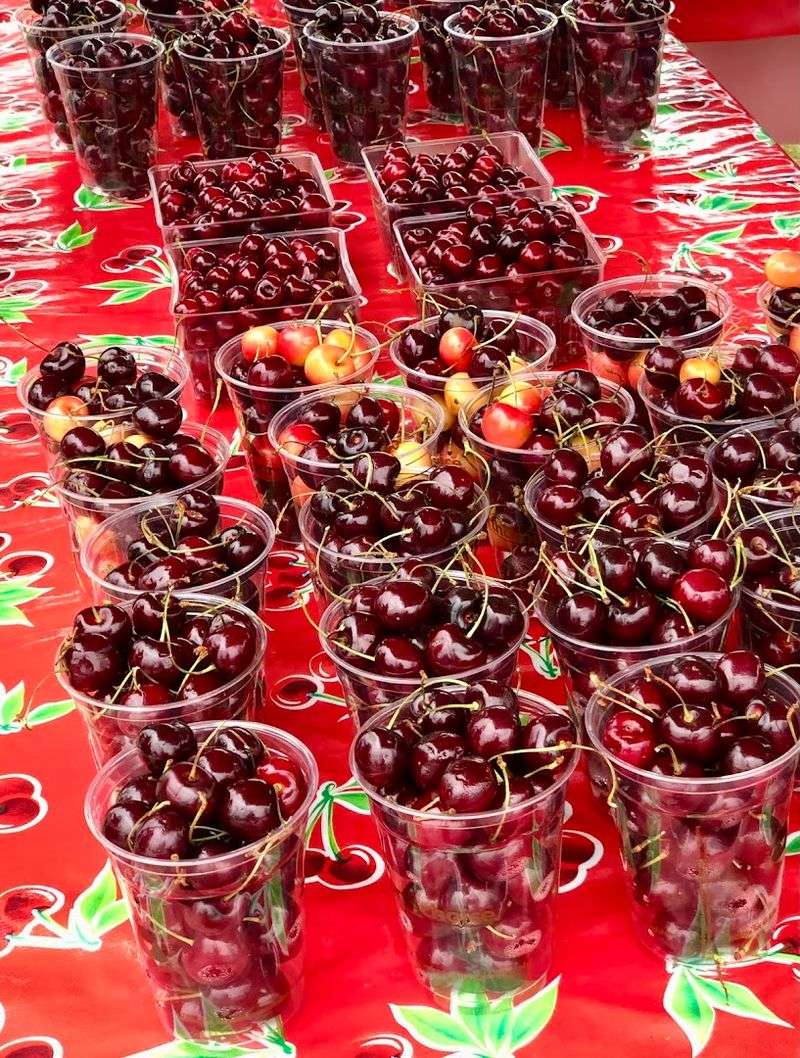
Traverse City didn’t earn the title of Cherry Capital of the World by accident. The region produces a significant portion of the tart cherries grown in the United States, and the agricultural heritage of the area runs deep through its culture, cuisine, and identity.
Drive through the peninsula roads in late spring and you’ll pass mile after mile of cherry trees in full bloom — one of the most breathtaking seasonal spectacles in the entire state.
The National Cherry Festival, held annually in early July, transforms the city into a full-scale celebration that draws hundreds of thousands of visitors over its eight-day run. It’s one of the largest festivals in the Midwest, featuring air shows, live concerts, pie-eating contests, cherry pit spitting competitions, and a parade that shuts down Front Street and packs the sidewalks with enthusiastic crowds.
The energy during festival week is electric in a way that’s hard to describe until you’re standing in the middle of it.
Outside of festival season, cherries show up everywhere in the local food scene. Restaurants incorporate them into sauces, salads, cocktails, and desserts with real creativity.
Cherry jam, cherry salsa, cherry wine, and chocolate-covered dried cherries fill the shelves of local shops, making for some of the most genuinely regional souvenirs you’ll find anywhere in Michigan.
U-pick cherry farms open to the public during harvest season, usually in July, offering visitors a hands-on experience that connects them directly to the agricultural roots of the region. Arriving early in the morning makes for the best picking conditions and the most pleasant temperatures.
The cherry legacy gives Traverse City a sense of place that goes beyond tourism. It’s woven into everyday life here, and experiencing it firsthand adds real depth to any visit.
Share this story