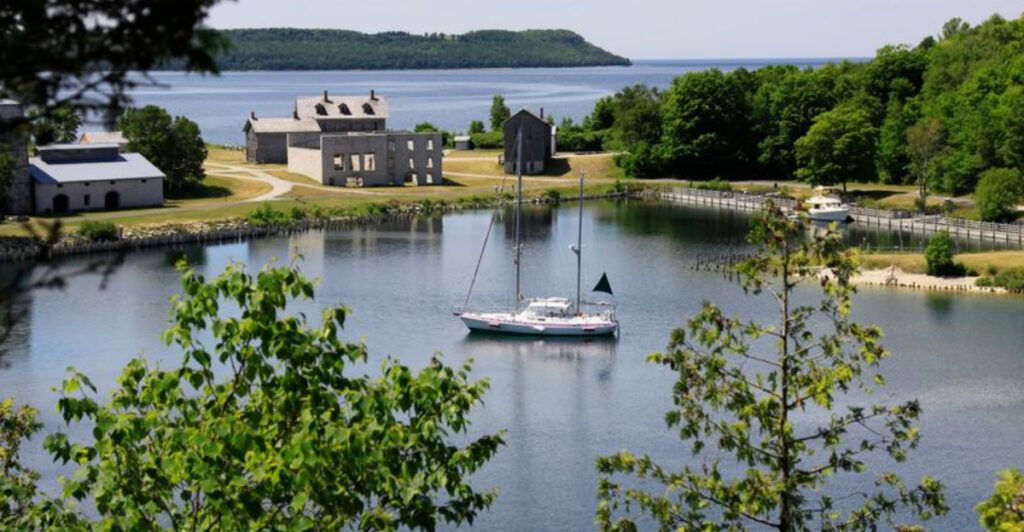
Michigan is packed with lakes, but only a handful of them actually make you feel like the rest of the world has completely disappeared. Whether you are looking for a quiet morning on the water, a stretch of empty shoreline, or a spot where the only sound is wind through the pines, this state delivers in a big way.
These 11 lakeside spots are the kind of places locals quietly treasure and tourists rarely find. Pack light, leave the noise behind, and get ready to breathe.
1. Black Lake
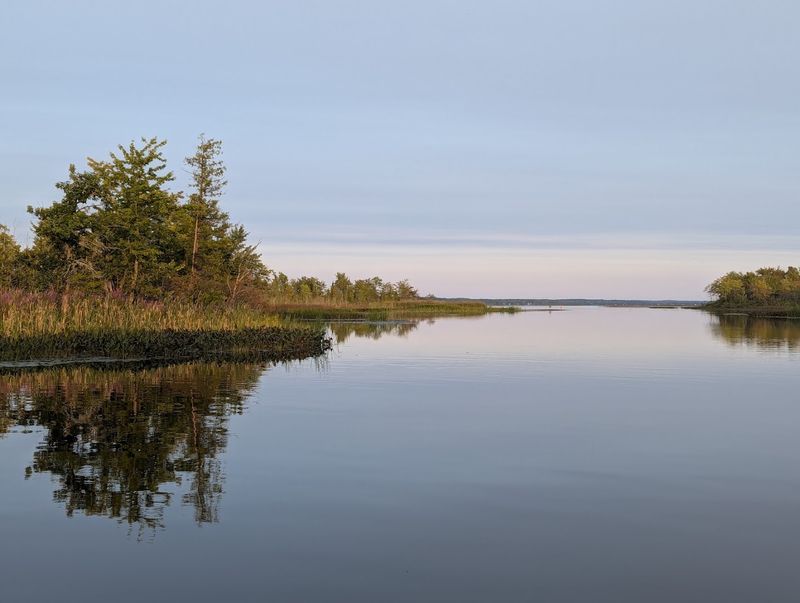
There is something almost secretive about Black Lake. Tucked in the northern Lower Peninsula, it sits far enough from the major tourist corridors that most travelers simply pass it by without a second glance.
That works out perfectly for anyone who actually makes the turn.
Black Lake stretches across more than 10,000 acres, making it one of the largest inland lakes in Michigan. Despite its size, it rarely feels crowded.
The shoreline is largely undeveloped, which means you get long, uninterrupted views of the water without a row of vacation rentals blocking the scenery. Early mornings here have a particular kind of magic, especially when mist sits low over the surface and the only movement comes from a great blue heron wading near the reeds.
Fishing is a serious draw on Black Lake, with muskellunge being the prized catch. Anglers return season after season with stories that get bigger every year.
But you do not have to fish to enjoy it. Kayaking the quieter coves feels like exploring a place that has barely changed in decades.
The water clarity is impressive, and on calm days you can see straight to the bottom in the shallower areas.
Black Lake Golf Club sits nearby if you want to mix outdoor activities, but the lake itself is the real reason to make the trip. Camping options in the area keep things simple and unhurried.
There are no neon signs, no crowded boardwalks, and no line for a parking spot. Just a big, quiet lake doing exactly what a big, quiet lake should do.
If solitude had a zip code in Michigan, Black Lake would be a strong contender for the address.
2. Grand Mere State Park
Grand Mere State Park operates on a different frequency than most parks. Located near Stevensville in southwest Michigan, it protects a rare system of three interconnected dune lakes sitting just behind the Lake Michigan shoreline.
The result is a layered landscape that feels genuinely unlike anything else in the state.
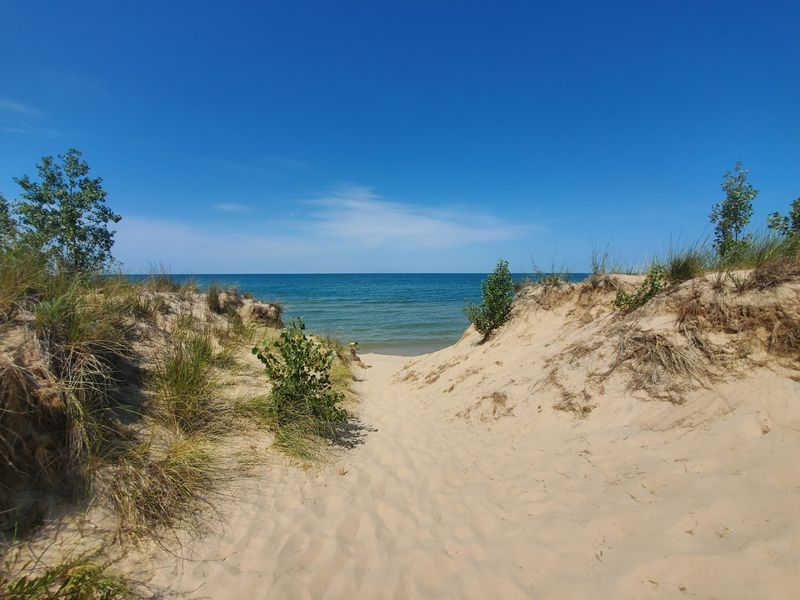
Getting to the beach here requires a hike over forested dunes, which is exactly the kind of natural filter that keeps the crowds thin. The trail is not brutal, but it is enough of a commitment that casual visitors often turn back before reaching the water.
Those who push through are rewarded with a wide, undeveloped stretch of Lake Michigan shoreline that feels almost completely untouched. No concession stands, no lifeguard towers, just sand and waves and open sky.
The dune lakes themselves are worth spending time on. South Lake, Middle Lake, and North Lake each have their own personality.
South Lake is the easiest to access and popular with paddlers. The shallow, warm water makes it a comfortable place to float around on a summer afternoon without dealing with the choppier conditions sometimes found on Lake Michigan directly.
Wildlife thrives here because the park sits within a larger network of protected land. Bird watchers regularly spot species that pass through during migration, and the plant diversity across the dune ecosystem is genuinely impressive if you slow down enough to notice it.
Wildflowers bloom across the slopes in spring and early summer, adding bursts of color to the sandy landscape.
Grand Mere is the kind of park that rewards people who actually want to explore rather than just arrive and sit. Bring water, wear good shoes, and plan to stay longer than you originally intended.
Most people do.
3. Glen Lake
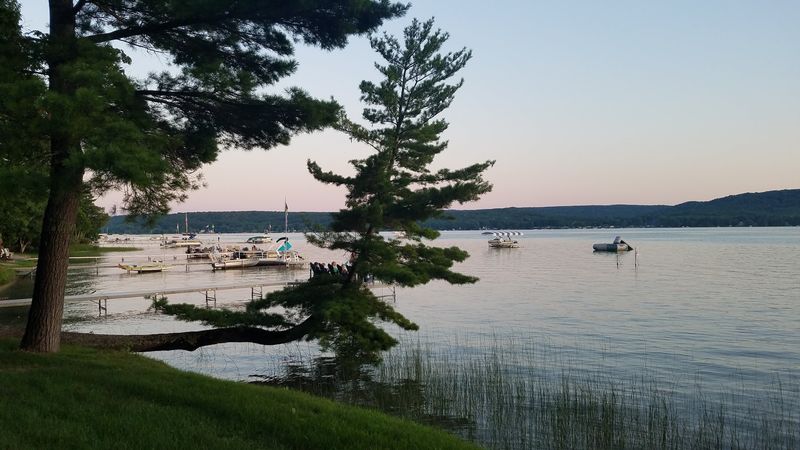
Glen Lake has earned its reputation as one of the most beautiful inland lakes in the entire country, and standing at its edge on a clear afternoon makes that claim feel completely reasonable. Located near Empire in the Sleeping Bear Dunes National Lakeshore, the lake sits in a glacially carved basin that produces water so clear and blue it looks almost artificial.
The lake is divided into Big Glen and Little Glen, connected by a narrow channel that makes for a fun paddle transition between the two. Big Glen covers around 4,700 acres and offers plenty of space for boating and swimming.
Little Glen is smaller, calmer, and feels even more removed from the outside world. Kayakers tend to gravitate toward Little Glen for the quieter experience and the way the surrounding hills seem to wrap around the water like a natural amphitheater.
Swimming here is genuinely exceptional. The water temperature stays refreshing through summer without ever crossing into punishing territory, and the sandy bottom makes wading easy and comfortable.
Several public access points give swimmers and paddlers entry without requiring expensive waterfront accommodations, which keeps Glen Lake accessible to everyone.
The surrounding area adds serious value to any visit. The Sleeping Bear Dunes climb dramatically just to the west, and the Dune Climb trail offers a workout with a payoff view that stretches across both Glen Lake and Lake Michigan simultaneously.
The nearby town of Glen Arbor is small, charming, and stocked with good food options without feeling overrun.
Fall visits to Glen Lake are criminally underrated. The hardwood hills surrounding the water turn vivid shades of orange and red, reflecting across the still surface in a way that feels almost too good to be real.
Plan accordingly.
4. Negwegon State Park
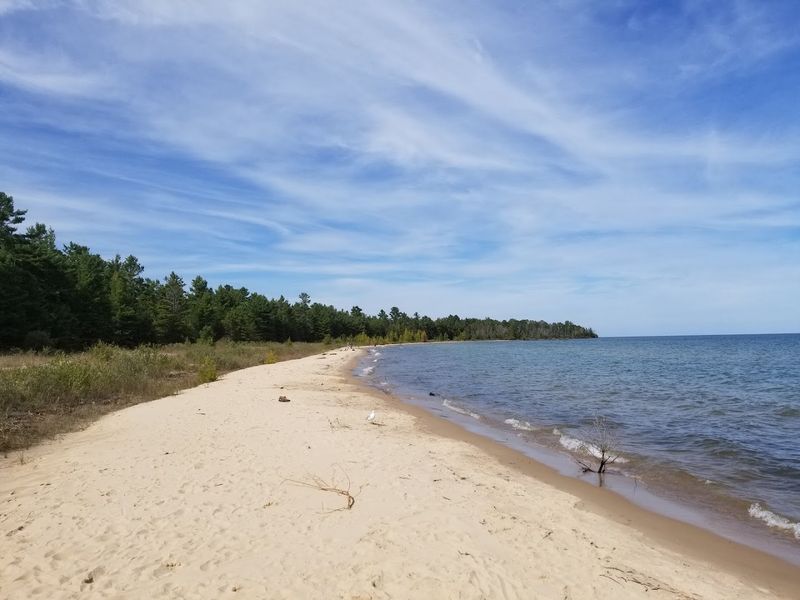
Negwegon State Park is the kind of place that feels like a well-kept secret, even though it has been a state park for decades. Situated along the Lake Huron shoreline in Alpena County, it remains one of the least-visited parks in Michigan’s entire system.
The reason is simple: getting there requires navigating a dirt road, and the park offers no electricity, no flush toilets, and no amenities beyond the land itself. For the right kind of visitor, that description is not a warning.
It is an invitation.
The park covers roughly 3,700 acres and includes miles of undeveloped Lake Huron shoreline. The beach here has a distinct character compared to the Lake Michigan side of the state.
The water is calmer, the stones are smooth and colorful, and the shoreline curves in a way that creates natural pockets of privacy. It is common to walk the beach for an extended stretch without encountering another person.
Hiking trails wind through cedar swamps, hardwood forests, and open meadows before emerging at the water’s edge. The trail system is not extensive, but it is varied enough to keep things interesting.
Wildlife sightings are common, including deer, wild turkey, and various waterfowl that use the wetland areas throughout the park.
Primitive camping is available, and spending a night here under a genuinely dark sky is an experience worth planning around. The absence of light pollution makes stargazing exceptional, and waking up to the sound of Lake Huron just beyond the tree line is the kind of morning that makes a person question why they ever needed an alarm clock in the first place.
Negwegon rewards patience and preparation. Bring everything you need, expect nothing handed to you, and enjoy one of Michigan’s most authentically wild places.
5. Hagar Park Beach
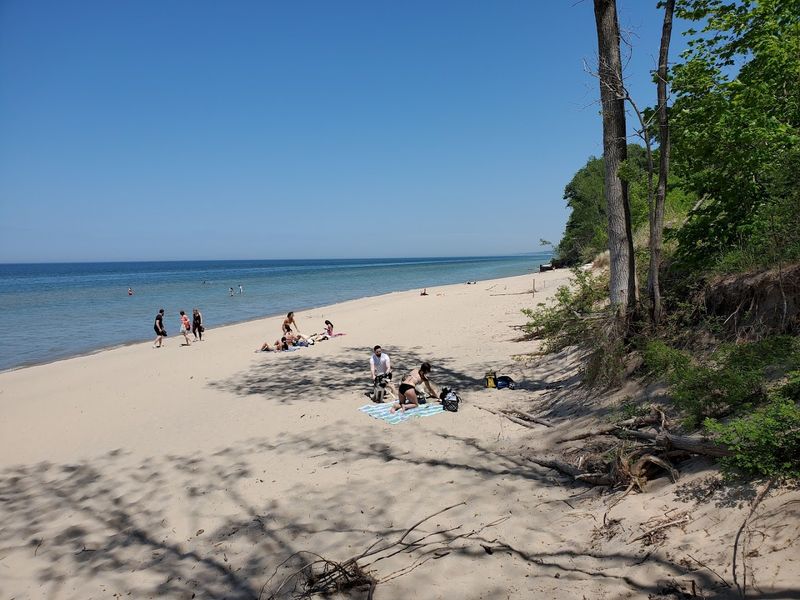
Not every great Lake Michigan beach comes with a famous name attached to it. Hagar Park Beach in Berrien County is proof of that.
Sitting along the eastern shore of Lake Michigan just north of Benton Harbor, this small community beach punches well above its weight in terms of the experience it delivers. Most people driving through the area have no idea it exists.
The beach itself is modest in size, which is actually part of its appeal. There is no massive parking lot, no vendor row, and no DJ booth.
What you get is a clean stretch of sand, access to some of the warmest Lake Michigan water in the state, and a view that stretches all the way to the horizon. Southwest Michigan’s shoreline benefits from afternoon sun in a way that the northern beaches simply cannot match, and Hagar Park takes full advantage of that geographic luck.
The surrounding park area includes a boat launch and some picnic facilities, making it a practical stop for families or small groups who want a full afternoon outdoors without a lot of planning overhead. The water here tends to be calmer than some of the more exposed northern beaches, which makes it more approachable for younger swimmers or anyone who prefers a gentler entry into the lake.
Sunsets at Hagar Park are genuinely worth arriving early for. The western exposure means the entire sky lights up as the sun drops toward the water, and without crowds competing for the best vantage point, you can actually enjoy the moment without elbowing for space.
Local families have been coming here for generations precisely because it stays unhurried and uncomplicated. That combination is harder to find than it used to be along the Michigan shoreline.
6. Lake Michigamme
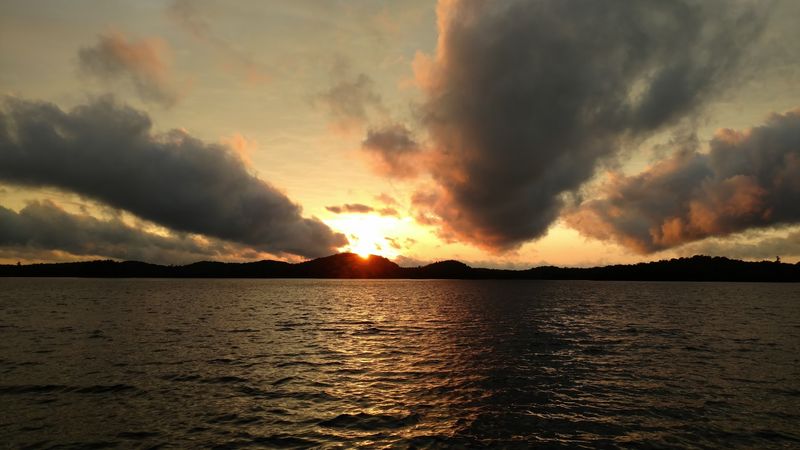
Lake Michigamme sits in the heart of Michigan’s Upper Peninsula, and it carries that rugged UP energy in every direction you look. The surrounding landscape is all dense forest, exposed rock, and wide open sky, with the kind of quiet that makes city noise feel like a distant memory.
This is a lake that takes itself seriously.
Covering around 4,500 acres, Lake Michigamme is one of the larger lakes in the UP and offers genuine depth and character. The water runs cold and clear, typical of the region, and the shoreline alternates between rocky outcroppings and small sandy beaches that appear without warning as you paddle or hike around the perimeter.
The town of Michigamme nearby is tiny and unpretentious, with a general store and a historical society that traces the area’s copper and iron mining roots.
Fishing on Lake Michigamme is taken seriously by the people who know it best. Walleye, smallmouth bass, and northern pike are all present, and the less-pressured waters compared to more popular southern lakes means the fish have had room to grow.
Early morning trips on the water in late summer produce the kind of catches that make people start planning their return trip before they have even left.
The surrounding Van Riper State Park adds a full outdoor experience to any visit. Campgrounds, hiking trails, and a beach area within the park give visitors multiple ways to spend their time without ever needing to venture far.
Moose sightings in the area are not unheard of, which adds a certain thrill to early morning walks near the water’s edge.
Lake Michigamme is not trying to impress anyone. It does not need to.
The Upper Peninsula speaks for itself, and this lake is one of its finest sentences.
7. Nordhouse Dunes Wilderness
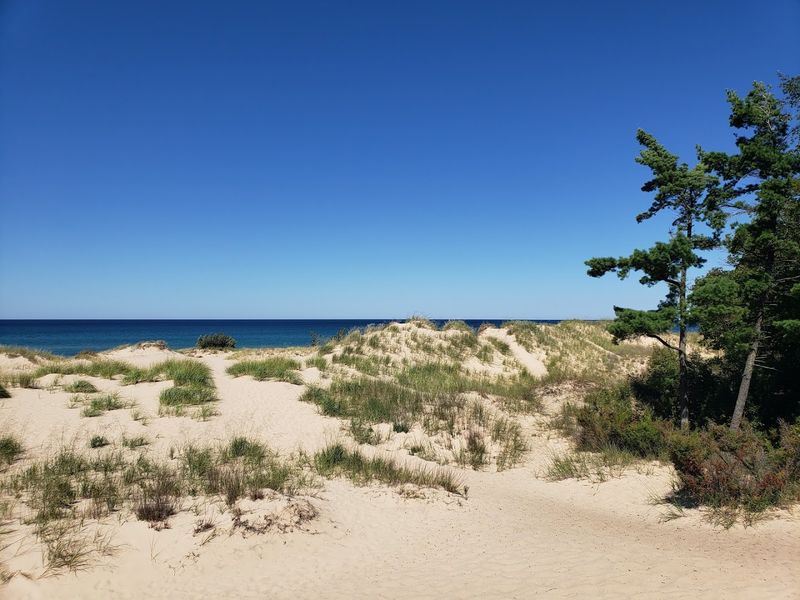
Nordhouse Dunes Wilderness holds a distinction that very few places in the entire Midwest can claim: it is the only federally designated wilderness area in Michigan’s Lower Peninsula. That status is not just a label.
It shapes the entire experience of being there. No motorized vehicles, no developed trails, no facilities of any kind.
Just dunes, forest, and Lake Michigan doing what they have done for thousands of years.
Located within the Huron-Manistee National Forests near Ludington, the wilderness covers around 3,450 acres of coastal dunes, forested ridges, and a stretch of undeveloped Lake Michigan shoreline that feels genuinely removed from the modern world. Reaching the beach requires navigating sandy terrain through a mix of open dune and wooded areas, and the lack of marked trails means visitors need to pay attention to their surroundings.
That is part of the point.
Backcountry camping is permitted throughout the wilderness, and spending a night here is an experience that recalibrates your sense of what quiet actually means. The sound of Lake Michigan waves carries through the trees at night, and the absence of artificial light makes the stars appear in numbers that feel almost impossible.
Waking up to a sunrise over the dunes with no other campers in sight is the kind of morning that sticks with you.
Day hikers can access the area from several trailheads and explore without committing to an overnight stay. The terrain is physically demanding in spots due to soft sand, so proper footwear matters more than people expect.
Bring more water than you think you need, because the open dune sections can be surprisingly draining in warm weather.
Nordhouse Dunes is Michigan wilderness in its most honest form. No shortcuts, no frills, and absolutely no regrets.
8. Intermediate Lake
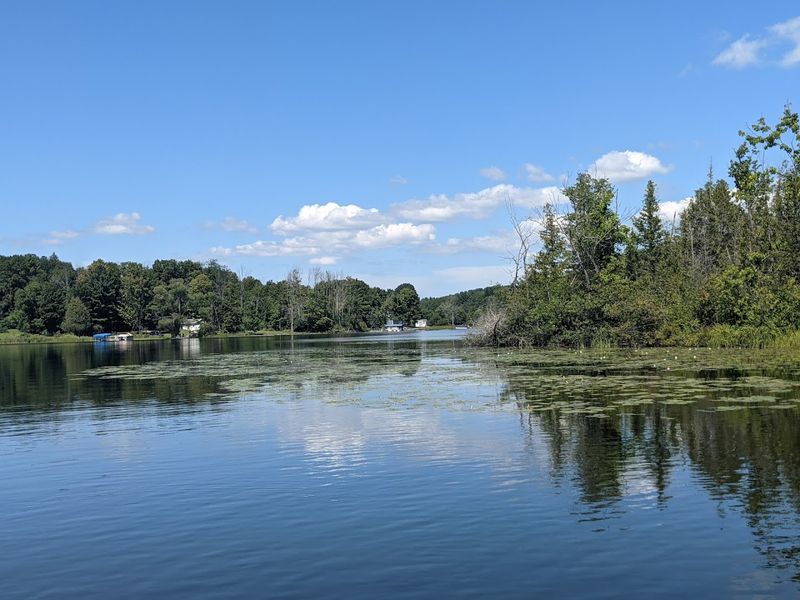
Antrim County holds some of northern Michigan’s most underappreciated water, and Intermediate Lake is a perfect example of why locals in the know tend to guard their favorite spots closely. Part of the famous Inland Waterway, the lake connects to a chain of lakes and rivers that allows paddlers to travel for miles through linked water systems without ever repeating the same stretch.
Intermediate Lake itself covers around 1,700 acres and sits comfortably between Torch Lake to the south and Crooked Lake to the north. The water quality is excellent, and the lake has a reputation for being clean and clear even by northern Michigan standards.
Swimming here feels uncomplicated and refreshing, with a sandy bottom in many areas and depths that are forgiving for casual swimmers staying close to shore.
The lake’s position within the Inland Waterway makes it especially popular with paddlers who want to cover real distance. Renting a canoe or kayak and spending a full day moving through the connected system is one of those experiences that northern Michigan does better than almost anywhere else.
The route passes through diverse scenery, including open water, narrow river channels, and stretches of undisturbed shoreline that have barely changed in generations.
Fishing on Intermediate Lake rewards patience. Smallmouth bass and perch are common catches, and the lake does not see the heavy fishing pressure that some of the more well-known Antrim County lakes attract.
That lower pressure translates directly into a more relaxed experience on the water, which is the whole point of coming out here in the first place.
The towns of Bellaire and Mancelona are close enough to provide supplies and a good meal without pulling you too far from the peaceful rhythm that Intermediate Lake sets from the moment you arrive.
9. Fayette Historic State Park / Garden Peninsula Beaches
The Garden Peninsula juts down into Lake Michigan from the Upper Peninsula like a quiet afterthought, and that geographic obscurity is exactly what keeps it so wonderfully unhurried. Fayette Historic State Park anchors the southern tip of the peninsula and delivers a combination of history, scenery, and shoreline access that is almost unfairly good for a single destination.
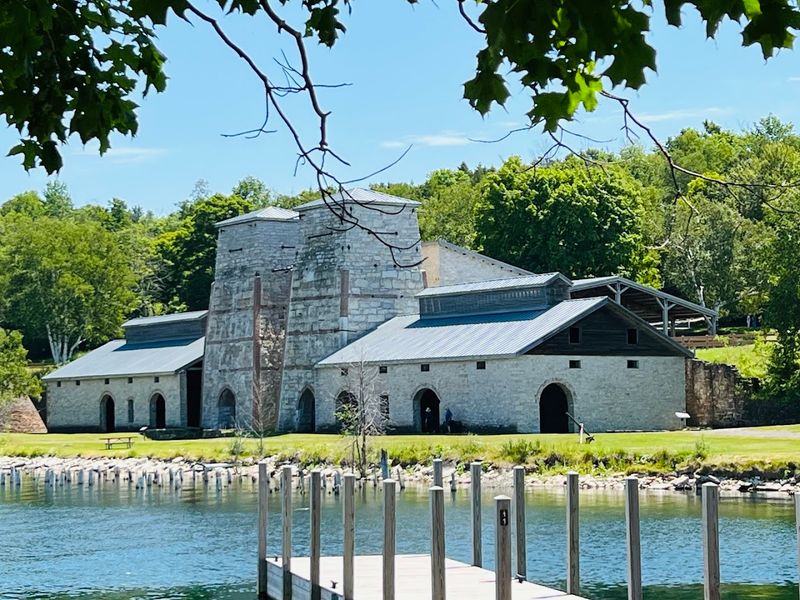
The ghost town of Fayette is the centerpiece of the park, and it earns that title honestly. Preserved iron smelting buildings from the 1800s line the edge of Snail Shell Harbor, a naturally sheltered cove with limestone bluffs rising sharply on one side and calm, impossibly clear water filling the basin.
The harbor water has a turquoise quality that surprises most first-time visitors who were not expecting Caribbean-adjacent color in the Upper Peninsula. Interpretive exhibits inside the preserved structures tell the story of the workers and families who lived here during the industrial era.
Beyond the historic townsite, the broader Garden Peninsula offers a series of small, undeveloped beaches along its shoreline. These spots rarely appear on mainstream travel lists, which means you can often have a stretch of Lake Michigan beach entirely to yourself on a summer weekend.
The peninsula’s remoteness filters out casual visitors before they ever arrive.
Camping within Fayette State Park puts you steps from the harbor and positions you perfectly for early morning walks along the bluffs before the day heats up. The combination of historical weight and natural beauty makes this park feel layered in a way that purely scenic destinations sometimes lack.
Driving the Garden Peninsula itself is part of the experience. The two-lane road passes through forest and farmland with Lake Michigan appearing in glimpses between the trees, building anticipation for what waits at the end of the road.
10. Higgins Lake
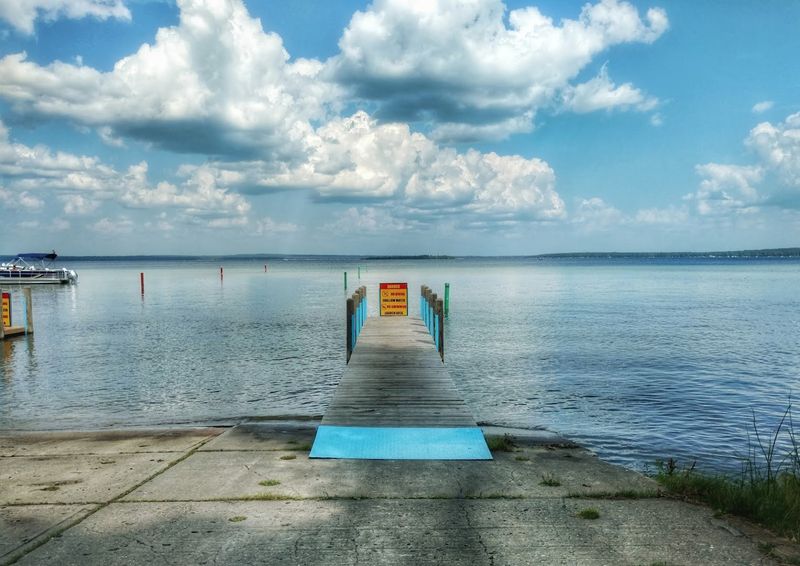
Higgins Lake has been called one of the most beautiful lakes in the world, and that claim has been floating around long enough that it has practically become part of the lake’s official biography. The National Geographic Society reportedly included it on a list of the world’s most beautiful lakes back in the early 1900s, and the water itself makes a convincing argument for why that recognition stuck.
Located in Roscommon County in the northern Lower Peninsula, Higgins Lake is known above everything else for its clarity. The water is cold, clean, and so transparent that the sandy bottom is visible at depths that would be completely opaque in most other lakes.
The color shifts from pale aqua near the shore to deep sapphire blue in the middle of the lake, and the transition is gradual enough that you notice it happening as you paddle or boat away from shore.
North Higgins Lake State Park and South Higgins Lake State Park bracket the lake on opposite ends, both offering beach access, camping, and boat launches. South Higgins is generally considered the quieter of the two, with a slightly more relaxed atmosphere and campgrounds that fill up more slowly on peak summer weekends.
Both parks are well-maintained and offer the kind of reliable infrastructure that makes a family trip feel organized without being regimented.
The surrounding area connects to a broader network of outdoor recreation, including the Marl Lake hiking trail system and access to the Higgins Lake pathway, a multi-mile loop through hardwood and pine forest that delivers consistent scenery without requiring serious athletic commitment.
Water temperatures at Higgins Lake stay cool even in August, which makes it a natural retreat during heat waves when every other swimming hole in the region feels like a warm bath. Bring a wetsuit if you run cold, and plan to stay in the water longer than you expected.
11. Lake Michigan Recreation Area
Sometimes the best lakeside experience is the one that comes with the fewest strings attached. The Lake Michigan Recreation Area, managed by the Huron-Manistee National Forests near Manistee, operates on that principle with quiet efficiency.
There are no resort fees, no wristband lines, and no overpriced lakeside parking. Just a national forest campground sitting within walking distance of a genuinely stunning stretch of Lake Michigan shoreline.
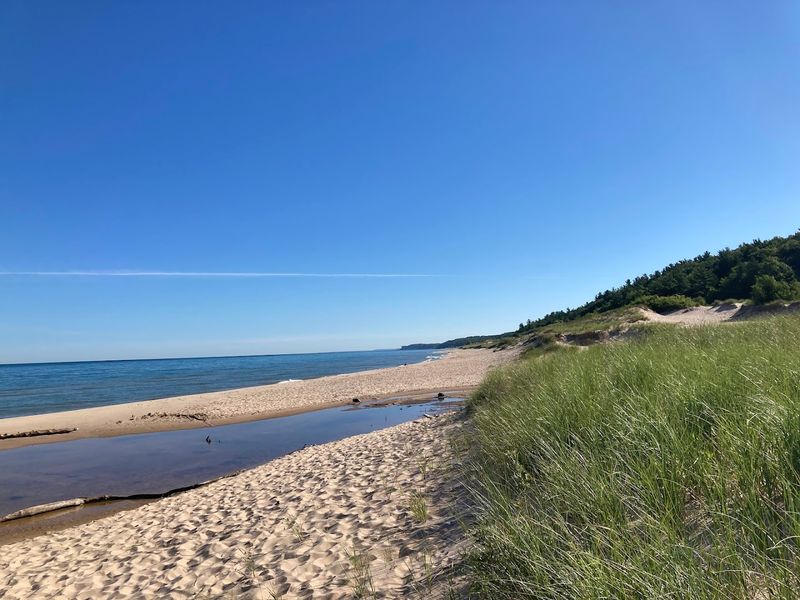
The campground itself is set back in a forested area that provides shade, privacy between sites, and a buffer from the wind that can pick up off the lake in the afternoon. A short trail connects the campground to the beach, and that brief walk through the dunes creates a satisfying sense of arrival each time you make the trip.
The beach on the other end is wide, sandy, and largely undeveloped, with dune grass holding the slopes in place and the lake spreading out endlessly to the west.
Swimming here is excellent when conditions cooperate. Lake Michigan’s temperament varies, and the wave action can range from glassy calm to genuinely powerful depending on wind direction.
Checking conditions before heading to the water is always a smart move, especially with younger swimmers. On calm days, the shallow entry and sandy bottom make it one of the more welcoming swimming spots on the entire western Michigan shoreline.
The recreation area also serves as a trailhead for longer hikes along the North Country Trail, which passes through the region and connects to a much larger trail network. Day hikers can explore forested dune terrain in either direction without needing to backtrack on the same path.
Reservations for the campground fill up quickly in summer, so booking early is genuinely necessary rather than just a suggestion. The people who plan ahead get one of the best-value outdoor experiences in the entire state.