If you love places that make history feel close enough to touch, Landis Valley Village & Farm Museum deserves a spot on your list. Spread across 100 acres in Lancaster, this remarkable museum lets you wander through a Pennsylvania German village that feels wonderfully rooted in another century. You are not just looking at artifacts behind glass here—you are walking the lanes, peeking into workshops, and imagining daily life as it once unfolded.
Costumed interpreters often bring the setting to life, demonstrating traditional crafts, farming methods, and household skills that once defined the region. The sound of footsteps on gravel paths, the smell of wood and fields, and the quiet pace of the village all work together to create an atmosphere that feels immersive rather than staged. It is the kind of place that turns a simple afternoon into a full-on time-travel daydream, where each corner reveals another small, vivid glimpse into a way of life that still echoes through Pennsylvania’s past.
1. A 100-acre village that feels frozen in time
The first thing that makes Landis Valley Village & Farm Museum stand out is its sheer scale.
Spread across 100 acres, this is not a museum you rush through in twenty minutes and forget by dinner.
You step onto the grounds and immediately feel like the pace changes, inviting you to slow down and actually notice the landscape.
That extra space matters because it gives the village room to breathe.
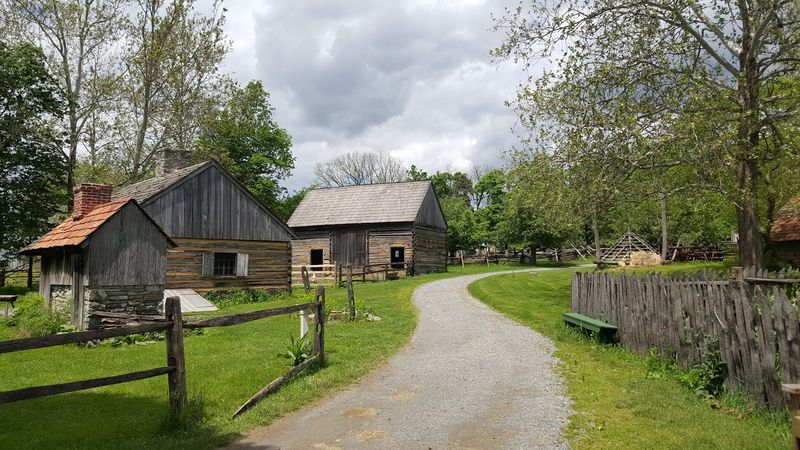
Instead of a cramped collection of old buildings, you get open fields, pathways, gardens, and structures that feel naturally placed, as if generations had built the community piece by piece.
The setting helps you imagine real lives unfolding here, not just staged exhibits.
If you are the kind of traveler who loves immersive history, this place delivers.
Reviews regularly mention how much walking there is, and that is part of the magic.
You are not just reading about the past here.
You are moving through it, one quiet lane at a time.
2. Historic buildings you can explore at your own pace
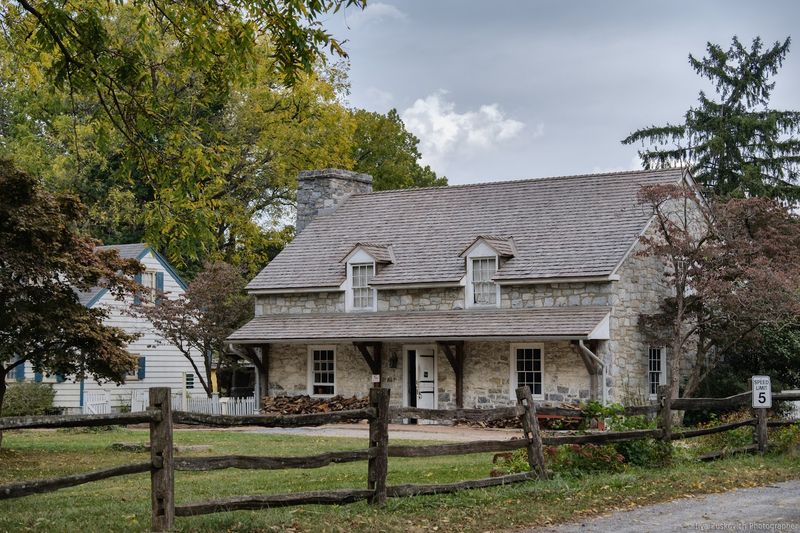
One of the biggest draws at Landis Valley is the lineup of historic buildings scattered throughout the property.
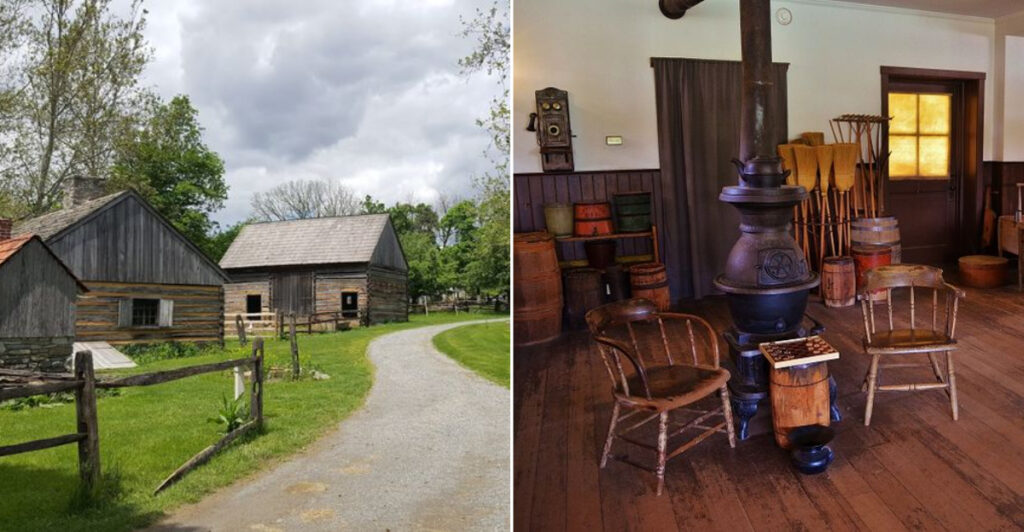
Visitors talk about stepping into the tavern, schoolhouse, general store, blacksmith shop, tin shop, and other preserved spaces that bring everyday village life into focus.
Each building adds another layer to the story of rural Pennsylvania German culture.
What I like most is that you can often explore at your own pace.
That means you are free to linger where your curiosity pulls you, whether that is a workshop filled with tools or a home interior that hints at family routines from long ago.
It feels personal, not overly scripted.
Several reviews mention that some buildings are more open than others, especially on quieter days.
Even so, the variety is impressive enough to keep you engaged for hours.
If you enjoy wandering and discovering details for yourself, this museum makes that easy and rewarding.
3. A deep dive into Pennsylvania German culture
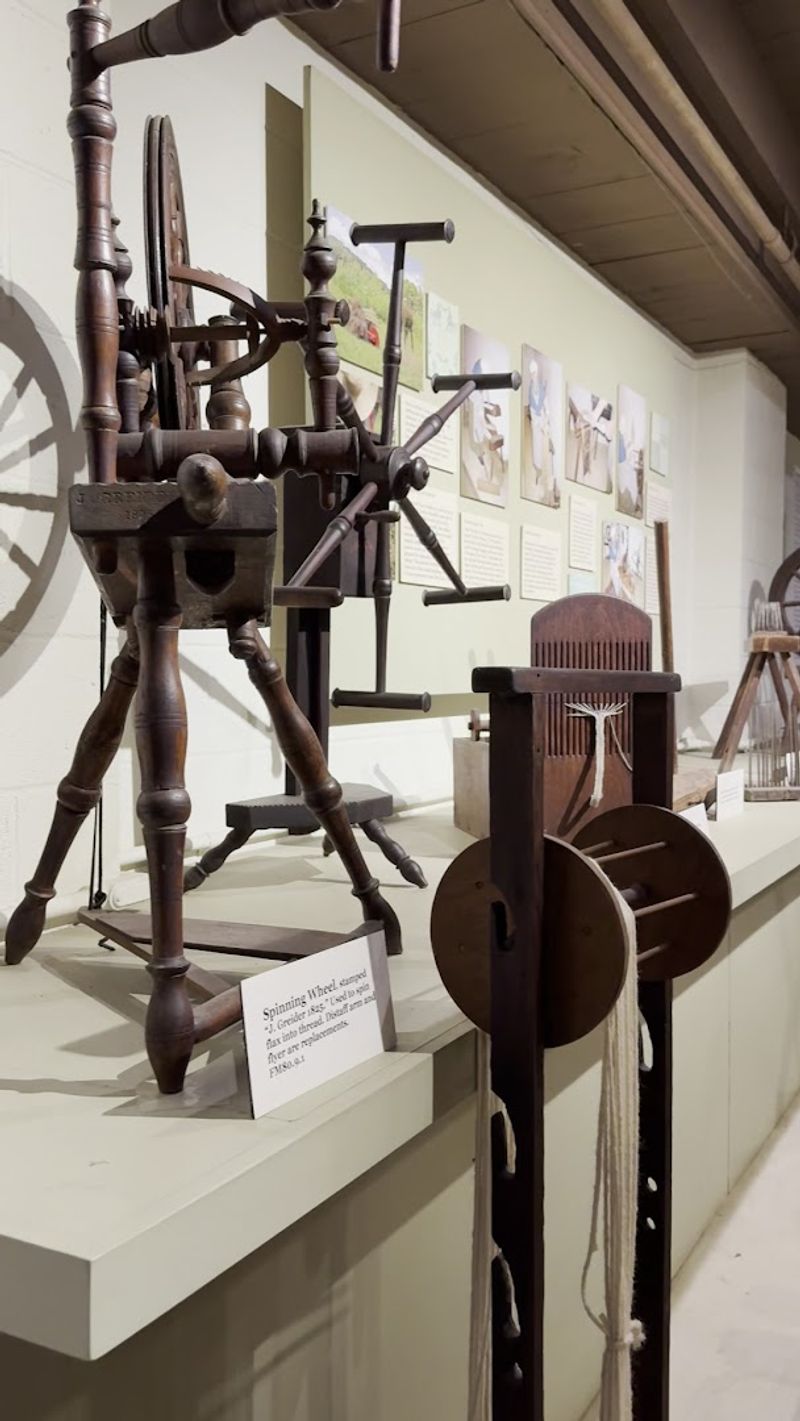
Landis Valley is not just a pretty old village.
Its real strength is how thoughtfully it preserves and explains Pennsylvania German rural culture, a tradition that shaped Lancaster County and much of the state.
From household objects to agricultural tools, the collections help you see how language, religion, craftsmanship, and farming all connected in everyday life.
This focus gives the museum more depth than a typical historic site.
You are not only looking at old rooms and barns, but also at the values and routines that made those spaces meaningful.
Reviewers often point out how interesting it is to learn about the Pennsylvania Dutch story and the way faith and community influenced daily choices.
If you have ever wanted history to feel less abstract, this is the kind of place that makes it click.
The museum turns broad regional heritage into something visible, grounded, and surprisingly relatable.
You leave with a clearer sense of how people actually lived.
4. Living history demonstrations make the past feel real
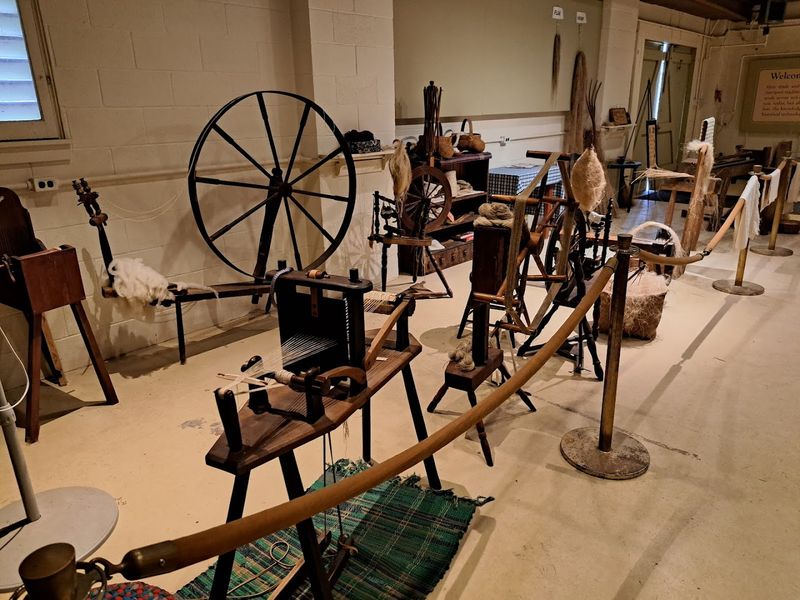
When demonstrations are happening, Landis Valley becomes even more memorable.
Instead of simply reading labels, you get to watch traditional skills in motion, from blacksmithing and hearth cooking to spinning, weaving, and other old world crafts.
That kind of hands-on interpretation makes the village feel active rather than preserved in silence.
Many visitors specifically praise the interpreters and docents for being knowledgeable, warm, and genuinely enthusiastic.
Those conversations can be the difference between seeing an old tool and understanding why it mattered, how it was used, and what kind of workday it shaped.
You come away with stories, not just facts.
Even if you have been to other historic museums, there is something special about hearing these trades explained where they originally belonged.
The workshops, smells, textures, and sounds help bridge the gap between now and then.
It is a reminder that history was once practical, messy, skilled, and deeply human.
5. The founders’ collecting mission still shapes the experience
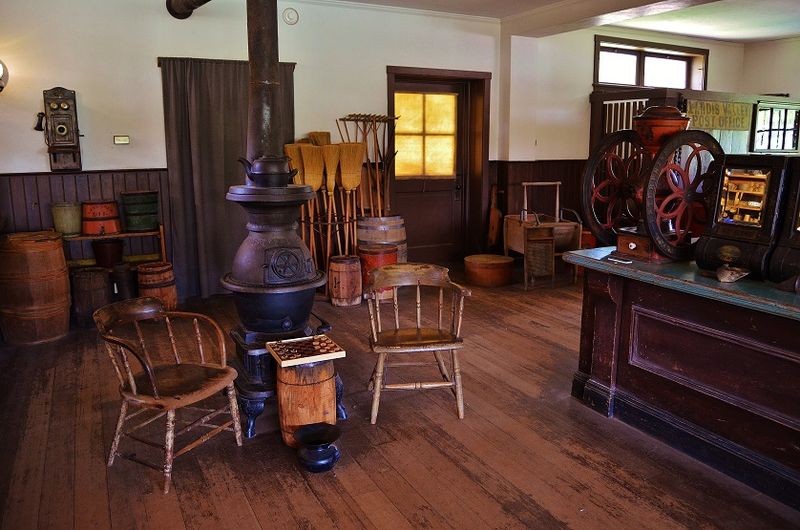
Part of what makes Landis Valley so distinctive is that it grew from the collecting efforts of the Landis brothers.
Visitors often mention how fascinating it is to learn about the men who gathered artifacts, preserved local history, and helped create the museum itself.
That origin story gives the place a strong sense of purpose.
You can feel that mission in the range of objects on display.
The collections go beyond flashy highlights and instead capture the texture of everyday life, from furniture and housewares to agricultural equipment and craft tools.
It feels like a serious attempt to save a whole way of life, not just a few decorative pieces.
That matters because it changes how you experience the museum.
Rather than treating the past like a distant curiosity, Landis Valley presents it as something worth protecting in detail.
You start to appreciate the patience behind the collecting, and the result is a museum that feels both scholarly and deeply personal.
6. Beautiful grounds, gardens, and a peaceful walking experience
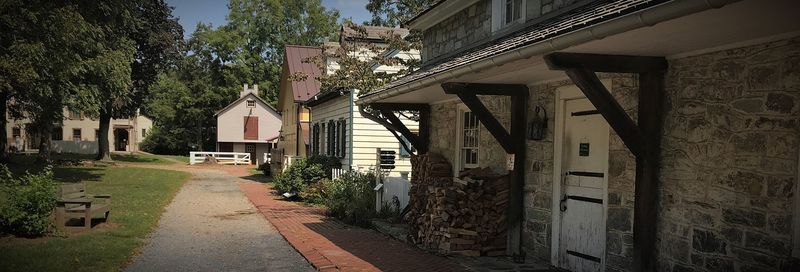
Even before you step inside a single building, the grounds at Landis Valley do a lot of the storytelling.
Reviewers repeatedly describe the property as peaceful, scenic, and beautifully maintained, with gardens, flowers, open spaces, and old trees adding charm to every turn.
It is the kind of setting that makes you want to wander without checking the time.
That atmosphere is especially appealing if you prefer history without crowds or noise.
On non-event days, the museum can feel calm and uncrowded, which gives you room to absorb the details.
You hear gravel underfoot, notice weathered wood, and start paying attention to the landscape as part of the experience.
Several visitors recommend allowing at least a couple of hours, and that advice makes sense.
This is a place for strolling, pausing, and looking closely.
If you bring comfortable shoes and a little curiosity, the grounds alone can make the visit feel restorative, not just educational.
7. A family-friendly stop with room to roam
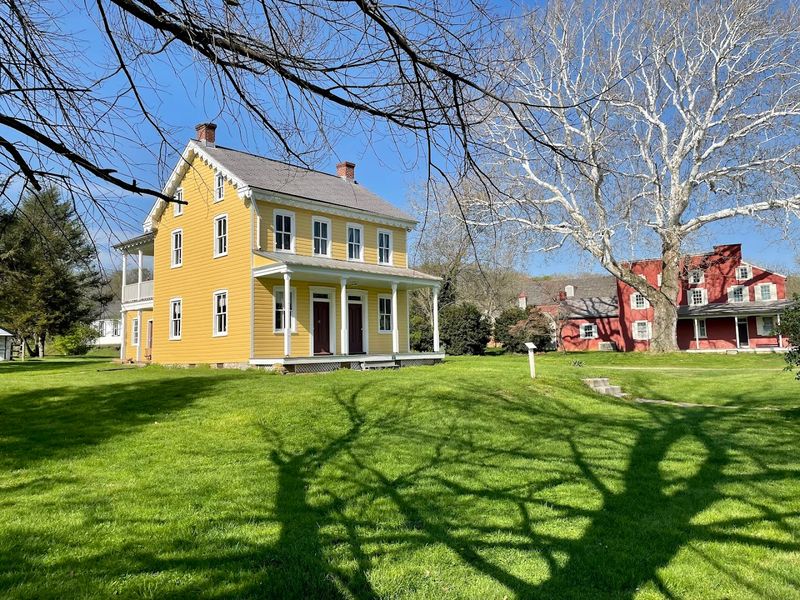
Landis Valley works especially well for families because it gives kids and adults space to move, explore, and learn in a relaxed way.
Reviews mention field trips, stroller-friendly visits, and enough variety to keep a family occupied for a solid afternoon.
That balance is not always easy to find at historic attractions, but it works here.
The self-guided format can be a plus if you are visiting with children who need flexibility.
You can pause when something catches their attention, skip ahead when energy dips, and let the day unfold at a pace that fits your group.
A huge parking lot also makes arrival less stressful, which parents always appreciate.
Some visitors note that younger kids may be more engaged on event days or when demonstrations are active.
Still, there is plenty of room to roam, and the village setting naturally encourages questions.
It is the kind of museum where curiosity feels welcome instead of shushed, which makes family visits easier and more fun.
8. Guided tours and staff expertise elevate the visit
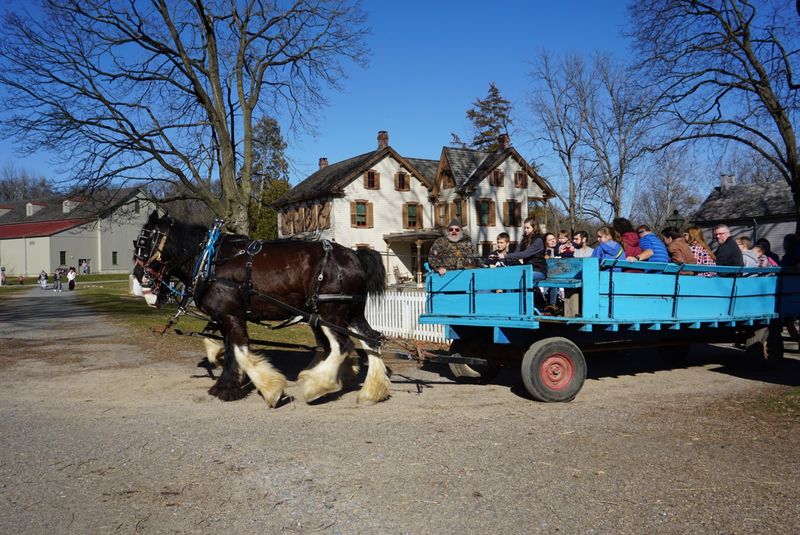
Although wandering on your own is part of the appeal, guided tours can add a lot at Landis Valley.
Many reviews spotlight specific guides and interpreters by name, praising their warmth, expertise, and ability to tailor information to the audience.
That kind of personal connection can turn a good visit into one you remember for years.
What stands out is how often visitors describe the staff as passionate rather than simply informative.
You get the sense that they care deeply about the stories, objects, and traditions being preserved here.
When that enthusiasm comes through, even a small detail about linen production or tavern life becomes unexpectedly fascinating.
The tours also help connect buildings that might otherwise seem separate.
Instead of isolated stops, the village becomes a functioning community with trades, households, beliefs, and routines linked together.
If you enjoy context and storytelling, it is worth checking whether a guided option is available during your visit.
You may leave with a richer understanding.
9. Special events bring extra energy to the museum
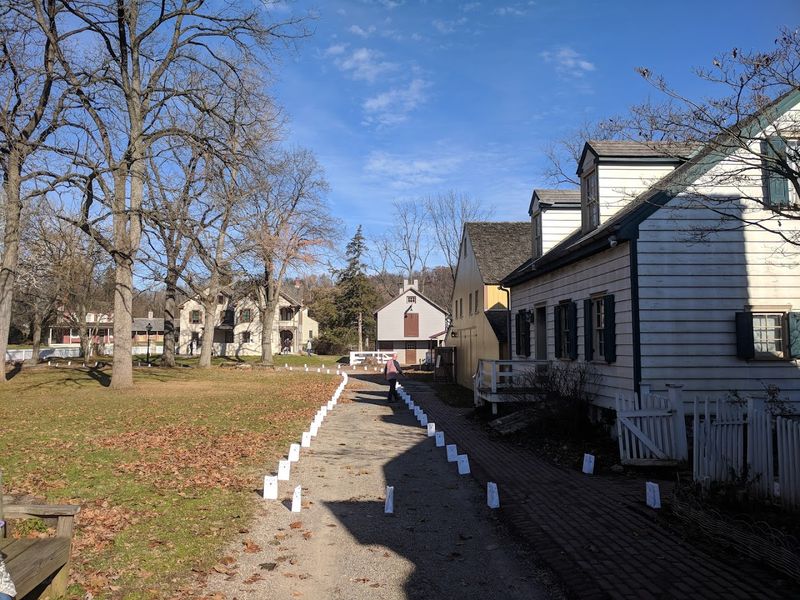
While quiet visits have their own charm, special event days seem to reveal another side of Landis Valley.
Reviews mention fall festivals, free days, and lively demonstrations that draw families and create a fuller sense of the museum in motion.
If you want more activity, these dates are worth watching.
Events can make the village feel especially vivid because more buildings may be staffed, more crafts may be demonstrated, and more visitors are there sharing the experience.
Instead of a peaceful stroll, you get a bustling atmosphere that echoes the communal spirit the museum works to preserve.
That shift can be exciting, especially for first-time visitors.
Of course, the tradeoff is that event days may be busier than the museum’s usual rhythm.
Still, if you are hoping for maximum energy, they can be the ideal time to go.
Check the museum’s website before visiting, because timing your trip around a festival or program could make an already strong experience even better.
10. Why Landis Valley is worth the trip
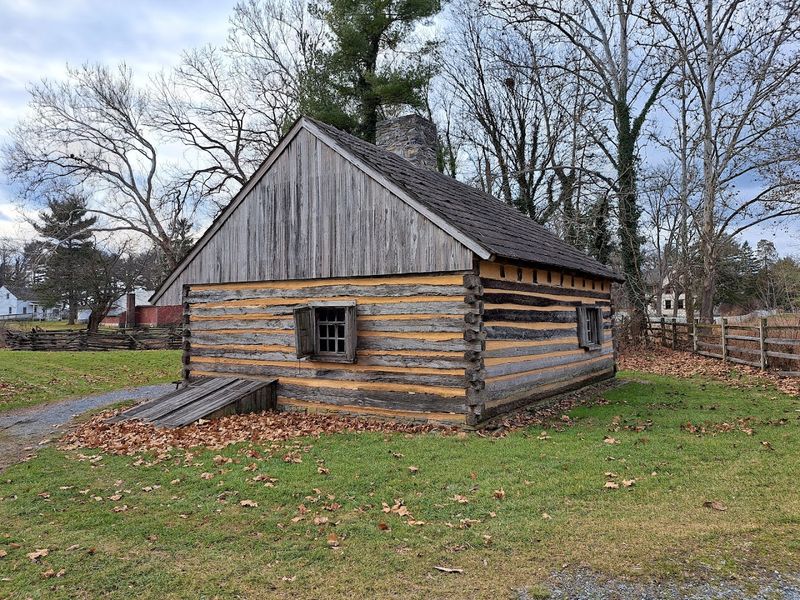
At the end of the day, Landis Valley Village & Farm Museum feels worth the trip because it offers more than a quick history lesson.
You get space, atmosphere, architecture, artifacts, craftsmanship, and a focused look at Pennsylvania German life, all in one place.
Few museums manage to feel this grounded and expansive at the same time.
The visitor feedback is remarkably consistent on the essentials.
People talk about well-kept grounds, engaging staff, reasonable admission, and enough to see that a couple of hours can easily stretch longer.
Even reviews that note some buildings are quieter or less active still recommend going, which says a lot about the site’s overall appeal.
If you are in Lancaster and want something richer than a standard tourist stop, this museum is an easy yes.
It is educational without feeling dry, scenic without feeling superficial, and immersive without trying too hard.
You leave feeling like you visited a place that genuinely honors the people who shaped this region.
Share this story