Pennsylvania is packed with blockbuster history, but some of its most memorable museum experiences happen in places that feel personal, surprising, and wonderfully off the usual tourist script. I love how these smaller museums turn niche subjects into unforgettable stories, whether that means silent film comedy, Civil War miniatures, medical oddities, handmade tools, rare Asian art, or the slow precision of clocks and watches that once ordered daily life across the state.
What makes them special is not just what they collect, but how closely you can feel the human scale of each place – the passion of collectors, the quirks of local identity, and the way Pennsylvania communities preserve details that larger institutions might overlook. If you are the kind of traveler who wants history with texture, personality, and a few unexpected turns, these 13 Pennsylvania museums prove that small spaces can hold enormous stories.
1. The Stoogeum, Ambler
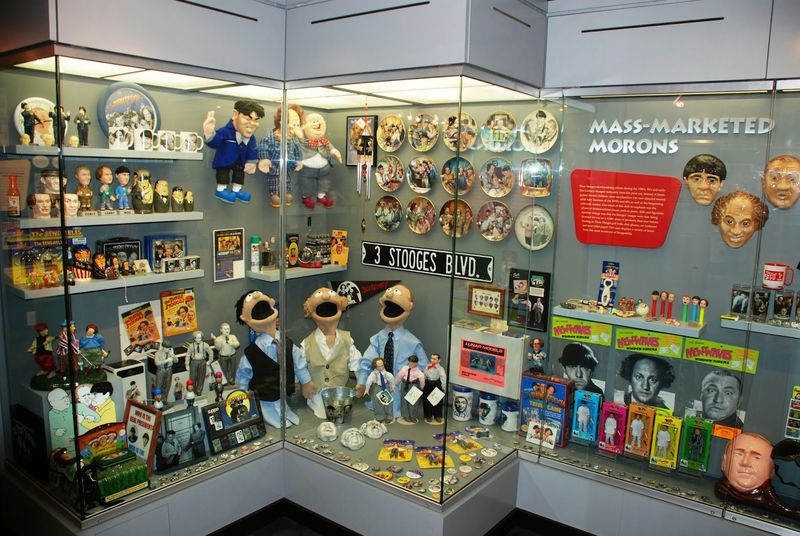
Comedy history feels surprisingly serious when you step into a place built around pure slapstick.
That contrast is exactly what makes The Stoogeum in Ambler such a memorable stop in Pennsylvania.
Instead of treating classic screen humor like disposable entertainment, this museum shows how deeply The Three Stooges shaped American popular culture and why generations still quote, laugh, and wince at every eye poke and pratfall.
Inside, you can expect a focused collection of posters, promotional material, photographs, props, and rare memorabilia connected to Moe, Larry, Curly, Shemp, Joe, and Curly Joe.
The displays trace the team from vaudeville roots to film shorts, television rediscovery, and devoted fan culture.
I like that the museum does not just celebrate famous gags – it also highlights the business of performance, the evolution of comedy, and the staying power of distinctly physical humor.
Because the institution is small, the experience feels less like wandering a giant gallery and more like being welcomed into an enthusiast’s carefully organized treasure trove.
That intimacy works in its favor, especially if you enjoy learning how fandom helps preserve overlooked pieces of entertainment history.
In Pennsylvania, where industrial and political stories often dominate, a museum like this adds a lighter but still meaningful dimension to the state’s cultural landscape.
What stays with you most is the affection behind the collection.
The Stoogeum in Ambler turns nostalgia into something deeper by connecting laughter to craft, timing, and media history.
If you want a museum visit that feels joyful, oddball, and uniquely Pennsylvanian in its devotion to preserving the unexpected, this one earns a place on your list.
2. Civil War Tails At The Homestead Diorama Museum, Gettysburg

Miniature worlds can sometimes tell big stories better than full size monuments.
That is the appeal of Civil War Tails At The Homestead Diorama Museum in Gettysburg, where careful craftsmanship turns one of Pennsylvania’s most heavily interpreted subjects into something intimate and unexpectedly moving.
Rather than overwhelming you with scale, it draws you close and asks you to pay attention to tiny details that reveal the human side of conflict.
The dioramas are the heart of the experience, presenting scenes shaped by patience, historical curiosity, and an eye for visual storytelling.
You are not just looking at small figures arranged on a platform.
You are seeing uniforms, landscapes, camp life, and battlefield moments translated into compact narratives that encourage slower observation.
In a town known for major Civil War landmarks, this approach feels refreshingly personal.
Because Gettysburg already carries such emotional and historical weight, a museum like this works best when you let it complement the larger sites rather than compete with them.
The smaller setting invites you to notice how memory is built through objects, models, and interpretation.
I find that especially effective for visitors who want to understand history through craft as well as through text panels, monuments, and expansive fields.
There is also something distinctly Pennsylvanian about preserving a major national story through local dedication and handmade care.
Civil War Tails At The Homestead Diorama Museum proves that you do not need a massive institution to deepen your understanding of Gettysburg.
If you appreciate niche museums with heart, focus, and a strong sense of place, this little stop offers a thoughtful angle on one of the state’s defining historic regions.
3. Jimmy Stewart Museum, Indiana
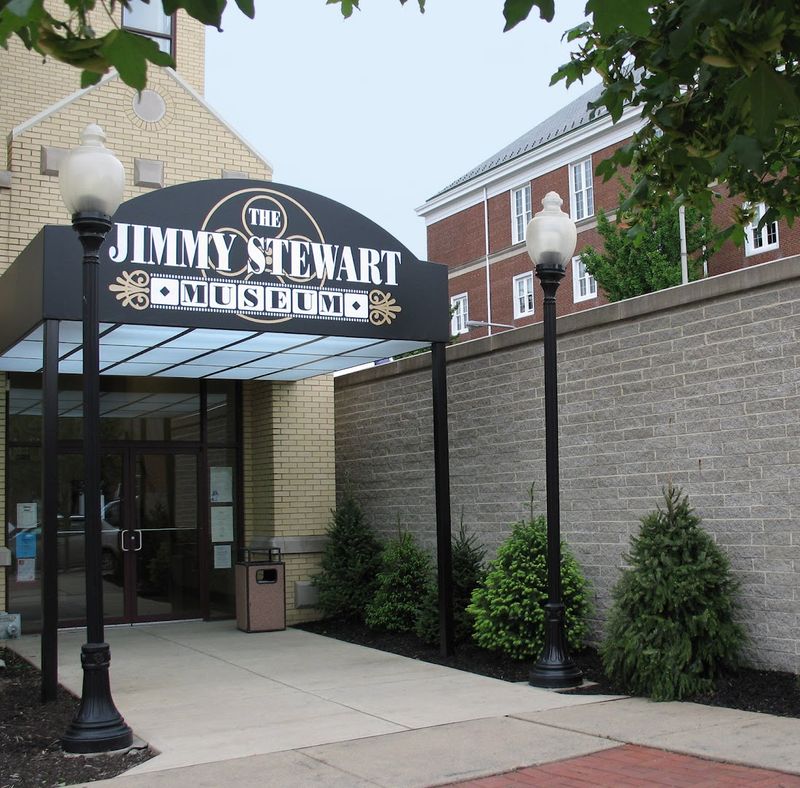
Movie stardom often feels distant, but this museum makes it feel grounded in hometown values.
The Jimmy Stewart Museum in Indiana, Pennsylvania connects a beloved Hollywood career to the community that shaped the actor’s famously modest public image.
Instead of relying only on celebrity nostalgia, it shows how local roots, military service, and professional discipline all helped define one of cinema’s most enduring figures.
Inside, the exhibits explore Stewart’s film work, personal life, and broader cultural impact with a tone that feels affectionate rather than flashy.
You can expect photographs, film materials, memorabilia, and interpretive displays that trace his path from small town Pennsylvania to national fame.
His roles in classic films are part of the draw, of course, but the museum also reminds you why audiences trusted him on screen.
He projected sincerity with unusual ease.
What I find especially appealing is how the collection reflects both American film history and Pennsylvania identity.
Stewart’s story is not presented as a glamorous escape from home.
Instead, Indiana remains central to understanding him, which gives the museum a stronger emotional core than many celebrity institutions.
The scale helps too, because it invites a slower visit where you actually read, look closely, and connect the pieces.
Small museums often succeed by narrowing their focus until a larger story comes into view.
That is exactly what happens here.
The Jimmy Stewart Museum turns one actor’s life into a window on twentieth century entertainment, wartime service, and the values that many Pennsylvanians still claim with pride.
If you want a stop that feels nostalgic, thoughtful, and quietly inspiring, this museum delivers far more than star power.
4. Zippo/Case Museum, Bradford
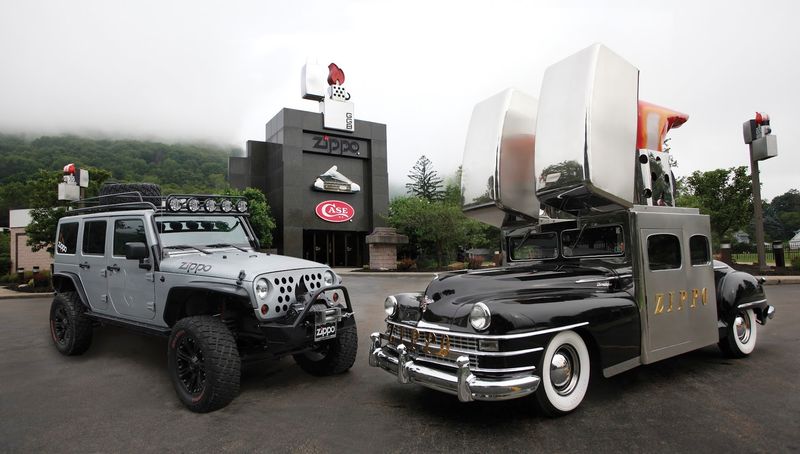
Industrial heritage gets a sleek, collectible twist at this Bradford museum devoted to two iconic American brands.
The Zippo/Case Museum turns everyday objects into a story about design, labor, marketing, and the kind of manufacturing pride that runs deep in Pennsylvania.
Even if you arrive thinking lighters and knives sound overly specific, the exhibits quickly show how much cultural history can be packed into familiar tools.
Displays highlight the evolution of Zippo lighters and Case knives through product design, company milestones, wartime use, advertising, and collector culture.
It is easy to get drawn into the details, especially when you see how materials, logos, finishes, and packaging changed over time.
What might seem at first like a showroom becomes something richer – a record of craftsmanship and brand identity shaped in a Pennsylvania town with lasting industrial significance.
I like that the museum speaks to several kinds of visitors at once.
Collectors can appreciate rarity and variation, history lovers can connect the objects to broader economic stories, and casual travelers can simply enjoy the tactile appeal of well made things.
Because the institution remains compact, the experience stays approachable.
You never feel lost in endless galleries, and that makes the human side of production easier to grasp.
Bradford’s place in the story matters just as much as the products themselves.
The Zippo/Case Museum reminds you that Pennsylvania history is not only about battlefields, politicians, or grand architecture.
It is also about the objects people carried, used, repaired, and treasured.
If you are drawn to museums where commerce, utility, and memory intersect, this small stop offers an especially sharp and satisfying look at the state’s manufacturing legacy.
5. Mercer Museum, Doylestown
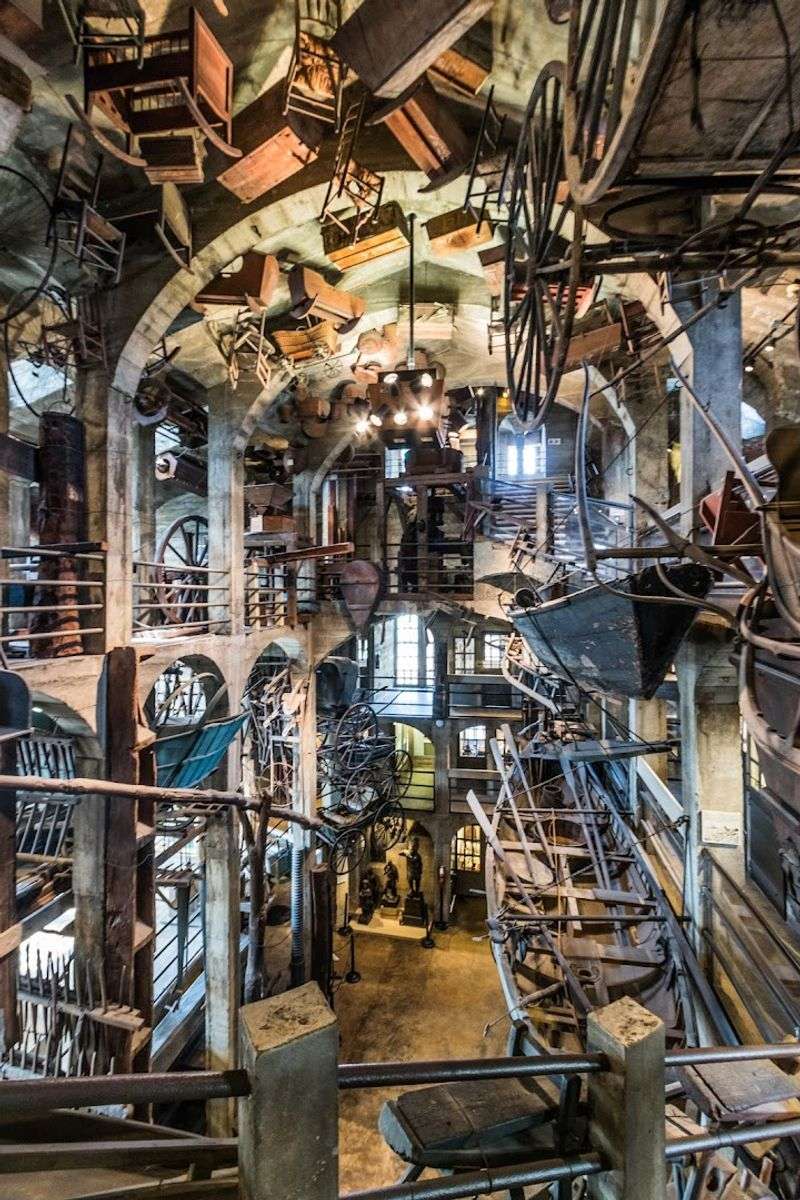
Few museums make everyday tools feel as dramatic as this one does.
The Mercer Museum in Doylestown gathers early American objects into a space that feels part folk archive, part time capsule, and part cathedral of practical invention.
From the moment you begin looking upward at densely displayed artifacts, you realize this is not a quiet lineup of isolated cases.
It is a vivid portrait of how Pennsylvanians once worked, built, cooked, traveled, and made a life.
The museum is especially strong because it treats ordinary objects with extraordinary seriousness.
You will see tools, domestic items, agricultural equipment, and trade related materials that document preindustrial and early industrial life in a way few places can match.
Rather than spotlighting only elite history, the collection honors labor, skill, and everyday problem solving.
I find that grounding effect incredibly rewarding, particularly in a state where craft and industry shaped so many communities.
Its scale is deceptive.
While not small in ambition, the museum still offers the kind of focused experience that feels personal compared with giant metropolitan institutions.
The architecture adds to that impression, surrounding you with layered visual evidence of lives that might otherwise be forgotten.
Every corner suggests another occupation, another household routine, another disappearing technique.
That richness keeps the visit engaging even if you know little about antique tools at the start.
In Doylestown, the Mercer Museum stands as one of Pennsylvania’s most distinctive historical spaces precisely because it trusts objects to tell complex stories.
You leave with a stronger sense of how material culture preserves memory and how much of the past survives in practical things.
If you want a museum that is immersive, unusual, and deeply rooted in the rhythms of everyday Pennsylvania history, this one is essential.
6. Mutter Museum, Philadelphia
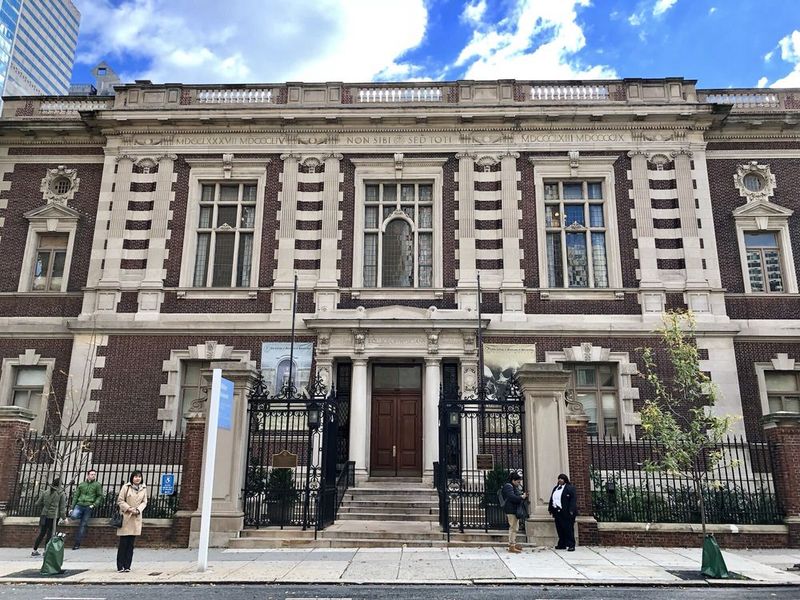
Curiosity and discomfort tend to arrive together in this famous Philadelphia museum.
The Mutter Museum is one of Pennsylvania’s most unforgettable small institutions because it explores the history of medicine through specimens, instruments, and stories that can be fascinating, unsettling, and deeply human all at once.
You do not visit only to be shocked.
You visit to understand how doctors studied bodies, disease, trauma, and difference across changing eras of medical knowledge.
The collection is well known for anatomical specimens and unusual medical artifacts, but the strongest visits happen when you move beyond surface reactions.
Exhibits reveal the limits of past treatments, the persistence of scientific inquiry, and the ethical questions that still shape medicine today.
I think that layered experience is what gives the museum lasting value.
It encourages empathy as much as amazement, especially when individual lives are foregrounded within the displays.
Because the galleries are relatively intimate, everything feels immediate.
You are often only a short distance from objects that challenge assumptions about health, normality, and the history of care.
In a larger museum, that intensity might be diluted.
Here, it becomes the point.
Philadelphia has many major cultural institutions, but this one stands out for its singular focus and willingness to confront the strange realities behind medical progress.
There is no other Pennsylvania museum quite like it, and that uniqueness explains its reputation.
The Mutter Museum makes history feel physical in the most direct sense, connecting science to lived experience with unusual power.
If you appreciate places that provoke thought instead of offering easy comfort, this museum rewards close attention.
It may not be for everyone, but for curious visitors, it is one of the state’s most compelling small scale experiences.
7. The Maridon Museum, Butler
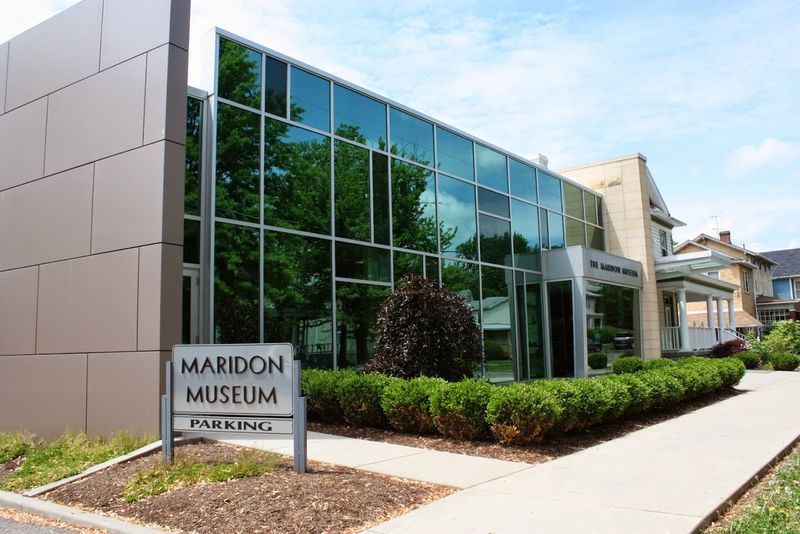
One of Pennsylvania’s most unexpected museum experiences waits in Butler, where a small institution opens a window onto Asian art and craftsmanship.
The Maridon Museum feels distinctive precisely because it offers something you may not expect to find in a modest western Pennsylvania setting.
That element of surprise is part of its appeal.
It invites you to slow down, look carefully, and let a focused collection reveal global artistic traditions through a local lens.
The museum is especially known for Asian art, including Japanese prints, ivory carvings, and other carefully curated works that reward close viewing.
Instead of rushing you through vast encyclopedic holdings, it creates a quieter atmosphere where details matter.
You notice line, texture, symbolism, and technique more readily in a smaller space.
I appreciate that intimacy because it helps the collection feel approachable even if you arrive without a deep background in Asian art history.
Its importance within Pennsylvania lies partly in contrast.
Many small museums in the state center on regional industry, military events, or local figures.
The Maridon Museum broadens the cultural map by showing how world art can find meaningful stewardship in a community museum.
That shift in perspective makes Butler feel connected to larger artistic conversations while still preserving the personal character that small institutions do best.
Visits here tend to linger in memory because the experience is both calm and surprising.
The Maridon Museum proves that richness does not depend on size, and that a carefully chosen collection can create a strong sense of discovery.
If you enjoy museums that feel thoughtful, refined, and a little off the obvious path, this Pennsylvania stop offers a refreshing change of pace and a deeply rewarding encounter with art.
8. The Old Jail Museum, Jim Thorpe
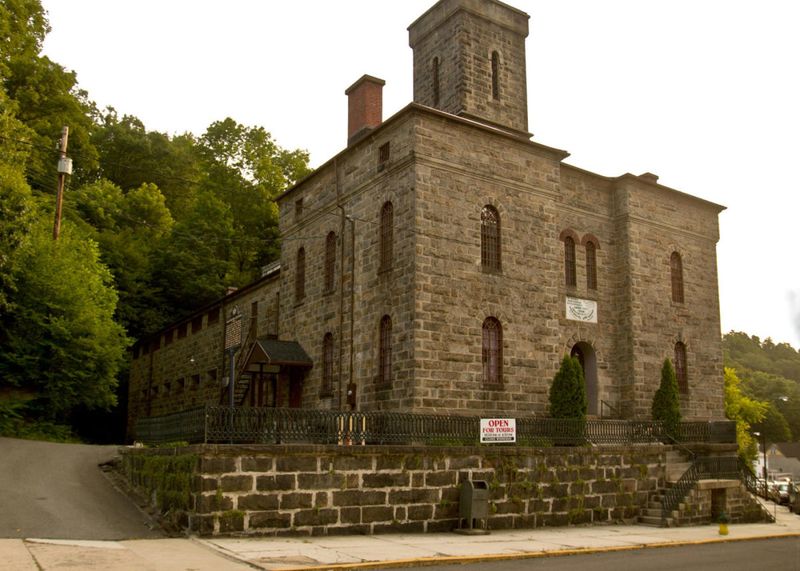
Some museums hold history in neat cases, while others seem to trap it in the walls.
That is the feeling you get at The Old Jail Museum in Jim Thorpe, where preserved cells and stark interiors make the past feel close and uncomfortably real.
This is not a polished, abstract lesson in criminal justice.
It is a place where punishment, local conflict, and memory remain tied to a specific building in a specific Pennsylvania town.
The structure itself carries much of the interpretive power.
As you move through the jail, you are not just reading about nineteenth century law and order.
You are standing in spaces where confinement shaped daily experience in harsh, visible ways.
The site is especially associated with the story of the Molly Maguires, adding another layer of labor tension, immigrant history, and controversy to the visit.
That connection gives the museum a broader social meaning beyond prison architecture.
I think the best reason to visit is the atmosphere.
Smaller historic sites often communicate most effectively through mood, and this one uses that strength well.
The stone, iron, and close quarters make it easier to imagine the realities of incarceration than any large, detached exhibit could.
In Jim Thorpe, a town already rich in visual drama and historical character, the museum contributes a darker but important chapter.
The Old Jail Museum succeeds because it does not need spectacle.
Its power comes from authenticity, local storytelling, and the physical presence of a space designed to control human lives.
If you are interested in Pennsylvania history that feels layered, uneasy, and deeply grounded in place, this museum offers a strong reminder that the state’s past includes conflict and hardship as well as charm.
9. Wagner Free Institute Of Science, Philadelphia
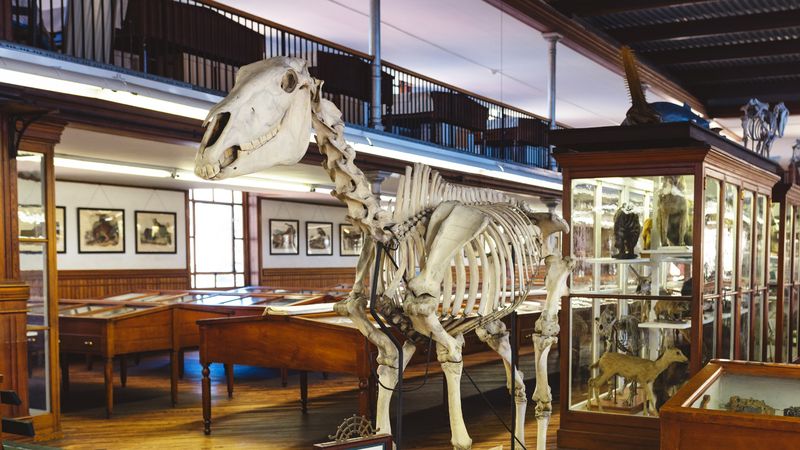
Stepping into this Philadelphia institution can feel like entering a preserved nineteenth century idea of science itself.
The Wagner Free Institute Of Science is remarkable not because it chases modern spectacle, but because it retains the atmosphere of a historic teaching museum where specimens, order, and public education mattered deeply.
That sense of continuity makes it one of Pennsylvania’s most distinctive small cultural spaces.
Natural history collections line the interior in a way that feels both scholarly and theatrical.
Cabinets, cases, and tiered displays present minerals, fossils, taxidermy, and other specimens within an environment that still reflects the original educational mission.
I love how the setting encourages you to think about science as a lived civic practice, not just a body of facts.
The museum shows how Philadelphians once encountered knowledge through lectures, careful observation, and accessible public institutions.
Because the building and collection remain so evocative, the experience is about more than individual objects.
You are also reading the history of museum design, pedagogy, and democratic learning in Pennsylvania.
That layered quality gives the Wagner Free Institute Of Science unusual depth for a compact visit.
It rewards anyone interested in natural history, but it is equally compelling for those curious about how communities once organized and shared intellectual life.
In a city known for major museums and revolutionary landmarks, this quieter place offers something more intimate and, in some ways, more transporting.
The Wagner Free Institute Of Science preserves not only specimens but a worldview – one that valued curiosity, classification, and broad public access to learning.
If you want a Pennsylvania museum that feels timeless, thoughtful, and unlike almost anywhere else, this one is a true gem.
10. Demuth Museum, Lancaster
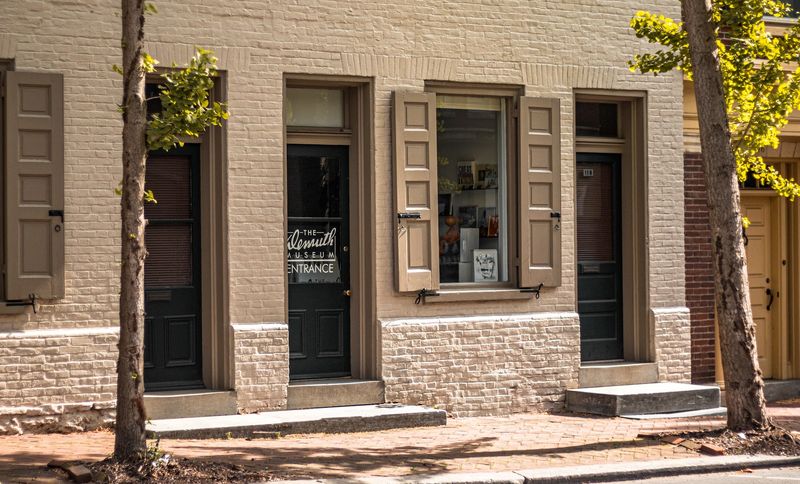
Art feels especially personal when you encounter it in the setting that shaped the artist’s life.
The Demuth Museum in Lancaster offers that kind of closeness, connecting the work of Charles Demuth to the home environment and local streets that informed his vision.
Rather than presenting modern art as distant or intimidating, the museum roots it in Pennsylvania place, biography, and creative discipline.
The house museum format gives the visit a distinctive rhythm.
You move between spaces that illuminate Demuth’s life and galleries that interpret his artistic achievements, including his role in American modernism and precisionism.
That blend of domestic context and art history makes the museum approachable without reducing its seriousness.
I find it especially compelling because Lancaster itself becomes part of the story, not just a backdrop.
Smaller museums often excel when they reveal how one life can open onto a broader cultural moment.
Here, Demuth’s career leads you into conversations about modern art, identity, regional influence, and the relationship between everyday surroundings and artistic experimentation.
The scale helps.
You can pay real attention to individual works and absorb the quiet details of the house, which would be easy to miss in a larger institution.
What makes this museum memorable is the way it ties creative ambition to a specific Pennsylvania community.
The Demuth Museum shows that nationally important art history does not only happen in major metropolitan studios or giant galleries.
It can emerge from a Lancaster home and still reshape how people understand American painting.
If you appreciate intimate museums that balance personality, place, and visual depth, this stop offers a thoughtful and rewarding experience.
11. Houdini Museum, Scranton
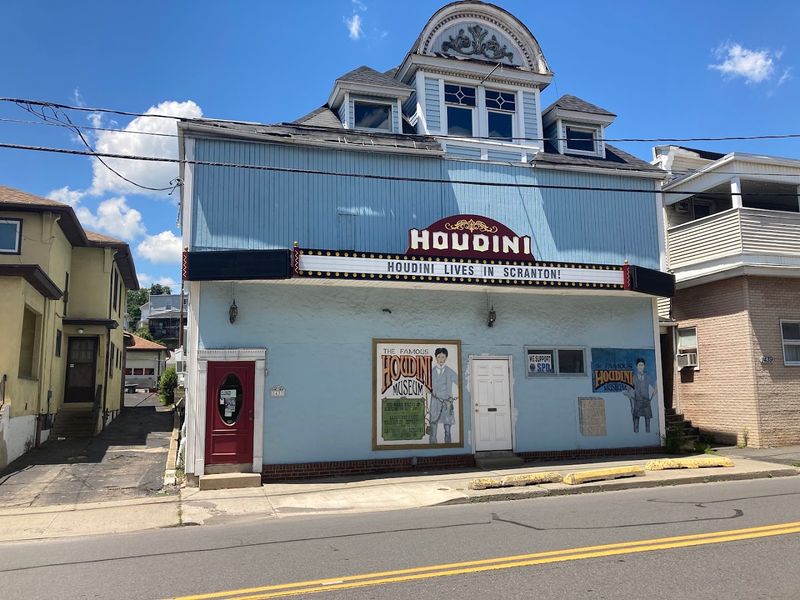
Magic history works best when it still feels a little mysterious, and this Scranton museum understands that perfectly.
The Houdini Museum turns the life and legend of Harry Houdini into an experience that is part historical exhibit, part theatrical tribute, and part celebration of live illusion.
In Pennsylvania, where so many museums lean toward industry or battlefield memory, this one stands out for its sense of performance and wonder.
Exhibits typically focus on Houdini’s career, escapes, publicity, artifacts, and the larger culture of stage magic that surrounded him.
That material matters, but the museum’s atmosphere is equally important.
You are not just reading labels about a famous entertainer.
You are entering a space that keeps alive the excitement of vaudeville, showmanship, and the careful crafting of astonishment.
I think that immersive quality gives the museum more charm than a standard biography based display.
The small scale works in its favor because magic is often most effective up close.
A compact setting makes the subject feel immediate, and it encourages you to think about performance as a relationship between artist and audience.
Scranton may not be the first place you expect to find a meaningful museum about Houdini, yet that surprise is part of the pleasure.
Pennsylvania’s museum landscape is richer for such unexpected specialties.
What lingers after a visit is the blend of fact and spectacle.
The Houdini Museum treats entertainment history with respect while preserving the playful energy that made its subject famous.
If you enjoy museums that leave room for curiosity, personality, and a little dramatic flair, this is an easy recommendation.
It proves that a focused institution can honor a legendary figure while still delivering a distinctly local and memorable Pennsylvania experience.
12. Boyertown Museum Of Historic Vehicles, Boyertown
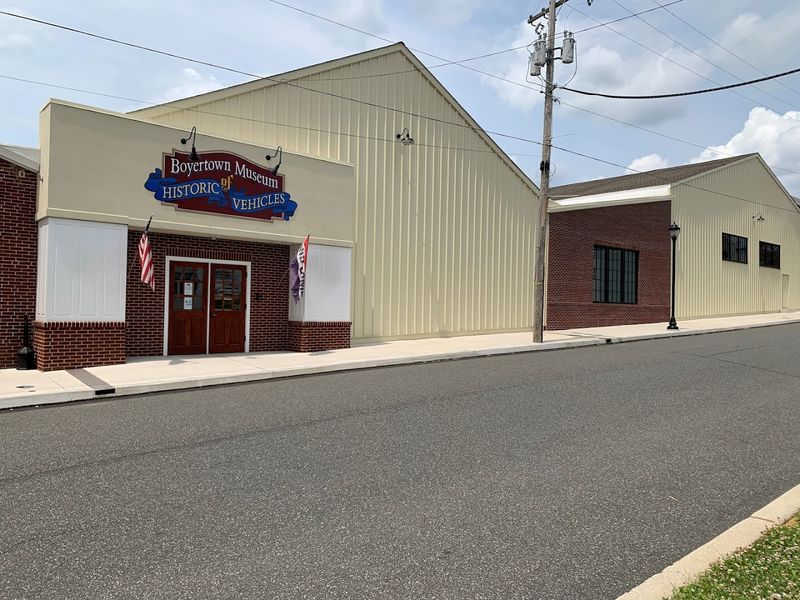
Transportation history becomes far more vivid when it stays tied to the region that built and used the machines.
That is what makes the Boyertown Museum Of Historic Vehicles such a strong Pennsylvania museum experience.
Instead of presenting automobiles as generic antiques, it emphasizes the state’s role in developing road vehicles, body building, and related industries.
The result is a collection that feels rooted in place rather than detached from it.
You can expect an engaging range of historic vehicles, from carriages and early automobiles to trucks and specialized regional examples that illustrate changing technology and local craftsmanship.
The museum does a good job showing that transportation history is also labor history, design history, and business history.
I like how that expands the visit beyond simple nostalgia.
You are seeing how movement, commerce, and manufacturing evolved together across Pennsylvania communities.
Because the museum is focused rather than sprawling, the displays remain digestible and rewarding even if you are not a devoted car enthusiast.
Smaller institutions often make technical subjects easier to enjoy, and that is true here.
You can appreciate visual style, engineering changes, and the stories of the makers without feeling overloaded.
Boyertown itself adds context, reminding you that vehicle history was embedded in real towns and real economic networks.
The Boyertown Museum Of Historic Vehicles succeeds by connecting beautiful objects to broader regional identity.
It shows how Pennsylvania helped shape everyday mobility and how local industry left lasting marks on the American road.
If you enjoy museums where craftsmanship meets community history, this one is well worth your time.
It offers a satisfying blend of mechanical interest, historical depth, and the intimate character that smaller museums often do best.
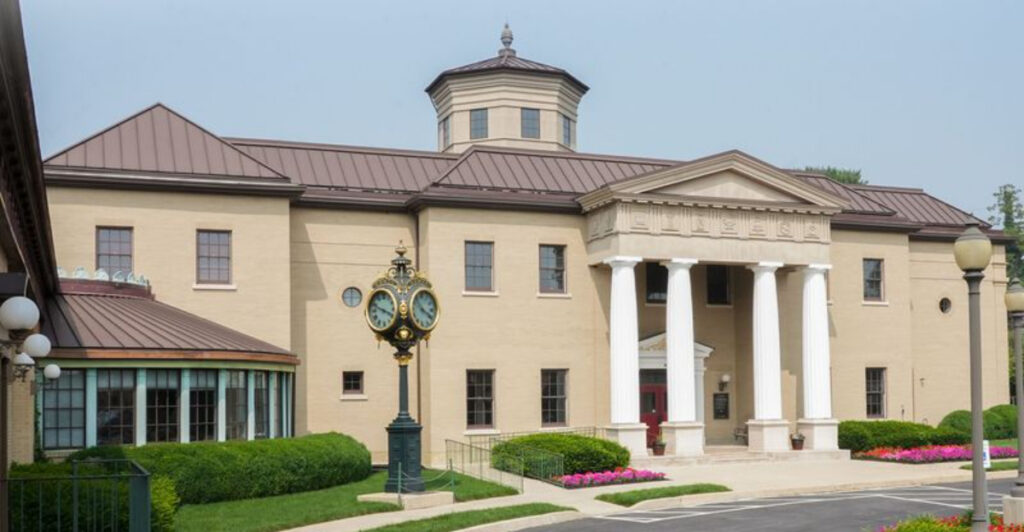
13. National Watch And Clock Museum, Columbia
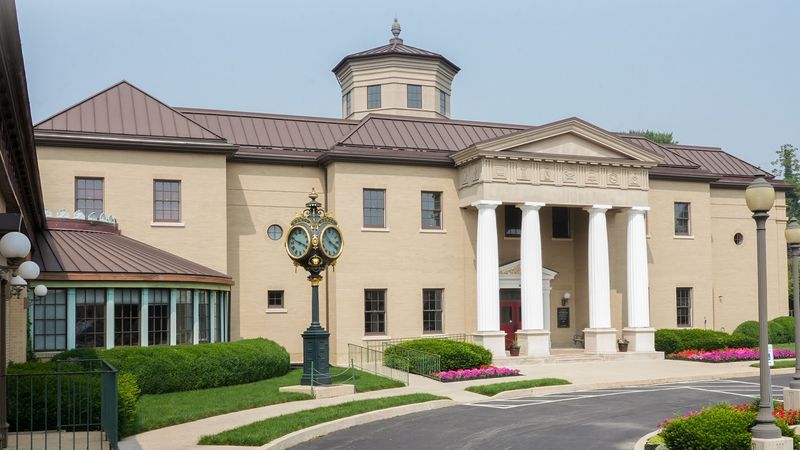
Timekeeping may sound narrow as a museum subject, but this Columbia institution quickly proves otherwise.
The National Watch And Clock Museum turns clocks and watches into gateways for understanding craftsmanship, technology, trade, and the human desire to measure life with precision.
In Pennsylvania, where skilled labor and manufacturing have long shaped community identity, that focus feels especially fitting.
The exhibits span decorative clocks, pocket watches, mechanisms, tools, and interpretive material that reveals how timepieces changed over generations.
Even visitors with little prior interest in horology can appreciate the artistry involved, from intricate cases to finely engineered internal parts.
I find the subject unexpectedly emotional too.
Clocks and watches are practical objects, but they also mark routines, milestones, inheritance, and memory in ways that feel intensely personal.
What makes the museum particularly rewarding is its ability to balance beauty with explanation.
You can admire surfaces and craftsmanship, then move deeper into the history of production, repair, standardization, and collecting.
The compact scale helps that process because it keeps the experience focused.
Instead of feeling lost in a giant technical archive, you are invited into a carefully organized story about how people learned to discipline and decorate time.
Columbia is an ideal Pennsylvania setting for a museum like this, since the town’s historic character supports the sense of continuity between object and place.
The National Watch And Clock Museum proves that specialized collections can illuminate far more than their titles suggest.
If you are drawn to museums that reward close looking and thoughtful curiosity, this one offers a polished, fascinating, and surprisingly resonant encounter with the history of measured time.
Share this story