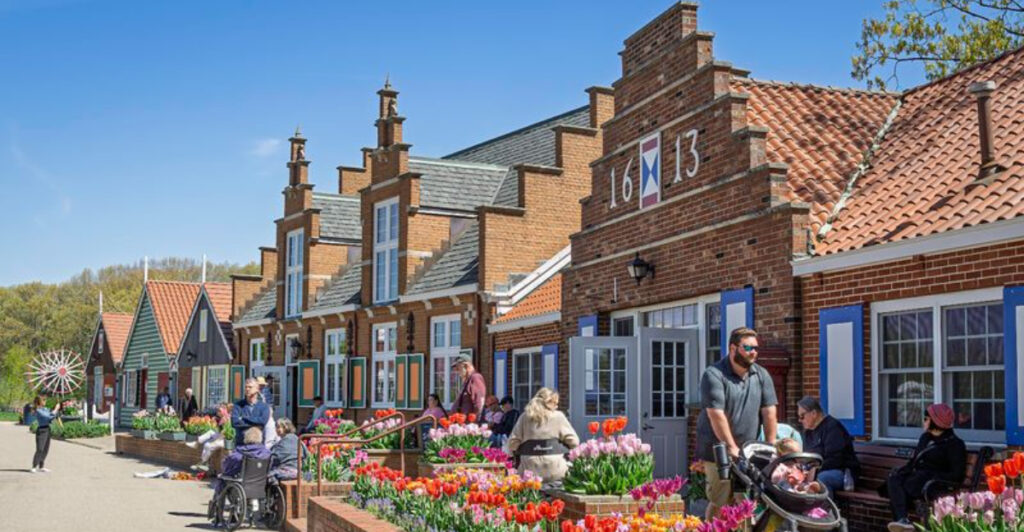
Few Michigan towns know how to make a first impression quite like Holland. Sitting along the southeastern shore of Lake Michigan, this charming city bursts to life each spring when roughly six million tulips bloom in a stunning mix of reds, pinks, yellows, and purples.
But the flowers are only the beginning. Holland is also home to a real working windmill imported from the Netherlands, downtown sidewalks that heat themselves in winter, and a lighthouse so photogenic it has built a fan club of its own.
This isn’t just one of Michigan’s prettiest towns — it’s a full-on experience packed into one unforgettable lakeside getaway.
Tulip Time Festival: Six Million Reasons to Show Up in May
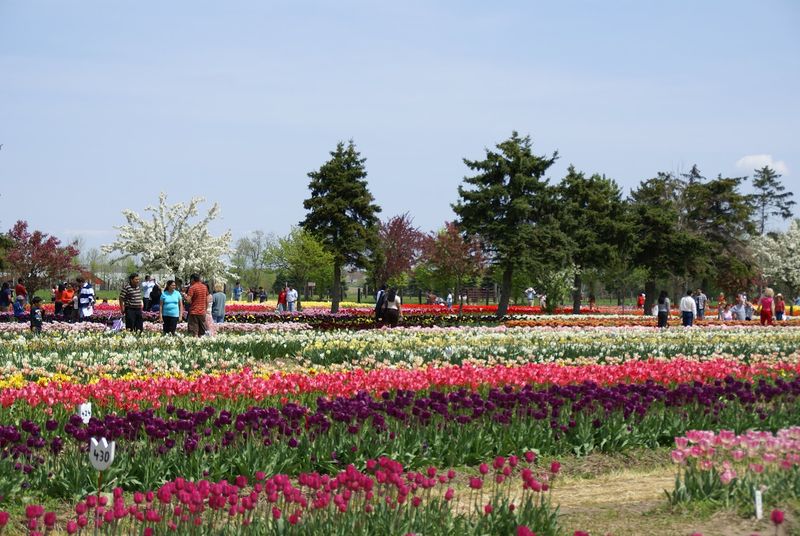
Every May, Holland transforms into something that looks almost too beautiful to be real. Around six million tulips bloom across the city — lining streets, filling parks, and spilling out of window boxes in a riot of color that draws nearly half a million visitors each year.
The Tulip Time Festival has been running since 1929, making it one of the longest-running festivals in the entire United States.
The festival spans about nine days and is packed with Dutch-themed parades, traditional Klompen dancing performed in wooden shoes, and street scrubbing ceremonies that honor the city’s Dutch heritage. Velvet-costumed performers, live music, and an outdoor market round out the schedule.
You honestly don’t need a reason to love flowers to have a great time here — the energy alone is contagious.
Planning your visit around the peak bloom window is key. Tulips typically peak between late April and mid-May, though the exact timing shifts slightly each year depending on winter temperatures.
The festival’s official website posts bloom updates as spring approaches, so you can time your trip perfectly.
Holland’s downtown corridor along Eighth Street is especially spectacular during the festival, with planters overflowing in every direction. Windmill Island Gardens and Centennial Park are two of the most photographed spots for tulip lovers.
Wear comfortable shoes — you’ll want to walk everywhere.
Parking fills up fast during peak festival weekends, so arriving early or using the park-and-ride shuttles is a smart move. Many local bed-and-breakfasts and hotels book up months in advance.
If you’re a planner, lock in your accommodations well before April hits.
De Zwaan Windmill at Windmill Island Gardens
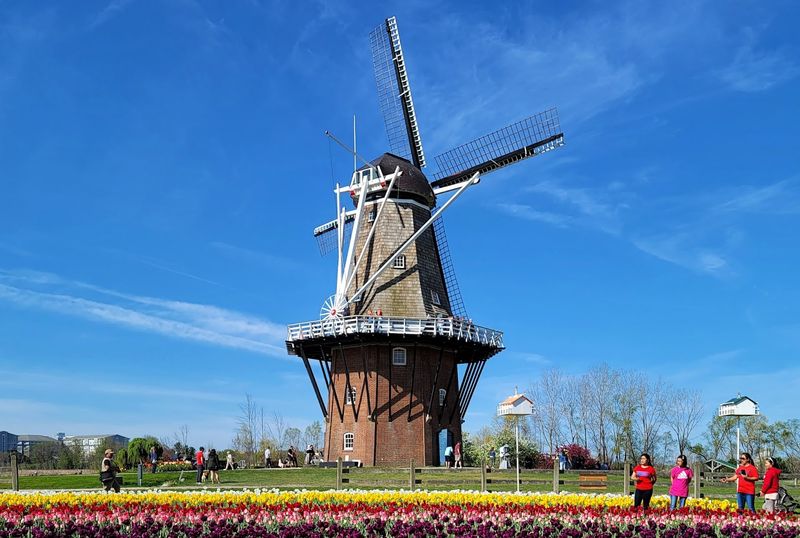
Standing over 125 feet tall and imported directly from the Netherlands in 1964, De Zwaan is the only authentic Dutch windmill in the United States that still operates. The name translates to “The Swan” in Dutch, and once you see it rising above the tulip fields at Windmill Island Gardens, that poetic name makes perfect sense.
Getting this windmill to Michigan was no small feat — the Dutch government was initially reluctant to allow such a historic structure to leave the country.
Windmill Island Gardens is a 36-acre public attraction that surrounds De Zwaan with beautifully landscaped gardens, canals, and a working drawbridge. Visitors can actually go inside the windmill and watch it grind grain — a surprisingly fascinating process that connects you to centuries of Dutch ingenuity.
Licensed Dutch millers have trained the windmill’s operators, keeping the tradition authentic right down to the technique.
The gardens themselves are planted with tens of thousands of tulips each spring, making the windmill backdrop almost impossibly picturesque. Even outside of tulip season, the grounds stay lush and worth exploring.
A carousel, a Dutch village display, and a gift shop stocked with genuine Dutch goods keep families entertained well beyond a quick photo stop.
Admission is reasonably priced, and the experience genuinely delivers more than most people expect. Kids are often mesmerized by the windmill’s massive wooden gears and turning blades.
Adults tend to linger longer than planned, soaking in the unexpected peacefulness of the place.
Windmill Island Gardens is open seasonally, typically from late April through late October. Checking the official schedule before visiting is always a good idea, especially around holiday weekends when hours may shift.
Big Red Lighthouse: Holland’s Most Photographed Icon
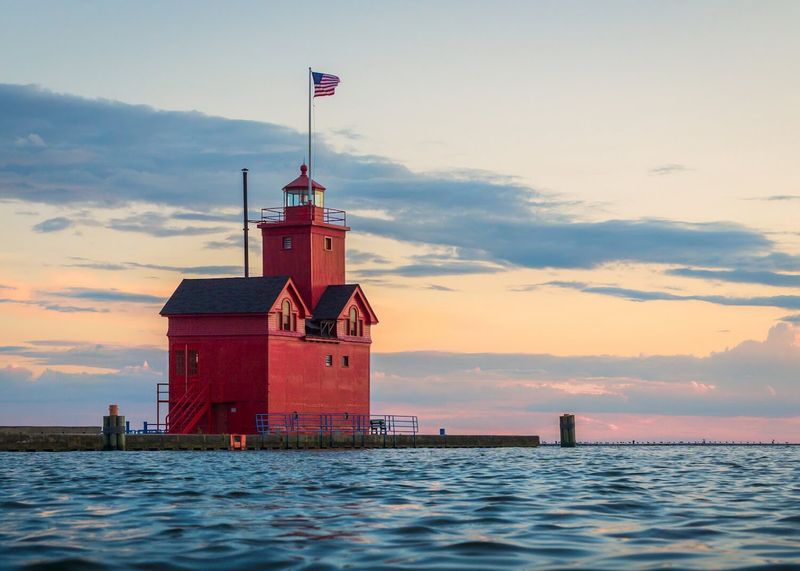
Few things in Michigan are as instantly recognizable as Big Red. Perched at the mouth of the channel connecting Lake Macatawa to Lake Michigan, this candy-apple red lighthouse has been guiding boats and stealing hearts since the late 1800s.
Photographers, painters, and postcard makers have been obsessed with it for decades — and honestly, once you see it in person, you’ll understand why.
The lighthouse sits at the end of a long, elevated wooden catwalk that stretches over the water, giving it a dramatic, almost theatrical presence. Watching the sunset from this spot — with Big Red glowing in the fading light and Lake Michigan sprawling out behind it — is the kind of moment that sticks with you long after you’ve gone home.
Locals will tell you this is one of the best sunsets in all of Michigan, and they are not exaggerating.
Access to the catwalk and surrounding area is free, and Holland State Park sits right next door, making it easy to combine a beach day with a lighthouse visit. The park itself is one of the most visited state parks in Michigan, offering sandy beaches, camping, and great swimming in both Lake Michigan and Lake Macatawa.
Parking fills up fast on summer weekends, so arriving before 10 a.m. is a smart strategy.
The lighthouse is managed by the Holland Harbor Lighthouse Historical Commission, and while the interior is not regularly open to the public, special tours and events occasionally allow visitors inside. Keeping an eye on the commission’s social media pages can tip you off to those rare access opportunities.
Even from a distance, Big Red commands attention. A walk along the South Pier toward the lighthouse is one of those simple pleasures that feels genuinely special every single time.
Heated Sidewalks: The Coolest Cold-Weather Trick in Downtown Holland
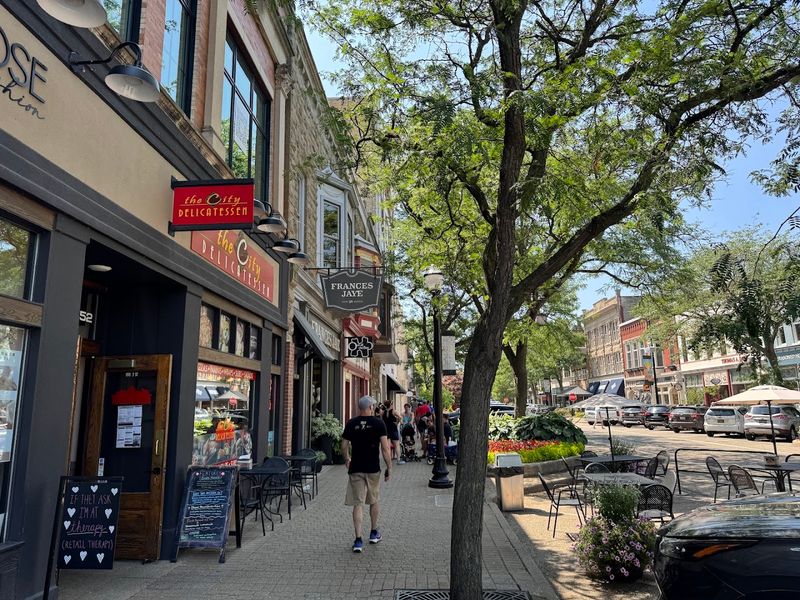
Most cities just plow the snow and hope for the best. Holland went a completely different direction.
Downtown Holland has an underground snowmelt system built directly beneath its brick sidewalks and streets, using a network of pipes that circulate warm water to keep surfaces clear of ice and snow. It is one of the most impressive municipal infrastructure projects you’ll find anywhere in the Midwest, and it makes winter shopping and strolling genuinely pleasant.
The system covers a significant stretch of Eighth Street, the city’s main downtown corridor, and has been a game-changer for local businesses and visitors alike. No shoveling.
No ice patches. No awkward penguin-walking in dress boots.
The sidewalks stay dry and safe even when the temperatures outside are doing their worst. It’s the kind of civic investment that makes you realize how seriously Holland takes the quality of life for everyone who visits or lives there.
This snowmelt system has actually earned national attention and has been studied by urban planners from other cities looking for smart, pedestrian-friendly winter solutions. Holland installed a significant portion of the system back in the 1980s, and it has been expanded and maintained since then.
The city’s Dutch heritage of meticulous civic planning is very much alive in this project.
For visitors, the practical benefit is huge. Holland’s downtown is genuinely worth exploring in winter — the boutique shops, coffee houses, and restaurants along Eighth Street are cozy and welcoming, and the holiday decorations are stunning.
You can browse without worrying about slipping or freezing your way back to the car.
Winter in Holland is not something to endure — it’s something to enjoy, especially when the sidewalks are working hard so you don’t have to.
Holland State Park and the Lake Michigan Shoreline
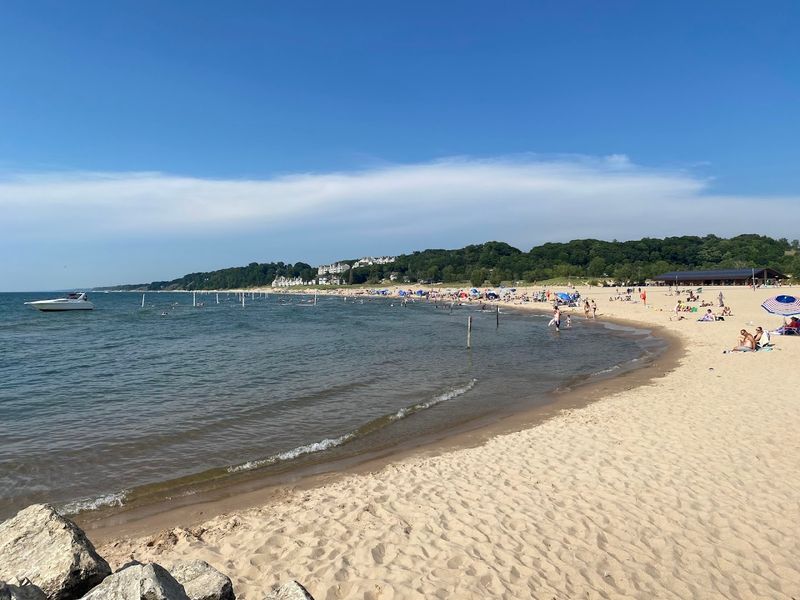
Michigan is famous for its Great Lakes shoreline, and Holland State Park delivers one of the finest stretches of it. Situated where Lake Macatawa meets Lake Michigan, the park offers two distinct beach experiences — the open, wave-driven energy of Lake Michigan on one side, and the calmer, warmer waters of Lake Macatawa on the other.
Families with young kids often appreciate having both options within easy walking distance of each other.
The Lake Michigan beach here is wide, sandy, and framed by low dunes that give it a natural, unspoiled character. The water is strikingly clear — especially on calm days — and the sandy bottom makes it easy to wade in without worrying about rocks or drop-offs.
Lifeguards are typically on duty during peak summer season, which adds a welcome layer of peace of mind for parents.
Camping at Holland State Park is extremely popular and books up far in advance. The campground has both modern and rustic sites, and waking up a short walk from one of Michigan’s best beaches is a hard experience to top.
Even if you’re not camping, a day-use visit is absolutely worth the Michigan DNR Recreation Passport fee required for entry.
Wildlife sightings add a nice bonus to any visit. White-tailed deer are regularly spotted near the wooded edges of the park, and during spring and fall migration seasons, the area becomes a stopover for a remarkable variety of bird species.
Birders with binoculars are a common sight along the shoreline paths.
Sunsets here are legendary. Watching the sun drop into Lake Michigan from Holland State Park beach is one of those free, effortless experiences that reminds you why Michigan is so deeply loved by the people lucky enough to call it home.
Dutch Heritage and the Unique Cultural Identity of Holland
Holland, Michigan was founded in 1847 by Dutch immigrants led by Albertus Van Raalte, a minister who was searching for a place where his congregation could practice their faith freely. That founding story has never been forgotten.
The city has preserved and celebrated its Dutch roots in a way that feels genuine rather than touristy — which is a harder balance to strike than it sounds.
Walk through downtown and you’ll notice Dutch-style architectural details on storefronts, wooden shoe sculptures used as planters, and street names that nod to the Netherlands. The Holland Museum on Ninth Street houses a substantial collection of Dutch decorative arts and artifacts, including Delftware, furniture, and historical documents that trace the immigrant experience in vivid detail.
It’s the kind of museum that surprises you with how much depth it offers.
The Dutch heritage also shows up in the food scene. Local bakeries carry stroopwafels, Dutch letters — a flaky, almond-filled S-shaped pastry that is practically a civic institution here — and other traditional treats that have been made in Holland for generations.
Pipping Hot Bakery and other spots along Eighth Street keep these traditions alive with real skill and obvious pride.
Community events throughout the year reinforce the cultural connection beyond just Tulip Time. The Dutch community has historically maintained strong ties to the Reformed Church, and that tradition of faith, craftsmanship, and community investment remains a visible thread in the city’s character today.
What makes Holland’s Dutch identity stand out is that it has never felt like a performance. The heritage is woven into the city’s daily life — in its architecture, its food, its festivals, and the unmistakable sense of civic pride that greets you everywhere you look.
Downtown Holland: Shopping, Dining, and Small-City Charm Done Right
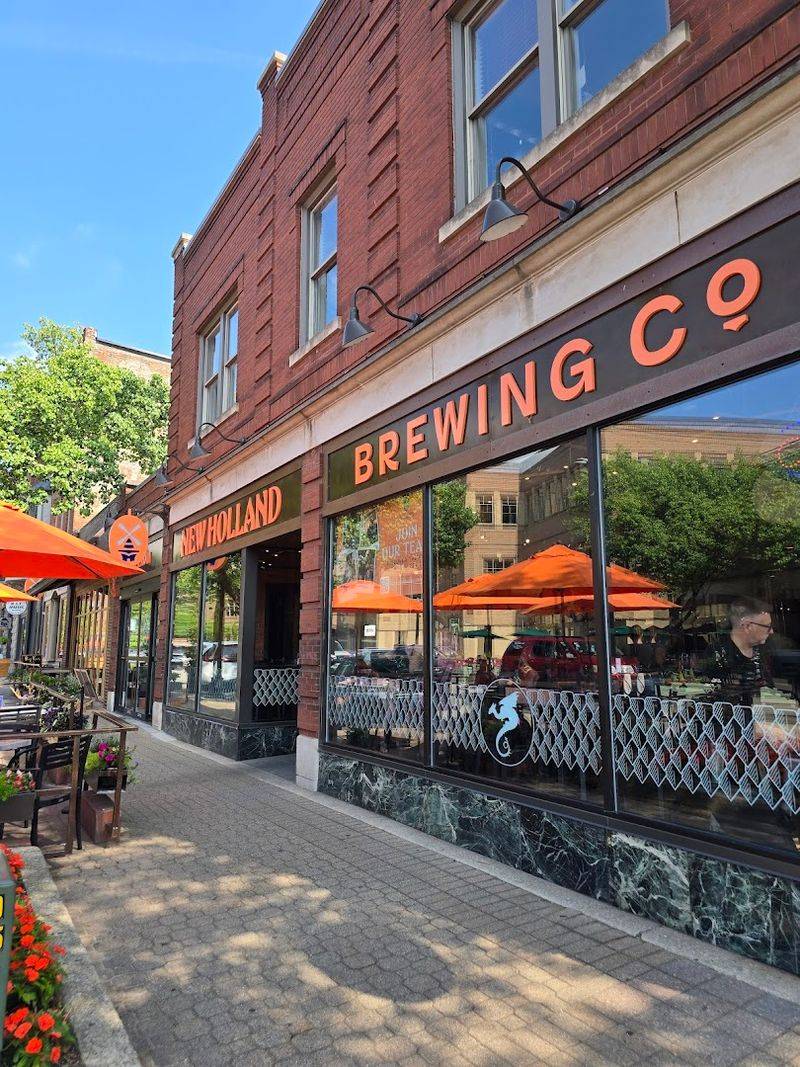
Eighth Street is the beating heart of downtown Holland, and spending an afternoon here feels like discovering a small city that has figured out something most places are still trying to get right. Independent boutiques, locally owned restaurants, art galleries, and specialty shops line the brick-paved corridor in a way that feels curated without feeling corporate.
No big-box sameness here — every storefront has its own personality.
The food scene has grown impressively in recent years. From craft breweries like New Holland Brewing — which has earned a national reputation for its Dragon’s Milk stout — to cozy breakfast spots and upscale farm-to-table dinner options, Holland’s dining landscape punches well above its weight for a city its size.
Grabbing a coffee at a local cafe and people-watching from an outdoor seat is one of those low-key pleasures that defines a good downtown.
New Holland Brewing deserves its own mention. Founded in 1997, it has become one of Michigan’s most recognized craft breweries, with a taproom right in the heart of the city.
The barrel-aged Dragon’s Milk has a devoted following across the country, and visiting the source adds a fun, behind-the-scenes layer to any trip. Tours and tastings are available and worth scheduling ahead.
Art lovers will find plenty to explore as well. The Holland Area Arts Council supports a lively local arts scene, and galleries and public art installations pop up throughout the downtown area.
First Friday events bring artists and community members together monthly in a relaxed, welcoming atmosphere.
What ties all of this together is the walkability. Holland’s downtown is compact enough to explore entirely on foot, and the heated sidewalks mean that even a January afternoon of window shopping is genuinely enjoyable.
That combination of culture, food, and comfort makes it easy to stay longer than you planned.
Share this story