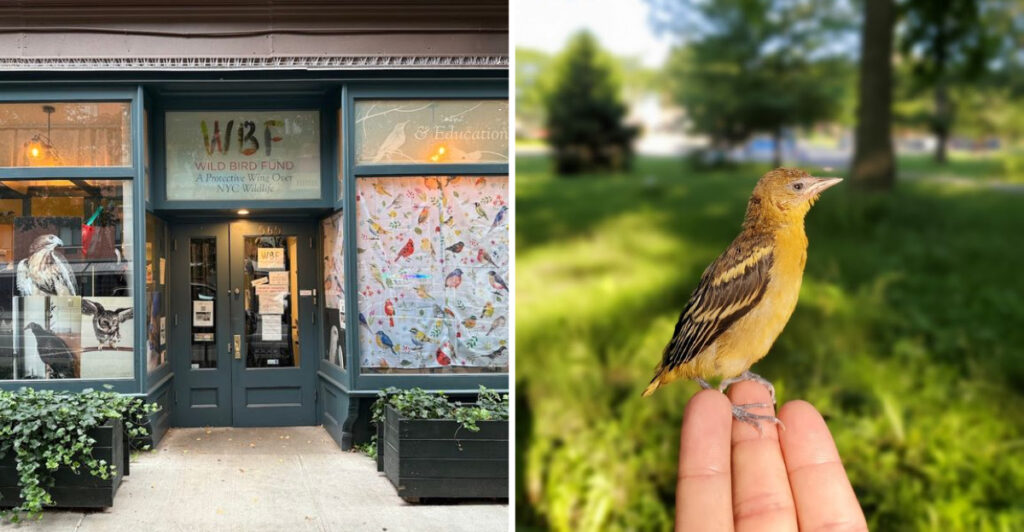
On a busy Upper West Side corner, one of New York’s most quietly remarkable places is doing lifesaving work every single day. Wild Bird Fund is where injured pigeons, stunned doves, orphaned nestlings, and other urban wildlife arrive for a second chance, often carried in by people who simply stopped to help.
The surprise is not only that the organization exists, but that anyone can bring in a bird and receive assistance free of charge. Inside, compassion and expertise replace the city’s usual rush. It is a small operation with an outsized impact, proving that even in Manhattan, there is still room for extraordinary acts of care.
The Columbus Avenue Doorway That Changes the Mood of the Block
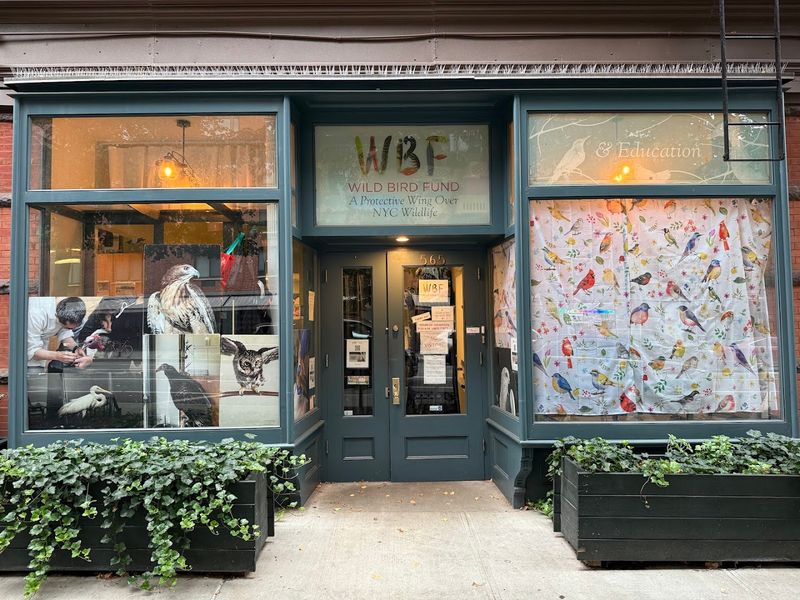
Wild Bird Fund does not announce itself with spectacle. It sits on Columbus Avenue with the practical look of a place focused on work, not branding, and that understatement is part of the shock.
In a neighborhood lined with everyday city motion, the idea that a wildlife rescue service is operating right here adds an unexpected softness to the streetscape.
The location matters immediately. This is not tucked deep inside a park or behind the gates of a private institution, but placed where New Yorkers already move through their day.
That accessibility gives the organization a different presence than a distant rehabilitation center, because the gap between finding an injured bird and reaching qualified help suddenly becomes much smaller.
There is also a visual contrast that gives the place its charge. Outside, buses, dog walkers, grocery bags, and crosswalk signals keep Manhattan in full rhythm.
Inside the orbit of Wild Bird Fund, the focus narrows to towels, boxes, careful handling, intake questions, and the very specific urgency of one fragile animal needing immediate attention.
That shift explains why the organization stands out so sharply in New York. It turns a routine block into a point of rescue, where ordinary passersby can become the link between danger and treatment.
For someone carrying a cardboard box with an injured pigeon or a stunned dove, the building is not just an address on the Upper West Side. It is a place where panic gets replaced by process.
Even before learning anything about its operations, the setting tells a story. Wild Bird Fund is woven directly into the city it serves, close enough to receive the fallout of windows, traffic, storms, and nest mishaps in real time. That physical closeness is one reason the organization feels so essential on this stretch of Manhattan.
Where a Cardboard Box Can Become an Emergency Intake
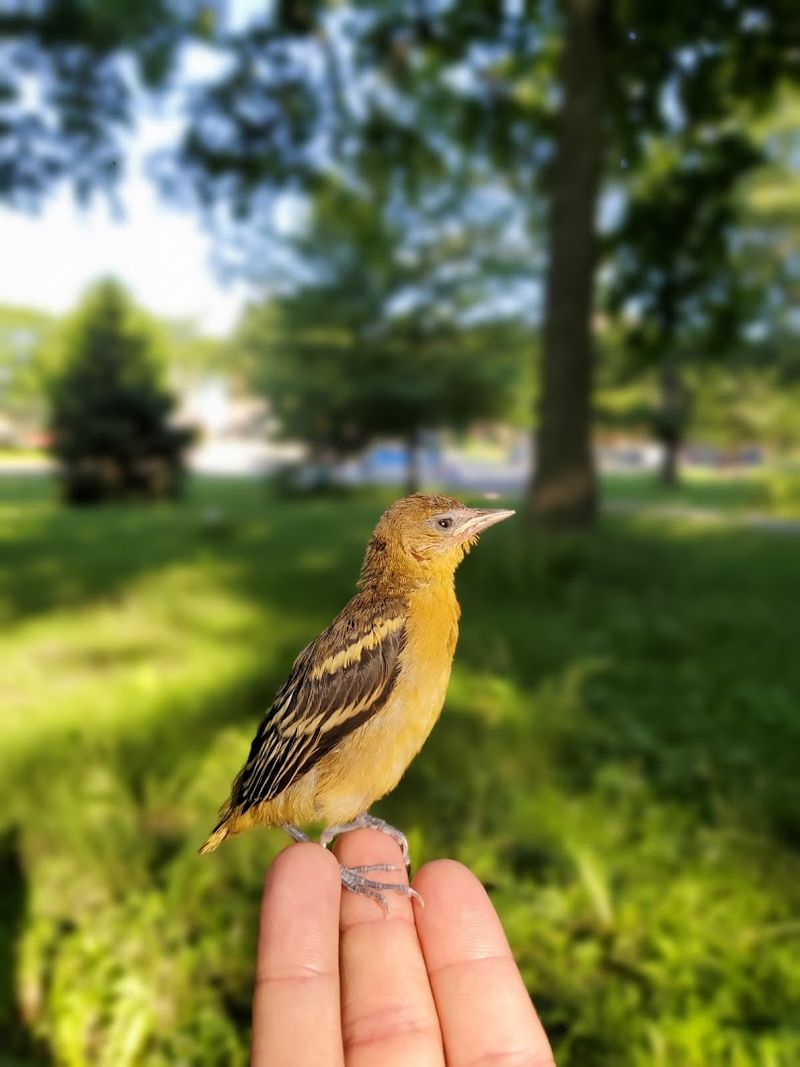
The most striking part of Wild Bird Fund is how directly it meets a real city problem. People find injured birds in all kinds of unplanned situations, near curbs, in courtyards, beside office towers, after heavy rain, or under scaffolding, and they usually find them with no idea what to do next.
This organization exists precisely for that messy, urgent moment. Accounts from people who have brought in pigeons, doves, hawks, robins, and fledglings point to a process built around speed and clarity.
A bird arrives in a towel-lined box or carrier, basic information is collected, and staff move quickly into assessment.
That rhythm matters because many rescuers show up anxious, improvising transport on the fly, and hoping they made the right call by intervening.
Wild Bird Fund’s model is unusually powerful because it removes a major barrier: cost at the point of drop-off. Free intake changes behavior.
It means a person who notices a limping pigeon on a lunch break, or a baby bird grounded after a storm, has somewhere concrete to go without pausing to calculate whether help is financially possible.
The city regularly produces these accidental rescue stories. A commuter becomes a wildlife transporter.
A neighbor becomes a first responder with a shoebox. The organization bridges that gap between concern and action, translating raw goodwill into something useful through intake forms, handling guidance, and trained care behind the scenes.
That practical function is the center of the experience. Wild Bird Fund is not built around spectacle for visitors. It is built around triage, stabilization, and a calm handoff, which is exactly why the place draws such gratitude from people who arrive carrying a small life they suddenly feel responsible for.
Why This New York Rescue Matters in a City Full of Birds People Ignore
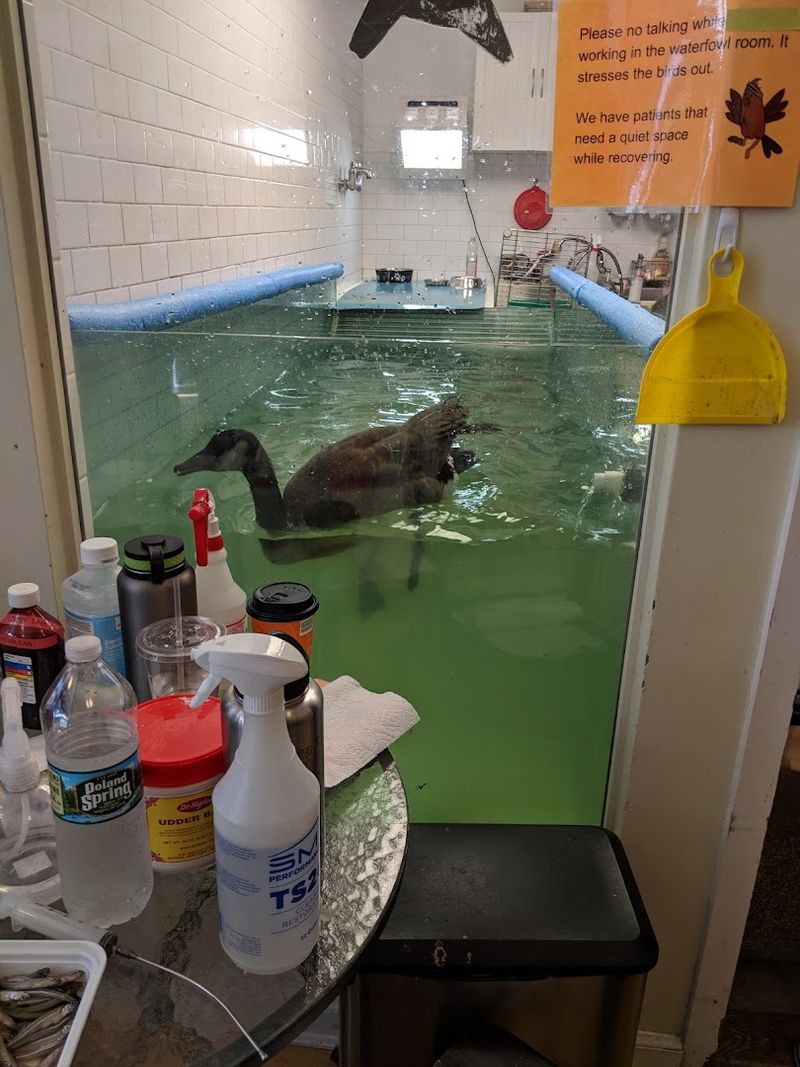
New York is full of birds that are easy to overlook until one is hurt right in front of you. Pigeons cluster around subway grates, mourning doves tuck into quieter corners, hawks sweep above traffic, and songbirds collide with glass that humans barely notice.
Wild Bird Fund steps into that reality with a message the city does not always send on its own: these animals count.
That message lands hardest with pigeons. Many rescue stories tied to the organization involve common city birds that are often dismissed, yet Wild Bird Fund treats them as worthy of skilled attention rather than background scenery.
There is a quiet corrective in that approach, especially in Manhattan, where speed tends to flatten compassion into whatever can be handled later. The organization also reflects the actual ecology of the city. New York is not separate from wildlife.
It is a dense habitat shaped by building materials, traffic, reflective windows, sudden weather, trash, rooftop nesting, and human interference, all of which create risks for birds and other native animals. A rescue center here is not ornamental. It is infrastructure.
That broader role gives the place a civic importance beyond individual cases. Wild Bird Fund catches the fallout of urban life that would otherwise be scattered across sidewalks, parks, backyards, and loading docks.
Every intake represents one animal, but also one collision point between the built environment and the species adapting to it.
Seen that way, the organization reads as part emergency service, part public education, part moral checkpoint. It asks the city to look again at creatures it has trained itself to overlook.
On a block in Manhattan, that is a surprisingly radical kind of care, made visible through the steady arrival of boxes, carriers, and worried hands.
Why the Staff Matter as Much as the Mission
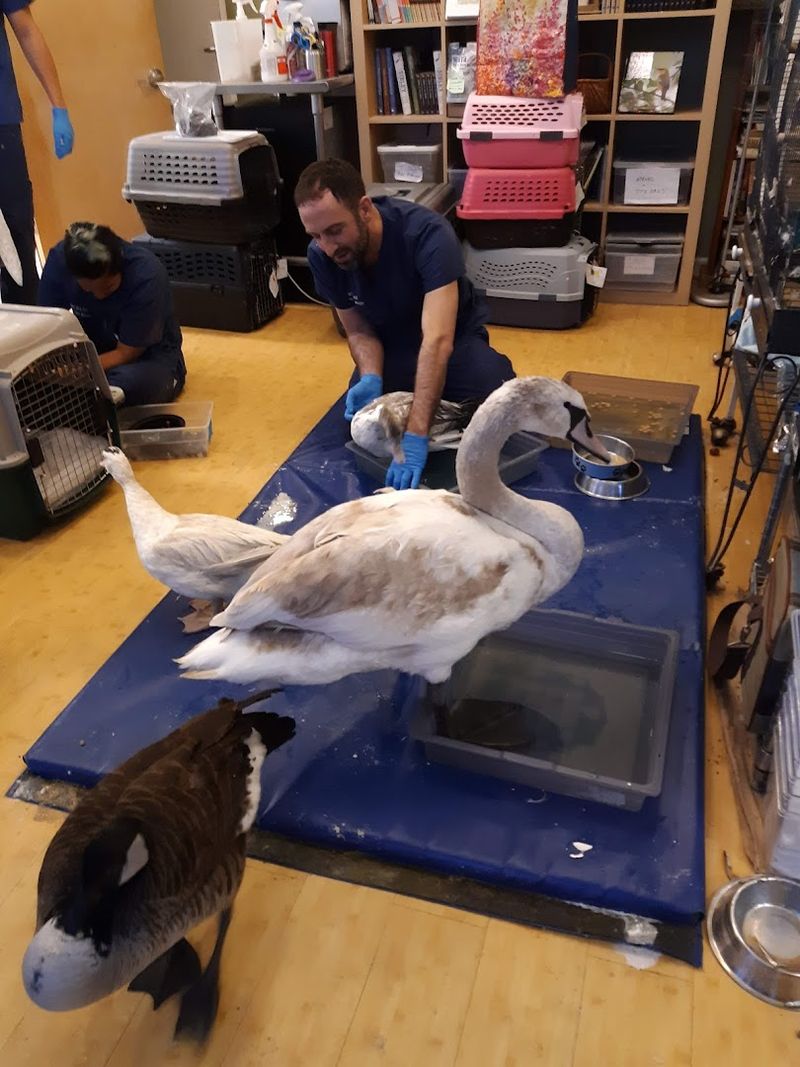
Places like Wild Bird Fund are easy to romanticize until you consider the labor required to keep them running. The public sees the handoff, the relieved rescuer, the intake form, maybe a quick exchange at the front, but the real engine is the steady, technical, repetitive work happening after that moment.
Wildlife rehabilitation depends on routine, judgment, sanitation, observation, and a great deal of patience. Volunteer accounts and rescue stories hint at that hidden machinery.
Staff and rehabbers are described as calm, responsive, and informative, which sounds simple until you imagine the range of situations arriving at the door in a single week.
A baby pigeon with sticky debris on its wings, a bird with a broken leg, a hawk needing urgent guidance for transport, a dove with wing trauma, a nestling requiring specialized care – each case asks for a different response.
There is also emotional skill involved. People dropping off animals often arrive upset, uncertain, and deeply attached after even a short rescue effort.
Wild Bird Fund seems to understand that part of intake is not only receiving the bird, but also lowering the temperature for the human being carrying it.
That calm does not happen by accident. It comes from systems, experience, and the ability to function under continual demand.
Reviews mention the place being busy during peak bird season, which makes sense in a city where spring and summer can bring surges of fledglings, nest disruptions, and injury cases all at once. The result is a nonprofit that appears compassionate without drifting into sentimentality. Care here is structured.
It lives in procedures, quick assessments, instructions about towels and carriers, and the confidence to take over when someone arrives hoping the bird in their hands still has a chance.
A Rare Kind of Access on the Upper West Side
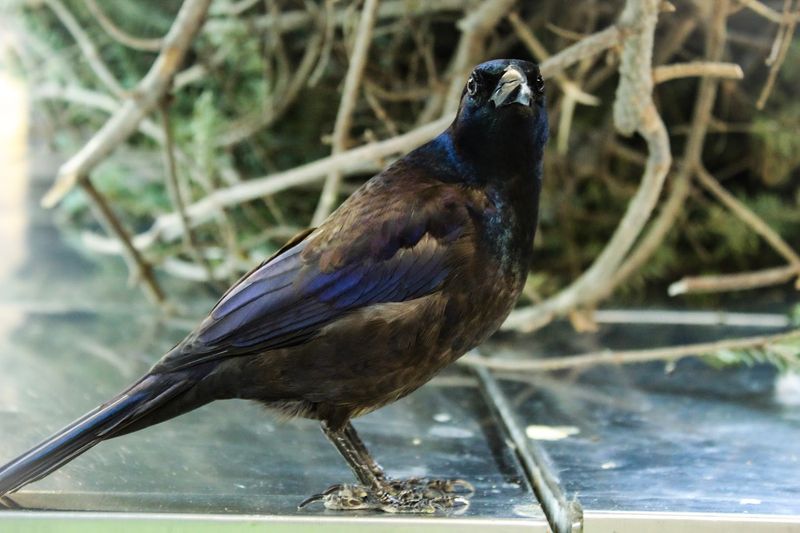
One reason Wild Bird Fund earns such loyalty is simple: it is usable. In a city packed with institutions that can feel bureaucratic, distant, or hard to navigate, this organization operates with a directness that matters when time is short.
The hours are broad across the week, opening daily at 9 AM and running until evening, which gives rescuers a realistic chance to get there.
That daily schedule changes the equation for people who discover an injured bird unexpectedly. Many wildlife encounters happen outside any planned errand, during dog walks, commutes, lunch breaks, school pickups, or evening trips home.
A rescue service with consistent hours on every day of the week is not just convenient. It makes intervention possible for more people, more often.
The Upper West Side location helps too. Columbus Avenue is easy to understand geographically, and being between West 87th and West 88th gives the place a clear neighborhood anchor rather than a hard-to-reach, edge-of-city feel.
For Manhattan residents, that visibility lowers hesitation. For people coming from farther out, it remains a fixed target with a straightforward identity.
Several rescue stories suggest that even when communication starts with a message or quick instructions, the core expectation is practical: get the animal here safely. That emphasis keeps the process grounded.
Wild Bird Fund is not built as a passive source of advice. It is an active intake point where urban wildlife can be physically transferred into care.
Accessibility in this case is not glamorous, but it is a defining strength. The organization combines recognizable location, seven-day hours, and a drop-off model that reduces friction at exactly the wrong moment for friction.
In New York, where every extra obstacle can stop a good intention cold, that kind of access is a major part of the story.
How to Handle a Visit Without Making the Moment Harder
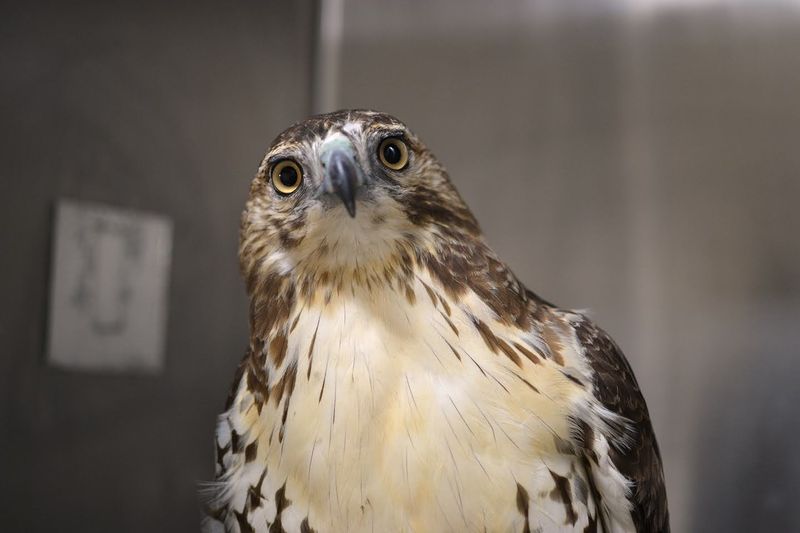
If Wild Bird Fund’s existence is the relief, knowing how to use it is the part that helps most in the real world. The basic pattern from rescue accounts is surprisingly consistent: contain the bird safely, keep things quiet, transport it in a simple box or carrier, and bring it in for intake.
That practical simplicity is important because most people arrive with concern, not expertise. The key is restraint, not improvisation.
A towel-lined box with air holes can do more good than repeated handling, attempts to feed the animal, or unnecessary exposure to noise and stress.
Urban rescuers often want immediate reassurance, yet the smartest move is usually creating a dark, secure temporary space and letting trained staff take over as quickly as possible.
Timing matters too. Wild Bird Fund opens at 9 AM daily and closes at 7 PM, so anyone planning a drop-off should think in terms of safe transport and steady movement rather than lingering uncertainty.
In several accounts, staff gave instructions that helped people manage the short window between discovery and arrival, which suggests a rescue culture built around realistic city situations rather than ideal ones.
Just as important is the expectation that intake may involve questions and forms. That is not red tape for its own sake.
Details about where the bird was found, what it looked like, whether it was bleeding, alert, grounded, or possibly a baby all help shape immediate care. The best approach is calm, contained, and observant. Do not treat the moment like a dramatic wildlife event.
Treat it like a handoff to specialists. Wild Bird Fund works best when people bring the bird in safely, offer clear information, and let the organization do the focused, unglamorous work that gives urban wildlife its strongest chance.
Why This Small New York Nonprofit Hits Harder Than Bigger Attractions
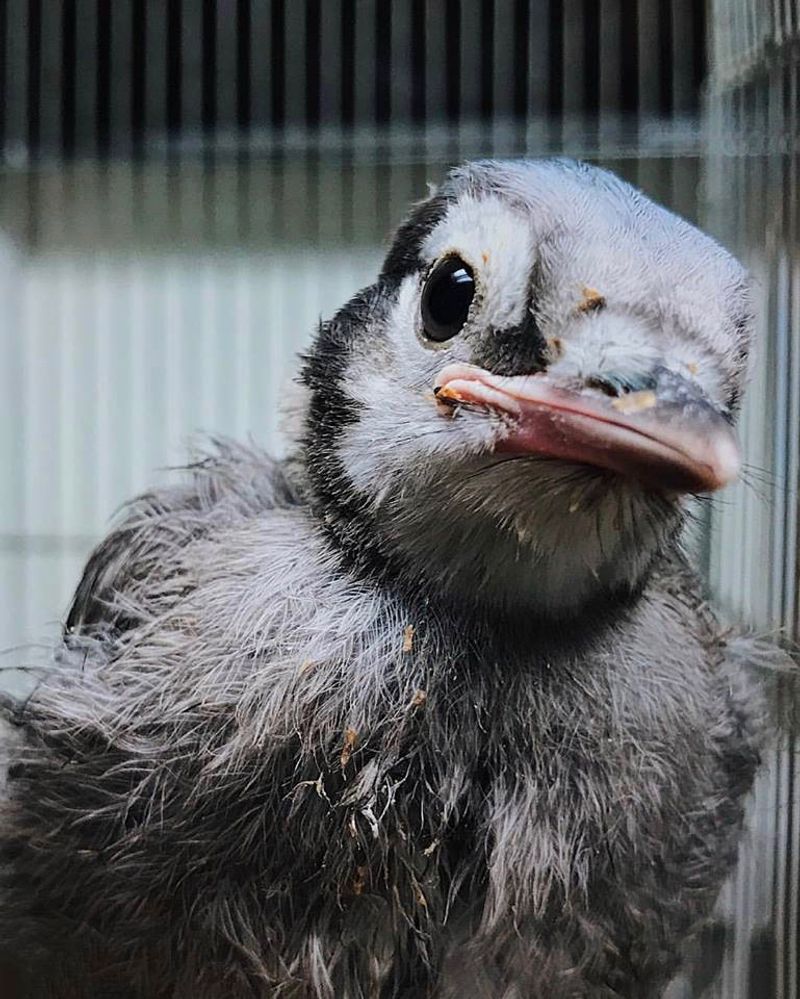
Wild Bird Fund stands out not because it tries to become a visitor attraction, but because it reveals a side of New York that can be easy to miss. This is a city famous for ambition, speed, architecture, and cultural scale.
On Columbus Avenue, the drama is smaller and more intimate: one injured bird, one improvised carrier, one team ready to intervene. That scale changes the emotional weight of the place. A museum can impress you.
A skyline can overwhelm you. Wild Bird Fund works in a different register, showing how a huge city makes room for meticulous care directed at animals many people barely register on a normal day. The impact comes from that contrast between Manhattan’s pace and the nonprofit’s precise attention.
There is also something distinctly civic about its mission. The organization turns private concern into public good, taking in wildlife that belongs to the city as a whole, not to any single owner or household.
Each rescue story carries the same underlying pattern: a stranger notices suffering, decides it matters, and brings that problem to a place designed to respond.
That is why the nonprofit lands harder than a sentimental animal story. It demonstrates a functioning chain of urban responsibility.
Someone stops. Someone transports. Someone receives. Someone treats. The city, for a moment, operates with tenderness instead of indifference.
For anyone interested in New York beyond the obvious landmarks, Wild Bird Fund offers a sharper read on local character than many polished destinations ever could. It is practical, busy, compassionate, and deeply specific to the realities of this city.
On an ordinary block near West 88th Street, it shows that one of New York’s most compelling institutions may be a place where the front door opens, a box is set down, and help begins immediately.
Share this story