On a quiet stretch of US-61 in Lorman, a weathered building keeps pulling hungry travelers off the highway for one reason above all: fried chicken with a serious reputation. The Old Country Store is not polished, trendy, or trying to be anything other than itself, and that is exactly why it grabs your attention.
Inside, the experience mixes Delta road-trip charm, buffet ritual, and a dining room full of conversation. The setting feels timeless in the best way, with the food remaining the undeniable star. One plate leads to another, stories linger around the tables, and the stop quickly becomes more than just a meal on the way somewhere else.
A Highway Stop That Looks Like Another Era
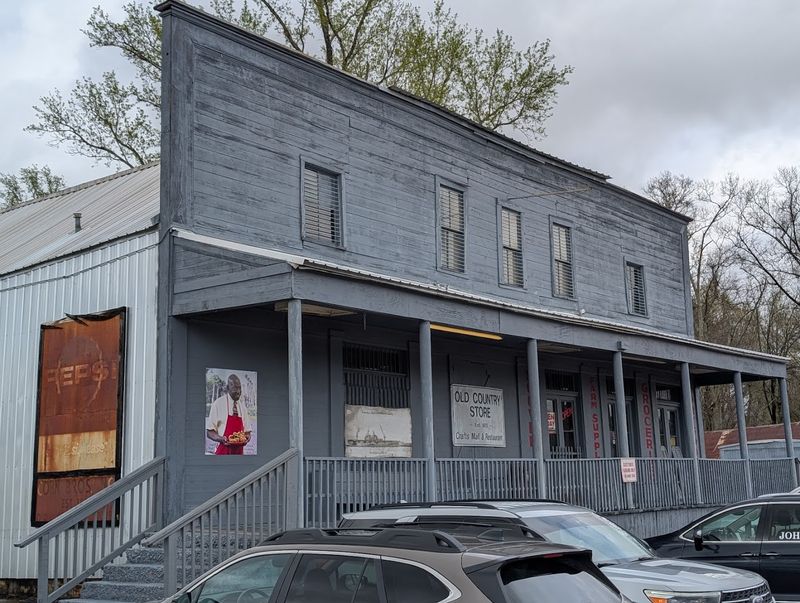
Drive past enough chain exits and gas station lunch counters, and a place like The Old Country Store lands differently. Sitting along US-61 in Lorman, it carries the kind of roadside presence that makes you slow down, look twice, and wonder how many decades of travelers have done the exact same thing.
The building reads like a general store first and a restaurant second, which is part of the intrigue before a plate ever appears.
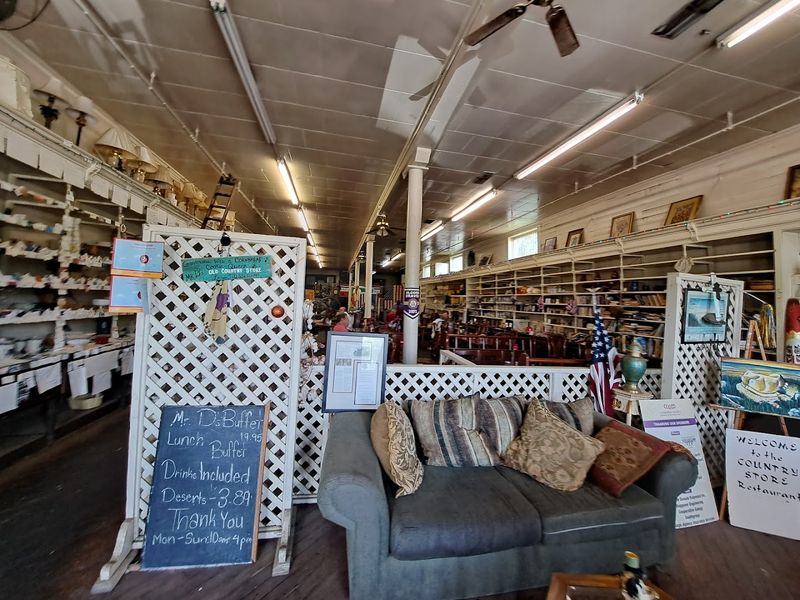
That visual identity matters because this is not a sleek destination built around modern nostalgia. The age of the structure, the old-store styling, and the cluttered character of the space set a tone that is more lived-in than curated.
It gives the stop a sense of continuity with the highway itself, where the best places often reveal themselves through texture instead of polish.
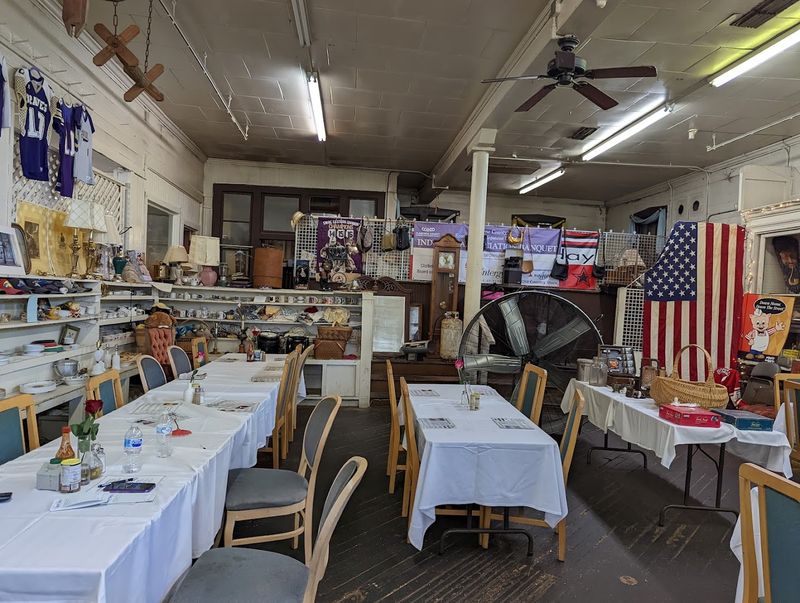
Inside, the room opens up into a busy, communal kind of dining experience. Decorative objects, posted cards, and old-fashioned details pull your eyes in several directions at once, giving the place a museum-like layer without turning lunch into a performance.
Even before the buffet enters the picture, there is enough to scan, study, and talk about at the table.
The strongest first impression is how confidently the restaurant leans into its identity. Nothing suggests a pivot toward trend-chasing, minimalist design, or tourist packaging.
You are here in a specific part of Mississippi, on a specific highway, in a building that looks fully committed to its own story.
That is a useful frame for the meal that follows. At The Old Country Store, the setting prepares you for food with roots, ritual, and a little personality, not a generic lunch stop with a few local decorations hung on the wall.
The Fried Chicken That Carries the Whole Legend
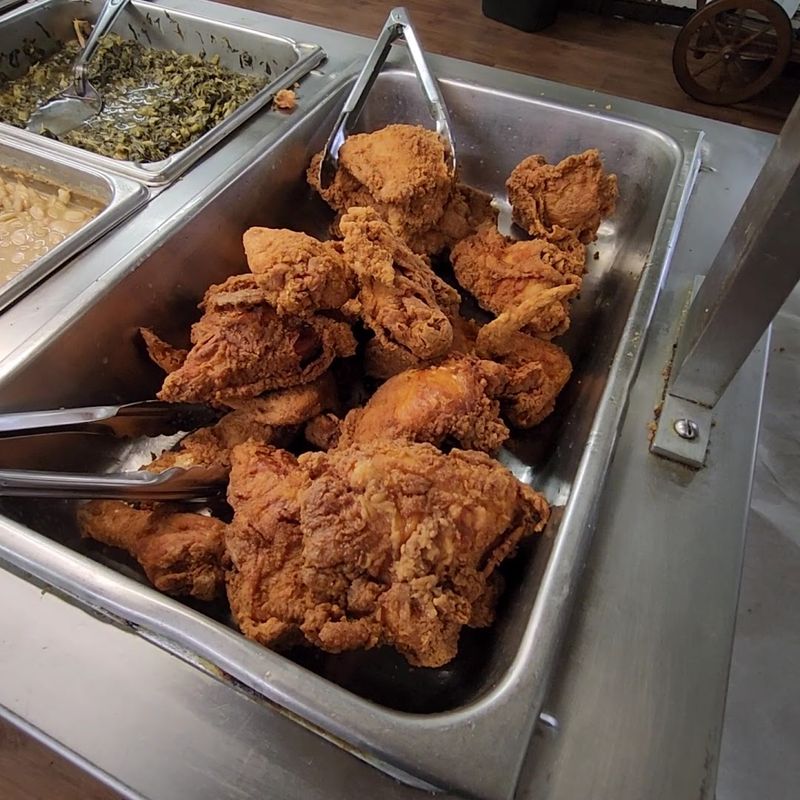
The reputation here rests squarely on the fried chicken, and that focus is smart. Plenty of restaurants offer broad Southern buffets, but only a few build a destination-level identity around one item strong enough to anchor the entire trip.
At The Old Country Store, the chicken is the name people remember, the dish they compare, and the reason many guests arrive already half convinced they are about to test a famous claim.
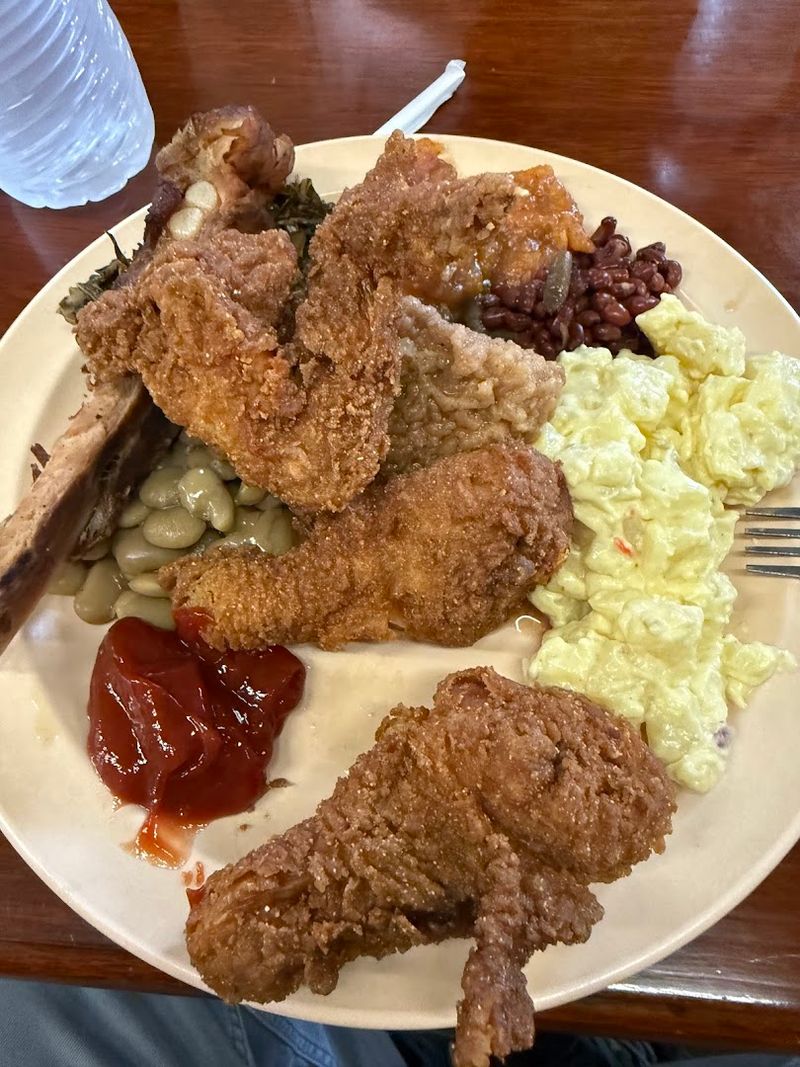
What gives it that status is not mystery seasoning or novelty presentation. The draw is the classic Southern equation done at a high level: crisp skin, audible crunch, juicy meat, and enough seasoning to stand up without overwhelming the bird itself.
Descriptions of the crust often point toward a crackly texture rather than a heavy shell, which suggests the kind of fry that stays lively instead of greasy.
Timing clearly matters, especially in a buffet setting where fresh batches can change the entire experience. When new chicken comes out, the contrast between hot crust and moist interior becomes the whole show.
That rhythm adds a little anticipation to the meal, and seasoned buffet diners know to pay attention when a refreshed tray appears.
There is also something refreshingly direct about a place that does not disguise its headline act. You are not sorting through an oversized menu, deciphering chef language, or chasing a special available only on certain days. The chicken is the gravitational center, and everything else on the table orbits around it.
That confidence shapes the mood in the room. Families load plates, travelers pause mid-conversation after the first bite, and the meal suddenly gets simpler: find a hot piece, add a few sides, and understand why this house specialty has become the standard against which the rest of lunch gets judged.
Beyond the Bird, the Buffet Holds Its Own
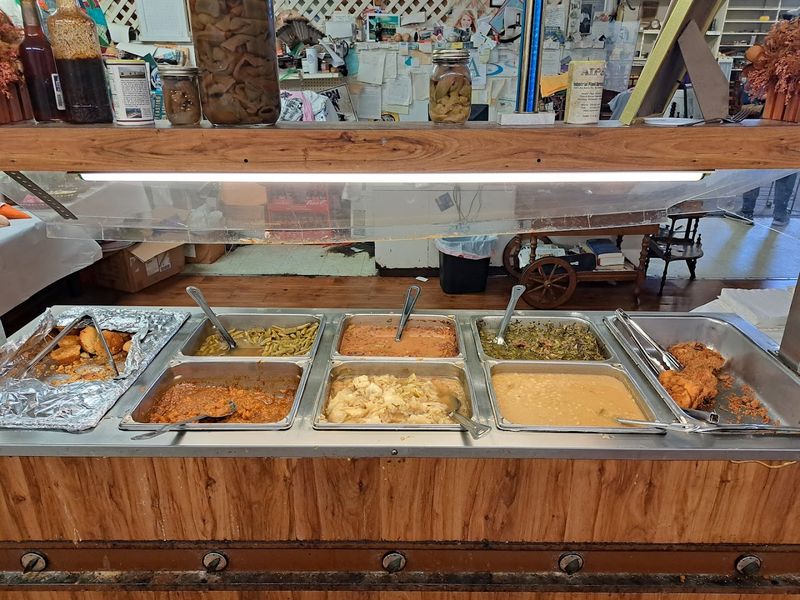
A one-note restaurant would not inspire return trips from families, road trippers, and regulars who know exactly what they want. The Old Country Store avoids that trap by backing up its signature chicken with a buffet that covers the Southern comfort spectrum in a familiar, practical way.
You can build a plate that goes traditional, vegetable-heavy, or fully indulgent, depending on the day and your appetite.
The recurring standouts are the kinds of sides that belong beside fried chicken instead of competing with it. Collard greens, beans, cornbread, dressing, potato salad, and other country staples show up as essential supporting players, not decorative filler.
Even when opinions vary on individual items, the overall lineup stays rooted in recognizable Mississippi lunch-table logic.
Dessert pushes the meal into classic buffet territory. Cobblers receive plenty of attention, especially when paired with ice cream, and they give the last part of lunch a built-in finish line.
That matters in a place where pacing can drift toward overeating if you do not mentally save room for something sweet.
The buffet format also changes how the dining room works. Instead of a static, order-and-wait restaurant pattern, the room has motion: plates rise, conversations pause, fresh items arrive, and people make another loop after spotting something they skipped the first time.
The meal becomes active without turning frantic. There is a practical honesty to that style of service. You are not paying for tiny portions arranged with tweezers or a menu built around buzzwords.
You are walking into a long-standing country restaurant where the goal is to eat well, eat enough, and leave with a clear sense of what the kitchen considers the right companions for its most famous chicken.
Mr. D and the Personal Touch You Can’t Franchise
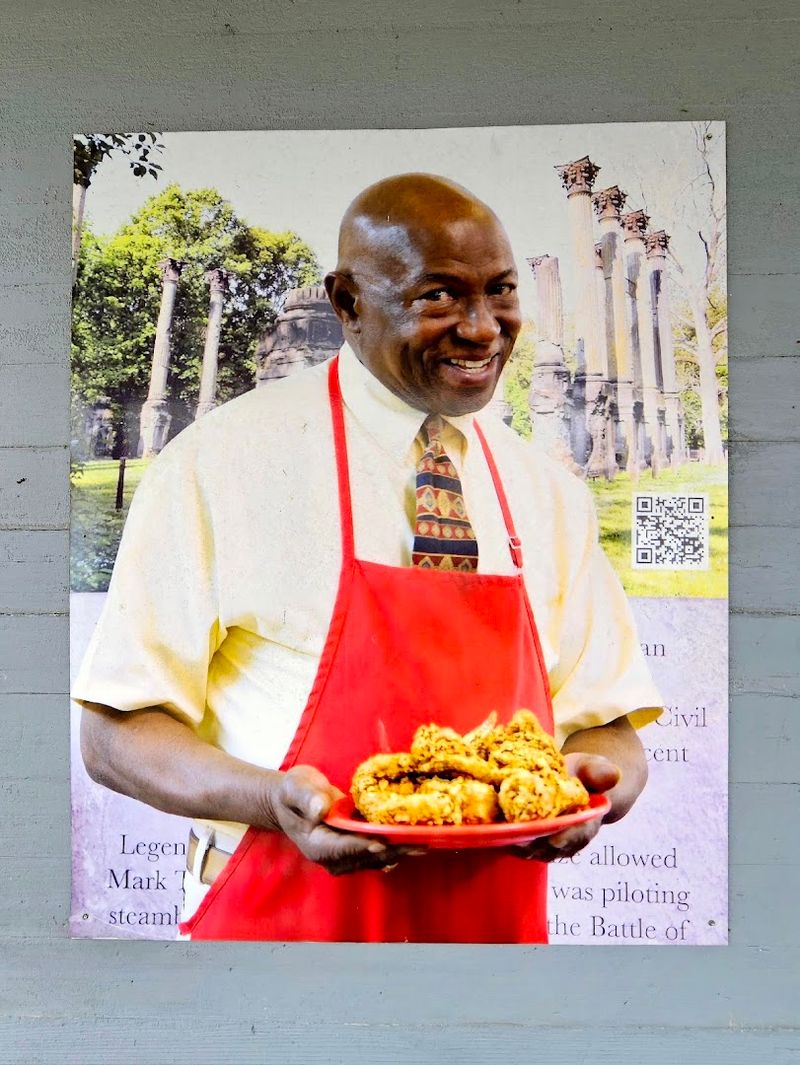
Some restaurants become famous for a dish and stay memorable because of a person. At The Old Country Store, that figure is Mr. D, whose presence comes up again and again whenever the place is described in vivid terms instead of generic ones.
The detail that surfaces most often is not a slogan or a sales pitch, but his habit of singing, greeting tables, and adding a distinctly human layer to the lunch service.
That kind of interaction changes the restaurant from a stop into a scene. In a rural highway setting, personality can matter as much as architecture, because it gives the room a center of gravity beyond the buffet line.
When the host or owner is part entertainer, part caretaker, and part local institution, the meal gains rhythm that no chain operation can imitate.
It also explains why families return with relatives in tow. A child might remember the singing, a parent might remember the chicken, and someone else might remember the old building itself, but together those details create a visit with multiple hooks.
That is a stronger formula than relying on food alone, especially for a place people deliberately drive out of their way to reach.
The staff dynamic contributes to that same feeling when service is running smoothly. Friendly guidance, attention at the table, and a sense that the room is being managed by people who understand the pace of a buffet all help the restaurant function as more than a novelty stop.
Hospitality here works best when it is direct, brisk, and warm rather than overly polished. That personal energy gives The Old Country Store its own tempo.
Plates can be stacked anywhere, recipes can be copied elsewhere, but a dining room shaped by a recognizable host, a little table-side song, and decades of repeat visitors is not something you can package and drop beside every highway exit.
Little Rituals That Define the Lorman, Mississippi Experience
Every long-running restaurant has small rules and habits that regulars accept instantly while first-timers clock them as part of the story.
At The Old Country Store, one of the most talked-about details is the handwashing request before being seated for the buffet. It is practical, slightly old-school, and memorable in a way that tells you this place has its own operating culture.
That tiny ritual sets the tone for the room better than any mission statement could. You are entering a communal meal, not grabbing anonymous fast food in a hurry, and the house expects a certain order to things.
Whether guests find that charming or abrupt, it undeniably signals that the restaurant has established customs and intends to keep them.
Then there is the interior itself, where the old-store identity keeps revealing more layers. Business cards, collectibles, signs, and visual clutter can make the room feel packed with history and conversation, even before anyone at your table starts talking about the food.
The setting invites scanning, pointing, and side commentary, which fills natural pauses between buffet runs. Those details matter because they create a lunch that is active on multiple levels.
You are eating, but you are also navigating a place with its own rhythm, looking around, noticing the people, and adjusting to a dining environment that is less standardized than most modern restaurants.
It asks a little more of your attention, and in return it gives you more material than a generic roadside stop ever could.
That is the Lorman, Mississippi angle in full. The Old Country Store is not trying to smooth out every quirk for universal appeal.
Its customs, visual noise, and house rules are part of the experience, and they help explain why a simple meal of fried chicken can take on the shape of a story before dessert even lands.
How to Time Your Visit for the Best Plate
Because The Old Country Store operates on a daily 10 AM to 4 PM schedule, lunch is the obvious target, and timing can shape the meal more than many first-timers expect.
This is a buffet, which means freshness is tied to flow, turnover, and when hot items are replenished. Arrive with that in mind, and the experience starts to make more sense.
For the best shot at excellent fried chicken, it helps to catch the room when traffic is strong enough to keep the pans moving.
In any buffet format, a quieter stretch can mean certain items sit longer, while an active lunch period encourages a faster refresh cycle. Here, that difference matters most with chicken, where crispness is one of the main attractions.
That does not mean showing up at the busiest possible second and preparing for chaos. The smarter move is to arrive with enough flexibility to notice the rhythm of the line and hold out for a fresh batch if needed.
A little patience can turn a good plate into the one that finally explains all the hype. Going hungry is also part of the strategy.
The buffet format rewards diners who want the full spread rather than a token piece of chicken and one spoonful of greens, and several accounts make clear that value improves when your appetite matches the style of service.
This is not the place for a rushed, nibbling lunch squeezed between errands. The daily hours make planning simple, but the best approach is still experiential rather than logistical.
Aim for lunch, watch the buffet, pace the first plate, save room for cobbler, and understand that the strongest version of The Old Country Store reveals itself when the dining room, the kitchen, and the chicken are all moving in sync.
Why This Place Endures When So Many Roadside Stops Blur Together
Roadside restaurants survive for different reasons, but very few become destination meals for people willing to detour, return, and bring someone new next time. The Old Country Store has managed that because it offers more than one strong reason to stop.
The chicken may be the headline, yet the building, the buffet ritual, the personality in the room, and the deep sense of place all widen the appeal.
Just as important, it does not read like a restaurant designed in response to social media trends. The draw is older and sturdier than that.
You are getting a specific Mississippi lunch experience that depends on location, history, and repetition, not a concept package that could be transplanted to a suburban shopping center without losing its pulse.
That kind of staying power also comes from being clear about what the restaurant is and is not. It is not a browse-friendly gift stop disguised as lunch, not a polished fine-dining project, and not a neutral crowd-pleaser built to avoid opinions.
It has quirks, a defined system, and a setting that asks guests to meet it on its own terms. For the right diner, that clarity is exactly the point.
Families who love country buffets, travelers chasing notable fried chicken, and anyone drawn to old buildings with strong character can all find a lane into the experience. Once the meal clicks, the place becomes easy to explain in one sentence and much harder to forget in full detail.
That is why The Old Country Store continues to stand apart on a quiet stretch of highway in Lorman. Plenty of restaurants can feed you.
Far fewer can give you a plate of excellent fried chicken inside a room with this much personality, then send you back onto US-61 already thinking about who needs to come with you next time.
Share this story