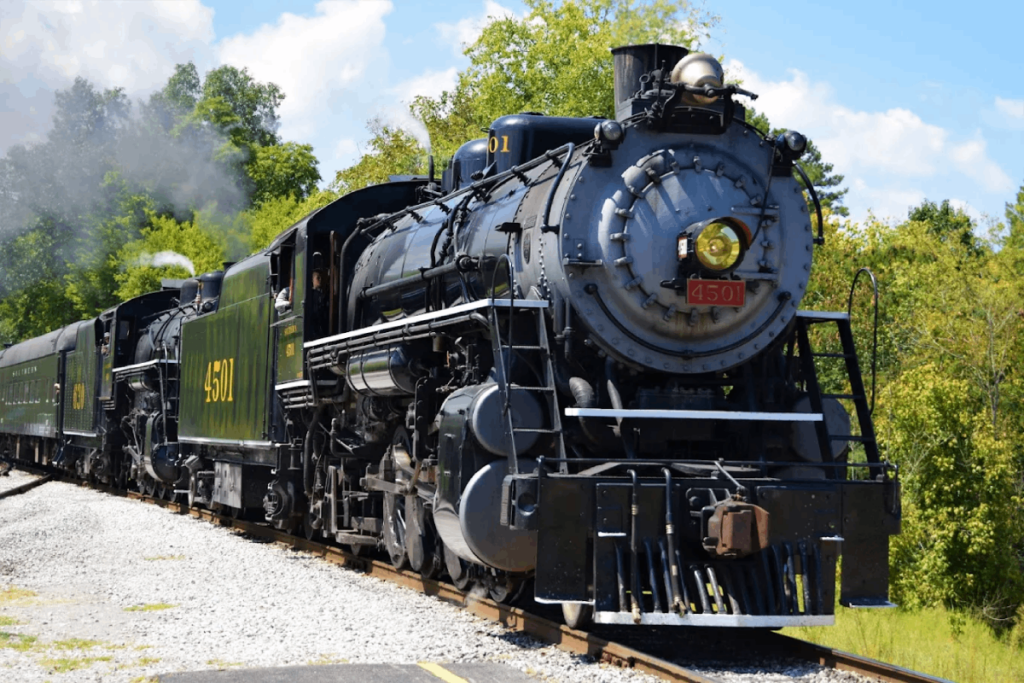
Tennessee’s railroad history runs deep, connecting mountain towns to major cities and shaping the state’s growth for over a century. From steam engines that once hauled freight across the Cumberland Plateau to the engineers who became legends, these stories are preserved in museums across the state.
Whether you’re a train enthusiast or just looking for a unique day trip, these spots offer a chance to step back in time and experience the era when railroads ruled the landscape.
1. Tennessee Valley Railroad Museum — Chattanooga
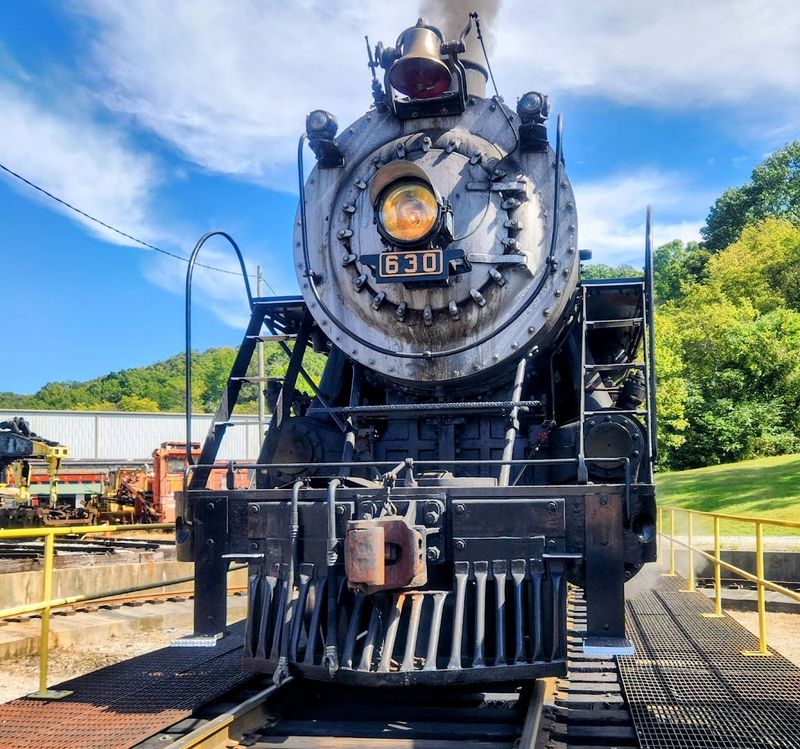
Chattanooga’s Tennessee Valley Railroad Museum isn’t just about looking at old trains behind velvet ropes. This place puts you right on board vintage railcars for actual rides through scenic routes that feel like time travel. The museum operates as a living history railroad, meaning the equipment isn’t just displayed—it’s actively used and maintained by people who genuinely care about preserving this slice of American history.
The collection includes dozens of restored locomotives and railcars, each with its own story. Walking through the yard, you’ll see everything from massive steam engines to streamlined diesels that once crisscrossed the country. The restoration work happens right on site, so you might catch volunteers and staff working on bringing another piece of history back to life.
What sets this museum apart is the variety of ride experiences offered throughout the year. The Missionary Ridge Local takes you on a six-mile round trip through Chattanooga’s historic neighborhoods and into the surrounding countryside. For something more adventurous, seasonal excursions run to different destinations, including dinner trains and special themed events.
The Grand Junction complex serves as the main hub, featuring indoor exhibits, a gift shop, and the turntable where locomotives are rotated and serviced. Kids especially love watching the massive engines being turned around using this historic piece of railroad infrastructure.
Plan to spend at least half a day here if you’re taking a train ride. The museum grounds are extensive, and there’s plenty to explore between the restoration shops, display areas, and various pieces of rolling stock. Check their website before visiting since ride schedules vary seasonally, and some special excursions sell out quickly.
This is hands-down one of the most complete railroad experiences you’ll find anywhere in the South.
2. Tennessee Central Railway Museum — Nashville
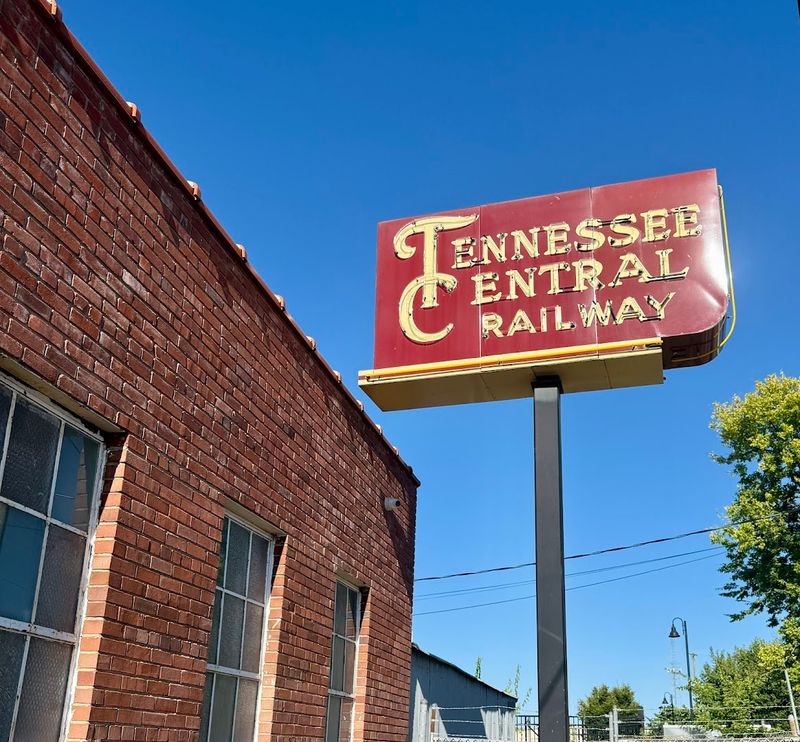
Nashville’s Tennessee Central Railway Museum keeps the spirit of a once-vital railroad line alive through preservation and themed excursions. The Tennessee Central Railway itself ceased operations in 1968, but this museum ensures its legacy continues. Located in a historic depot, the collection focuses specifically on this railroad’s role in connecting Nashville to the rest of the state and beyond.
The museum operates actual train rides on select Saturdays, which is where things get really interesting. These aren’t just basic rides—they’re often themed experiences that might include murder mysteries, fall foliage tours, or holiday specials. The excursions typically run to various destinations in Middle Tennessee, giving passengers a chance to see the countryside from a perspective most people never experience.
Inside the museum itself, you’ll find artifacts, photographs, and memorabilia that tell the Tennessee Central Railway’s story. The exhibits cover everything from the railroad’s founding in 1902 to its final days in the late 1960s. You’ll learn about the people who worked the line, the towns it served, and how this particular railroad shaped Middle Tennessee’s development.
The museum’s collection includes several restored passenger cars and locomotives that are used for the excursions. Volunteers maintain and operate the equipment, and they’re usually happy to share their knowledge with visitors who show genuine interest. The dedication of these folks is what makes the museum more than just a static collection.
Rides book up fast, especially for popular themed excursions, so advance planning is essential. Even if you can’t make it for a ride, the museum itself is worth a stop to understand how railroads shaped Nashville’s growth. The location is easily accessible, and parking is straightforward, making it a convenient addition to any Nashville itinerary focused on the city’s transportation history.
3. Casey Jones Home & Railroad Museum — Jackson
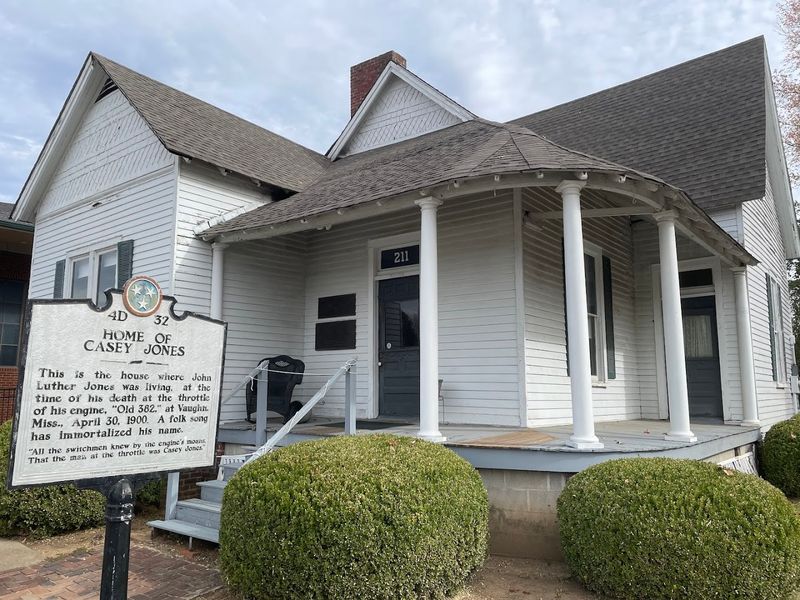
Jackson’s Casey Jones Home & Railroad Museum celebrates one of railroading’s most famous figures. John Luther “Casey” Jones became a legend on April 30, 1900, when he stayed at the controls of his locomotive during a collision, saving his passengers’ lives while losing his own. That act of heroism turned him into a folk hero, and this museum preserves his story and the home where he lived with his family.
The museum complex includes Casey’s actual Victorian-era house, which has been restored and furnished to reflect life in the early 1900s. Walking through the rooms gives you a sense of what daily life was like for a railroad engineer’s family during that period. The house itself is charming, with period-appropriate furnishings and personal items that belonged to the Jones family.
Adjacent to the home, the railroad museum building houses exhibits about Casey’s life, his career with the Illinois Central Railroad, and that fateful night in Vaughan, Mississippi. A short film tells the story of the wreck and how Casey’s actions prevented a far worse tragedy. The exhibits include photographs, railroad equipment, and artifacts that help bring the era to life.
Outside, you’ll find a replica of Engine 382, the locomotive Casey was operating that night. It’s not the actual engine—that was scrapped long ago—but the replica gives visitors a sense of the massive machines these engineers controlled. There’s also a collection of railroad cars and equipment scattered around the grounds.
The museum does a solid job of separating fact from legend when it comes to Casey Jones. Over the years, songs and stories have embellished his tale, but the museum sticks to what’s documented while still honoring his genuine heroism. It’s a relatively quick stop compared to some larger railroad museums, but it’s an important piece of railroad history presented in an engaging way.
4. Cowan Railroad Museum — Cowan
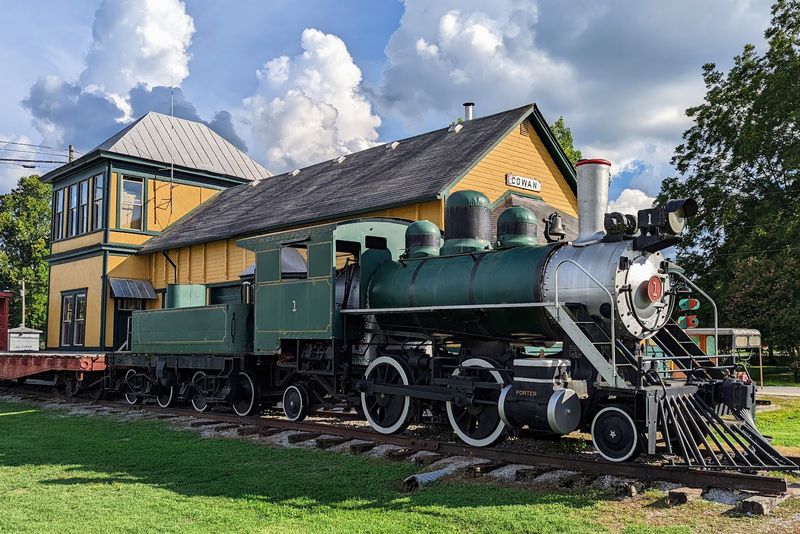
Tucked into the small town of Cowan, this museum holds the distinction of being Tennessee’s official State Railroad Museum. That designation isn’t just ceremonial—it reflects Cowan’s genuine importance to railroad history. The town sits at a critical point where the Nashville, Chattanooga & St. Louis Railway had to navigate the Cumberland Plateau, making it a vital hub for operations in the region.
The museum occupies the historic Cowan Depot, which has been beautifully preserved. The building itself is worth seeing, with its classic railroad architecture and period details intact. Inside, exhibits explain how Cowan became a railroad town and why this particular location mattered so much to railroad operations across the South.
One of the most interesting aspects covered here is the engineering challenge of moving trains over the Cumberland Plateau. The steep grades required helper engines and careful coordination, making Cowan a bustling center of railroad activity. The museum explains these technical aspects in ways that make sense even if you’re not a railroad expert.
Artifacts on display include tools, equipment, photographs, and documents from Cowan’s railroad heyday. You’ll see everything from old timetables to the actual equipment used by workers who kept the trains running. The collection isn’t enormous, but it’s thoughtfully curated and directly relevant to the local story.
Cowan itself is a pleasant small town worth exploring if you’re in the area. The museum makes a good anchor for a visit that might also include lunch at a local restaurant and a walk around town to see other historic buildings. The museum is typically staffed by volunteers who know the local history inside and out, so don’t hesitate to ask questions.
This is a smaller operation compared to some of the other museums on this list, but it punches above its weight in terms of historical significance. The focus on one specific town’s railroad story allows for depth that larger museums sometimes can’t achieve.
5. Cookeville Depot Museum — Cookeville
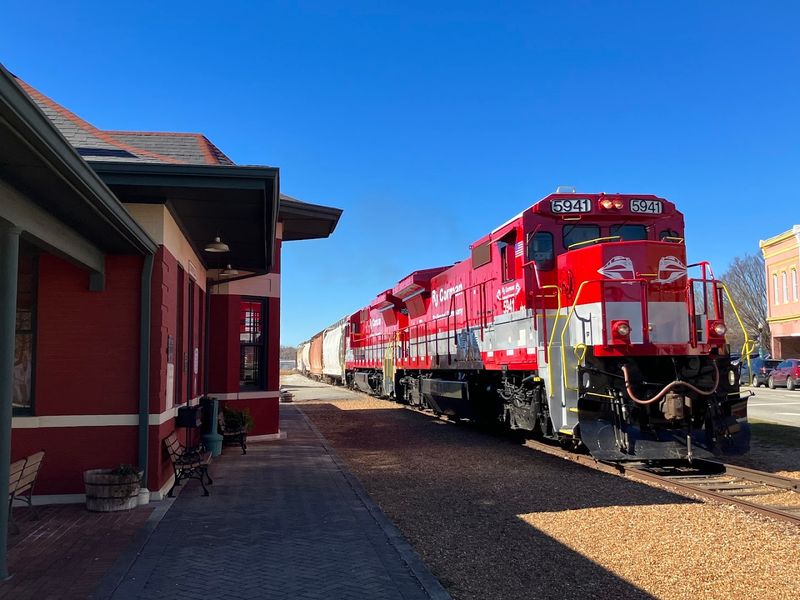
Cookeville’s railroad museum operates out of an actual former depot, giving the whole experience an authentic feel from the moment you arrive. The building served as a working station for decades before being converted into a museum dedicated to preserving the Tennessee Central Railway’s history and the role railroads played in Upper Cumberland development.
Inside, the museum has done an impressive job of recreating what a working depot would have looked like during its operational days. You’ll see ticket windows, waiting areas, and office spaces set up as they would have been when passengers and freight moved through regularly. The attention to detail helps visitors understand how these buildings functioned as community hubs, not just transportation facilities.
The artifact collection includes a wide range of Tennessee Central Railway memorabilia, from lanterns and tools to uniforms and documents. Model railroad displays show the routes and operations of the line, helping visitors visualize the network that once connected Cookeville to Nashville and beyond. These models are particularly helpful for understanding the geography and logistics of railroad operations in mountainous terrain.
Outside, the museum’s crown jewels sit on display: a 1913 Baldwin steam engine and a classic Tennessee Central caboose. Both have been preserved and are accessible for close-up viewing. The steam engine is particularly impressive—these machines were engineering marvels of their time, and seeing one up close helps you appreciate the power and complexity involved in railroad operations.
The caboose is also worth exploring if it’s open. These cars were more than just the end of the train—they were mobile offices and living quarters for crew members. The interior shows how railroad workers spent long hours away from home in these compact spaces.
The museum is relatively compact, making it a manageable stop that won’t consume your entire day. However, the quality of the exhibits and the authenticity of the setting make it well worth the visit. Staff and volunteers are knowledgeable about local railroad history and happy to share stories about Cookeville’s connection to the rails.
6. Chuckey Railroad Depot Museum — Jonesborough
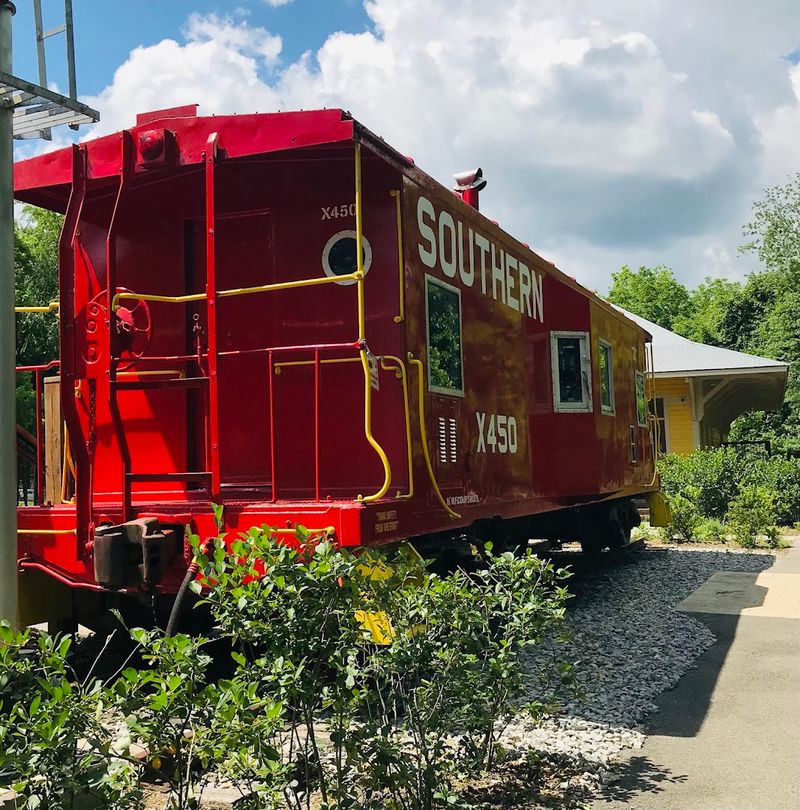
The Chuckey Railroad Depot Museum has an interesting backstory—the building itself was relocated to preserve it from demolition. Originally serving the community of Chuckey, the depot was moved to a location near historic Jonesborough, where it now operates as a museum. This kind of preservation effort shows the dedication of local railroad enthusiasts who refused to let another piece of history disappear.
The museum focuses on regional railroad lines that served East Tennessee, including the Southern Railway, Clinchfield Railroad, and the East Tennessee & Western North Carolina Railroad. Each of these lines played distinct roles in the region’s development, and the museum does a good job of explaining their individual contributions and how they connected mountain communities to larger markets.
Exhibits change periodically, which gives repeat visitors something new to see. The rotating displays might focus on specific aspects of railroad operations, particular historical events, or profiles of people who worked on these lines. This approach keeps the museum fresh and allows the curators to explore different facets of railroad history in depth.
The depot building itself has been restored to reflect its original appearance and function. Walking through, you get a sense of what these small-town stations were like when they served as vital links between rural communities and the wider world. Before highways dominated transportation, these depots were lifelines for both passengers and freight.
The museum is operated by the Watauga Valley Railroad Historical Society, a group dedicated to preserving regional railroad heritage. Their passion for the subject shows in the quality of the exhibits and the care taken with the building’s restoration. Members are often on hand during open hours and are excellent sources of information about local railroad history.
Given its location near Jonesborough, Tennessee’s oldest town, the depot museum makes a good addition to a day spent exploring the area. Jonesborough itself is worth visiting for its historic downtown and storytelling tradition, so combining the two creates a full day of Tennessee history.
7. Johnson City Railroad Experience — Johnson City
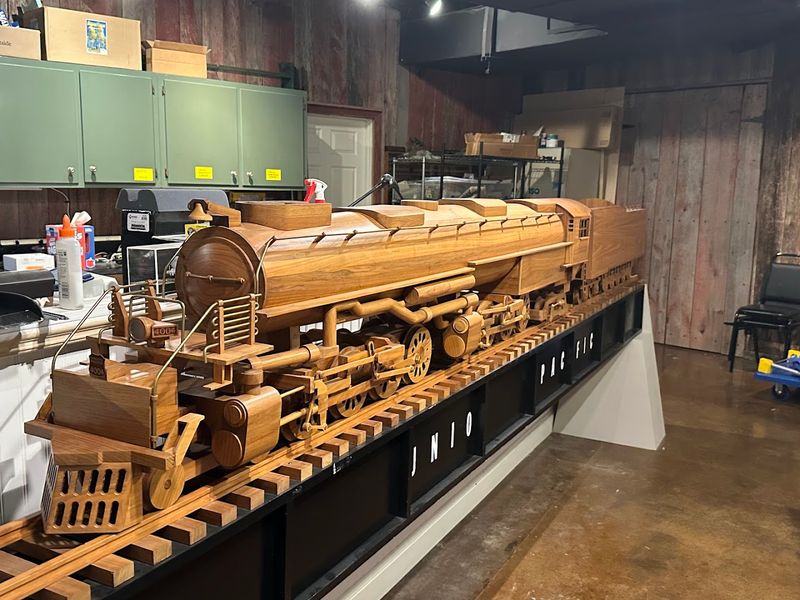
Johnson City’s railroad heritage runs deep, and this downtown museum captures that history through interactive exhibits and educational displays. The museum has connections to the former George L. Carter Railroad Museum collection, incorporating elements of that extensive archive into a more accessible public space.
Johnson City grew up around the railroad, and understanding that connection helps explain how the city developed into the regional hub it is today.
The exhibits cover multiple aspects of railroad history, from the technical side of how trains operate to the social impact railroads had on communities. Interactive elements make this particularly good for families with kids who might not sit still for purely static displays. Hands-on components let younger visitors engage with railroad concepts in ways that make learning feel like play.
Model railroad layouts are a highlight, showing detailed recreations of local rail operations and routes. These aren’t simple toy train sets—they’re carefully researched representations of how railroads actually functioned in the region. Watching the trains run through miniature versions of familiar landscapes helps visitors understand the scope and complexity of railroad networks.
The museum also explores Johnson City’s specific role as a railroad town. Multiple lines converged here, making it an important junction point and maintenance center. That activity brought jobs, growth, and all the changes that come with industrialization.
The exhibits don’t shy away from discussing both the benefits and challenges that railroad development brought to the community.
Located in downtown Johnson City, the museum is easily accessible and can be combined with other downtown attractions. Parking is generally available nearby, and the surrounding area has restaurants and shops worth exploring.
8. Watauga Valley Railroad Historical Society & Museum — Jonesborough
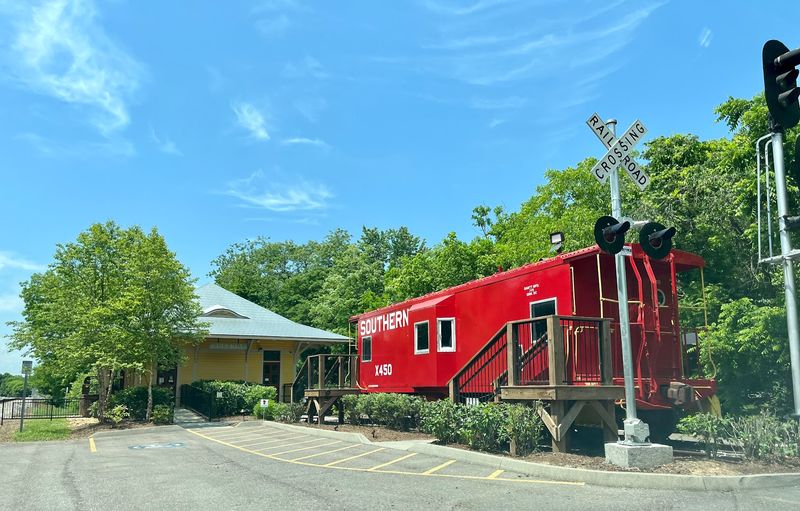
The Watauga Valley Railroad Historical Society takes preservation seriously. Beyond operating the Chuckey Depot Museum, this organization maintains vintage rail equipment and sponsors public excursions that let people experience historic trains in operation. Their work represents the kind of grassroots preservation effort that keeps railroad history alive in communities across the country.
The society’s collection includes various pieces of rolling stock—the railroad term for vehicles that run on rails. These aren’t all pristine, museum-quality pieces; some are works in progress being restored by volunteers who dedicate countless hours to bringing old equipment back to serviceable condition. Seeing restoration work in progress gives visitors insight into just how much effort goes into preservation.
Public excursions sponsored by the society offer something special: the chance to ride on historic equipment through scenic East Tennessee. These trips aren’t daily occurrences—they’re special events that require planning and coordination. When they do run, they provide experiences you simply can’t get from looking at static displays.
Riding in a vintage railcar gives you a visceral connection to railroad history that photos and exhibits can’t replicate.
The society’s museum component includes exhibits about railroads that served the Watauga Valley region. This area’s rugged terrain made railroad construction particularly challenging, and the exhibits explore the engineering solutions that allowed trains to navigate the mountains. Stories of the workers who built and operated these lines add human dimension to the technical history.
Membership in the society is open to anyone interested in railroad preservation, and members get opportunities to participate in restoration projects and special events. Even if you’re not ready to commit to membership, attending one of their public events or visiting during an open house gives you a chance to connect with people who are genuinely passionate about this history.
The society operates on a largely volunteer basis, which means hours and accessibility can be less predictable than at larger, professionally staffed museums. Checking their website or social media before planning a visit is essential. However, that volunteer nature also means you’re likely to interact with people who are there because they love this stuff, not because it’s their job.
9. L&N Depot and Museum — Etowah
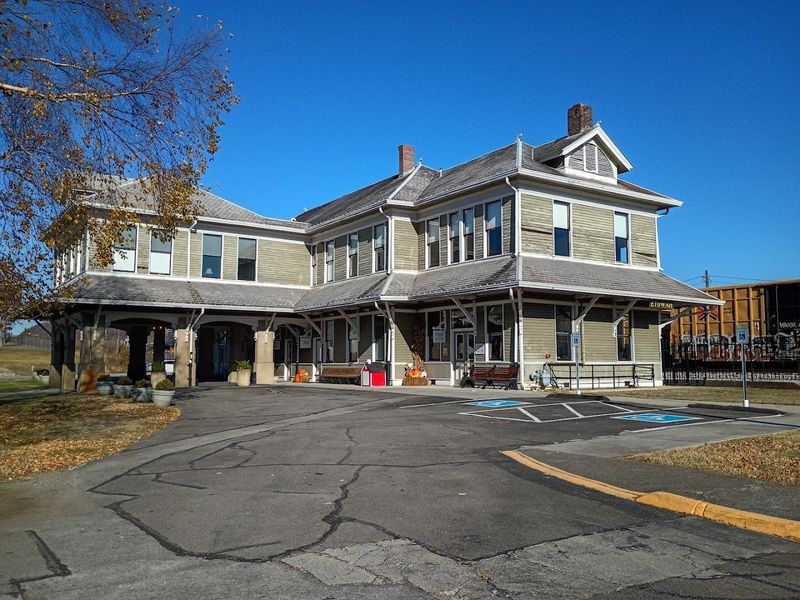
Etowah’s L&N Depot tells the story of what it meant to grow up in a railroad town. The restored depot houses an exhibit called “Growing Up With The L&N: Life and Times in a Railroad Town,” which takes a refreshingly personal approach to railroad history. Rather than focusing solely on locomotives and technical details, this museum explores how the Louisville & Nashville Railway shaped daily life for generations of Etowah residents.
The L&N was one of the South’s major railroad companies, and Etowah served as an important point on its network. The town’s identity became inseparable from the railroad—families planned their days around train schedules, local businesses catered to railroad workers, and the whistle of passing trains marked the rhythm of community life.
The depot building itself has been carefully restored to preserve its historic character. These structures were built to last, with solid construction and architectural details that reflected the importance railroads placed on their public-facing facilities. Walking through the depot, you can imagine the activity that once filled these spaces—passengers waiting for connections, freight being loaded and unloaded, telegraphs clicking with operational messages.
Exhibits include uniforms, tools, documents, and household items that illustrate both the work of railroading and the home lives of railroad families. This dual focus creates a more complete picture than you’d get from exhibits about trains alone. You learn about the jobs people held, the wages they earned, the risks they faced, and the pride they took in their work.
The museum also addresses how the decline of railroad employment affected Etowah and similar towns. As operations consolidated and automation reduced the need for workers, these communities had to adapt to new economic realities. It’s a more nuanced story than simple nostalgia, acknowledging both the golden age and what came after.
Etowah is a small town, and the museum reflects that scale—it’s not a huge operation, but it’s thoughtfully done and genuinely informative. If you’re interested in how railroads shaped Southern communities, this is a valuable stop that offers perspectives you won’t find at larger museums focused on equipment and operations.
10. Collierville Depot — Collierville
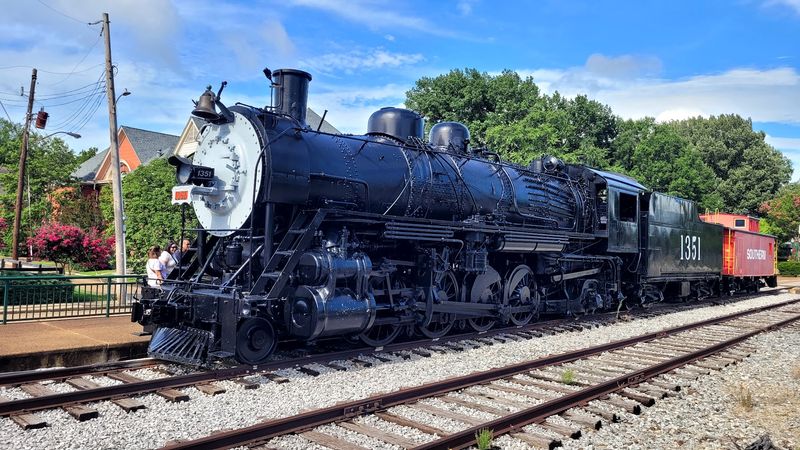
Collierville’s approach to railroad preservation differs from traditional indoor museums. Located on the town square, the depot area features the Frisco 1351 steam locomotive and several historic railroad cars displayed outdoors where visitors can walk around them freely. The restored depot building adds historical context, but the real draws are the large-scale pieces of equipment that dominated railroading’s golden age.
The Frisco 1351 is an impressive machine—a 2-8-2 “Mikado” type locomotive built in 1917. These engines were workhorses, used for freight service across the country. Standing next to one gives you a completely different appreciation for their size and power than seeing them in photographs.
The 1351 has been preserved in place, allowing visitors to examine it from all angles and really understand the mechanical complexity involved.
The historic railroad cars on display include examples of different types of rolling stock used for various purposes. Each car type served specific functions, from hauling freight to carrying passengers, and seeing them together illustrates the diversity of equipment required to run a railroad.
The depot building has been restored and serves as an attractive anchor for the display area. While it’s not a full-scale museum with extensive indoor exhibits, it provides historical context about Collierville’s railroad heritage and the role the depot played in the community. The building’s architecture represents the standard design used by railroads for small-town stations throughout the region.
Collierville’s town square is a charming historic district with shops, restaurants, and other attractions, making the depot area part of a larger experience rather than a standalone destination. You can easily spend several hours exploring the square, grabbing lunch, and checking out the railroad equipment. The outdoor nature of the display means it’s accessible anytime, though viewing the depot interior requires checking their operating hours.
This setup works particularly well for families with young children who might get restless in a traditional museum setting. Kids can run around the locomotives and railcars, getting exercise while learning about history. It’s a more casual experience than some museum visits, which might be exactly what you’re looking for.