Tennessee has a gift for preserving what most states let slip away. Tucked between the mountains and the rivers are towns where life still moves at a neighborly pace, where Main Street means something, and where history isn’t just preserved—it’s lived in daily.
These twelve spots offer more than just nostalgia; they’re real places where you can walk brick sidewalks, browse family-owned shops, and remember what made small-town America feel like home.
1. Jonesborough
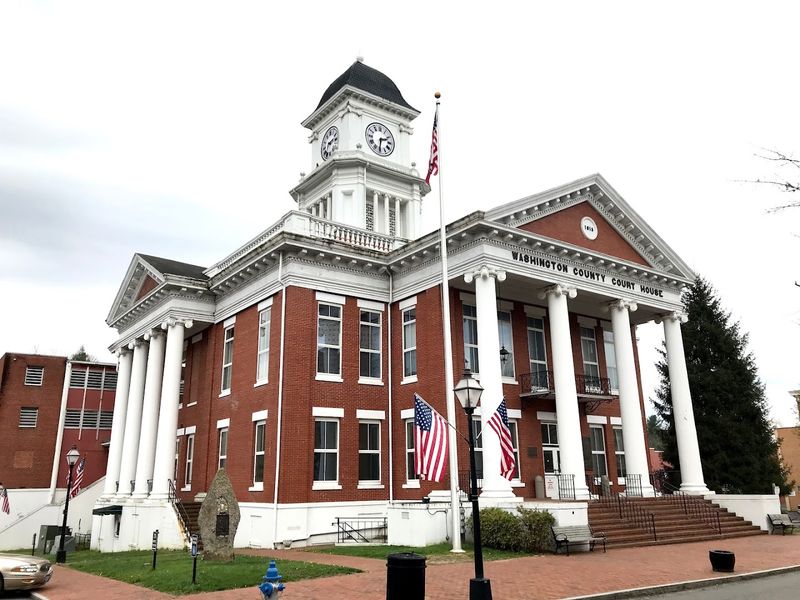
Tennessee’s oldest town doesn’t just talk about history—it walks you through it. Founded in 1779, Jonesborough has brick sidewalks that click under your feet, storefronts that still have hand-painted signs, and a Main Street that looks like it was designed by someone who actually cared about charm.
The International Storytelling Center sits right in the heart of town, which makes perfect sense. This place has stories written into every corner, from the Chester Inn Museum to the old courthouse that’s been watching over the town square since before Tennessee was even a state. You can spend an afternoon just wandering, poking into bookshops and antique stores, grabbing coffee at a local café, and feeling like you’ve stepped sideways into a gentler era.
What makes Jonesborough special isn’t just the buildings—it’s that people still use them the way they were meant to be used. The hardware store sells actual hardware. The pharmacies still have soda fountains.
Local shops are run by locals, not chains, and everyone you pass on the sidewalk will probably say hello.
First Fridays bring the town to life with live music, art walks, and street vendors, but even on quiet Tuesday afternoons, there’s something magnetic about the place. It’s small enough to see in a day but interesting enough that you’ll want to come back. The surrounding hills add to the postcard effect, especially in fall when the leaves turn and the whole town glows amber and gold.
If you grew up in a place where neighbors knew your name and downtown meant more than just a GPS coordinate, Jonesborough will feel like coming home—even if you’ve never been here before.
2. Bell Buckle
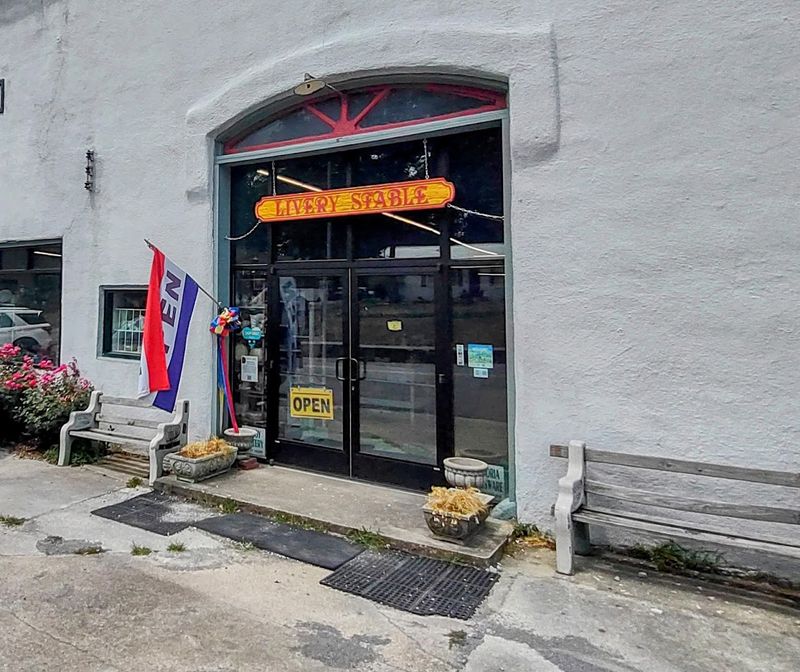
Bell Buckle proves that a town doesn’t need to be big to be unforgettable. With a population that barely cracks 500, this tiny railroad community has more personality per square foot than most cities manage in entire neighborhoods. The downtown area is basically one street, but it’s packed with antique shops, quirky boutiques, and the kind of front-porch hospitality that makes you want to sit down and stay awhile.
The old railroad depot still stands as a reminder of the town’s origins, and the Webb School—one of the South’s most respected preparatory schools—adds a layer of academic history that gives the place unexpected depth. Walking through town feels like flipping through an old photo album, except everything is still here, still functioning, still loved.
The cafés serve Southern food the way your grandmother would have made it, and the local bakery turns out pies that could win awards if anyone bothered to enter them. The antique stores aren’t the dusty, overpriced kind—they’re treasure hunts where you might actually find something you want to take home. The whole town moves at a pace that encourages browsing, chatting, and noticing details you’d miss if you were in a hurry.
Bell Buckle also hosts festivals throughout the year, including the famous RC Cola and Moon Pie Festival, which sounds ridiculous until you attend and realize it’s exactly the kind of quirky, genuine celebration that small-town America does best. The sense of community here isn’t manufactured for tourists—it’s real, and visitors are simply invited to share in it for a while.
3. Granville
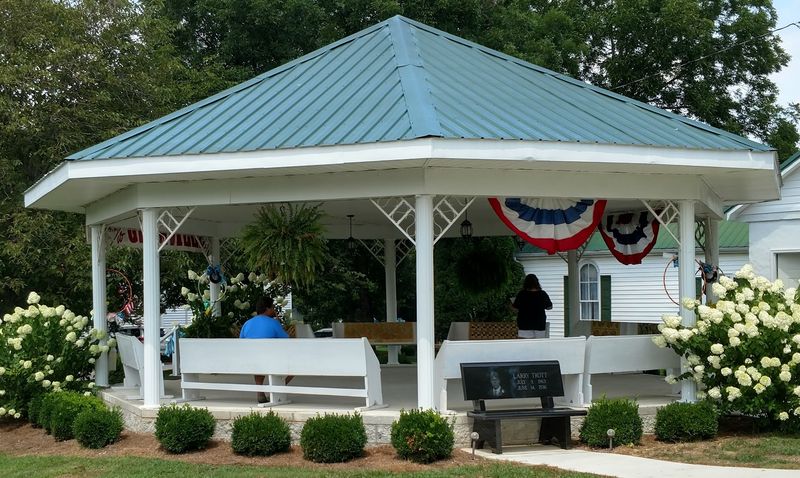
Granville doesn’t just remind you of the past—it practically insists you step into it. This Cumberland River village has leaned into its heritage so completely that visiting feels less like tourism and more like time travel. The buildings have been preserved with the kind of care usually reserved for museums, except here, you can walk inside, touch things, and actually experience what life was like when Tennessee was young.
The general store vibe isn’t an act. Granville Marina and Museum sits in a restored building that actually functioned as the town’s hub for decades, and the collection inside tells stories about river life, local families, and the days when the Cumberland was the highway everyone used.
4. Lynchburg
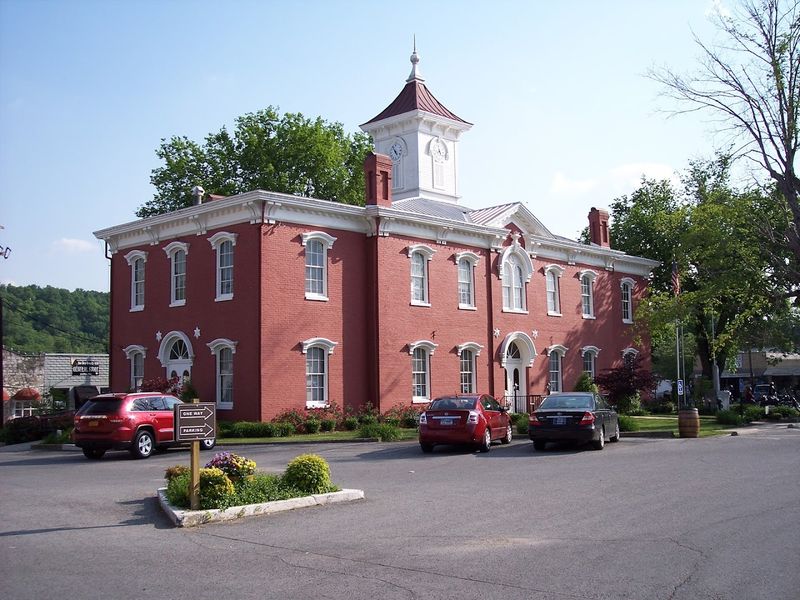
Most people know Lynchburg for one reason: Jack Daniel’s. The distillery draws visitors from around the world, and it’s absolutely worth a tour. But if you leave without exploring the town itself, you’ve missed the real story.
Lynchburg is a dry county, which means the whiskey that made it famous can’t legally be sold by the glass within town limits—a delicious irony that locals explain with a knowing smile.
The courthouse square is the heart of everything. It’s the kind of place where benches are meant for sitting, shops are meant for browsing, and time is meant for taking. Local cafés serve meat-and-three plates that taste like Sunday dinner, and the gift shops carry everything from handmade crafts to Tennessee memorabilia that doesn’t feel cheap or touristy.
The pace here is decidedly unhurried, and that’s not an accident—it’s a feature.
What makes Lynchburg feel like small-town America isn’t just the architecture or the layout. It’s the way people interact. Shopkeepers remember faces. Conversations happen between strangers on sidewalks. The barber knows your name by your second visit.
There’s a sense that everyone belongs to the same community, even if you’re just passing through for the afternoon.
The town has managed to welcome thousands of tourists without losing its soul, which is harder than it sounds. The Jack Daniel’s connection brings people in, but the town itself makes them want to stay longer, walk slower, and maybe grab lunch at one of the local spots where the iced tea is sweet and the portions are generous.
Lynchburg isn’t frozen in amber—it’s a living, functioning town that just happens to value tradition, neighborliness, and the kind of pace that lets you actually notice where you are.
5. Dandridge
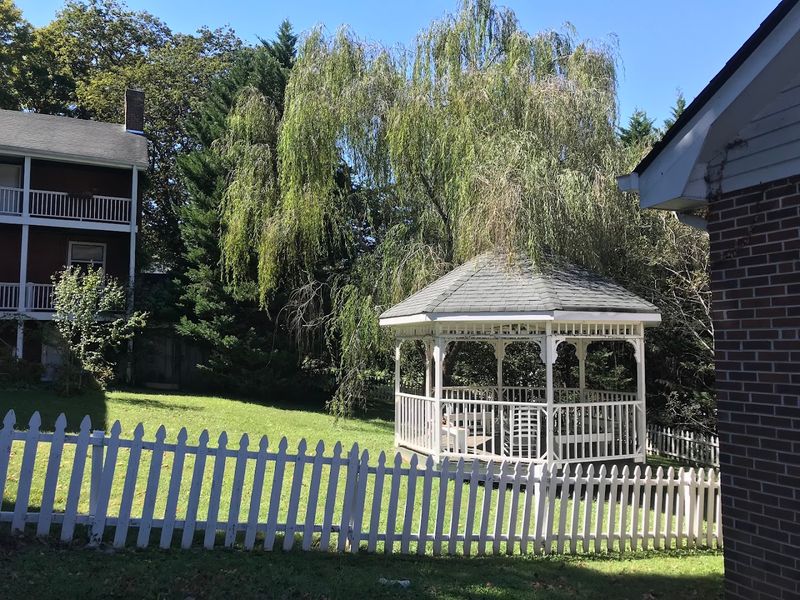
Dandridge earned the title of Tennessee’s second-oldest town, and it wears that distinction with quiet pride. Situated along the shores of Douglas Lake, the town combines waterfront beauty with genuine historical character. The downtown area feels rooted in another century, with buildings that have stood since before the Civil War and streets that follow the same paths they did generations ago.
The lake views add something special. Most historic Tennessee towns are landlocked, but Dandridge has water as part of its identity. Douglas Lake was created by the TVA in the 1940s, and while that changed the landscape, the town adapted without losing its core character.
Today, you can walk through a downtown that feels authentically old while enjoying views of a lake that draws boaters, fishermen, and anyone who appreciates the combination of history and natural beauty.
The architecture tells stories. The Jefferson County Courthouse, built in 1845, still anchors the town square. Historic homes line the side streets, many of them lovingly maintained by families who’ve lived in them for generations.
There’s a continuity here that’s increasingly rare—a sense that the past isn’t something to visit on weekends but something people live with every day.
Dandridge doesn’t hustle for your attention. It’s not loud or flashy. The shops are local, the restaurants serve straightforward Southern food, and the overall vibe is one of calm preservation.
If you’re looking for excitement, you might be disappointed. If you’re looking for a place where history feels present and the pace allows for actual relaxation, Dandridge delivers exactly that.
The town also serves as a gateway to the Smoky Mountains, which means you can combine small-town charm with mountain access—a combination that’s hard to beat in East Tennessee.
6. McMinnville

McMinnville manages to feel both polished and unpretentious, which is a tricky balance. The downtown area has clearly been loved and invested in, with boutique shops, Southern restaurants, and the beautifully restored Park Theater from 1939 serving as the visual centerpiece. But none of it feels forced or manufactured—it’s a real town that happens to take pride in its appearance.
The Park Theater isn’t just a pretty building. It’s a functioning venue that hosts movies, live performances, and community events, which means it’s actually part of the town’s life rather than just a historical footnote. That pattern repeats throughout McMinnville: things are preserved because they’re useful, not just because they’re old.
The result is a downtown that feels vibrant without losing its traditional character.
Saturday mornings on Main Street still mean something here. The farmers market brings out local vendors, families, and anyone who appreciates fresh produce and handmade goods. The coffee shops fill up with regulars who know each other’s orders.
There’s a rhythm to the town that feels comfortable, like a well-worn pair of boots that still looks good.
McMinnville also sits near some of Tennessee’s most beautiful natural areas, including the Cumberland Plateau and several state parks. That geographic position means you can combine small-town exploration with hiking, waterfalls, and outdoor adventure—all within a short drive. The town serves as a perfect base camp for people who want civilization and nature in equal measure.
The restaurants deserve special mention. This isn’t a place where you’re stuck with chain food and disappointing barbecue. McMinnville has developed a local food scene that respects Southern traditions while adding creativity and quality.
You can eat well here, which always makes a town more memorable.
7. Greeneville
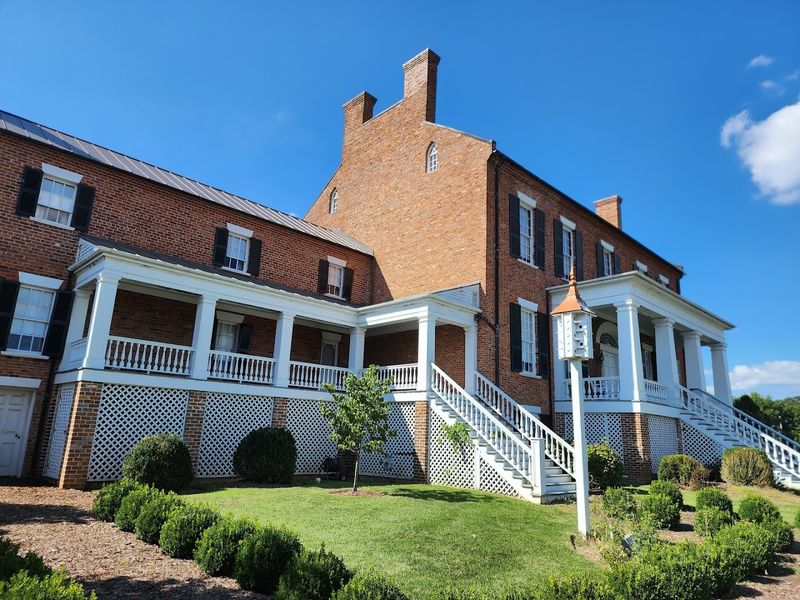
Greeneville carries its history seriously but not stuffily. As the hometown of Andrew Johnson, the 17th U.S. President, the town has a legitimate claim to national significance.
The Andrew Johnson National Historic Site preserves his home and tailor shop, offering a window into 19th-century life that feels surprisingly intimate. But Greeneville is more than one famous resident—it’s a living example of how small-town Tennessee has evolved while keeping its roots intact.
The downtown brick storefronts create a visual consistency that’s increasingly rare. These aren’t replicas or facades—they’re the actual buildings that have housed businesses for over a century.
Some still serve their original purposes. Others have been adapted for new uses. But the overall effect is one of architectural continuity that makes the town feel coherent and intentional.
Family businesses define the local economy. The diners serve breakfast all day and know most customers by name. The hardware stores still carry oddball items you can’t find at big-box retailers.
The pharmacies have actual pharmacists who’ll answer questions. There’s a sense that commerce here is still about relationships, not just transactions.
Greeneville also benefits from its location in East Tennessee’s rolling hills. The surrounding landscape is beautiful without being dramatic—gentle farmland, tree-covered ridges, and the kind of countryside that looks best in early morning light. The town serves as a natural stopping point for people exploring the region, but it’s substantial enough to be a destination on its own.
What strikes visitors most is the lack of pretension. Greeneville doesn’t try to be anything other than what it is: a working town with deep roots, strong community ties, and respect for its past.
8. Sweetwater
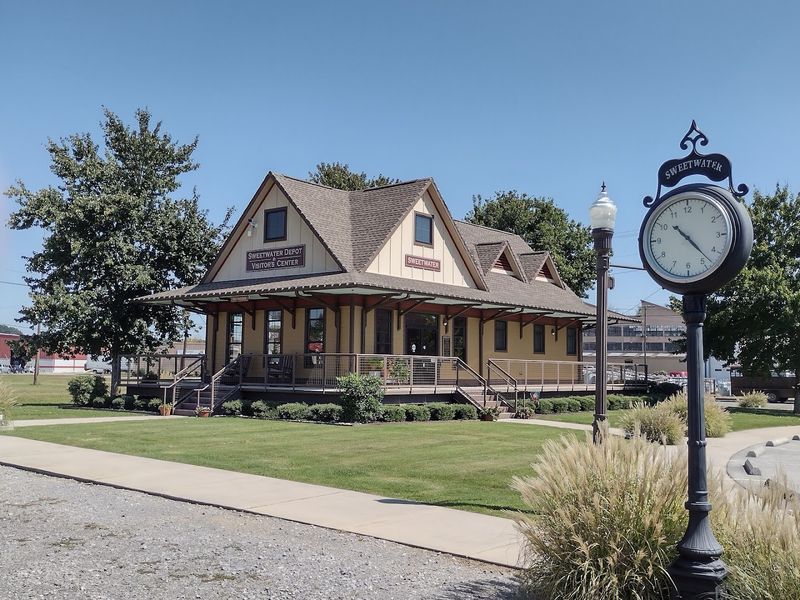
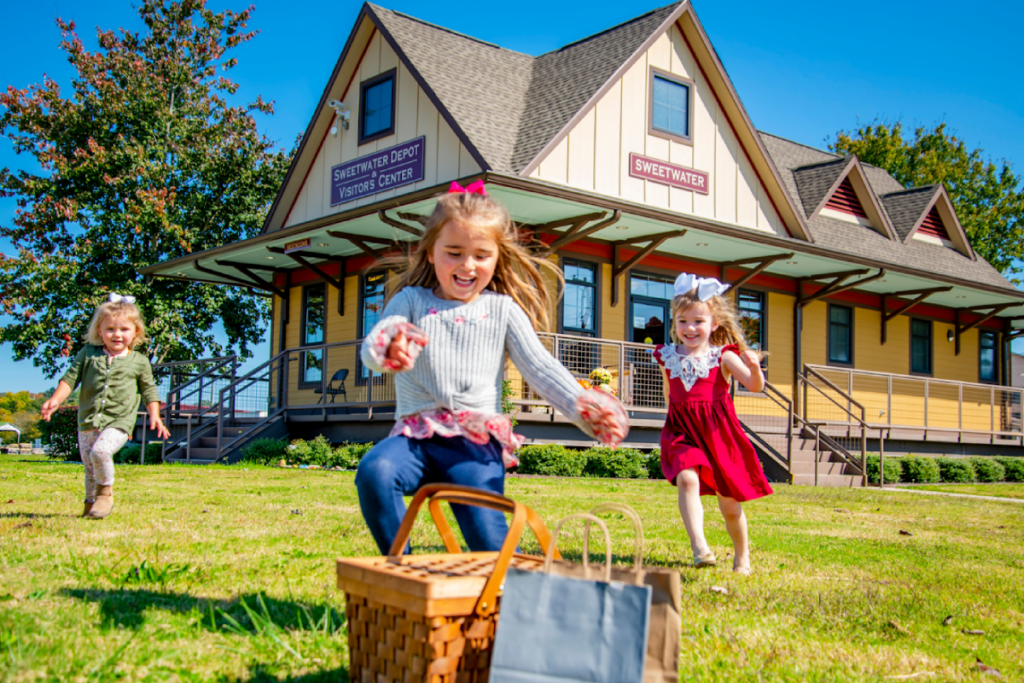
Sweetwater sits in the foothills of the Smoky Mountains, giving it a geographic advantage that many Tennessee towns would envy. The views alone make it worth visiting, but the town itself has cultivated a downtown area that rewards slow exploration. Main Street has the kind of shops that make you want to browse—local boutiques, antique stores, and the occasional oddity that you didn’t know you needed until you saw it.
The heritage museum tells the town’s story with the kind of detail that only locals could provide. Sweetwater has been shaped by railroads, agriculture, and the people who chose to build lives here despite having options elsewhere. The museum doesn’t sanitize or simplify that history—it presents it honestly, which makes it far more interesting than the typical small-town historical display.
Food here leans Southern and traditional, which is exactly what you want in a town like this. The local restaurants don’t try to reinvent comfort food—they just make it well, with generous portions and reasonable prices. The cafés serve strong coffee and homemade pastries.
The diners have specials that change daily based on what’s fresh and available. It’s the kind of food culture that prioritizes substance over style, which feels refreshing.
Sweetwater’s pace is noticeably relaxed, even by small-town standards. People don’t rush. Conversations happen at length.
If you’re used to urban efficiency, this might take some adjustment. If you’re looking for a place that still values human interaction over speed, you’ll appreciate the difference.
The town also serves as a practical base for exploring East Tennessee’s natural attractions, including the Cherohala Skyway and various state parks. You can spend mornings hiking and afternoons wandering downtown—a combination that makes for satisfying days.
9. Rogersville
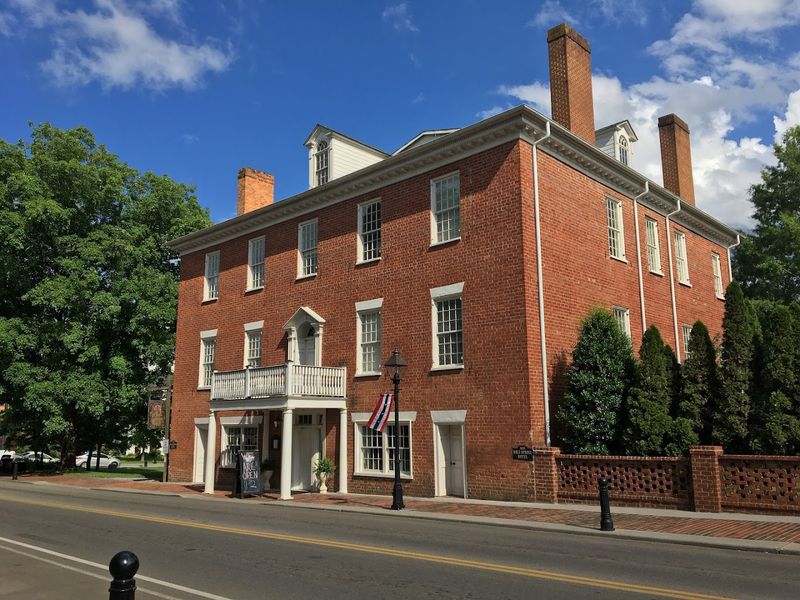
Rogersville claims the title of Tennessee’s second-oldest town, and the competition for that distinction tells you something about how seriously these communities take their heritage. The downtown area reflects that pride, with historic buildings that have been maintained through generations of changing economies and shifting populations. Walking through Rogersville feels like reading a book where every chapter left something visible behind.
The architecture spans multiple eras, creating a visual timeline of Tennessee’s development. Federal-style buildings stand alongside Victorian structures. Early 20th-century commercial buildings share blocks with Greek Revival homes.
The overall effect isn’t chaotic—it’s layered, giving the town a depth that takes time to fully appreciate. This isn’t a place you understand in one quick visit.
Rogersville’s East Tennessee roots run deep. The culture here reflects Appalachian influences—self-reliance, strong community bonds, and a respect for tradition that doesn’t preclude adaptation. The local businesses tend to be multi-generational, passed down through families who’ve invested decades into making them work.
That long-term thinking shows in the quality and consistency you find throughout town.
The downtown area remains the social center. The courthouse square hosts community events, farmers markets, and the kind of informal gatherings that happen when people genuinely enjoy each other’s company. The shops cater to locals first and tourists second, which means they stock things people actually need rather than just souvenirs.
What Rogersville offers is authenticity without self-consciousness. The town isn’t performing small-town charm for visitors—it’s simply being itself, and that self happens to align with what people miss about traditional American communities. The past feels close here, not because it’s been artificially preserved, but because it never fully left.
10. Paris
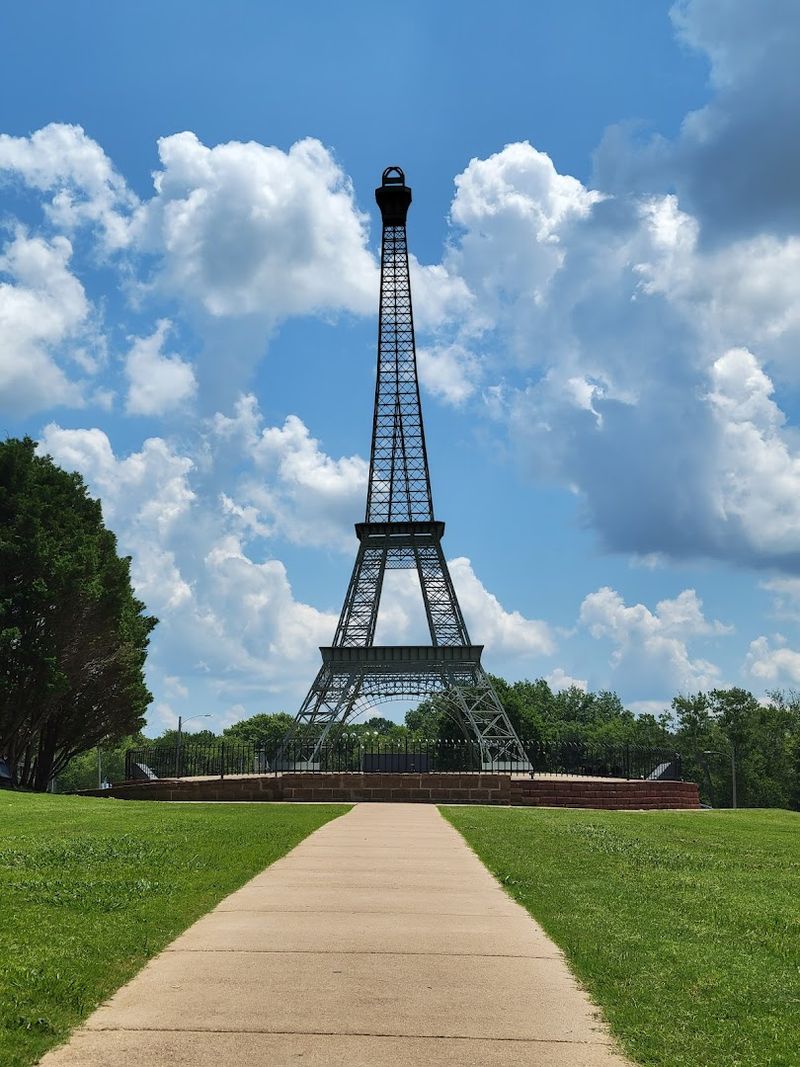
Paris, Tennessee has a sense of humor about itself, which is immediately clear when you spot the 60-foot Eiffel Tower replica complete with a red cowboy hat. It’s the kind of quirky landmark that could feel gimmicky, but somehow it works—probably because the rest of the town is so genuinely rooted in traditional Tennessee character that one playful monument doesn’t undermine the authenticity.
The downtown square follows the classic courthouse-centered layout that defined Southern towns for generations. The buildings surrounding it house local businesses that have served the community for decades. You’ll find hardware stores, diners, gift shops, and the occasional antique store that’s been operating since before antiques were trendy.
The square still functions as the town’s gathering place, which is increasingly rare in an era when most social life has moved to shopping centers and online platforms.
Paris Landing State Park sits just outside town, offering access to Kentucky Lake and all the recreational opportunities that come with it. The combination of small-town charm and waterfront recreation makes Paris particularly appealing to visitors who want variety. You can spend mornings exploring downtown and afternoons on the lake—or vice versa, depending on the weather and your mood.
The roadside Americana elements add character. Beyond the Eiffel Tower, Paris has preserved vintage signage, classic diners, and the kind of mom-and-pop motels that defined American road trips before interstate highways changed everything. These aren’t carefully curated museum pieces—they’re functioning businesses that happen to have been around long enough to become historic.
Paris manages to balance tourism with local life better than many small towns. Visitors are welcome, but the town doesn’t bend itself into unnatural shapes to accommodate them. The result is a place that feels real, lived-in, and genuinely worth exploring beyond the initial photo opportunity.
11. Pulaski
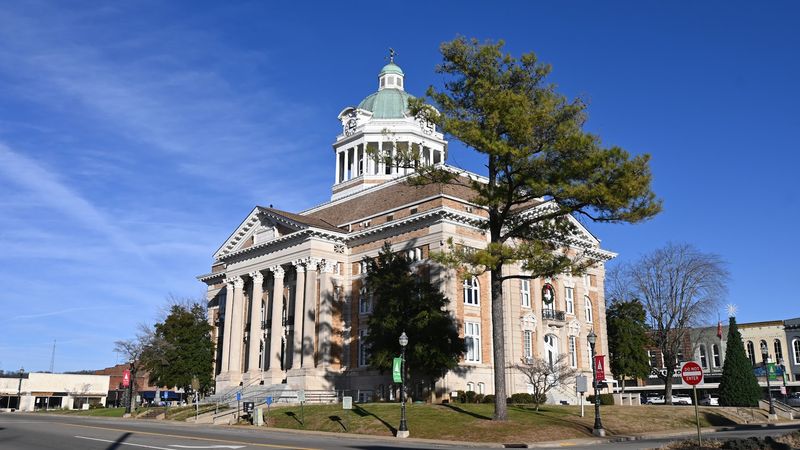
Pulaski’s town square represents small-town Tennessee at its most traditional. The courthouse anchors everything, surrounded by buildings that have housed generations of businesses. The layout is symmetrical and intentional, reflecting a time when town planning meant something and public spaces were designed to encourage community interaction.
Walking around the square still feels like participating in a social ritual that predates modern commerce.
The historic homes throughout Pulaski deserve attention. These aren’t just old houses—they’re architectural statements that reflect the wealth and ambition of 19th-century Tennessee. Many have been meticulously preserved, giving the residential streets a visual consistency that makes the whole town feel like a cohesive place rather than a random collection of buildings.
The pride of ownership is obvious and contagious.
Milky Way Farms sits just outside town, adding an unexpected layer to Pulaski’s appeal. The estate was built by Frank Mars of candy bar fame, and it represents the kind of grand countryside property that wealthy Americans created during the early 20th century. Touring the farm provides context for how rural Tennessee attracted investment and attention beyond agriculture—it was also a place where successful people chose to build retreats and legacies.
You can experience traditional downtown life and then drive five minutes to be surrounded by farmland, rolling hills, and the kind of landscape that reminds you why people settled in Middle Tennessee in the first place. That combination makes the town feel complete—urban enough to be interesting, rural enough to be peaceful.
The local businesses maintain standards that reflect community accountability. When your customers are also your neighbors, quality matters in ways that transcend simple economics. That dynamic creates a level of care and consistency that visitors notice immediately.
12. Leiper’s Fork
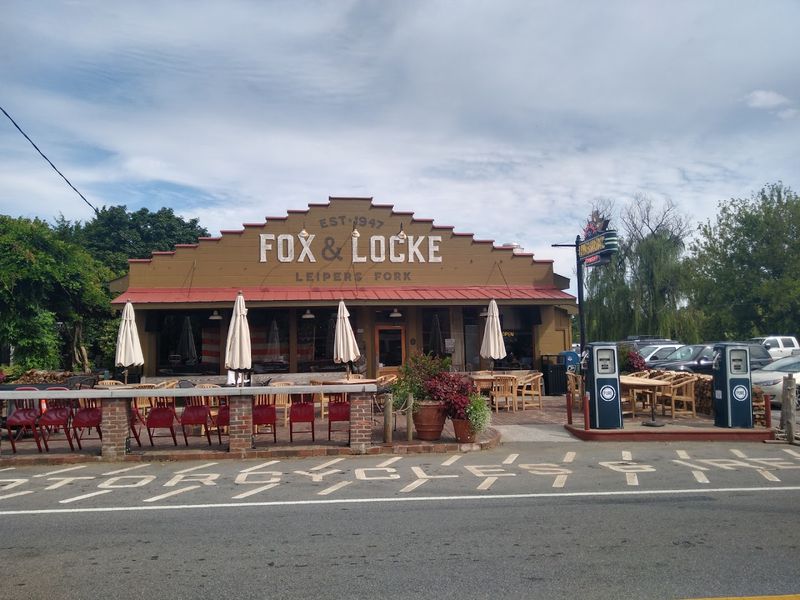
Leiper’s Fork operates on its own wavelength. This tiny unincorporated community has somehow become one of Tennessee’s most beloved destinations without losing the rural character that made it special in the first place. The main road through town is lined with country stores, art galleries, and music venues that feel organic rather than manufactured.
Nothing here seems forced—it all just happened because creative people found a place they loved and decided to stay.
The artistic community gives Leiper’s Fork an energy that’s unusual for a town this small. Local galleries showcase serious work by regional artists. Live music happens regularly at Puckett’s Grocery, which functions as both a restaurant and a cultural hub.
The whole place has a creative undercurrent that attracts musicians, painters, writers, and anyone who appreciates the combination of rural beauty and artistic expression.
Despite its growing popularity, Leiper’s Fork has resisted the temptation to over-develop. There are no chain stores, no corporate restaurants, and no signs that anyone wants those things. The businesses that exist serve the community first and visitors second, which keeps everything feeling authentic.
You get the sense that if tourism disappeared tomorrow, Leiper’s Fork would continue exactly as it is—because it’s not performing for anyone.
The surrounding countryside is quintessentially Middle Tennessee: rolling hills, horse farms, tree-lined roads, and the kind of pastoral beauty that looks best in late afternoon light. The town sits along the Natchez Trace Parkway, making it an easy addition to any scenic drive through the region. But most people who visit end up staying longer than planned, because the pace here is so refreshingly unhurried.