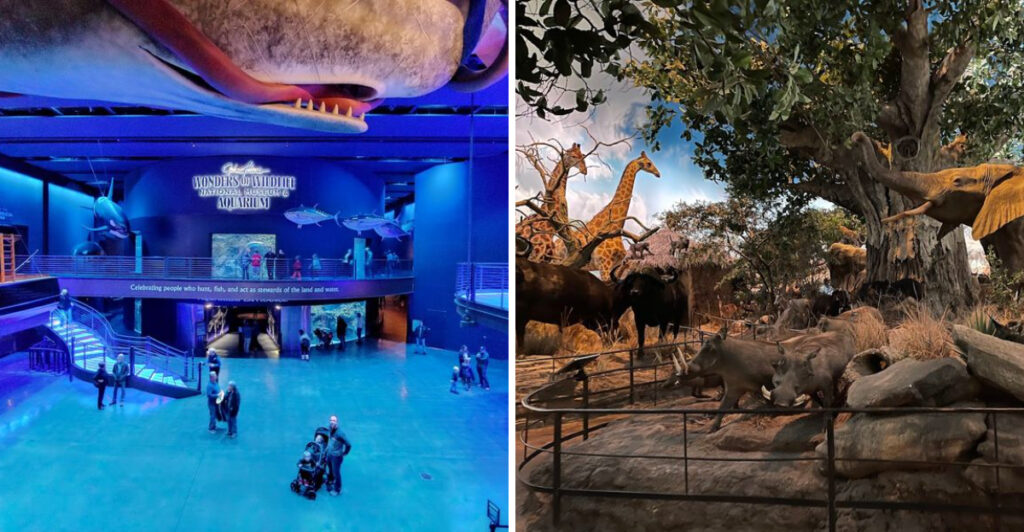
If you think you have seen great aquariums and museums before, Springfield, Missouri, is ready to challenge that idea. Wonders of Wildlife National Museum & Aquarium feels less like a single attraction and more like stepping into a series of living, cinematic worlds.
With immersive habitats, powerful conservation stories, and enough detail to reward every slow look, this place easily turns a casual stop into the highlight of a trip. By the time you leave, you may be wondering why more people are not calling it one of the best museums in America.
1. A Museum That Feels Bigger Than a Museum
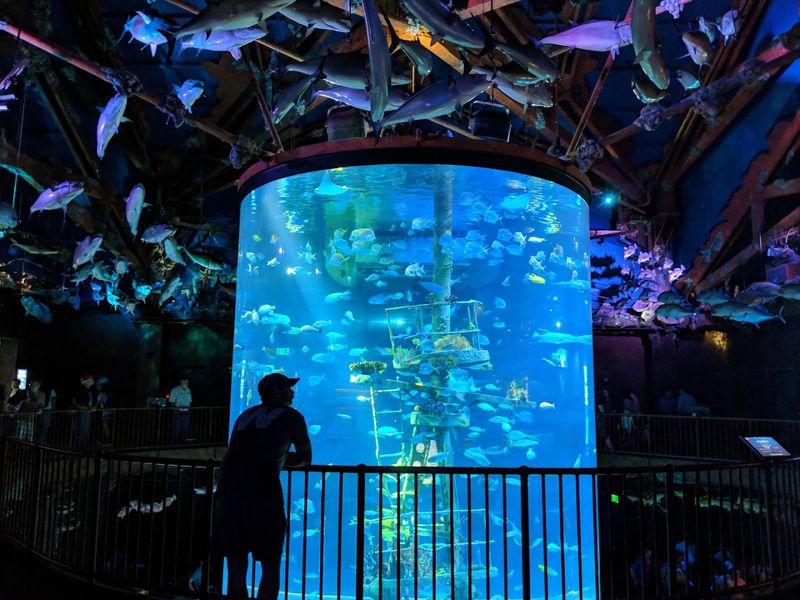
The first thing that struck me about Wonders of Wildlife was its scale.
You walk in expecting a very good museum or a very good aquarium, but what you actually get feels much larger, richer, and more ambitious than either label suggests.
It unfolds slowly, revealing one stunning environment after another, and that sense of discovery becomes part of the fun.
Located at 500 W Sunshine St in Springfield, this attraction has earned a huge reputation, and honestly, it lives up to it.
With a 4.8-star rating from thousands of visitors, it is clearly not just a local favorite but a destination people plan entire trips around.
Once you are inside, that makes perfect sense.
What makes it stand apart is how completely it commits to immersion.
Instead of presenting wildlife in a flat, textbook way, it surrounds you with atmosphere, sound, texture, and motion, so each gallery feels like a world with its own mood.
That approach keeps you engaged even during the quieter educational moments.
I also love that it appeals to almost everyone.
Families can move through at a kid-friendly pace, couples can turn it into a memorable date, and solo visitors can take their time without feeling rushed.
It is rare to find an attraction that feels this broad in appeal while still feeling carefully curated and deeply personal.
2. Immersive Design Around Every Corner
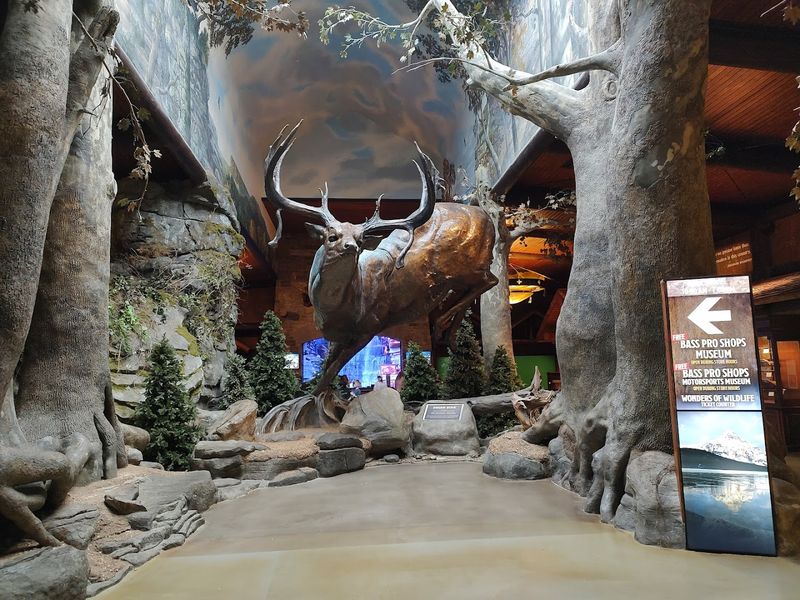
One of the biggest reasons this place stays with you is the design.
Wonders of Wildlife does not settle for rows of tanks and display cases, because nearly every section is built like a theatrical set that places you inside the story.
As you move from one area to the next, the lighting, sound, and layout constantly shift to match the habitat around you.
That means a visit feels less like checking off exhibits and more like crossing landscapes.
Some spaces are dark and moody, others open up dramatically, and many create that satisfying pause where you instinctively stop and stare.
Even people who usually rush through museums tend to slow down here.
I kept noticing how intentional everything felt.
Rockwork, vegetation, murals, water features, and carefully framed sightlines work together so your eye lands exactly where it should.
The result is an experience that feels cinematic without becoming artificial.
Visitors often mention that certain passages can feel tight or dim, especially during the cave-like sections, and that is fair.
Still, those moments are part of what gives the museum its adventurous energy and sense of movement.
If you enjoy attractions that make you feel transported rather than simply informed, this design philosophy is a huge part of why Wonders of Wildlife leaves such a strong impression long after you walk back into daylight.
3. The Aquarium Is the Headliner
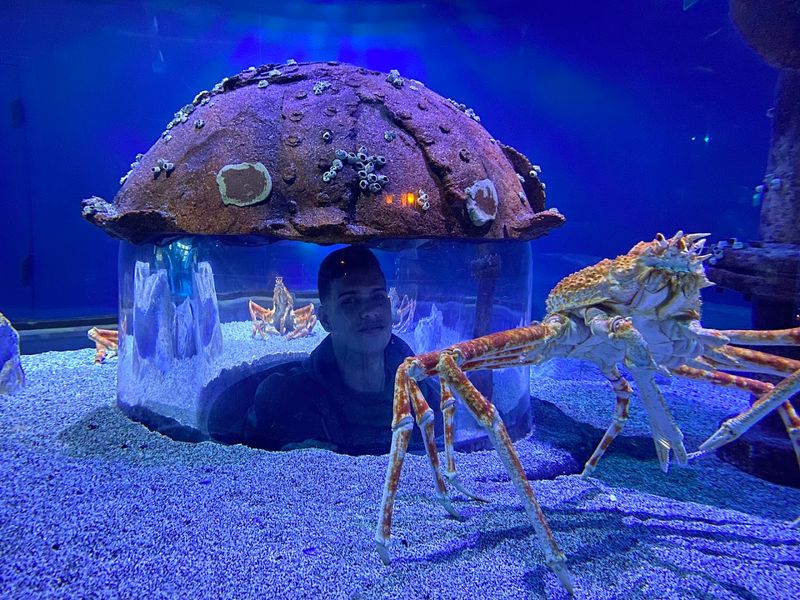
If you are coming for the aquarium, you are in for something special.
This is not a quick walkthrough with a few impressive tanks dropped into the middle.
It is a long, carefully choreographed journey through freshwater and marine environments that keeps building until you realize you have been wandering in amazement for hours.
The variety is a huge part of the appeal.
You can expect fish, sharks, rays, turtles, jellyfish, and other aquatic life presented in habitats that feel lush, dramatic, and surprisingly intimate.
Some tanks are so large and beautifully lit that you almost forget you are standing in the middle of Missouri.
What I appreciate most is that the aquarium balances spectacle with pacing.
There are giant visual payoffs, but there are also smaller moments where you can focus on movement, color, and behavior without feeling hurried along.
That makes the whole experience feel richer than a standard highlight reel.
Many guests say it is the best aquarium they have visited in the United States, and after seeing the detail firsthand, that claim does not feel exaggerated.
It is expansive, polished, and deeply memorable from start to finish.
If you enjoy attractions where each room delivers a fresh wow moment while still feeling connected to a larger story, the aquarium alone could justify the trip to Springfield.
4. Wildlife Galleries Add Depth and Emotion
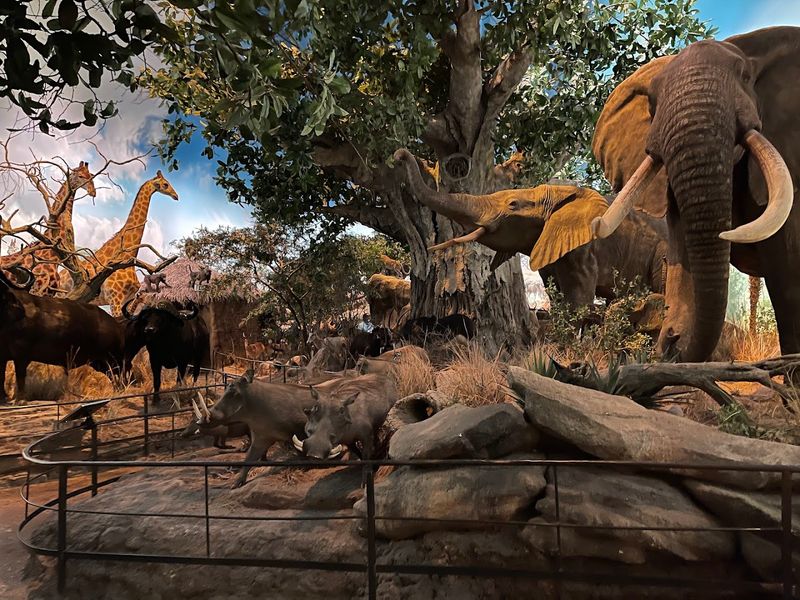
As impressive as the aquarium is, the wildlife museum galleries are what give Wonders of Wildlife its emotional depth.
These spaces expand the experience beyond marine life and into a broader story about habitats, species, and the relationship people have with the natural world.
You are not just looking at animals here; you are being asked to think about where they live and why that matters.
The exhibits are detailed enough to reward close attention.
Habitat scenes, historical objects, and carefully staged displays create a rhythm that feels reflective after the more kinetic aquarium sections.
It is a smart contrast, and it keeps the visit from becoming visually repetitive.
I also like that the museum does not feel cold or overly academic.
The presentation is accessible, even when the subject matter is serious, so kids can stay interested while adults still get substance.
That balance is harder to achieve than it looks.
Several visitors mention that they expected mostly fish but ended up being surprised by how much they enjoyed the museum side.
I completely understand that reaction.
The wildlife galleries broaden the attraction into something more complete, giving it the reach of a major natural history museum while preserving a personal, story-driven feel.
If you want a place that entertains you and also leaves you thinking a little more carefully about wildlife and stewardship, these exhibits are a major reason this museum stands out.
5. Conservation and Outdoor History Matter Here
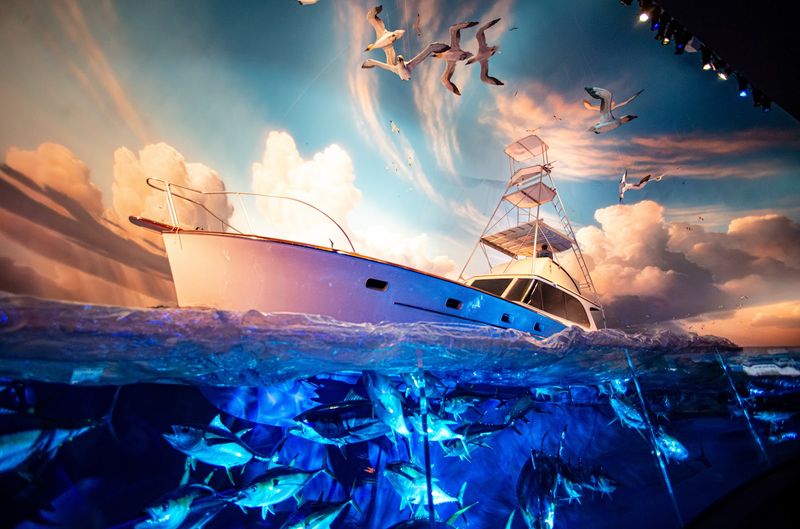
What elevates Wonders of Wildlife from a beautiful attraction to a meaningful institution is its commitment to conservation and outdoor history.
This is not just a place built to entertain crowds with dramatic tanks and polished exhibits, though it certainly does that well.
It also works hard to connect wildlife wonder with human responsibility.
Throughout the museum, you see stories about habitat protection, sporting traditions, exploration, and the evolution of fishing and outdoor culture.
These layers make the experience feel more grounded and surprisingly thoughtful.
Instead of separating fun from education, the museum blends them so naturally that you absorb a lot without ever feeling lectured.
I found that especially effective because the historical pieces never feel tacked on.
They are woven into the larger narrative of how people interact with wild places, sometimes reverently, sometimes recklessly, and hopefully more wisely over time.
That kind of framing gives the attraction real substance.
There is also a sense of pride here in American conservation history, but it does not stop at nostalgia.
The exhibits point forward, reminding you that preserving wildlife is an ongoing effort, not a completed story.
For visitors who want more than surface-level beauty, this focus adds real value.
It turns a great afternoon into a memorable learning experience and helps explain why so many people leave talking not only about what they saw, but about what the place made them care about.
6. Interactive Moments Make It Memorable
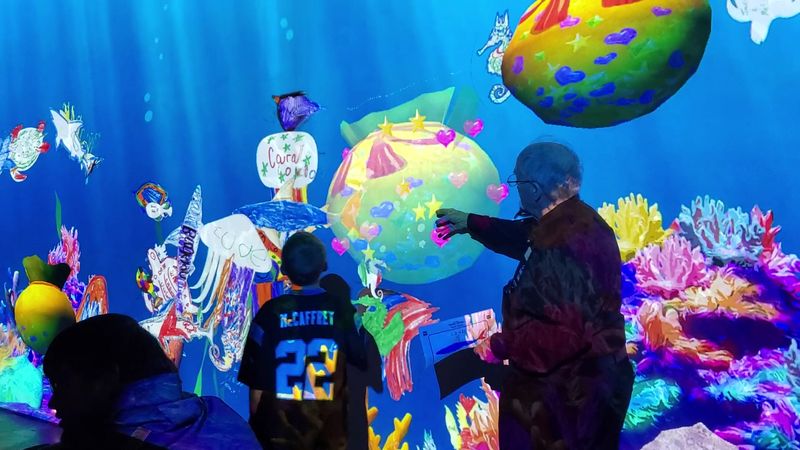
One reason this museum works so well for mixed-age groups is that it gives you more to do than simply look.
Interactive features break up the visual spectacle and create moments that feel personal, especially for kids who need hands-on engagement to stay excited.
Even adults tend to light up when the exhibits invite participation.
Stingray touch experiences are among the most talked-about highlights, and it is easy to see why.
There is something unforgettable about moving from a dramatic gallery into a direct encounter that feels gentle, immediate, and fun.
Those moments transform the visit from impressive to genuinely memorable.
Guests also regularly praise the staff, which matters more than people realize.
Friendly employees who answer questions, point out animals, or help visitors catch a returning otter can turn a good attraction into a great one.
That enthusiasm adds warmth to a place already packed with visual impact.
I think this is a big reason families return.
The museum has enough scale and beauty to impress you the first time, but those interactive pieces are what stick in your mind afterward and make you want to share the experience with someone else.
If you are visiting with children, there is plenty to keep them engaged.
If you are not, the hands-on elements still help the museum feel lively and welcoming rather than overly formal, which makes the whole experience easier to enjoy at your own pace.
7. Plan More Time Than You Think You Need
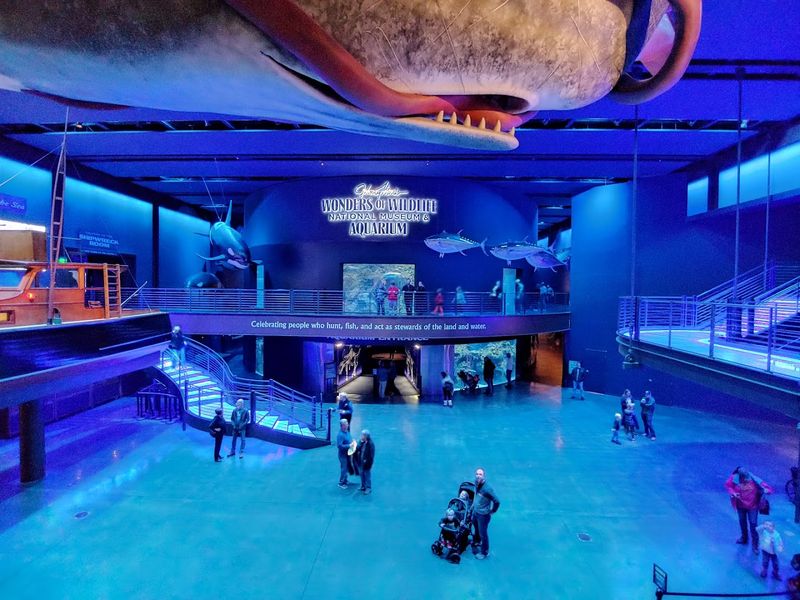
If there is one practical tip nearly every visitor agrees on, it is this: give yourself more time than you expect.
Wonders of Wildlife is not a one-hour attraction, and trying to rush through it would undercut what makes it special.
Most people need at least a few hours, and many happily spend four or more.
The museum is open from 9 AM to 7 PM most days, with Sunday closing at 6 PM, which gives you flexibility to plan a slow visit.
Arriving early is a smart move, especially if you prefer a calmer pace before crowds build.
Comfortable shoes are also essential because there is a lot of ground to cover.
I would also plan for pauses.
You may want time for photos, snacks, restrooms, or simply standing in front of a tank longer than expected because something catches your eye.
The best visits here are not hurried.
For families, accessibility features and stroller-friendly spaces make the day more manageable, though the size still means pacing matters.
For adults visiting without kids, extra time lets you appreciate the museum side instead of treating it like a prelude to the aquarium.
In other words, this is the kind of place where a generous schedule improves everything.
If you build your Springfield day around it rather than squeezing it in, you are far more likely to leave feeling amazed instead of feeling like you missed half the experience.
8. Calm, Clean, and Surprisingly Comfortable
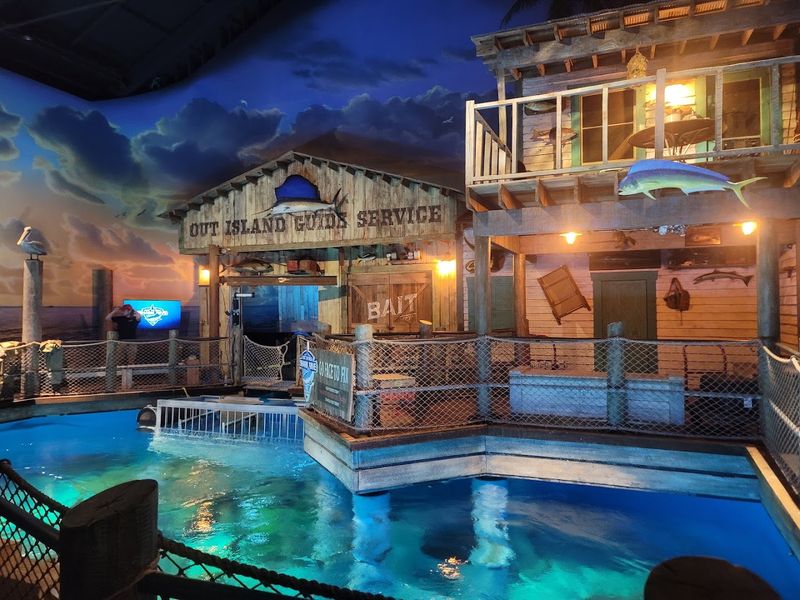
Large attractions often come with sensory overload, but Wonders of Wildlife earns praise for feeling calmer than expected.
Even with big crowds, many visitors describe the atmosphere as relaxed, inviting, and easy to enjoy at your own speed.
That is a huge advantage, especially if you usually find aquariums noisy or overwhelming.
The layout helps, but so does the attention to maintenance.
Reviews consistently mention how clean the facility feels, from the exhibit areas to restrooms and public spaces.
That level of care creates trust, and it quietly improves every part of the visit.
I also think the lighting deserves credit.
While some spaces are intentionally dark for dramatic effect, they often feel more soothing than chaotic.
Instead of flooding the rooms with brightness and noise, the museum lets the exhibits hold your attention naturally.
This comfort level makes the attraction unusually versatile.
You can bring young children, spend an anniversary afternoon here, or visit solo and still feel like the experience fits.
There are not many places that can genuinely support a family outing, a date, and a reflective personal visit without changing their identity.
Wonders of Wildlife manages that balance better than most.
If you value attractions that feel thoughtfully designed for human comfort as much as visual impact, this one really delivers.
It invites you to slow down, notice details, and enjoy the surroundings without the pressure or fatigue that can make other major attractions feel like work.
9. Why It Just Might Be America’s Best
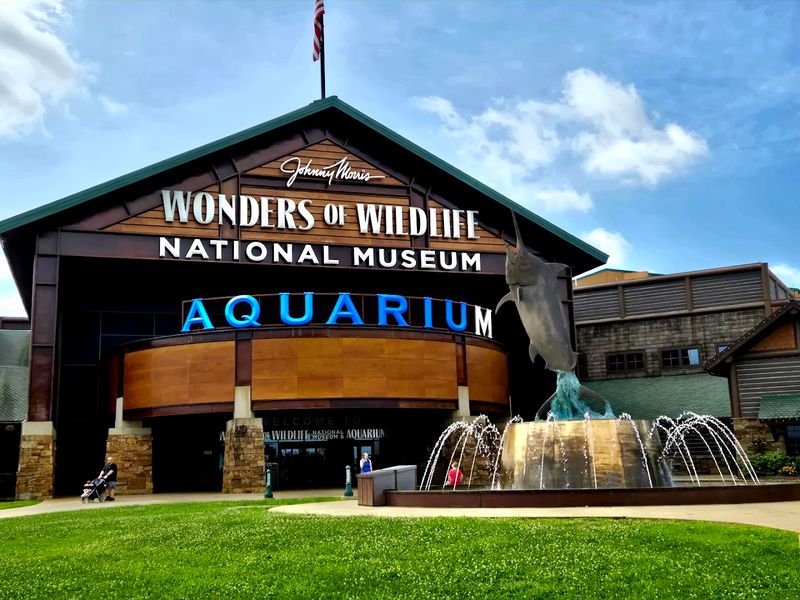
Calling any museum the best in America is a bold claim, but Wonders of Wildlife makes an unusually strong case.
It combines world-class aquarium design, thoughtful museum storytelling, interactive features, and a clear conservation mission in a way that feels cohesive rather than crowded.
Plenty of places do one or two of those things well, but very few do all of them at this level.
What convinced me most is how memorable the place feels after the visit.
You remember the giant tanks, of course, but you also remember the pacing, the atmosphere, the craftsmanship, and the emotional pull of the exhibits.
It is immersive without being gimmicky and educational without becoming dry.
The setting in Springfield also adds to the surprise.
There is something especially satisfying about finding an attraction of this caliber in a place many travelers might otherwise overlook.
That discovery factor makes the experience land even harder.
If you are anywhere near southwest Missouri, this is the kind of stop that deserves a serious detour.
If you are planning a dedicated trip, you are unlikely to regret it.
Wonders of Wildlife does not simply meet expectations created by glowing reviews; it often exceeds them.
And that is the real reason it belongs in the conversation about America’s best museums.
It offers spectacle, substance, comfort, and heart all in one place, which is a rare combination and exactly what unforgettable travel experiences are made of.
Share this story