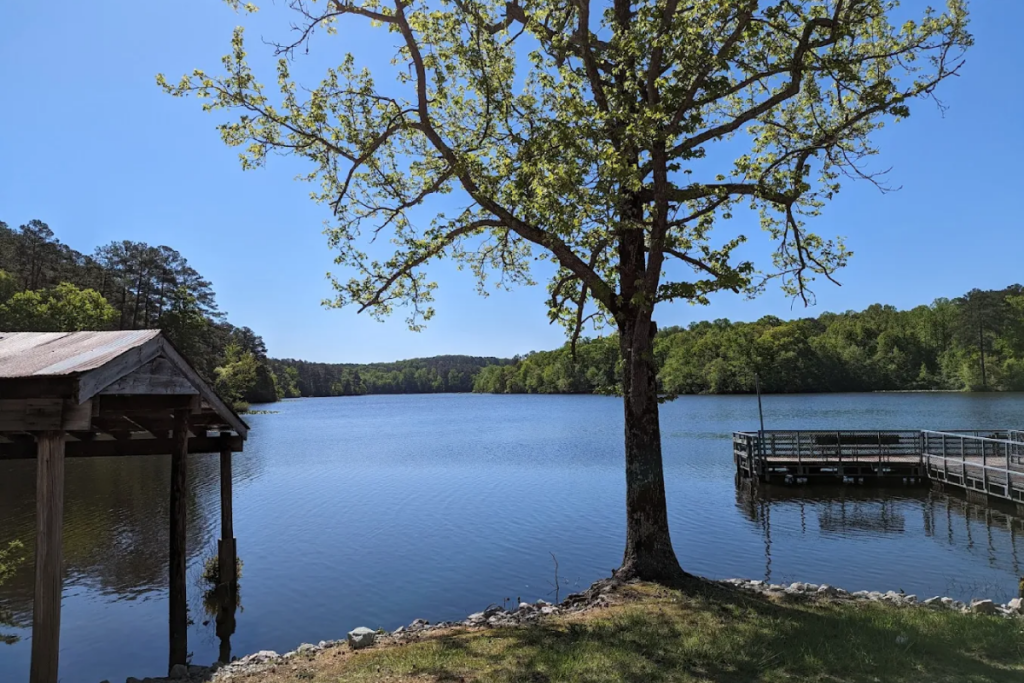
Great Smoky Mountains National Park pulls in millions of visitors every year, but Tennessee hides plenty of other natural gems that rarely see the same crowds. You can find waterfalls, gorges, and mountain views just as breathtaking without fighting for parking or waiting in line for a trailhead. These parks offer the same kind of adventure and beauty, but with enough elbow room to actually hear the birds and enjoy the peace.
If you want to experience Tennessee wilderness without the tourist chaos, these spots deserve a place on your list.
1. South Cumberland State Park
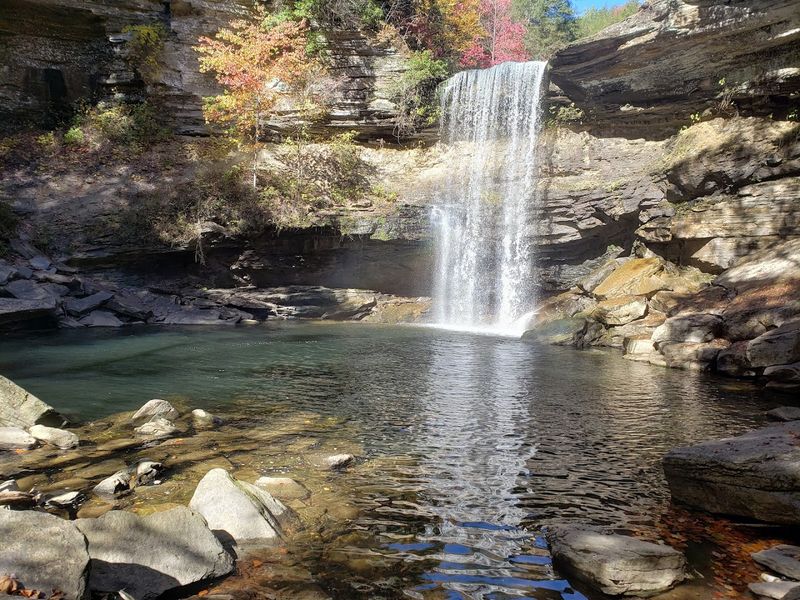
Sprawling across the Cumberland Plateau, this park feels like a secret even though it covers more than 30,000 acres. Most people zoom past on their way to the Smokies, completely unaware that some of Tennessee’s best waterfalls and overlooks hide just off the highway. You can hike to places like Greeter Falls or Stone Door without seeing another soul for hours.
The terrain here is rugged and wild, with deep gorges carving through limestone bluffs. Trails wind through hardwood forests and open onto views that stretch for miles across the plateau. If you love scrambling over rocks or exploring caves, this park delivers without making you wait in line.
Fiery Gizzard Trail ranks as one of the most challenging and rewarding hikes in the state. It twists through boulder fields, crosses streams, and climbs past waterfalls that tumble over moss-covered ledges. The whole experience feels remote and untouched, even though you’re not far from civilization.
Camping here means waking up to birdsong instead of RV generators. The backcountry sites let you pitch a tent in spots that feel completely off the grid. You can spend days exploring different sections of the park and never retrace your steps.
What makes South Cumberland special is how it rewards effort. The trails aren’t always easy, and some require real scrambling, but that keeps the crowds thin. You get the kind of solitude that used to define all Tennessee parks before tourism took over.
If you want to test your legs and clear your head, this place offers both in spades.
2. Fall Creek Falls State Park
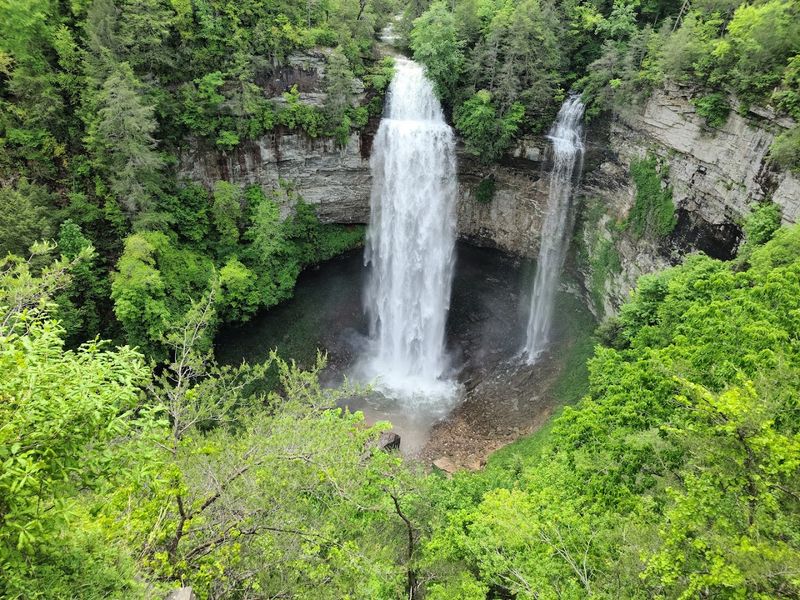
Home to the tallest waterfall east of the Mississippi, this park somehow stays relatively quiet compared to the Smokies. The main falls drop 256 feet into a misty gorge, and the roar echoes through the canyon in a way that makes you feel small. Four other major waterfalls dot the park, each with its own character and accessibility.
The park covers over 26,000 acres of gorges, forests, and streams. You can bike along paved paths, paddle on the lake, or hike to overlooks that frame the falls perfectly. Families love it because the trails range from easy strolls to challenging treks, so everyone finds something that fits.
Cane Creek Falls and Cane Creek Cascades offer quieter alternatives to the main attraction. These spots see fewer visitors, even on busy weekends, and the hikes to reach them wind through old-growth forest that feels timeless. Suspension bridges add a little thrill without requiring technical skills.
The park also features a nature center, golf course, and zip lines for those who want more than hiking. But the real draw remains the waterfalls and the sense of discovery they inspire. You can visit multiple times and still find new trails or hidden overlooks.
What surprises most people is how much elbow room exists here despite the park’s popularity. The trail system spreads visitors across enough terrain that bottlenecks rarely happen. You get postcard views without the postcard crowds, especially if you visit on weekdays or during shoulder seasons.
It’s proof that Tennessee can offer iconic scenery without the chaos that defines the Smokies.
3. Big South Fork National River and Recreation Area
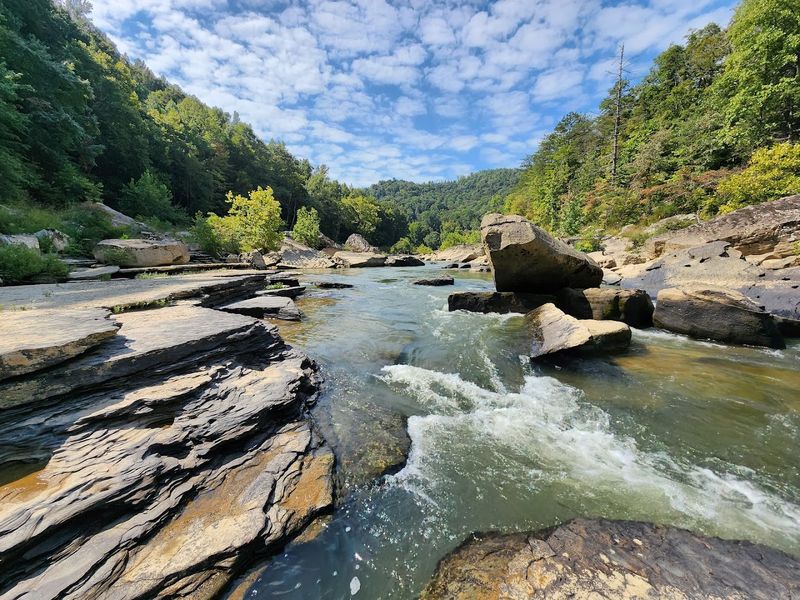
Straddling the Tennessee-Kentucky border, Big South Fork protects over 125,000 acres of gorges, bluffs, and whitewater. The Big South Fork River carves through ancient sandstone, creating cliffs that glow orange and gold in the right light. This place feels massive and wild, with enough trails and waterways to explore for weeks.
Rock formations here tell stories millions of years old. Natural arches, like the Twin Arches, span wide enough to shelter entire groups, and the hike to reach them winds through forest that shifts with the seasons. Autumn brings fiery colors, while spring covers the ground in wildflowers.
Horseback riding is huge here, with over 180 miles of equestrian trails threading through the backcountry. You’ll see more horses than hikers on some paths, which adds to the frontier vibe. The park also welcomes mountain bikers, kayakers, and anyone who wants to camp under stars unspoiled by city lights.
Historic sites pepper the landscape, including old homesteads and mining remnants. The Blue Heron Mining Community offers a glimpse into coal mining life from the early 1900s, with ghost structures and interpretive displays. It’s a reminder that people have shaped this land for generations, even as nature reclaims it.
Rafting the river during spring runoff brings Class III and IV rapids that challenge even experienced paddlers. Summer calms things down, making it perfect for float trips and swimming holes.
4. Frozen Head State Park
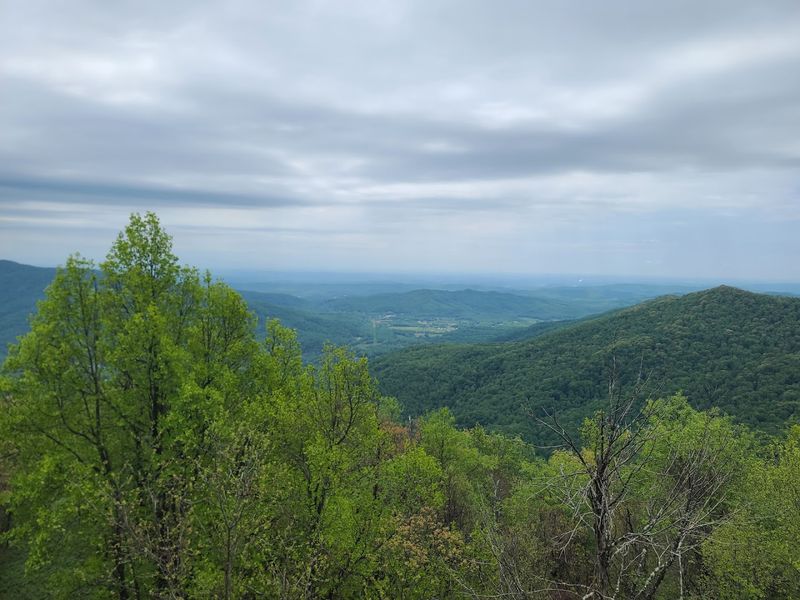
Tucked in the Cumberland Mountains, Frozen Head earns its name from the rime ice that coats the summit in winter. The peak rises over 3,300 feet, and the climb to the top tests your lungs and legs in the best way. On clear days, the views stretch across ridgelines that ripple like ocean waves frozen in time.
This park plays host to the Barkley Marathons, one of the world’s toughest ultramarathons. Only a handful of runners have ever finished the full course, which should tell you something about the terrain. Steep climbs, dense forest, and unmarked routes make this a place where navigation skills matter as much as stamina.
Wildflowers explode across the slopes in spring, painting the understory in whites, purples, and yellows. Trails like Chimney Top lead through rhododendron thickets and past rock outcrops that beg for a rest and a snack. The park stays quiet even during peak bloom because most people don’t know it exists.
Old-growth forest covers parts of the park, with trees that have stood for centuries. Walking among them feels humbling, like stepping into a cathedral built by time instead of hands. The silence here runs deep, broken only by wind and the occasional rustle of wildlife.
Backcountry camping is allowed with a permit, and finding a good spot means you’ll have the mountain mostly to yourself. Streams provide water, and the solitude provides something harder to find in modern life. If you want to disconnect and push your limits, Frozen Head offers both without apology.
5. Pickett CCC Memorial State Park
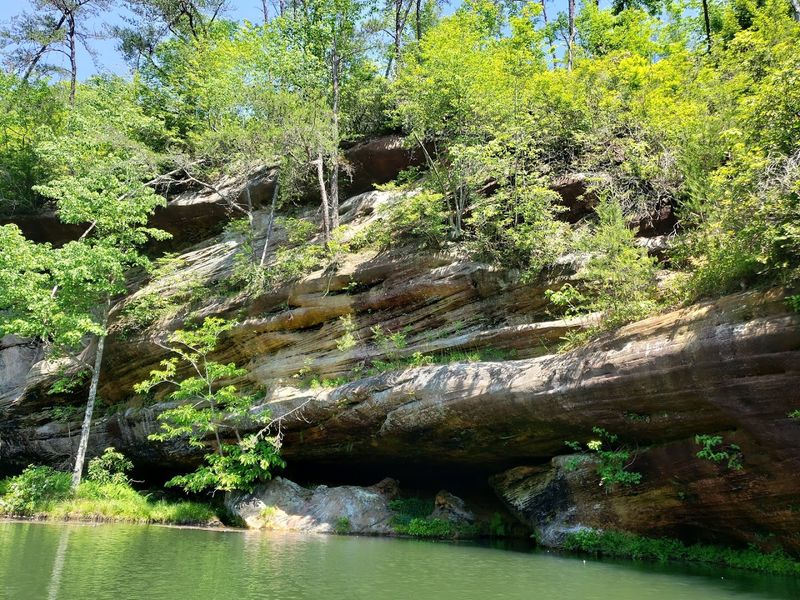
Named for the Civilian Conservation Corps workers who built much of its infrastructure, Pickett sits in a remote corner of the state near the Kentucky border. Natural bridges, rock shelters, and sandstone bluffs create a landscape that feels almost otherworldly. The park’s small size—just over 19,000 acres—concentrates its beauty into manageable trails that reward exploration.
Hazard Cave Loop takes you through a massive rock shelter where Native Americans once camped. The overhang stretches wide and deep, and standing inside makes you wonder what life was like for the people who sought refuge here centuries ago. Ferns cling to the damp walls, and the air stays cool even in summer.
The park borders Big South Fork, so you get similar geology without the same visitor numbers. Trails connect the two areas, meaning you can extend your adventure if the mood strikes. But Pickett itself offers enough variety to fill a weekend without venturing beyond its boundaries.
Camping here feels intimate, with sites tucked into the woods rather than lined up in rows. The lake provides fishing and paddling opportunities, and the water stays clear enough to spot bass cruising near the surface. Evenings bring fireflies in summer and stars so bright they cast shadows.
What sets Pickett apart is its sense of discovery. Every trail feels like it might lead somewhere secret, and often it does. Hidden waterfalls, unexpected overlooks, and quiet groves appear when you least expect them.
6. Panther Creek State Park
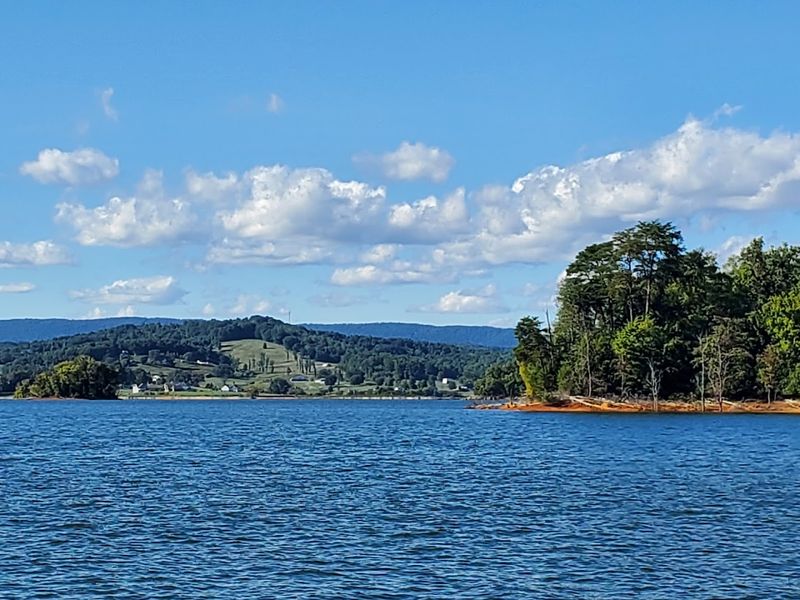
Overlooking Cherokee Lake, Panther Creek offers a different flavor of Tennessee wilderness. Instead of mountains and waterfalls, you get rolling hills, open water, and trails that hug the shoreline. The park covers 1,435 acres, making it smaller than some others on this list, but it packs plenty of variety into that space.
The lake dominates the experience here. Fishing for bass, crappie, and catfish keeps anglers busy year-round, and the boat ramp provides easy access to open water. Kayakers love paddling the coves, where herons fish in the shallows and turtles sun themselves on logs.
Trails wind through hardwood forest and prairie restoration areas. The Point Lookout Trail climbs to an overlook where you can watch the sun set over the water, painting the sky in oranges and pinks. It’s a short hike but delivers views that make you want to linger until the last light fades.
Camping options range from RV sites with hookups to primitive spots for backpackers. The developed campground stays surprisingly quiet, even on summer weekends, because most lake visitors head to busier areas. You get the amenities without the noise, which is a rare combination.
Mountain biking trails add another dimension, with loops that challenge riders without requiring expert skills. The terrain rolls enough to keep things interesting, and the lake views pop up when you least expect them. Fall brings spectacular color, and the trails become tunnels of red and gold.
Panther Creek proves that Tennessee’s beauty isn’t limited to dramatic peaks and plunging waterfalls. Sometimes the best moments come from watching mist rise off still water or casting a line into a quiet cove.
7. Rock Island State Park
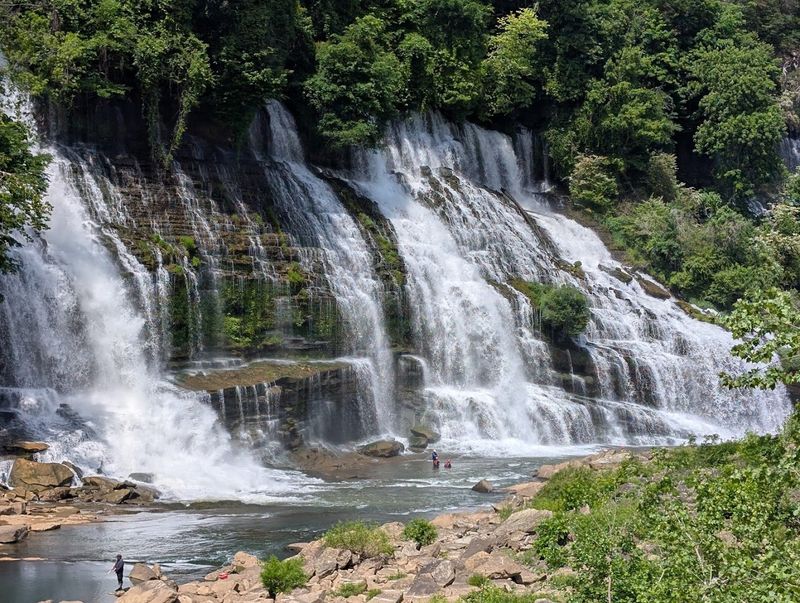
Where three rivers meet, Rock Island creates a playground of water and stone. The Caney Fork, Collins, and Rocky rivers converge here, carving gorges and forming pools that invite swimming on hot days. Great Falls Dam adds a dramatic backdrop, with water thundering over concrete and rock in equal measure.
The Blue Hole is the park’s crown jewel—a deep, clear pool surrounded by cliffs where locals have jumped for generations. The water stays cold even in August, fed by springs and river flow that never stops moving. Swimming here feels like a rite of passage for anyone who grew up nearby.
Trails follow the riverbanks, offering views of rapids, cascades, and the occasional kayaker navigating technical runs. The sound of rushing water follows you everywhere, creating a constant soundtrack that drowns out any thoughts of work or stress. It’s nature’s white noise machine, set to maximum.
History buffs appreciate the old cotton mill ruins and the remnants of the town that once thrived here. Rock Island was a bustling industrial center before the TVA dams changed everything. Now, nature reclaims the structures, and trees grow through windows where workers once labored.
Kayaking and paddleboarding are popular, with put-in points that access calm stretches and whitewater sections. The variety means beginners and experts both find challenges suited to their skills. Outfitters nearby rent gear if you didn’t bring your own.
Rock Island doesn’t try to compete with the Smokies’ grandeur. Instead, it offers something more intimate—a place where water shapes the land in real time, and you can watch it happen from the rocks or while floating downstream.
8. Cedars of Lebanon State Park
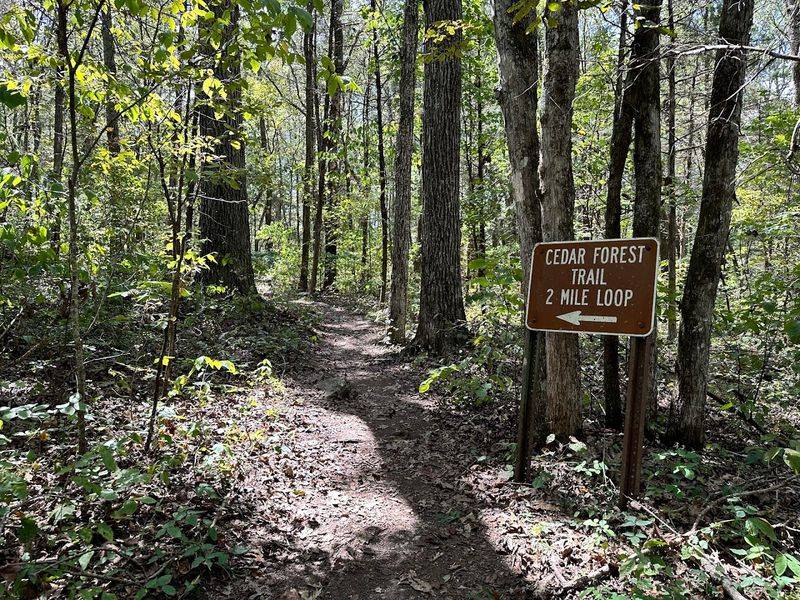
Named for the eastern red cedars that thrive in its limestone glades, this park protects a landscape unlike anywhere else in Tennessee. The cedar forests create an almost desert-like environment, with sparse understory and trees twisted by wind and time. Limestone outcrops poke through the soil, and sinkholes dot the terrain like craters on an alien planet.
The glades themselves are rare ecosystems, home to plants and animals found almost nowhere else. Walking through them feels like stepping onto a different continent, especially when the sun beats down and the cedars cast minimal shade. Wildflowers adapted to harsh conditions bloom in spring, adding unexpected color to the rocky ground.
Hiking trails loop through forest and glade, with interpretive signs explaining the unique geology and ecology. The terrain stays relatively flat, making it accessible for families and anyone looking for a less strenuous outing. But don’t mistake easy for boring—the landscape captivates in ways that steep mountain trails sometimes can’t.
The park also features a large campground, swimming pool, and group lodge built by the Civilian Conservation Corps. These amenities make it popular for reunions and scout groups, but the trails themselves rarely feel crowded. Most visitors stick to the developed areas, leaving the backcountry open for exploration.
Cedar glades represent one of Tennessee’s most threatened habitats, and seeing them up close drives home how fragile they are. Development has destroyed many, making the preserved areas here even more valuable. You’re not just visiting a park—you’re witnessing an ecosystem that exists on borrowed time.
Cedars of Lebanon reminds you that Tennessee’s diversity extends beyond mountains and rivers. Sometimes the most interesting places are the ones that don’t fit the expected mold.
9. Roan Mountain State Park
Straddling the Tennessee-North Carolina border, Roan Mountain rises over 6,000 feet and hosts one of the world’s largest natural rhododendron gardens. When the catawba rhododendrons bloom in mid-June, the mountain erupts in purple and pink, drawing visitors who make the pilgrimage just for that spectacle. But the park offers beauty year-round, not just during peak bloom.
The Appalachian Trail crosses through here, and section hikers often stop to resupply or rest their feet. The grassy balds at the summit provide 360-degree views that stretch across multiple states on clear days. Standing there, you understand why Cherokee people considered this mountain sacred.
Winter transforms Roan into a snowy wonderland, with cross-country skiing and snowshoeing replacing summer hiking. The elevation means reliable snow when lower elevations see only rain, and the quiet of a winter forest here runs soul-deep. Rime ice coats every branch, creating sculptures that last only until the sun breaks through.
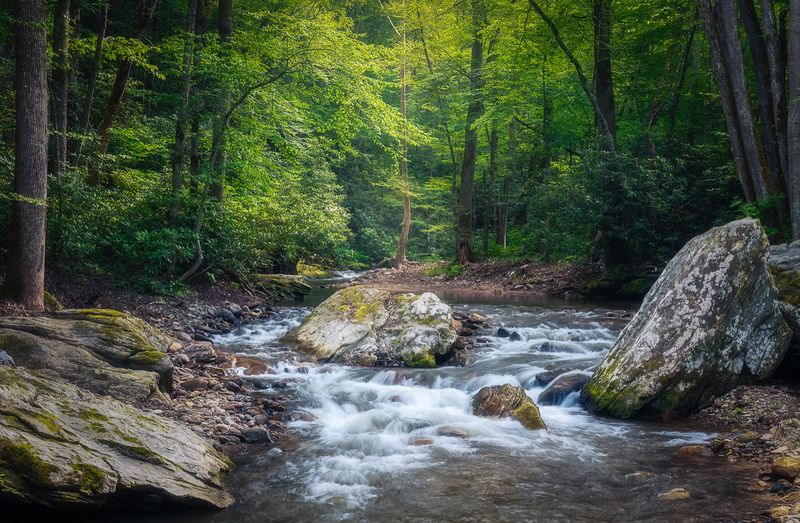
The park’s lower elevations feature a network of trails through hardwood forest and along mountain streams. Doe River flows through the valley, providing trout fishing that keeps anglers coming back. The developed campground offers comfort, while backcountry sites cater to those seeking solitude.
Mountain biking trails wind through the forest, with enough technical sections to challenge experienced riders. The elevation changes test your legs, but the views from the climbs justify every pedal stroke. Fall colors here rival anywhere in the state, with reds and golds so vivid they almost hurt to look at.
10. Natchez Trace State Park
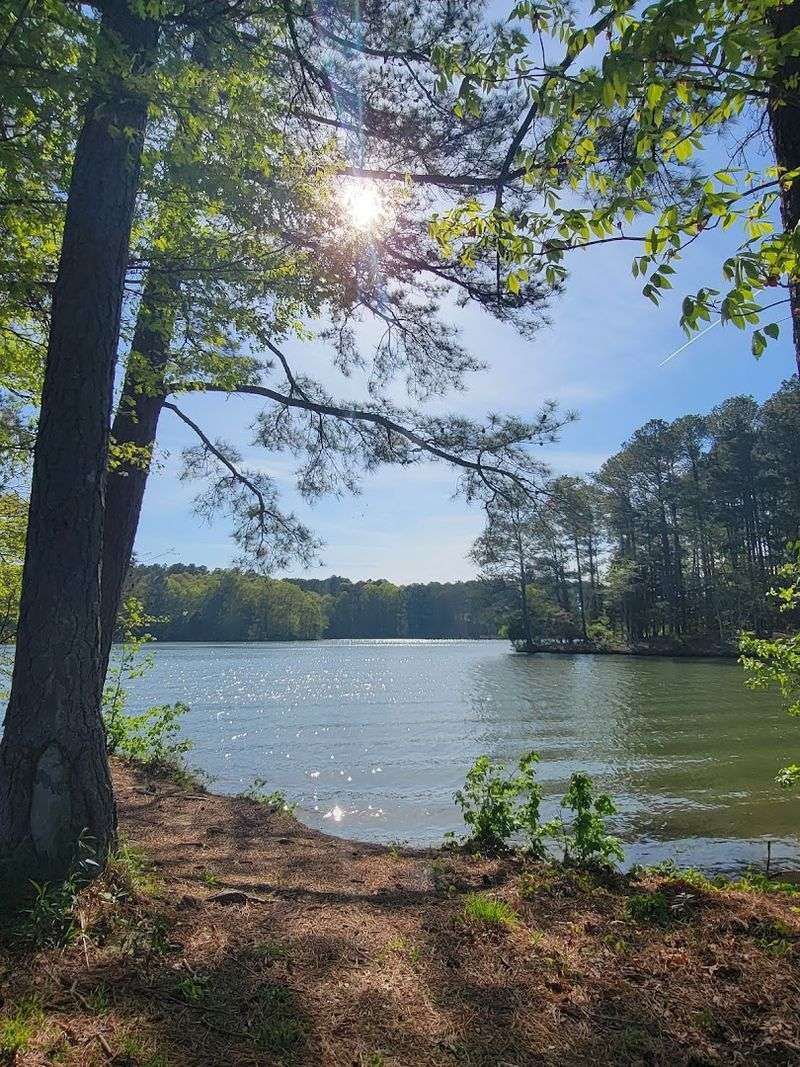
Covering over 48,000 acres in West Tennessee, Natchez Trace is the state’s largest state park and one of its least crowded. Four lakes dot the landscape, offering fishing, paddling, and swimming opportunities that spread visitors across enough water that solitude comes easy. The forests here differ from East Tennessee’s mountains, with bottomland hardwoods and pine stands creating a different kind of beauty.
The park takes its name from the historic Natchez Trace, an ancient path used by Native Americans and later by traders and settlers. Walking the trails here connects you to centuries of footsteps, even though the modern paths don’t always follow the exact historic route. History whispers through these woods if you’re willing to listen.
Horseback riding trails crisscross the park, with over 40 miles of paths open to equestrians. The gentle terrain makes it perfect for riders of all skill levels, and the quiet woods mean you’ll likely see deer, turkeys, and other wildlife. Bring your own horse or arrange a ride through nearby stables.
Pin Oak Lodge serves as the park’s centerpiece, offering rooms and cabins for those who want a roof over their heads. But tent camping and RV sites provide options for everyone, and the dispersed sites let you pitch camp in spots that feel truly remote. Waking to birdsong and mist rising off the lake beats any hotel alarm.
Mountain biking has grown here in recent years, with new trails adding technical features and flowy sections. The park hosts races that draw riders from across the region, but most days you’ll have the trails to yourself. The lack of steep climbs makes it accessible while still delivering enough challenge to keep things interesting.