Some buildings do more than shelter people — they absorb stories, carry grief, celebrate triumph, and outlast every person who ever walked through their doors. Michigan is full of structures like that, places where the architecture itself feels like a living record of everything the state has been through.
From gleaming Art Deco towers to crumbling industrial ruins, these five buildings hold more history than most textbooks dare to cover. If you want to understand Michigan, start by paying attention to what its walls have to say.
1. Guardian Building
Walk into the Guardian Building lobby for the first time and your jaw will drop before you even know why. The colors hit you first — burnt orange, turquoise, and gold Pewabic tile covering nearly every surface in patterns so detailed they look hand-painted.
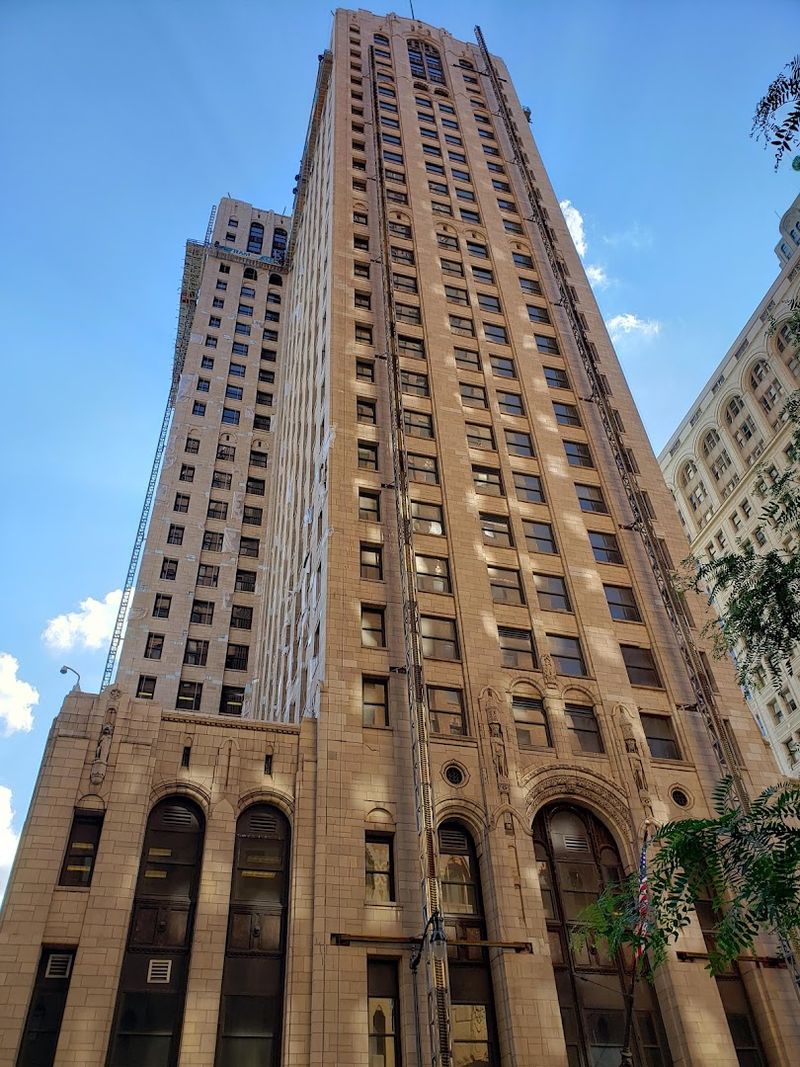
Built in 1929 and originally called the Union Trust Building, this Detroit landmark was nicknamed the “Cathedral of Finance” back when it first opened its doors to the city.
The building stands 40 stories tall and was completed just before the Great Depression changed everything. Architects Wirt Rowland designed it as a bold declaration of Detroit’s industrial power and wealth — a city at the top of the world, showing off.
Every mosaic, every vaulted ceiling, every brass fixture was chosen with obsessive precision. The result is something that feels less like an office building and more like a temple built to the idea of American ambition.
Today the Guardian Building operates as a mixed-use commercial space, and the lobby is open to the public during business hours. Guided tours are available and absolutely worth booking if you want to understand the full scale of what Rowland and his team pulled off.
Local art vendors occasionally set up inside, giving the space a living, breathing energy that honors rather than museums its past.
What makes this building hit differently than most historic landmarks is the contrast. Outside, Detroit’s streets carry decades of economic struggle.
Inside, the Guardian Building looks like it was finished yesterday. That tension between decay and brilliance is very much a Michigan story — and this building tells it better than anywhere else in the state.
2. Detroit Masonic Temple
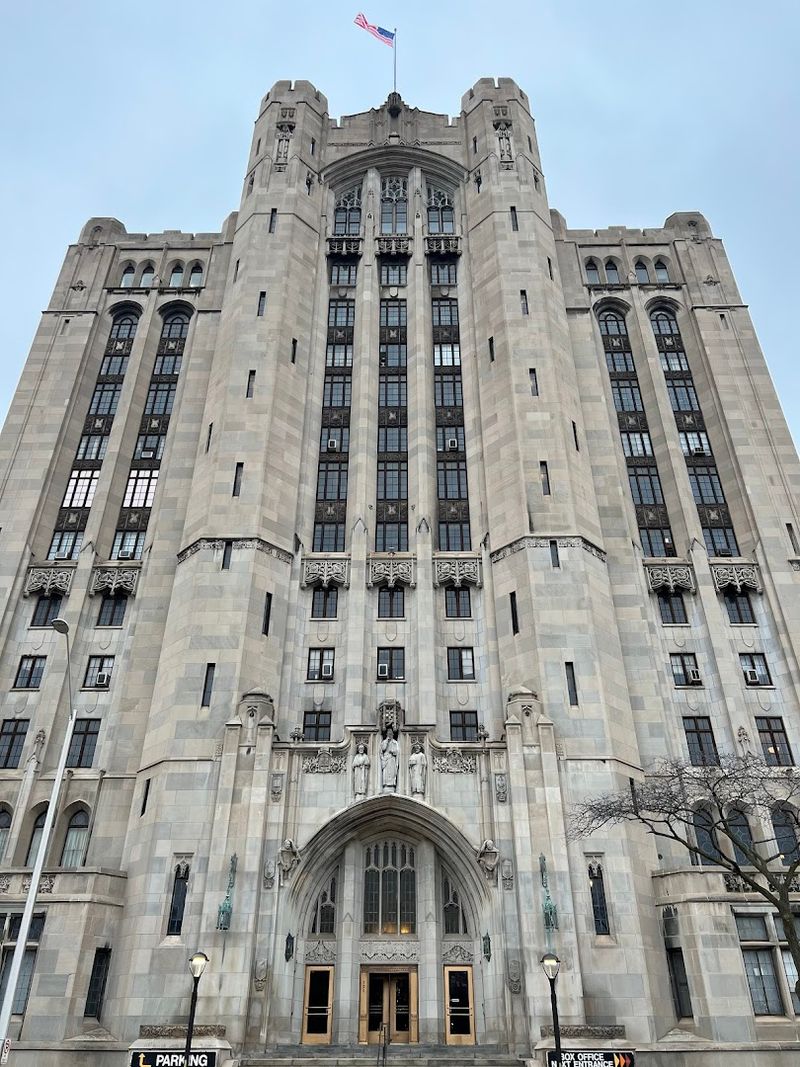
A hundred years old in 2026 and still one of the most jaw-dropping structures anywhere in the Midwest — the Detroit Masonic Temple is not a building you forget. Completed in 1926, it holds the title of the largest Masonic temple in the world, and walking through its corridors makes that claim feel completely believable.
The sheer scale of the place is almost disorienting, like stumbling into a city hidden inside a building.
Architect George Mason designed it with a Gothic-inspired exterior that looms over the Cass Corridor neighborhood like something out of a fairy tale gone slightly dark. Inside, the complexity multiplies fast.
There are ritual rooms layered with symbolism, a full theater that has hosted everyone from Prince to Jack White, multiple ballrooms, a hotel wing, and a drill hall large enough to park aircraft. Rumor — never fully confirmed — holds that the builder, George A.
Doehler, was buried somewhere within the structure after he died broke, having poured his personal fortune into finishing it.
The centennial year makes 2026 a particularly meaningful time to experience this place. Guided tours run regularly and cover areas of the building most visitors never see on their own.
Events happen here constantly — concerts, weddings, film shoots, and private gatherings that fill spaces designed for exactly that kind of gathering.
What the Masonic Temple carries in its walls is something harder to name than history — it’s more like atmosphere. The rooms feel like they’ve absorbed every secret ceremony, every emotional performance, every quiet conversation held in its hallways over a full century.
You don’t just visit this building. You feel it settle around you the moment you step inside, and that feeling stays with you long after you leave.
3. Packard Automotive Plant
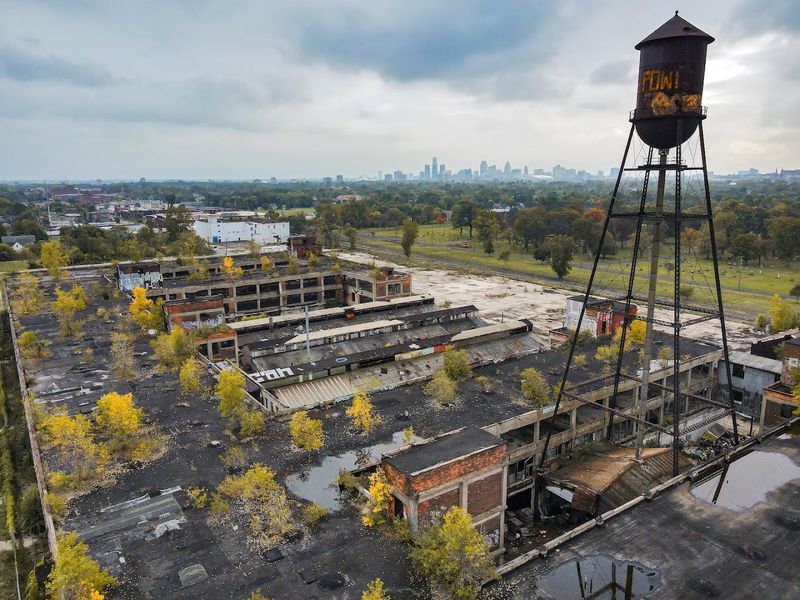
There is no other ruin in America quite like the Packard Automotive Plant, and by 2026, much of it no longer exists in the form that made it famous. Demolition has erased sections of the complex that once stretched across 3.5 million square feet on Detroit’s east side.
A redevelopment plan announced in late 2025, known as Packard Park, was halted by early 2026 after the city ended negotiations, leaving the site in an uncertain, unfinished state that feels appropriate for what this place represents.
Albert Kahn was hired in 1903 to design the plant, helping pioneer the reinforced-concrete factory style that changed industrial architecture. For decades, Packard produced some of the most celebrated luxury automobiles in American history.
The name meant prestige — doctors, politicians, executives, and celebrities drove these cars. Production ended in the late 1950s, and the building spent the next six decades collapsing into itself while the city around it struggled through its own version of the same story.
Photographers, urban explorers, and filmmakers came from around the world to document it.
Visiting the Packard site today is not a traditional tourist experience. It is not safe to wander through what remains, and large portions have been cleared.
But even driving past it, even seeing the footprint of what was there, communicates something no museum exhibit can fully replicate. This is what happens when industry leaves and no one catches the fall.
The Packard Plant matters to Michigan’s story because it refuses to be cleaned up into something comfortable. It is memory in the form of wreckage — the automobile age made physical, then unmade just as physically.
Detroit built the car that changed the world, and this crumbling lot is the honest, unsentimental receipt for that transaction. Some walls remember by standing.
These ones remember by falling.
4. Book Tower
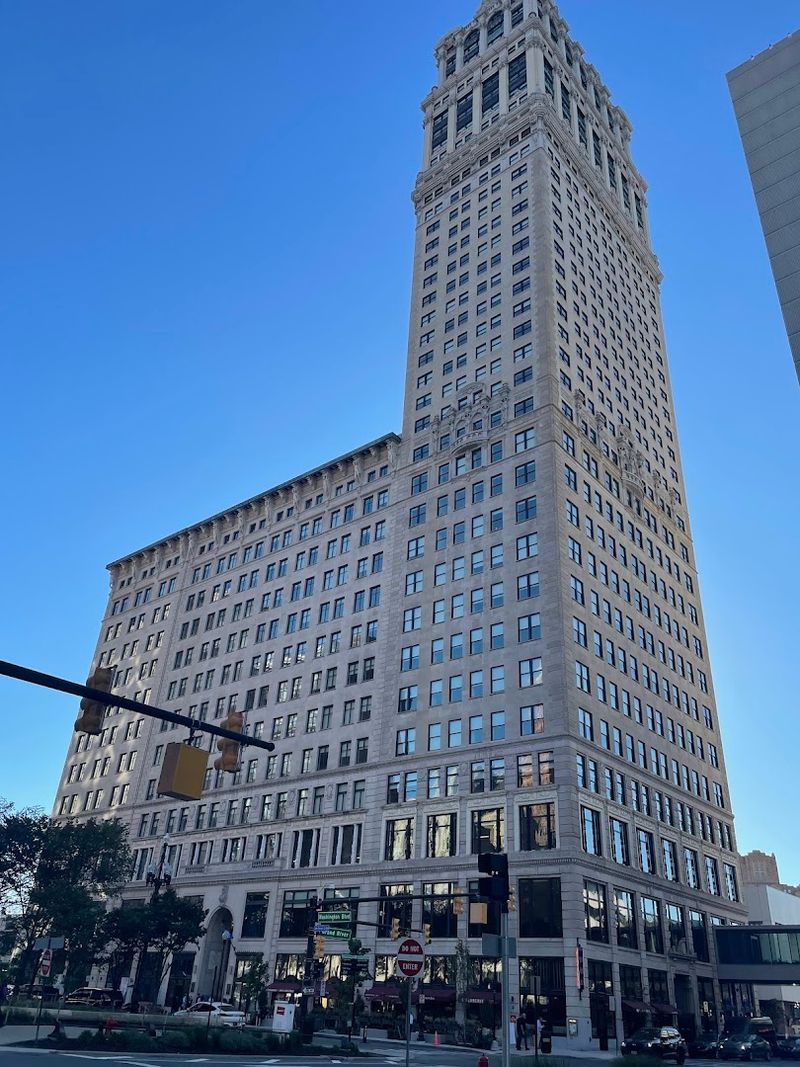
Spend five minutes reading about the Book Tower’s restoration and you’ll understand why Detroit people talk about it the way they do — with a mix of pride, relief, and the particular satisfaction of watching something come back from the dead. After sitting vacant for roughly two decades, the 38-story neo-Gothic tower reopened in 2023 following a restoration effort that cost more than $300 million.
It also marked its 100th anniversary in 2026, giving the city two reasons to celebrate at once.
Louis Kamper designed the Book Tower, and when it opened in 1926, it was one of the most sophisticated addresses in the entire region. Law firms, publishers, and businesses of all kinds filled its floors.
The building’s exterior is dense with carved stone ornamentation — griffins, gargoyles, and geometric flourishes that reward anyone patient enough to look up and actually study them. That level of craftsmanship was always there, even during the long years when the building sat dark and deteriorating.
The restored version now operates as a mixed-use building with residential apartments, a hotel, restaurant and dining options, retail space, and offices. The transformation preserved original architectural details while making the building functional for modern tenants, which is a genuinely difficult balance to strike.
Visitors can experience parts of it through the hotel and dining spaces without needing a key card or a lease.
What the Book Tower’s story captures is a very specific kind of Michigan stubbornness — the refusal to let beautiful things disappear entirely just because the economics got hard. A century of Detroit history passed through this building before it went quiet.
Now it’s awake again, and the walls that watched all of that are still standing, still ornate, still very much paying attention.
5. Michigan Central Station
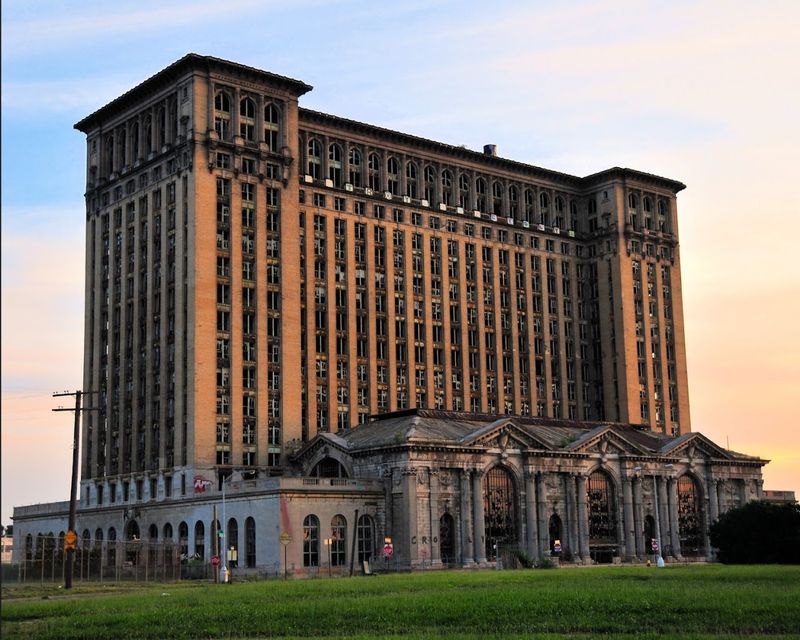
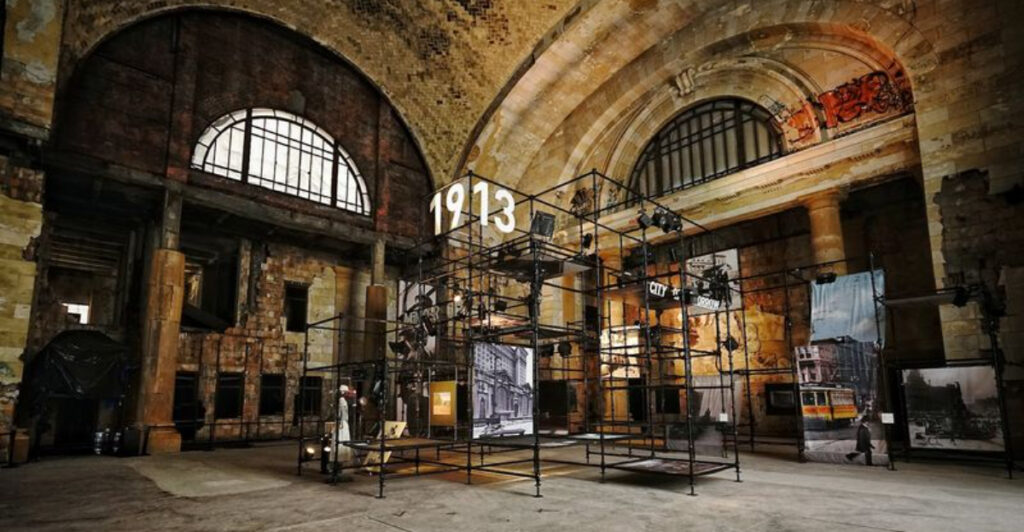
For thirty years, Michigan Central Station was the most photographed ruin in the United States — a Beaux-Arts colossus sitting empty in Corktown while the world watched and wondered what Detroit would do with it. The answer arrived in June 2024, when the station officially reopened after Ford Motor Company completed a massive, multi-year restoration that turned the building into the anchor of a new mobility and innovation district.
The comeback was a very long time coming, and it landed like a thunderclap.
Opened in 1913 and designed by the same firm responsible for Grand Central Terminal in New York, Michigan Central was once the grandest entry point into one of the most powerful industrial cities on earth. Passengers arrived here on their way to factory jobs, to family reunions, to new lives in a city that was building the future one automobile at a time.
When the last train departed in 1988, the station’s windows were smashed, its marble floors covered in debris, and its grand waiting room left to weather and birds.
The restored station is now home to Ford and a collection of tech and mobility companies working on transportation’s next chapter. Public programming, events, and community spaces make it accessible beyond just the businesses operating inside.
The waiting room — with its soaring ceilings and restored detail — is the kind of space that makes people stop talking mid-sentence just to take it in.
Michigan Central doesn’t just tell Michigan’s story — it holds the whole arc of it. Rise, collapse, abandonment, and then something rarer: an actual second act that didn’t require erasing what came before.
The walls here remember steam engines and broken glass and hard silence. Now they’re absorbing something new, and it feels earned.
Share this story