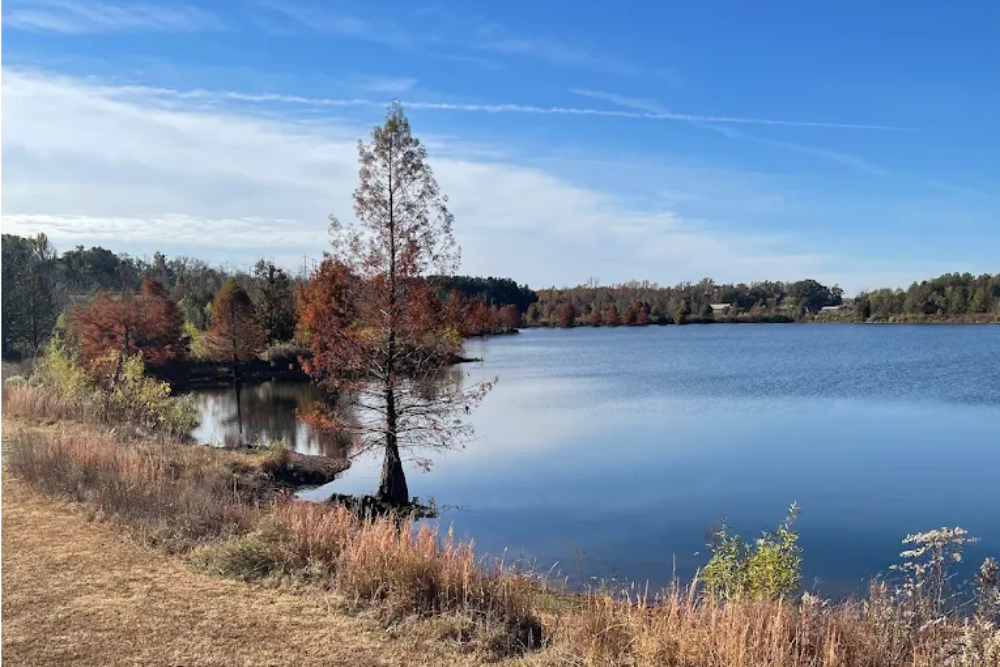
Arlington, Tennessee has become one of the fastest-growing communities in the Memphis metro area, yet it hasn’t sacrificed the warmth and character that make small towns special. Tucked into Shelby County, this town has seen its population jump from around 2,500 residents in 2000 to over 14,500 by 2020.
What makes Arlington stand out isn’t just the growth—it’s how the community has managed to expand while keeping its friendly, down-to-earth vibe intact, making it a rare find for families and professionals seeking both opportunity and genuine connection.
Arlington, Tennessee Is Growing Fast Without Losing Its Small-Town Soul
Population numbers tell one story, but walking through Arlington tells another. Between 2000 and 2020, the town’s population increased nearly sixfold, transforming from a quiet rural community into a thriving suburb. New subdivisions have popped up along the outskirts, schools have expanded, and commercial development has followed the families moving in.
Yet somehow, Arlington hasn’t turned into another cookie-cutter sprawl. The town has been intentional about preserving green spaces and maintaining its historic core. You’ll still find neighbors chatting at the local coffee shop, kids riding bikes through tree-lined streets, and community events that bring generations together.
Growth here doesn’t mean anonymity. Newcomers often mention how quickly they feel welcomed, how local businesses remember their names, and how the pace of life remains refreshingly unhurried despite the expansion. The town leadership has worked to balance development with character preservation, ensuring that new construction complements rather than overwhelms the existing fabric.
Schools have grown to accommodate the influx, but class sizes remain manageable. Parks have been added, not replaced. The infrastructure improvements have been smart rather than flashy, focusing on what residents actually need rather than chasing trends.
What’s driving this growth? Proximity to Memphis jobs combined with lower cost of living, excellent schools, and genuine community spirit create a compelling package. Young families find affordability and safety.
Remote workers discover space and peace. Retirees appreciate the slower pace without total isolation.
Arlington proves that growth and charm aren’t mutually exclusive. The town has figured out how to evolve without erasing what made it special in the first place, creating a blueprint that other suburbs might want to study.
Why This Memphis-Area Suburb Is Catching Everyone’s Attention
Real estate agents have noticed something interesting: people who visit Arlington tend to stop looking elsewhere. The town sits about 30 miles northeast of downtown Memphis, close enough for an easy commute but far enough to feel like a genuine escape from urban intensity.
Housing prices remain reasonable compared to many Nashville suburbs, giving buyers more square footage and yard space for their money. Newer developments offer modern amenities while established neighborhoods provide mature trees and established communities. The variety means first-time buyers and move-up families can both find options that fit.
School quality ranks high among the reasons families choose Arlington. The municipal school district serves local students with attention that larger districts struggle to match. Parents appreciate smaller class sizes, involved teachers, and a curriculum that balances academics with character development.
Safety statistics consistently place Arlington among the safest communities in the region. Low crime rates aren’t just numbers—they translate into kids playing outside until dusk, unlocked bikes in front yards, and neighbors who watch out for each other naturally rather than through surveillance systems.
The Memphis connection matters more than you might think. Residents can access big-city amenities, major employers, cultural events, and international airports without dealing with urban congestion daily. Weekend trips to Beale Street or the Memphis Zoo are easy, but coming home to quiet streets feels like a vacation.
Remote work has accelerated Arlington’s appeal. Professionals who no longer commute daily have discovered they can enjoy suburban tranquility while maintaining career momentum. High-speed internet reaches most areas, and coffee shops with good WiFi serve the work-from-anywhere crowd.
Word-of-mouth recommendations drive much of Arlington’s growth. Happy residents tell friends and family, creating organic expansion fueled by genuine satisfaction rather than marketing hype.
Stroll Through Arlington’s Local Shops, Boutiques, And Hidden Finds
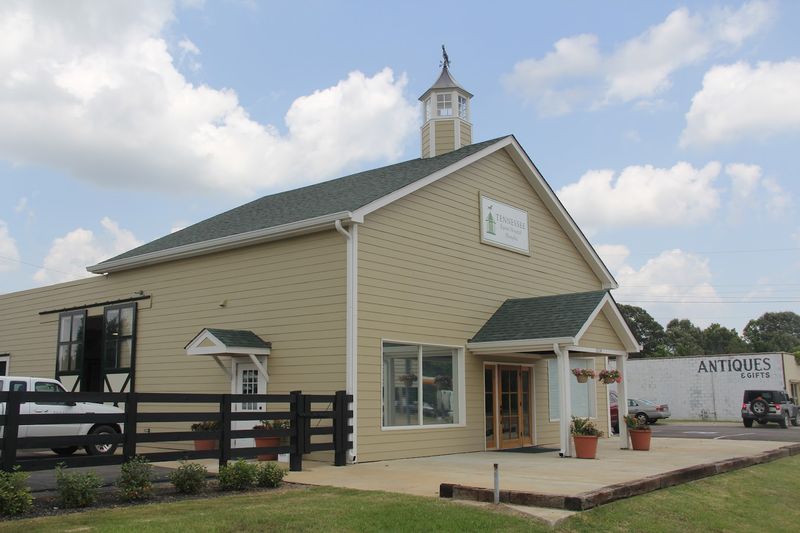
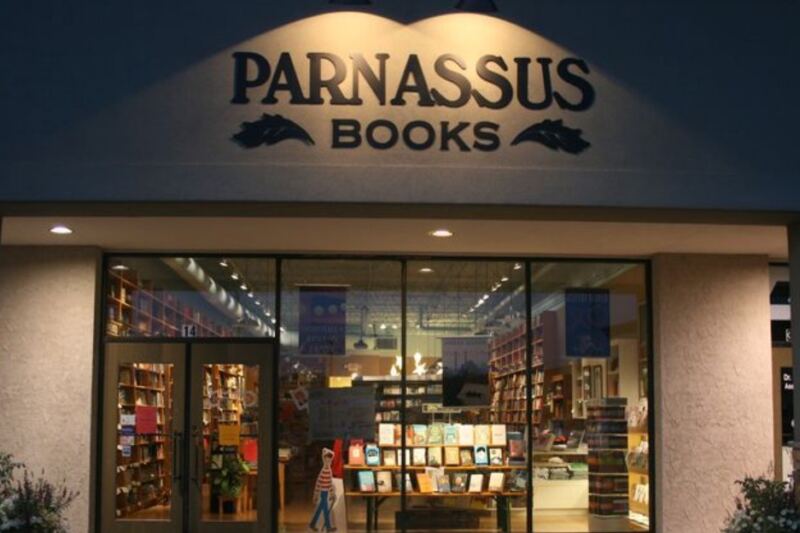
Big-box retailers haven’t taken over Arlington’s commercial landscape. Instead, locally-owned shops give the town a distinctive personality that chain stores never could. Downtown Arlington maintains that classic main street feel where storefront windows display handpicked merchandise rather than corporate-mandated displays.
Boutiques here cater to tastes that appreciate uniqueness over mass production. You’ll find clothing stores where the owner can tell you about each designer, gift shops that stock items from regional artisans, and specialty stores that focus on quality rather than quantity. Shopping becomes a leisurely activity rather than a rushed errand.
The antique and vintage scene attracts collectors from across the region. Several shops specialize in Southern antiques, from furniture to ephemera, offering treasures that tell stories about Tennessee’s past. Browsing these stores feels like exploring someone’s well-curated attic, with surprises around every corner.
Local entrepreneurs have filled niches that residents didn’t know they needed. A shop specializing in monogrammed gifts, a boutique focusing on natural skincare products, a store dedicated to home décor with Southern charm—each business reflects the owner’s passion rather than market research.
Seasonal events bring extra energy to the shopping district. Holiday markets, sidewalk sales, and special promotions turn shopping into community gatherings where you’re as likely to catch up with neighbors as you are to find bargains. Store owners know their regulars by name and remember preferences.
The absence of massive malls means shopping stays personal and manageable. You can cover the main shopping area on foot, popping into stores that catch your eye without navigating parking garages or overwhelming crowds. This scale makes shopping feel human-sized again.
Supporting local businesses here isn’t just a slogan—it’s how the community maintains its character and keeps money circulating locally, strengthening the economic ecosystem that makes small-town life sustainable.
The Food Scene Blends Southern Comfort With Local Flavor
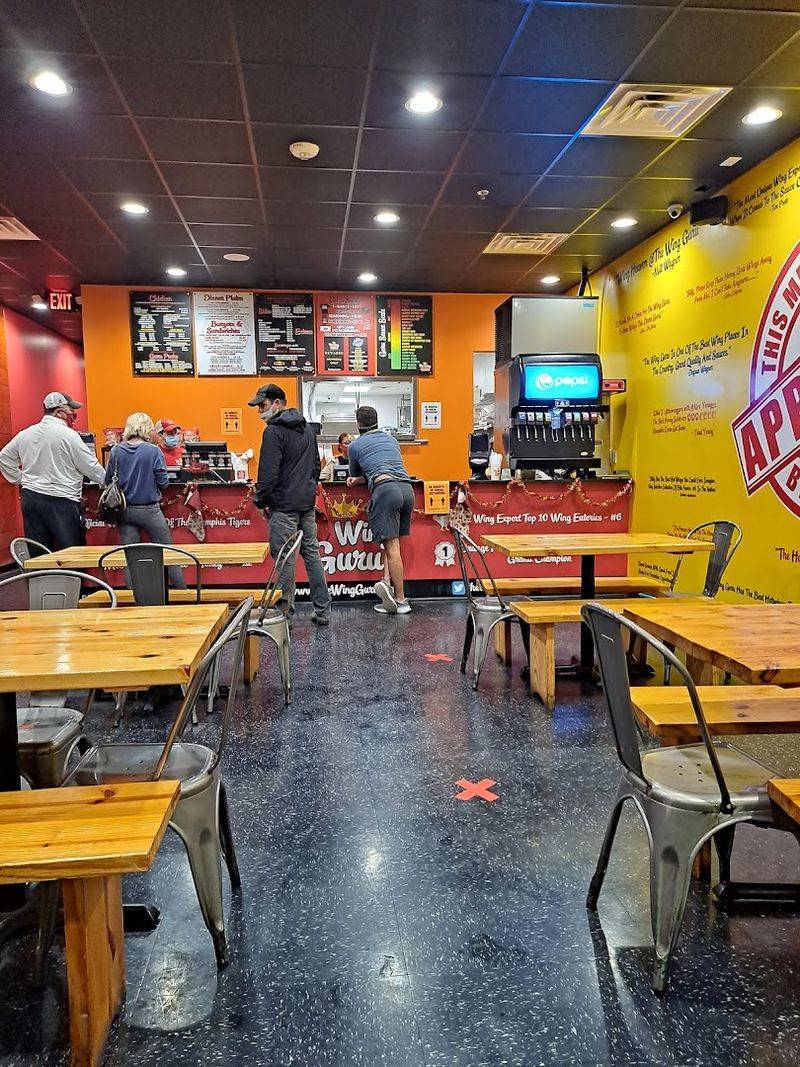
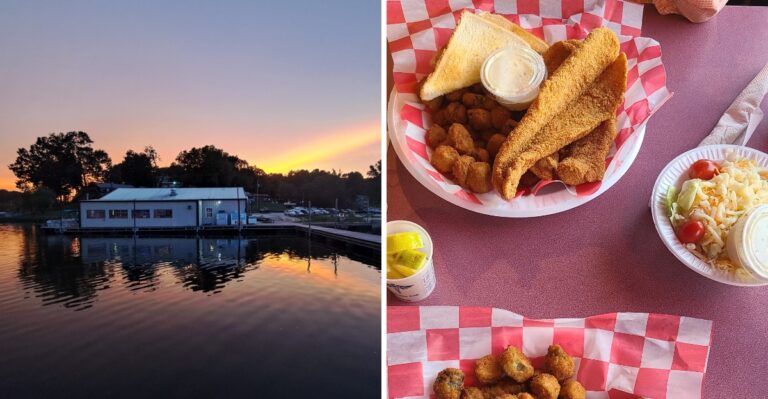
Arlington’s restaurants reflect the community’s personality: unpretentious, welcoming, and focused on doing the basics exceptionally well. You won’t find celebrity chef concepts or trendy fusion experiments here. Instead, expect honest cooking that prioritizes flavor and hospitality over Instagram-worthy plating.
Southern comfort food dominates menus because locals want it and restaurants execute it beautifully. Perfectly fried chicken with a crispy coating and juicy meat, barbecue that honors regional traditions, biscuits that could make a grandmother jealous—these staples appear across multiple establishments, each with their own signature touches. Competition raises quality rather than creating cookie-cutter sameness.
Family-owned restaurants anchor the dining scene. These establishments have built loyal followings through consistency and personal attention that corporate chains can’t replicate. Regulars have their usual tables and orders, but newcomers receive the same warm welcome and patient explanations of house specialties.
Breakfast and lunch spots thrive here, serving the community during peak gathering times. Morning coffee becomes a social ritual where locals catch up on news and gossip. Lunch crowds mix business meetings with family outings, creating a democratic atmosphere where everyone feels comfortable.
The food scene isn’t trying to compete with Memphis’s renowned barbecue or downtown’s upscale dining. Arlington restaurants understand their role: providing reliable, delicious meals in a comfortable setting where service feels genuine rather than scripted. This clarity of purpose shows in execution.
Several restaurants have become community institutions, hosting youth sports team celebrations, family milestone dinners, and informal business meetings. These establishments function as gathering spaces as much as dining venues, cementing their importance beyond just food quality.
Newer restaurants continue opening, but they follow the established template: focus on quality ingredients, generous portions, fair pricing, and service that makes customers feel valued. This consistency maintains Arlington’s culinary identity while allowing room for growth.
Historic Charm Gives Arlington More Character Than Your Average Suburb
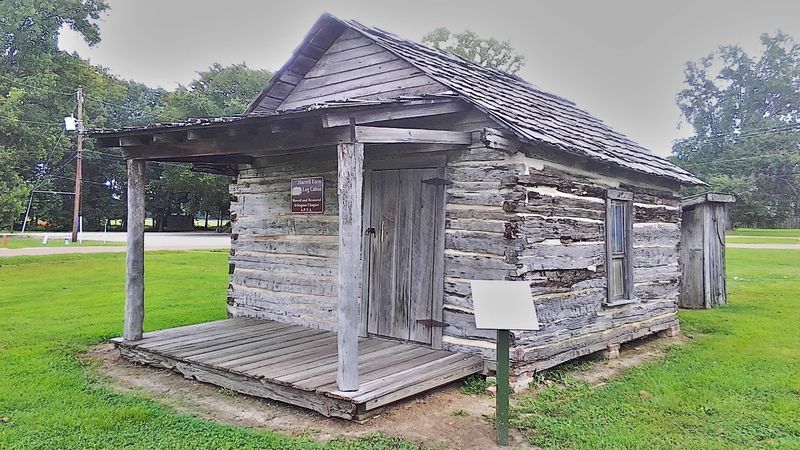
Walk through certain Arlington neighborhoods and you’ll encounter homes that predate the Civil War. These aren’t museum pieces behind velvet ropes—they’re living structures that families have maintained across generations, adapting interiors for modern life while preserving architectural integrity. This tangible connection to history distinguishes Arlington from suburbs built entirely in the past two decades.
The town incorporated twice, first as Haysville in 1878 and again as Arlington in 1900, reflecting the community’s evolving identity. This dual history adds layers to local lore, giving longtime residents stories to share and newcomers a sense of joining something with genuine roots.
Historic churches anchor several neighborhoods, their steeples visible from blocks away. These buildings serve active congregations while also functioning as architectural landmarks that orient residents and visitors. Their continued use demonstrates how Arlington values continuity rather than constantly replacing old with new.
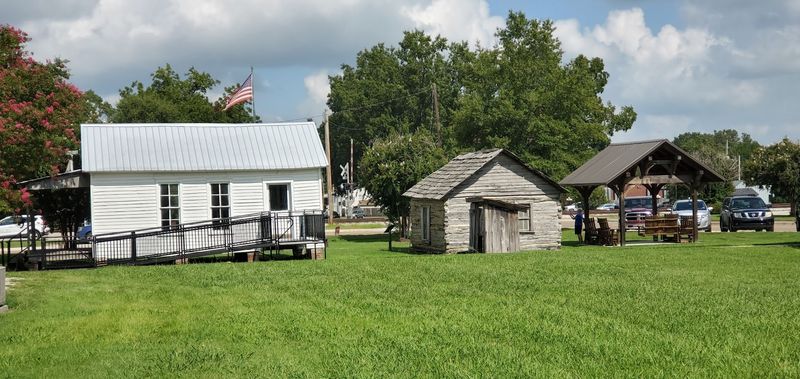
Preservation efforts balance respect for history with practical needs. When historic structures require updates, the community tends to favor adaptive reuse over demolition. An old schoolhouse might become community space, a historic home might house a business—solutions that honor the past while serving present needs.
The historic core influences newer development through design guidelines that encourage architectural compatibility. New construction often incorporates traditional elements like front porches, pitched roofs, and human-scale proportions, creating visual harmony between old and new.
This historic character isn’t about living in the past—it’s about maintaining connection to place and community over time. Arlington’s history gives residents a shared narrative, something increasingly rare in transient suburban environments where everyone arrived last Tuesday.
Parks, Community Events, And Family-Friendly Fun Keep Locals Connected
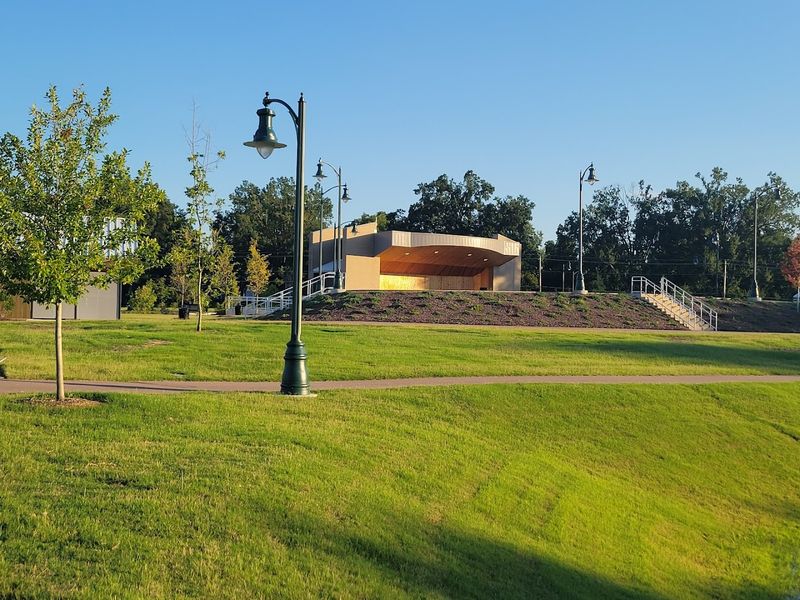
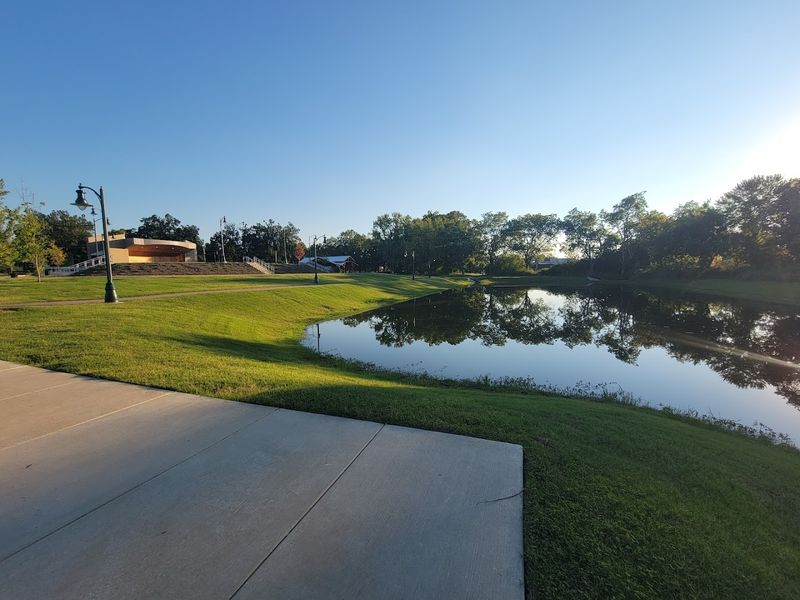
Arlington’s parks system punches above its weight for a town this size. Well-maintained facilities offer playgrounds, walking trails, sports fields, and picnic areas that see regular use rather than sitting empty. Families don’t need to drive to Memphis for outdoor recreation—local options meet most needs right in town.
Community events create regular opportunities for residents to mingle beyond chance encounters at the grocery store. Seasonal festivals, farmers markets, outdoor concerts, and holiday celebrations draw crowds that reflect Arlington’s demographic diversity. These gatherings feel inclusive rather than exclusive, welcoming longtime residents and newcomers equally.
Youth sports leagues thrive here, with baseball, softball, soccer, and other activities engaging hundreds of kids annually. Parents volunteer as coaches and organizers, creating networks of families who support each other beyond game days. These connections strengthen community bonds in ways that organized activities in larger cities often can’t replicate.
The town’s size makes events feel genuinely communal. You’ll likely recognize faces in the crowd, run into neighbors, and bump into your kid’s teacher. This familiarity breeds comfort and belonging, especially valuable for families new to the area seeking quick integration.
Parks serve as outdoor living rooms where informal gatherings happen spontaneously. Weekend mornings bring joggers, dog walkers, and families to shared spaces where casual conversations spark friendships. These unstructured interactions build social capital that formal events can’t fully achieve.
Community center programming offers activities for all ages, from children’s story time to senior fitness classes. These programs recognize that community health depends on engaging residents across the life spectrum, not just focusing on one demographic.
Volunteer opportunities abound for those wanting deeper involvement. Park cleanups, event committees, youth mentoring, and civic organizations need willing hands, and Arlington residents consistently step up. This participation isn’t just admirable—it’s what maintains the small-town feel that attracted people here initially.
Arlington Feels Like A Peaceful Escape Just Minutes From Memphis
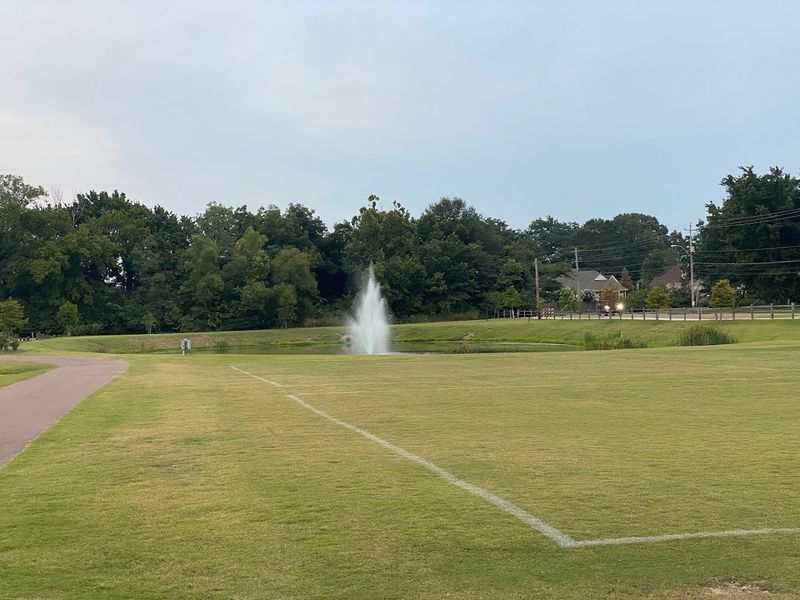
The commute from Arlington to Memphis takes 30 to 40 minutes depending on your destination and traffic patterns. This distance creates a psychological buffer that transforms the drive home into a decompression ritual. You leave urban energy behind and arrive in a place where the pace naturally slows.
Traffic congestion rarely plagues Arlington itself. Rush hour means a few extra cars at the main intersection, not gridlock and honking. This absence of traffic stress contributes significantly to quality of life, saving time and reducing daily frustration that urban residents accept as normal.
Night skies in Arlington actually get dark. Without dense light pollution, stars become visible on clear evenings, reminding residents of natural rhythms that city dwellers often forget. This darkness also means better sleep for many, as bedrooms aren’t constantly illuminated by streetlights and passing headlights.
Sound levels drop noticeably compared to urban environments. Instead of constant traffic noise, sirens, and urban hum, Arlington offers crickets, birds, and the occasional distant lawnmower. This quieter soundscape reduces stress and allows genuine relaxation at home.
The proximity to Memphis means Arlington residents enjoy the best of both worlds. Need a major airport? Twenty-five minutes to Memphis International. Want to catch a Grizzlies game or visit world-class museums? Easy evening trip. Craving specific ethnic cuisine or specialty shopping? Memphis delivers. But daily life happens in Arlington’s calmer environment.
Property sizes in Arlington typically exceed what comparable money buys in Memphis proper. Larger yards mean space for gardens, play areas, and outdoor living that urban lots can’t accommodate. This space contributes to the small-town feel—houses aren’t crammed together, and everyone has breathing room.
Remote workers particularly appreciate this balance. They can maintain professional connections to Memphis employers or clients while enjoying a living environment that supports work-life balance. The commute becomes optional rather than mandatory, fundamentally changing how they experience both work and home.
Share this story