Indiana is full of beautiful lakes and recreation areas, but few come with a backstory as intriguing as Salamonie Lake. Created by a massive flood-control project, this popular outdoor destination hides a fascinating history beneath its waters, including the remains of a former community and a long-lost bridge that disappeared when the reservoir was formed.
Today, visitors come for boating, fishing, hiking, camping, and scenic views, but the stories tied to the landscape add another layer of appeal. If you’re looking for an Indiana getaway that combines outdoor adventure with a touch of mystery, Salamonie Lake stands apart.
Where the Reservoir Opens Up All at Once
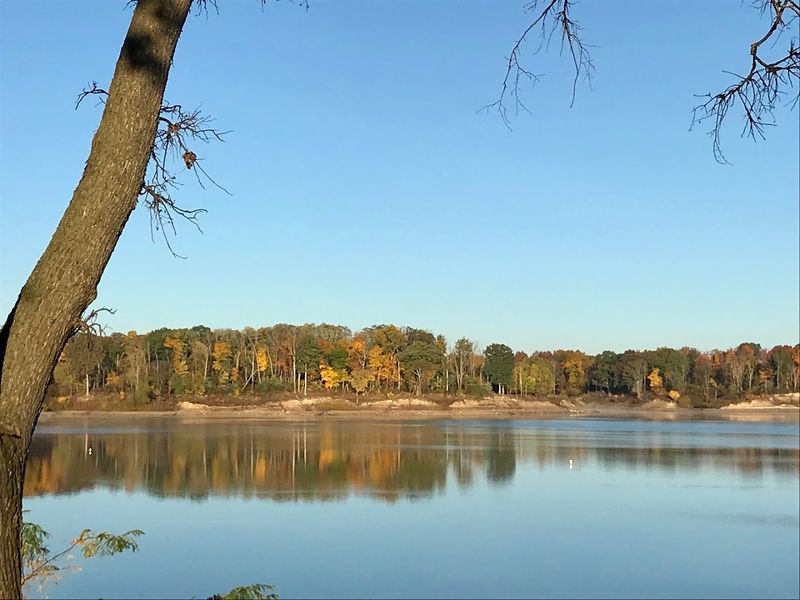
Salamonie Lake does not ease into view. It arrives as a broad sweep of reservoir water framed by wooded slopes, boat wakes, and changing light that can make the shoreline look silver one minute and dark green the next.
That scale is the first surprise, especially in this part of Indiana, where many people expect flatter scenery and smaller water.
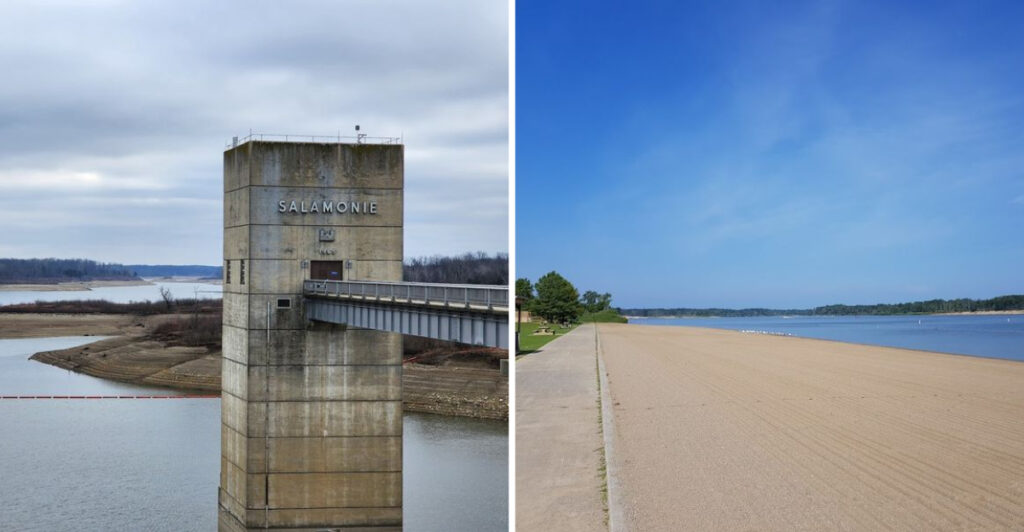
The recreation area spreads out in a way that gives you options instead of a single postcard angle. You can stand near the dam and get the big engineered drama of the place, then drive a short distance and find quieter pockets where trees lean toward the bank and coves soften the whole scene.
That contrast gives the lake real character. Even on a busy day, the setting is visually layered rather than crowded.
Open water draws pontoons and fishing boats, while the edges hold more intimate details such as rock, drift, low branches, and the occasional patch of stillness where reflections settle in. It is a place built for scanning the horizon and then narrowing your focus.
Because Salamonie is a reservoir, the waterline can shift with season and conditions, which changes how the shore reads from one visit to the next.
Mud flats, exposed rock, and different shoreline contours can appear or disappear, making the same overlook feel slightly rewritten. That gives repeat visits more interest than a fixed lake basin.
The strongest first impression is not raw wilderness. It is a mix of managed landscape, useful infrastructure, and genuine natural beauty that works better than those ingredients sound on paper.
Salamonie Lake looks big, active, and a little mysterious, which is exactly the right setup for a place tied to lost roads, drowned landmarks, and a name that already hints at what lies below.
Lost Bridge Road and the Story Beneath the Water
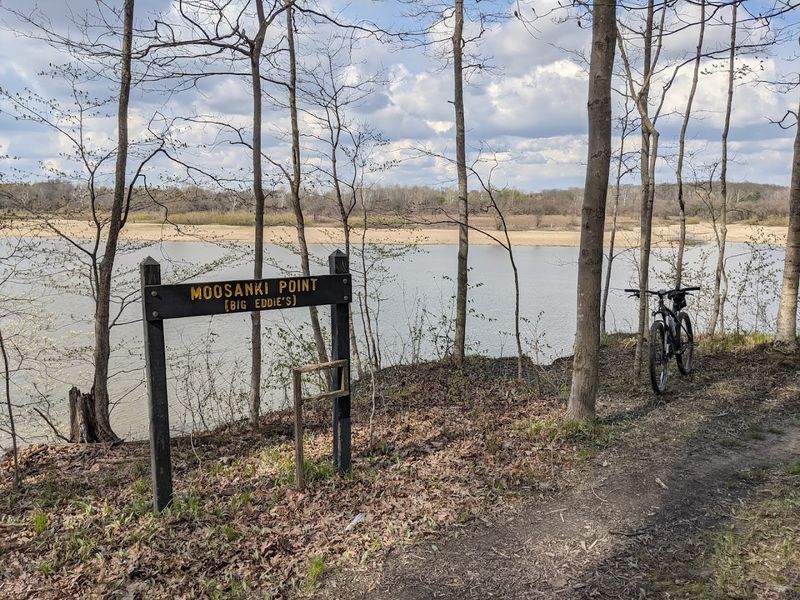
Plenty of lakes have decent scenery. Far fewer come with a name like Lost Bridge Road, which instantly gives Salamonie Lake a more curious edge.
This is not just a place to launch a boat or claim a campsite. It is also a landscape shaped by what had to disappear for the reservoir to exist.
The title of the place around you points toward a submerged past, including the memory of a bridge and a town site now associated with the lake beneath or near the waterline. You do not need dramatic legends to make that compelling.
The simple fact that roads, crossings, and lived-in ground were altered by flood control and reservoir construction is enough to change the way you look across the surface.
That history does not announce itself with constant signage or theatrical interpretation at every turn. Instead, it works like a low background note.
When you drive Lost Bridge Road, stop at an overlook, or watch the reservoir stretch across what was once a very different valley, the setting gains depth beyond recreation.
There is a distinctly Midwestern kind of melancholy in that transformation. The land was not abandoned for romance or ruin tourism.
It was repurposed, engineered, and folded into public use, which makes the story more practical and more haunting at the same time. A ghost town here is less spectacle than consequence.
That is one reason Salamonie stands out from many state park style destinations. The lake is enjoyable on the surface, but the name keeps nudging your attention downward and backward.
You are not only looking at water. You are looking at a changed map, a vanished crossing, and a recreation area that carries its own backstory in plain sight.
Indiana Trails That Keep Changing the Mood
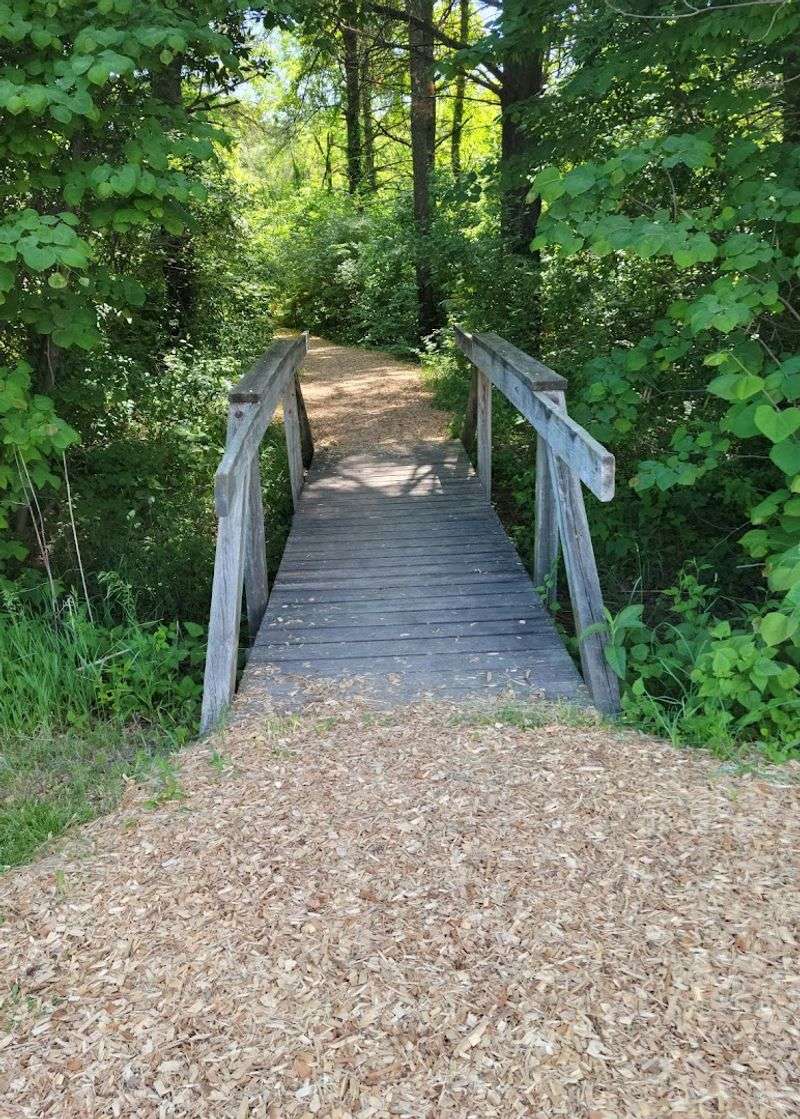
Salamonie Lake gets more interesting once you leave the shoreline and start following its trail network. The hiking experience here is not one single mood repeated for miles.
Instead, paths shift between woods, water views, field edges, and ravines, so the landscape keeps rearranging itself as you move.
Bloodroot Trail is one of the names that comes up often, and for good reason. It offers long stretches that can feel quiet and open, with relatively gentle terrain in places, yet the setting still changes enough to avoid that repetitive rail-trail monotony.
In cooler seasons, the lack of mud or bugs can make it especially inviting for a longer walk. Three Falls Trail adds a different flavor. It is the route people tend to associate with more dramatic topography and those satisfying moments when a trail suddenly drops into a shaded fold of land.
Waterfall expectations should stay realistic and seasonal, but even when flow is light, the terrain itself gives the route a distinct personality.
There is also a practical side to Salamonie hiking that matters. Some sections run beside farm fields where shade thins out, and that exposure can make heat feel sharper than you expect.
Carrying enough water and treating the route as more varied than it first appears is simply smart planning here. The broader point is that Salamonie is not a one-trail park with one scenic trick.
It offers a collection of outdoor rhythms, from flatter rambles to more textured routes, plus mountain biking terrain in the area for riders who want a faster line through the woods.
For northeast Indiana, that mix gives the property a noticeably deeper recreational bench than many casual day trippers would assume.
Best Seen from the Water, Not Just Beside It
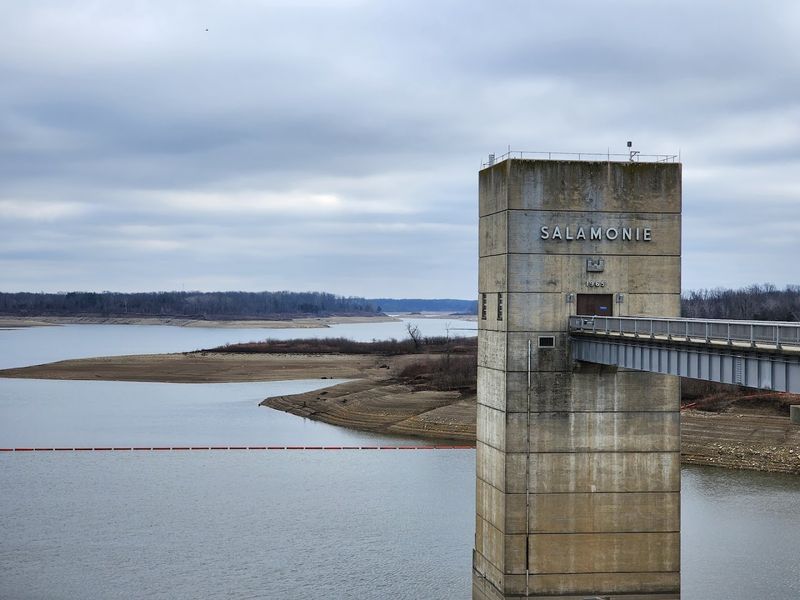
Standing on shore gives you scale, but getting onto the water explains how Salamonie Lake really functions. The reservoir opens into coves, channels, and longer stretches that reveal how much of the place is designed around movement.
Boats do not just decorate the view here. They are one of the clearest ways to understand the lake’s layout. A pontoon day makes particular sense at Salamonie because the experience is less about speed and more about drifting through changing scenery.
You pass wooded banks, open reaches, and bridge views that break up the ride without turning it into a long navigation project. There are spots where swimming off the boat becomes part of the appeal when weather cooperates.
The marina adds to that accessibility. Instead of feeling remote or intimidating, the boating side of the park has a practical, usable quality that suits families, casual renters, and people who want a full day outside without acting like expert anglers or serious sailors.
Salamonie invites a broad middle ground of recreation, and that makes it more versatile. Fishing also fits naturally into the reservoir’s personality, whether from bank areas, coves, or by boat.
The lake and connected waters attract people looking for a quieter pace, while smaller nearby ponds add another layer for those who like to explore beyond the main body.
Wildlife sightlines can become part of the outing too, especially around calmer edges. The strongest water-based appeal is variety.
One hour can include a long look at the dam, a slow pass by bridge crossings, and a break in a protected cove where the noise drops and the shoreline closes in.
That shift from open exposure to tucked-away calm is why Salamonie works so well as a reservoir you experience in motion, not merely as a backdrop.
Raptors, Quiet Woods, and the Nature Center Reset
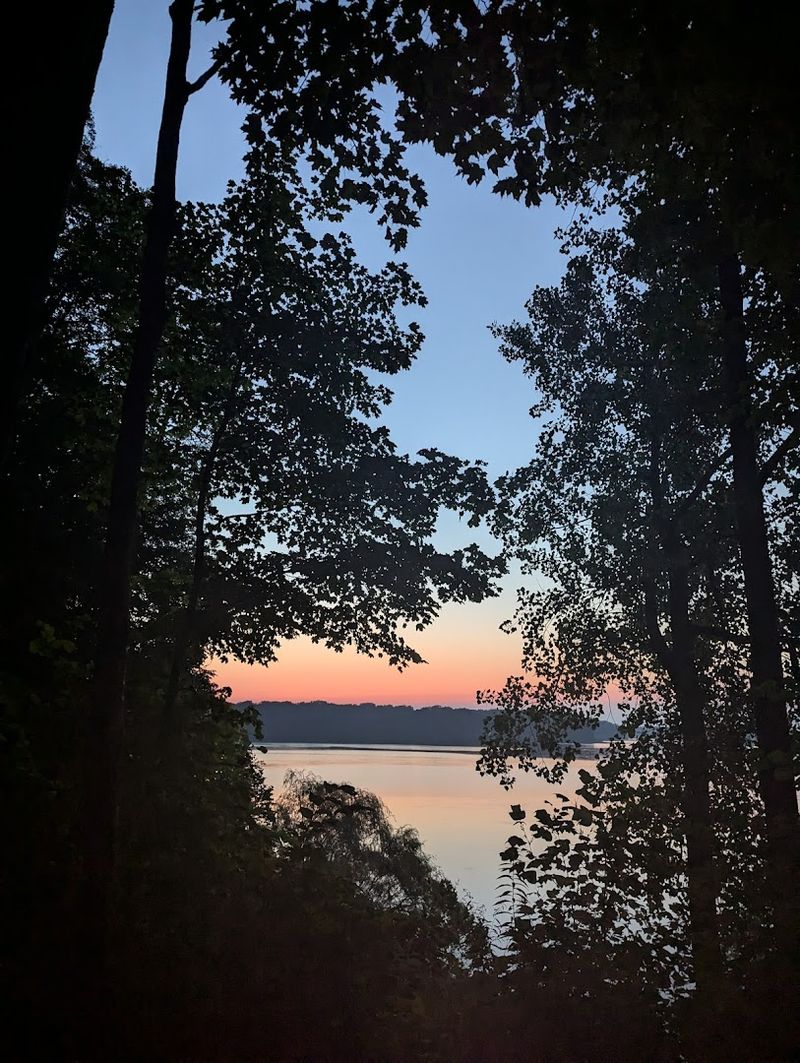
Not every memorable part of Salamonie Lake depends on distance, speed, or a dramatic overlook. One of the most useful shifts in pace comes at the nature center and interpretive side of the property, where the focus turns from broad recreation to close observation.
That reset matters, especially if your day has been full of trail miles, beach noise, or boat traffic. The center gives the lake context through exhibits and educational programming, helping tie together the wildlife, the terrain, and the habits of the surrounding ecosystem.
Rather than serving as an afterthought, it functions as a bridge between a casual visit and a more informed one. You leave with a clearer read on what you are seeing outdoors.
The raptor component is a standout. Birds of prey always sharpen attention, and seeing them connected to the park experience adds a different kind of energy than a scenic drive or a shoreline walk.
It pulls your eyes upward and reminds you that Salamonie is not only about the water level or the campground map. Outside, the quieter sections of the property make that educational angle feel immediate.
Deer sightings, turtles, frogs, and seasonal woodland changes are part of the natural rhythm here, especially if you slow down instead of treating the park as a checklist.
Even a simple tree-focused trail or short woodland path can become more interesting once you know what details to watch for.
This side of Salamonie broadens the audience in a smart way. Families with kids, casual hikers, and longtime outdoors people can all get something useful from it without needing specialized gear or a full-day commitment.
In a recreation area with beaches, bikes, boats, and campgrounds, the nature center keeps the place from becoming one-dimensional. It gives the landscape a little more meaning and a little more texture.
Camping, Beach Time, and the Practical Side of Staying Over
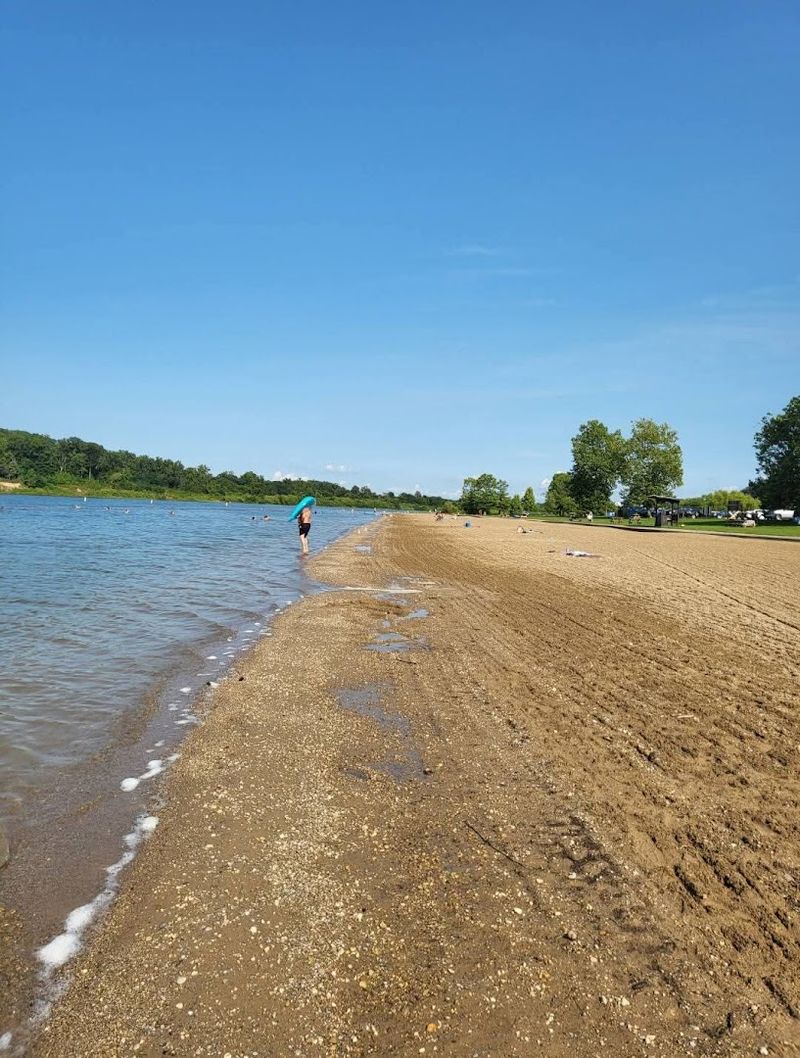
Salamonie Lake works well as a day trip, but the place starts to show more range when you stay overnight. Camping spreads the experience across different hours, which means early water views, quieter trail windows, and evenings that feel separate from the daytime boat traffic.
That longer rhythm suits the property. The campgrounds appear to offer a mix of setups, including areas with decent spacing and a horsemen’s campground that adds another dimension to the park’s outdoor culture.
That variety is useful because Salamonie is not trying to serve one single crowd. Families, hikers, horseback riders, and lake-focused campers can all plug into the place a little differently.
The beach adds a more classic summer layer. It gives the reservoir a social center where swimming and shoreline lounging become the point, not just extras attached to fishing or hiking.
On warm weekends, that area can shift the mood from quiet woods to active family recreation in a matter of minutes.
Practical expectations matter here. Some amenities may vary by season or area, and anyone planning a trail-heavy day should not assume every building will be open for refills or restrooms at all times.
A little self-sufficiency goes a long way, especially in winter or on longer routes away from the main developed zones.
There is also the basic reality of any popular public outdoor area: your experience can depend on timing and neighboring behavior. Busy periods may bring more noise, more shoreline activity, and the occasional mess left behind by less considerate users.
Even with that, Salamonie remains appealing because the property is large enough to offer multiple ways to shape your stay. Camp near the woods, claim an earlier start, and use the size of the park to your advantage instead of expecting one single perfect pocket all day.
How to Time Salamonie Lake for the Best Version of It
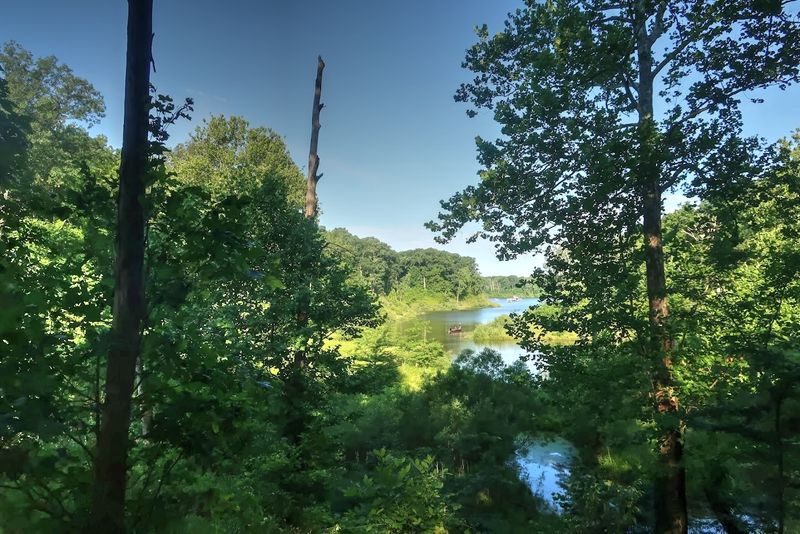
Salamonie Lake is open around the clock, and that flexibility is more important than it sounds. A place with this many personalities changes dramatically with light, temperature, and crowd level.
If you want the sharpest version of it, timing is not a small detail. It is part of the experience. Early morning is hard to beat for the dam views and the calmer edges of the reservoir.
The water often looks smoother, the air is cooler, and the whole property reads more clearly before boats and beach traffic begin to rearrange the soundscape.
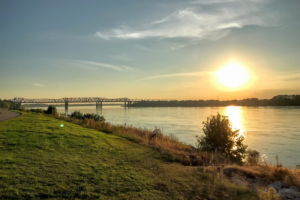
Sunrise around the lake can turn practical infrastructure into something unexpectedly cinematic. Spring and fall are especially strong if hiking is the priority.
Cooler conditions make exposed stretches more comfortable, wooded routes more inviting, and long walks easier to enjoy without battling the full weight of summer heat.
Seasonal water levels and recent rain can also change how features such as small falls or muddy edges present themselves.
Summer brings the broadest menu. Beach time, boating, camping, and marina activity all come alive, which is great if you want energy and options in one place.
It also means you should plan with intention, choosing earlier starts or less central areas if your goal is more space and less noise.
Winter strips the property down in an appealing way. Trails can feel quieter, views stretch farther through bare trees, and the engineered bones of the reservoir stand out more plainly.
In every season, Salamonie succeeds because it gives you more than one way to use it: scenic drive, serious hike, educational stop, family swim, overnight camp, or a long look across a lake named for what disappeared to create it. That final layer of history is what keeps this Indiana recreation area from blending into the background.
The Moment You Realize an Entire Landscape Was Rewritten
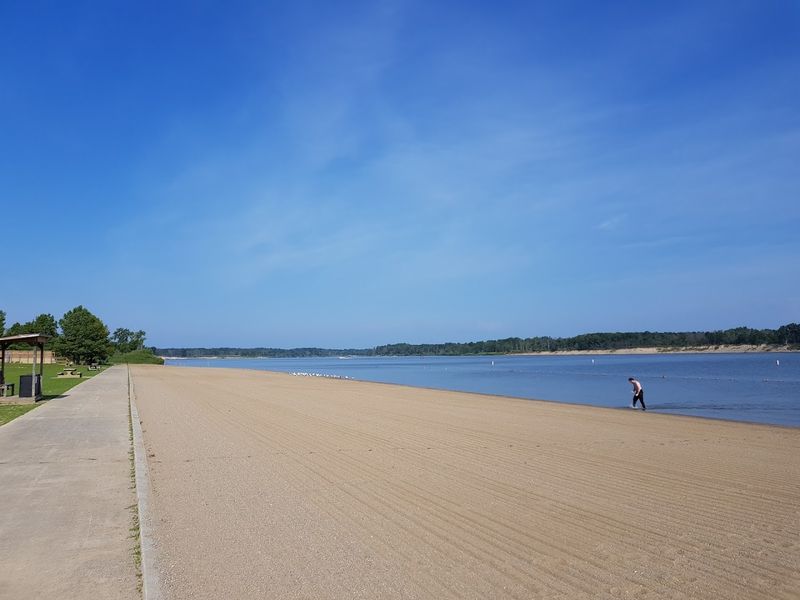
One of the most interesting things about Salamonie Lake is that the history does not stay confined to a plaque or a paragraph.
At some point during the visit, usually while looking across a wide stretch of water, it becomes easier to picture what existed before the reservoir arrived.
The valleys, roads, crossings, and communities that once occupied this landscape did not simply fade away. They were reshaped when the flood-control project created the lake, leaving behind traces that survive mostly in local memory, place names, and stories.
That reality gives the scenery a different emotional texture than many recreation areas possess. Lost Bridge Road is part of that effect.
The name acts as a reminder that the lake is not only a natural-looking destination but also a transformed landscape. Every overlook becomes a viewpoint onto a place that once looked entirely different, with transportation routes and daily routines now hidden beneath the water or altered beyond recognition.
What makes the experience compelling is how subtle it feels. There are no dramatic ruins emerging from the reservoir and no theatrical ghost-town attractions competing for attention.
Instead, the history works quietly in the background, encouraging visitors to think about change, adaptation, and the way infrastructure can permanently rewrite a map. It invites a kind of reflection that many outdoor destinations never quite achieve.
That perspective deepens the visit. Fishing, boating, hiking, and camping remain the primary attractions, but the hidden story adds another layer.
Salamonie Lake becomes more than a recreation area. It becomes a place where the landscape itself tells a story about what was sacrificed, what was gained, and how an entire corner of Indiana was reshaped beneath the surface.
The result is a destination that feels both recreational and historical at the same time, giving visitors more to think about long after they leave the shoreline behind.
Share this story