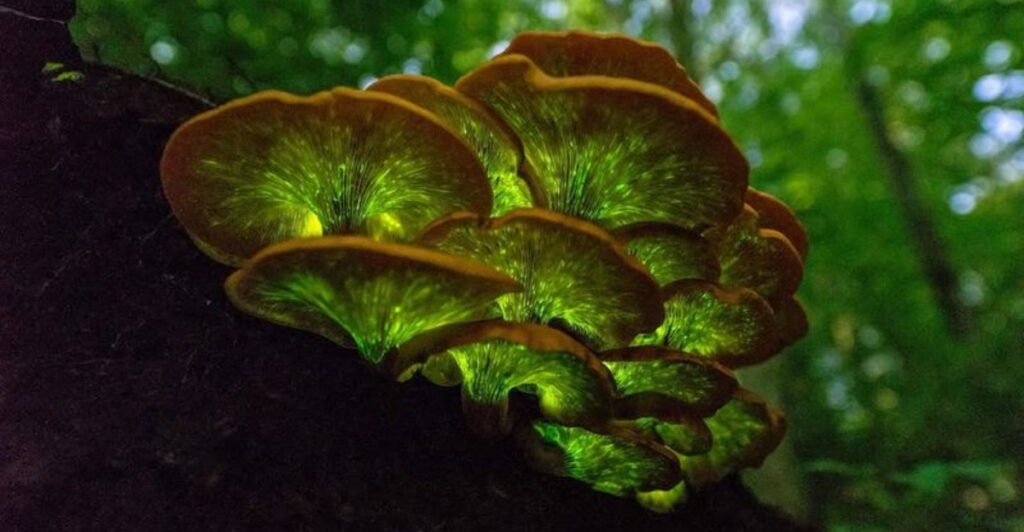
Pennsylvania forests hide a mushroom that looks festive by day and eerily glows at night. The jack-o-lantern mushroom is beautiful, surprising, and dangerous if you mistake it for something edible. Found growing on decaying wood and forest floors, it often catches the attention of hikers with its vivid orange color long before the sun goes down. After dark, however, it reveals its most remarkable trait—a faint greenish glow that has fascinated nature lovers for generations.
If you love strange nature stories, this is one of those discoveries that makes an ordinary walk in the woods feel unforgettable. Here’s what makes this glowing Pennsylvania fungus so fascinating, and why you should admire it from a safe distance.
1. Meet Pennsylvania’s Jack-o-Lantern Mushroom
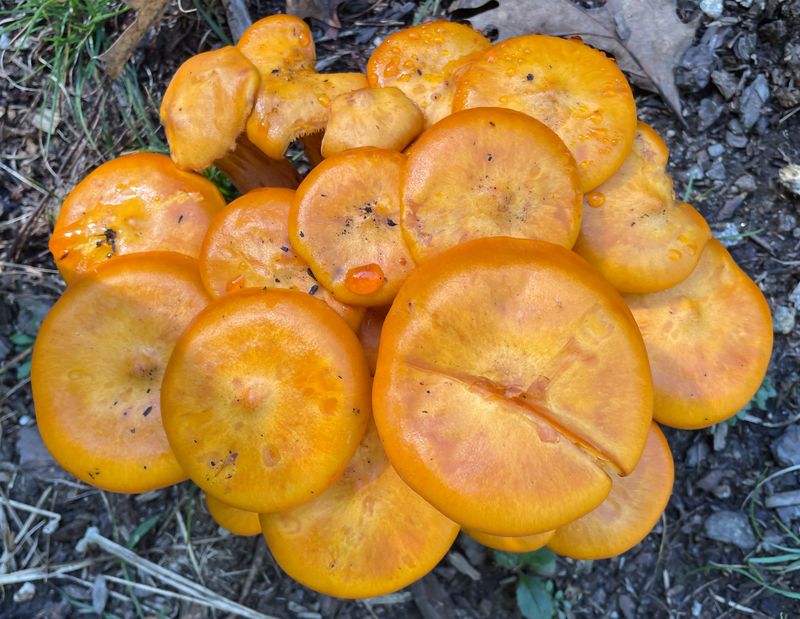
If you wander through Pennsylvania woods in late summer or fall, you might spot a bright orange mushroom glowing with personality long before sunset.
This is the jack-o-lantern mushroom, a striking fungus known for its pumpkin-like color and its faint natural bioluminescence.
It looks magical, but it is not a friendly forest snack.
In Pennsylvania, these mushrooms usually grow in clusters on decaying wood, roots, or buried stumps.
That growth pattern helps separate them from edible chanterelles, though the color can fool people at a quick glance.
If you are foraging, that difference matters more than you might think.
The jack-o-lantern mushroom is poisonous and can cause severe gastrointestinal distress when eaten.
So while it is one of the state’s coolest natural oddities, it is best appreciated with your eyes only.
Sometimes the most unforgettable Pennsylvania discoveries are the ones you should never bring home.
2. Why It Glows In The Dark
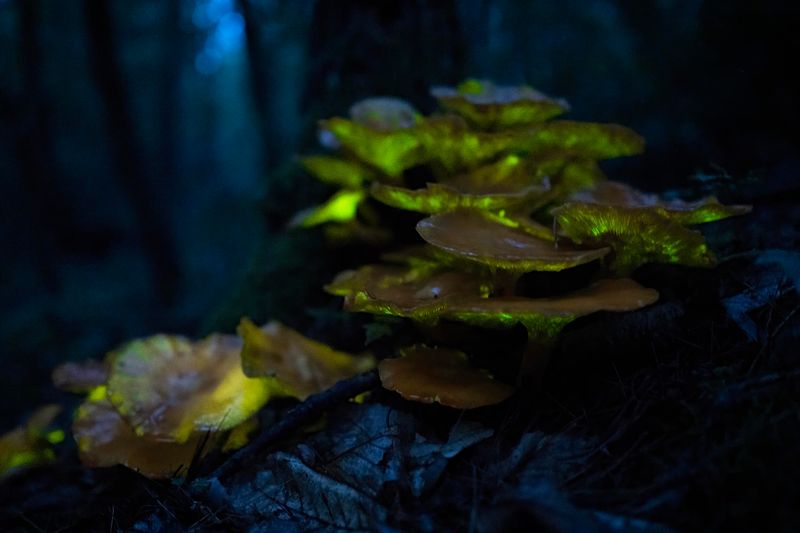
One of the most intriguing things about Pennsylvania’s jack-o-lantern mushroom is its glow.
The bioluminescence comes from a chemical reaction in the fungus, and the gills are usually the part that gives off the faint greenish light.
It is not bright like a flashlight, so you need very dark conditions and patient eyes to notice it.
That soft glow has fascinated naturalists for generations because it feels almost impossible the first time you hear about it.
In person, it is more subtle than dramatic, but that can make the experience even stranger.
You are not seeing a trick of moonlight or reflection, but a living organism making its own light.
Pennsylvania’s humid woods provide a fitting stage for this rare little spectacle.
It is one of those reminders that nature can be weirder than fiction.
Even experienced hikers are often surprised to learn such a mushroom exists in their own state.
3. Where It Grows In Pennsylvania
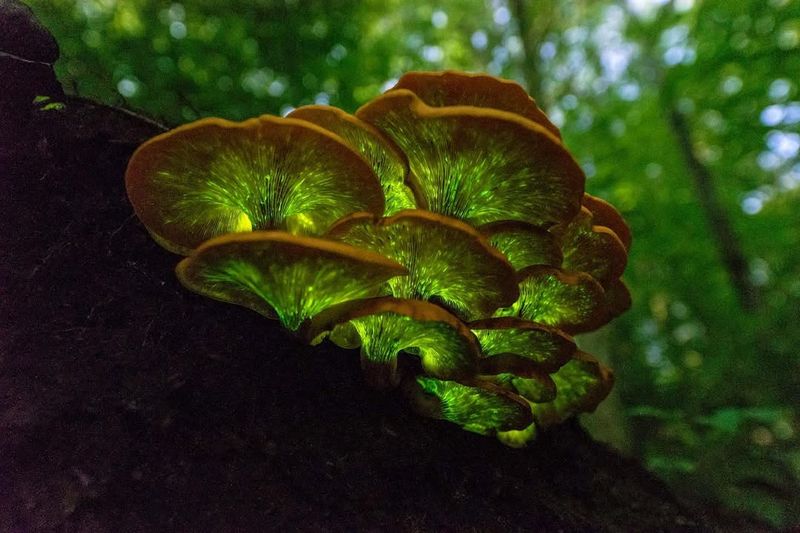
In Pennsylvania, jack-o-lantern mushrooms are most often found in hardwood forests, especially where old stumps, buried roots, and decaying logs are breaking down.
They favor damp conditions and tend to appear in clustered groups rather than as isolated single mushrooms.
If you know where mature woodland meets rich organic debris, you are in the right kind of environment.
You are more likely to notice them from late summer into fall, when the forest floor is active with fungal growth.
Their vivid orange color can stand out sharply against brown leaves and dark bark.
Even so, they often stay hidden until you are almost on top of them.
Pennsylvania’s varied landscape gives this species plenty of habitat, from Appalachian woodlands to mixed forests in many counties.
The key is not a famous park or one exact trail, but the right combination of moisture, shade, and rotting wood.
That makes every walk feel like a possible discovery.
4. How To Tell It From Chanterelles
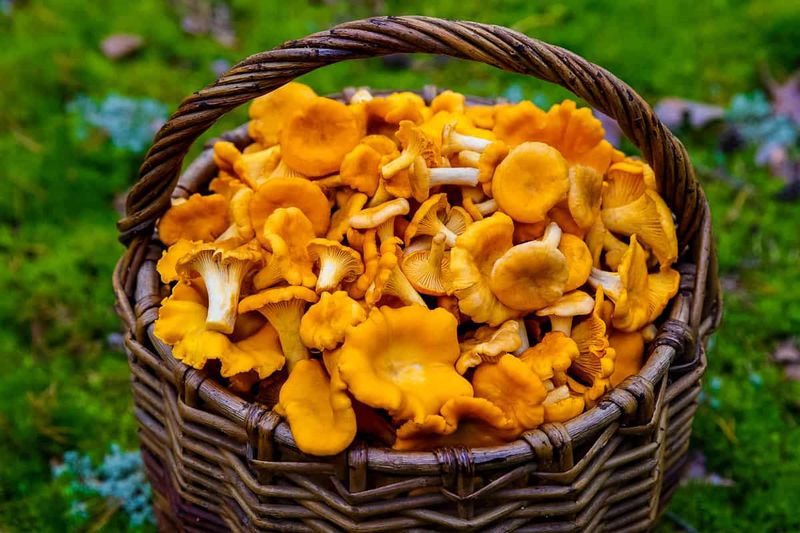
The biggest reason people should know Pennsylvania’s jack-o-lantern mushroom is simple: it can be confused with edible chanterelles.
Both can be orange to yellow-orange, and both can appear during the same general season.
A quick, careless identification can lead to a very unpleasant mistake.
Jack-o-lantern mushrooms usually grow in tight clusters from wood, stumps, or buried roots, while chanterelles typically grow from soil.
The underside matters too, because jack-o-lanterns have true, blade-like gills, while chanterelles have blunt ridges that look more wrinkled than sharp.
Once you learn that contrast, it becomes easier to notice.
Still, you should never rely on one detail alone when identifying wild mushrooms in Pennsylvania.
Color can vary, lighting can deceive you, and young specimens can be confusing.
If there is any doubt, the safest rule is the simplest one: do not eat it.
Curiosity belongs in your camera roll, not your frying pan.
5. What Happens If Someone Eats It
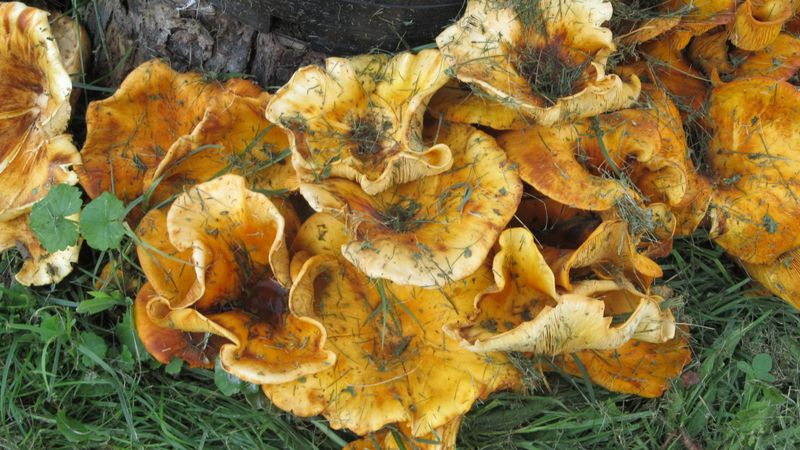
Although Pennsylvania’s jack-o-lantern mushroom is captivating to look at, it can cause serious misery if eaten.
It is poisonous and is known to trigger intense gastrointestinal symptoms, including nausea, vomiting, cramps, and diarrhea.
That suffering can last for hours and turn an outdoor adventure into an emergency.
People usually run into trouble when they mistake it for an edible species, especially chanterelles.
The mushroom is not famous because it is rare, but because it is memorable in all the wrong ways after a misidentification.
If you forage, you already know that confidence is not the same thing as certainty.
The safest approach in Pennsylvania is to treat any uncertain orange mushroom with caution and leave it alone.
If someone does ingest a suspicious wild mushroom, contact Poison Control or seek medical help right away.
Fast action matters, and guessing at home is never worth the risk.
6. Best Time To Look For It
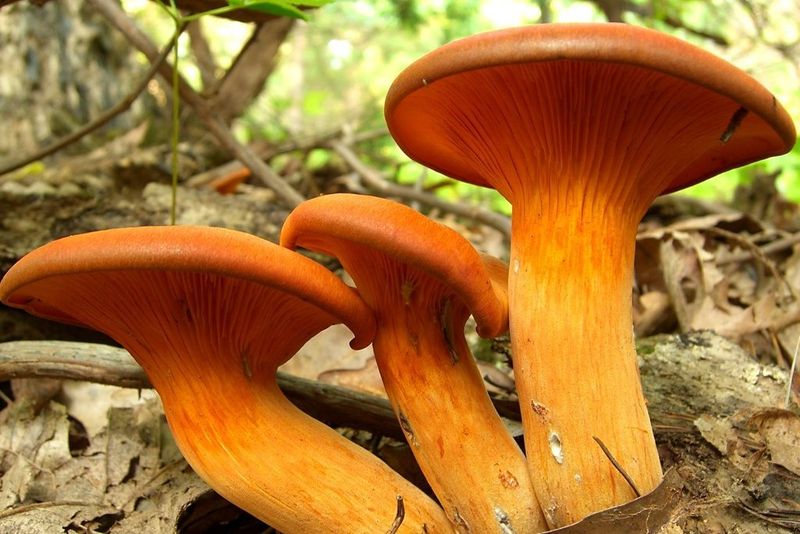
If you want the best chance of spotting a jack-o-lantern mushroom in Pennsylvania, plan your search from late summer through fall.
Warm temperatures, recent rain, and damp woodland conditions often create the perfect setting for these bright clusters to appear.
You are most likely to notice them when the forest feels lush, humid, and alive.
Daylight makes their color easier to see, especially against dark stumps and leaf litter.
Night, however, is when the famous glow becomes part of the story, though only in very low light and with some patience.
Many people expect a dramatic neon shine, but the real effect is gentler and more secretive.
That mix of autumn color, decaying wood, and hidden bioluminescence gives Pennsylvania hikes a special kind of suspense.
A rainy stretch followed by mild weather can be especially productive.
Even if you do not find one, looking for them changes how you see the forest floor.
7. Why Decaying Wood Matters
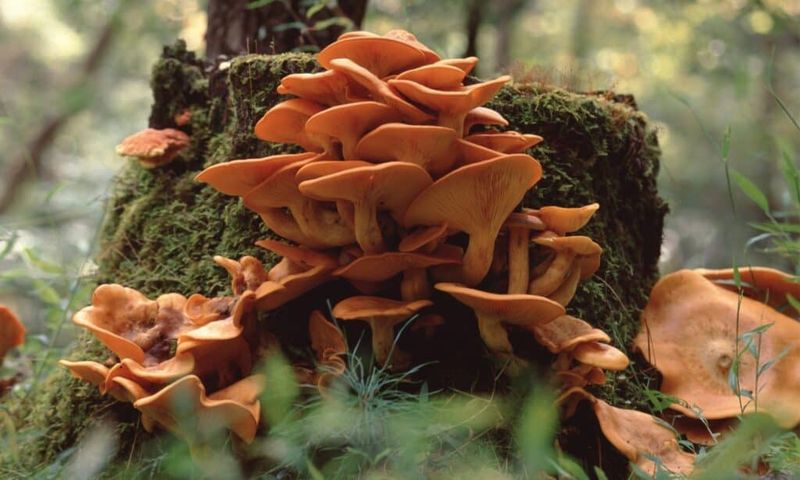
Pennsylvania’s jack-o-lantern mushroom is not just a strange glowing fungus, but also part of the forest cleanup crew.
It grows from decaying wood and helps break down dead organic material, returning nutrients to the ecosystem.
That means the same stump you barely notice may be supporting a busy world of fungal activity.
Because this species often fruits from buried roots or old wood, it can sometimes look like it is growing straight from the ground.
That detail is important if you are trying to identify it correctly in the field.
A careful look at the base can reveal the mushroom’s real connection to wood beneath the leaves.
In Pennsylvania forests, decomposition is not a boring background process, but one of the reasons the landscape stays healthy and productive.
The jack-o-lantern mushroom plays its own small role in that cycle.
Even its danger becomes part of a larger story about how wild systems work without asking our permission.
8. Why It Captures People’s Imagination
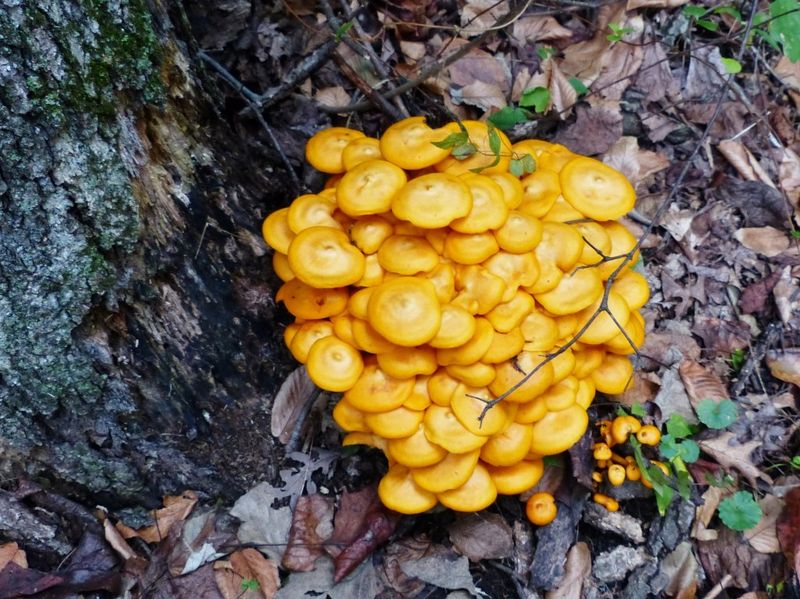
There is something about a poisonous mushroom that glows in the dark that instantly grabs your attention.
In Pennsylvania, the jack-o-lantern mushroom feels like a perfect blend of folklore, science, and woodland mystery.
It sounds invented, yet it is quietly growing in real forests among roots, stumps, and wet leaves.
Part of its appeal is the contrast between beauty and danger.
The color is cheerful, the glow sounds enchanting, and the habitat seems peaceful, but the mushroom itself is not forgiving if eaten.
That tension gives it a story people remember long after the hike ends.
If you are the kind of traveler or local who enjoys unusual natural details, this species is the sort of discovery that makes Pennsylvania feel deeper and stranger.
It invites you to slow down and look closer.
Not every memorable encounter needs to be touched, tasted, or collected to feel personal.
9. How To Appreciate It Safely
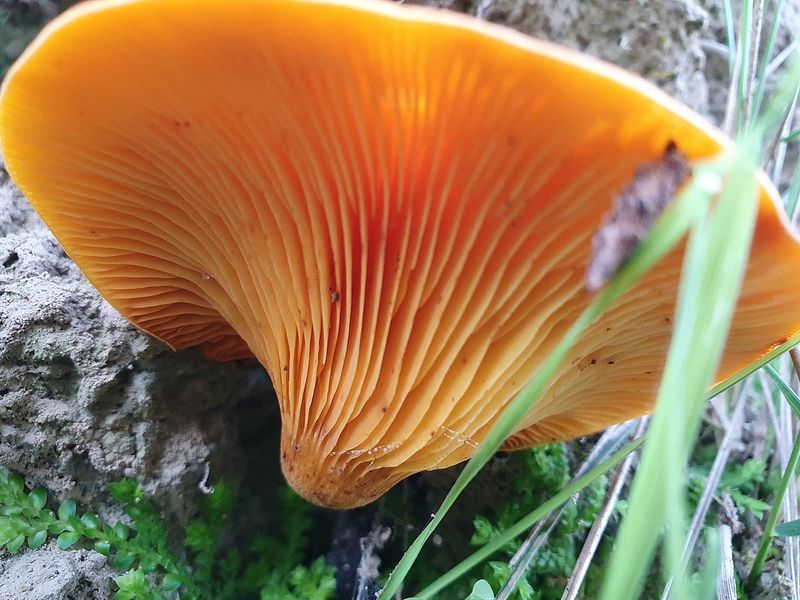
The best way to enjoy Pennsylvania’s jack-o-lantern mushroom is with respect, distance, and a good sense of curiosity.
Photograph it, study its cluster growth, notice the gills, and remember where you found it, but leave it exactly where it is.
Wild mushrooms are at their most fascinating when you treat them as part of the landscape, not a souvenir.
If you are hiking with kids or beginner foragers, this mushroom is a great reminder that bright colors do not equal safety.
It opens the door to conversations about identification, habitat, and how easily edible and poisonous species can be confused.
That kind of knowledge makes outdoor exploration more rewarding and much safer.
Pennsylvania offers plenty of chances to experience remarkable fungi without taking unnecessary risks.
The jack-o-lantern mushroom is one of the state’s most unforgettable examples.
Sometimes the smartest move in the woods is simply to admire something strange, snap a photo, and keep walking.
Share this story