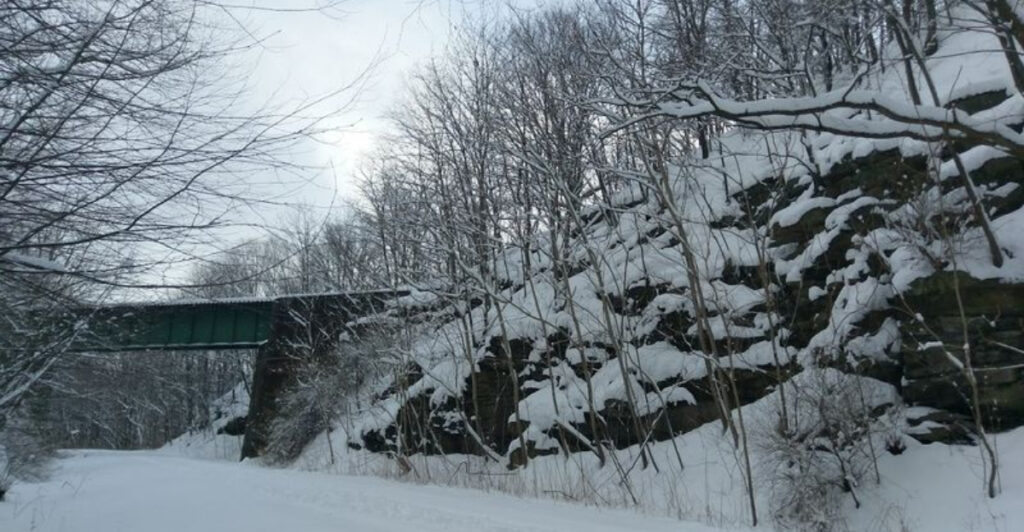
If you love the payoff of a great hike but could do without the steep climbs, the Great Allegheny Passage might be your perfect Pennsylvania escape. This former rail corridor trades punishing elevation for river views, mountain scenery, old tunnels, and charming trail towns that keep every mile interesting. Along the way, you’ll pass stretches of the Youghiogheny River, cross historic bridges, and roll through quiet forests that shift with the seasons, making even a long ride or walk feel effortless and varied.
Small towns like Ohiopyle and Meyersdale add easy stopping points for food, rest, or a quick detour off the trail. It feels wild and peaceful without asking you to suffer for the view. Once you see how much beauty is packed into this path, it is hard not to rank it above most traditional hikes.
1. A Gentle Trail With Big Scenic Rewards
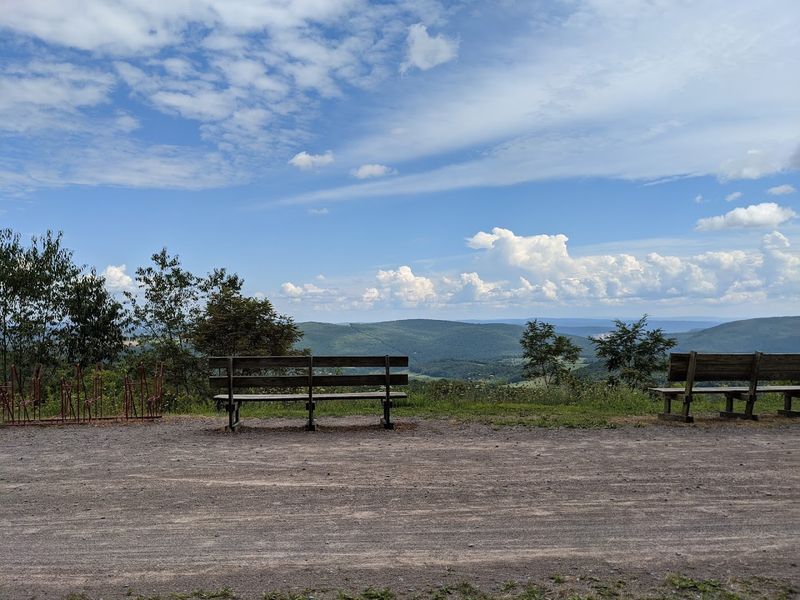
What makes the Great Allegheny Passage feel better than many hikes is how generous it is from the very first mile.
You get forest, rivers, bridges, and mountain views without battling punishing grades or rocky footing.
That means more time looking around and less time staring at your next step.
I love how the trail makes big scenery feel easy and welcoming.
The crushed limestone surface is comfortable, the route is wide, and the old railroad grade keeps climbs gradual enough that you can settle into the experience.
Even if you are not chasing athletic bragging rights, you still get that satisfying sense of traveling somewhere beautiful.
For anyone who wants the emotional payoff of a long outdoor adventure without the usual strain, this trail delivers.
It is scenic, peaceful, and surprisingly approachable, which is exactly why so many people fall for it.
2. Wooded Miles That Feel Peaceful and Wild
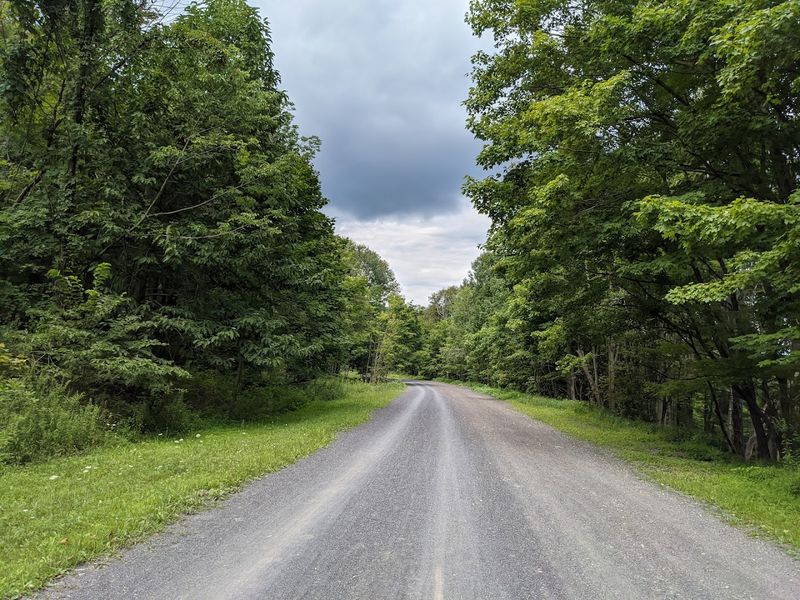
Some trails impress you with one dramatic overlook, but the Great Allegheny Passage wins by creating a steady feeling of calm.
Long wooded stretches wrap you in shade, birdsong, and the soft crunch of tires or shoes on limestone.
It feels immersive in a way many crowded hikes never quite manage.
I keep thinking about how relaxing the corridor feels, especially when the trees close in and the outside world fades.
Because the path follows former railway lines, the route slips naturally through valleys and along waterways, revealing scenery at an easy rhythm.
You are not rushing to a summit, so the landscape has room to sink in.
That slower pace turns simple moments into memorable ones.
A breeze moving through the leaves, light filtering across the trail, and the occasional opening toward the river can feel more restorative than a difficult climb with a quick photo at the top.
3. River Views That Keep the Route Interesting
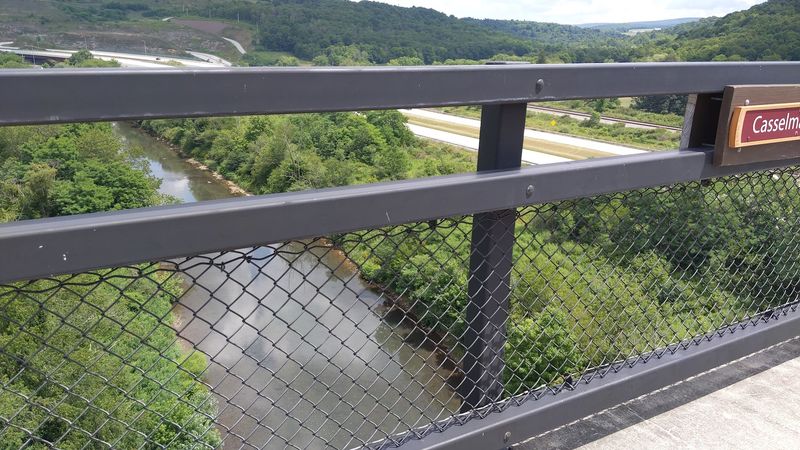
One reason this rail trail never feels repetitive is the way water keeps reappearing beside you.
Sections of the Great Allegheny Passage trace rivers and streams, giving the route movement, shine, and a constant sense of direction.
Instead of a single destination, the scenery keeps unfolding mile after mile.
I find river views especially satisfying because they make the trail feel alive in every season.
On warmer days, the water catches the light and brightens the corridor, while in cooler months the surrounding hills and bare trees create a quieter, moodier beauty.
Either way, the landscape always has something to say.
These waterside stretches also break up the wooded miles in the best way.
You get long reflections, open sightlines, and plenty of places where the old railroad alignment reveals its engineering elegance.
It is the kind of scenery that rewards lingering, not racing through.
4. Historic Bridges and Railroad Character
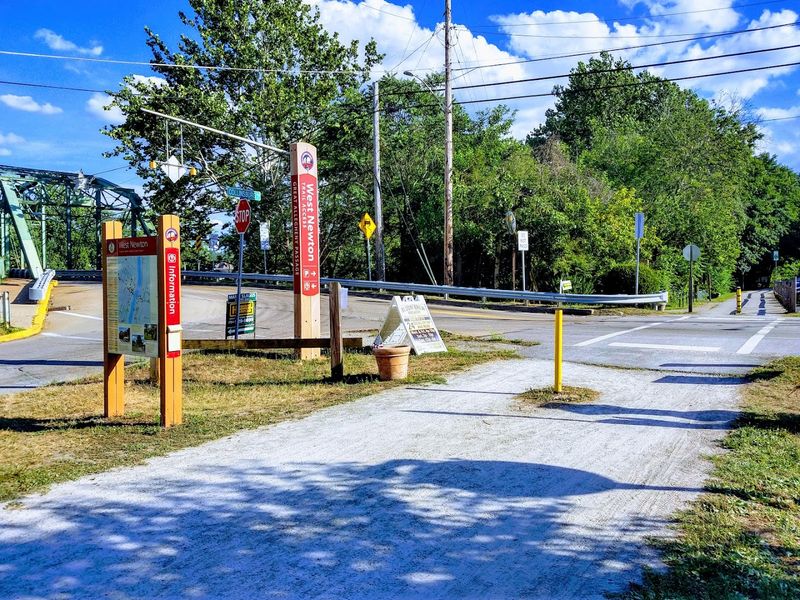
The Great Allegheny Passage carries a sense of history that many ordinary hikes simply do not have.
Because the trail follows old railway corridors, you cross impressive bridges, pass stonework, and move through a landscape shaped by transportation, industry, and Appalachian geography.
Every structure gives the route a little more character.
I think that history deepens the experience in a subtle but powerful way.
You are not just walking or biking through pretty scenery, you are traveling along a path that once connected communities and industries across western Pennsylvania.
The old infrastructure now feels softened by nature instead of swallowed by it.
That blend of engineering and landscape is part of what makes the trail memorable.
Steel trusses, sturdy abutments, and long approaches create visual variety while also reminding you how thoughtfully this route was laid out.
It feels storied, useful, and scenic all at once.
5. Trail Towns Add Comfort and Charm
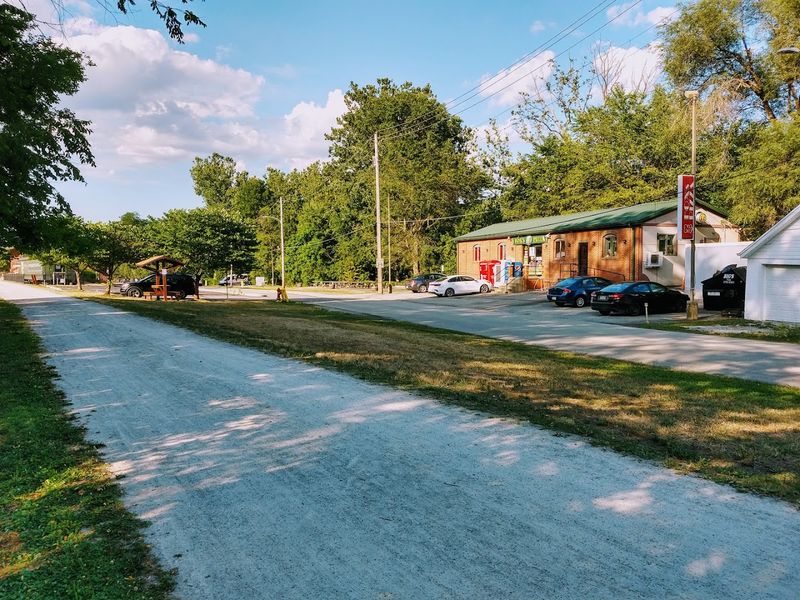
Another thing that sets the Great Allegheny Passage apart is how easily nature and comfort coexist along the route.
You can spend hours in the woods and then roll into a welcoming Pennsylvania trail town for coffee, lunch, or a relaxing overnight stop.
That rhythm makes the adventure feel sustainable instead of exhausting.
I appreciate how these towns give the trail personality beyond the scenery alone.
Each stop adds a different mood, whether it is a historic streetscape, a friendly cafe, or a small inn that understands exactly what trail travelers need.
It feels less isolated than a remote hike but never loses its outdoorsy appeal.
For many people, that balance is the secret.
You still get fresh air, quiet miles, and beautiful views, but you also have places to refill water, grab food, and enjoy local hospitality.
It turns a simple outing into a richer Pennsylvania travel experience.
6. The Crushed Limestone Surface Is Surprisingly Pleasant
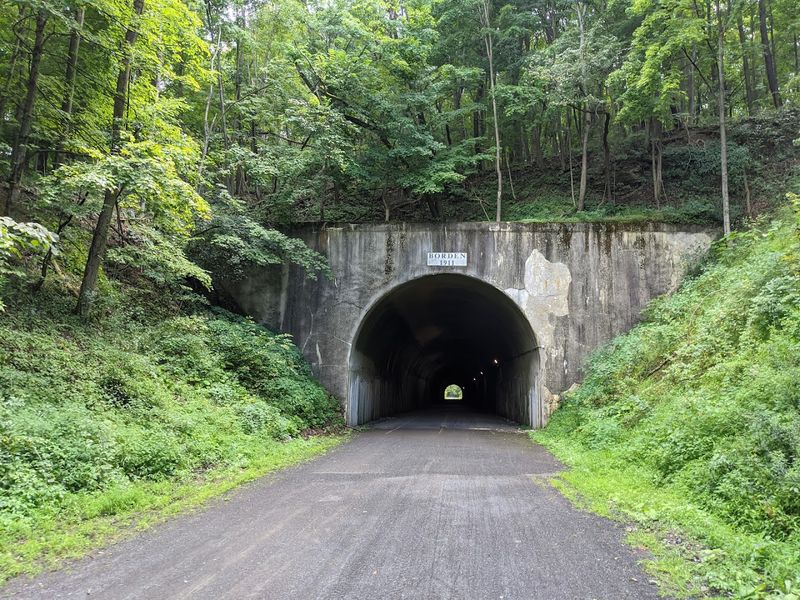
Trail surface matters more than people think, and the Great Allegheny Passage gets it right.
The crushed limestone is firm enough for steady movement but softer than pavement, which makes long days feel gentler on feet and legs.
Compared with rocky, root-filled hiking paths, it is a huge relief.
I like that the surface encourages you to look around instead of constantly checking your footing.
You can relax into the landscape, keep a comfortable rhythm, and cover more distance without the usual trail fatigue that comes from uneven terrain.
That ease changes the whole personality of the outing.
It also makes the passage more accessible to different kinds of travelers.
Walkers, runners, and cyclists can all enjoy the corridor without feeling like they need specialized backcountry skills.
When a trail is this scenic and this comfortable underfoot, it starts to make many standard hikes feel unnecessarily hard.
7. Seasonal Beauty Makes Repeat Visits Worth It
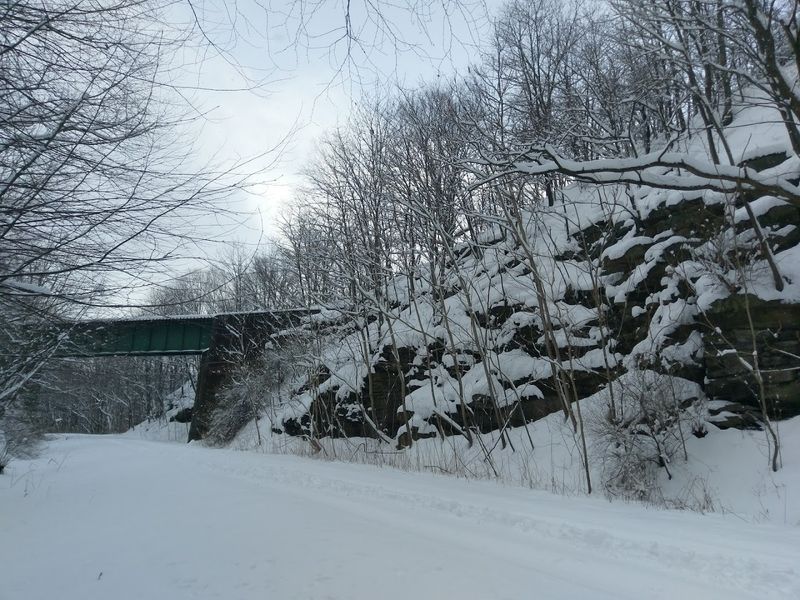
The Great Allegheny Passage is not a one-season destination, which is another reason it stands out.
Spring brings fresh green growth and flowing water, summer delivers long shady days, fall lights the corridor with color, and even colder months can feel strikingly quiet and atmospheric.
The trail keeps changing, so repeat visits never feel stale.
I think fall is especially hard to beat here because the rail corridor turns into a moving tunnel of color.
But even outside peak foliage, the passage has a dependable visual richness that comes from its mix of woods, rivers, bridges, and open stretches.
There is always another texture, light shift, or landscape detail ahead.
That seasonal variety makes the trail feel more generous than many hikes built around one signature view.
Instead of chasing a single moment, you can return throughout the year and enjoy a different version of the same beautiful route.
8. Long Distances Feel Achievable Here
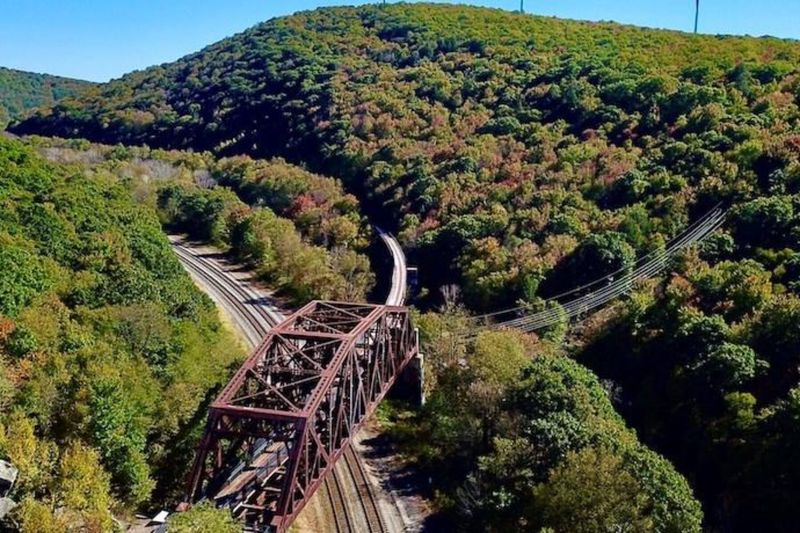
There is something deeply satisfying about covering real distance, and the Great Allegheny Passage makes that feeling accessible.
Because the grades are gradual and the route is well maintained, you can travel farther than you might on a typical hike without feeling wrecked afterward.
That creates a rewarding sense of progress from start to finish.
I love how the miles stack up almost effortlessly once you find your rhythm.
Instead of grinding up switchbacks or picking across rough terrain, you move through the landscape smoothly and continuously, which makes the journey feel expansive.
You notice valleys, rivers, and towns connecting in a way short hikes rarely reveal.
For anyone who wants an adventure with a real sense of scale, this matters.
You get the psychological thrill of going somewhere, not just out and back to a viewpoint.
The trail turns distance into pleasure rather than punishment, and that is a rare gift outdoors.
9. It Balances Solitude With a Sense of Safety
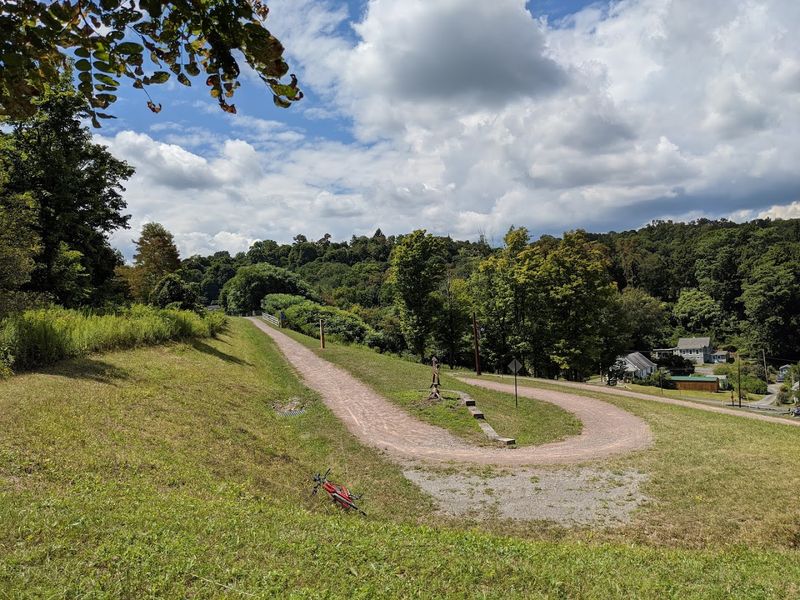
Some outdoor routes are beautiful but so remote that they can feel intimidating, while others are crowded enough to break the mood.
The Great Allegheny Passage sits in a sweet spot between those extremes.
You can find wonderfully quiet stretches, yet the trail still feels established, navigable, and welcoming.
I think that balance makes a big difference, especially if you want a peaceful day outside without committing to a rugged backcountry experience.
The wide corridor, clear path, and regular connections to communities help create confidence while preserving the sense that you are moving through real landscape.
It feels restorative rather than stressful.
That combination is why so many people end up preferring it to standard hikes.
You still get birds, trees, river sounds, and long uninterrupted views, but you are not forced to choose between solitude and practicality.
On this trail, the two coexist in a very appealing way.
10. Why It Outshines Most Traditional Hikes
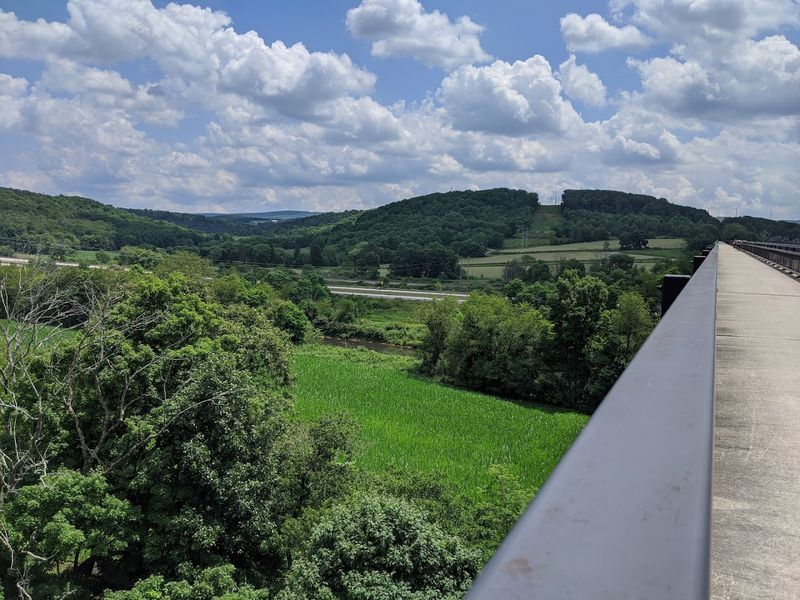
When people picture a great outdoor experience, they often imagine steep climbs and a dramatic summit.
The Great Allegheny Passage proves that a trail can be just as memorable by offering comfort, continuity, and one beautiful scene after another.
It gives you the freedom to enjoy the journey instead of enduring it for a payoff at the end.
I keep coming back to how complete the experience feels.
You get mountain atmosphere, wooded calm, river views, trail towns, historic structures, and enough distance to feel truly immersed in Pennsylvania’s landscape.
Very few hikes combine that much variety with such an approachable design.
That is why this rail trail can honestly feel better than most hikes.
It is easier on the body, richer over time, and more flexible for different kinds of travelers.
If your favorite outdoor places are the ones that leave you refreshed instead of drained, this one belongs high on your list.
Share this story