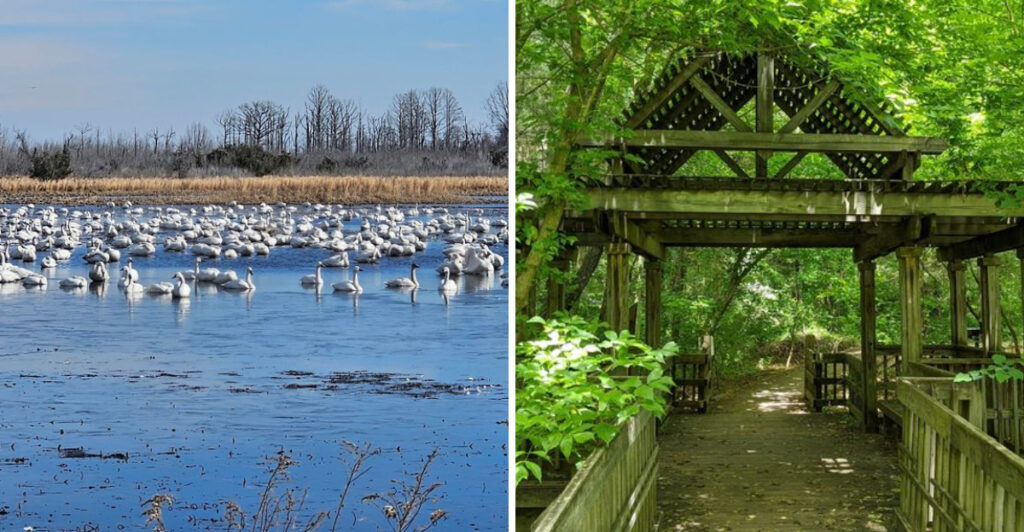
North Carolina makes it remarkably easy to trade traffic noise for wings overhead, and once you know where to look, the state feels like one long invitation to slow down and pay attention. From vast coastal refuges filled with wintering waterfowl to quiet inland forests where rare songbirds move through the pines, these landscapes offer the kind of close-up wildlife moments that stay with you long after the day ends.
You do not need to be a serious birder with an expensive scope to enjoy them either, because many of the best spots come with easy pullouts, boardwalks, observation platforms, and scenic drives that put you right where the action is. If you have been craving a North Carolina outing that feels peaceful, vivid, and surprisingly unforgettable, these eight birdwatching destinations are where your best front-row seats begin.
1. Mattamuskeet National Wildlife Refuge

If you are looking for a place in North Carolina where the sky can seem just as alive as the water, this is the kind of stop that grabs your attention fast.
Wide open views stretch across Lake Mattamuskeet, and that big landscape makes every movement feel dramatic, whether it is a line of swans dropping in or flocks of ducks shifting over the marsh.
It feels spacious, calm, and full of possibility from the moment you arrive.
Mattamuskeet National Wildlife Refuge is especially famous for winter birding, and that reputation is easy to understand once you see the number of waterfowl gathering here.
Tundra swans, snow geese, northern pintails, teal, and many other species use this shallow lake and surrounding wetlands as a seasonal haven.
Even if your bird identification is still a work in progress, you can enjoy the sheer spectacle of so many birds moving across one enormous stage.
One of the best things about visiting is how accessible the experience can be.
Wildlife drives, roadside viewing areas, and overlooks let you scan productive habitat without committing to a long hike, which makes it ideal when you want an easygoing outing.
Bring binoculars, dress for wind, and give yourself time to stop often, because some of the best sightings happen when you least expect them.
Beyond the birds, there is something undeniably cinematic about the refuge itself.
Reflections slide across the lake, marsh grasses glow in soft light, and every change in weather seems to reshape the mood of the place.
If you want a North Carolina birdwatching destination where huge views meet unforgettable wildlife drama, Mattamuskeet delivers the kind of front-row experience that keeps you scanning the horizon long after you planned to leave.
2. Pea Island National Wildlife Refuge

Sometimes the best birding days happen where land, marsh, and sea all seem to overlap, and this Outer Banks refuge captures that feeling beautifully.
The scenery changes quickly from open water to mudflats to grassy wetlands, so every stop can reveal something different.
You never feel stuck watching one habitat here, which is part of what makes the experience so rewarding.
Pea Island National Wildlife Refuge has long been one of North Carolina’s standout coastal birding destinations, especially during migration and winter.
Depending on the season, you might spot snow geese, pelicans, herons, egrets, avocets, plovers, or a variety of shorebirds probing the shallows.
Because birds use the refuge in different ways throughout the year, repeat visits can feel surprisingly fresh rather than predictable.
For many visitors, the easy access is a major part of the appeal.
There are observation platforms, pullovers, trails, and roadside viewpoints that help you cover productive ground without much guesswork, so it works well whether you have an hour or a full day.
Early morning and late afternoon often bring especially good light, and they also make the marsh colors look richer and more dramatic.
What really stays with you is the sense that wildlife activity is happening in every direction at once.
A distant flock may wheel over the ponds while a wading bird hunts close to the edge, and then a raptor passes overhead just as you are about to move on.
If you want a North Carolina birdwatching destination that combines excellent species variety with classic coastal atmosphere, Pea Island offers the kind of front-row view that feels both energizing and peaceful.
3. Pocosin Lakes National Wildlife Refuge
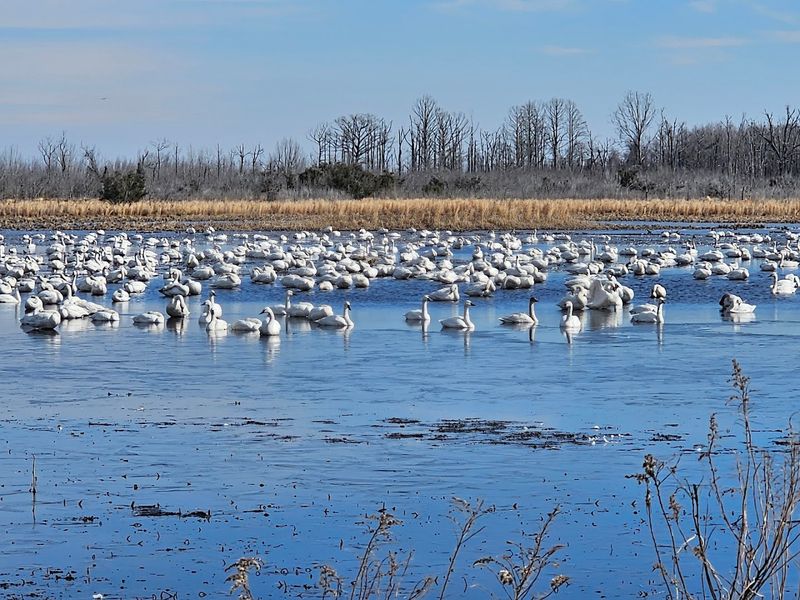
When you want a birdwatching trip that feels expansive, quiet, and a little wild, this northeastern North Carolina refuge is an excellent choice.
The mix of wetlands, agricultural fields, and pocosin habitat creates a broad patchwork that supports impressive seasonal bird numbers.
It is the kind of place where scanning one field can suddenly turn into a long stop because movement keeps appearing across the landscape.
Pocosin Lakes National Wildlife Refuge is especially well known for winter spectacles involving tundra swans, snow geese, and large concentrations of ducks.
Seeing those birds gather against open skies and flat horizons gives the area a drama that photographs rarely capture completely.
If you time your visit around sunrise or sunset, the sound and motion of departing flocks can make the whole refuge feel alive in a way that is hard to forget.
Driving routes and roadside viewing opportunities make exploring relatively straightforward, but patience really pays off here.
Instead of rushing between stops, it helps to linger, watch the edges of fields, and scan distant water carefully for changing activity.
Good binoculars are useful, and a spotting scope can be a real advantage if you enjoy picking through large mixed flocks.
Another reason this place stands out is how unhurried it feels compared with more crowded nature destinations.
You can settle into the rhythm of looking, listening, and noticing small details, from raptors perched along roadways to sudden waves of birds lifting from feeding areas.
If your ideal North Carolina birdwatching experience includes grand winter scenes, productive roadside observation, and a strong sense of open space, Pocosin Lakes offers a front-row seat that feels both immersive and deeply calming.
4. Alligator River National Wildlife Refuge
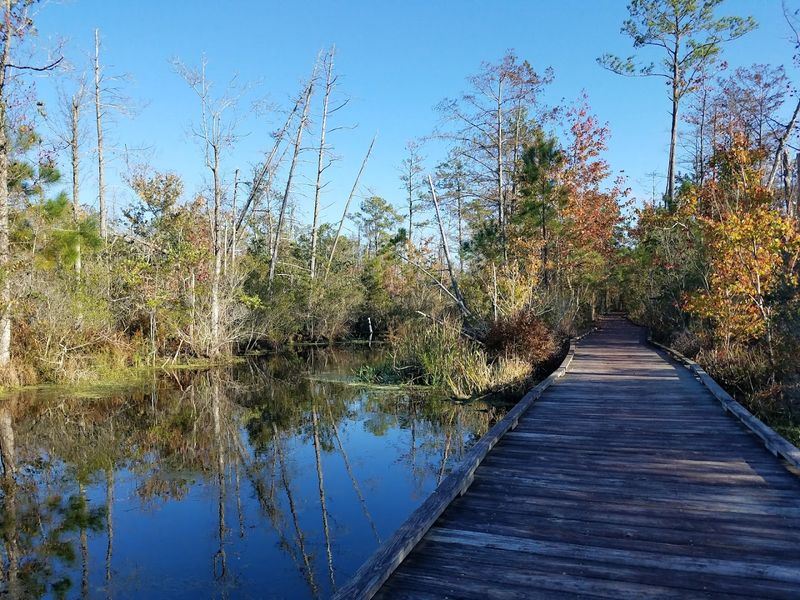
If your favorite birdwatching spots are the ones that feel a little mysterious, this refuge delivers that mood right away.
Forested wetlands, marshes, and quiet roads create a setting where every bend seems to hold some new possibility.
The atmosphere is less about huge crowds of birds all at once and more about staying alert for memorable encounters in a richly layered landscape.
Alligator River National Wildlife Refuge supports an impressive range of habitats, which means your species list can build steadily as you move through the area.
Depending on where and when you visit, you may find woodpeckers, warblers, wading birds, raptors, and wintering waterfowl using different corners of the refuge.
That variety makes the experience feel exploratory, especially if you enjoy piecing together sightings from forest edges, canals, and open wetland views.
A slower pace tends to work best here.
Wildlife drives and roadside pullouts give you chances to stop, listen, and scan without rushing, and sometimes the quieter moments are the most rewarding.
Bring insect repellent in warm months, keep your ears open for calls before you spot movement, and remember that this refuge is also known for other wildlife, which adds to the sense that you are visiting a truly living ecosystem.
There is something especially satisfying about birding in a place that feels this untamed.
The backdrop of pocosin and swamp forest gives every sighting more character, whether you are watching a heron lift out of a ditch or searching pines for active songbirds.
If you want a North Carolina destination where birdwatching comes with atmosphere, habitat diversity, and the chance to feel pleasantly removed from the everyday, Alligator River offers a front-row view with real wilderness appeal.
5. Pee Dee National Wildlife Refuge
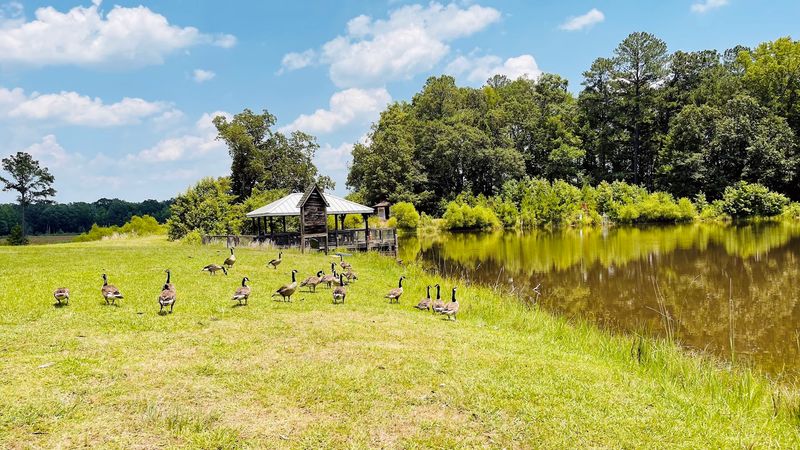
Not every excellent birdwatching destination in North Carolina sits along the coast, and this refuge proves how rewarding the inland experience can be.
Here, a mix of bottomland hardwoods, old fields, wetlands, and river habitat gives birds plenty of reasons to stop, nest, feed, and move through.
The result is a place that feels varied enough to keep you interested from one trail or viewing area to the next.
Pee Dee National Wildlife Refuge is especially appealing if you enjoy seasonal change in your birding.
Spring migration can bring colorful songbirds, summer offers breeding activity, and cooler months often produce ducks, sparrows, and raptors using the refuge’s diverse habitats.
Because the landscape shifts between wooded sections and more open areas, it is easy to feel like you are getting several different birding experiences in one outing.
The refuge works well for visitors who like combining short walks with regular scanning stops.
Trails and access points encourage you to move at an observant pace, listening for woodland species before stepping out to wider views where waterfowl or soaring birds may come into focus.
Comfortable shoes, a little patience, and attention to edge habitat can go a long way here, especially during migration.
What makes this place memorable is its quieter style of discovery.
Instead of relying on one dramatic spectacle, it rewards steady observation and gives you time to appreciate the patterns of North Carolina’s inland birdlife.
If you are looking for a destination where woodlands, wetlands, and open fields all contribute to a satisfying day outside, Pee Dee offers a front-row seat that feels relaxed, grounded, and pleasantly under the radar.
6. Weymouth Woods Sandhills Nature Preserve
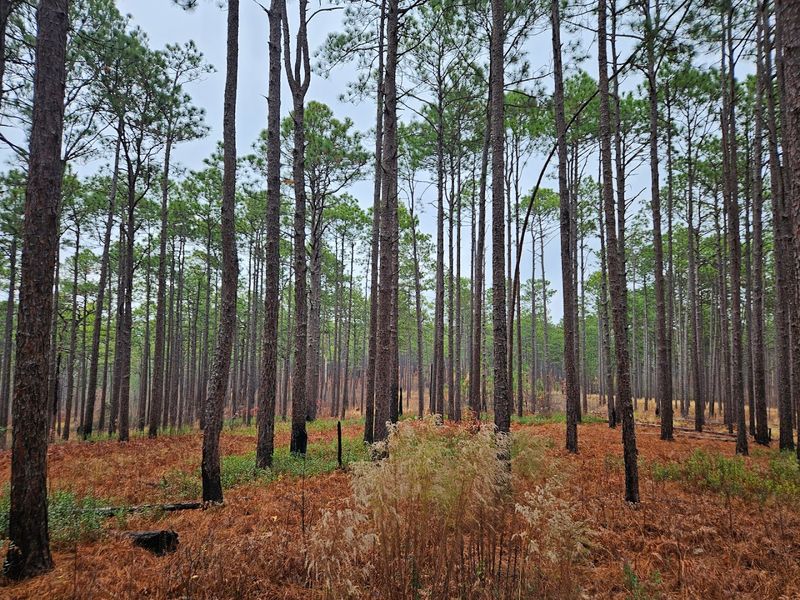
For a birdwatching outing that trades wide marsh horizons for the scent of pines and the hush of sandy trails, this preserve is a standout.
The longleaf pine ecosystem creates a very different rhythm from North Carolina’s coastal refuges, and that change of setting is part of the appeal.
It feels intimate, grounded, and ideal for anyone who enjoys listening as much as looking.
Weymouth Woods Sandhills Nature Preserve is one of the best places in the state to appreciate birds tied to longleaf pine habitat.
Species associated with this landscape, including the red-cockaded woodpecker, make the preserve especially interesting for birders who want something beyond the usual backyard sightings.
Even when the forest seems quiet at first, patient walking often reveals movement in the canopy, calls from the understory, or activity around open pine trunks.
Marked trails make exploring straightforward, and the preserve is approachable whether you are an experienced birder or simply curious about North Carolina’s ecological variety.
Early hours can be especially pleasant, with softer light, cooler temperatures, and more noticeable bird activity before the day fully warms up.
A slower, quieter approach works best here, because this is a place where details tend to emerge gradually rather than all at once.
Another reason the preserve leaves such a strong impression is its sense of place.
The sandy soil, open pine structure, and distinctive vegetation create an environment that feels unmistakably regional and deeply connected to the Sandhills.
If you want a North Carolina birdwatching destination that rewards careful observation, highlights a rare and beautiful habitat, and offers a calmer kind of front-row wildlife experience, Weymouth Woods is an easy place to appreciate for much longer than you planned.
7. Beaver Lake Bird Sanctuary
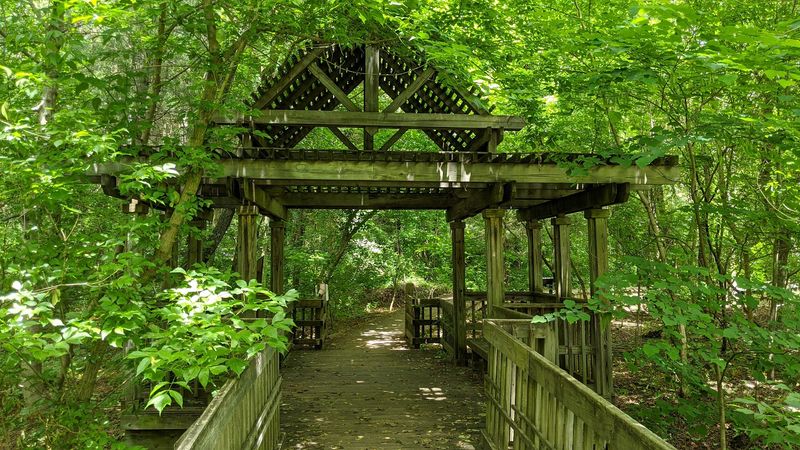
If you love the idea of birdwatching that feels peaceful and close to town at the same time, this Asheville favorite fits beautifully.
The sanctuary wraps around a lake setting where reeds, shoreline vegetation, and wooded edges create plenty of habitat in a relatively compact space.
That mix makes it easy to settle in and focus without feeling like you need to cover miles of ground.
Beaver Lake Bird Sanctuary is well loved for the variety it can produce, especially during migration.
Depending on timing, you might encounter warblers, herons, woodpeckers, swallows, ducks, and other species using the lake and surrounding cover.
Because the viewing areas bring you near productive habitat, even a shorter visit can feel rewarding, which is great when you want quality birding without turning it into a full-day excursion.
Boardwalk sections and walking paths help make the sanctuary inviting for casual nature lovers as well as dedicated birders.
It is the kind of place where you can pause often, watch the water, and pay attention to subtle movement in the shrubs instead of hurrying toward a big destination point.
Morning light is especially appealing here, and calmer conditions can make both bird activity and photography more enjoyable.
What stands out most is how accessible the experience feels while still delivering genuine wildlife interest.
You can hear birdsong, watch the lake surface shift with activity, and enjoy a setting that feels tucked away from the pace of everyday life.
If you want a North Carolina birdwatching stop that combines convenience, scenic charm, and the possibility of impressive seasonal variety, Beaver Lake offers a front-row view that feels easy to love from the first few minutes.
8. Jordan Lake State Recreation Area
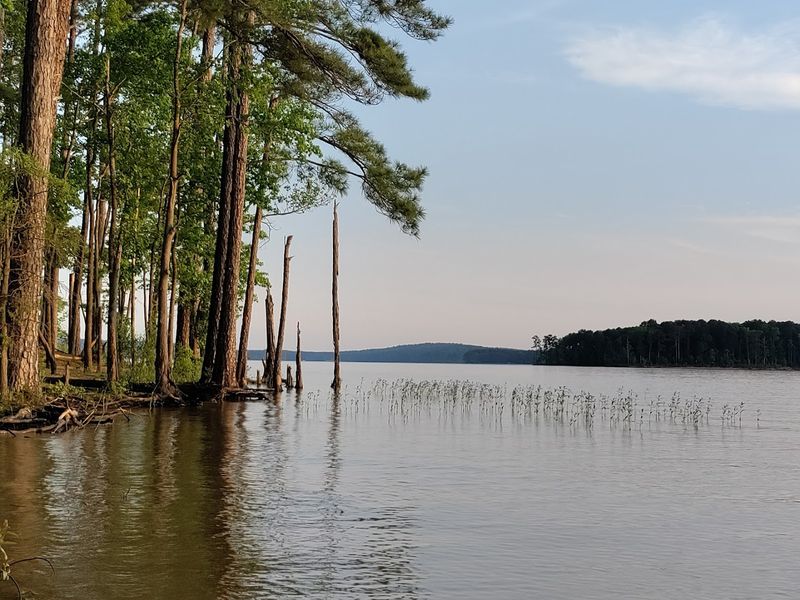
When you want a birdwatching destination that combines broad water views with easy access from central North Carolina, this lake is a dependable choice.
The mix of reservoir shoreline, forest, coves, and open sky creates plenty of opportunities to spot different species in a single visit.
It also has the kind of flexible layout that lets you tailor the day to your energy level and available time.
Jordan Lake State Recreation Area is especially well known for bald eagles, and that alone makes it exciting for many visitors.
Seeing one soar over the water or perch with a clear view across the lake is the kind of moment that instantly upgrades the day.
Beyond eagles, the area can produce waterfowl, osprey, herons, songbirds, and seasonal migrants, so there is usually more to watch than a single signature species.
Because the lake is large and the habitat changes from one access point to another, exploring more than one area can really pay off.
Some spots offer open-water scanning, while others are better for wooded edge birding or quieter shoreline observation, so it helps to stay adaptable.
Binoculars are essential, and a little patience goes a long way when you are watching treetops, inlets, and distant snags.
The best part of birding here may be how approachable and satisfying it feels.
You can come for a focused wildlife outing, combine birdwatching with a casual lakeside walk, or simply spend time outdoors and let the sightings unfold naturally.
If you are searching for a North Carolina destination that balances convenience, scenery, and the thrill of spotting iconic birds in a beautiful freshwater setting, Jordan Lake gives you a front-row seat worth revisiting in every season.
Share this story