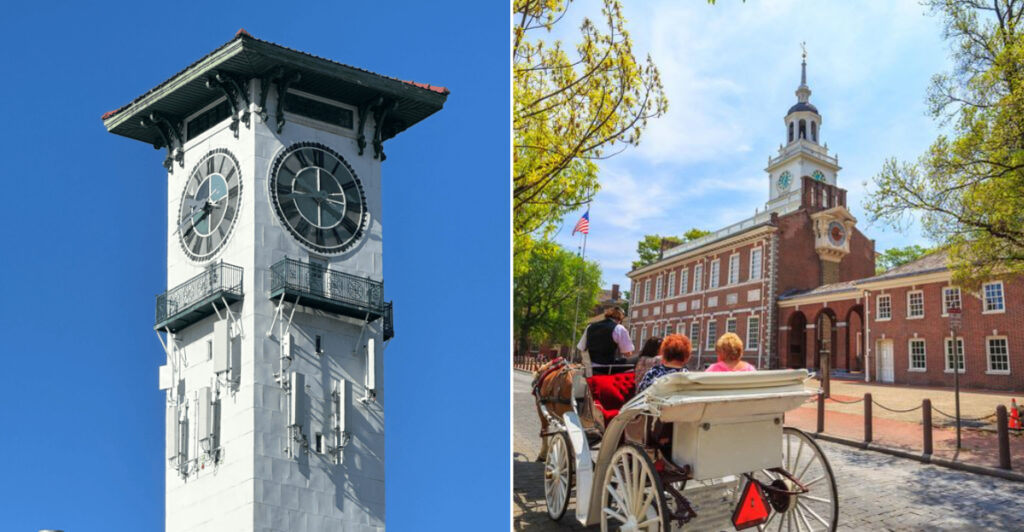
If you think history only lives behind museum glass, Pennsylvania is ready to prove you wrong in the most memorable way, because across this remarkable state you can still walk brick streets where revolution stirred, stand in market squares shaped by early industry, and hear the quiet echo of stories that built the nation. From river towns and colonial crossroads to mountain enclaves and battle-scarred landscapes, each destination on this list offers a different doorway into the Commonwealth’s layered past, blending preserved architecture, local tradition, and everyday life in a way that feels vivid rather than distant.
You are not just looking at old buildings here – you are stepping into places where founders debated, farmers traded, soldiers marched, immigrants worshiped, and communities kept reinventing themselves without losing the character that made them special in the first place. Whether you love cobblestone alleys, grand churches, scenic train rides, or main streets where centuries seem to overlap, these charming Pennsylvania towns invite you to slow down, look closer, and discover how alive history can still feel when the setting is this authentic.
1. Philadelphia
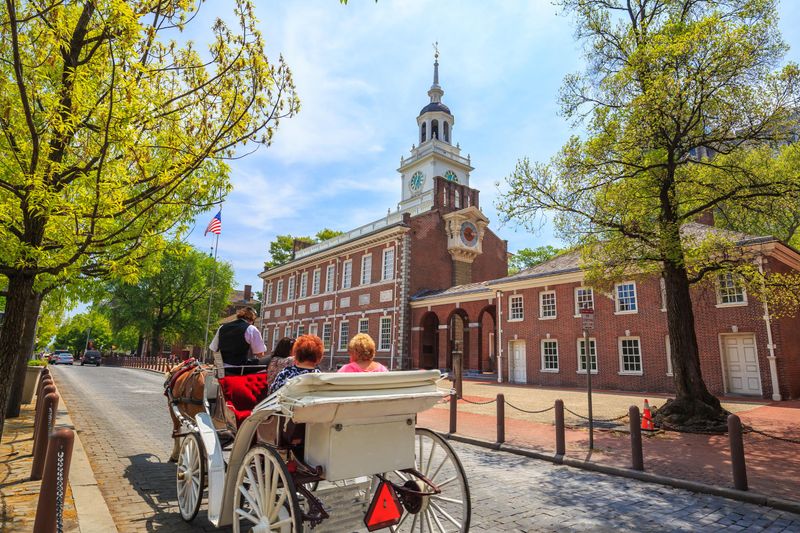
Walking through this city, you quickly feel how the past and present share the same pavement.
Grand civic buildings rise beside centuries-old landmarks, and nearly every block seems to hold a chapter of Pennsylvania’s story.
In Philadelphia, history is not tucked away from daily life – it moves with commuters, market shoppers, and visitors tracing the beginnings of the nation.
You can start in the historic district, where Independence Hall and the Liberty Bell give familiar stories a stronger emotional weight in person.
The surrounding streets, lined with brick facades and preserved homes, make it easy to imagine debates, urgency, and hope unfolding in real time.
Even if you have seen these places in photographs, their setting inside a living neighborhood makes them feel more immediate and human.
Beyond the famous revolutionary sites, the city reveals layers of Pennsylvania history through Old City, Society Hill, and the waterfront along the Delaware River.
Churches, meeting houses, and former taverns reflect the city’s role as a center of immigration, commerce, and political thought.
I think that mix is what makes Philadelphia especially compelling for you – it never feels frozen, only continuously inhabited by new generations.
Local markets and museums deepen the experience without breaking the spell.
Reading Terminal Market connects modern appetite with a long tradition of exchange and community, while institutions such as the Museum of the American Revolution add context to the streets outside.
By the end of a visit, you may realize this is more than Pennsylvania’s largest city – it is one of the clearest places in America to see history still breathing through everyday life.
2. Lancaster
Few places in Pennsylvania balance heritage and daily life as gracefully as this inviting inland city.
Historic architecture, working markets, and surrounding farmland create a setting where the past feels practical rather than staged.
In Lancaster, you are surrounded by evidence of long continuity, from early settlement patterns to traditions that still shape the local rhythm.
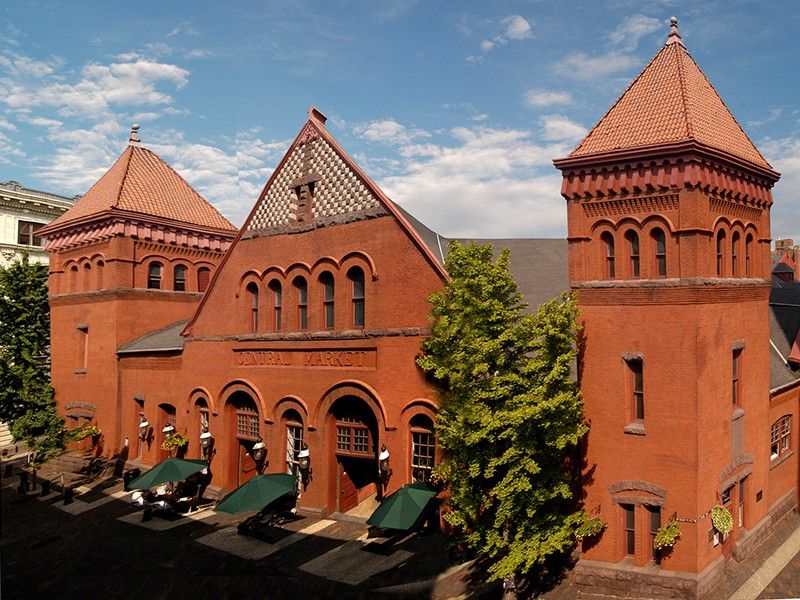
The downtown core offers a rewarding walk, especially around Central Market and the brick-lined streets nearby.
Buildings from different eras stand close together, revealing how the city evolved through colonial beginnings, industrial growth, and steady renewal.
That layered look gives Lancaster depth, because you can sense both prosperity and preservation without feeling that either one overwhelms the other.
Just beyond the center, the wider county adds another dimension to the story.
Covered bridges, old farmsteads, and the visible presence of Amish and Mennonite communities remind you that Pennsylvania history is not only urban or political – it is also agricultural, spiritual, and deeply local.
I appreciate how Lancaster lets you connect big themes, like migration and craftsmanship, with ordinary landscapes that still function much as they once did.
Museums, galleries, and small shops make the city easy to enjoy at your own pace, but the strongest impression often comes from simply being there.
The scale is human, the details are textured, and the traditions feel lived in instead of performed for an audience.
If you want a Pennsylvania town where old market culture, regional identity, and architectural character come together beautifully, Lancaster makes history feel close enough to touch.
3. Chester
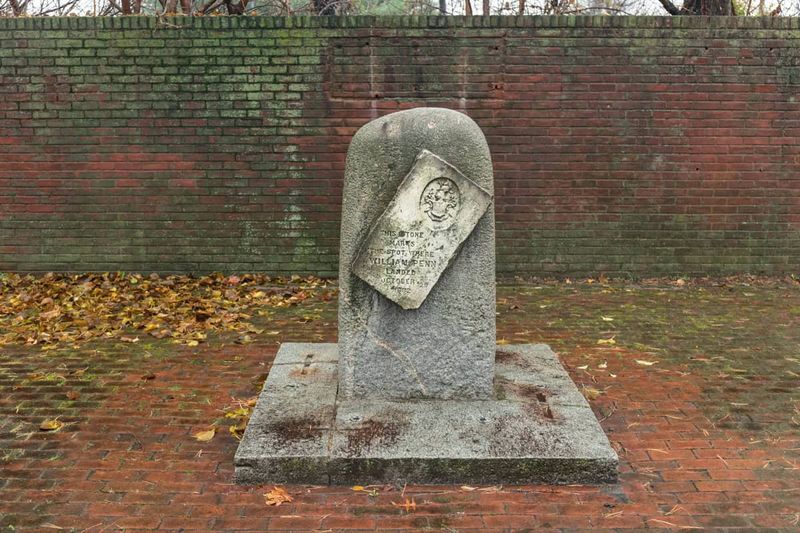
Set along the Delaware River, this often overlooked place carries some of the oldest urban history in Pennsylvania.
Its story reaches back to the seventeenth century, giving it a foundation older than many travelers realize at first glance.
In Chester, the appeal comes from looking beyond the surface and recognizing how much of the state’s early development touched this shoreline.
As one of Pennsylvania’s earliest settlements, the city connects you to colonial trade, river transport, and the long movement of people and goods through the region.
Historic sites and markers reveal a past shaped by strategic geography, while older neighborhoods and civic buildings hint at later periods of industrial growth.
That combination makes Chester meaningful, because it reflects both beginnings and transformations central to Pennsylvania history.
The waterfront setting matters here more than ever.
Standing near the river, you can picture ships, warehouses, and the energy that once made places like this essential to economic life across the Commonwealth.
I find that Chester rewards curiosity – if you slow down and read the landscape, the city starts telling a layered story about settlement, labor, and resilience.
It may not present itself with the polished image of some better known historic destinations, but that is part of its authenticity.
Chester feels grounded, direct, and inseparable from the working history that built so much of Pennsylvania.
For you, that means a visit can become less about postcard charm alone and more about understanding how early colonial roots, river commerce, and industrial ambition created a community whose historical importance deserves far more attention than it usually receives.
4. York
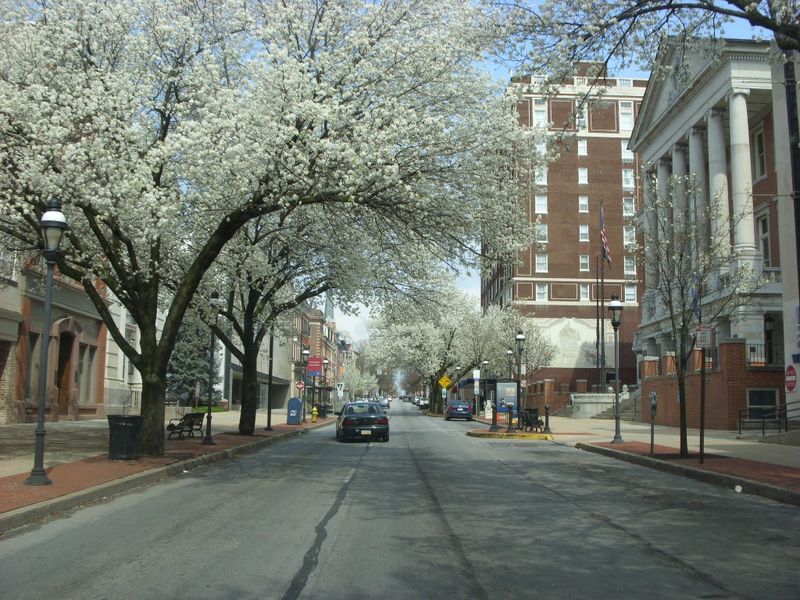
Brick streets, old public buildings, and a proud sense of place give this south central Pennsylvania city a welcoming historical presence.
It played a notable role during the American Revolution, yet it still feels approachable and easy to explore.
In York, you get a destination where national significance and local character blend in a way that never feels forced.
One of the most compelling facts is that the Continental Congress met here for a time during the Revolutionary War.
That alone gives the city a special place in Pennsylvania’s story, but the experience becomes richer when you wander the downtown and see how later centuries added their own texture.
Markets, churches, and preserved streetscapes show a community that kept building on its past rather than replacing it entirely.
The historic district offers enough detail to reward a slow visit.
Architectural styles shift as you move from block to block, reflecting York’s growth through the colonial period, early industry, and modern revival efforts.
I like that the city feels lived in, because you are not just examining history from a distance – you are moving through a center where people still gather, work, and celebrate.
Nearby museums and heritage sites help anchor the larger narrative, especially if you want context for the revolution, transportation, or manufacturing.
Even so, the real charm often comes from the atmosphere itself, with church steeples, courthouse facades, and long established neighborhoods creating a strong visual memory.
If Pennsylvania’s past interests you most when it appears in sturdy, everyday settings rather than grand spectacle alone, York delivers a quietly impressive experience that grows more rewarding the longer you stay.
5. Jim Thorpe
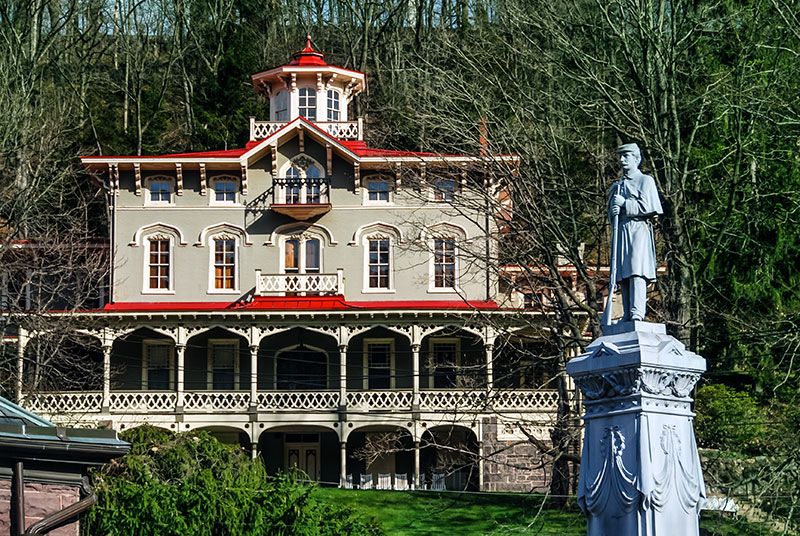
Nestled in a dramatic mountain setting, this town feels like a storybook version of Pennsylvania history.
Steep hills, ornate buildings, and a compact downtown create an atmosphere that is both romantic and richly layered.
In Jim Thorpe, you are surrounded by the kind of scenery that makes the past feel cinematic, yet the history remains very real.
The town developed during the coal and railroad eras, and that legacy still defines much of its visual identity.
Victorian architecture lines the streets, while the old train station and nearby rail attractions remind you how transportation and industry shaped communities across the state.
What makes it especially engaging is the contrast between elegant facades and the harder labor history that supported them.
Walking through the center, you can admire churches, mansions, and small commercial buildings tucked into the landscape with surprising grace.
The setting amplifies everything, because each street seems framed by ridges and changing light.
I think you feel history differently here – not just as a sequence of facts, but as a place where ambition, wealth, hardship, and natural beauty all left visible marks.
Today, shops, inns, and outdoor recreation draw many visitors, but the town’s historic personality remains the main attraction.
It invites you to ride, walk, and look carefully, connecting architecture with the industrial story of northeastern Pennsylvania.
If you want a destination where mountain scenery heightens the emotional pull of preserved streets and nineteenth century character, Jim Thorpe offers one of the most memorable ways to experience how deeply Pennsylvania’s past can still shape the present.
6. Easton
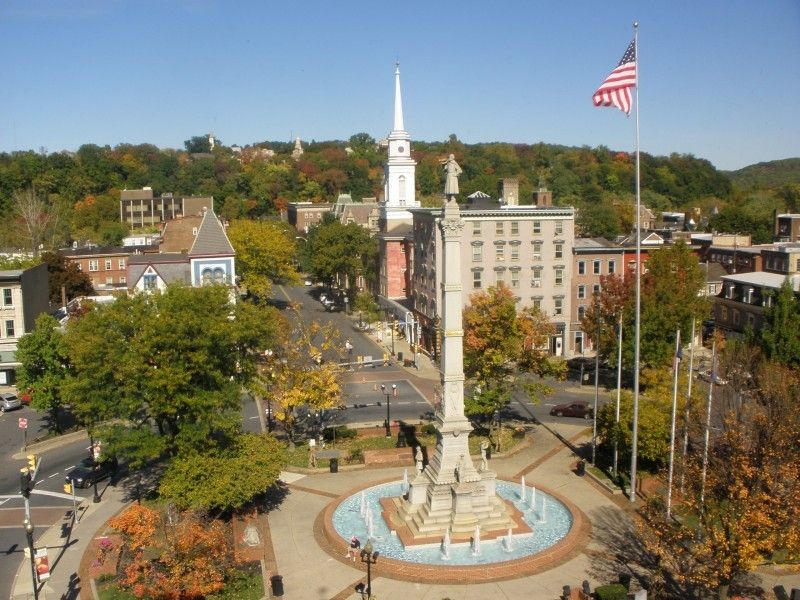
At the meeting point of rivers, this eastern Pennsylvania city has long been a natural place for exchange, movement, and public life.
That geography helped shape a community where history feels grounded in both commerce and civic identity.
In Easton, you can sense how location alone can turn an ordinary settlement into an enduring crossroads.
The downtown area reveals much of that story through its older buildings, public spaces, and walkable streets.
Easton is tied to the colonial era and the early growth of the Commonwealth, and its river position made it important for trade and transportation.
As you explore, the city feels connected to larger regional currents without losing the intimacy of a town center that still draws people together.
The well known farmers market is one of the best examples of that continuity.
Markets have always been about more than buying goods, and here the tradition reinforces the idea that Easton’s past remains active in everyday routines.
I enjoy places like this because they let you experience history in motion, not just in plaques or carefully staged exhibits.
Historic churches, civic structures, and nearby canal related sites add more depth if you want to understand how industry and infrastructure transformed the area over time.
Yet even without a formal itinerary, Easton leaves a strong impression through its blend of riverfront setting, architectural character, and ongoing community life.
For you, it can be the ideal Pennsylvania destination if you want a charming place where colonial roots, market culture, and transportation history still shape the look, feel, and heartbeat of the town.
7. Bethlehem
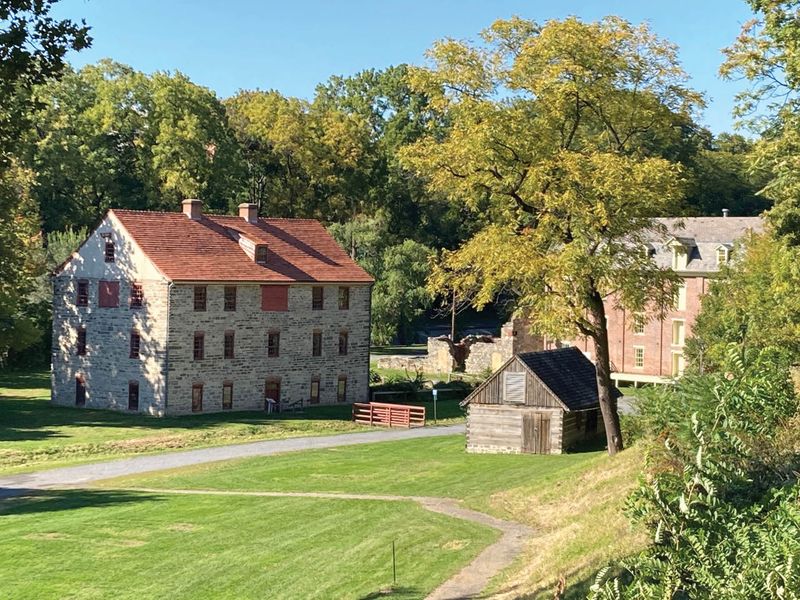
Founded by Moravians in the eighteenth century, this city offers one of the most distinctive historical identities in Pennsylvania.
Its past is visible in elegant religious architecture, preserved communal buildings, and a strong sense of cultural continuity.
In Bethlehem, you are not simply visiting an old town – you are stepping into a place shaped by faith, craftsmanship, music, and later industrial power.
The Historic Moravian District is the heart of that experience.
Stone and brick structures, quiet lanes, and carefully maintained landmarks create a setting that feels thoughtful rather than theatrical.
As you move through the area, the original planning and communal ideals become easier to understand, giving the city a personality unlike anywhere else in the state.
Another layer appears in Bethlehem’s industrial story, especially its connection to steel.
That later era transformed the city and linked it to national economic growth, yet it did not erase the earlier Moravian foundation.
I think that contrast is what stays with you most – a town rooted in spiritual purpose that also became a symbol of American industry.
Today, museums, walking tours, and seasonal events help interpret both sides of Bethlehem’s identity, but the strongest appeal lies in the atmosphere.
The city feels polished without becoming detached from its origins, and its historical districts remain deeply tied to place.
If you want to understand Pennsylvania through a destination where colonial religion, community planning, architecture, and industrial ambition all meet in one remarkably coherent setting, Bethlehem offers a rich and memorable experience that continues to feel alive long after your visit ends.
8. Gettysburg
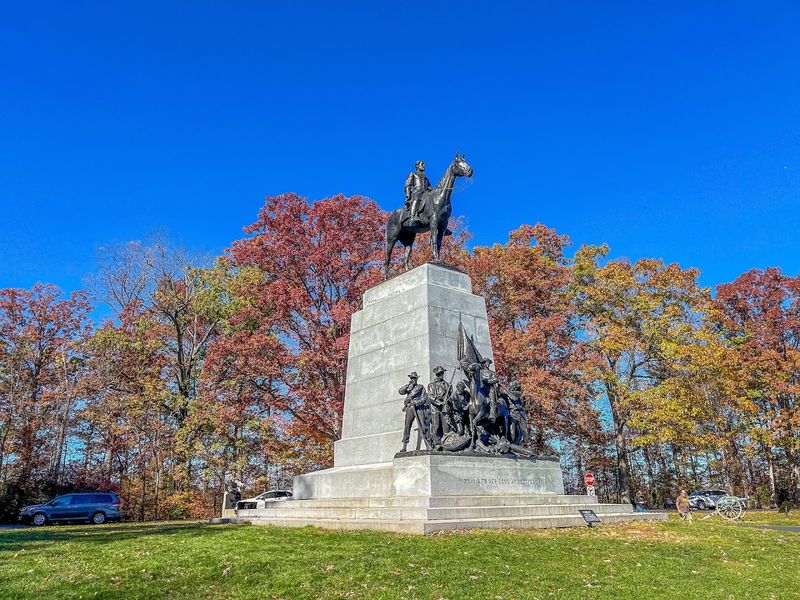
Few places in Pennsylvania carry the emotional weight found in this small but unforgettable town.
The landscape here is inseparable from one of the most important events in American history, yet the town itself remains warm, walkable, and deeply human in scale.
In Gettysburg, you are never far from reminders that ordinary streets can stand beside extraordinary memory.
The battlefield is the most famous draw, and rightly so.
Fields, monuments, and preserved terrain make the Civil War feel immediate in a way books rarely can, while the town’s streets reveal how civilians lived through the conflict’s chaos and aftermath.
That dual perspective gives Gettysburg unusual power, because it connects military history to daily life, grief, endurance, and remembrance.
Downtown, historic inns, brick buildings, and churches create a setting that encourages reflection rather than spectacle.
Museums and guided tours can deepen your understanding, but even a simple walk through the center helps you imagine the strain and significance of those days in 1863.
I find that Gettysburg speaks to you most clearly when you allow silence and scale to do part of the work.
What makes the town charming, despite its solemn history, is the care with which it holds onto place.
Shops, homes, and public spaces keep the community active, while preservation ensures the past remains visible and respected.
If you want a Pennsylvania destination where history feels profoundly alive – not only through facts and memorials, but through landscape, architecture, and emotional presence – Gettysburg offers an experience that is moving, memorable, and impossible to reduce to a single chapter of the past.
9. Bristol
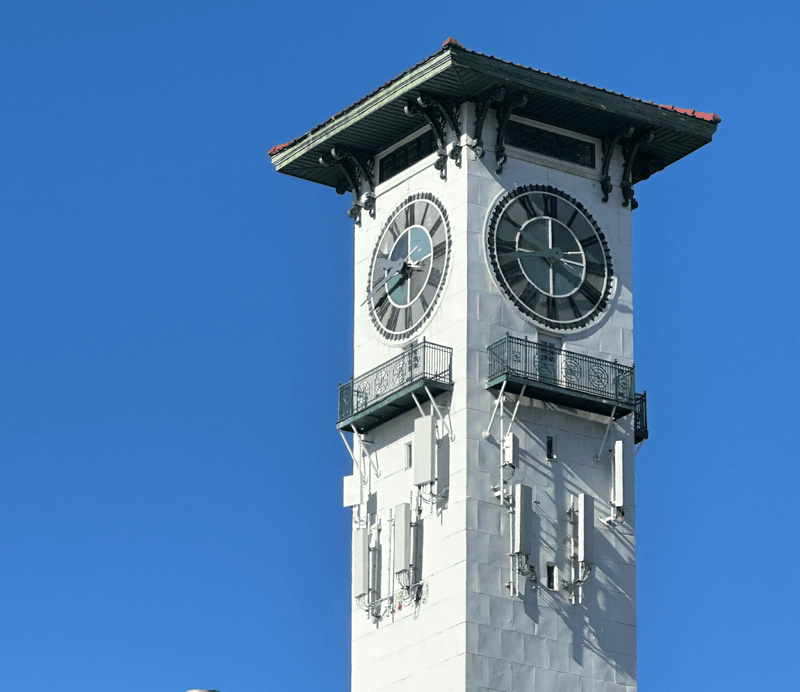
Along the Delaware River, this compact borough offers a quieter but rewarding look at Pennsylvania’s deep past.
Its waterfront position, older homes, and traditional main street give it the kind of historical atmosphere that invites a slower pace.
In Bristol, you can feel how river communities helped shape the Commonwealth long before modern travel changed the map.
Founded in the seventeenth century, the town has roots that reach into Pennsylvania’s earliest colonial development.
That age shows in the layout, the surviving architecture, and the long relationship between the community and the water.
As you explore, the river is never just scenery – it is part of the reason Bristol exists and part of the story that still defines it.
The historic district is especially appealing if you enjoy noticing details such as porches, brickwork, old storefronts, and civic buildings that reflect generations of adaptation.
Bristol does not overwhelm you with a long list of blockbuster landmarks, and that is part of its charm.
I like how it rewards attention, because the town feels intimate and genuine, as if history has settled comfortably into everyday life instead of announcing itself loudly.
Strolls along the waterfront and through the older streets make it easy to imagine trade, travel, and neighborhood life unfolding across centuries.
Events and local businesses add energy without erasing the borough’s sense of continuity.
For you, Bristol can be a wonderful final stop on a Pennsylvania history journey, offering river town beauty, colonial roots, and an approachable scale that proves some of the state’s most meaningful stories live in places that whisper rather than shout.
Share this story