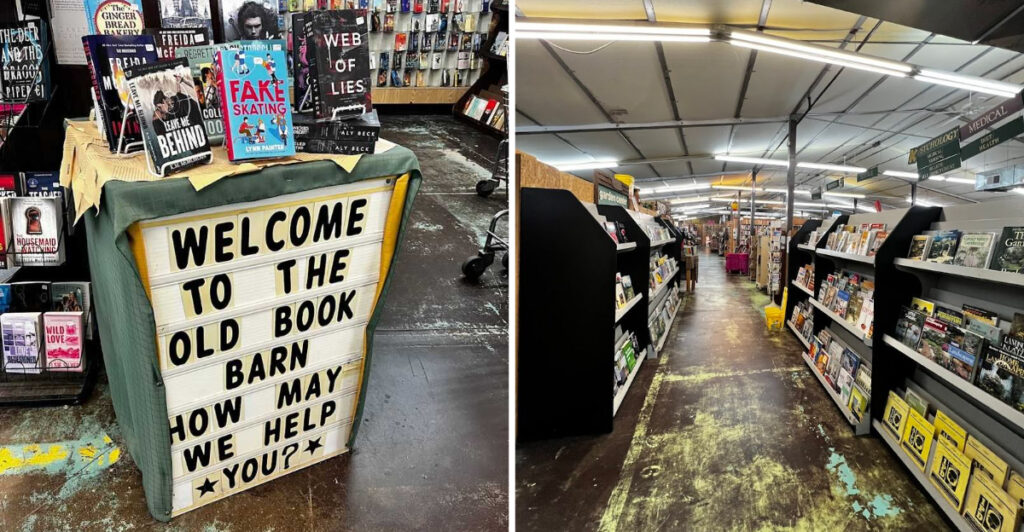
For book lovers, few things are more exciting than discovering a bookstore where every aisle promises a new surprise. Old Book Barn in Forsyth, Illinois, has become a favorite destination for readers thanks to its massive selection, charming atmosphere, and shelves packed with everything from bestsellers and classics to hard-to-find treasures.
What starts as a quick visit often turns into hours of browsing as visitors wander through themed sections and uncover unexpected finds around every corner. Whether you’re a dedicated collector or simply enjoy getting lost among the stacks, this Illinois bookstore offers an experience that is well worth the trip.
A Roadside Building Packed With Shelf After Shelf
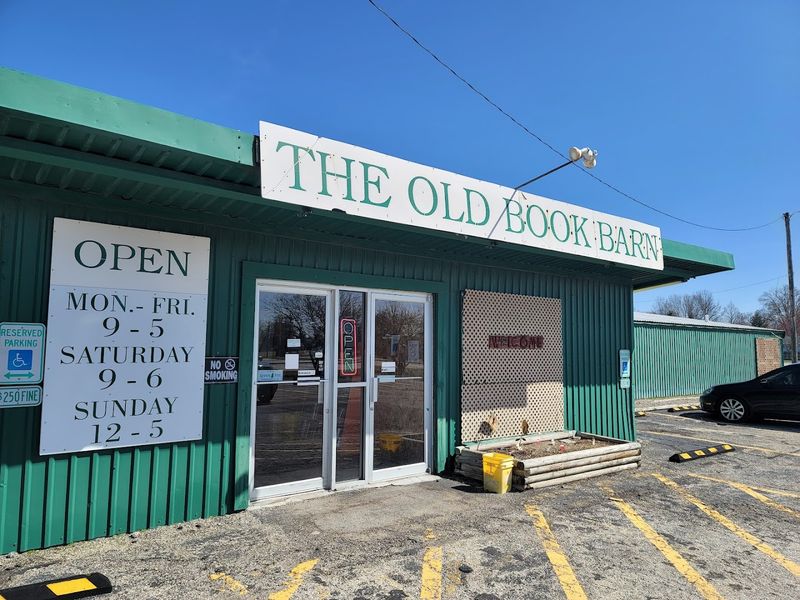
On paper, Old Book Barn is a bookstore in Forsyth. In practice, it reads more like a giant maze for readers, tucked along US-51 in a building that promises scale before you even step through the door.
The setting matters, because the roadside location gives way to a surprisingly deep interior where the browsing experience quickly becomes the main event.
Instead of a cramped used shop with leaning stacks and narrow corners, the space opens up in long stretches. Shelves keep appearing beyond the first room, then beyond the next one, creating that rare retail rhythm where curiosity takes over and your sense of time loosens.
You start by looking for one title and end up scanning entire categories just to see what turns up. That sense of abundance is the first real hook. The inventory is broad enough to make casual readers slow down and serious readers start plotting how much trunk space they have left.
Popular fiction, older hardcovers, collectible looking editions, practical nonfiction, and overlooked paperbacks all share the same basic promise: there is probably more here than you expected.
Yet the place does not come off as chaotic. The shelves are organized in a way that lets the size feel exciting instead of exhausting, which is a crucial difference in a store this large.
You can wander freely, but you never get the sense that the books have been surrendered to disorder. That balance is why the building lands so strongly.
It has the scale of a warehouse, the browsing pleasure of a neighborhood bookshop, and the kind of depth that invites a slow, curious lap before you ever think about heading back outside.
Themed Rooms and Genre Zones That Make Browsing Fun
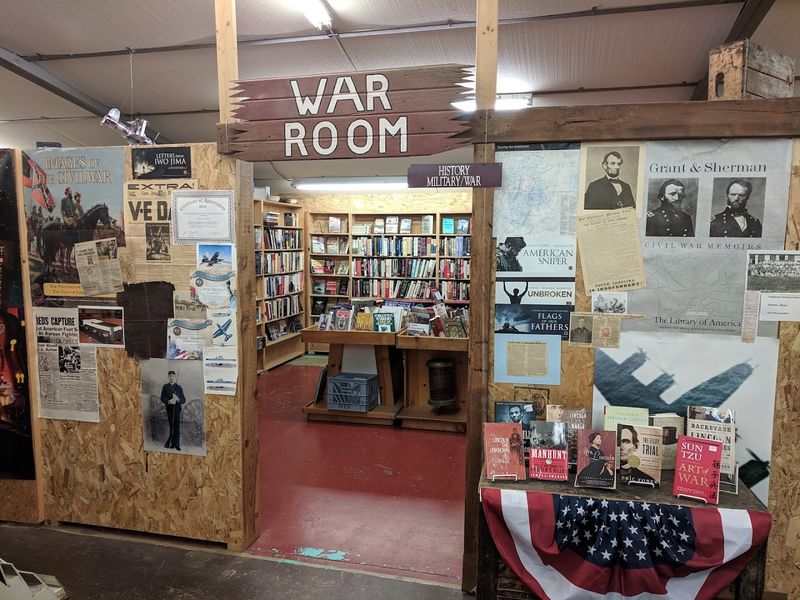
Plenty of large bookstores carry a lot of books. Old Book Barn separates itself by turning organization into part of the entertainment.
Genres are split into distinct sections, and several areas are decorated with enough personality that the store becomes more than a place to search alphabetical shelves.
That matters once you are inside for more than ten minutes. A huge inventory can flatten into visual overload if every aisle looks the same, but themed spaces break the visit into chapters. You move from one subject to another with a sense of transition, and each turn gives the hunt a different mood.
History does not have to sit beside romance with no context, and war titles do not have to vanish into generic shelving. Here, specialty areas reportedly carry their own look, helping readers orient themselves while adding a little drama to the floor plan.
It is the kind of touch that rewards wandering, even if you arrived with a strict list in hand. The practical benefit is just as important as the visual one. When sections are clearly separated, you can browse with purpose without losing the joy of discovery that used bookstores do best.
A mystery reader can head straight to familiar territory, while somebody browsing science fiction, cookbooks, carpentry, or local history can move directly toward those shelves instead of circling blindly.
That combination of order and novelty gives the store a rhythm many secondhand shops never quite find. It keeps the space approachable for first timers, while still giving regular book hunters enough variety to justify taking another slow lap through the aisles before checkout.
Why Old Book Barn Stands Out in Illinois for Serious Browsers
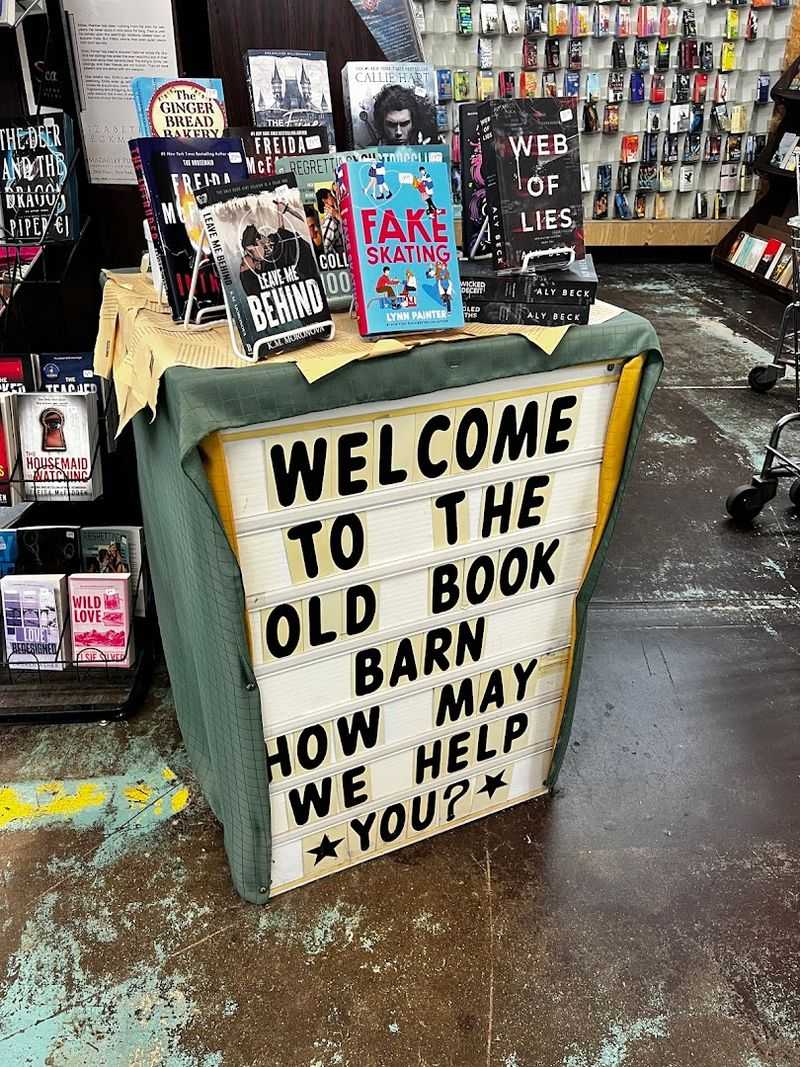
Old Book Barn works especially well for readers who treat browsing like a sport. This is not a sprint through a bestseller table.
It is a slow, layered search through a huge selection where the right strategy can turn an ordinary stop into a deeply satisfying score.
The first rule is simple: give yourself more time than you think you need. The store is large enough that a quick in and out approach can leave entire sections unexplored, and the layout encourages detours.
One shelf leads to another, a promising spine pulls you into a new aisle, and suddenly the visit has stretched far beyond your original plan.
That unhurried style pairs nicely with the store’s organization. Because genres are divided clearly, you can start with a target list and then branch outward without losing momentum.
Readers hunting specific authors may still want to scan more than one section, especially when a writer’s work crosses categories, but the structure helps keep the search productive.
There is also range beyond standard bookshelves. Reports consistently note additional media such as CDs, DVDs, audiobooks, and a mix of newer and older titles, which broadens the appeal for households where not everyone is chasing the same kind of find.
Even the seating scattered around the store changes the pace, letting one person browse deeply while another takes a breather nearby. In Illinois, plenty of stops make good half hour errands. Old Book Barn is better approached as an outing.
Bring your list, leave room for impulse discoveries, and expect the best part of the visit to happen when you drift into a section you did not plan to explore at all.
Local Flavor Near the Front, Plus Details Beyond the Novels
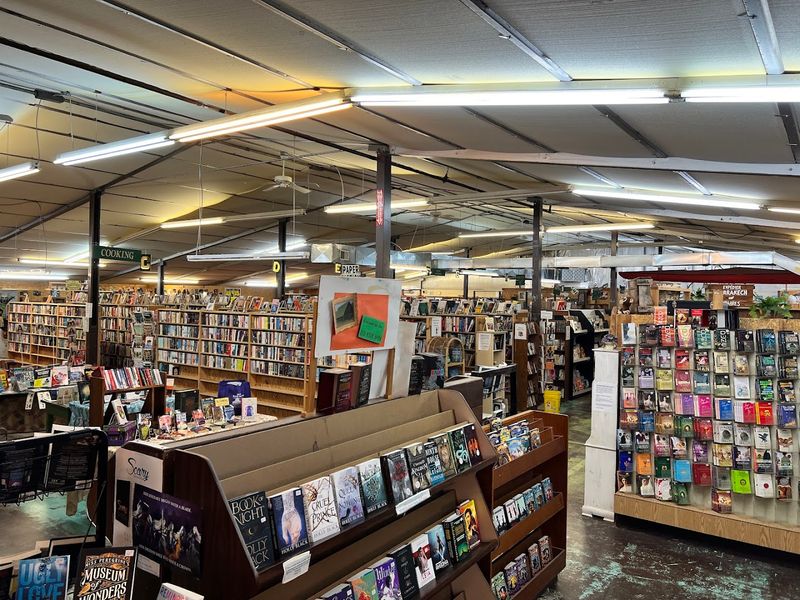
One of the smartest things about Old Book Barn is that it does not narrow its identity to fiction alone. The store appears to understand that readers often want context along with entertainment, and that broader mix gives the front end of the visit a different texture than a standard used bookstore run.
Near the entrance, local history titles and postcards have been noted as part of the selection. That detail may sound small, but it changes the tone immediately.
Instead of entering a generic wall of paperbacks, you step into a place with visible ties to regional curiosity, memory, and collecting.
From there, the inventory widens. Alongside novels and genre sections, shoppers can browse practical subjects, older editions, and other media formats that invite slower looking.
The appeal is not only quantity. It is the way the store lets different reading lives overlap in one trip, whether you are chasing a vintage hardcover, a quirky nonfiction subject, or a stack of lighter vacation reads.
Even sensory details play a role here. Used bookstores often succeed when they carry a certain paper-and-time character without tipping into neglect, and Old Book Barn’s reputation for being clean and well organized suggests a thoughtful middle ground.
You get the visual density and age mix that readers crave, but the layout still sounds manageable enough for an extended browse.
That is why the non-novel extras matter. They keep the store from becoming one-note, and they broaden the reasons to stop in.
A shopper might arrive looking for fiction and leave with a local history title, a postcard, an audiobook, or a shelf surprise from a category that barely registered before the visit began.
The Thrill of Unexpected Finds
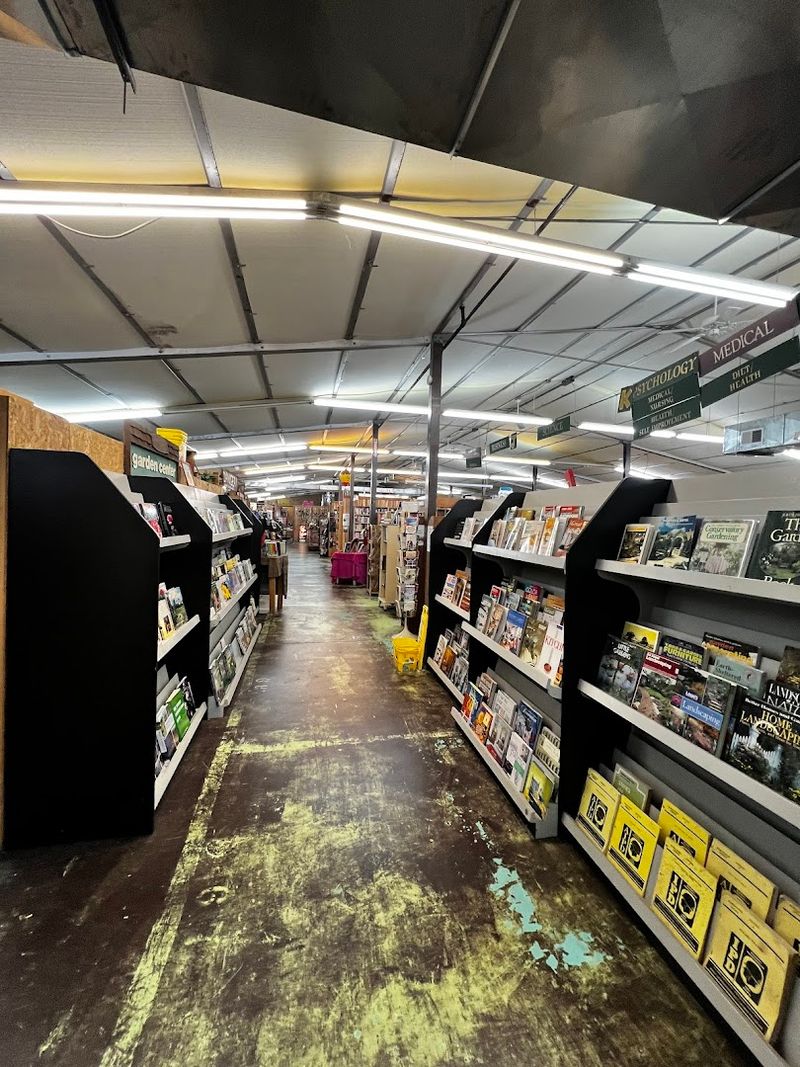
One of the biggest reasons readers return to Old Book Barn is simple: no two visits feel exactly the same. The store’s massive inventory creates the kind of browsing experience where surprises are almost guaranteed.
Even shoppers who arrive with a carefully planned list often leave carrying books they never expected to buy. That sense of discovery remains one of the bookstore’s strongest attractions.
The used-book nature of the inventory plays a major role. New titles, older editions, collectible hardcovers, out-of-print works, and forgotten paperbacks all circulate through the shelves, creating a constantly changing landscape.
A favorite author might appear in abundance one month and be harder to find the next, while an unexpected first edition or niche subject suddenly emerges from a section you almost skipped. The uncertainty becomes part of the appeal.
That experience rewards curiosity. Instead of searching a database and receiving an instant answer, visitors are encouraged to wander.
A quick stop in the mystery section might lead to local history, vintage travel guides, classic science fiction, or a shelf devoted to a hobby you have never explored before. The store invites small detours, and those detours often produce the most memorable discoveries.
Collectors appreciate that unpredictability as much as casual readers. Hidden gems can appear anywhere, and the thrill of spotting a sought-after title among thousands of books never completely fades.
The shelves reward patience, observation, and a willingness to browse without a strict agenda. That treasure-hunt quality is what separates Old Book Barn from many modern retail experiences.
The store offers more than inventory; it offers possibility. Every aisle carries the feeling that the next shelf could hold the book you have been searching for years, or the one you never knew existed until that moment.
When to Go, How to Pace It, and the Best Way to Do the Visit
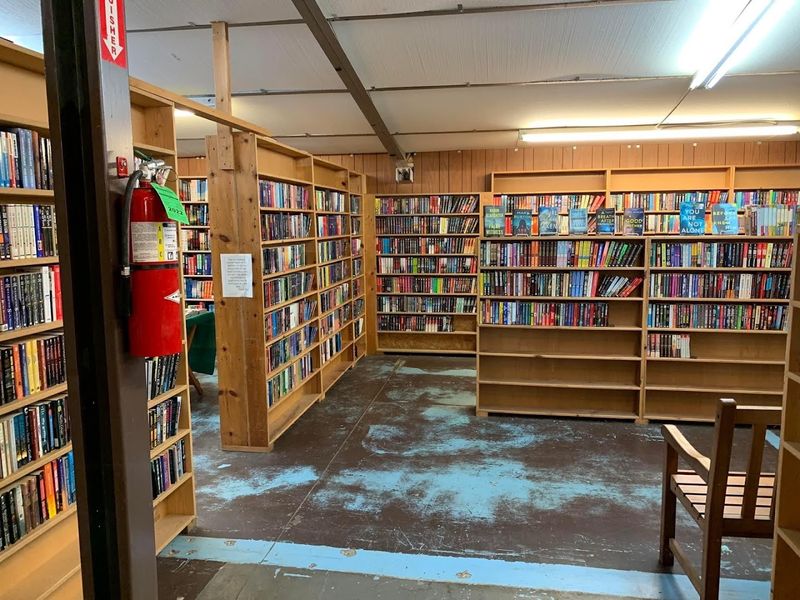
The best way to visit Old Book Barn is to plan for an actual outing, not a quick retail stop between errands. Its posted hours make that easy to map out: most weekdays run from 9 AM to 5 PM, Saturday stretches to 6 PM, and Sunday opens at noon.
That schedule strongly suggests a leisurely daytime browse rather than a rushed evening dash. If you want the store on your terms, timing matters.
Earlier hours can give you a calmer start and more energy for shelf scanning, while Saturday offers the longest window if you are turning the trip into a weekend drive.
Sunday works well for a slower half day, especially if your goal is wandering without forcing too many other stops around it.
Inside, pacing is everything. Start with one or two priority sections so the trip has structure, then leave room for drift.
In a store this size, total coverage is unrealistic for most people, and trying to conquer every aisle can flatten the fun. A better approach is to move in loops, check the obvious categories first, then follow any promising tangent that opens up.
There are practical reasons to slow down. Some authors may appear across multiple genres, the selection extends beyond books alone, and seating around the store helps break the visit into phases.
If you are shopping with someone who reads differently, that layout works in your favor because one person can dig deep while the other browses more casually.
Most important, leave with enough space in your bag and enough patience to keep looking. Old Book Barn is built for discovery, and the strongest finds often appear after your original list has already been crossed off.
Share this story