Everyone knows Broadway. The neon lights, honky-tonks, and boot-scootin’ crowds make it the beating heart of Nashville’s tourist scene.
But here’s the thing: while Broadway gets all the camera flashes, the real magic happens in the neighborhoods tucked away from the main stage. These spots have the coffee shops where locals actually hang out, the murals that make your Instagram pop, and the kind of charm you can’t fake with a tour bus.
1. East Nashville
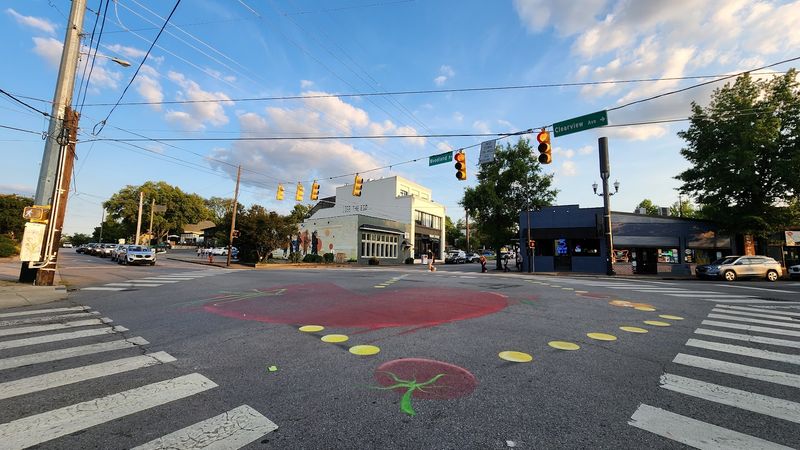
Cross the Cumberland River and you’ll find yourself in a world where vintage shops sit next to taco joints and everyone seems to know everyone. East Nashville transformed from a quiet residential area into one of the city’s coolest spots, and it did so without losing its soul.
The Five Points area alone could keep you busy for hours with its eclectic mix of boutiques, record stores, and eateries.
Musicians who aren’t quite ready for the Opry stage play intimate shows at venues like The 5 Spot. Art galleries pop up in renovated houses, and the murals covering building walls change often enough that locals make a game of spotting new ones.
You’ll see more vintage concert tees than cowboy hats here.
The food scene runs deep, from Nashville hot chicken at Prince’s to international flavors that reflect the neighborhood’s diversity. Coffee culture thrives with indie roasters serving drinks that put chain shops to shame.
Weekend mornings mean farmers market runs and porch-sitting with neighbors.
The vibe stays laid-back even as the neighborhood grows. People actually live here, walk their dogs here, and argue about which pizza place reigns supreme.
That’s what makes it special.
2. 12 South
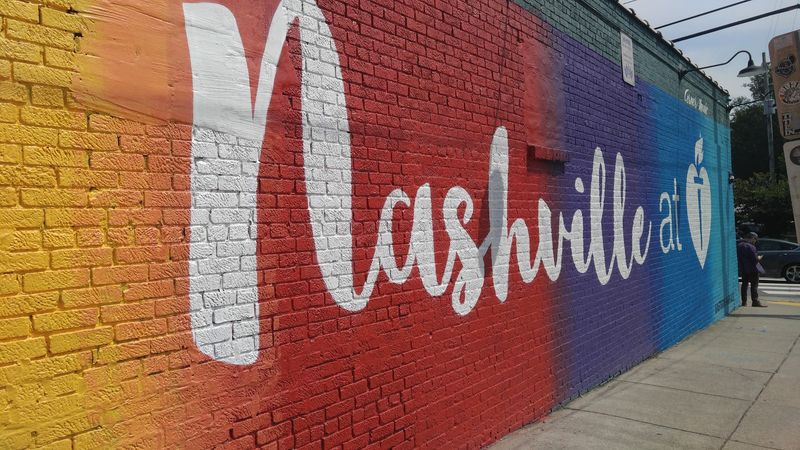
You’ve probably seen the “I Believe in Nashville” mural on someone’s feed. That’s 12 South in a nutshell—picture-perfect but genuinely fun.
This walkable strip along 12th Avenue South packs more personality per block than most neighborhoods manage in a square mile. Boutiques selling everything from handmade jewelry to vintage cowboy boots line the street, and window shopping here actually means something.
Brunch culture reaches peak Nashville at spots where the wait might test your patience but the biscuits reward it. The neighborhood attracts a mix of young professionals, families pushing strollers, and visitors who did their homework before coming to town.
You can grab artisan ice cream, browse independent bookstores, and find that perfect leather bag all without moving your car.
What started as a sleepy residential area became a destination when local entrepreneurs started opening shops that reflected Nashville’s creative spirit rather than copying trends from elsewhere. The result feels curated but not stuffy.
Tree-lined sidewalks make strolling pleasant even in summer heat.
Parking can be tricky on weekends, which locals take as a badge of honor. The neighborhood stays busy without feeling overcrowded, and the energy shifts from family-friendly daytime to date-night evenings seamlessly.
3. Germantown
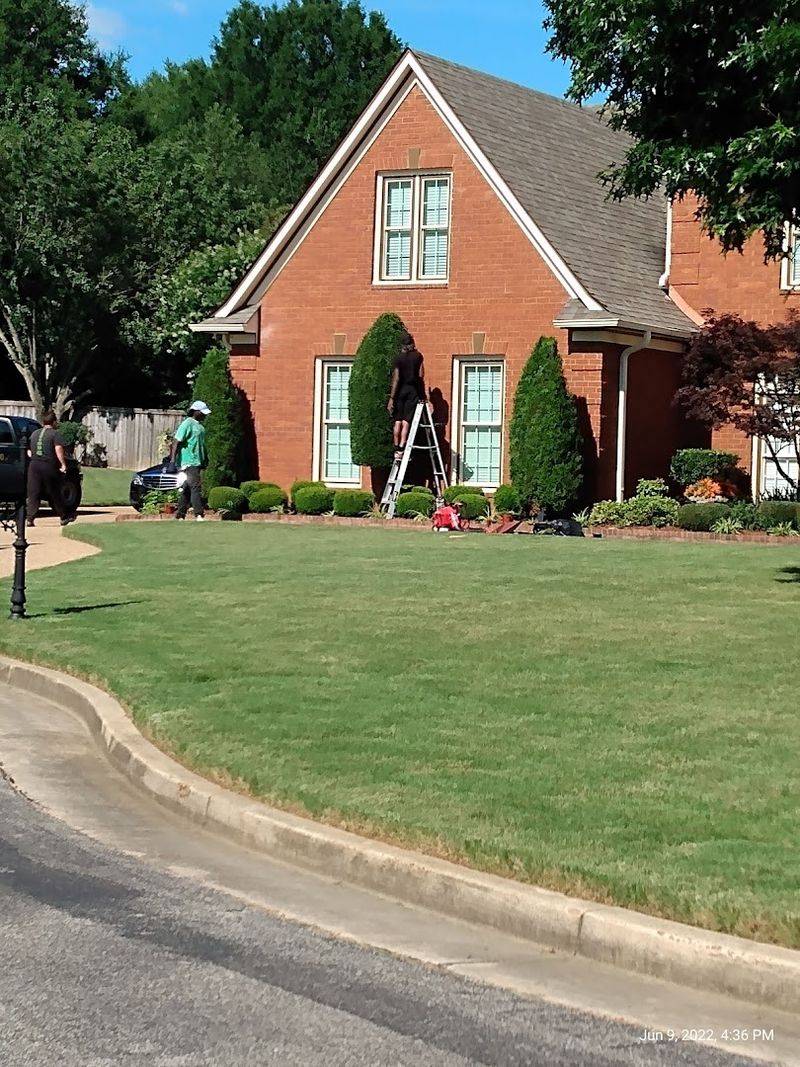
Brick buildings tell stories here. Germantown’s history runs back to Nashville’s earliest days when German immigrants settled north of downtown and built a community that still stands.
Those 19th-century structures now house some of the city’s best restaurants, and the contrast between old architecture and new culinary innovation creates something special.
The neighborhood managed a rare trick: it gentrified without completely erasing its character. Yes, you’ll find upscale dining and boutique hotels, but the bones of the place remain authentic.
Walking these streets means passing former factories converted into loft spaces, corner groceries turned wine bars, and churches that still hold services beside trendy brunch spots.
Food draws people from across the city. Whether you’re craving elevated Southern fare, craft cocktails in a speakeasy-style setting, or wood-fired pizza in a renovated warehouse, Germantown delivers.
The Bicentennial Capitol Mall State Park borders one edge, offering green space and historical markers that put everything in context.
Recent development brought more residents, more shops, and the inevitable debates about neighborhood change. But the area retains enough grit alongside its polish to feel real.
You can still find old-timers who remember when this was Nashville’s overlooked corner, and they’ll tell you stories the guidebooks miss.
4. Wedgewood-Houston (WeHo)
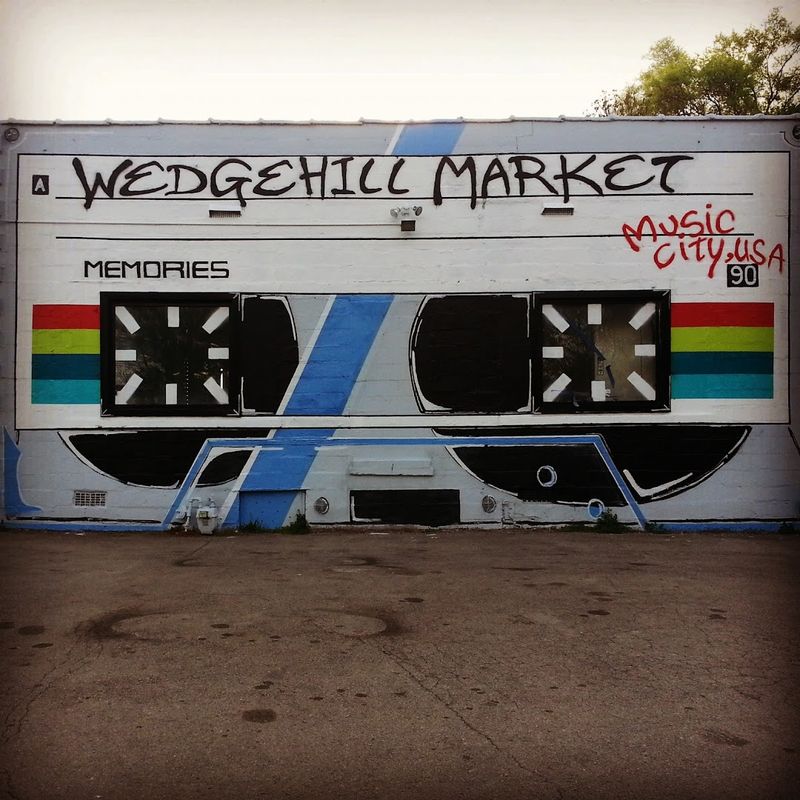
Street art covers nearly every available wall. Wedgewood-Houston embraced its industrial roots and said, “Let’s make this weird and wonderful.” Former warehouses became art galleries, breweries moved into spaces with exposed beams and concrete floors, and suddenly Nashville had a legitimate arts district that didn’t feel forced or corporate.
First Saturdays bring art crawls where galleries open their doors, food trucks set up shop, and the neighborhood transforms into an open-air party that celebrates creativity over commerce. You’ll see working artists in their studios, not just finished pieces behind glass.
The energy feels collaborative rather than competitive, with makers supporting each other’s ventures.
Craft beer flows freely at taprooms that take their brewing as seriously as any vineyard takes its grapes. The food scene leans experimental, with chefs trying concepts that might not fly in more conservative neighborhoods.
Vintage stores, coffee roasters, and small music venues fill the gaps between larger spaces.
The nickname WeHo stuck because locals love a good abbreviation, but also because the neighborhood earned its own identity separate from fancier areas nearby. It stays grittier, more affordable, and more willing to take risks.
Development continues, but artists and creatives still claim this as their territory, and that edge keeps things interesting.
5. Marathon Village
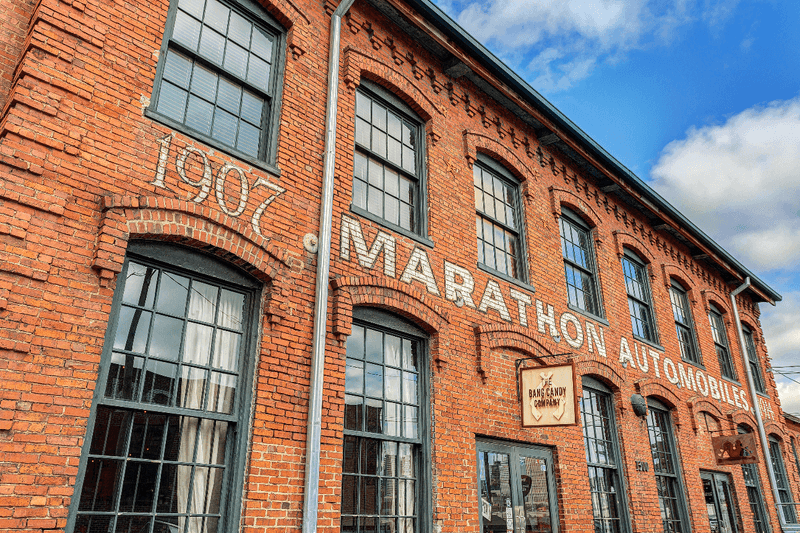
Cars used to roll off assembly lines here. The Marathon Motor Works building stands as a monument to Nashville’s automotive history, and now it houses everything from craft breweries to artisan shops.
The industrial architecture alone makes the trip worthwhile—huge windows, original hardwood floors, and the kind of space that modern construction can’t replicate.
Antique Archaeology, made famous by the TV show American Pickers, calls Marathon Village home. You can spend hours digging through vintage treasures and weird Americana that makes you wonder about the stories behind each piece.
But the village offers more than nostalgia. Local makers set up shop here because the rent makes sense and the community supports small business.
Multiple breweries mean you can taste your way through Nashville’s craft beer scene without leaving the complex. The outdoor spaces host food trucks, live music, and weekend markets that draw crowds from across the city.
It’s become a destination for both locals seeking weekend adventures and visitors who want something beyond the usual tourist traps.
The building’s history adds depth to every visit. Knowing that this place manufactured luxury automobiles a century ago, then sat empty for decades before its revival, makes the current energy feel earned rather than manufactured.
Nashville saved this landmark by making it useful again.
6. Sylvan Park
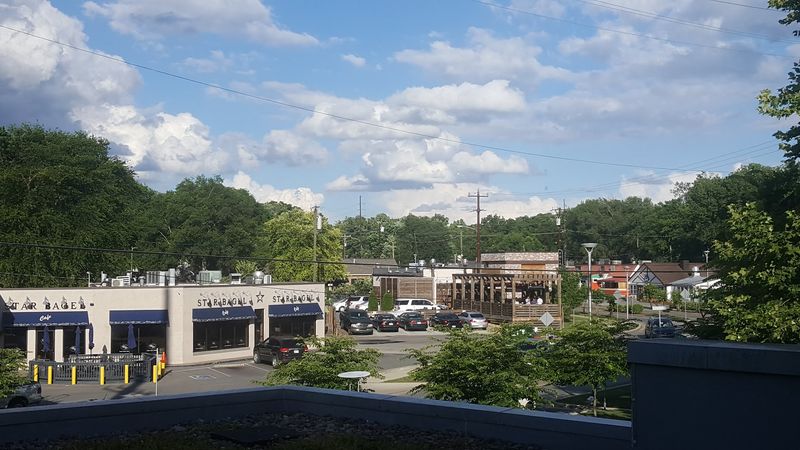
Bungalows line quiet streets where kids still ride bikes and neighbors actually know each other’s names. Sylvan Park gives you that small-town feeling while sitting just minutes from downtown Nashville.
The neighborhood developed in the early 1900s, and many of those original Craftsman-style homes still stand, lovingly maintained by residents who take pride in their porches and gardens.
Sylvan Park Restaurant anchors the commercial strip, serving breakfast and lunch to regulars who have their usual tables and orders. The area doesn’t try to compete with flashier neighborhoods—it just does its thing well.
Local coffee shops, a beloved pizza joint, and a handful of boutiques provide daily needs without the crowds or attitude.
McCabe Park and the nearby greenway offer outdoor space for running, dog-walking, and weekend soccer games. Families gravitate here for the strong sense of community and the good schools.
The housing stock ranges from modest bungalows to larger renovated homes, but nothing feels ostentatious or out of place.
Charlotte Avenue forms the neighborhood’s main artery, connecting Sylvan Park to the rest of Nashville while maintaining its distinct character. You won’t find tour buses here, and that’s exactly the point.
This is where Nashville lives rather than performs, and residents wouldn’t trade that authenticity for anything.
7. Hillsboro Village
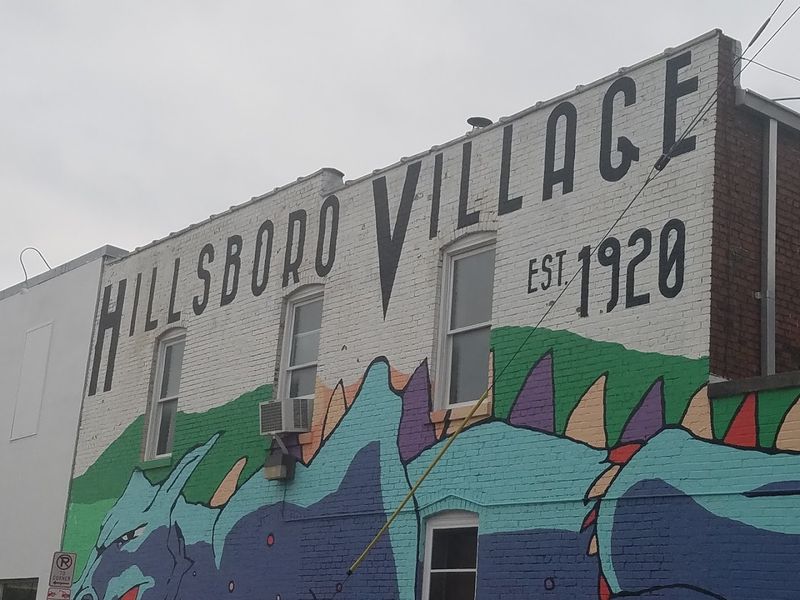
Vanderbilt University sits right next door, which explains the coffee shops per capita ratio and the number of people carrying textbooks into breakfast spots. Hillsboro Village captures that college-town energy while serving a broader community that includes longtime residents and young professionals who never quite left the area after graduation.
The Belcourt Theatre stands as a neighborhood landmark, screening independent films and hosting special events that draw cinephiles from across the city. Nearby, Pancake Pantry has been serving breakfast since 1961, and the line out the door proves that some traditions deserve their reputation.
Independent bookstores, record shops, and quirky boutiques give you reasons to wander without a specific destination in mind.
The architecture mixes commercial buildings from different eras, creating a visual timeline of Nashville’s growth. You’ll find renovated houses serving as office spaces next to modern apartments above street-level retail.
The scale stays human-sized rather than overwhelming, making everything feel accessible.
Students studying over coffee, families grabbing weekend brunch, and neighbors running errands all share the sidewalks without friction. The village atmosphere comes from this mix—everyone belongs here, whether they’re visiting for an hour or have lived around the corner for decades.
The proximity to Vanderbilt brings energy and new ideas while the established businesses provide stability and character.
8. The Gulch
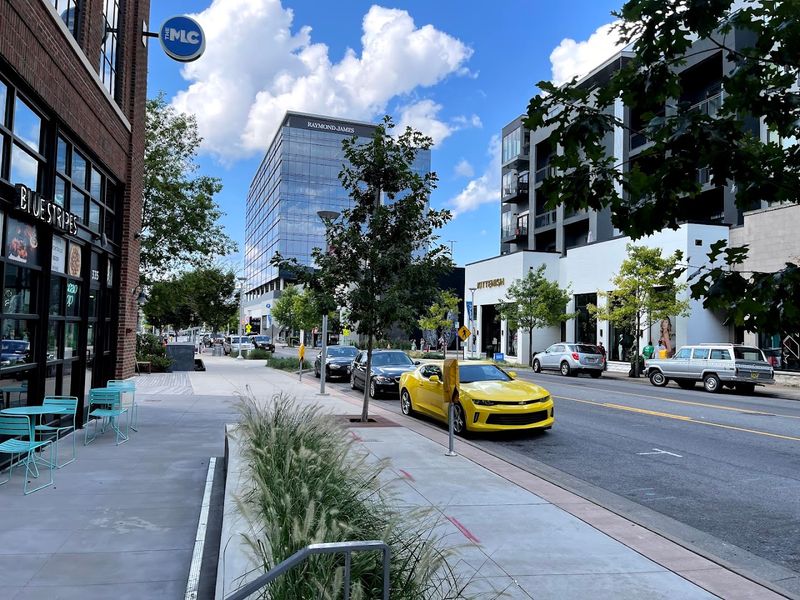
Glass towers catch the light. The Gulch represents Nashville’s ambitions to be more than just Music City—it wants to be a major metropolitan player, and this neighborhood makes that case boldly.
What was once an industrial rail yard transformed into a dense urban core packed with luxury condos, high-end dining, and nightlife that attracts the dressed-up crowd.
Rooftop bars offer skyline views that remind you Nashville has grown up considerably. The restaurants here lean upscale, with celebrity chefs and concept dining that wouldn’t be out of place in New York or Los Angeles.
Shopping runs toward designer brands and boutiques that cater to people with disposable income and an eye for style.
The Gulch also serves as a hub for young professionals who want walkable urban living. You can work, eat, shop, and play without needing a car, which feels revolutionary in a city built around driving.
The architecture leans modern and sleek, a stark contrast to Nashville’s historic neighborhoods, and that’s entirely the point.
Critics say it lacks soul, that it could be anywhere. Fans counter that Nashville needed a contemporary downtown district to compete nationally.
Both perspectives hold truth. The Gulch delivers sophistication and convenience, but it trades character for polish.
Whether that matters depends on what you’re seeking from a Nashville neighborhood.
9. Berry Hill
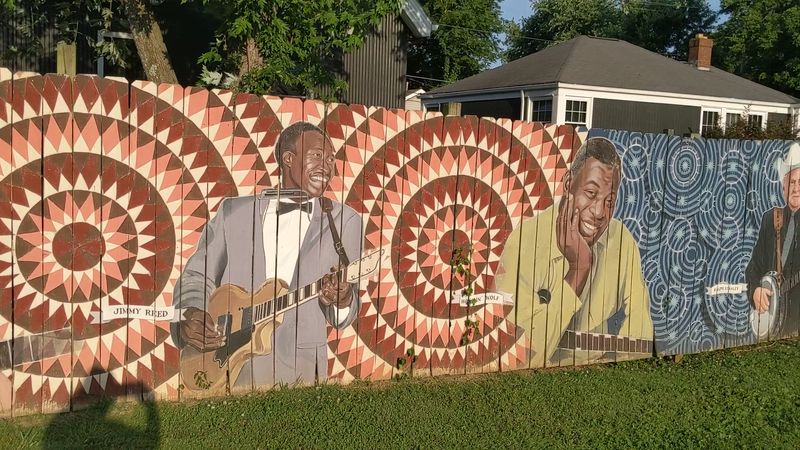
Recording studios hide in plain sight. Berry Hill built its reputation as Nashville’s music production hub, where albums get made away from the tourist gaze.
Major artists and indie musicians alike book time in studios scattered throughout this unassuming neighborhood south of downtown. The creative energy runs deep but stays low-key.
The commercial district along 8th Avenue South mixes music industry businesses with an eclectic collection of restaurants, vintage stores, and service shops that serve both the neighborhood and the wider city. You might find yourself eating Ethiopian food next to a studio where a hit record is being tracked, and nobody makes a fuss about it.
Berry Hill incorporated as its own city within Nashville’s metro area, a quirky bit of governance that locals mention with pride. The neighborhood maintains its own identity and character partly because of this independence.
Development happens at a different pace here, with less pressure to transform into something trendy.
The vibe stays working-class creative. This is where people come to make things rather than be seen making things.
Studio musicians, engineers, producers, and music industry professionals call Berry Hill home or at least spend significant time here. That authenticity—the focus on craft over image—gives the neighborhood a credibility that flashier areas can’t manufacture.
10. Donelson
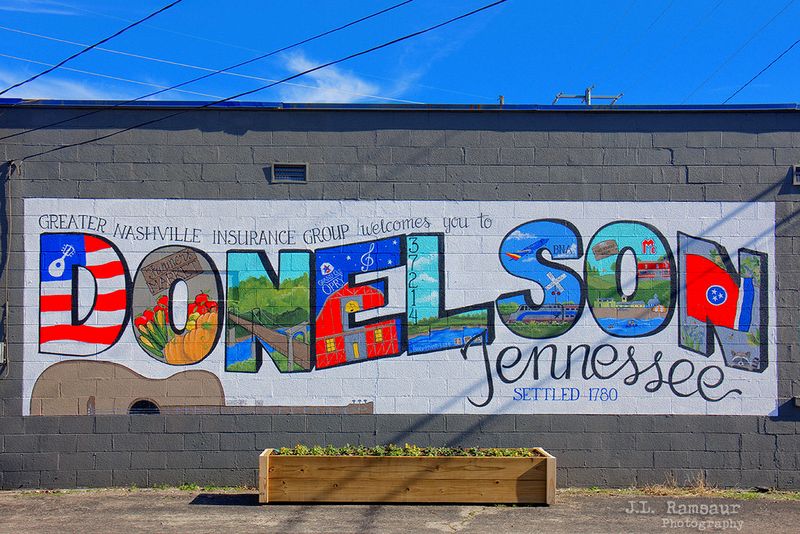
Percy Priest Lake forms the neighborhood’s eastern boundary, offering water recreation that most Nashville neighborhoods can’t claim. Donelson flies under the radar for many visitors, but locals know it as a solid residential area with good value, convenient airport access, and plenty of parks and green space.
Families and longtime residents dominate the demographic.
The airport’s proximity means you’ll hear planes overhead, but it also means easy travel and a collection of hotels and services that support the aviation industry. The neighborhood developed as a suburb before Nashville’s sprawl made everything feel connected, and it retains some of that separate-city feeling even as growth continues.
Shopping and dining lean toward chains and local favorites rather than trendy spots, which keeps prices reasonable and parking plentiful. You won’t find Instagram-famous murals here, but you will find good Mexican restaurants, reliable breakfast spots, and the kind of businesses that serve neighbors rather than tourists.
The Donelson Farmers Market brings the community together on weekends.
Percy Priest Lake provides the major recreational draw. Boating, fishing, and lakeside parks give residents outdoor options that other Nashville neighborhoods lack.
The lake also keeps development from creeping too far east, preserving some breathing room. Donelson may not make the trendy neighborhood lists, but it offers practical Nashville living with easy access to everything that does.
11. Belmont-Hillsboro
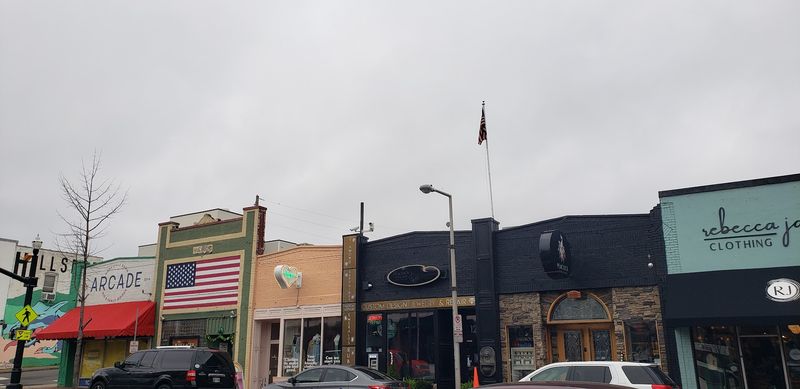
Belmont University’s presence shapes everything here. The neighborhood wraps around the campus, creating a college-town atmosphere with coffee shops that stay open late during finals and rental houses filled with students learning music business and songwriting.
But Belmont-Hillsboro also includes some of Nashville’s most beautiful historic homes, where established families have lived for generations.
The contrast between student energy and old Nashville money creates an interesting dynamic. Mansions with manicured lawns sit blocks from student housing and practice spaces where future stars work on their craft.
The neighborhood accommodates both without much friction, partly because Belmont’s campus itself is gorgeous and well-maintained, respecting the area’s character.
Belmont Boulevard serves as the commercial spine, with restaurants, shops, and services catering to students, faculty, and residents. The food scene reflects college budgets with affordable options alongside nicer spots for parents visiting campus.
Tree-covered streets make walking pleasant, and the area’s central location means quick access to Green Hills shopping or downtown entertainment.
Music fills the air more here than almost anywhere except maybe East Nashville. Students practice in garages, small venues book emerging talent, and industry professionals live nearby to stay connected to the next generation.
The neighborhood nurtures Nashville’s musical future while honoring its past through preservation and community pride.
12. Green Hills
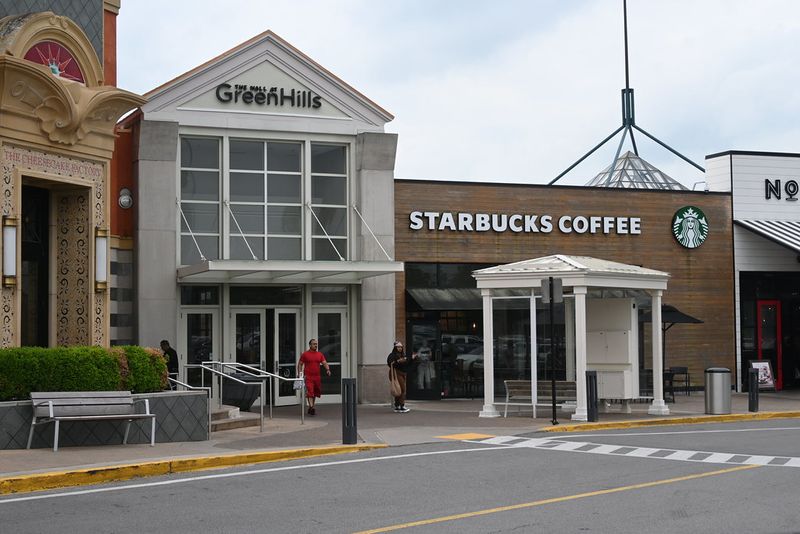
Money lives here, and it shows. Green Hills built its reputation as Nashville’s upscale shopping and residential district, where luxury brands set up shop and professionals buy homes with good school zones.
The Mall at Green Hills anchors the commercial area, but the surrounding streets offer additional high-end retail, fine dining, and services that cater to affluent clientele.
The neighborhood attracts families who prioritize good schools and safe streets. The housing stock ranges from mid-century ranch homes to new construction mansions, with prices reflecting the desirability and location.
You’ll see more luxury SUVs here than pickup trucks, and the landscaping stays immaculate year-round.
Restaurants span from national chains to local upscale concepts, with wine lists that take themselves seriously and brunches that require reservations. The shopping extends beyond the mall to include boutiques, home decor stores, and specialty shops that serve people furnishing nice homes.
Parking lots stay full on weekends as shoppers from across Nashville make the trip.
Critics call Green Hills bland and suburban. Supporters appreciate the safety, convenience, and quality of services.
The neighborhood doesn’t pretend to be edgy or artistic—it offers comfortable, affluent living with easy access to everything Nashville provides. For families and professionals seeking stability over trendiness, Green Hills delivers exactly what it promises without apology.
Share this story