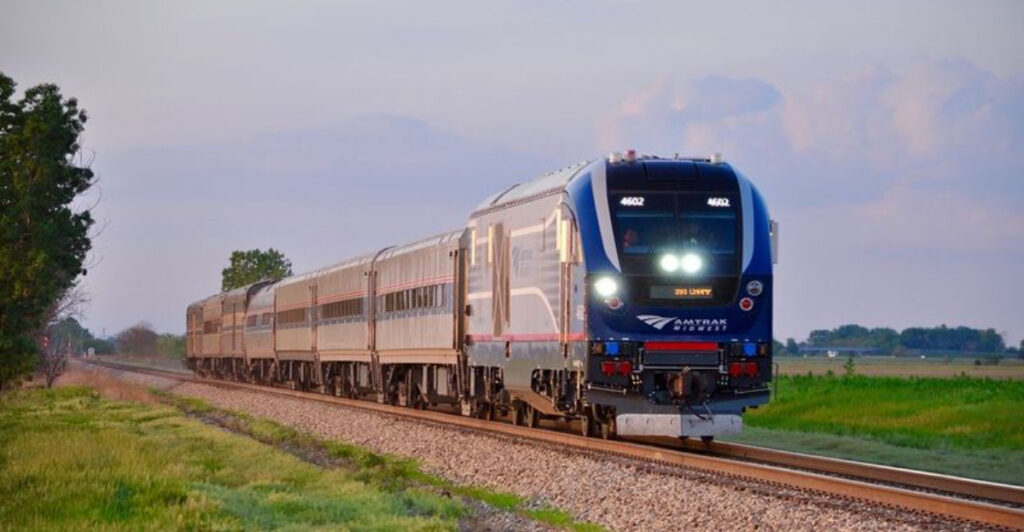
Michigan is full of surprises, and one of the best ways to discover them is by hopping on a train. Forget the highway traffic and parking headaches — Amtrak’s Michigan routes connect some of the state’s most vibrant cities, lakeside towns, and hidden gems in a way that feels almost old-school cool.
Whether you’re a solo traveler, a couple looking for a spontaneous weekend escape, or a family ready to mix things up, these 13 train day trips are worth every minute of the ride. Pack light, grab a window seat, and get ready to see Michigan from a whole new angle.
1. Holland
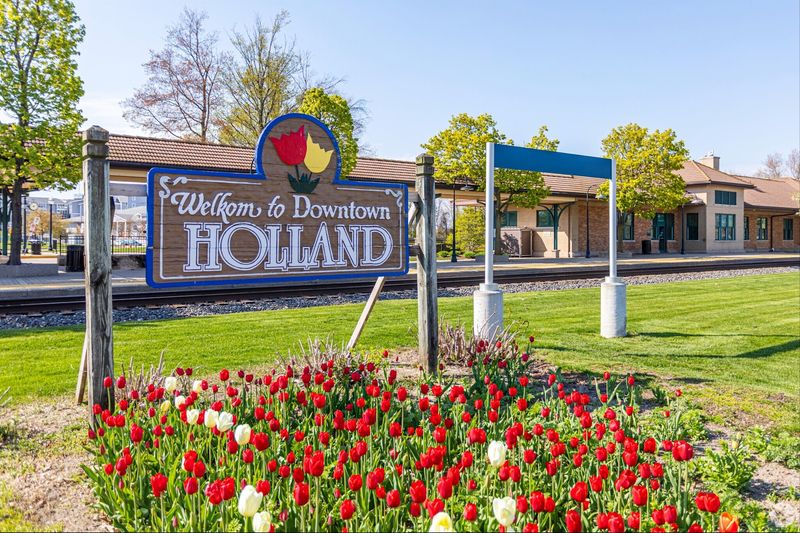
Few Michigan towns commit to a theme as boldly as Holland does. This Lake Michigan shoreline city leans hard into its Dutch heritage, and the result is genuinely charming rather than kitschy.
Riding the train here feels like stepping into a postcard — one that smells like tulips and fresh lake air.
Holland is best known for its annual Tulip Time Festival, which draws hundreds of thousands of visitors every spring. But even outside festival season, the downtown is packed with independent shops, Dutch bakeries, and coffee spots worth lingering in.
Windmill Island Gardens is a must-see, featuring an authentic 250-year-old working Dutch windmill that was actually imported from the Netherlands.
Saugatuck is just a short drive or rideshare away if you want to extend the adventure into art galleries and dune climbing. Holland’s Nelis’ Dutch Village is a fun stop for families, with wooden shoe carving demos and old-world architecture that kids genuinely get a kick out of.
The downtown farmers market on Saturdays is lively and local, stocked with produce, flowers, and handmade goods.
One underrated gem is Holland State Park, where you can walk straight from a lighthouse to a wide sandy beach in under five minutes. Sunsets here are the kind that make you reach for your phone even if you’re not usually a photo person.
The train ride from Chicago or Detroit drops you close enough to downtown that getting around on foot is totally doable. Holland rewards slow exploration, so give yourself the full day and resist the urge to rush.
2. Royal Oak
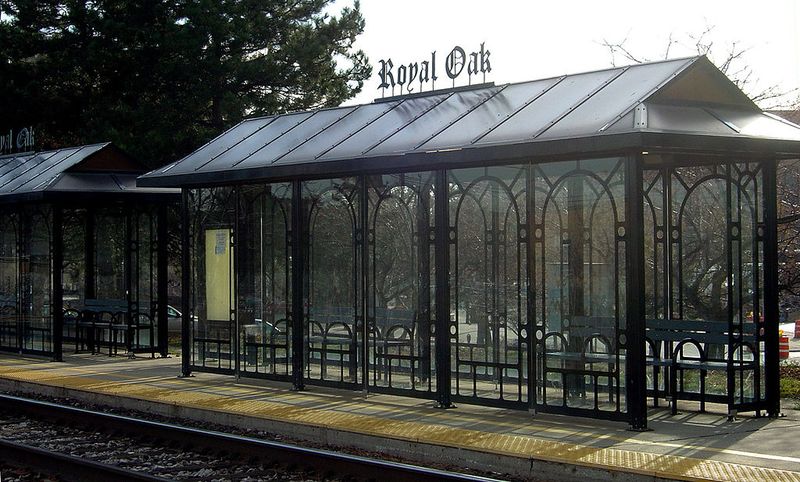
Royal Oak has that rare small-city energy where everything feels walkable, vibrant, and just a little bit too fun for a Tuesday afternoon. Located just north of Detroit, it punches well above its weight when it comes to food, nightlife, and arts.
The train ride from Detroit is short — almost laughably so — but the vibe shift is immediate and worth it.
Main Street is the heartbeat of Royal Oak, lined with locally owned restaurants, vintage record shops, and bars that fill up fast on weekends. The craft beer scene here is strong, with several breweries within easy walking distance of each other.
If you time your visit right, you might stumble into one of the city’s many street festivals or outdoor concerts that pop up throughout the warmer months.
The Detroit Zoo sits right in Royal Oak and is one of the best in the Midwest, covering over 125 acres and home to thousands of animals from around the world. It’s an easy half-day activity before you head back into town for dinner.
For art lovers, the Royal Oak Music Theatre hosts national touring acts in an intimate setting that bigger venues can’t replicate.
Antique hunters will feel right at home here too — Royal Oak has a long-standing reputation for excellent vintage and antique shopping that goes beyond the usual thrift store finds. The farmers market runs seasonally and is beloved by locals who show up early for the good stuff.
Royal Oak rewards both the planner and the spontaneous wanderer equally well. Come hungry, come curious, and leave with a full stomach and a few new favorite spots to tell people about.
3. Battle Creek
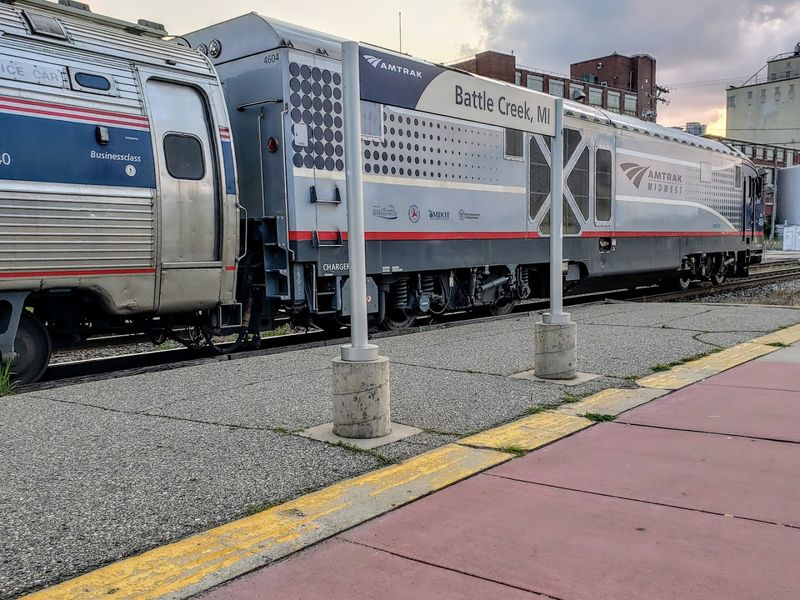
Battle Creek carries a fascinating identity — it’s the Cereal City of America, and that’s not a nickname it shies away from. W.K.
Kellogg built his empire here, and the legacy of that era is woven into the city’s museums, architecture, and community pride. Arriving by train feels fitting for a place that values its roots.
The Kellogg’s cereal history runs deep in Battle Creek, and the Kellogg’s Cereal City USA experience (now in a refreshed form) gives visitors a peek into how one of America’s most iconic breakfast brands got its start. It’s surprisingly interesting even if you’re not a cereal superfan.
The story of Kellogg versus Post, two cereal giants battling it out in the same small Michigan city, is the kind of American business drama that deserves its own documentary.
Beyond breakfast history, Battle Creek has some genuinely great outdoor spaces. Leila Arboretum is a stunning 72-acre botanical garden that locals treat as a neighborhood park, which means it never feels overcrowded.
The Binder Park Zoo is another excellent option, especially for families, with a giraffe feeding experience that kids absolutely love.
Willard Beach on Goguac Lake is a local summer hangout that doesn’t make most tourist lists, which makes it all the more appealing. The downtown area has been investing in revitalization, with newer restaurants and gathering spaces mixing in with longtime local staples.
Linear Park connects many of the city’s green spaces along a trail system that’s great for an afternoon walk or casual bike ride. Battle Creek is the kind of place that surprises you once you actually show up and start poking around — and the train makes showing up incredibly easy.
4. Detroit
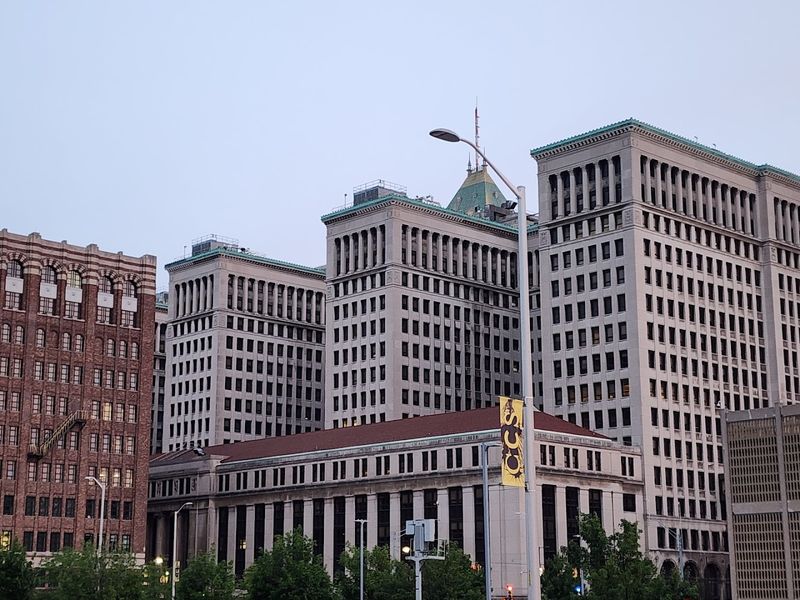
Detroit doesn’t need a soft sell. It’s one of the most culturally rich, historically layered, and genuinely exciting cities in the entire country — and the train gets you right into the middle of it.
Whether you’re coming from Ann Arbor, Chicago, or anywhere along the Michigan line, arriving in Detroit by rail has a cinematic quality to it.
The city’s food scene alone is worth the trip. From classic Coney Island hot dogs to James Beard-nominated restaurants in Midtown, Detroit feeds you well at every price point.
Eastern Market is a must — it’s one of the largest historic public markets in the country and operates year-round, though Saturday mornings are when the energy really hits its peak. Street murals cover entire building sides throughout the city, making a simple walk feel like a gallery tour.
Motown history lives in the Motown Museum on West Grand Boulevard, where you can stand in the very recording studio where Marvin Gaye and Diana Ross made history. The Detroit Institute of Arts houses one of the finest art collections in the nation, and admission is free for Wayne County residents.
For sports fans, the city’s stadiums are clustered close together downtown, making it easy to catch a game without a car.
Belle Isle is a 982-acre island park in the Detroit River that offers an aquarium, a nature center, a stunning conservatory, and miles of trails — all accessible by bridge. The Dequindre Cut is a converted rail line turned greenway that connects the riverfront to Eastern Market.
Detroit rewards the curious and the bold. Come with an open mind, a comfortable pair of shoes, and zero expectations — the city will fill them all in on its own terms.
5. New Buffalo
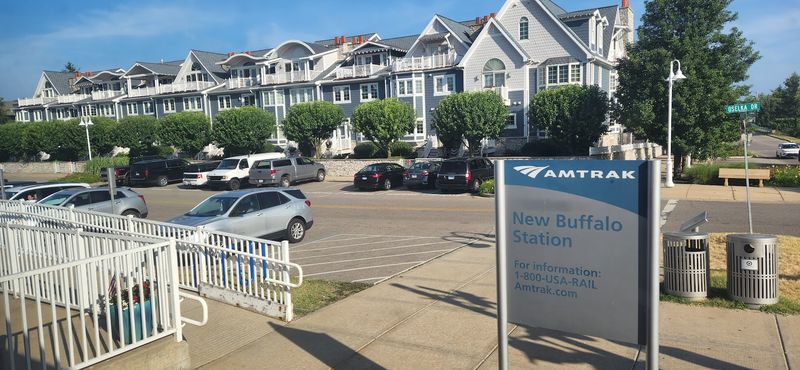
New Buffalo sits right at the southwestern tip of Michigan, just minutes from the Indiana border, and it carries the relaxed confidence of a beach town that knows exactly what it’s doing. The train ride from Chicago takes about an hour and a half, which makes this one of the most popular weekend escapes for city dwellers who need sand and water fast.
The beach is the obvious draw, and it delivers. New Buffalo’s public beach stretches along Lake Michigan with soft sand, gentle waves, and the kind of horizon that makes you exhale slowly without even trying.
The town is small enough to walk everywhere, which is part of its appeal — no car needed, no stress required.
The downtown strip is packed with boutiques, ice cream shops, wine bars, and restaurants that lean heavily into fresh lake perch and seasonal produce. Bentwood Tavern and Brewster’s are local favorites worth checking out for a proper meal after a morning on the beach.
The weekly farmers market during summer months brings in local vendors and creates a festive community atmosphere right in the heart of town.
Harbor Country, the broader region surrounding New Buffalo, includes several small towns like Three Oaks, Lakeside, and Union Pier that are all reachable by rideshare or bike from the train station. Three Oaks in particular has become a destination for antique lovers and foodies who want something quieter and more curated.
The Galena Bluffs and surrounding nature areas offer easy hiking for those who want to balance beach time with a little elevation. New Buffalo is the kind of place that makes you wonder why you don’t do this every single weekend.
6. Jackson
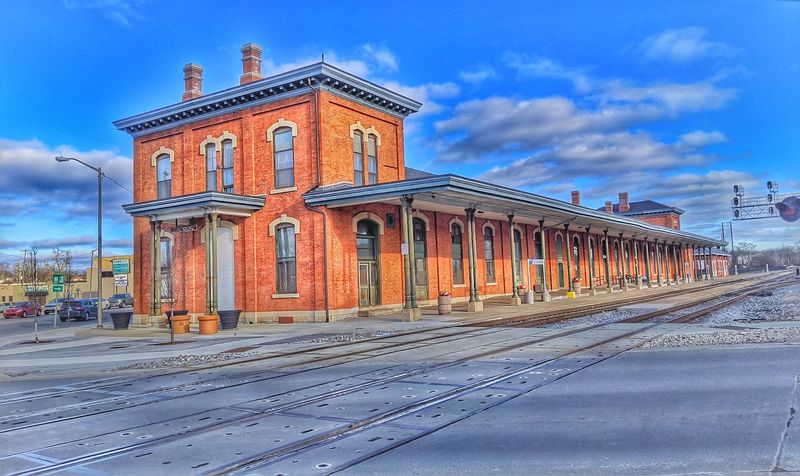
Jackson often gets overlooked on the Michigan travel circuit, and that’s honestly its superpower. Without the hype comes the freedom to be genuinely itself — a mid-sized city with deep history, surprising attractions, and a local pride that’s easy to get caught up in once you arrive.
The train connection makes it a logical and low-effort day trip from several Michigan cities.
The Cascades Falls Park is Jackson’s signature attraction, and it earns that title. The illuminated waterfalls — a series of cascading pools lit up at night — were built in the 1930s and remain a local institution.
Summer evenings here feel like something out of a different era, in the best possible way. The park also has a golf course, paddleboat rentals, and picnic areas that make it a full day destination on its own.
Jackson has a strong claim to American political history as the birthplace of the Republican Party, which was formally organized here in 1854. The Under the Oaks site commemorates that moment with a historical marker and park that history buffs will appreciate.
The Ella Sharp Museum offers a well-rounded look at local and regional history in a setting that’s engaging rather than dusty.
The downtown is undergoing a steady revitalization, with new restaurants and gathering spaces appearing alongside longtime local businesses. The Jackson Crossing area has shopping options for those who want a more conventional retail experience.
CrossWinds Marsh is a wetland preserve just outside the city that’s excellent for birdwatching and quiet nature walks. Jackson is the kind of destination that doesn’t try to impress you — it just does, quietly and on its own schedule.
That’s a refreshing quality in a travel destination.
7. St. Joseph-Benton Harbor
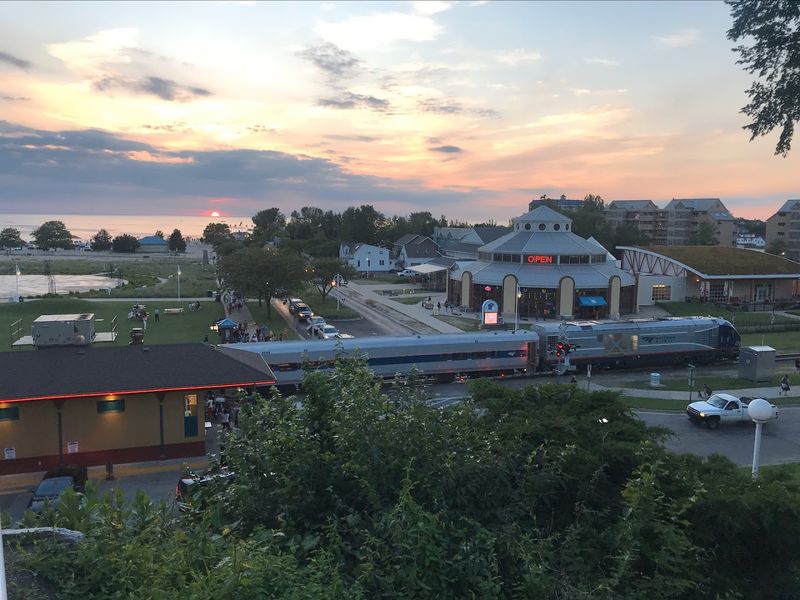
St. Joseph and Benton Harbor sit side by side along the eastern shore of Lake Michigan, and together they form one of the most dynamic and visually stunning destinations on Michigan’s western coast. The two cities have distinct personalities that complement each other perfectly, making a day trip here feel like two experiences packed into one.
St. Joseph is the polished, photogenic half of the pair. Silver Beach is one of the most beautiful stretches of sand on Lake Michigan, and the iconic lighthouse at the end of the pier is one of the most photographed spots in the state.
The bluff above the beach is lined with shops, restaurants, and galleries that make for easy and enjoyable browsing. Whirlpool Compass Fountain in the town center is a playful interactive water feature that families love.
Benton Harbor has been going through a remarkable cultural renaissance, largely driven by the Whirlpool Corporation’s investment in the community and the rise of the arts district known as the Arts District of Benton Harbor. Exhibit A Brewing Company is a local favorite that has become a gathering point for the creative community.
The Benton Harbor Arts District hosts rotating exhibitions and events that highlight local and regional artists.
The Fruit Belt region surrounding both cities produces some of Michigan’s best peaches, blueberries, and cherries, and farm stands along the rural roads nearby are a seasonal treat. The Lake Michigan shoreline here is less crowded than some of the more well-known beach towns, which means you can actually spread out and breathe.
Arriving by train and spending the day wandering between both cities on foot or by rideshare is a genuinely satisfying way to experience this corner of Michigan.
8. Ann Arbor
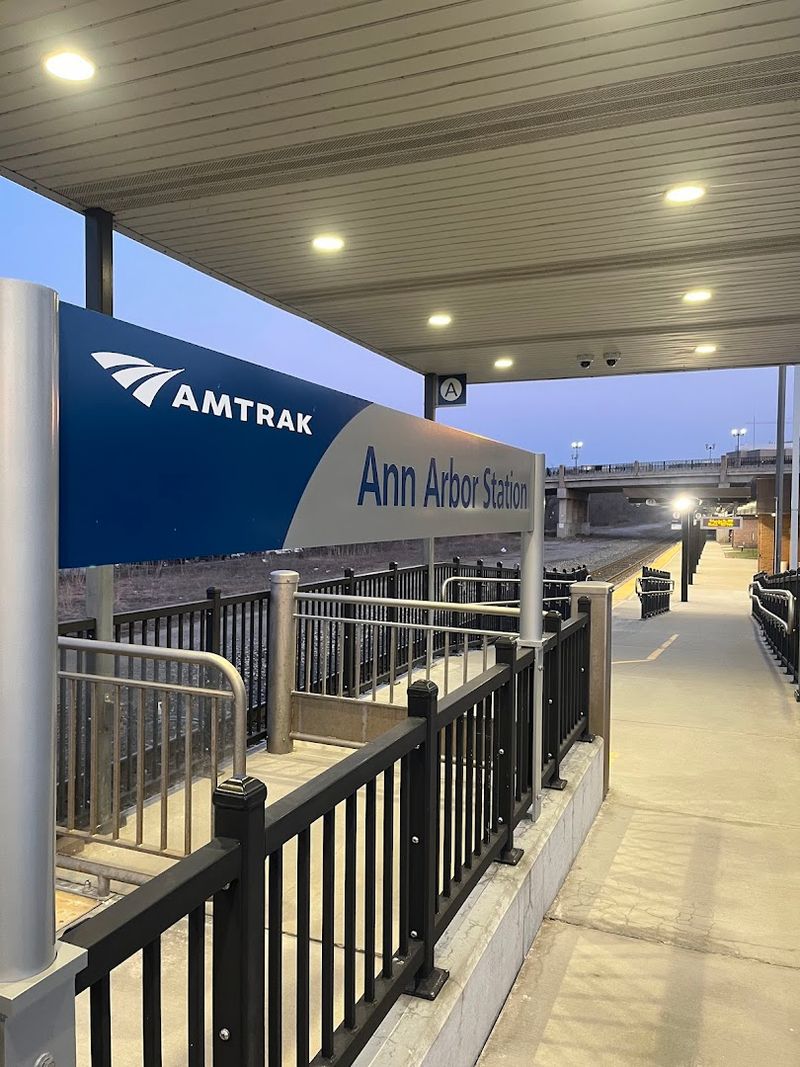
Ann Arbor runs on a particular kind of energy — part college town, part progressive city, part intellectual hub — and it’s infectious from the moment you step off the train. The University of Michigan campus anchors the city both physically and culturally, but Ann Arbor has long since grown into something much bigger than a college town label can contain.
The downtown area on State Street and Liberty Street is one of the best walkable urban corridors in the Midwest. Bookstores, record shops, independent restaurants, and coffee houses line the streets in a way that rewards slow browsing.
Zingerman’s Delicatessen is a legendary local institution that has grown into a community of food businesses — the original deli alone is worth planning a trip around, with sandwiches and specialty foods that have earned national recognition.
The University of Michigan Museum of Art is free and houses an impressive collection spanning thousands of years and dozens of cultures. The Michigan Theater is a beautifully restored 1920s movie palace that still shows films and hosts live performances.
On game days, the Big House fills with over 100,000 fans, making it one of the loudest and most electric atmospheres in all of college football.
Kerrytown is a neighborhood worth seeking out for its farmers market, specialty shops, and relaxed pace that feels distinct from the busier downtown core. The Huron River runs through town, and Gallup Park is a popular spot for kayaking, picnicking, and waterside walks.
Ann Arbor rewards visitors who like to wander without a strict itinerary. The city has layers — academic, artistic, culinary, athletic — and each one reveals itself naturally as you move through the streets at your own pace.
9. Port Huron
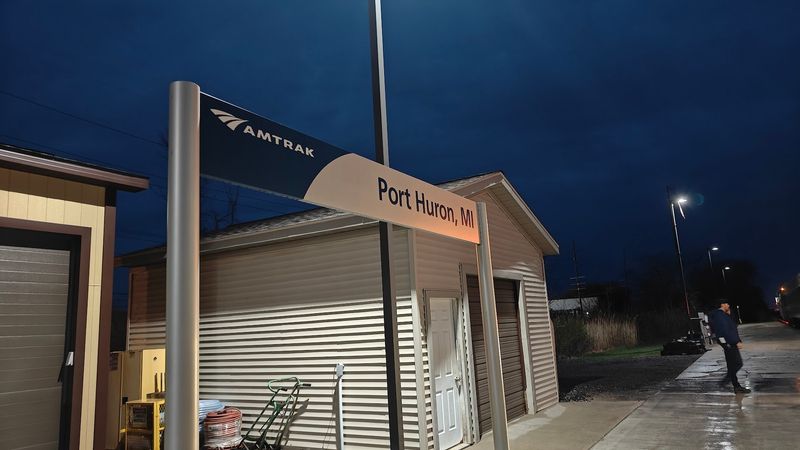
Port Huron wears its waterfront identity with genuine pride, and rightfully so. Positioned where Lake Huron meets the St. Clair River, the city offers one of the most dramatic natural settings in all of Michigan — and the constant parade of massive freighters passing through the river channel is a spectacle that never gets old, no matter how many times you’ve seen it.
The Blue Water Bridge, which connects Port Huron to Sarnia, Ontario, is an engineering landmark and a defining visual of the city’s skyline. The Thomas Edison Depot Museum is a standout attraction — Edison actually worked as a newsboy on the railroad here as a young man, and the museum celebrates that connection with exhibits that bring the inventor’s early life into sharp focus.
The building itself is a beautifully preserved historic train station that feels like a portal to another era.
The Fort Gratiot Lighthouse is the oldest lighthouse in Michigan, dating back to 1825, and it’s open for tours during the warmer months. Standing at the base of it while a thousand-foot freighter glides silently past on the river is a surreal and genuinely memorable experience.
The lighthouse keeper’s quarters have been restored and offer a fascinating glimpse into 19th-century maritime life.
Desmond Landing and the boardwalk along the St. Clair River are perfect for an afternoon stroll, with benches and viewing areas positioned specifically for freighter watching. The Port Huron Museum offers rotating exhibits on regional history, maritime heritage, and local culture.
Downtown has a growing restaurant and brewery scene that gives you solid post-exploration fuel. Port Huron is the kind of place where you end up staying longer than you planned, which is exactly the right kind of problem to have.
10. Grand Rapids
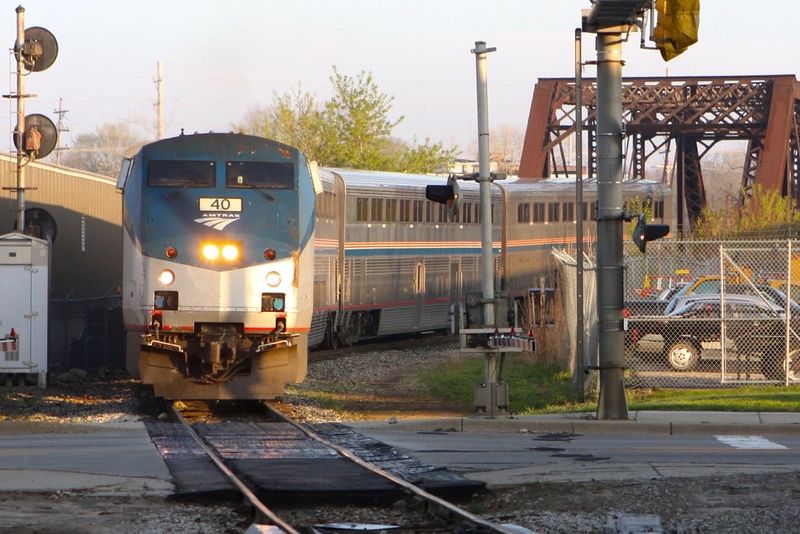
Grand Rapids has quietly become one of the most exciting mid-sized cities in the entire Midwest, and it’s not even trying to be modest about it anymore. From world-class art to an internationally recognized craft beer scene, Michigan’s second-largest city delivers a full-day experience that’s hard to compress into a single trip — which is a great reason to keep coming back.
ArtPrize, the city’s signature annual art competition, transforms Grand Rapids into an open-air gallery every fall, with hundreds of works displayed across venues throughout the city. Even outside of ArtPrize season, the Frederik Meijer Gardens and Sculpture Park is a jaw-dropping 158-acre cultural institution featuring works by Rodin, Degas, and Henry Moore alongside stunning botanical displays.
The Grand Rapids Art Museum is another top-tier institution with a strong permanent collection and engaging rotating exhibitions.
The craft beer scene here has earned Grand Rapids the nickname Beer City USA, and it’s not hyperbole. Founders Brewing Company, Brewery Vivant, and Mitten Brewing are just three of dozens of breweries operating within the city, each with its own distinct personality and lineup.
Grand Rapids has embraced the idea that great beer and great food belong together, and the restaurant scene reflects that philosophy with impressive range.
The Grand River runs through the heart of downtown, and the river walk is a lovely way to orient yourself when you first arrive. The Grand Rapids Children’s Museum is an excellent stop for families with younger kids, while older visitors tend to gravitate toward the downtown entertainment district.
John Ball Zoo sits just west of downtown and is a well-maintained, thoughtfully designed facility that local families adore. Grand Rapids is a city that rewards the curious and generously repays every hour you give it.
11. Dearborn
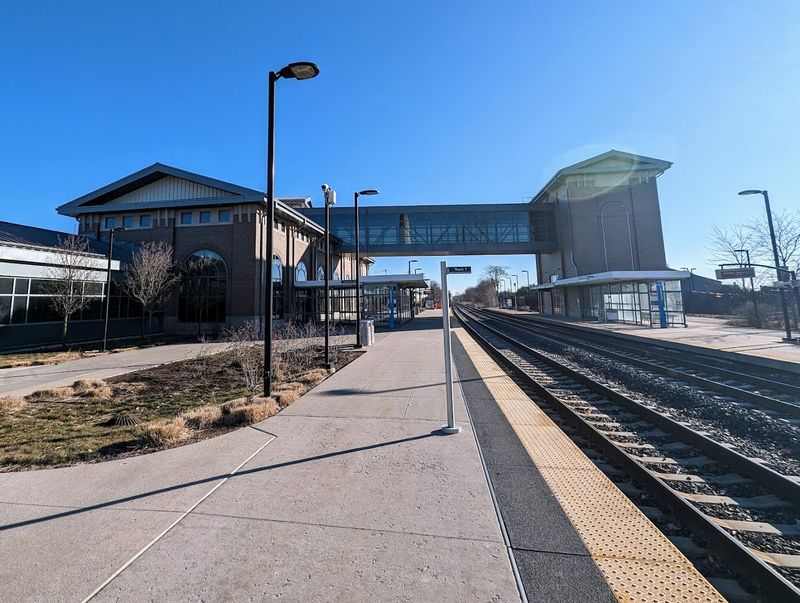
Dearborn is where American industrial history lives, breathes, and occasionally drives itself around a test track. Home to the Ford Motor Company’s global headquarters and the legendary Henry Ford Museum of American Innovation, this city packs more genuine American history into a single square mile than most cities manage across their entire footprint.
For history lovers, it’s practically a pilgrimage.
The Henry Ford Museum is one of the finest history museums in the country — full stop. The collection spans transportation, technology, agriculture, and popular culture in a way that’s immersive rather than overwhelming.
Rosa Parks’ bus is here. The chair Lincoln was sitting in at Ford’s Theatre is here.
The Wright Brothers’ bicycle shop is here. The scale and depth of what’s on display consistently catches first-time visitors off guard in the best possible way.
Greenfield Village, which sits adjacent to the museum, is a 90-acre outdoor living history experience where costumed interpreters bring the past to life in authentic historic buildings that were relocated from across the country. Riding a Model T through the village is a bucket-list moment for automotive enthusiasts and casual visitors alike.
The village also hosts seasonal events throughout the year that give it a different feel depending on when you visit.
Ford’s River Rouge Complex offers factory tours that take you through one of the most storied manufacturing facilities in American history — watching a new F-150 come together on the assembly line is genuinely thrilling. The Arab American National Museum in downtown Dearborn is a culturally rich and often overlooked institution that tells important stories not widely covered elsewhere.
Dearborn’s restaurant scene reflects its diverse community, with exceptional Middle Eastern food that draws visitors from across Southeast Michigan. A day here never feels long enough.
12. East Lansing
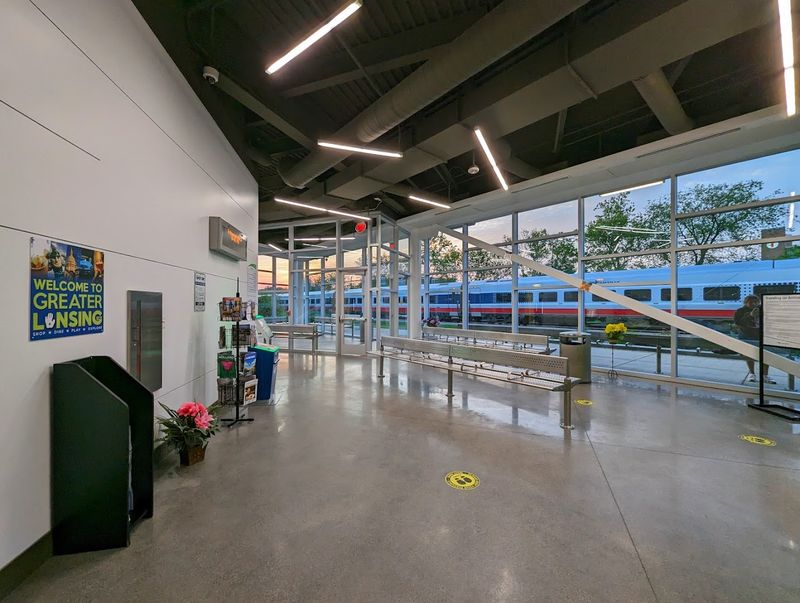
East Lansing is one of those places that has a different answer for every kind of traveler. It’s a college town at its core, built around Michigan State University’s sprawling and genuinely beautiful campus, but it has grown into a destination with enough cultural texture to interest people who have no connection to the university whatsoever.
The train makes it an easy, no-fuss day trip from several Michigan cities.
Michigan State’s campus is one of the most scenic in the country, covering over 5,000 acres with trails, gardens, and historic buildings that make a walking tour feel like genuine exploration. The MSU Museum is free to visit and offers well-curated exhibits on natural history, cultural heritage, and regional life.
The Broad Art Museum on campus is a striking architectural statement by Zaha Hadid and houses thought-provoking contemporary art exhibitions that change regularly.
Grand River Avenue is the main commercial corridor, lined with restaurants, bars, and shops that cater to students but welcome everyone. The Elderly Instruments store is a nationally recognized music shop that draws musicians from around the country — whether you play or just appreciate fine instruments, it’s worth a browse.
Beggar’s Banquet is a beloved local bar with live music that has been a community institution for decades.
The MSU Horticulture Gardens and the W.J. Beal Botanical Garden offer peaceful, beautiful spaces for anyone who wants to slow down and appreciate some seriously impressive plant collections.
On football Saturdays, the energy around Spartan Stadium is electric and infectious, even if you’re not a die-hard fan. East Lansing is at its most alive when the university is in session, so plan accordingly and soak in the youthful, optimistic atmosphere that permeates the whole city.
13. Kalamazoo
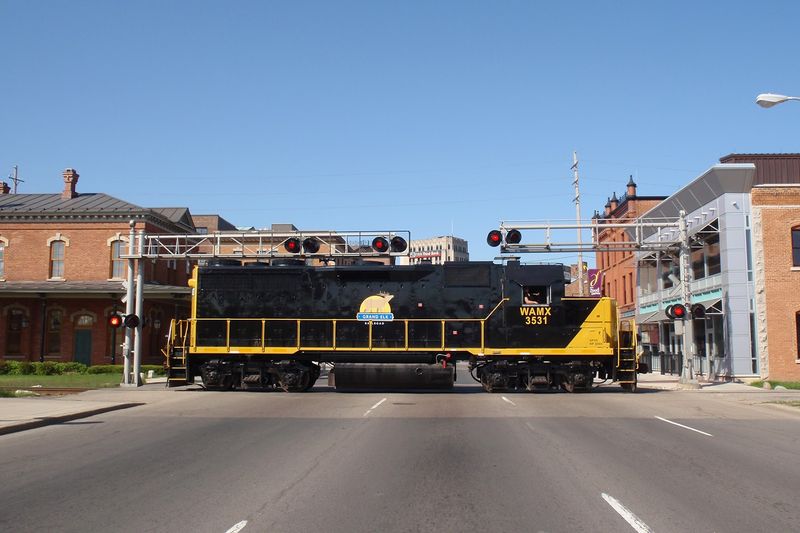
Kalamazoo has one of the best city names in America, and it wears that distinction with a grin. But beyond the fun-to-say name is a city with serious cultural credentials, a thriving craft beer scene, and a downtown that has been thoughtfully revitalized without losing its character.
The train ride here is scenic and smooth, which sets the right tone for what’s waiting on arrival.
Bell’s Brewery is the undisputed king of Michigan craft beer, and it was born right here in Kalamazoo. The original location on Kalamazoo Avenue still operates and draws beer enthusiasts from across the country who come specifically to drink Oberon and Two Hearted Ale at the source.
The Beer Exchange and several other local breweries have built on Bell’s foundation to make Kalamazoo one of Michigan’s premier craft beer destinations.
The Kalamazoo Institute of Arts is a gem that regularly surprises visitors with the quality and range of its collection. The Gilmore Car Museum, located just outside the city in Hickory Corners, is one of the largest and most impressive automotive museums in the world — with over 400 vehicles spread across a 90-acre campus that includes restored historic gas stations and garages.
Getting there requires a rideshare, but it’s worth every minute of the journey.
The Kalamazoo Nature Center is a 1,100-acre preserve with trails, a restored 1858 homestead farm, and educational programs that make it a standout nature experience for all ages. Bronson Park in the heart of downtown is a lovely gathering space with fountains, mature trees, and a central location that makes it a natural meeting point.
Kalamazoo’s restaurant scene has matured significantly in recent years, offering genuine variety and quality that goes well beyond what you’d expect from a city this size.