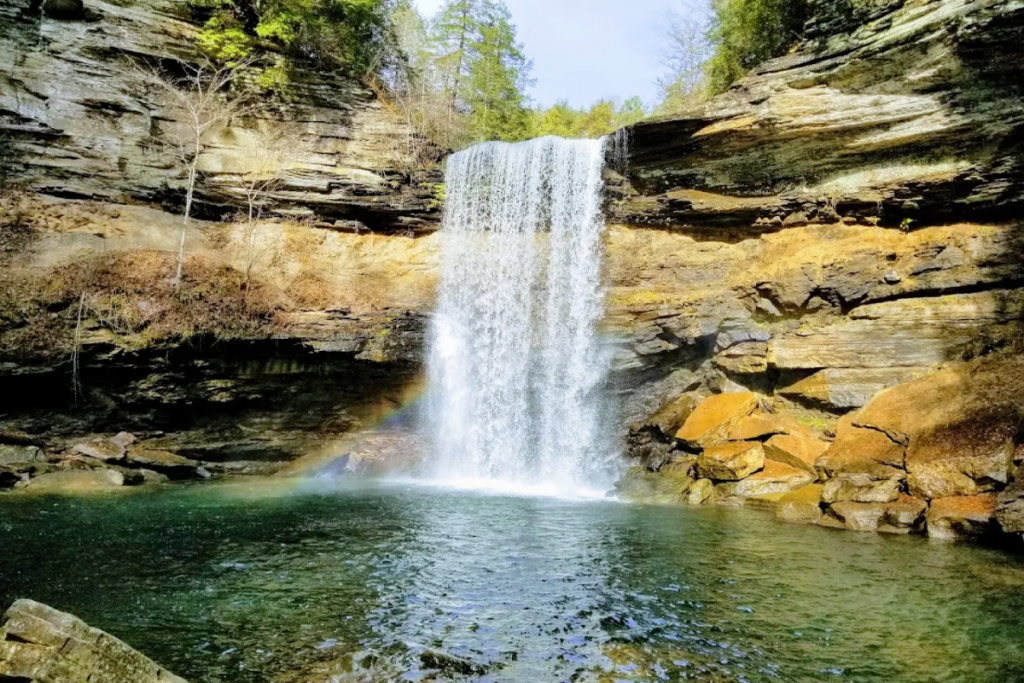
Tennessee hides some of the most jaw-dropping natural landscapes in the entire Southeast, and many of them fly under the radar compared to the usual tourist spots. From ancient forests and plunging waterfalls to cypress swamps and sandstone gorges, these parks offer the kind of raw beauty that makes you feel like you’ve stumbled onto something secret.
Whether you’re chasing waterfalls, seeking solitude on a mountain trail, or just craving a day surrounded by untouched wilderness, these twelve parks deliver experiences that feel wonderfully wild and refreshingly off the beaten path.
1. Savage Gulf State Park
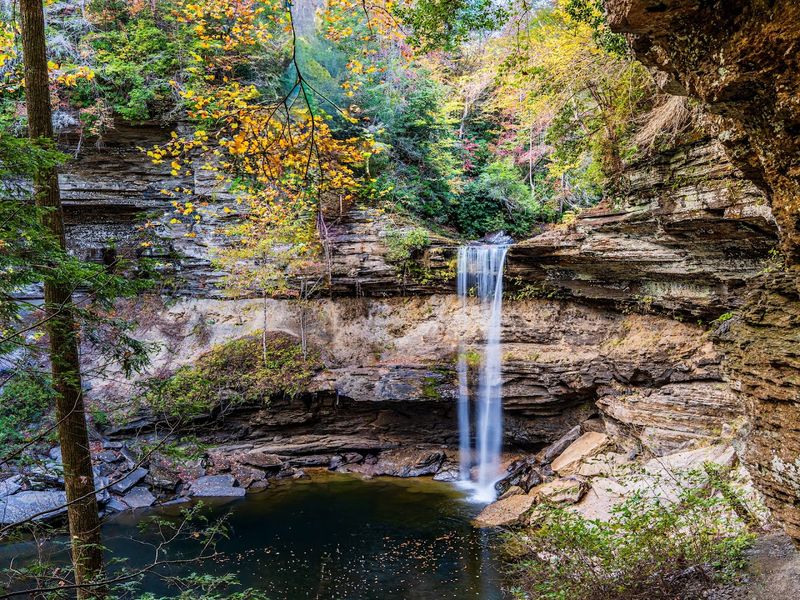
Tucked into the Cumberland Plateau, Savage Gulf feels like stepping into a forgotten world where nature still calls the shots. The park sprawls across more than 15,000 acres of rugged terrain, with deep gorges carving through sandstone cliffs that tower over lush valleys below. Waterfalls tumble over moss-covered rocks, and old-growth forests shade trails that wind past overlooks offering views that stretch for miles.
Hikers love the challenge here because the trails don’t hold back. Stone Door Trail leads to a natural rock opening that frames a stunning view of the gulf, while Savage Falls Trail rewards your effort with a 30-foot cascade spilling into a cool, shaded pool. The terrain can be steep and rocky, so sturdy boots and a sense of adventure are must-haves.
What makes this place feel so hidden is the sheer remoteness. You won’t find crowded parking lots or souvenir shops here—just miles of wilderness that feels untouched and wild. The park’s three main areas—Savage Gulf, Stone Door, and Greeter Falls—each offer their own flavor of backcountry beauty, and you could easily spend days exploring without seeing the same view twice.
Camping options range from primitive backcountry sites to more developed spots, though even the “developed” areas feel pretty rustic. If you’re looking for solitude and scenery that feels worlds away from everyday life, Savage Gulf delivers in spades. The sense of isolation here isn’t just refreshing—it’s downright addictive.
Pack plenty of water, bring a map, and prepare for a park that rewards those willing to work for their views. This is Tennessee wilderness at its most raw and beautiful, and once you’ve experienced it, you’ll understand why locals guard this secret so fiercely.
2. Fall Creek Falls State Park
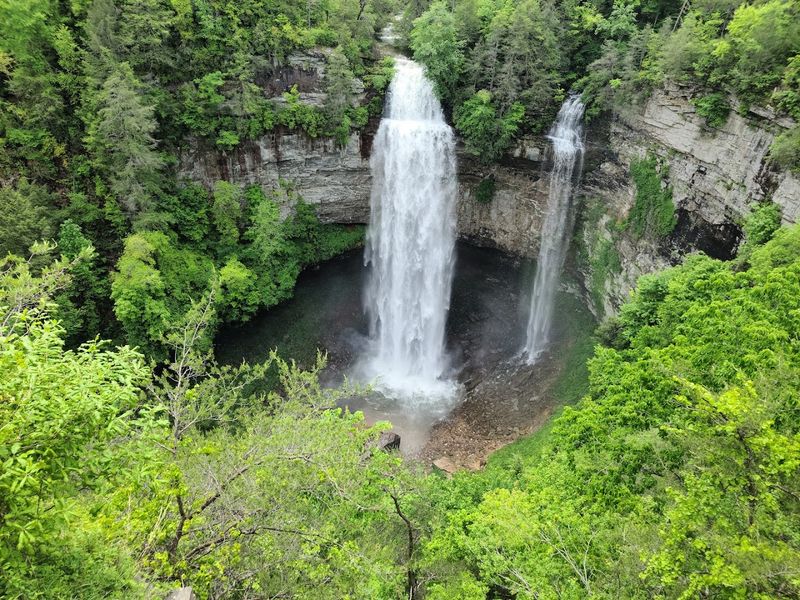
Standing at the base of a 256-foot waterfall that thunders into a rocky pool below ranks among Tennessee’s most humbling experiences. Fall Creek Falls State Park centers around this massive cascade, but the drama doesn’t stop there—the park packs in multiple waterfalls, deep gorges, caves, and enough trails to keep you busy for weeks. It’s one of the largest and most visited state parks in Tennessee, yet it still manages to feel wild and expansive.
The namesake waterfall steals the show, dropping over a sheer cliff face in a single powerful plunge that sends mist rising through the gorge. But don’t skip Cane Creek Falls, Piney Falls, and Cane Creek Cascades—each one offers its own personality and photo-worthy moments. The trails range from easy strolls to challenging scrambles, so families and serious hikers alike find plenty to love.
Beyond the waterfalls, the park’s 26,000 acres include forests, meadows, and ridgelines that feel surprisingly remote given the park’s popularity. Rock climbing, mountain biking, fishing, and horseback riding all have dedicated areas, and the park even has a golf course and swimming pool for those wanting a break from the trails. It’s the rare park that caters to adventurers and casual visitors without losing its natural soul.
Camping here ranges from tent sites to cabins, and the park’s lodge offers comfortable rooms with gorge views. Spring brings wildflowers and rushing water, while fall paints the forests in fiery colors that rival any mountain range. Winter turns the waterfalls into frozen sculptures, and summer offers cool swimming holes and shaded trails.
Yes, Fall Creek Falls sees more visitors than some of the other parks on this list, but its sheer size means you can still find quiet corners and moments of solitude. When a park has this much natural drama packed into one place, it’s impossible to ignore.
3. Cummins Falls State Park
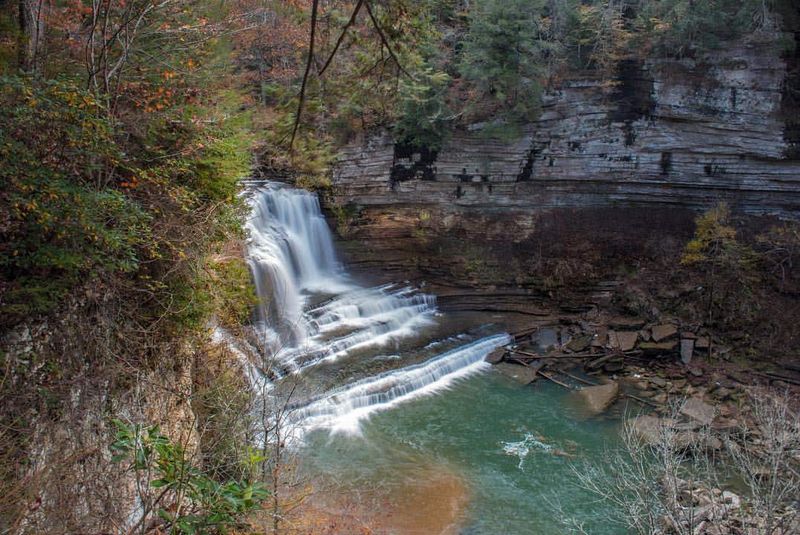
Few things beat hiking down a rugged gorge trail knowing a 75-foot waterfall and swimming hole wait at the end. Cummins Falls delivers exactly that kind of adventure, and the journey makes the destination even sweeter. The trail follows the Blackburn Fork State Scenic River through a rocky gorge, crossing the creek multiple times before revealing the main event—a powerful cascade spilling into a wide, swimmable pool.
The hike isn’t a casual stroll. You’ll scramble over rocks, wade through shallow water, and pick your way along the riverbed, which means water shoes and a willingness to get wet are essential. The park requires a free permit during peak season to manage crowds, and for good reason—this place gets packed on hot summer weekends when everyone wants to cool off under the falls.
Once you reach the falls, the scene feels like something out of a tropical postcard, minus the palm trees. The water crashes down in a wide curtain, creating a natural amphitheater of rock and mist. Swimmers float in the deep pool, sun themselves on the boulders, and splash under the falls, while more cautious visitors watch from the rocks above.
Safety matters here because the river can rise quickly after rain, and the rocks get slippery. The park posts water level updates and closes the gorge trail when conditions turn dangerous, so always check before you go. Respect the warnings—this beautiful place has a wild side that demands attention and respect.
The upper section of the park offers easier trails with overlook views of the falls from above, perfect for those who want the scenery without the scramble. But honestly, making the gorge hike and earning that swim feels like the true Cummins Falls experience.
4. Burgess Falls State Park
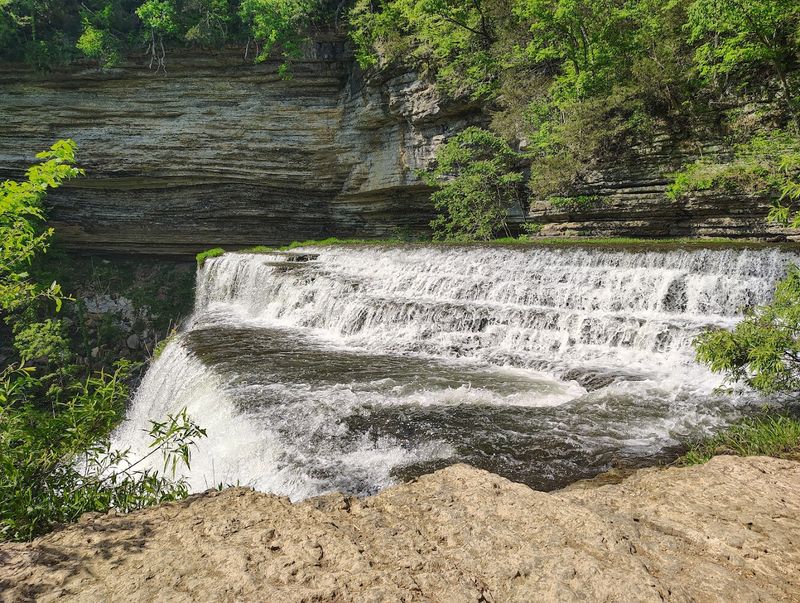
Four waterfalls in a single hike sounds almost too good to be true, but Burgess Falls delivers exactly that along a relatively easy trail that follows the Falling Water River. Each cascade builds anticipation for the next, with the final 130-foot plunge into a deep gorge serving as the grand finale. The trail measures just 1.5 miles round trip, making it accessible for most fitness levels while still packing in serious natural drama.
The journey starts with smaller cascades that warm you up for what’s coming. The first two falls tumble over ledges in quick succession, creating pools and rapids that sparkle in the sunlight. The third waterfall ups the ante with a 40-foot drop, and by this point, you’re already thinking this hike was worth the drive.
Then you round a bend and the main falls come into view, and suddenly everything else feels like a preview.
That final waterfall thunders over a sheer cliff, dropping 130 feet into a gorge carved deep into the limestone. Overlook platforms let you safely view the spectacle from multiple angles, and the roar of the water echoes off the rock walls in a way that makes you feel small in the best possible way.
The park sits just a short drive from Cookeville, making it an easy day trip that feels much more remote than it actually is. Spring brings the highest water flow, while fall offers colorful foliage framing the cascades. The trail stays open year-round, and each season brings its own charm.
Bring a picnic and enjoy it at one of the overlooks, or take your time exploring the smaller falls along the way. This park proves that big rewards don’t always require massive effort—sometimes nature’s best shows are just a short walk away.
5. Rock Island State Park
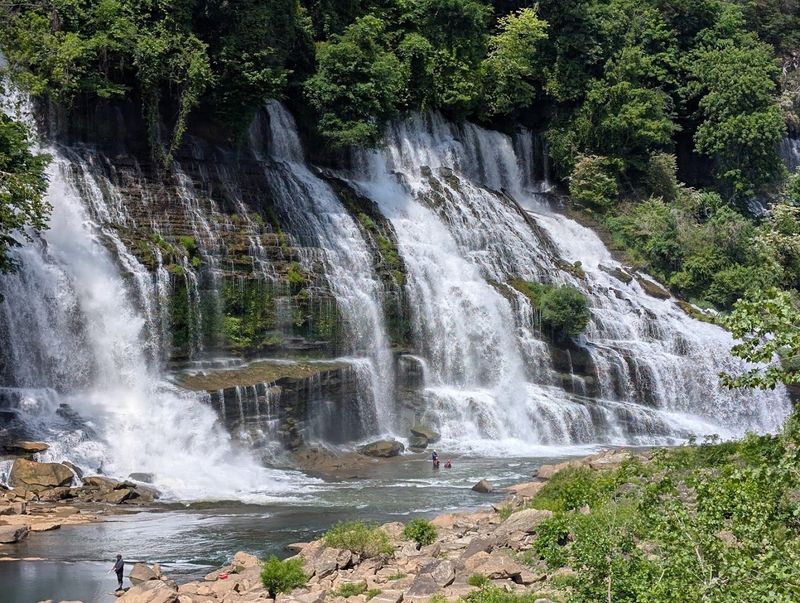
Rock Island feels like nature’s water park, minus the plastic slides and chlorine. Twin Falls and Great Falls anchor this park’s appeal, but the real magic comes from the combination of cascades, rapids, swimming holes, and limestone gorge scenery that creates an almost otherworldly landscape. The Caney Fork River powers through here, carving channels and pools that invite exploration and adventure.
Great Falls drops 30 feet in a wide, powerful curtain that’s impressive year-round but especially dramatic after heavy rain. Twin Falls splits into two separate channels that rejoin at the base, creating a unique double cascade that’s unlike anything else in the state. Between these main attractions, smaller cascades and rapids keep the scenery constantly changing as you explore the trails and overlooks.
Swimming and paddling opportunities abound, with several designated swimming areas offering safe access to the water. The Blue Hole, a deep pool carved by the river, draws swimmers and cliff jumpers during warm months, though you’ll want to exercise caution and know your limits. Kayakers and paddleboarders love the calmer sections of river, while more experienced paddlers tackle the whitewater sections downstream.
The park’s history adds another layer of interest—you’ll spot remnants of the old cotton mill and dam that once powered industry here. These historic features blend seamlessly with the natural landscape, creating photo opportunities that mix human history with wild beauty. Interpretive signs explain the area’s past, making your visit both scenic and educational.
Camping facilities include both tent sites and cabins, and the park’s location makes it a great base for exploring the Upper Cumberland region. Fishing for bass, catfish, and bream is popular in the calmer pools, and the park’s diverse habitats attract birds and wildlife year-round. Whether you’re chasing waterfalls, seeking swimming holes, or just wanting to spend a day surrounded by rushing water and limestone cliffs, Rock Island delivers experiences that feel refreshingly wild and wonderfully accessible at the same time.
6. Frozen Head State Park
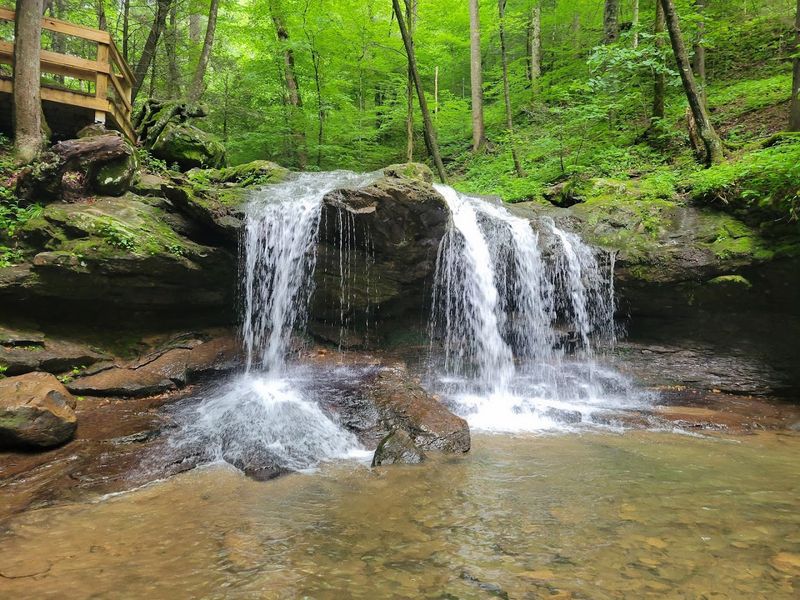
Frozen Head earns its reputation as one of Tennessee’s wildest state parks through sheer ruggedness and remoteness. The park sprawls across 24,000 acres of Cumberland Mountain wilderness, where steep hollows, primitive trails, and rushing waterfalls create an off-grid feel that’s increasingly rare. The fire lookout tower atop Frozen Head Mountain offers 360-degree views that reward those willing to tackle the challenging climb.
The trails here don’t mess around. Frozen Head Trail climbs nearly 2,000 feet over 3.5 miles to reach the 3,324-foot summit, where the historic fire tower stands as a beacon above the forest canopy. On clear days, the views stretch across multiple mountain ranges, and you’ll understand why this peak earned its name—winter ice storms coat the summit in frozen mist that clings to every surface.
Waterfalls hide throughout the park, with Emory Gap Falls being one of the most accessible. Other cascades require bushwhacking and creek-hopping to reach, adding to the park’s adventurous atmosphere. The backcountry here feels genuinely wild, with miles of forest where you’re more likely to spot wildlife than other people.
Black bears, deer, and wild turkeys roam freely, and the diverse habitats support everything from salamanders to songbirds.
The park serves as the starting point for the infamous Barkley Marathons, an ultra-marathon so difficult that most runners don’t finish. Even if you’re not running 100 miles through the mountains, you’ll appreciate the challenging terrain and sense of accomplishment that comes from exploring these trails. Spring wildflowers carpet the forest floor, while fall foliage turns the mountains into a patchwork of reds, oranges, and golds.
Camping here is primitive and perfect for those seeking solitude. The park feels intentionally undeveloped, preserving its wild character rather than catering to casual visitors. If you’re looking for a Tennessee park that delivers genuine wilderness and demands respect for its rugged beauty, Frozen Head stands ready to test your mettle and reward your efforts with unforgettable mountain experiences.
7. Big South Fork National River & Recreation Area
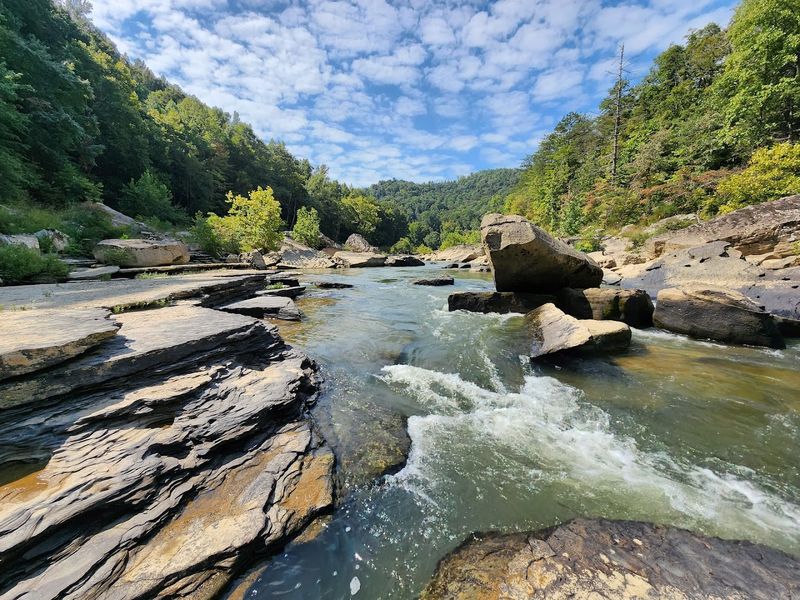
Big South Fork sprawls across 125,000 acres of Cumberland Plateau wilderness that straddles the Tennessee-Kentucky border, creating one of the Southeast’s most impressive protected landscapes. The Big South Fork River cuts through sandstone gorges hundreds of feet deep, while side canyons, rock shelters, natural arches, and miles of forested ridges create endless opportunities for exploration. This place feels massive in a way that few Tennessee parks can match.
The river itself remains free-flowing and wild, offering whitewater rafting, kayaking, and fishing that attract adventurers from across the region. Class III and IV rapids challenge experienced paddlers during high water, while calmer sections provide scenic floats for those seeking more relaxed experiences. The gorge scenery from river level reveals towering cliffs, waterfalls, and rock formations that you’d miss from the rim trails above.
Hikers have over 150 miles of trails to choose from, ranging from easy nature walks to challenging backcountry routes. Twin Arches Trail leads to massive natural stone arches that rank among the largest in the eastern United States, while Yahoo Falls drops 113 feet to claim the title of Kentucky’s tallest waterfall. The trails connect historic sites, scenic overlooks, and natural features in ways that keep every hike feeling fresh and rewarding.
Rock climbing, mountain biking, and horseback riding all have dedicated areas and trails, making Big South Fork a true multi-use recreation area. The park’s diverse habitats support black bears, elk, deer, and countless bird species, and the remote backcountry areas offer solitude that’s increasingly hard to find. Historic structures, including old homesteads and mining sites, add cultural interest to the natural beauty.
Camping options include everything from developed campgrounds to primitive backcountry sites, and several rental cabins offer comfortable bases for extended stays. The park’s size means you could visit dozens of times and still discover new corners and hidden features. Whether you’re rafting the gorge, hiking to natural arches, or simply soaking in overlook views, Big South Fork delivers wilderness experiences on a scale that feels genuinely epic.
8. Great Smoky Mountains National Park
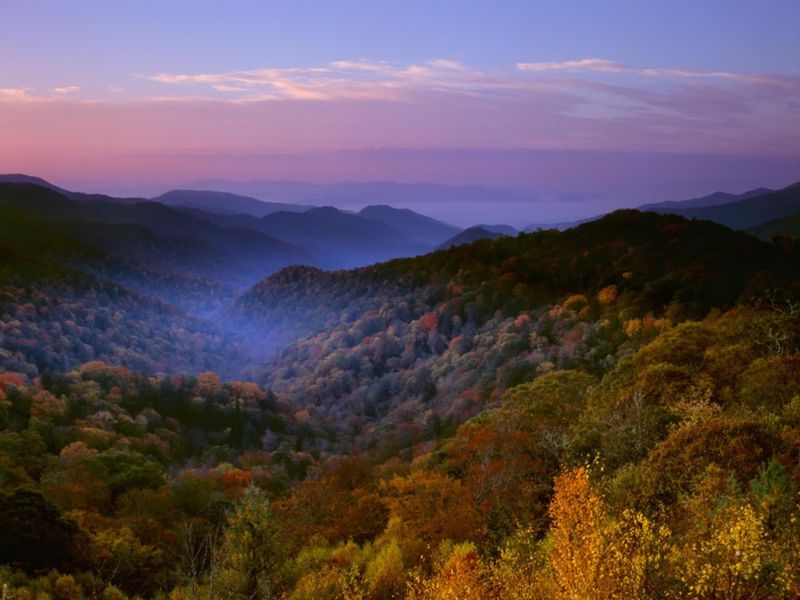
Calling the Smokies “hidden” stretches the truth since they’re America’s most visited national park, but the sheer size and wildness of this place means you can still find solitude and wonder if you know where to look. The park protects over 800 square miles of ancient mountains where biodiversity rivals that of tropical rainforests and morning mist creates the signature “smoke” that gives these peaks their name. It’s an entire natural world compressed into one spectacular mountain range.
The statistics alone impress: 800 miles of trails, 2,900 miles of streams, 100 species of trees, and more salamander species than anywhere else on the planet. But numbers don’t capture the feeling of standing in a cove hardwood forest where tulip poplars tower overhead, or watching synchronous fireflies create a light show that happens nowhere else in the world. The Smokies feel ancient and alive in ways that remind you why national parks matter.
Waterfalls hide throughout the park, from roadside cascades like Laurel Falls to backcountry gems like Ramsey Cascades, which drops 100 feet at the end of a challenging eight-mile round trip. Cades Cove offers wildlife viewing and historic structures in a mountain valley that feels frozen in time, while Clingmans Dome’s observation tower provides views across multiple states from the park’s highest point. Each section of the park offers distinct experiences and ecosystems.
Spring brings wildflowers that carpet the forest floor in waves of color, while fall foliage creates traffic jams as visitors flock to see the mountains ablaze with reds and golds. Winter transforms the high elevations into snowy wonderlands, and summer offers cool mountain streams and shaded trails that provide relief from lowland heat. The park’s elevation range creates multiple climate zones, meaning you can experience different seasons in a single day.
Yes, popular areas get crowded, especially during peak seasons. But venture onto less-traveled trails, explore backcountry areas, or visit during off-peak times, and you’ll discover why the Smokies remain one of Tennessee’s greatest natural treasures despite—or perhaps because of—their fame.
9. Roan Mountain State Park
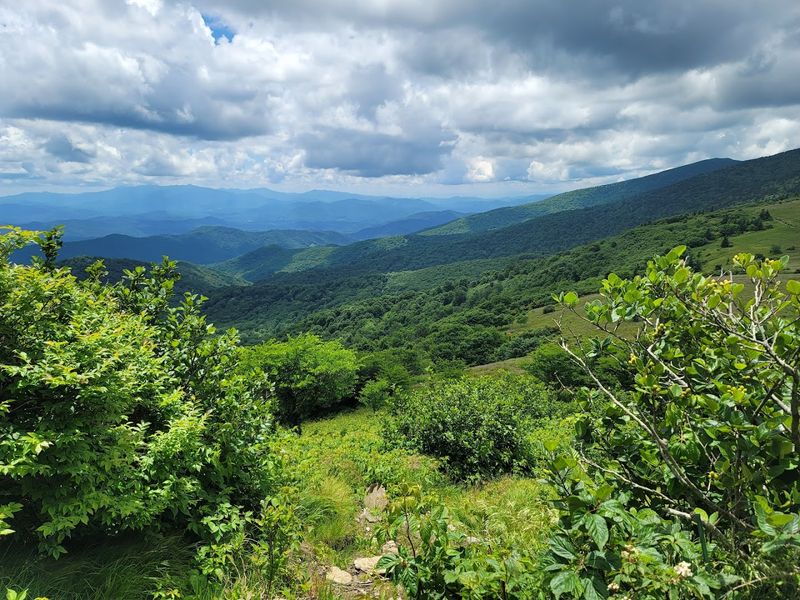
Roan Mountain sits at the crossroads between Tennessee and North Carolina, offering an Appalachian escape that feels almost dreamlike in its beauty. The park itself covers 2,000 acres of forested slopes and river valleys, but its real treasure lies in providing access to the legendary Roan Highlands—a high-elevation ecosystem where grassy balds, rhododendron gardens, and 360-degree mountain views create landscapes that belong on postcards.
This is mountain beauty at its most pure and accessible.
The Doe River flows through the park’s lower elevations, creating opportunities for fishing, wading, and waterside picnics that feel wonderfully peaceful. Cove forests shade trails that wind through diverse habitats, and the park’s elevation range means you’ll encounter different plant communities as you climb higher. Spring and summer bring wildflowers, while fall transforms the forests into a riot of color that rivals any mountain range in the East.
But the real magic happens when you venture up to the Roan Highlands. The famous rhododendron gardens bloom in mid-June, creating a spectacle that draws visitors from across the country. The Catawba rhododendrons turn entire mountainsides purple and pink, and hiking through the blooming gardens feels like walking through nature’s own cathedral.
Even outside bloom season, the highlands offer hiking, camping, and views that stretch for miles in every direction.
The park’s developed areas include a swimming pool, modern campground, and rental cabins that make comfortable bases for exploring the region. The campground sits along the river, offering sites that balance convenience with natural beauty. Trails range from easy nature walks to challenging climbs, and the Appalachian Trail crosses through the area, connecting the park to one of America’s most iconic long-distance routes.
Winter brings snow and ice to the higher elevations, creating a quiet beauty that contrasts with summer’s lush greenery. Cross-country skiing and snowshoeing become popular when conditions allow, and the park takes on a peaceful, almost meditative quality. Whether you’re chasing rhododendron blooms, seeking mountain views, or just wanting to breathe mountain air and reset your soul, Roan Mountain delivers Appalachian experiences that feel both timeless and refreshingly accessible.
10. Reelfoot Lake State Park
Reelfoot Lake stands apart from every other park on this list because its origin story involves earthquakes, flooding, and the creation of an entirely new ecosystem. The New Madrid earthquakes of 1811-1812 caused the Mississippi River to flow backward temporarily, flooding forests and farmland to create this shallow, cypress-studded lake that covers 15,000 acres. Today, it’s one of Tennessee’s most unique and ecologically important landscapes, supporting wildlife communities found nowhere else in the state.
Bald eagles are the stars here, with winter bringing hundreds of these magnificent birds to hunt fish in the shallow waters. Eagle tours by boat offer close-up views that thrill birders and photographers, and seeing dozens of eagles perched in the cypress trees creates memories that last a lifetime. But eagles share the lake with countless other species—great blue herons, egrets, pelicans, and migratory waterfowl turn the wetlands into a bird-watching paradise year-round.
The flooded cypress forest creates an otherworldly landscape where trees rise from the water, their trunks swelling at the base in the characteristic cypress knee formation. Spanish moss drapes from branches, and lily pads carpet open water areas, creating scenes that feel more Louisiana bayou than West Tennessee. Boat tours wind through the cypress channels, offering peaceful journeys through this unique habitat while guides explain the lake’s ecology and history.
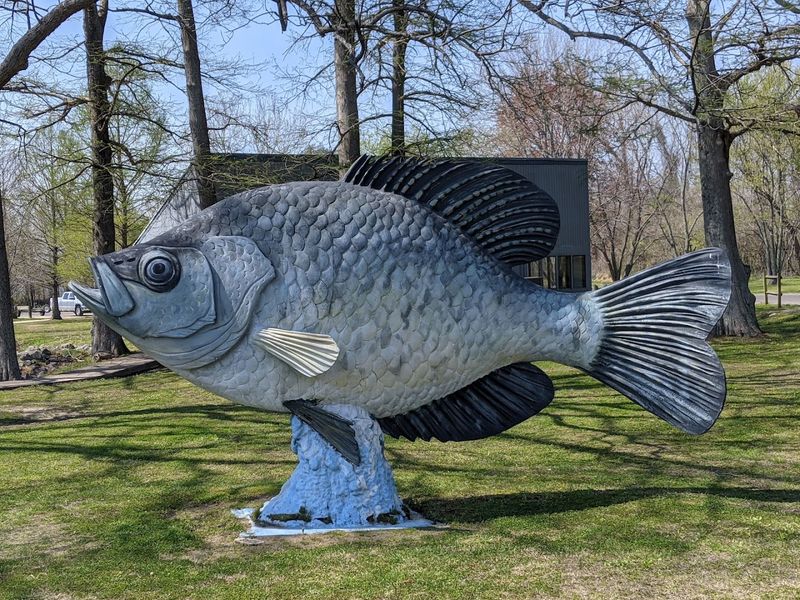
Fishing draws anglers seeking crappie, bass, catfish, and bluegill in waters that remain incredibly productive. The shallow depth and abundant structure create ideal habitat, and the lake has earned a reputation as one of Tennessee’s premier fishing destinations. You can fish from the shore, rent a boat, or hire a guide who knows the lake’s productive spots and seasonal patterns.
The park offers camping, cabins, and a visitor center that explains the lake’s fascinating geology and ecology. Spring and fall bring peak birding opportunities and comfortable temperatures, while summer offers warm-water activities and lush vegetation. Winter eagle season remains the most popular time to visit, when the combination of raptors and stark beauty creates a spectacle unlike anything else in Tennessee.
11. Meeman-Shelby Forest State Park
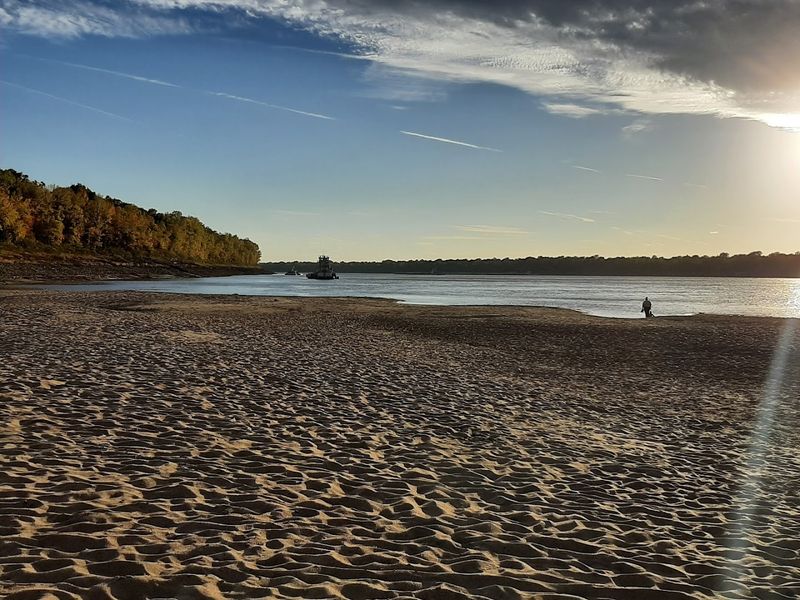
Finding genuine wilderness minutes from Memphis sounds impossible, but Meeman-Shelby Forest delivers exactly that unlikely combination. This 13,000-acre park protects diverse habitats along the Mississippi River bluffs, from bottomland hardwoods and cypress swamps to upland forests and small lakes. It’s a surprisingly wild escape that offers solitude and natural beauty despite sitting in the shadow of a major city.
The Chickasaw Bluffs create dramatic elevation changes that shape the park’s character. These ancient river terraces rise above the floodplain, offering overlook views and distinct ecosystems that support different plant and animal communities. More than 20 miles of trails wind through these varied habitats, taking hikers from river bottomlands to upland forests and back, with each section offering its own personality and wildlife viewing opportunities.
Poplar Tree Lake serves as the park’s aquatic centerpiece, offering fishing, paddle sports, and a scenic setting that attracts both recreationists and wildlife. Bass, bream, and catfish populate the waters, while great blue herons and wood ducks patrol the shorelines. The lake’s accessibility makes it popular with families, and rental boats provide easy access for those without their own watercraft.
The park’s diverse habitats support an impressive array of wildlife for an urban-adjacent area. White-tailed deer, wild turkeys, and armadillos roam the forests, while the wetland areas host frogs, turtles, and water snakes. Birders appreciate the park’s position along the Mississippi Flyway, which brings migratory species through during spring and fall.
The mix of forest types creates edge habitat that benefits many species and keeps wildlife watching interesting year-round.
Camping facilities include both developed sites and primitive areas, and the park offers cabins for those wanting more comfort. The park’s proximity to Memphis makes it perfect for quick escapes without the long drive to more distant parks, yet once you’re on the trails, the city feels worlds away.
Whether you’re hiking the bluffs, paddling the lake, or simply enjoying the shade of ancient hardwoods, Meeman-Shelby proves that wild places can thrive even near urban areas when given protection and respect.
12. Cumberland Gap National Historical Park
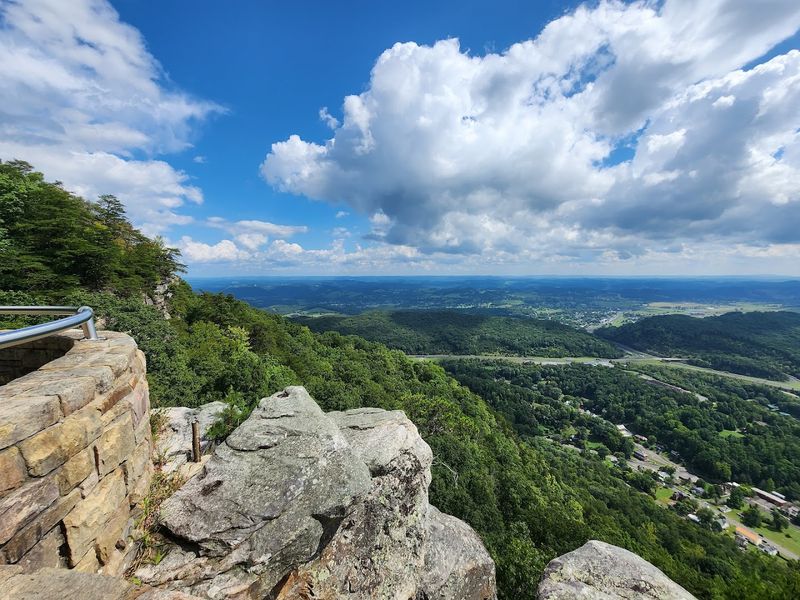
Standing at the Tri-State Peak where Tennessee, Kentucky, and Virginia meet creates a unique moment—you can literally be in three states at once while surrounded by mountain wilderness that stretches in every direction. Cumberland Gap National Historical Park protects 24,000 acres of borderland mountains where natural beauty and human history intertwine in fascinating ways.
Daniel Boone blazed his famous Wilderness Road through this gap, opening the frontier to westward expansion, and today’s visitors walk in those historic footsteps while enjoying modern trail systems and scenic wonders.
The park offers 85 miles of trails ranging from easy walks to challenging backcountry routes that test your endurance and reward your effort with sweeping overlook views. Pinnacle Overlook stands as the park’s most popular destination, offering panoramic views across three states from a dramatic cliff-top vantage point. The drive up is scenic, but hiking the trail makes the view even more satisfying, and sunrise or sunset visits create photo opportunities that capture the region’s natural beauty.
Gap Cave adds underground adventure to the mountain scenery, with guided tours exploring passages that Native Americans used for centuries before European settlers arrived. The cave maintains a constant 58-degree temperature year-round, making it a cool refuge during hot summer months.
The wilderness areas feel genuinely remote despite the park’s historical significance and visitor infrastructure. Backcountry trails lead deep into forested hollows where streams tumble over rocks and wildlife roams freely. The park’s position at the junction of three states creates diverse habitats that support black bears, deer, wild turkeys, and numerous bird species.
Spring wildflowers and fall foliage add seasonal beauty to landscapes that remain stunning year-round.
Camping options include a developed campground and backcountry sites for those seeking more solitude. The visitor center explains the gap’s role in American history while interpretive trails connect historic sites and natural features. Whether you’re a history buff, nature lover, or just someone who wants to stand in three states at once while surrounded by mountain beauty, Cumberland Gap delivers experiences that honor the past while celebrating the timeless appeal of wilderness.