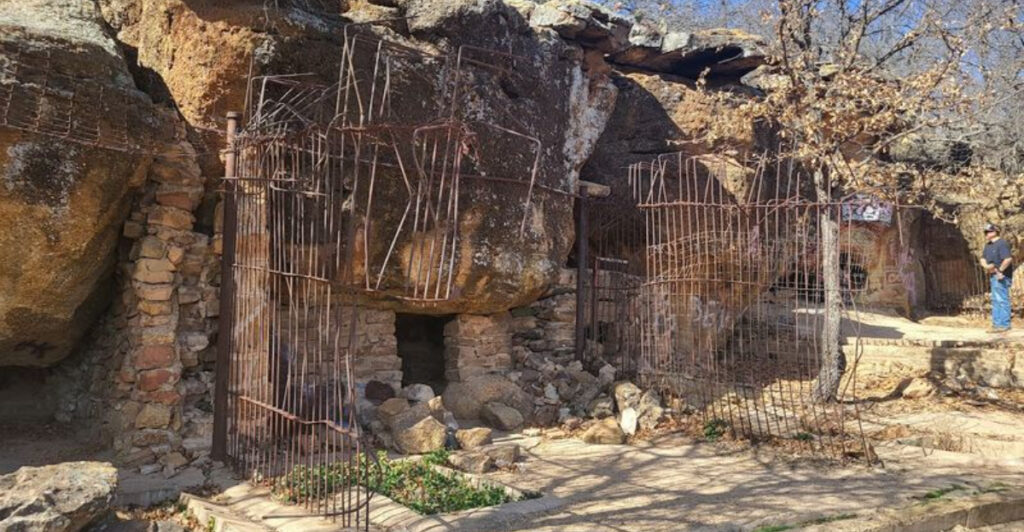
Hidden along County Road 112 in Cisco sits one of Texas’s most unusual hiking spots—a zoo frozen in time. The Cisco Zoo opened its gates in the 1920s, bringing exotic animals like bears, flamingos, and monkeys to a small West Texas town. After mysterious animal deaths and fading interest forced its closure in the 1930s, nature slowly reclaimed the concrete enclosures, stone staircases, and metal cages.
Today, volunteers maintain these haunting ruins as the Old Zoo Nature Trails, where you can walk through history while enjoying scenic views of Lake Cisco.
1. Stone Enclosures Tell Silent Stories
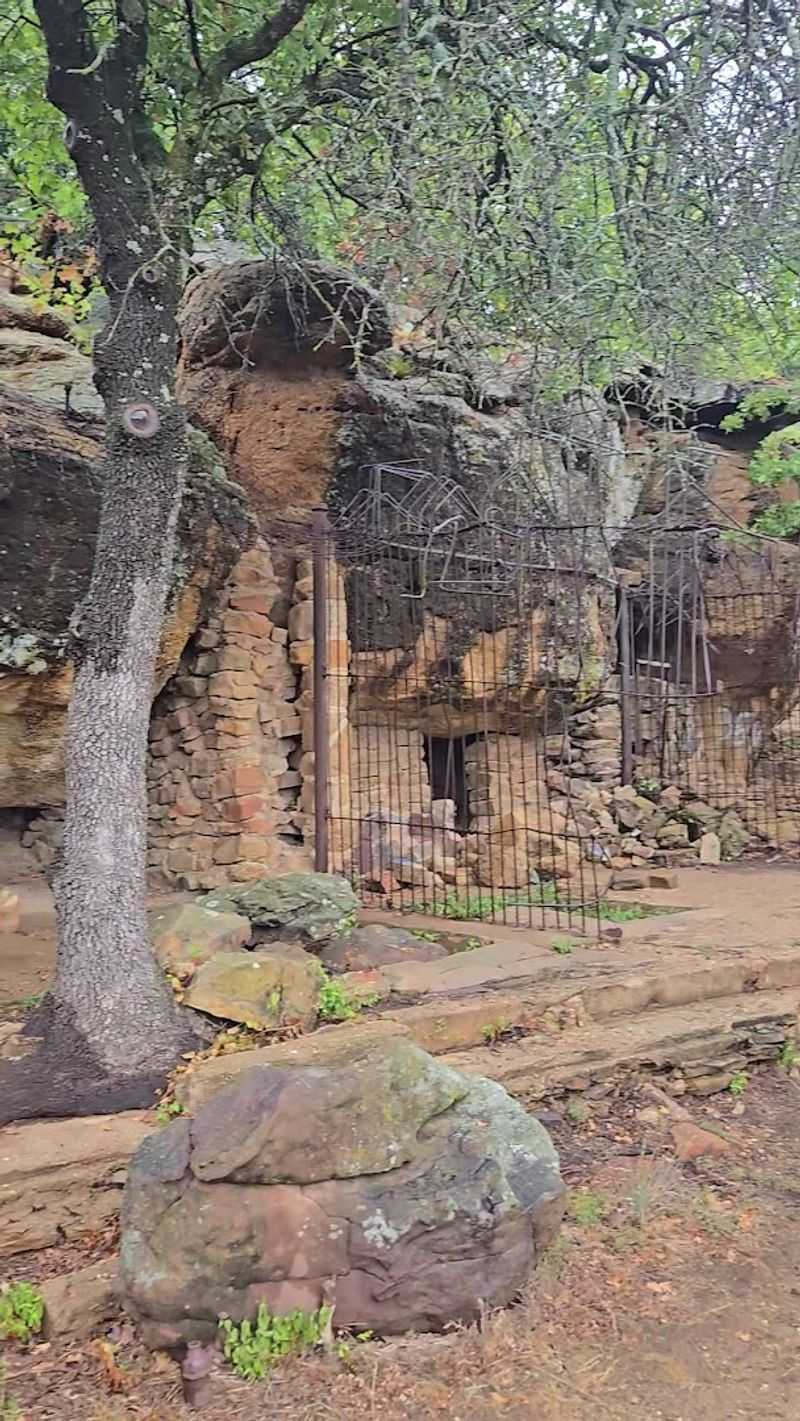
Walking past the original stone and concrete animal pens feels like stepping onto a movie set, except everything here is real. These structures housed actual bears, monkeys, and exotic birds nearly a century ago. The bent metal bars and crumbling walls create an eerie atmosphere that visitors describe as both sad and fascinating.
Many enclosures sit nestled among boulders and native vegetation, making them blend seamlessly with the natural landscape. You’ll notice how small some cages were by modern standards, which offers a sobering glimpse into how animal care has evolved. The contrast between then and now makes this historical lesson stick with you long after your visit.
Graffiti covers portions of the ruins, and while some visitors wish people showed more respect, certain artistic additions have become part of the site’s character. The weathered structures photograph beautifully, especially in the golden hour light. Bring your camera because these ruins create dramatic backdrops unlike anything else in North Texas.
Volunteers work hard to preserve what remains, clearing trails and managing invasive plants. Their dedication keeps this unique piece of Texas history accessible. The zoo area makes up just one section of the trail system, but it’s definitely the main attraction that draws curious explorers from hours away.
2. Medallion Hunt Adds Adventure
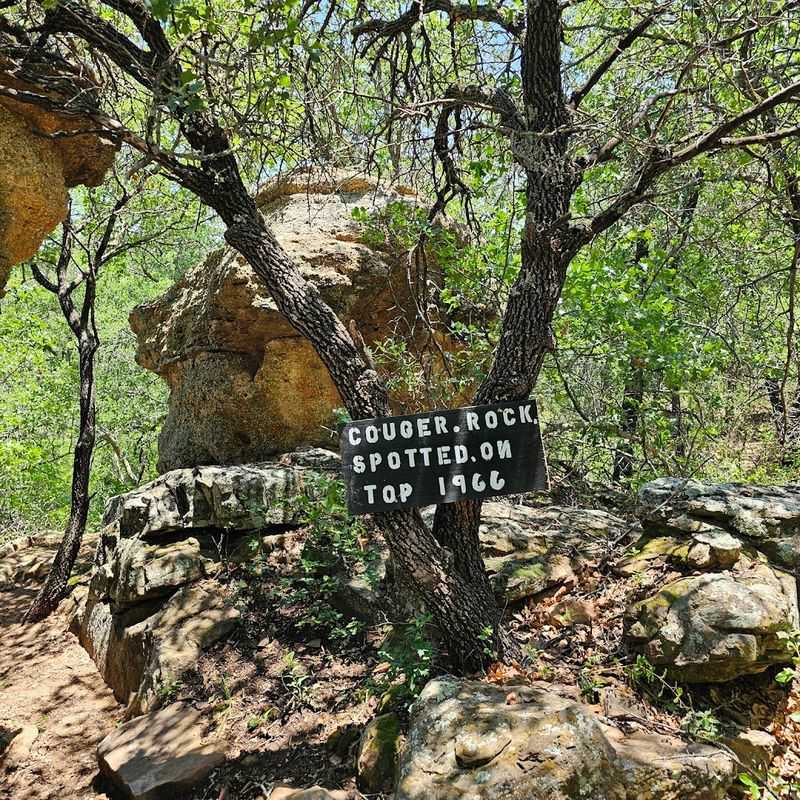
Before you start hiking, snap a photo of the totem pole near the entrance—it displays ten different animal medallions you can hunt for throughout your walk. This scavenger hunt transforms a simple hike into an engaging adventure that keeps kids entertained for hours. Families report spending way more time than expected searching for these hidden treasures.
Unfortunately, some medallions have vanished over the years due to theft or weather damage. Most visitors manage to find around six out of ten, which still feels rewarding. The hunt takes you off the main path occasionally, encouraging exploration of areas you might otherwise skip.
Each medallion represents an animal that once lived at the zoo, creating tangible connections to the site’s history. They’re mounted on rocks, trees, and structures throughout the property. Some are obvious once you know where to look, while others require serious detective work.
The Spider Rock Trail leads to a lion medallion perched atop a large boulder, offering a mini rock-scrambling challenge. Bringing that entrance photo along (or keeping it on your phone) proves essential since the map at the gate shows approximate locations. This interactive element makes the Old Zoo Nature Trails stand out from typical hiking destinations and gives everyone a shared mission beyond just walking.
3. Multiple Trail Options for Every Skill Level
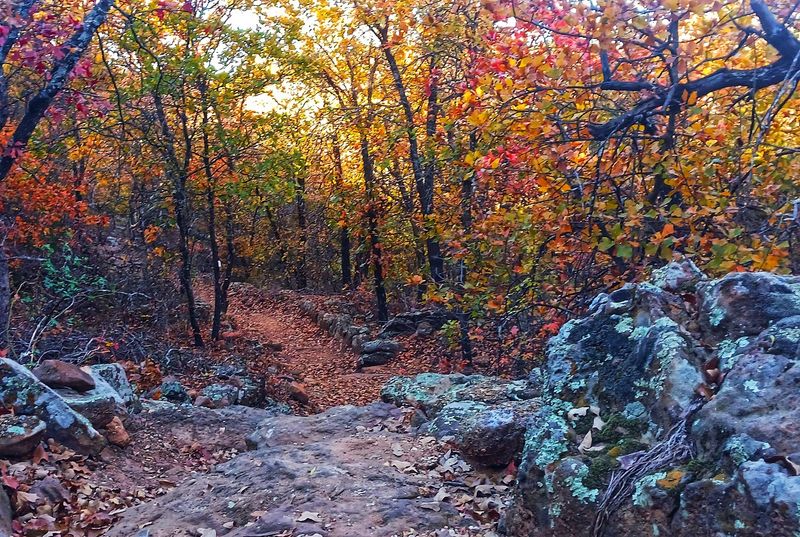
Don’t let the word “hike” intimidate you—these trails accommodate various fitness levels and time constraints. The main loop stretches about 1.5 miles, perfect for a quick leg-stretch during a road trip or a leisurely morning exploration. Families with young children complete it without much trouble, though the uneven footing requires attention.
The terrain includes more elevation changes than you’d expect in North Texas, which makes it genuinely interesting. Wooded sections provide welcome shade during brutal summer months. Boulders scattered throughout the area create natural climbing opportunities that kids (and adventurous adults) absolutely love.
Spider Rock Trail branches off the main path, leading to higher elevations with better views. This section gets rockier and requires closed-toe shoes plus long pants to avoid thorny bushes. The lake trail winds around with steeper sections, low branches, and cacti, so watch your step and your head.
Most visitors spend between one and two hours exploring, depending on how many detours they take. Bring water regardless of the season because even cool days get warm when you’re climbing over rocks. The trails aren’t grueling, but they’re not completely flat sidewalk strolls either.
Tennis shoes work fine for the main paths, though hiking boots provide better ankle support on rockier sections.
4. Recreation Complex That Time Forgot
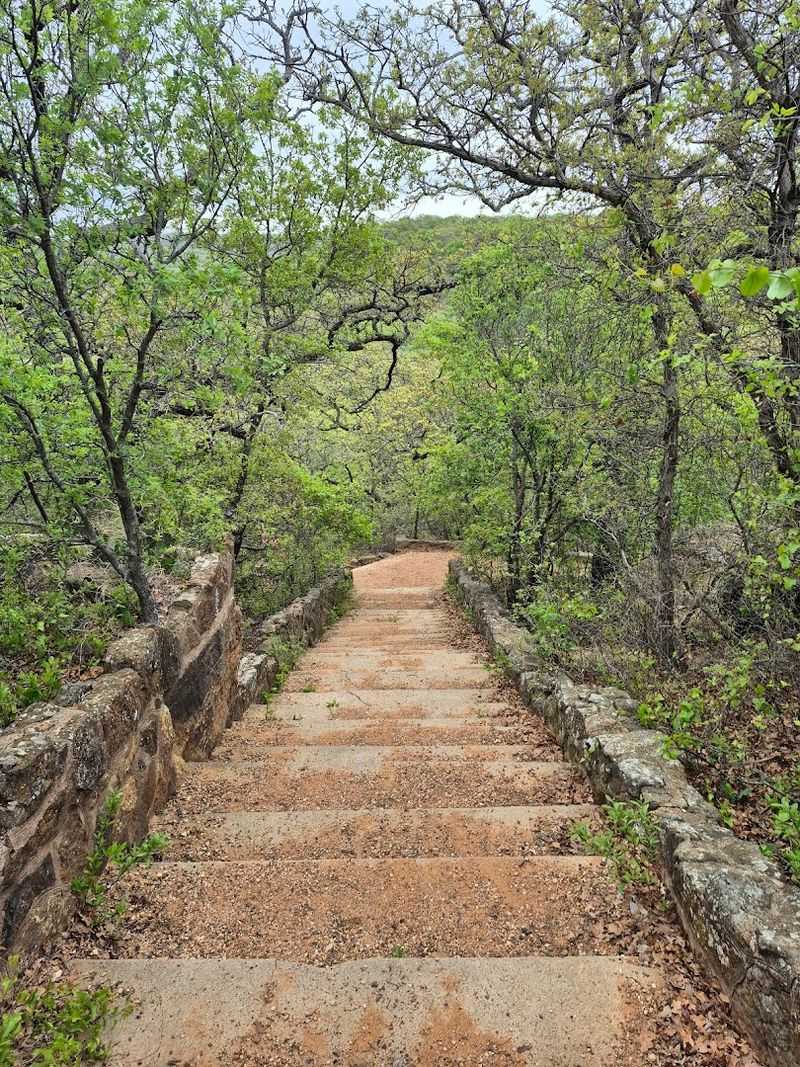
The zoo wasn’t the only attraction drawing crowds to this spot back in its heyday. Right next door sat one of the largest concrete swimming pools of its era, a massive summer destination for families across the region. A popular skating rink operated nearby, becoming a cornerstone of local social life for decades until it closed in the 1970s and later burned down.
Today, you can still trace the outlines of these recreational facilities as you explore. Remnants of the pool area blend with the landscape near Lake Cisco’s shore. The skating rink’s foundation and scattered debris tell stories of Friday night gatherings and summer celebrations that locals remember fondly.
This entire complex represented something special for Cisco—a small town that punched above its weight in providing entertainment options. During the 1920s and 1930s, people traveled considerable distances to spend weekends here. The area buzzed with activity, laughter, and community gatherings that shaped generations of memories.
While the zoo closure remains somewhat mysterious, the decline of the entire recreational complex followed typical small-town patterns of changing interests and economic shifts. Walking through these ruins offers more than just zoo history—it reveals how communities created their own entertainment before television and internet. The layers of history here run deeper than first-time visitors expect, making return trips almost mandatory to catch details you missed initially.
5. Lake Cisco Views and Dam Access

The trails sit right on the backside of Lake Cisco’s dam, offering unexpected water views throughout your hike. This location adds scenic variety that pure woodland trails can’t match. You’ll catch glimpses of the lake through trees, and certain vantage points provide unobstructed views perfect for photos or just taking a breather.
Fishing enthusiasts appreciate the lake access, and reviews mention decent catches along the shoreline. The water adds a peaceful element to your visit, especially on calm days when the surface reflects surrounding hills. Some visitors combine their trail walk with lakeside picnicking or fishing, making a fuller day of it.
Be mindful of property boundaries, though—private land borders the area, and owners reportedly take trespassing seriously. Stick to marked trails and public access points to avoid any uncomfortable encounters. Signs indicate where you should and shouldn’t wander, so pay attention.
The dam itself carries historical significance beyond just water management. It’s part of the infrastructure that supported the recreational complex in its prime. Standing near the dam, you can imagine how this entire area functioned as Cisco’s premier destination spot, drawing crowds from surrounding counties every weekend.
Morning visits offer the best lighting for lake photography, plus cooler temperatures during summer months. The combination of historical ruins, hiking challenges, and water scenery creates a surprisingly complete outdoor experience for such a small, tucked-away location.
6. Family-Friendly Amenities and Facilities
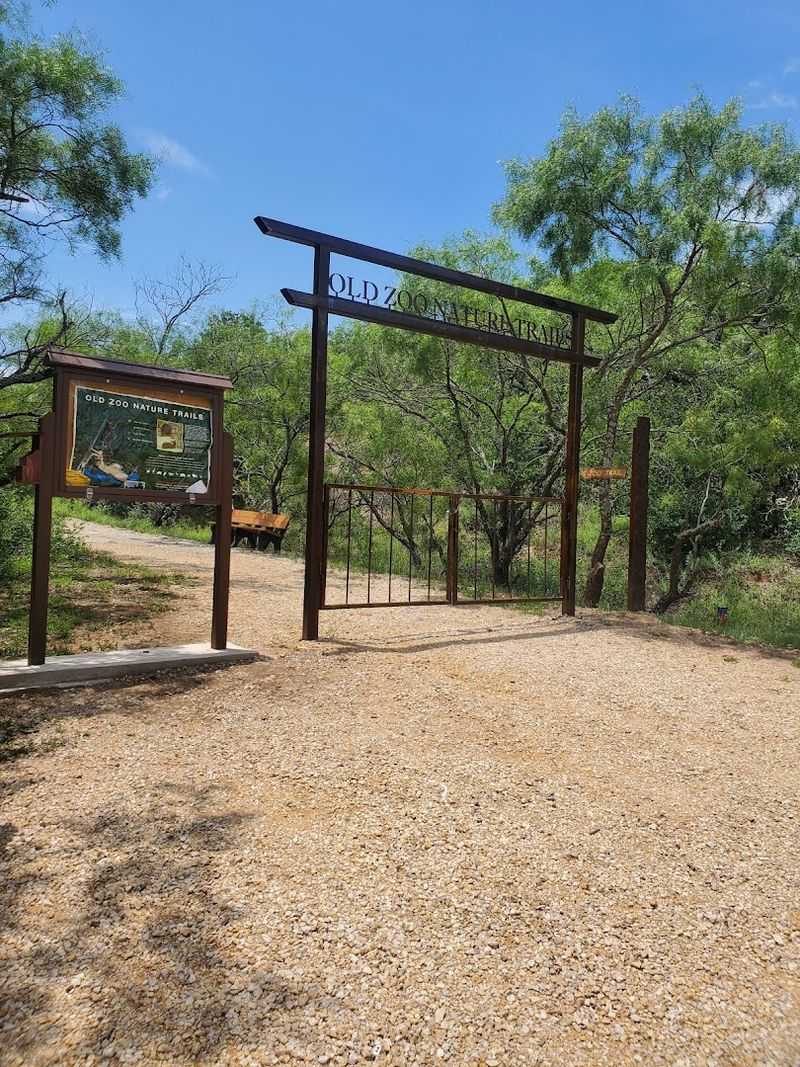
Despite its abandoned zoo theme, this spot offers surprisingly good facilities for families. A playground sits near the parking area, giving younger kids an outlet before or after the trail. Picnic tables scatter throughout the site, including one specifically located in the zoo area marked on the trail map.
Pack a lunch and make it a proper outing.
Parking accommodates a decent number of vehicles without feeling crowded. Visitors consistently mention finding porta potties with toilet paper available, which rates as a major win for any outdoor destination. Public restrooms also exist across from the main gate, maintained as part of the city park system.
The flagpole area near the entrance has become a community art project of sorts—visitors bring painted rocks to add to what reviews call the “longest painted snake.” This interactive element delights kids and adds a creative, community-building aspect to your visit. Bring a painted rock from home to contribute, or paint one there if supplies are available.
Trash cans appear regularly along trails, and volunteers do excellent work keeping the area clean. This maintenance level exceeds what you’d expect from a free, volunteer-run attraction. The care put into this place shows in every visit.
Multiple reviewers emphasize bringing your own water since none is available on-site. The combination of climbing, walking, and Texas heat creates thirst faster than anticipated, even on mild days. Plan accordingly and you’ll have a comfortable, enjoyable experience.
7. Practical Tips for Your Visit
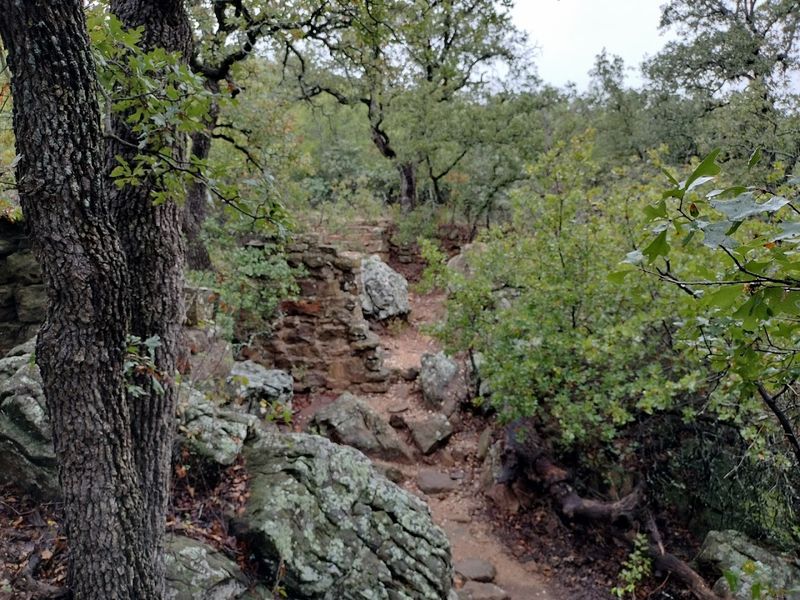
Timing your visit right makes a significant difference in your experience. The trails open at 6 AM and close at 9 PM daily, giving you flexibility for sunrise hikes or evening walks. Early morning visits during summer beat the heat and offer better wildlife spotting opportunities.
The 4.7-star rating from over 300 reviews confirms this place delivers on its promise.
Footwear matters more than you might think. Tennis shoes work fine for main paths, but hiking boots provide better support for rocky sections and uneven terrain. If you plan to explore Spider Rock Trail or venture off main routes, definitely wear closed-toe shoes and long pants to protect against thorny vegetation.
Walking sticks wait at the entrance for borrowers—take one. The elevation changes, stairs, and uneven surfaces make them genuinely helpful, especially if you have any knee or balance concerns. Several reviews specifically recommend using them, and they’re free.
Glass has been spotted near the entrance area, so watch where you step and consider whether bringing dogs makes sense for your situation. Most of the trail appears clear, but vigilance helps. Pet owners who’ve visited report successful trips with dogs, just exercising extra caution.
Download or screenshot the trail map before you lose cell service. Knowing where you’re going prevents confusion and helps you find all the medallions. The QR code at the entrance allows donations to support trail preservation—consider contributing since volunteers maintain this gem entirely through community support.
8. Why This Hidden Gem Deserves Your Time
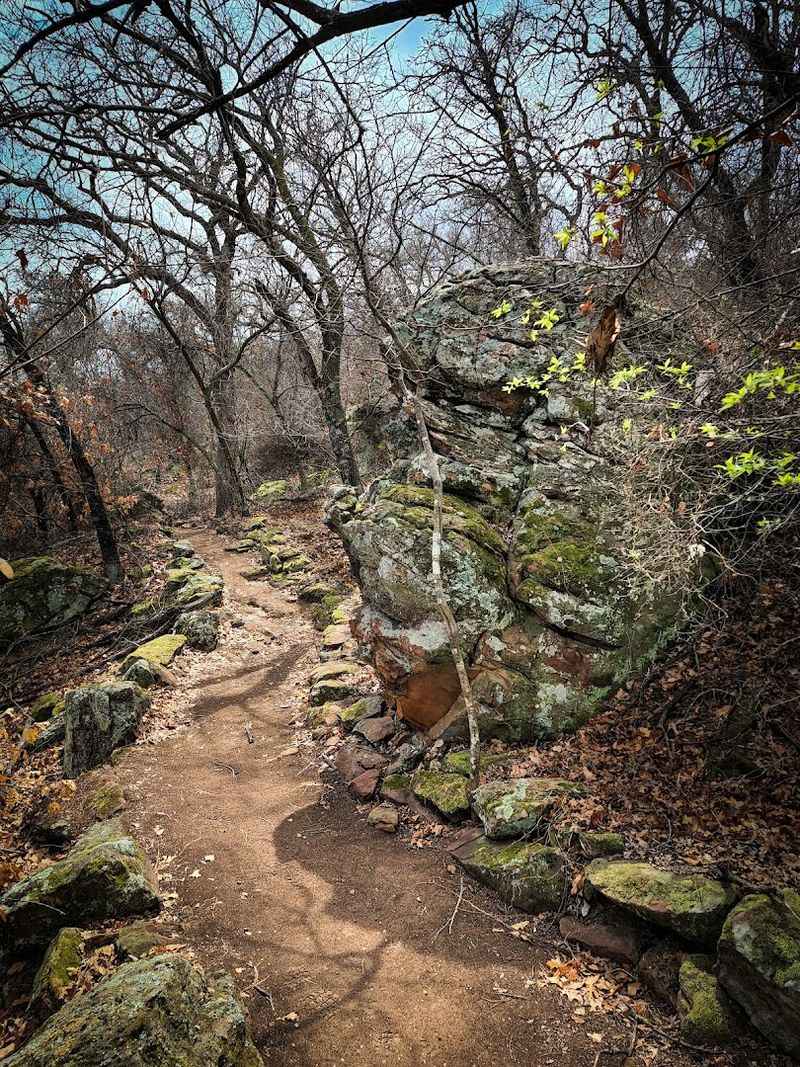
Road trippers consistently rate this as one of their favorite unexpected stops in Texas. The combination of history, nature, and mystery creates something you simply can’t find elsewhere. Where else can you climb through 1920s zoo ruins while hunting for hidden medallions and enjoying legitimate hiking terrain?
The uniqueness alone justifies the detour.
Located along routes between Dallas and West Texas destinations, it serves perfectly as a break from highway monotony. Families report it’s become their traditional stop, something kids actually request on return trips. That kind of repeat enthusiasm speaks volumes about the experience quality.
The mysterious circumstances surrounding the zoo’s closure add an intriguing layer to your exploration. Animal deaths, declining attendance, and eventual abandonment create a story that captures imaginations. You’re not just walking through old buildings—you’re piecing together a nearly century-old mystery.
Volunteers deserve enormous credit for transforming what could have been forgotten ruins into a maintained, accessible attraction. Their dedication preserves local history while creating recreational opportunities for everyone. Supporting their work through donations or simply visiting respectfully helps ensure future generations can experience this special place.
Whether you’re a history buff, hiking enthusiast, or just someone who appreciates weird and wonderful Texas destinations, the Old Zoo Nature Trails delivers. Plan for an hour minimum, but don’t be surprised if you stay twice that long. This crumbling piece of Texas history has plenty of life left in it yet.