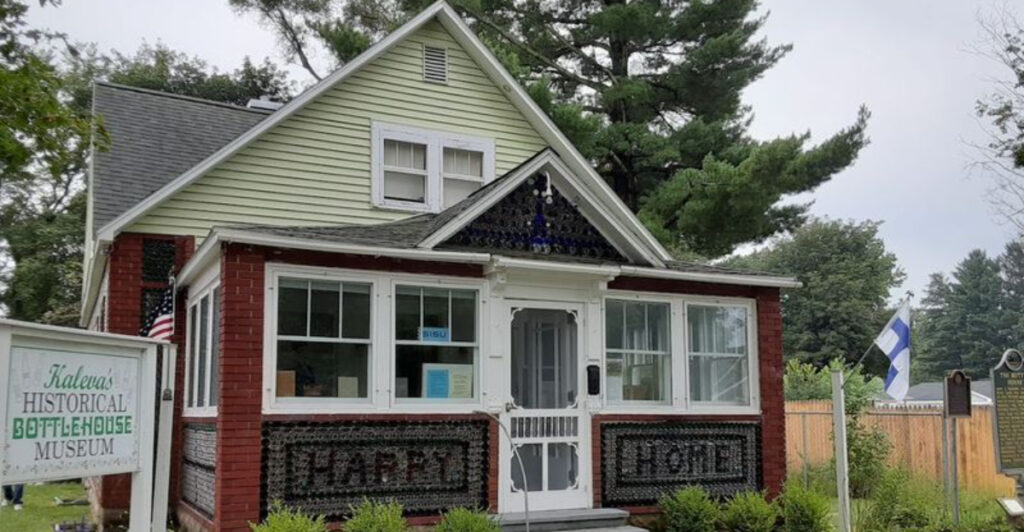
Tucked into a quiet neighborhood in the small town of Kaleva, Michigan, there is a building that stops people in their tracks. The Kaleva Bottle House Museum is exactly what it sounds like — a house built almost entirely out of glass bottles, and it is one of the most eye-catching structures in the entire state.
Inside, the museum holds decades of local Finnish-American history that most people never knew existed. Whether you are road-tripping through northern Michigan or simply looking for something genuinely different, this little museum delivers a big surprise.
A Building Made of Bottles That You Have to See to Believe
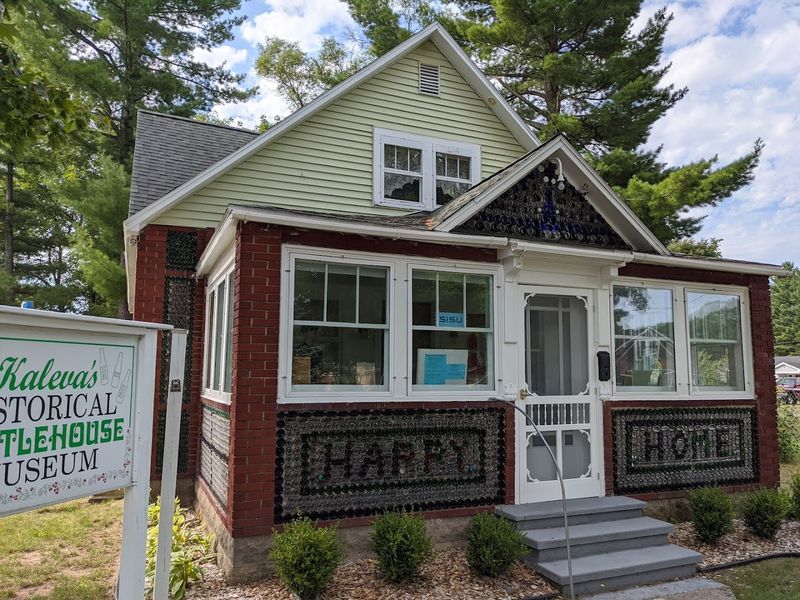
Standing at the corner of a calm residential street in Kaleva, the Bottle House looks like nothing else in Michigan. The walls are packed with thousands of glass bottles — their bases facing outward, catching light and color in a way that almost looks like stained glass from a distance.
It is the kind of structure that makes people slow down their cars and do a double take.
The bottles are embedded in mortar, stacked and arranged with surprising care. On a sunny day, light filters through the glass and casts faint colors across the ground nearby.
The overall effect is somewhere between folk art and architecture, and it works in a way that is hard to explain until you are standing right in front of it.
John Makinen, a Finnish immigrant, built the house in the early 1940s using bottles he collected from the community. He reportedly used around 60,000 bottles in the construction.
That number alone is staggering, but what makes it even more impressive is that Makinen built it largely by hand, without formal training in construction or design.
The exterior draws visitors from all over the state, and many people stop just to photograph the outside even when the museum is closed. The building sits on Wuoksi Ave in Kaleva and is easy to find once you are in town.
Every angle of the house reveals something slightly different — a new arrangement of bottle necks, a section with darker glass, or a cluster of old soda bottles tucked between rows of clear ones.
Few buildings in Michigan carry this kind of visual personality. The Bottle House earns its reputation before you even step through the door.
John Makinen and the Finnish Immigrant Story Behind the Walls
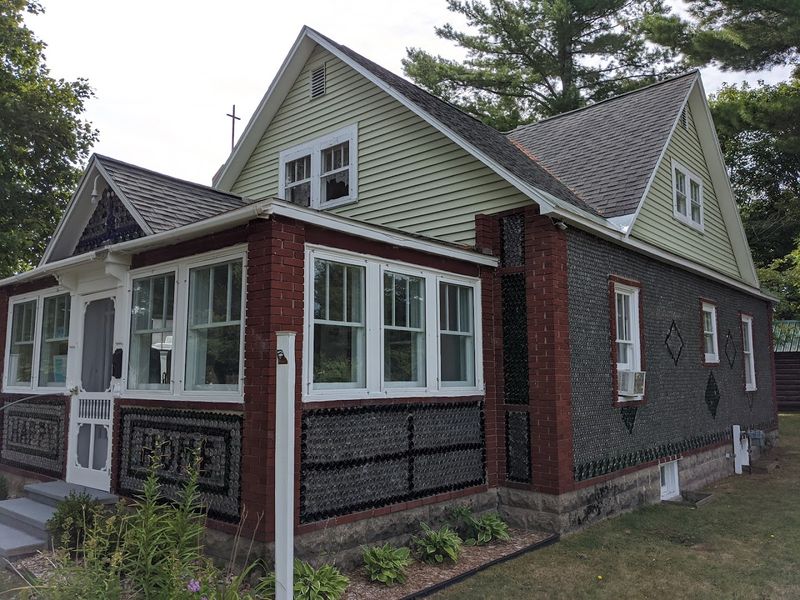
John Makinen arrived in the United States as part of a wave of Finnish immigrants who settled in northern Michigan during the late 1800s and early 1900s. The Kaleva area became a hub for that community, and the town itself reflects deep Finnish cultural roots that are still visible today.
Makinen was a local figure who left behind something far more lasting than most people ever do.
His decision to build a house out of bottles was not just creative — it was resourceful. In the years leading up to and during World War II, materials were not always easy to come by.
Makinen collected bottles from neighbors, local businesses, and anyone willing to contribute. The community essentially helped build the house without fully realizing it at the time.
That communal element gives the Bottle House a meaning beyond its unusual appearance. Each bottle in those walls once held something — medicine, soda, spirits, or household products.
Together, they form a kind of accidental time capsule of everyday life in mid-century rural Michigan. Visitors who know this history tend to look at the walls differently once they understand what they are actually seeing.
Makinen completed the structure and lived in it, which makes the building even more remarkable. This was not a novelty project or a roadside gimmick — it was a home.
The fact that it still stands decades later speaks to both the quality of its construction and the care the local community has put into preserving it.
People who visit during open hours often describe the curator as deeply knowledgeable about Makinen and the broader Finnish-American history of the region. That firsthand expertise adds real depth to what could otherwise be just a quirky photo stop.
Inside the Museum: Local History Packed Into Every Room
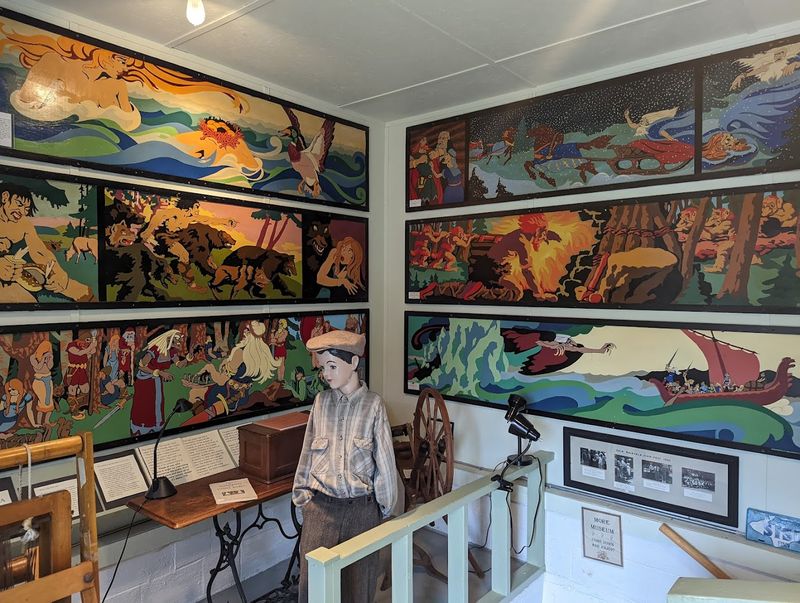
Most people come for the outside, but the inside is where the real depth of this place reveals itself. The Bottle House Museum holds a collection of local artifacts, photographs, documents, and items that paint a detailed picture of life in Kaleva and the surrounding Manistee County area over the past century or more.
It operates as a genuine community museum, not just a novelty attraction.
Exhibits cover Finnish-American settlement history, early farming and logging life, and the everyday objects that defined rural Michigan households from the late 1800s onward. Antique tools, household items, and personal belongings are displayed throughout the space, and nearly all of them are touchable.
Visitors consistently point out how refreshing it is to experience a museum where almost everything is accessible rather than locked behind glass.
The layout spans multiple levels, including an upstairs area that some visitors describe as having a distinctly atmospheric, time-capsule quality. The rooms feel lived-in rather than sterile, which gives the museum a warmth that larger institutions often lose.
Kids and adults alike tend to spend more time inside than they expected to.
One of the standout aspects of the experience is the curator, who brings encyclopedic knowledge of both the Bottle House and the broader history of the Kaleva region. Conversations with the curator can turn a quick stop into a full afternoon of discovery.
That kind of personal, guided context is increasingly rare in small museum settings.
Admission is free, though a donation is suggested and genuinely appreciated. For a museum of this quality and character, even a modest contribution feels like a fair exchange.
The experience consistently surprises first-time visitors who expected something far simpler.
Michigan’s Small Towns Are Full of Surprises — Kaleva Proves It
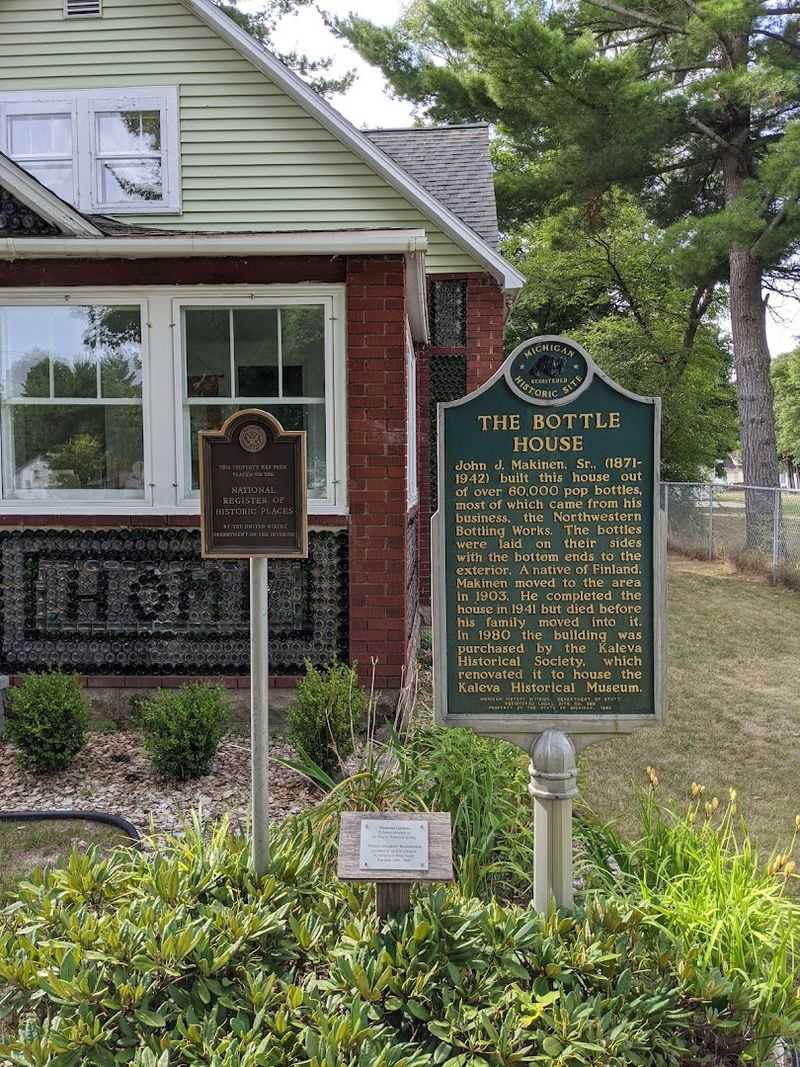
Kaleva is a village in Manistee County with a population of just a few hundred people. It sits in the northwestern Lower Peninsula of Michigan, surrounded by forests, farmland, and the kind of slow pace that most cities have long forgotten.
On the surface, it looks like dozens of other small towns scattered across the state — but the Bottle House changes that perception immediately.
The Finnish heritage of Kaleva is woven into the town’s identity in ways both obvious and subtle. Street names, local traditions, and the stories passed down through families all carry traces of that immigrant history.
The Bottle House is perhaps the most visible expression of that heritage, but it is far from the only one worth noticing.
Driving into Kaleva for the first time, the town feels genuinely quiet and unhurried. There are no major chain stores or busy intersections.
The Bottle House sits in a regular neighborhood, which makes stumbling upon it feel even more surprising. Visitors who were not expecting much often leave with a completely different impression of what small-town Michigan has to offer.
The surrounding area also has outdoor recreation, scenic drives, and other local stops worth combining into a longer day trip. Manistee County is known for its natural beauty, and Kaleva makes a solid anchor point for exploring that part of the state.
The Bottle House gives people a reason to stop rather than pass through.
For anyone who thinks they have already seen the best of Michigan, Kaleva offers a gentle but firm correction. The state’s most memorable spots are often the ones that never made the tourism brochures, and this village is a strong case for that argument.
What to Expect When You Actually Visit the Bottle House
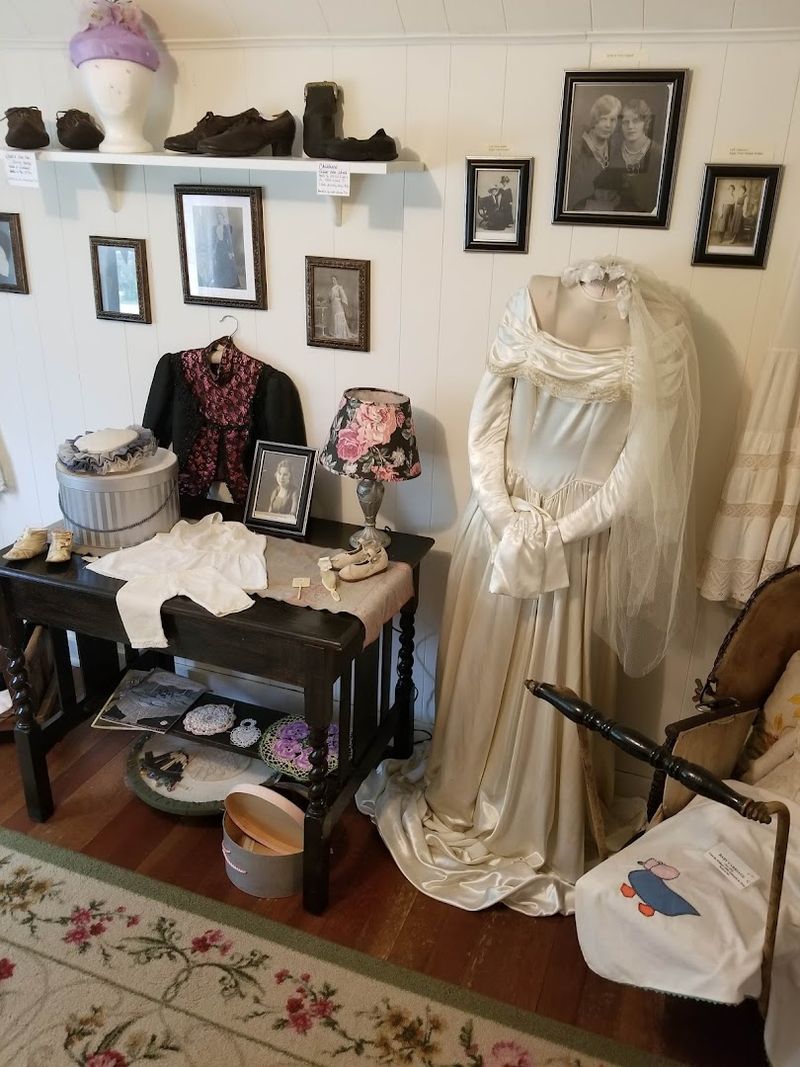
Visiting the Bottle House is a low-pressure, self-paced experience that works well for solo travelers, couples, families, and anyone passing through the area. The building is easy to find on Wuoksi Ave in Kaleva, and even if the museum is closed, the exterior is fully visible and worth a stop on its own.
Many visitors make a point of walking around the entire structure to see every angle of the bottle construction.
When the museum is open, plan to spend anywhere from 30 minutes to well over an hour inside, depending on how much you engage with the exhibits and the curator. The multi-level layout means there is more to explore than the modest exterior suggests.
Kids especially tend to enjoy the interactive, hands-on nature of the collection, where touching is encouraged rather than prohibited.
The museum opens on Saturdays and Sundays from noon to 4 PM. Hours can be limited and occasionally irregular, so checking ahead before making a long drive is strongly recommended.
A few visitors have arrived expecting it to be open only to find it closed, which is frustrating when traveling from a distance. A quick call or check before heading out saves that disappointment.
Parking is simple and informal, as expected in a small residential neighborhood. There are no entry fees, though the suggested donation helps keep the museum running.
Bringing a few dollars to contribute is a small gesture that makes a real difference for a volunteer-operated community institution like this one.
The overall vibe is relaxed and welcoming. There are no timed entries, no crowds, and no ticket lines.
Just an unusual building, a room full of local history, and a curator who genuinely loves sharing both.
Planning the Drive: Getting to Kaleva and Making the Most of the Trip
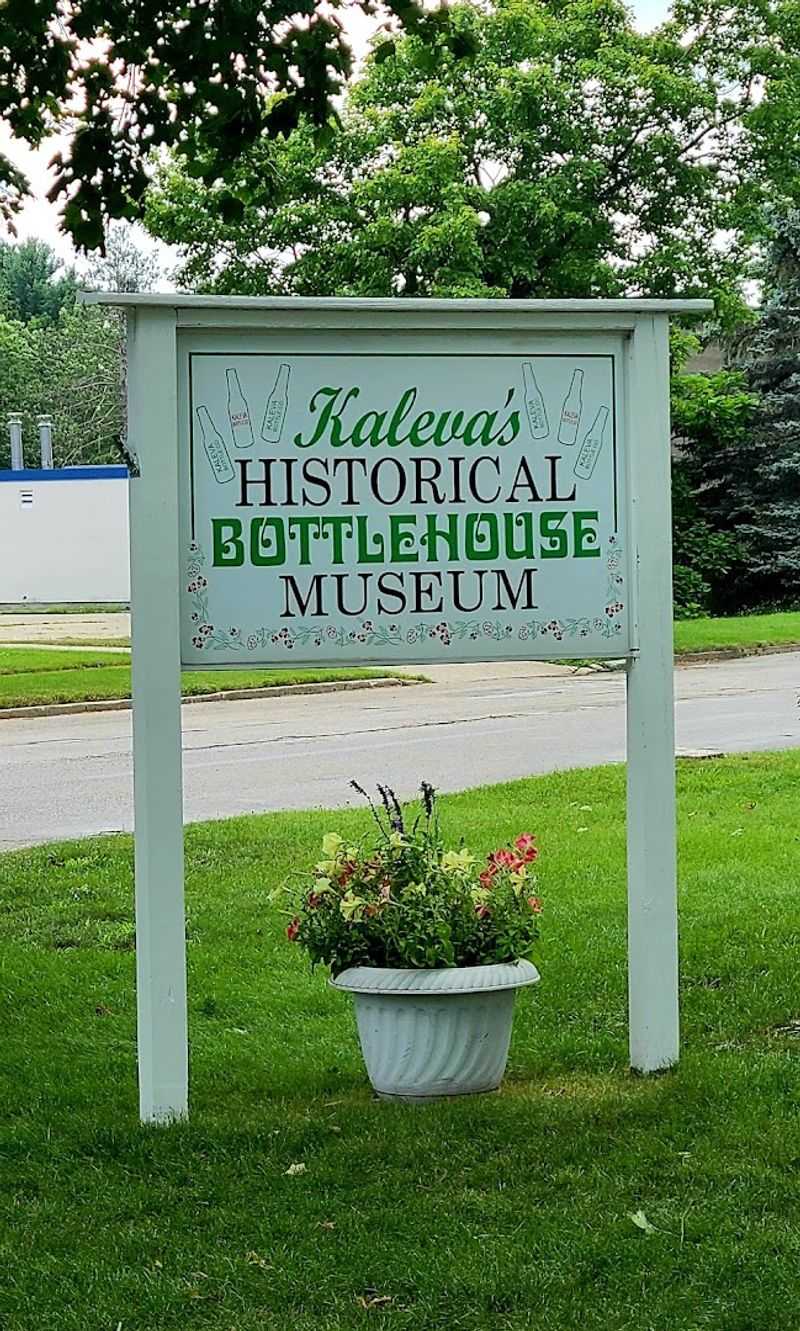
Kaleva sits in Manistee County in the northwestern part of Michigan’s Lower Peninsula, roughly 30 miles east of Manistee and about 50 miles south of Traverse City. The drive in from most directions takes you through stretches of forested two-lane roads that are pleasant in any season.
Fall color season in particular makes the route genuinely beautiful.
From Traverse City, the drive takes roughly an hour heading southwest. From Grand Rapids, expect about two hours heading north and west.
The town is small enough that navigation apps sometimes require the full address — 14551 Wuoksi Ave — to get accurate directions rather than just searching for Kaleva. Plugging in the full address before leaving saves confusion on arrival.
Because the museum is only open on weekends, building the visit around a Saturday or Sunday trip makes the most sense. The surrounding Manistee County area has plenty to fill out a full day — nearby Manistee National Forest offers hiking and scenic drives, and the town of Manistee itself has waterfront areas, historic architecture, and dining options worth exploring before or after the Bottle House stop.
Combining the Bottle House with other Manistee County stops turns a single-attraction trip into a well-rounded day out. The region does not get the same tourist traffic as Traverse City or Sleeping Bear Dunes, which means roads are quieter and spots are less crowded — a genuine advantage for visitors who prefer a more relaxed pace.
Arriving close to the noon opening on a weekend gives visitors the best chance of catching the museum fully staffed and ready for guests. Early afternoon tends to be the sweet spot for a visit before the 4 PM closing time cuts the experience short.
Why the Bottle House Stands Apart From Every Other Michigan Museum
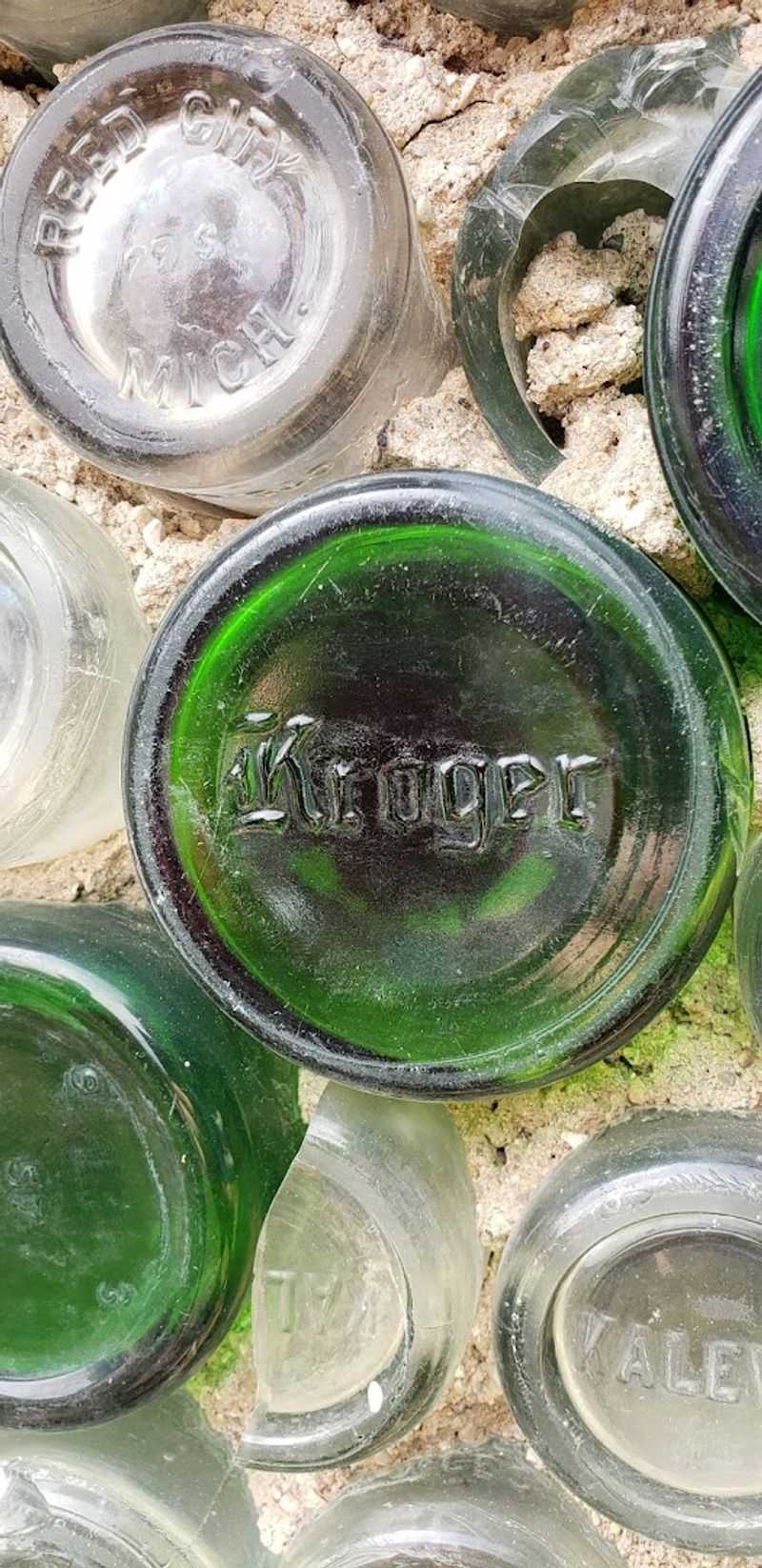
Michigan has no shortage of museums. There are automotive museums, maritime museums, natural history collections, and art institutions spread across the state.
Most of them are housed in conventional buildings with conventional displays. The Bottle House breaks both of those patterns simultaneously, and that double distinction is exactly why it sticks in the memory long after the visit ends.
The building itself is the exhibit. Before a single artifact is viewed or a single story is heard, the structure communicates something about creativity, resourcefulness, and community.
That message lands without any signage or narration — it is built right into the walls, literally bottle by bottle. Very few museums anywhere in the country can make that claim.
Inside, the collection reinforces the same spirit. Rather than presenting polished, corporate-style displays, the Bottle House Museum feels assembled with genuine care by people who actually lived in and around Kaleva.
The artifacts have personal histories. The photographs show real families.
The antiques belonged to real households. That specificity makes the collection feel alive in a way that generic regional history museums often do not.
The hands-on approach to the collection is another differentiator. Encouraging visitors to interact with exhibits rather than just observe them creates a very different kind of engagement.
A six-year-old and a sixty-year-old can both find something to connect with, and that accessibility across age groups is harder to achieve than most institutions realize.
Free admission removes any hesitation about stopping in. There is no risk in giving it an hour, and most visitors find themselves staying longer than planned.
The Bottle House is the kind of place that rewards curiosity — and in Michigan, that puts it in a category almost entirely its own.