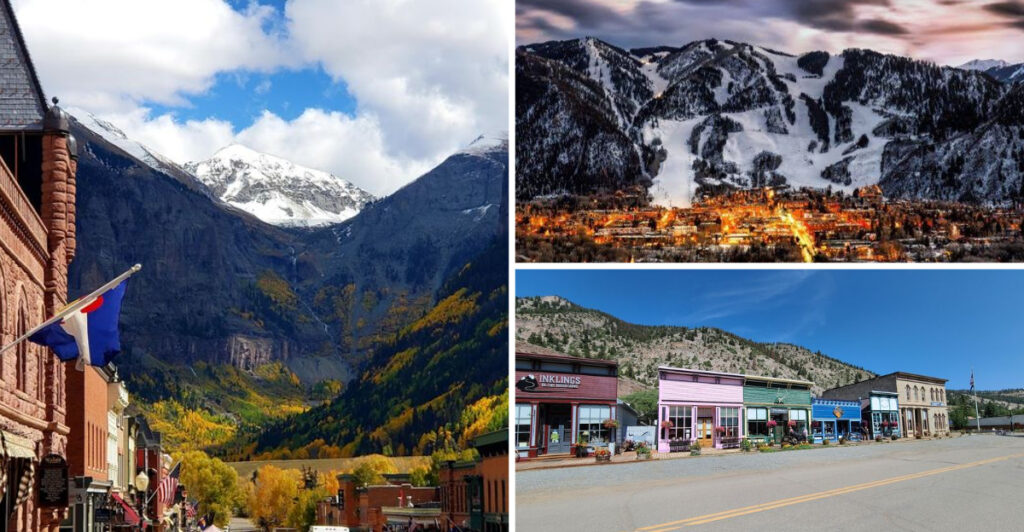
You do not need a passport to find storybook mountain scenery that feels straight out of the Swiss Alps. Tucked among Colorado’s towering peaks are charming towns where chalet-style architecture, dramatic mountain backdrops, flower-filled streets, and crisp alpine air create an unmistakably European atmosphere.
Some are historic mining communities transformed into scenic retreats, while others embrace a mountain-village character that feels worlds away from everyday life. Whether you’re looking for breathtaking views, cozy downtowns, outdoor adventure, or a romantic getaway, these 9 Colorado mountain towns capture the kind of alpine magic that makes Switzerland famous.
1. Ouray, Colorado
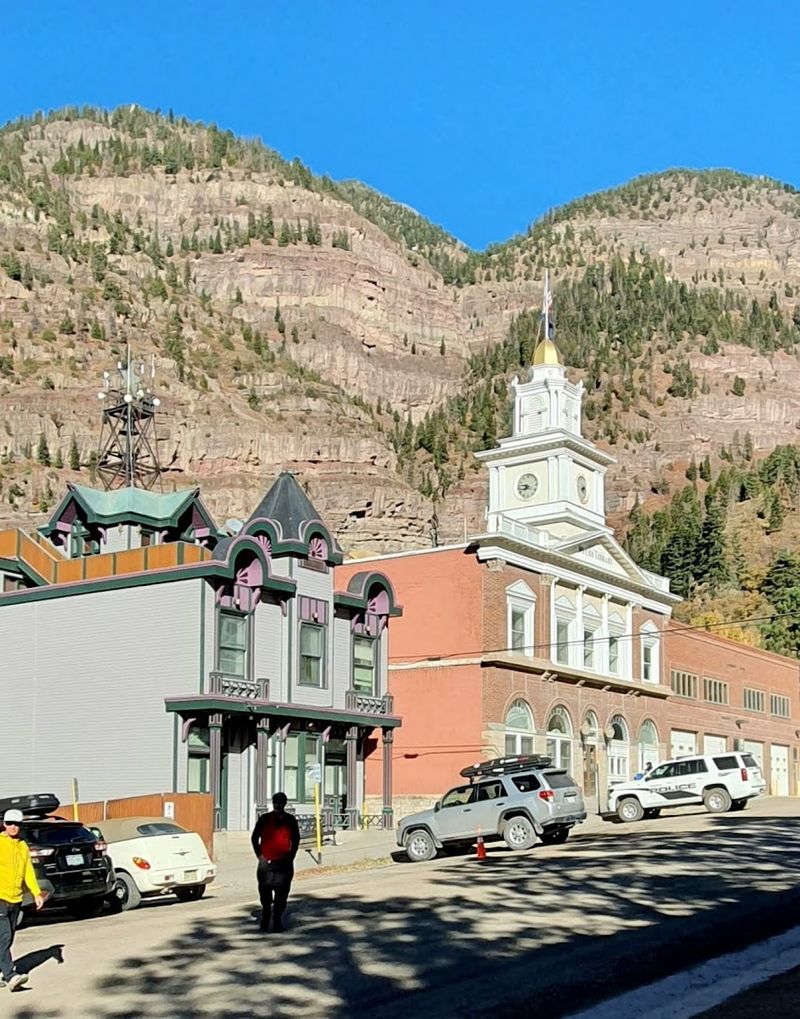
Drop into Ouray and the first thing you notice is the shape of the place. The town sits inside a steep mountain bowl, with rock walls and high ridges rising so abruptly that the whole scene looks staged for maximum drama.
That tight setting gives every street view a built-in alpine backdrop, which is exactly why so many travelers compare it with a village tucked deep in Switzerland.
Downtown adds another layer. Victorian buildings line the streets with enough detail and color to soften the rugged terrain around them, creating a mix of elegance and raw mountain scale that is hard to ignore.
Walk a few blocks, look up, and you get that classic contrast of tidy architecture below and severe peaks above, a combination that feels more European than typical Wild West.
Water is part of the appeal here too. Waterfalls tumble down nearby slopes, and the sound of rushing creeks gives the town a cool, high-country edge even on a sunny afternoon.
In winter, snow sharpens the outlines and turns the basin into a white amphitheater, while warmer months bring green hillsides and clearer views of the surrounding walls.
Ouray also has a compact, easy rhythm that suits its setting. You can picture slow mornings, scenic drives, short walks to viewpoints, and evenings when the mountains hold onto the last light longer than expected.
Plenty of Colorado towns are scenic, but Ouray has a rare sense of enclosure and grandeur at the same time. If you are chasing that Switzerland-style mix of steep alpine scenery and polished small-town charm, this one lands the assignment with very little effort.
2. Telluride, Colorado
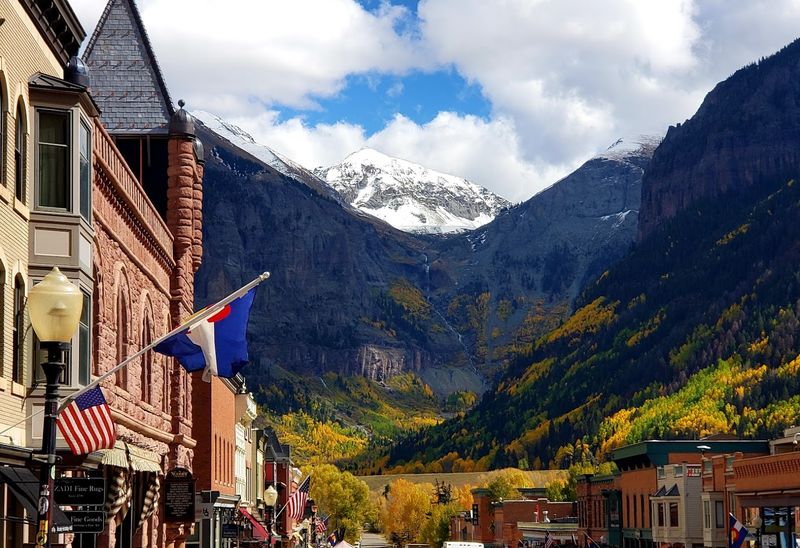
Telluride makes a fast impression because the landscape barely leaves any breathing room. The town rests at the end of a dramatic box canyon, so the peaks tower over everything with a kind of precision that looks almost too perfect to be real.
That setting alone pushes it into Swiss territory, especially when the light catches the cliffs and the valley floor starts glowing.
Then there is the town itself. Historic buildings bring color and personality to the canyon base, and the streets feel neat, compact, and easy to explore on foot.
Instead of sprawling outward, Telluride seems framed by the mountains at every turn, which gives even a simple stroll a strong visual payoff. You are never far from a view that looks designed for a postcard.
One detail that strengthens the European comparison is the gondola. Gliding above the valley adds a distinctly alpine-resort touch, and it pairs naturally with the surrounding peaks and polished village feel.
In summer, green slopes and wildflower patches soften the dramatic terrain. In winter, snow draws clean lines across the mountains and turns the whole canyon into a high-altitude stage set.
Telluride also balances refinement with raw scenery in a way few mountain towns can. It is easy to imagine coffee, a walk through downtown, a ride up for the view, and a late afternoon spent just staring at the canyon walls.
Some Colorado places deliver history, others deliver peaks, but this one layers architecture, elevation, and setting with unusual confidence. If you want a mountain town that channels Switzerland through both scenery and structure, Telluride belongs near the top of the list.
3. Silverton, Colorado
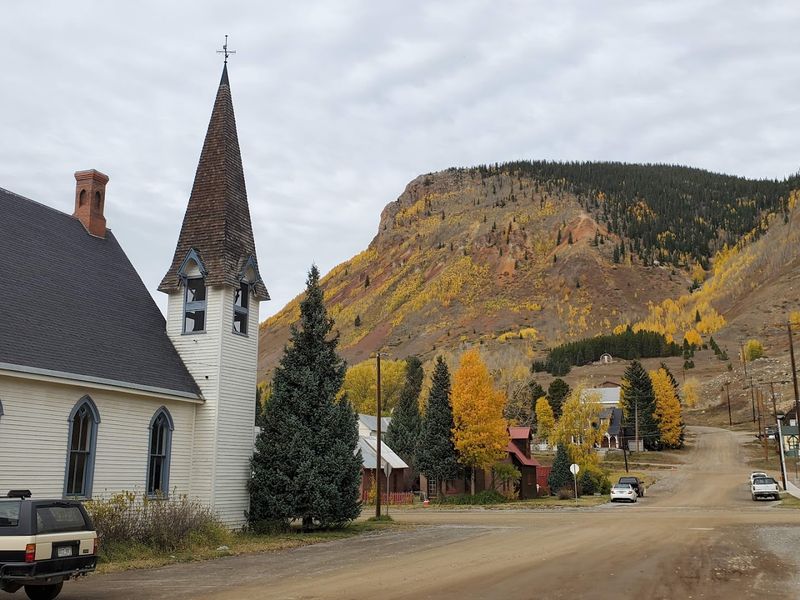
Silverton has a rougher, higher, more remote kind of alpine beauty. Surrounded by rugged mountains and set at serious elevation, it looks like the kind of place where weather still gets the final say.
That edge gives the town a strong resemblance to a far-off mountain settlement, the sort of village you imagine tucked between steep passes in the Alps.
The historic core helps sell that impression. Old buildings and broad streets preserve a strong sense of the past, and the town can seem almost frozen in time when the peaks close in around it.
There is less polish here than in some resort communities, but that is part of the appeal. Silverton trades sleekness for character, and the mountains do most of the decorating anyway.
The narrow gauge railroad adds even more storybook drama. Seeing a train arrive in a place this compact and mountain-ringed reinforces the sense that you have stepped into an older, slower travel era.
In summer, the surrounding slopes can look vividly green beneath rocky summits. In colder months, snow and cloud shadows make the whole basin feel stark, crisp, and quietly theatrical.
Silverton stands out because it does not try to be delicate. Its Swiss-like quality comes from isolation, altitude, and the way the town appears held in place by massive terrain on every side.
You can picture grabbing a warm drink, listening to the train, and watching the light shift across ridgelines that seem much larger than the streets below. For travelers who want alpine scenery with more grit than gloss, Silverton makes a very convincing case.
4. Crested Butte, Colorado
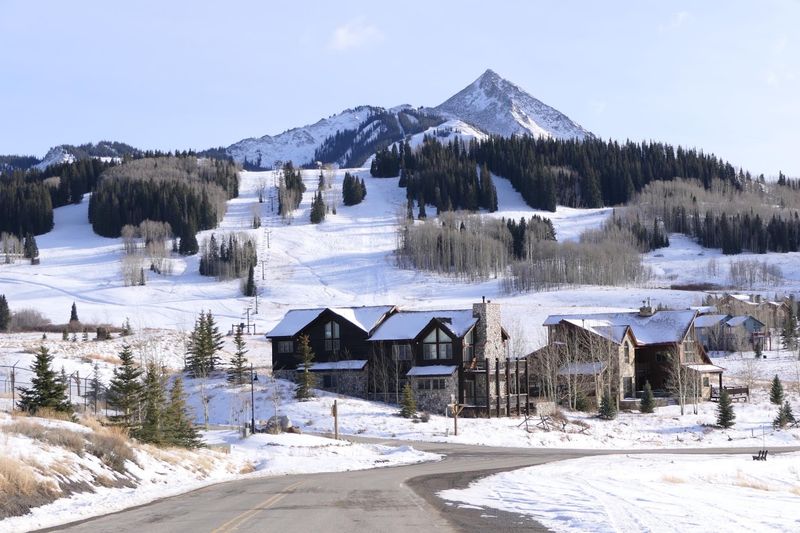
Crested Butte takes the alpine-village idea and brightens it up. Colorful storefronts, tidy streets, and dramatic peaks create a scene that can look almost painted, especially when flowers are everywhere in summer.
Instead of leaning severe or moody, this town brings a lighter, prettier version of mountain charm that lines up neatly with classic postcard visions of the Swiss Alps.
Much of that appeal comes from contrast. The buildings are cheerful and compact, while the surrounding terrain rises steeply enough to keep the setting from feeling too quaint.
You get big-mountain scale without losing the village feel, which is a tricky balance and one Crested Butte handles well. A walk through downtown gives you bright facades, clean views, and constant reminders that serious peaks are only a glance away.
Seasonal changes keep the town looking fresh. Summer turns the place into a burst of color, with gardens, greenery, and clear mountain light sharpening every detail.
Winter flips the palette entirely, covering rooftops and slopes in white and giving the streets a snug, alpine-resort look. Both seasons strengthen the European comparison, just in different ways.
Crested Butte also feels approachable. It has enough visual polish to seem storybook-ready, but not so much that it loses personality.
You can imagine slow breakfasts, an easy wander past old buildings, and then an afternoon spent looking up at the peaks that frame the town from nearly every angle. For travelers drawn to a softer, more colorful version of Swiss-style mountain beauty, Crested Butte earns its place without needing any dramatic sales pitch.
5. Lake City, Colorado
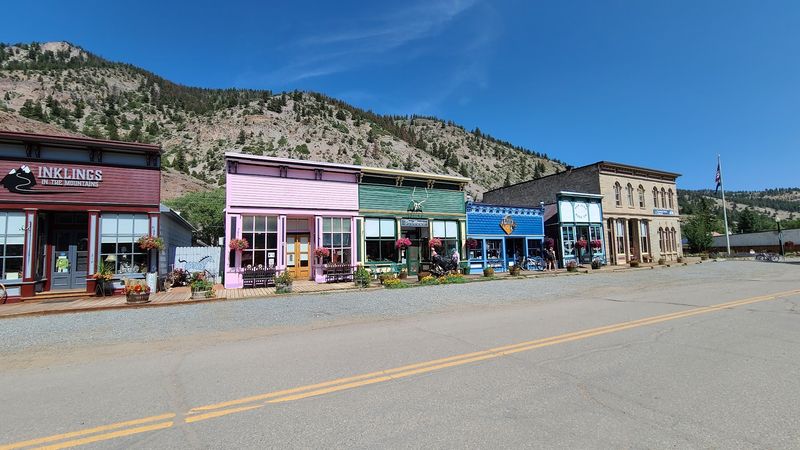
Lake City offers a quieter version of Colorado alpine drama. Tucked deep within the San Juan Mountains, it pairs rugged peaks with still water and a small historic downtown that seems content to let the scenery do the talking.
That combination of seclusion and beauty gives it the mood of a peaceful Swiss retreat, especially if your ideal mountain town is more serene than showy.
The surrounding landscape does a lot of the heavy lifting. Lakes, forested slopes, and rocky summits create a layered view that changes with every shift in weather and light.
Nothing feels rushed here. The town appears settled into its valley rather than competing with it, which makes the overall scene feel balanced and calm.
Even short walks can turn into long pauses once the mountains start stealing attention. Downtown contributes a gentle historic charm without overwhelming the setting.
Older buildings and modest streets keep the place grounded, while the nearby peaks maintain that high-alpine sense of scale that sparks comparisons to Europe.
Summer brings reflections, green hillsides, and softer edges. In cooler seasons, the air sharpens, the colors deepen, and the mountains take on a more dramatic outline.
Lake City is especially appealing if you want the Swiss look without the busier resort energy. It has the ingredients that matter most: water, steep terrain, a tucked-away location, and a village core that fits the landscape instead of fighting it.
You can picture a morning by the lake, a scenic drive through the mountains, and an evening when the whole valley quiets down under fading light. That low-key confidence is exactly why this town stands out.
6. Ridgway, Colorado
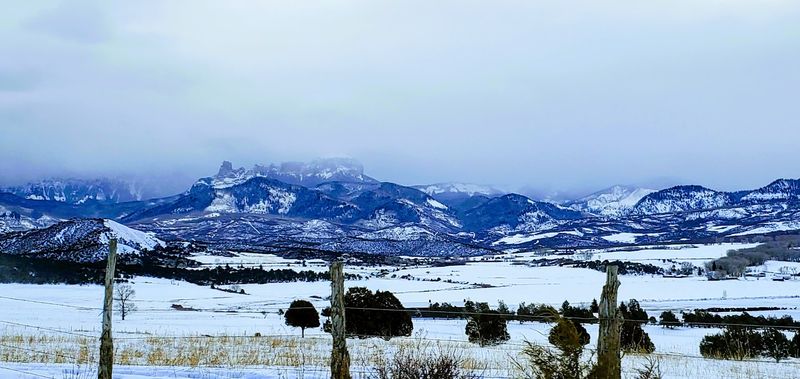
Ridgway brings a wider, more open take on the Swiss comparison. Instead of sitting tightly enclosed by cliffs, it spreads beneath the dramatic Sneffels Range, where broad vistas and jagged peaks share equal billing.
The result is striking in a different way: less enclosed village drama, more expansive alpine theater with a town woven into the foreground.
That setting gives Ridgway a strong visual identity. You can move through town and still feel the pull of the mountains almost constantly, especially when the light hits the range and turns the skyline into the main event.
The streets themselves add charm without overcomplicating things. There is a relaxed small-town rhythm here, and it works well with the polished, high-country scenery surrounding it.
Another reason Ridgway belongs on this list is access to spectacular alpine terrain nearby. Even without pinning the town to one single postcard angle, the larger landscape creates the same kind of mountain grandeur people often associate with Europe.
Green meadows, dark ridgelines, changing weather, and wide views all contribute to that effect. It is easy to see why travelers looking for dramatic scenery stop and stare a little longer here.
Ridgway does not rely on one gimmick. Its Swiss-like quality comes from the interplay between town and range, between open space and sharp peaks, between simple streets and a skyline that looks oversized for the setting below.
You can imagine an unhurried day of scenic drives, local wandering, and repeated glances toward the mountains because they keep demanding another look. If your version of alpine beauty needs breathing room as much as charm, Ridgway makes a strong pick.
7. Aspen, Colorado
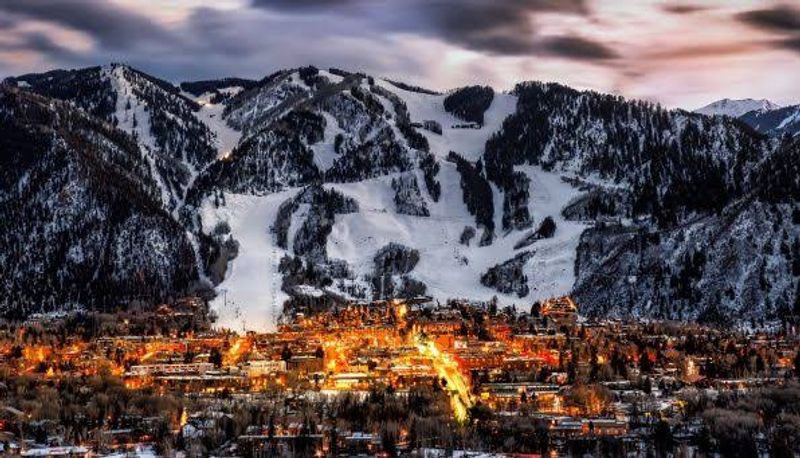
Aspen channels the polished side of the Swiss comparison. The town is known for style, skiing, and mountain luxury, but the bigger visual story is how neatly its elegant streets fit into a spectacular alpine setting.
Chalets, refined storefronts, and well-kept public spaces create the kind of resort-town look that immediately brings upscale European destinations to mind.
Architecture matters here more than in many mountain communities. Buildings often lean chalet-like or classic mountain lodge in mood, and that design language works naturally with the surrounding peaks.
The town center feels composed and intentional, which strengthens the impression that you are in a high-end alpine resort rather than a rougher frontier outpost. Even a casual walk can feel cinematic when snow is on the roofs and the mountains stay fully in view.
The natural backdrop keeps Aspen from becoming too manicured. Big slopes, changing seasons, and crisp air give the town the depth it needs, whether the trees are green, gold, or dusted white.
Winter probably delivers the clearest Swiss parallel, with skiers, snowy streets, and dramatic ridgelines framing the village. Still, warmer months hold their own, especially when the mountain setting reads less as backdrop and more as constant company.
Aspen stands apart because it combines visual order with serious alpine scale. You can picture a morning coffee near a polished streetscape, an afternoon looking up at broad mountain faces, and an evening when lights in the village start glowing against the cold.
Plenty of Colorado towns are scenic, but Aspen adds a layer of European-style sophistication that changes the entire mood. For a resort-flavored version of Switzerland in the Rockies, this one is an easy inclusion.
8. Breckenridge, Colorado
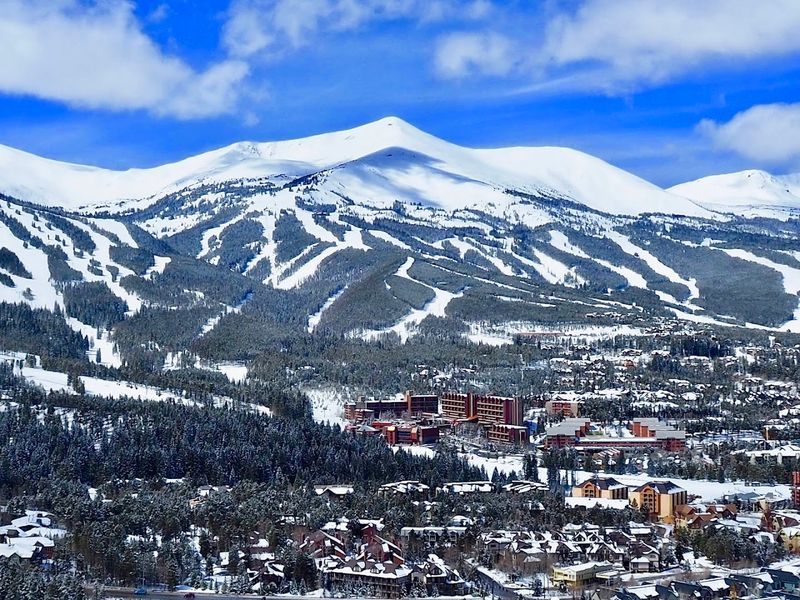
Breckenridge mixes historic texture with high-energy mountain scenery in a way that lands squarely in Swiss-village territory. Colorful Victorian buildings line a walkable downtown, while snowy peaks rise behind them with perfect timing.
That pairing of lively streets and alpine backdrop gives the town an instantly recognizable look, one that feels more European than many ski destinations manage.
The downtown core does a lot to shape the mood. It is compact, colorful, and easy to navigate on foot, so the mountains never drift out of the frame for long.
Every block seems to offer another angle where architecture and landscape click together. Instead of one grand viewpoint doing all the work, Breckenridge delivers a steady rhythm of strong visuals as you move through town.
Winter naturally sharpens the Swiss comparison. Snow on rooftops, bright facades against white slopes, and a busy village center create a classic alpine-resort image.
But even beyond ski season, the place keeps its appeal because the historic streets remain charming and the surrounding mountains still dominate the horizon. There is enough personality in the buildings to make the town memorable, and enough scenery to keep it from feeling merely decorative.
Breckenridge also has an energy that separates it from quieter mountain communities. It feels active and social without losing the visual ingredients that make alpine towns so appealing in the first place.
You can imagine wandering downtown, stepping into side streets for a different view, and then looking up to catch the peaks reshaping the entire scene. For travelers who want Swiss-style looks with a little more buzz, Breckenridge fits comfortably on the shortlist.
9. Georgetown, Colorado
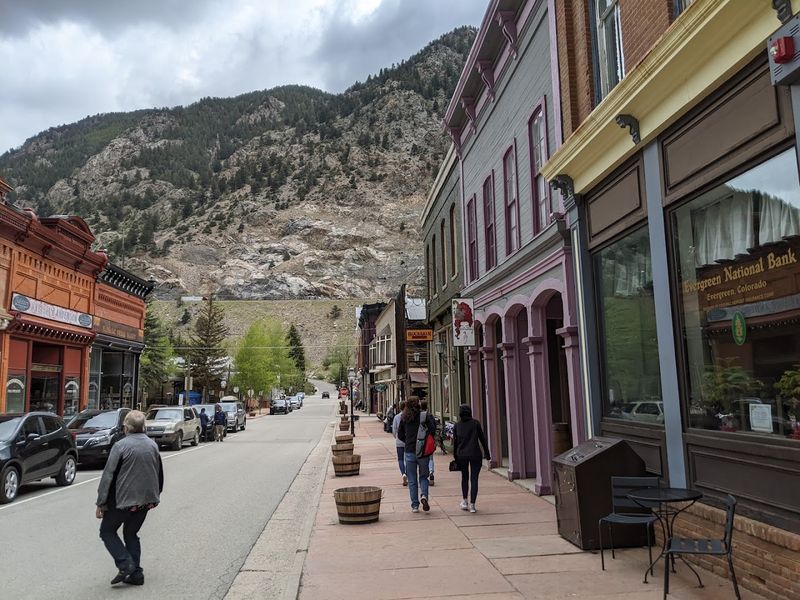
Georgetown often flies under the radar, which makes its visual impact even better. The town pairs beautifully preserved Victorian architecture with steep alpine mountains that rise close enough to give the whole setting a compact, storybook look.
That old-world streetscape against such dramatic terrain is exactly the kind of combination that invites comparisons to a Swiss village.
Unlike larger resort towns, Georgetown feels a little more intimate. The downtown has a clear historic identity, and the buildings carry enough detail to make a slow walk worthwhile even before the mountain backdrop enters the picture.
Once it does, the scene clicks into place. The steep slopes help frame the town tightly, so the architecture never feels separated from the landscape around it.
There is also a sense of proportion here that works in its favor. The streets are charming without trying too hard, and the mountains are bold without overwhelming the historic center completely.
In cooler weather, the European comparison gets even stronger as the crisp air and surrounding peaks sharpen the town’s outlines. Snow only pushes it further in that direction, turning Georgetown into a compact alpine tableau.
Georgetown earns its place on this list through balance. It offers preserved buildings, mountain drama, and a quieter personality than some of Colorado’s better-known destinations, all while delivering one of the clearest Swiss-style visuals in the state.
You can picture an easy stroll past old facades, a pause to look up at the steep ridges, and another lap through downtown because the scale feels so inviting. For a smaller town with outsized alpine character, Georgetown makes a very convincing final stop.
Share this story