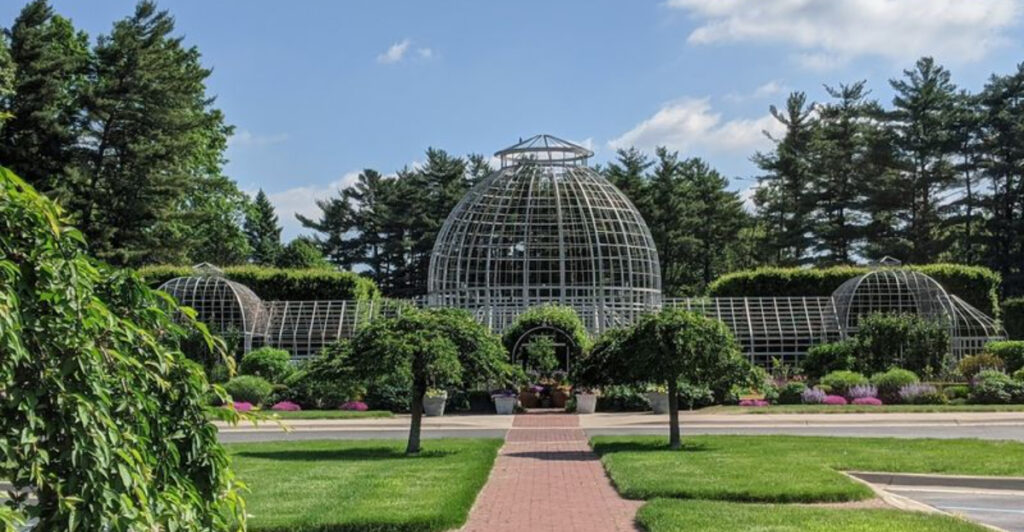
You do not have to travel far in Michigan to find a place bursting with color, calm, and natural beauty. Across the state, quiet garden paths, blooming wildflowers, sculptural landscapes, and carefully tended plant collections are waiting to be explored.
Some of these spots feel like small-town secrets, while others rival the kind of world-class green spaces you would expect in much larger destinations. Whether you are chasing spring blooms, summer shade, or golden fall foliage, these 12 botanical gardens offer the perfect excuse to slow down and look closer.
Pack comfortable shoes and a curiosity for the natural world, because this list belongs on your weekend bucket list.
1. Hidden Lake Gardens — Tipton
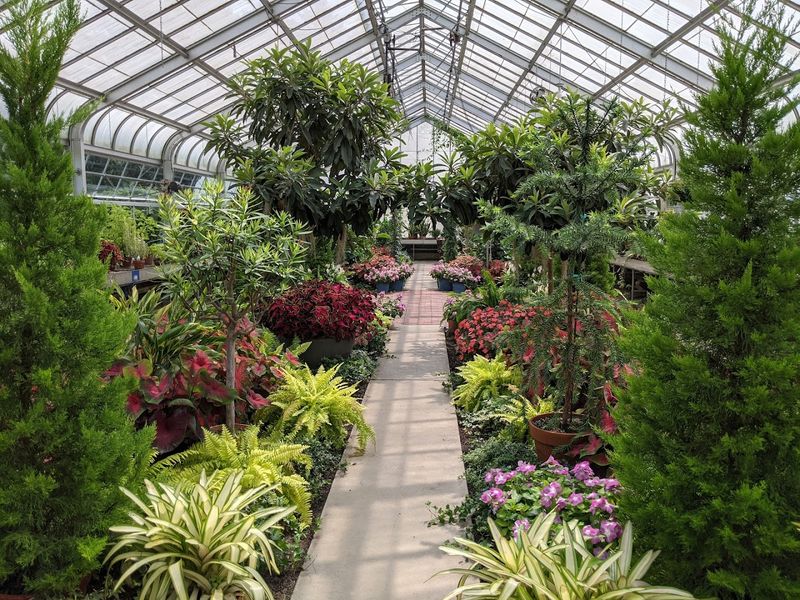
Tucked away in the Irish Hills region of southeast Michigan, Hidden Lake Gardens feels like a secret that locals have been keeping for years. Managed by Michigan State University, this 755-acre property is a full sensory experience — rolling hills, quiet roads for driving or biking, and a tropical conservatory that feels wildly out of place in the best possible way.
Visiting in spring means catching azaleas and crabapples in full, glorious bloom.
The garden’s conservatory houses an impressive collection of bonsai trees, cacti, and tropical plants that thrive year-round. Even on a gray Michigan afternoon, stepping inside that glass building feels like being transported somewhere warm and lush.
Kids and adults alike tend to linger longer than expected among the exotic greenery.
What makes Hidden Lake Gardens extra special is how it rewards slow exploration. There are over 6 miles of paved roads that wind through different plant collections and natural landscapes, so you can take your time without feeling rushed.
Deer sightings are common, and the lake views from the hilltops are genuinely breathtaking. Whether you come solo, with a partner, or with a carload of curious kids, this place delivers a peaceful, unhurried experience that is increasingly rare to find.
Admission is affordable and the grounds are well maintained throughout the seasons, making it one of the most underrated natural destinations in the state.
2. Taylor Conservatory & Botanical Gardens — Taylor
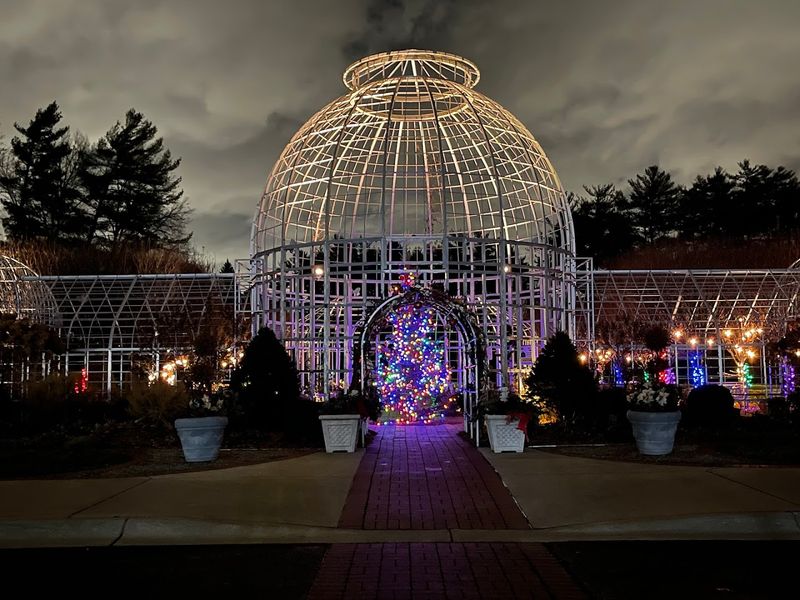
Not every great botanical garden requires a long road trip, and Taylor Conservatory proves that point beautifully. Sitting right in the heart of Downriver Michigan, this free-to-visit gem surprises first-timers with how much it packs into a relatively compact space.
The outdoor gardens shift with the seasons, offering tulips and pansies in spring, bold summer annuals, and rich chrysanthemum displays come fall.
Inside the conservatory, the tropical collection creates a warm, humid escape from Michigan winters. Palms, ferns, orchids, and bromeliads fill the space with texture and color that feels almost theatrical.
It is the kind of place where you take about 40 more photos than you planned because every corner offers a new composition worth capturing.
Community programming is a big part of what keeps Taylor Conservatory relevant and lively. Workshops, seasonal plant sales, and educational events bring locals back repeatedly throughout the year.
The garden also hosts weddings and private events, which speaks to how lovely the setting truly is. Families with young children will appreciate how approachable and stroller-friendly the grounds are.
For a no-cost afternoon that genuinely refreshes the mind, Taylor Conservatory earns its spot on this list without question. The staff tends to be welcoming and knowledgeable, making casual visitors feel just as valued as seasoned horticulture enthusiasts.
It is a local treasure that deserves far more recognition than it typically gets from the wider Michigan travel community.
3. Matthaei Botanical Gardens — Ann Arbor
Ann Arbor has a reputation for doing things thoughtfully, and Matthaei Botanical Gardens fits that character perfectly. Operated by the University of Michigan, this 300-acre property blends formal garden spaces with natural habitats like wetlands, woodlands, and prairies.
The result is a place that feels both curated and wild at the same time — a balance that takes real skill to achieve.
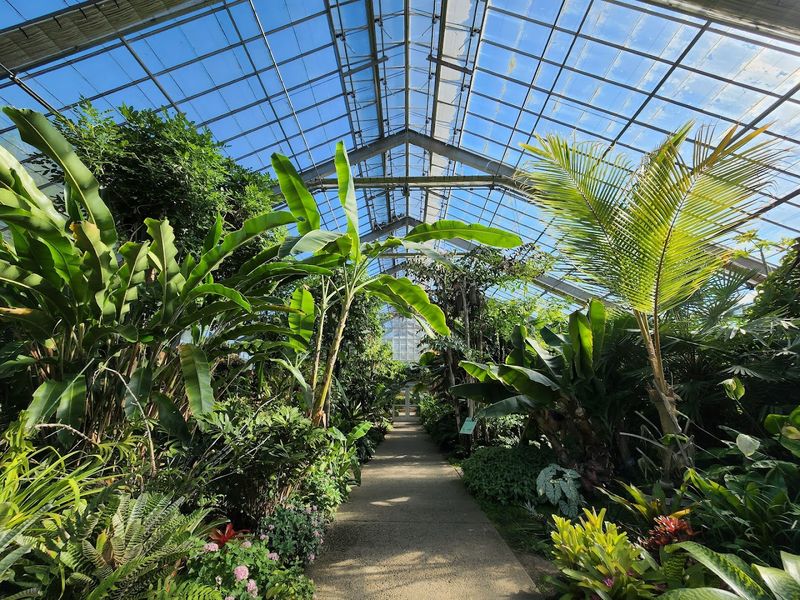
The Conservatory at Matthaei is divided into three distinct climate zones: tropical, warm temperate, and cool temperate. Walking through each zone feels like a mini world tour without ever leaving Washtenaw County.
The tropical house alone, with its towering palms and cascading water features, is worth the visit on its own.
Trails wind through the outdoor property and connect to the Nichols Arboretum trail system, giving hikers and walkers a genuinely expansive green corridor to explore. In spring, the wildflower displays along the woodland paths are exceptional — think trilliums, Virginia bluebells, and trout lilies carpeting the forest floor.
Matthaei also has strong programming for schools and families, with seasonal events, guided walks, and hands-on activities that make the science of plants feel accessible and exciting. The gift shop carries thoughtfully selected items including local honey, seed packets, and botanical art prints.
Parking is easy, admission to the grounds is free, and the conservatory charges only a modest fee. For anyone who loves the intersection of ecology, beauty, and education, Matthaei Botanical Gardens is a must-visit destination in southeast Michigan.
4. Windmill Island Gardens — Holland
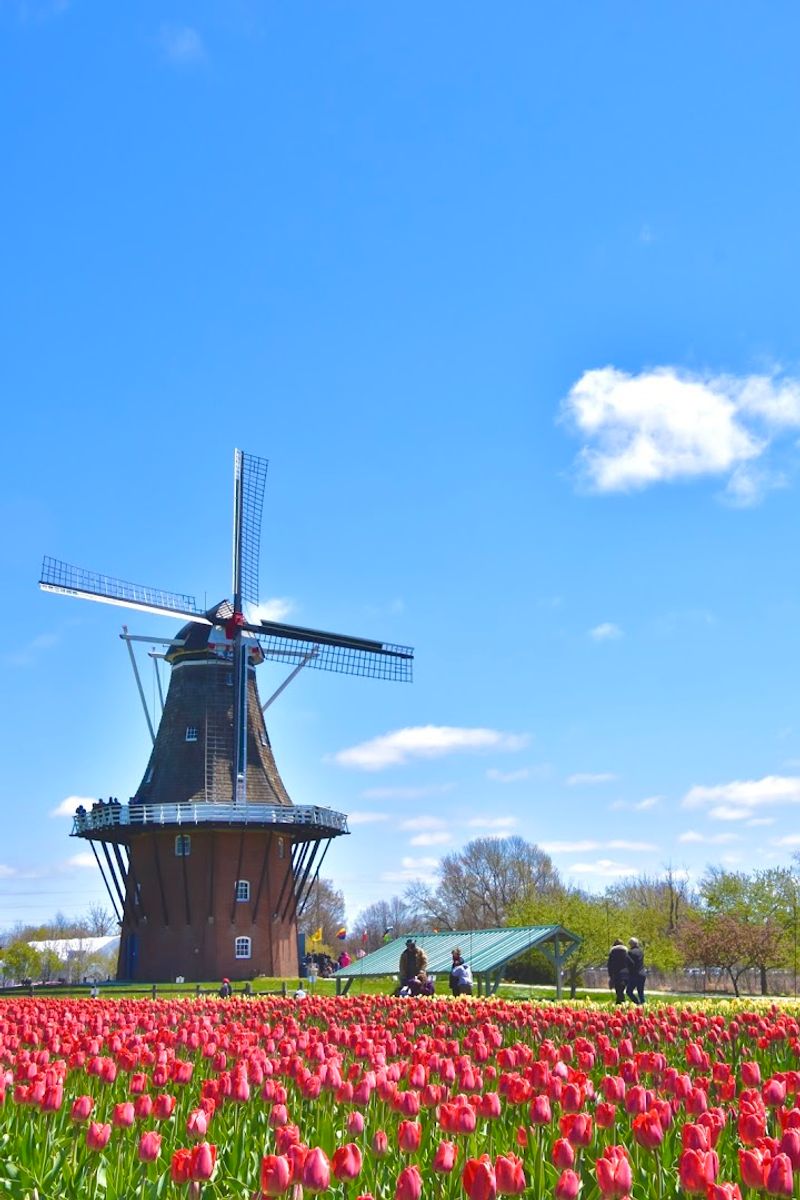
Every May, Holland, Michigan transforms into a scene that looks borrowed from the Netherlands, and Windmill Island Gardens is the epicenter of that magic. The star of the show is De Zwaan, a genuine 18th-century Dutch windmill that was imported from the Netherlands and still operates today — making it one of the only authentic working Dutch windmills in the United States.
That alone is worth the drive.
The tulip displays surrounding the windmill are nothing short of spectacular during peak bloom season. Hundreds of thousands of bulbs create sweeping ribbons of red, yellow, pink, and purple across the landscape.
Even if you have seen tulip photos a thousand times, standing in the middle of those fields with a working windmill in the background hits differently in person.
Beyond the famous blooms, the garden features a Dutch carousel, a children’s play area, and an authentically styled Dutch shop where you can pick up wooden shoes and local treats. The grounds are well-organized and easy to navigate, which makes it a great choice for families with younger children.
Windmill Island Gardens also hosts events outside of tulip season, keeping the property active and worth visiting through summer and into fall. The combination of living history, horticultural beauty, and family-friendly charm makes this Holland attraction one of the most photographed spots in all of Michigan.
Visiting during the Tulip Time Festival in May is a bucket-list moment, but the garden holds its own appeal throughout the warmer months as well.
5. Fernwood Botanical Garden and Nature Preserve — Niles
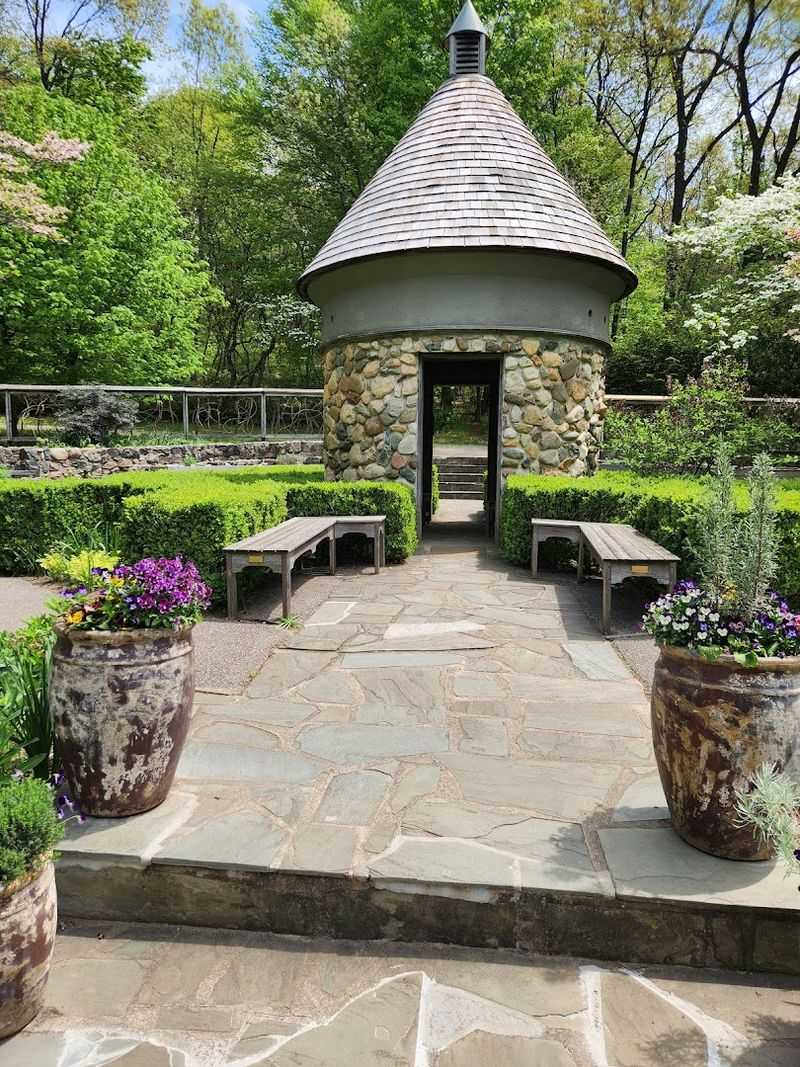
Southwest Michigan does not always get the botanical garden spotlight, but Fernwood in Niles makes a strong case for changing that. Spread across 105 acres near the St. Joseph River, this garden and nature preserve blends cultivated beauty with untouched natural habitat in a way that feels genuinely harmonious.
Ferns — as the name suggests — are a specialty here, and the collection is impressively diverse.
Walking the trails at Fernwood feels like stepping into a quieter, slower version of the world. The paths move through woodland gardens, native plant areas, a tall-grass prairie restoration, and along the river’s edge.
In early spring, the wildflower bloom in the woodland section is one of the most underrated floral displays in the entire state.
The indoor facilities include a nature center, gallery spaces, and a gift shop that leans toward locally made and nature-inspired products. Fernwood also has a working railroad display that tends to be a big hit with younger visitors, adding a playful twist to what could otherwise be a purely contemplative experience.
Year-round programming covers everything from yoga in the garden to plant identification walks, making it a place that draws a wide and loyal local following. The admission price is reasonable, and the peaceful atmosphere makes it feel like a genuine retreat from daily noise.
For those traveling through southwest Michigan or visiting the Niles-Three Rivers corridor, Fernwood Botanical Garden is an absolute must-stop that rewards any visitor who takes the time to slow down and look closely.
6. MSU Horticulture Gardens — East Lansing
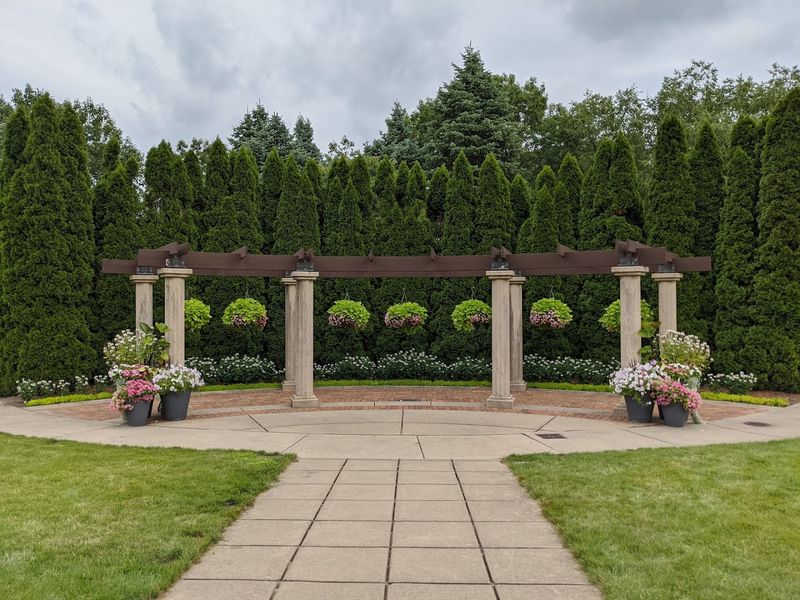
Right on the Michigan State University campus, the MSU Horticulture Gardens function as both a public green space and a living laboratory where researchers and students test new plant varieties. That dual purpose actually makes it more interesting for casual visitors, because you get to see plants and design ideas that have not made it into mainstream gardening culture yet.
It is like getting a sneak peek at the future of your own backyard.
The gardens cover roughly 7 acres and include themed sections like the English Perennial Garden, the Trial Gardens, and a four-season garden designed to look attractive even in winter. Each area has its own personality, and the transitions between spaces feel intentional and well-planned.
Signage throughout the garden helps visitors identify plants and understand why certain combinations work visually.
Free admission makes this one of the most accessible botanical experiences in Michigan. Parking on a university campus can be tricky on game days, but outside of that the grounds are easy to reach and navigate.
Families, gardening enthusiasts, and first-time plant explorers all find something to appreciate here. The garden is at its showiest from late spring through early fall, when the trial beds are packed with blooms and the design sections are fully filled out.
MSU extension resources are often available on-site or nearby, which means you can leave with practical knowledge about what to grow in your own Michigan yard. It is a productive and beautiful afternoon destination that consistently delivers on both fronts.
7. Dow Gardens — Midland
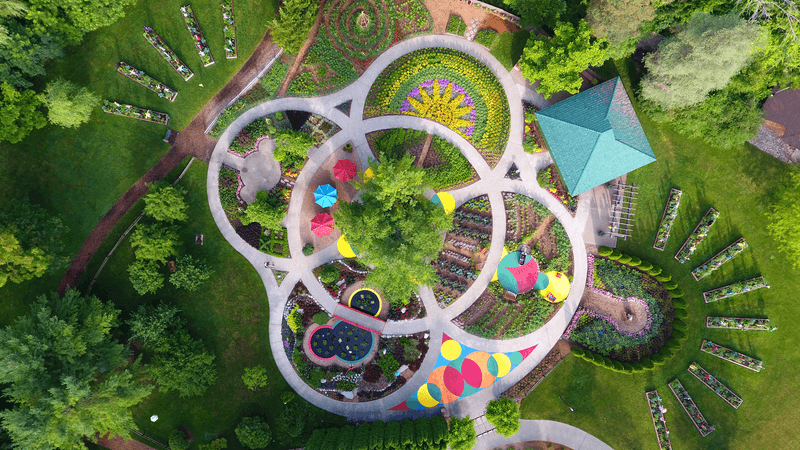
Herbert H. Dow founded Dow Chemical Company in Midland, but his passion for plants and garden design left an equally impressive legacy in the form of Dow Gardens.
What started as the personal garden of his family home has grown into a 110-acre public botanical garden that manages to feel both grand and intimate at the same time. The original garden beds near the historic house give the place a sense of layered history that newer gardens simply cannot replicate.
The Children’s Garden at Dow is one of the best in Michigan — a genuinely engaging, creative space that treats kids as curious explorers rather than passive observers. Giant vegetable sculptures, sensory plantings, and interactive water features make it a destination in its own right.
Adults without kids tend to spend just as much time in there, which tells you everything you need to know.
The rest of the grounds include a stunning rose garden, a boardwalk through wetland areas, and beautiful seasonal displays that shift from spring bulbs to summer perennials to fall asters and ornamental grasses. The Whiting Forest, a connected attraction featuring the world’s longest canopy walk, adds a thrilling treetop perspective on the surrounding landscape.
Dow Gardens and Whiting Forest together create a full-day experience that is hard to match anywhere in the Midwest. Admission covers both attractions, and the quality of maintenance and programming throughout the year reflects the serious investment the Midland community has made in this remarkable place.
It is one of Michigan’s true horticultural crown jewels.
8. Anna Scripps Whitcomb Conservatory — Detroit / Belle Isle
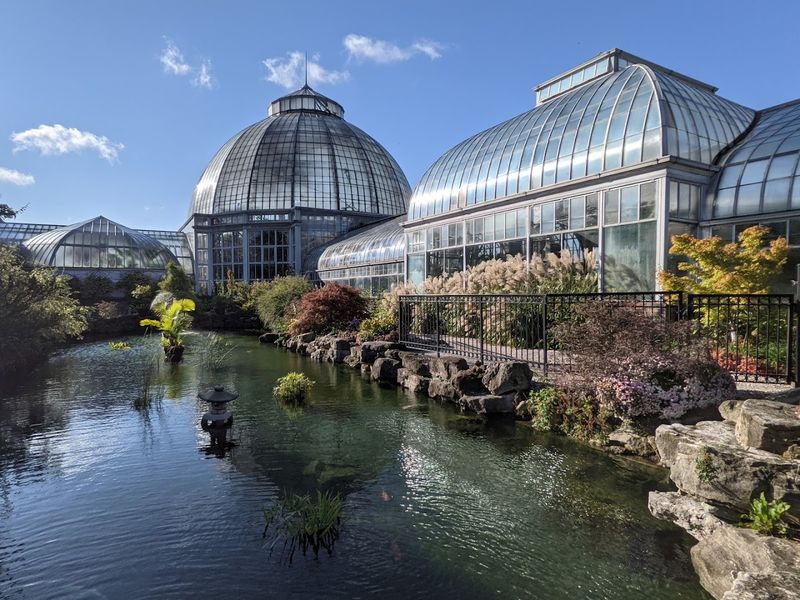
Belle Isle has been Detroit’s island park since 1879, and sitting at its heart is the Anna Scripps Whitcomb Conservatory — a stunning domed glass structure that opened in 1904 and still operates as the oldest continuously running municipal conservatory in the United States. That kind of history carries real weight, and you feel it the moment you walk through the doors into the warm, plant-filled interior.
Inside, the conservatory is divided into several houses including the Show House, Fernery, Cactus House, and Palm House. Each space has its own climate and plant personality, creating a journey through different botanical worlds within a single building.
The Palm House, with its soaring dome and towering tropical palms, is particularly breathtaking and makes for incredible photos.
The outdoor formal gardens surrounding the conservatory are equally impressive, featuring seasonal flower beds, lily ponds, and manicured landscape designs that complement the architecture beautifully. Belle Isle itself adds another layer of appeal — visitors can combine a conservatory visit with a picnic by the river, a stop at the aquarium, or a walk along the island’s shoreline trails.
Admission to the conservatory is free for Michigan residents with a Recreation Passport, which makes it one of the most accessible world-class botanical experiences in the state. For Detroit residents and visitors alike, the Whitcomb Conservatory represents a living piece of the city’s cultural and horticultural heritage that deserves far more national attention than it typically receives.
Spending an afternoon here connects you to something genuinely historic.
9. W.J. Beal Botanical Garden — East Lansing
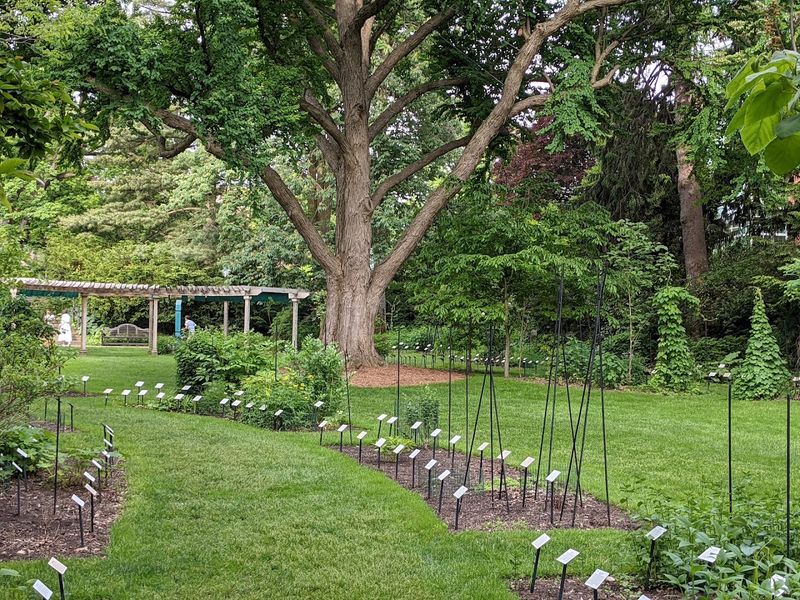
Established in 1873, the W.J. Beal Botanical Garden holds the distinction of being the oldest continuously operating university botanical garden in the United States — and it sits right in the middle of Michigan State University’s campus, which makes it one of those remarkable things hiding in plain sight.
Named after botanist William James Beal, whose work on plant hybridization helped shape modern agriculture, the garden carries serious scientific credibility alongside its natural beauty.
The collection includes over 5,000 plant species and varieties organized by family, use, and ecology. Walking through feels like a structured lesson in plant diversity, but the setting along the Red Cedar River keeps it from ever feeling like a classroom.
Mature trees provide shade, and the river’s edge adds a calming ambient sound that makes the garden feel removed from the busy campus surrounding it.
Signage throughout the garden is detailed and educational, making it a self-guided experience that genuinely teaches you something without requiring a tour guide. Gardeners especially love identifying plants they have grown themselves alongside species they have never encountered before.
The Beal Garden is free and open year-round, which is a rare and generous offering. Even in winter, the structure of the plant collections and the river views give it a quiet beauty that rewards a cold-weather visit.
For anyone interested in the history of American horticulture and botany, this garden is a pilgrimage site. For everyone else, it is simply a lovely, peaceful place to walk and breathe deeply on a Michigan afternoon.
10. Frederik Meijer Gardens & Sculpture Park — Grand Rapids
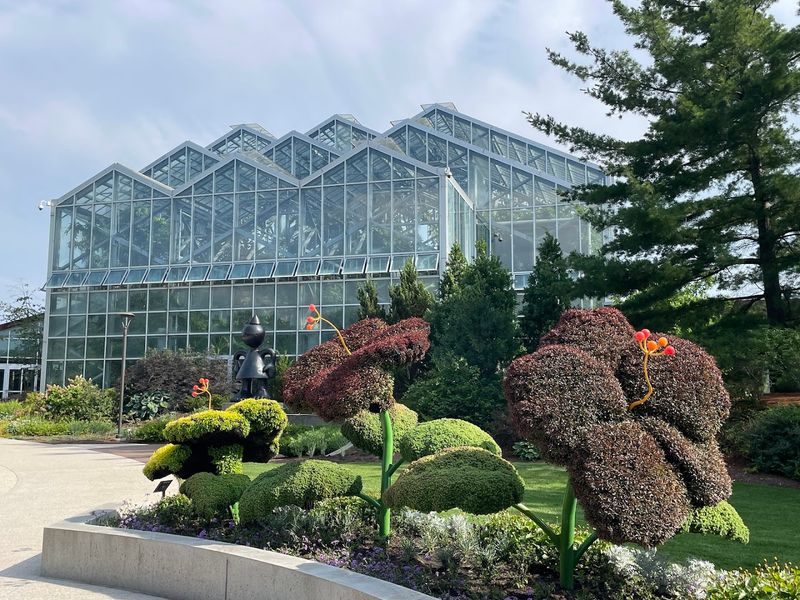
Few places in Michigan — or anywhere in the Midwest — combine art and horticulture as seamlessly as Frederik Meijer Gardens and Sculpture Park in Grand Rapids. Since opening in 1995, it has grown into one of the top sculpture parks in the entire world, featuring works by Henry Moore, Auguste Rodin, Alexander Calder, and many other legendary artists placed throughout stunning outdoor and indoor garden spaces.
The ambition of this place is genuinely extraordinary.
The indoor conservatory complex alone could anchor a full visit, with five distinct climate zones housing tropical plants, carnivorous plants, succulents, and rotating seasonal exhibitions. The Michigan-themed garden celebrates native plants and regional ecology in a way that feels both educational and deeply beautiful.
Spring brings the world-famous Meijer Gardens Butterflies Are Blooming exhibition, where thousands of live butterflies fill the tropical conservatory — an experience that tends to stop visitors in their tracks regardless of age.
Outdoor trails wind through 158 acres of gardens, woodlands, and sculpture installations, with new discoveries around nearly every bend. The summer concert series brings world-class musical acts to the amphitheater, blending culture and nature in a way that is uniquely Grand Rapids.
Admission is on the higher end compared to other gardens on this list, but the sheer scale and quality of what Meijer Gardens delivers makes it feel like outstanding value. This is not just a botanical garden — it is a cultural institution that happens to be rooted in the earth.
Visiting even once tends to turn people into enthusiastic repeat guests who bring every out-of-town visitor they host.
11. Leila Arboretum — Battle Creek
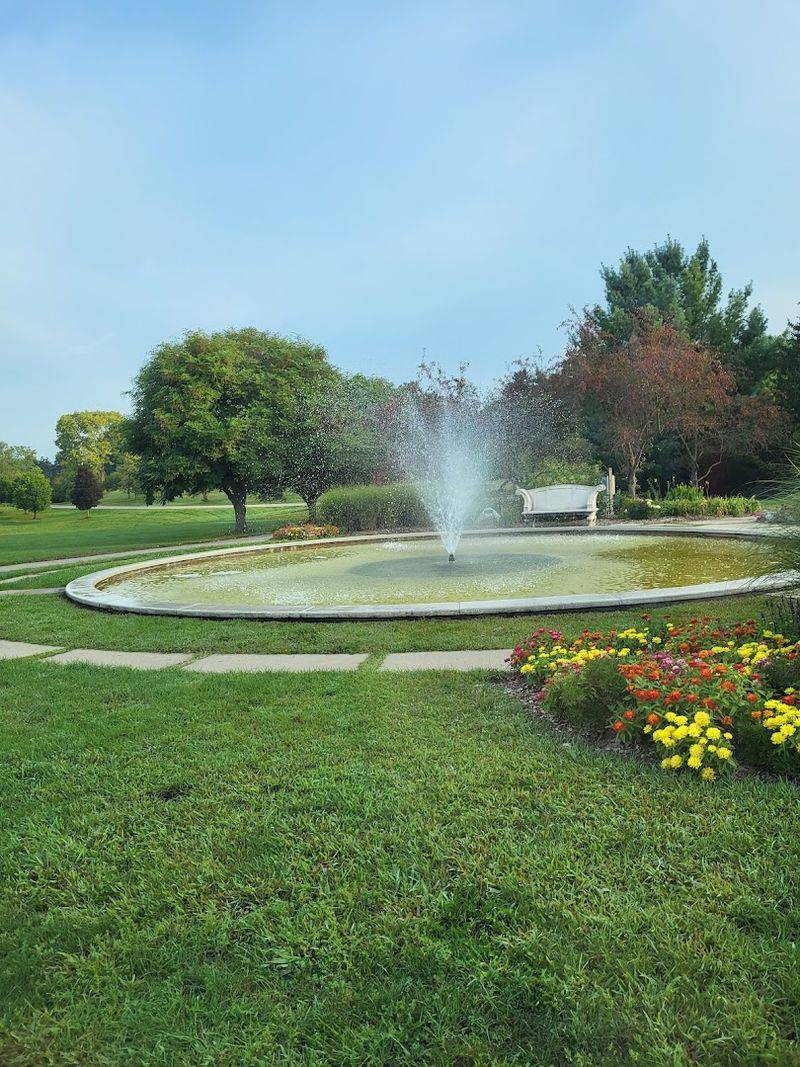
Battle Creek may be best known for breakfast cereal, but Leila Arboretum gives the city a completely different kind of claim to fame. Established in 1922 and spanning 72 acres, this urban arboretum is one of the oldest in Michigan and serves as both a community green space and a serious tree collection that plant enthusiasts genuinely travel to see.
The labeled tree specimens represent an impressive range of native and exotic species.
The Kingman Museum sits adjacent to the arboretum grounds, and the combination makes for an unusually rich afternoon of natural and scientific exploration. Families with kids often bounce between the two, which is a clever design that keeps everyone engaged and moving.
The arboretum itself has open lawns perfect for picnicking, shaded paths for walking, and seasonal flower gardens that add color to the mostly tree-focused landscape.
In fall, Leila Arboretum earns its most dramatic moment of the year as the tree canopy shifts through every shade of orange, red, and gold. The variety of species means the color season stretches longer than at a typical park, with different trees peaking at different times throughout October and into November.
Spring brings flowering trees and early bulbs, while summer offers deep shade and the simple pleasure of sitting beneath a century-old canopy. The arboretum is free to enter, making it one of the most generous public green spaces in southwest Michigan.
For Battle Creek locals, it is a beloved neighborhood anchor. For visitors passing through on I-94, it is the kind of unexpected stop that makes the whole trip feel more worthwhile.
12. Nichols Arboretum — Ann Arbor
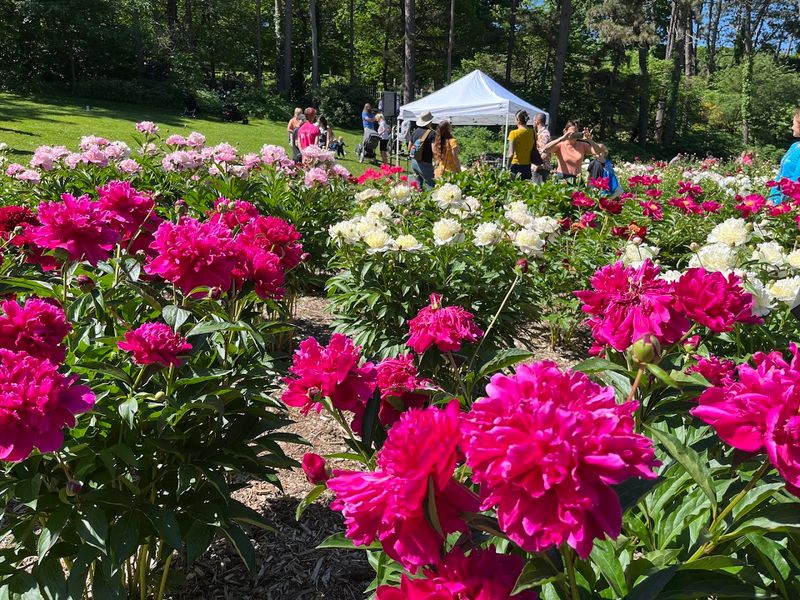
Known affectionately as the Arb by Ann Arbor locals, Nichols Arboretum is the kind of place that people build their weekly routines around. Established in 1907 and managed by the University of Michigan, this 123-acre property rolls dramatically along the Huron River valley, creating elevation changes and views that are genuinely rare in southeast Michigan’s relatively flat landscape.
The terrain alone makes it feel like more than a typical city park.
The peony collection at Nichols is legendary — one of the oldest and most extensive in North America, with hundreds of varieties blooming in late May and early June. During peak bloom, the fragrance hits you before you even see the flowers, and the rows of blooms in every imaginable shade of pink, white, red, and coral create a display that draws visitors from across the region every single year.
Beyond peony season, the arboretum rewards year-round visits with woodland wildflower trails in spring, lush green canopy walks in summer, exceptional fall color along the river bluffs, and a stark, moody beauty in winter when the structure of the landscape becomes most visible. The trails connect to the broader Border-to-Border Trail system, giving more ambitious walkers and runners a way to extend their journey well beyond the arboretum boundaries.
Admission is always free, and the grounds are open daily from dawn to dusk. Whether you are a University of Michigan alum returning with nostalgia, a local looking for your next favorite trail, or a first-time visitor to Ann Arbor, the Arb has a way of making everyone feel immediately at home among its trees and hills.