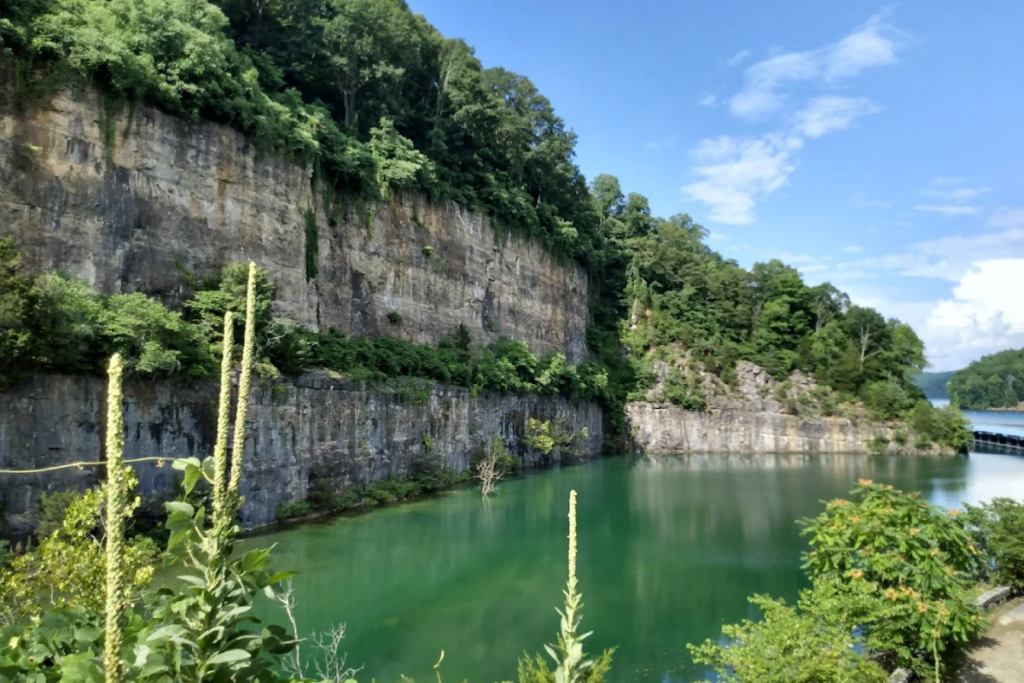
Tennessee is packed with outdoor beauty that doesn’t require extreme hiking boots or a wilderness survival course. From misty mountain overlooks to underground waterfalls and peaceful lakeside retreats, the state offers countless ways to soak in nature without breaking a sweat.
Baby boomers are discovering that Tennessee’s best outdoor spots combine stunning scenery with accessibility, making it easier than ever to enjoy the great outdoors on their own terms.
1. Great Smoky Mountains National Park
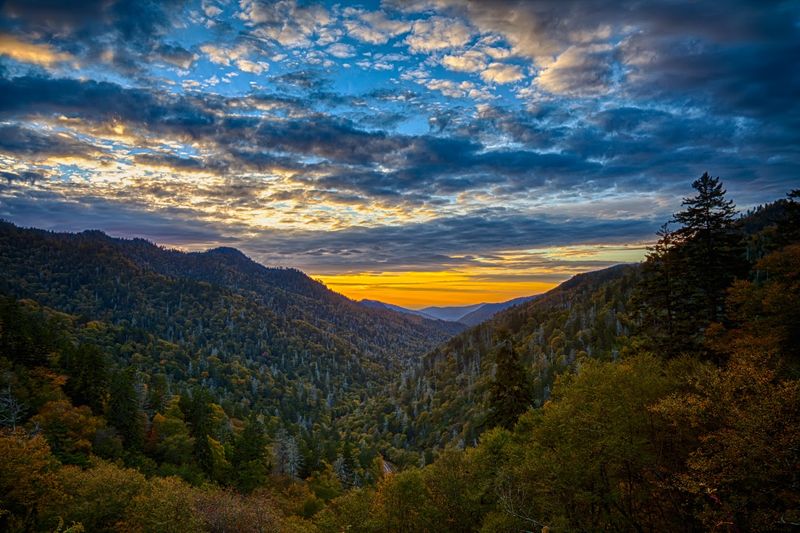
America’s most visited national park isn’t just a title—it’s a testament to how much people love these mountains. The Smokies deliver everything from wildlife sightings to historic cabins, all wrapped in layers of blue-gray mist that make every view feel like a painting. You don’t need to be a hardcore hiker to enjoy this place, which is exactly why boomers keep coming back.
Scenic drives like Newfound Gap Road let you experience jaw-dropping elevation changes and overlook after overlook without ever leaving your car. Pull over at Clingmans Dome for the highest point in Tennessee, or cruise through quiet coves where black bears occasionally wander across the road. The park’s 800 miles of trails range from easy strolls to serious climbs, so you can pick your own adventure.
Historic structures add another layer of interest. Old cabins, grist mills, and churches dot the landscape, offering glimpses into Appalachian life before the park was established. Rangers lead programs that bring these stories to life, and the visitor centers provide context that makes every stop more meaningful.
Wildflower season in spring and leaf-peeping in fall draw the biggest crowds, but even summer and winter have their charms. Waterfalls flow year-round, and cooler months mean thinner crowds and clearer views. Whether you’re here for a day trip or a week-long stay, the Smokies offer enough variety to keep things fresh.
Accessibility is a major draw. Paved paths, accessible restrooms, and plenty of parking make it easy to explore without worrying about rough terrain. The park’s free admission doesn’t hurt either, making it one of the best values in outdoor recreation anywhere in the country.
2. Cades Cove
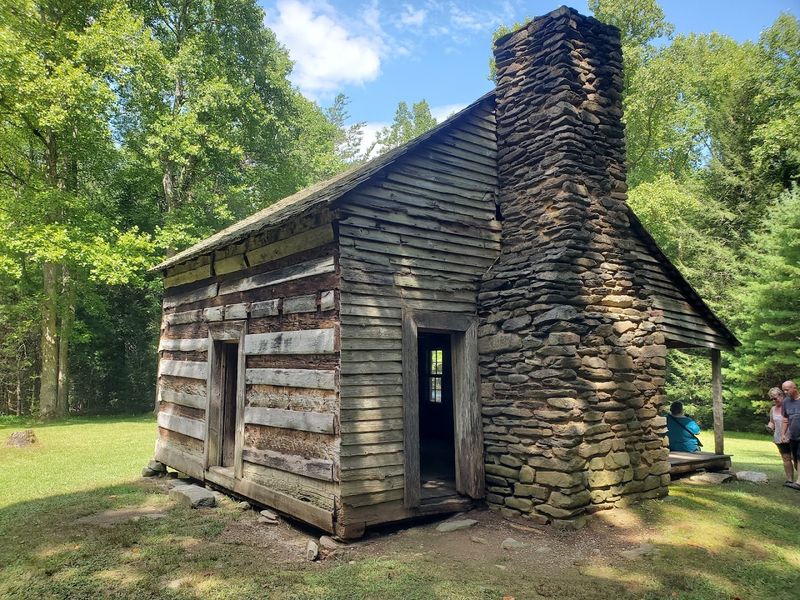
Tucked into a broad valley surrounded by mountains, Cades Cove feels like stepping back in time. The 11-mile loop road winds past preserved cabins, barns, and churches that tell the story of the families who farmed this land in the 1800s. Wildlife viewing here is some of the best in the Smokies, with white-tailed deer, wild turkeys, and black bears making regular appearances.
The loop is one-way and designed for slow travel, which suits most visitors just fine. You can stop whenever something catches your eye—a grazing deer, a historic homestead, or a perfect photo opportunity. Early morning and late afternoon offer the best chances to see animals, though any time of day brings something worth seeing.
Historic structures are the main attraction beyond the scenery. The Methodist Church, Primitive Baptist Church, and several log cabins are open for exploration, giving you a sense of how isolated and self-sufficient these communities were. Interpretive signs provide context, and ranger-led programs dive deeper into the history.
Biking the loop on Wednesday and Saturday mornings before 10 a.m. is a local favorite. The road closes to motor vehicles during these hours, creating a peaceful way to experience the cove without engine noise. If you prefer walking, several short trails branch off the main loop, leading to cemeteries, additional cabins, and quiet forest spots.
Crowds can be heavy during peak seasons, especially on weekends. Arriving early or visiting on weekdays helps avoid the traffic jams that sometimes form when wildlife appears near the road. Patience pays off here—Cades Cove rewards those who take their time and soak in the atmosphere rather than rushing through.
3. Lookout Mountain
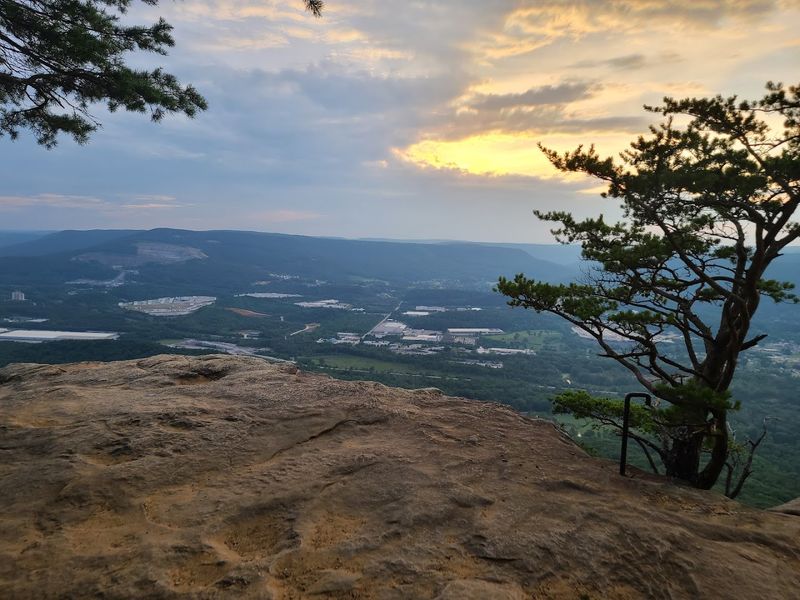
Straddling the Tennessee-Georgia line just outside Chattanooga, Lookout Mountain packs multiple attractions into one scenic destination. The views alone justify the trip, with overlooks that stretch across seven states on clear days. Add in Ruby Falls, Rock City, and the Incline Railway, and you’ve got a full day of exploration without ever hitting a hiking trail.
The Incline Railway is a marvel of engineering that’s been carrying passengers up the steep mountainside since 1895. The ride itself is an attraction, climbing at a 72.7-percent grade and offering changing perspectives of the valley below. At the top, you’ll find restaurants, shops, and access to Point Park, a Civil War battlefield site with more stunning views.
Rock City Gardens sits on the Georgia side but draws plenty of Tennessee visitors. The walking paths wind through massive rock formations, gardens, and lookout points, including the famous Lover’s Leap. It’s an easy walk with plenty of places to rest, making it accessible for most fitness levels.
Ruby Falls lies deep inside the mountain, accessible via elevator and guided tour. The underground waterfall is impressive, but the cave formations along the way are equally fascinating. Tours run year-round and stay a constant 60 degrees, making it a comfortable escape on hot summer days.
Dining options range from casual cafes to sit-down restaurants, many with views that rival the attractions themselves. The mountain’s proximity to Chattanooga makes it easy to combine with other city attractions, or you can spend the entire day on the mountain and still not see everything. Parking is available at each major attraction, though shuttle services connect some sites during busy periods.
4. Ruby Falls
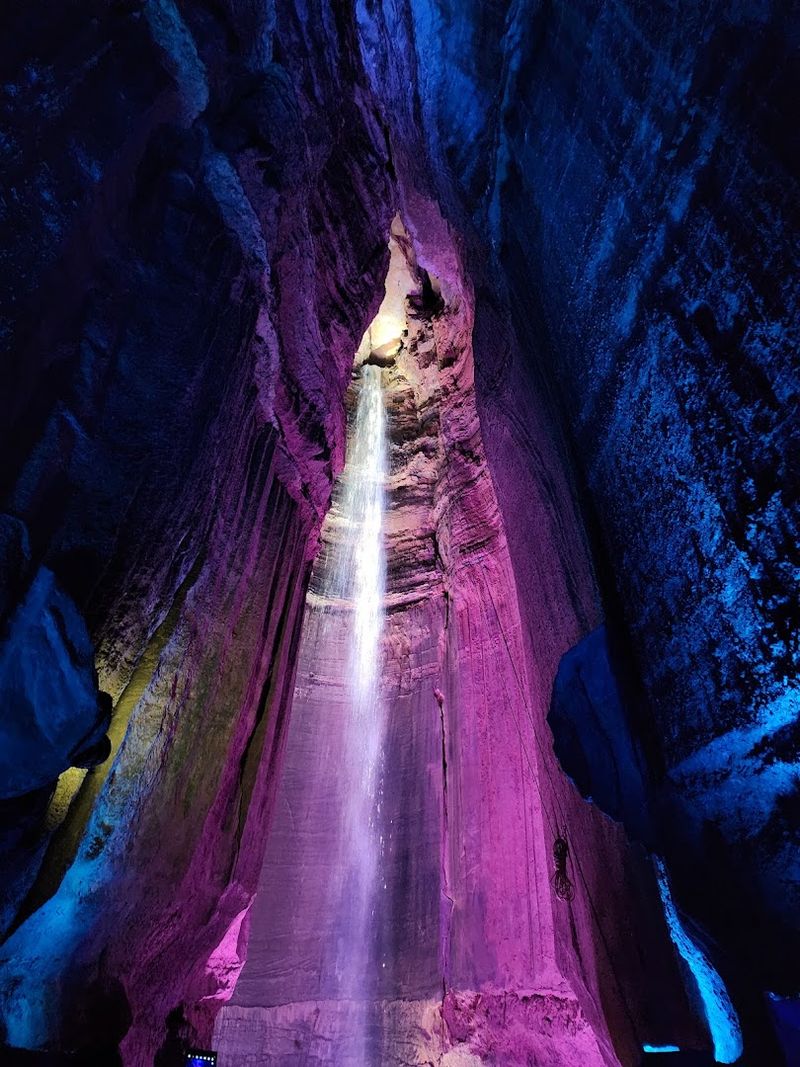
More than 1,100 feet below Lookout Mountain’s surface, a 145-foot waterfall tumbles through a limestone cavern in one of nature’s more unexpected displays. Ruby Falls combines the wow factor of a major waterfall with the comfort of a guided tour, making it perfect for travelers who want something memorable without muddy boots or steep climbs.
The experience begins with an elevator ride that descends through solid rock, setting the stage for what’s ahead. Guides lead small groups through narrow passages lined with stalactites, stalagmites, and flowstone formations that took millions of years to form. The path is paved and lit, with handrails in trickier spots, though some sections require ducking or careful footing.
When you finally reach the falls chamber, the reveal is dramatic. Colored lights illuminate the cascading water, creating a scene that feels almost otherworldly. The cavern’s acoustics amplify the sound of falling water, and the cool, damp air is a welcome relief on warm days.
Photography is encouraged, though the lighting can be tricky—most phones do fine, but serious photographers might want to adjust settings.
Tours last about an hour and run throughout the day, with reservations recommended during peak seasons. The constant 60-degree temperature makes layers a smart choice, even in summer. Above ground, the Lookout Mountain Tower offers 360-degree views for those who want to see the landscape from a different perspective.
The visitor center includes exhibits about the cave’s discovery and geology, plus a gift shop and cafe. Combination tickets with other Lookout Mountain attractions offer savings if you’re planning to see multiple sites. Accessibility is good for an underground attraction, though the nature of cave touring means some physical ability is required.
5. Fall Creek Falls State Park
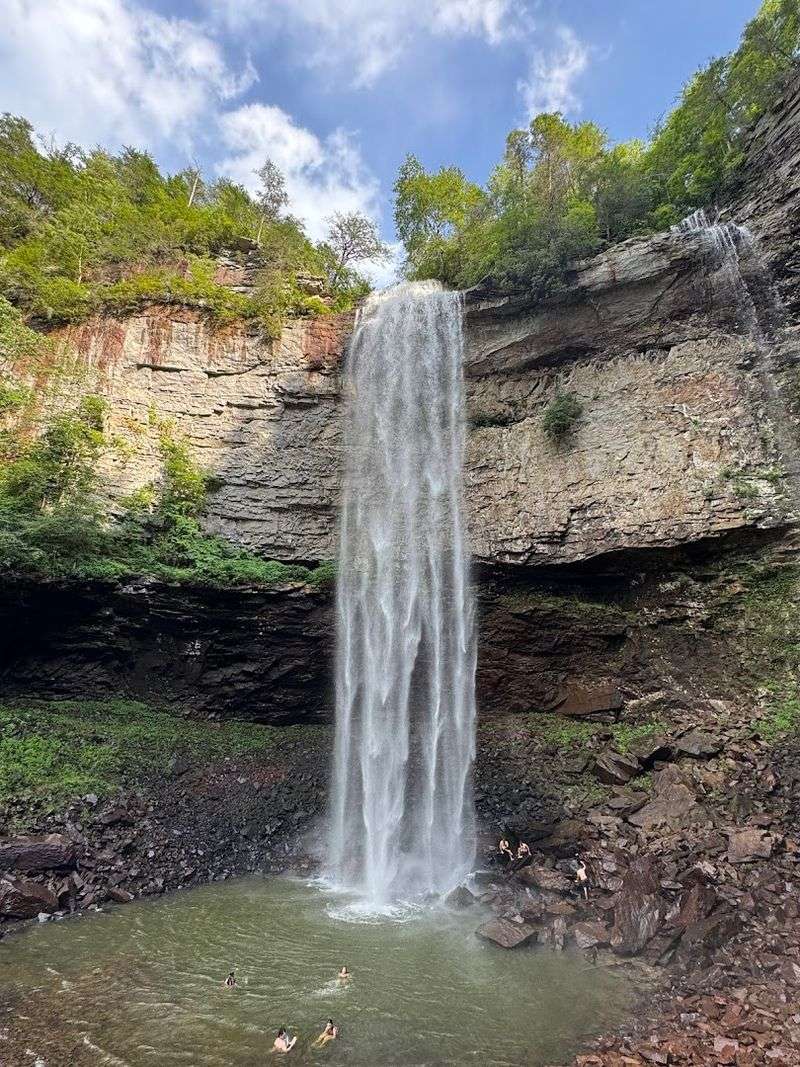
Tennessee’s largest state park earns its name from a waterfall that plunges 256 feet into a shaded gorge, creating one of the most photographed scenes in the state. Fall Creek Falls State Park sprawls across more than 26,000 acres of Cumberland Plateau wilderness, offering enough waterfalls, overlooks, and lake views to fill multiple visits without repeating the same trail twice.
The main waterfall is accessible via a short walk from the nature center, with overlook platforms providing safe viewing spots. The sound of water hitting the plunge pool echoes through the gorge, and mist rises on humid days, creating rainbows when the light hits just right. For a different perspective, a more challenging trail descends to the base, though the steep stairs require good knees and stamina.
Three other major waterfalls—Cane Creek, Piney Falls, and Cane Creek Cascade—are all within the park, each with its own character and access points. Some require short walks, while others involve longer hikes. Overlook platforms and marked trails make navigation straightforward, with maps available at the visitor center.
Fall Creek Lake offers a different kind of outdoor experience, with fishing, paddling, and swimming opportunities during warmer months. The park rents boats and kayaks, and several picnic areas along the shore provide shaded spots for lunch with a view. A golf course, nature center, and environmental education programs round out the amenities.
Lodging options include a full-service inn, cabins, and campgrounds, making it easy to extend your visit beyond a day trip. Spring wildflowers and fall colors bring seasonal beauty, while summer offers swimming and water activities. Winter sees fewer visitors but rewards those who come with peaceful trails and icy waterfall formations that transform the scenery completely.
6. Burgess Falls State Park
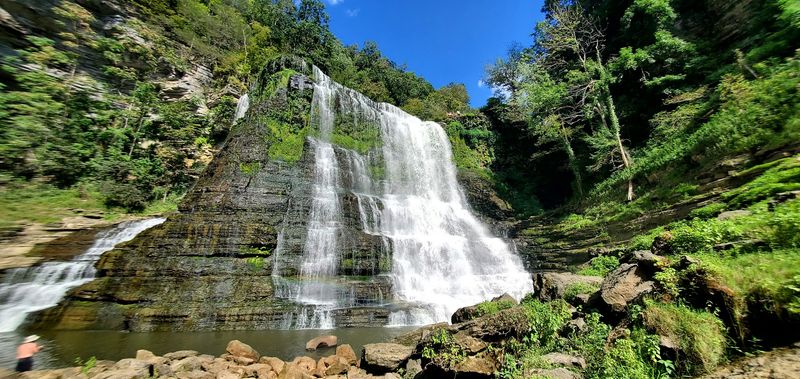
Compact but spectacular, Burgess Falls State Park proves you don’t need a massive wilderness area to experience dramatic scenery. The park’s main attraction is a series of four waterfalls along Falling Water River, culminating in a 136-foot cascade that rivals anything in the state for pure visual impact. The relatively short trail makes this a favorite for travelers who want big rewards without an all-day commitment.
The trail to the main falls is just under a mile and mostly follows the river, passing three smaller waterfalls before reaching the grand finale. Each waterfall has its own viewing area, and the sound of rushing water accompanies you the entire way. The path is well-maintained but includes some elevation changes and steps, so it’s more than a stroll but less than a serious hike.
When you reach the main falls, the view opens up to reveal water plunging over a horseshoe-shaped cliff into a deep pool below. Overlook platforms with railings let you get close to the edge safely, and benches provide spots to sit and take it all in. The gorge walls rise on either side, creating a natural amphitheater that amplifies the sound and focuses your attention on the falling water.
Photography opportunities are excellent, especially in morning light when the sun illuminates the falls without creating harsh shadows. Fall foliage adds color to the surrounding forest, while spring brings higher water flow and wildflowers along the trail. Summer can be hot and humid, but the mist from the falls provides cooling relief at the overlook.
The park offers limited amenities—restrooms and parking but no campgrounds or visitor center. This simplicity is part of the appeal, keeping the focus on the natural features rather than facilities. Arrive early on weekends during peak seasons, as the small parking area fills quickly when word spreads about the falls.
7. Cummins Falls State Park
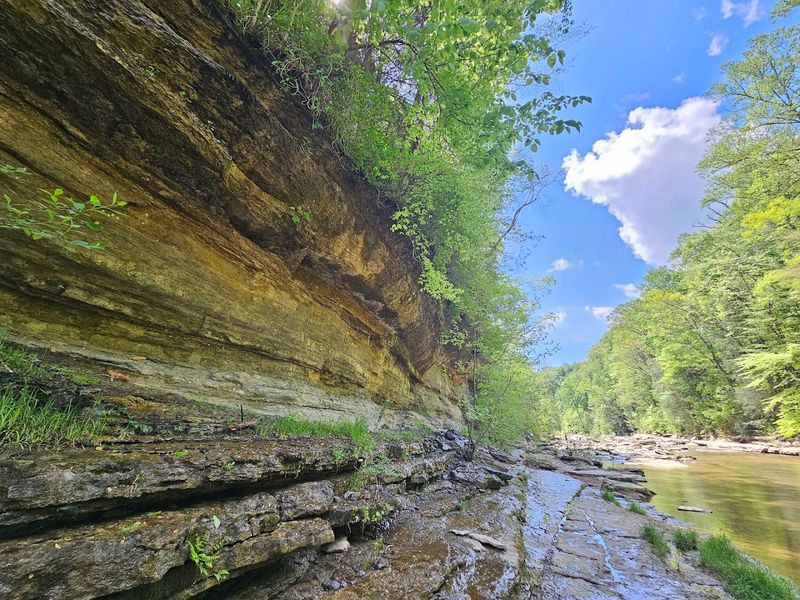
Where most Tennessee waterfall parks keep you at a safe distance behind railings, Cummins Falls invites you to wade right in. The 75-foot waterfall feeds a swimming hole that’s become one of Tennessee’s favorite summer destinations, combining scenic beauty with the chance to cool off in clear, flowing water. Getting there requires a bit more effort than your typical state park stroll, which keeps crowds manageable and rewards those willing to work for it.
The hike to the falls follows the creek bed for much of the route, meaning you’ll likely get your feet wet even before reaching the main swimming area. Water shoes or old sneakers are essential, as the rocky riverbed can be slippery and uneven. The trail is about a mile and a half round trip, with the last section requiring rock-hopping and careful footing through shallow water.
At the falls, the scene opens up to reveal a natural amphitheater of rock walls surrounding the plunge pool. Water cascades over a wide rock face, creating enough force to massage shoulders if you swim close to the base. The pool is deep enough for swimming but not so large that it feels crowded when others are present.
Rock ledges around the edges provide spots to rest and dry off between dips.
Safety is taken seriously here—the park requires reservations during peak season to manage visitor numbers and prevent overcrowding. Rangers patrol the area, and warning signs remind visitors about slippery rocks and swift currents. The park has seen accidents in the past, leading to these precautions, which most visitors appreciate as a sign of responsible management.
Facilities are basic, with parking and restrooms but no concessions or shelters. Bring everything you need, including water, snacks, and sun protection. The best times to visit are weekday mornings or late afternoons when the crowds thin out and you can enjoy the falls with fewer people around.
8. Norris Lake
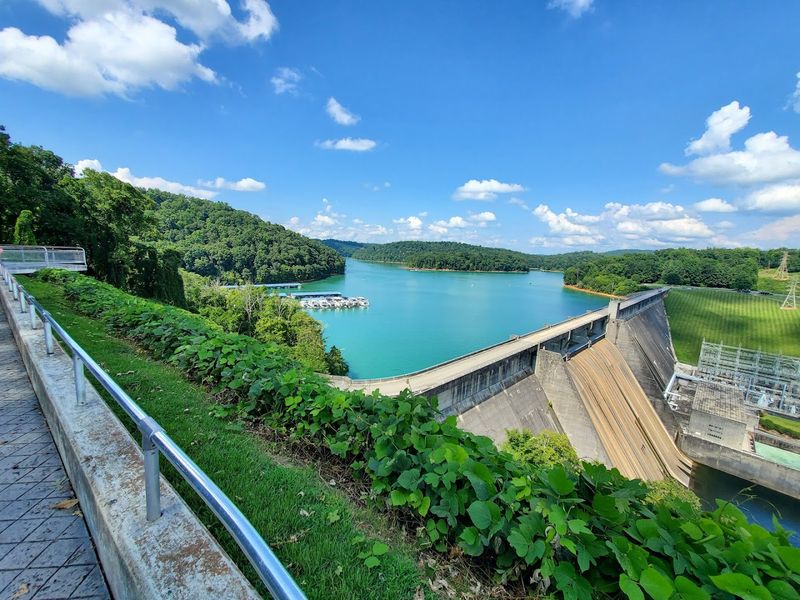
Created in the 1930s by the Tennessee Valley Authority’s first dam project, Norris Lake has grown into one of East Tennessee’s premier water destinations. The lake’s 800 miles of shoreline wind through mountain ridges north of Knoxville, creating countless coves, inlets, and quiet spots that feel worlds away from city life. Crystal-clear water and a reputation for excellent fishing make it a magnet for boaters and anglers alike.
Water clarity here is exceptional, often allowing visibility of 20 feet or more in certain areas. This makes swimming and snorkeling more enjoyable and helps explain why the lake is consistently rated among Tennessee’s cleanest. The cool mountain water stays refreshing even in summer, fed by tributaries that flow down from surrounding ridges.
Boating options range from personal watercraft to houseboats, with multiple marinas offering rentals and services. Several full-service marinas provide everything from slip rentals to fuel, groceries, and restaurants with water views. Houseboat rentals are particularly popular with groups who want to explore different parts of the lake while having accommodations that move with them.
Fishing draws serious anglers year-round, with striped bass, smallmouth bass, and walleye among the most sought-after species. The lake’s depth and structure create ideal habitat, and tournaments regularly showcase the quality of fishing available. Casual anglers do well from shore or rental boats, with crappie and catfish providing reliable action.
Shoreline development includes everything from rustic cabins to upscale vacation homes, with rental options to fit various budgets. Several state parks and campgrounds provide public access points, boat ramps, and picnic areas. The surrounding mountains create scenic backdrops for every activity, whether you’re cruising the main channel or exploring a quiet cove.
Fall foliage reflected in the still water creates particularly stunning scenes that rival any mountain vista.
9. Natchez Trace Parkway
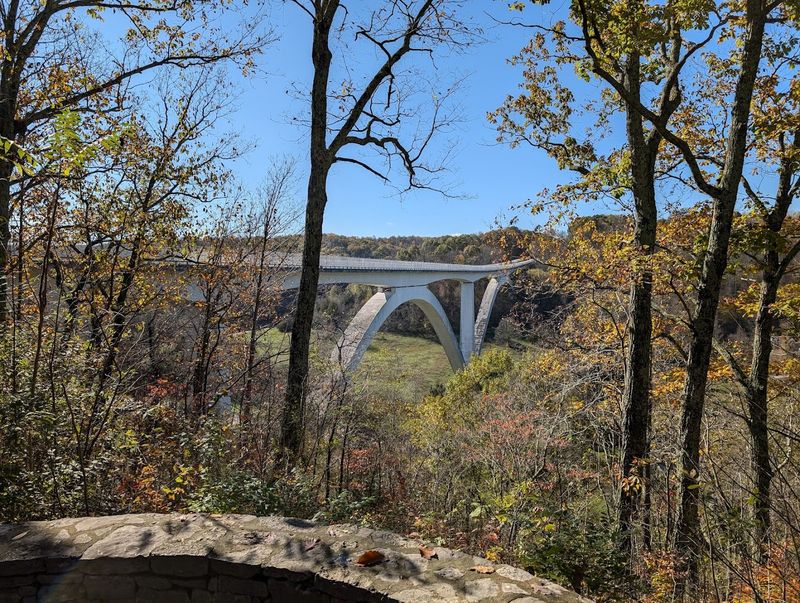
Stretching 444 miles from Nashville to Natchez, Mississippi, the Natchez Trace Parkway follows an ancient path once traveled by Native Americans, early settlers, and traders moving goods between the frontier and southern ports. The Tennessee section offers some of the most scenic and historically rich segments, with gentle curves, tree-canopied stretches, and frequent pullouts that make stopping and exploring effortless.
Unlike typical highways, the parkway bans commercial traffic and maintains a 50-mph speed limit that encourages leisurely travel. No billboards, gas stations, or strip malls interrupt the experience—just forest, fields, and historic sites that tell the story of early American travel. The two-lane road is beautifully maintained, with smooth pavement and clear signage marking points of interest.
Historic sites along the route include old inns, burial mounds, Civil War battlefields, and markers explaining the Trace’s role in westward expansion. Many stops require only a short walk from parking areas, making them accessible for travelers who prefer not to hike long distances. Interpretive signs provide context, and some sites offer ranger programs during peak seasons.
Natural features include waterfalls, overlooks, and sections of the original sunken trace where centuries of foot traffic wore deep paths into the earth. These preserved sections let you walk the same route used by historical figures like Andrew Jackson and Meriwether Lewis, creating a tangible connection to the past.
Bicycling the parkway has become increasingly popular, with smooth pavement and minimal traffic creating ideal conditions for long-distance rides. Several campgrounds and picnic areas provide stopping points, though services are limited by design. The best strategy is to pack food and plan your stops around the historic sites and natural features that interest you most.
Spring wildflowers and fall colors add seasonal beauty to any drive.
10. Sewanee and the Cumberland Plateau
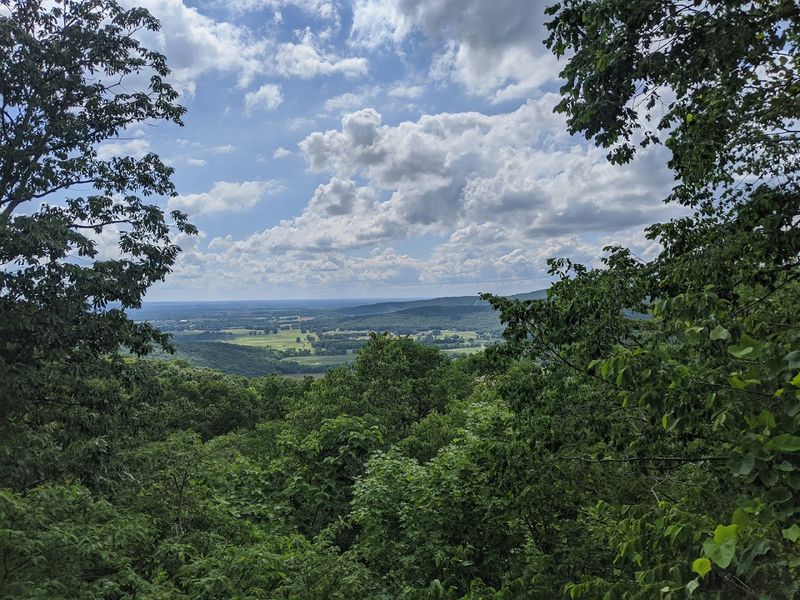
Perched at 2,000 feet atop the Cumberland Plateau, Sewanee combines small-town charm with access to some of Tennessee’s most dramatic natural features. The University of the South anchors the community, its Gothic architecture and tree-lined campus adding cultural depth to the mountain scenery. Beyond the town, trails lead to overlooks, waterfalls, and rock formations that showcase the plateau’s rugged beauty.
The Domain, as the university’s 13,000-acre campus is known, includes miles of hiking trails open to the public. Trails range from easy walks to challenging scrambles, with highlights including Morgan’s Steep, Proctor’s Hall, and Green’s View—overlooks that drop away to reveal valleys hundreds of feet below. Trail maps are available at local outfitters and the university visitor center.
Foster Falls, a short drive from town, features a 60-foot waterfall plunging into a gorge popular with rock climbers. A short trail descends to the base, where you can wade in the creek or watch climbers tackle the vertical walls. The small waterfall park gets busy on weekends but remains peaceful during weekdays.
Downtown Sewanee is compact but offers surprising amenities, including locally owned restaurants, a bookstore, and shops that cater to both students and visitors. The mountain air stays cooler than the surrounding lowlands, making summer visits particularly pleasant. Fall brings University of the South football games and brilliant foliage that transforms the campus into a riot of color.
Other nearby attractions include the Lost Cove Cave, numerous smaller waterfalls, and sections of the Cumberland Trail that wind along the plateau’s edge. Lodging options include bed-and-breakfasts, a historic inn, and vacation rentals, most within walking distance of trails and town amenities.
The combination of natural beauty, walkable community, and cultural offerings makes Sewanee feel like a mountain retreat with intellectual depth—a rare combination that keeps visitors returning season after season.