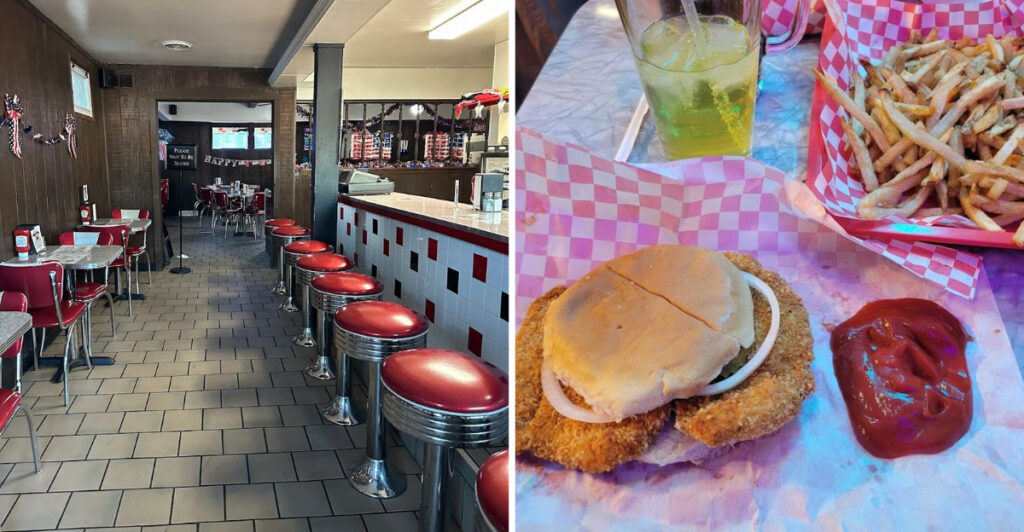
Some restaurants become famous for fine dining, while others earn their reputation by serving portions that seem almost impossible at first glance. Igloo Diner in Peru, Illinois, falls firmly into the second category. This longtime local favorite is best known for its massive pork tenderloin sandwich, a Midwest classic that extends far beyond the bun and keeps hungry customers coming back for more.
Combined with old-fashioned diner charm, friendly service, and comfort-food favorites, it offers the kind of experience that feels increasingly rare. If you’re searching for an iconic Illinois roadside meal, this beloved diner deserves a place on your list.
A Small Building With Big Midwestern Swagger
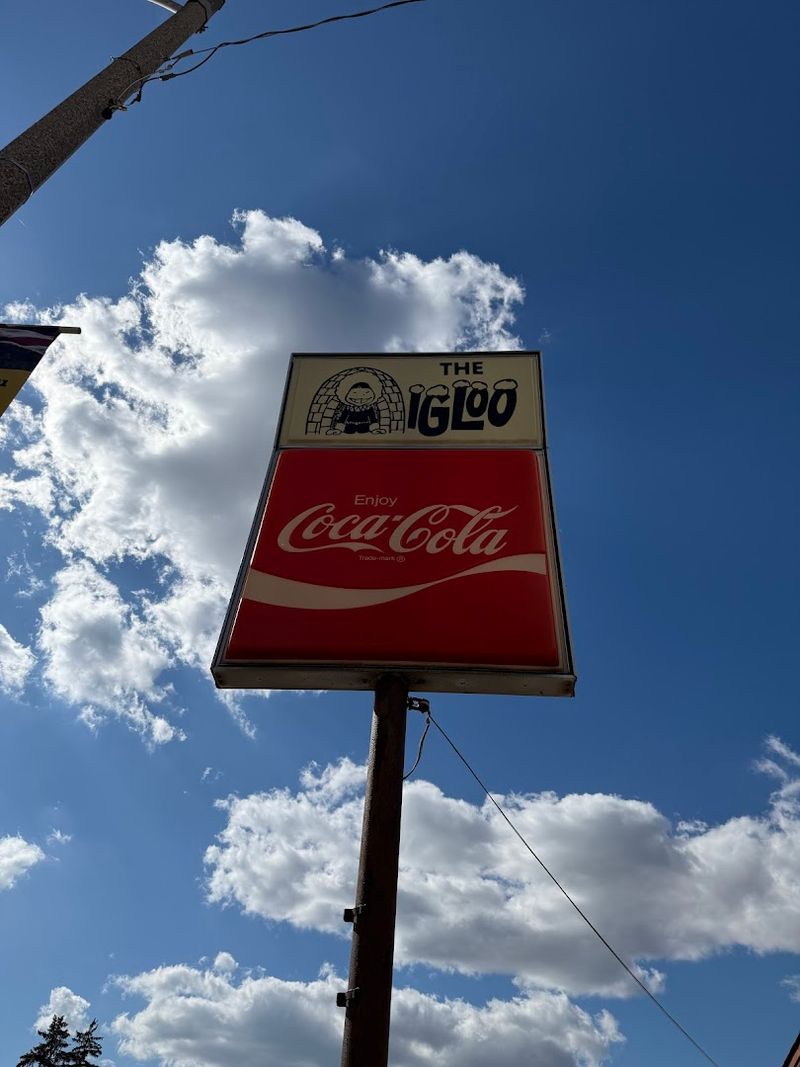
Igloo Diner does not rely on size to get noticed. The building is compact, the kind of roadside spot you could almost miss if you were driving too fast, yet the name and shape carry enough personality to pull your eyes back toward the curb.
That contrast sets the tone before you even think about ordering. Peru has no shortage of practical places to eat, but this address brings a more specific kind of visual identity.
It reads like an old-fashioned diner in miniature, which makes the famous pork tenderloin seem even more dramatic by comparison. A place this small serving a sandwich this large is exactly the sort of Midwest joke that turns into local legend.
Once you step inside, the scale stays intimate. Counter seating adds that classic diner note, and the room appears designed for people who came to eat rather than linger over trends or theatrics.
The appeal is straightforward: familiar layout, efficient service rhythm, and a setting that keeps the focus on the plate in front of you.
That matters when a restaurant is known for foods with a little visual punch. A giant tenderloin, hand-cut fries, thick shakes, and house root beer all land differently in a room that still honors the old diner formula.
Nothing has to be overexplained because the format is already understood. If you like places that announce themselves with polish and spectacle, Igloo Diner goes in the opposite direction.
Its strength is compression: small footprint, direct menu, strong specialties, and enough character to make the whole stop feel rooted in its town.
You arrive expecting a quick meal and immediately sense a place with its own scale, pace, and proud little silhouette.
The Pork Tenderloin That Escapes the Bun
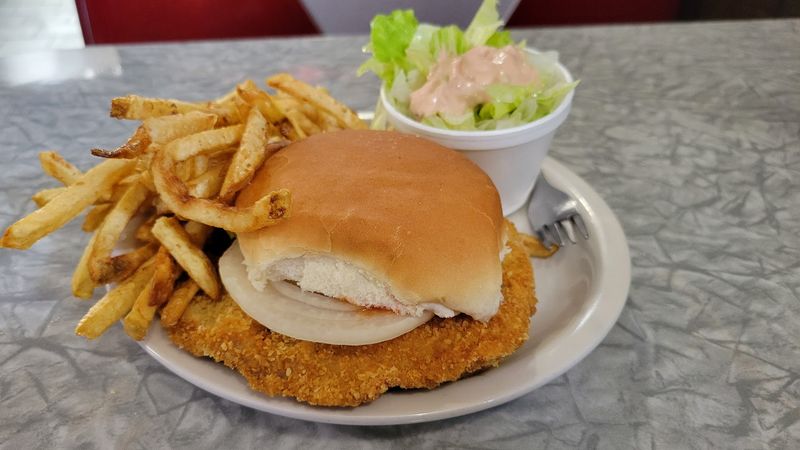
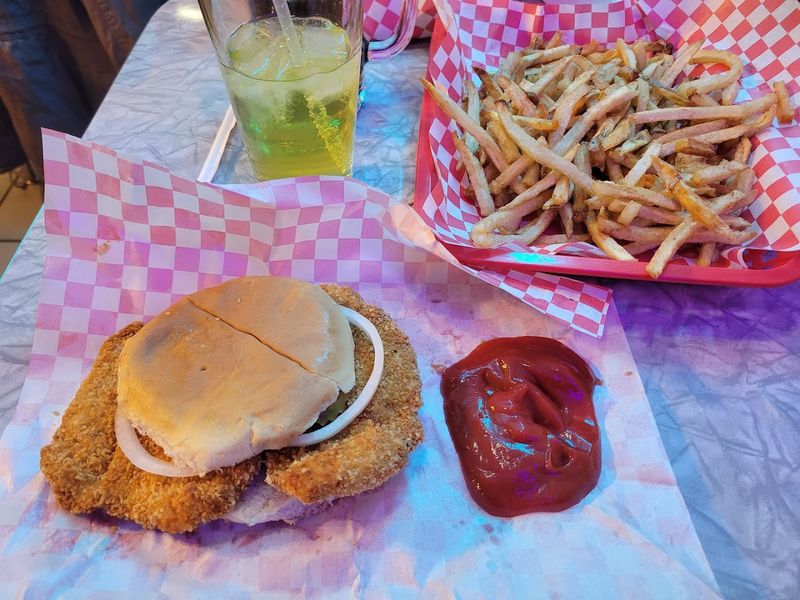
The headliner at Igloo Diner is the pork tenderloin, and it earns that status visually before the first bite. This is the kind of sandwich where the bun looks like an afterthought, a small landing pad for a breaded cutlet that stretches well beyond the edges.
In a state that takes pork tenderloins seriously, that oversized presentation gives the plate immediate authority. There is a practical reason people fixate on the scale.
A sandwich this broad changes how you eat it, how you photograph it, and how the table reacts when it arrives. You do not just pick it up absentmindedly and continue a conversation. You pause, adjust, and decide where the first bite makes sense.
The build matters too. Pickles, onion, mustard, and mayo show up as the kind of classic supporting cast that cuts through fried richness instead of competing with it.
Nothing about the combination needs reinvention because the point is proportion and crunch, not novelty for novelty’s sake.
That giant shape also gives the sandwich a strong textural edge. Some bites catch more crust, some pick up more topping, and the variation keeps it from eating like a flat, uniform slab.
Even when opinions differ on seasoning, the tenderloin still stands as the thing that defines the diner in one glance.
If you are trying to understand why this menu item has become the conversation starter, the answer is simple. It fits the room, the town, and the Midwestern diner tradition while dialing the visual scale up just enough to become unmistakable.
At Igloo Diner, the pork tenderloin is not a side note on the menu. It is the whole premise, sitting right there on the plate, wider than it has any business being.
Hand-Cut Fries and Root Beer in a Mug
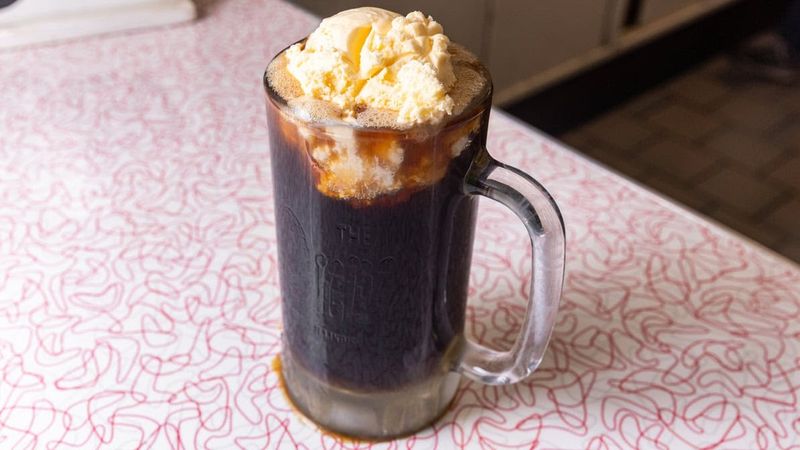
A diner can claim a signature sandwich and still lose the room if the supporting cast falls flat. Igloo Diner avoids that problem with two side characters that keep reappearing in the conversation: hand-cut fries and house root beer.
Together they turn a famous sandwich stop into a broader craving. The fries sound like exactly what you want next to a breaded pork tenderloin or a straightforward cheeseburger.
Hand-cut suggests irregular edges, crisp corners, and a little more personality than standard frozen strips. When fries come out fresh and well browned, they do more than fill space on the plate. They give the meal rhythm, alternating crunch between bites of sandwich.
Then there is the root beer, served the way a classic diner drink should feel memorable, in a mug with enough old-school charm to complete the picture.
Notes of vanilla have been singled out, and that detail matters because it hints at something rounded rather than harshly sweet.
In a place already trading on diner nostalgia, root beer like that is not background. It is part of the identity. The pairing works because both items reinforce the same message.
Igloo is strongest when it leans into recognizable American diner comforts and executes them with confidence. You are not navigating a fussy menu architecture here.
You are choosing between the foods that sound best together and then watching the tray arrive with all the right visual cues.
Even if you came specifically for the giant pork tenderloin, these extras shape the experience more than you might expect. Great fries sharpen the entire plate, and a proper mug of root beer makes the meal feel anchored to the room around you.
At that point, the diner is no longer just serving lunch. It is delivering its full house style in crisp, fizzy, deeply familiar form.
Inside the Counter Lineup and Retro Room
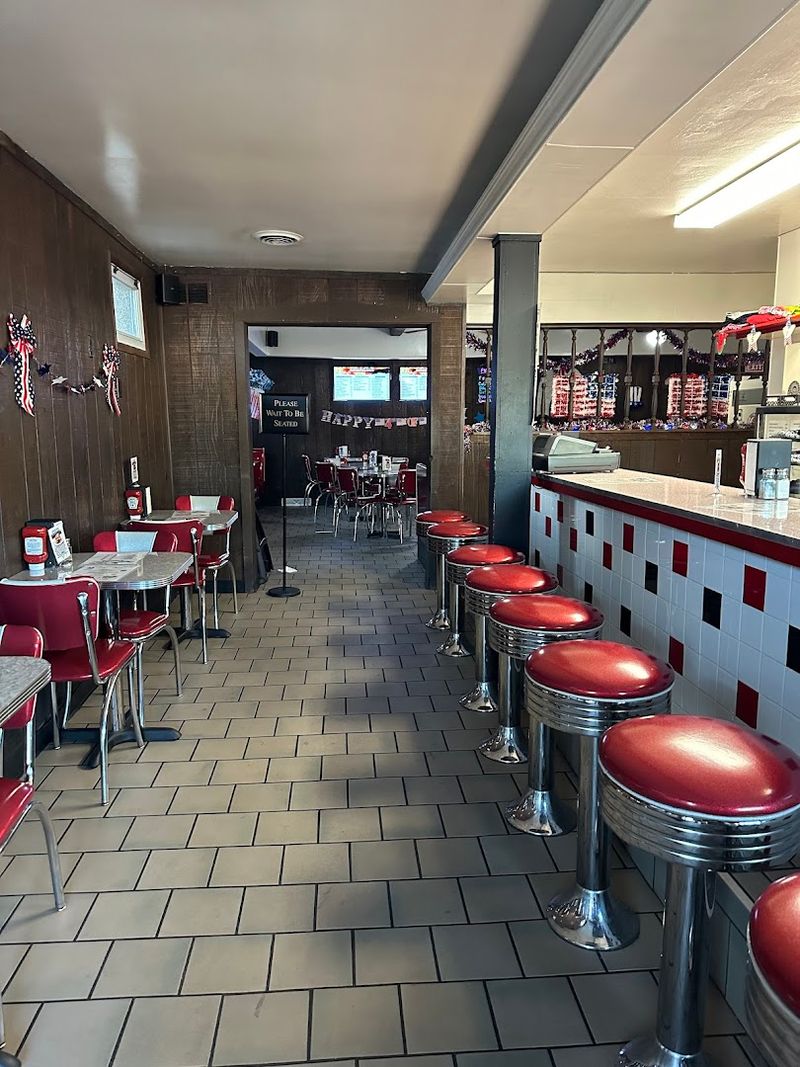
Some restaurants announce their era with museum-level nostalgia. Igloo Diner takes a simpler route and lets the room do the work through scale, layout, and classic diner cues.
Counter seating, a compact footprint, and a practical dining area frame the meal in a way that instantly tells you what kind of stop this is.
The counter matters more than it might seem. Sit there and the meal becomes more kinetic, with drinks sliding into place, plates landing quickly, and the whole service pattern unfolding in front of you.
It is a good fit for solo diners, fast lunches, or anyone who enjoys that old diner choreography without needing it turned into a performance.
Cleanliness also comes through as part of the experience. In a small room, details are easier to notice, and tidy surfaces or a well-kept restroom contribute to the confidence of the stop. That kind of upkeep is not flashy, but it reinforces the feeling that the place is cared for rather than merely busy.
There is also a touch of variety tucked into the setting. A gaming room has been noted, which adds an unexpected side note to a classic diner layout without redefining the place.
It remains a diner first, just one with a few local-life details that keep the room from feeling generic.
The strongest interiors are not always the biggest or most decorated. Sometimes the right effect comes from compression, familiarity, and visual efficiency.
At Igloo Diner, the room supports the food by staying legible: you know where to sit, what to order, and how the meal is supposed to unfold. That makes the retro feeling more convincing than any overstyled throwback concept.
The diner does not have to imitate the past too hard because the everyday mechanics still carry the mood on their own.
Why This Illinois Diner Still Holds Local Weight
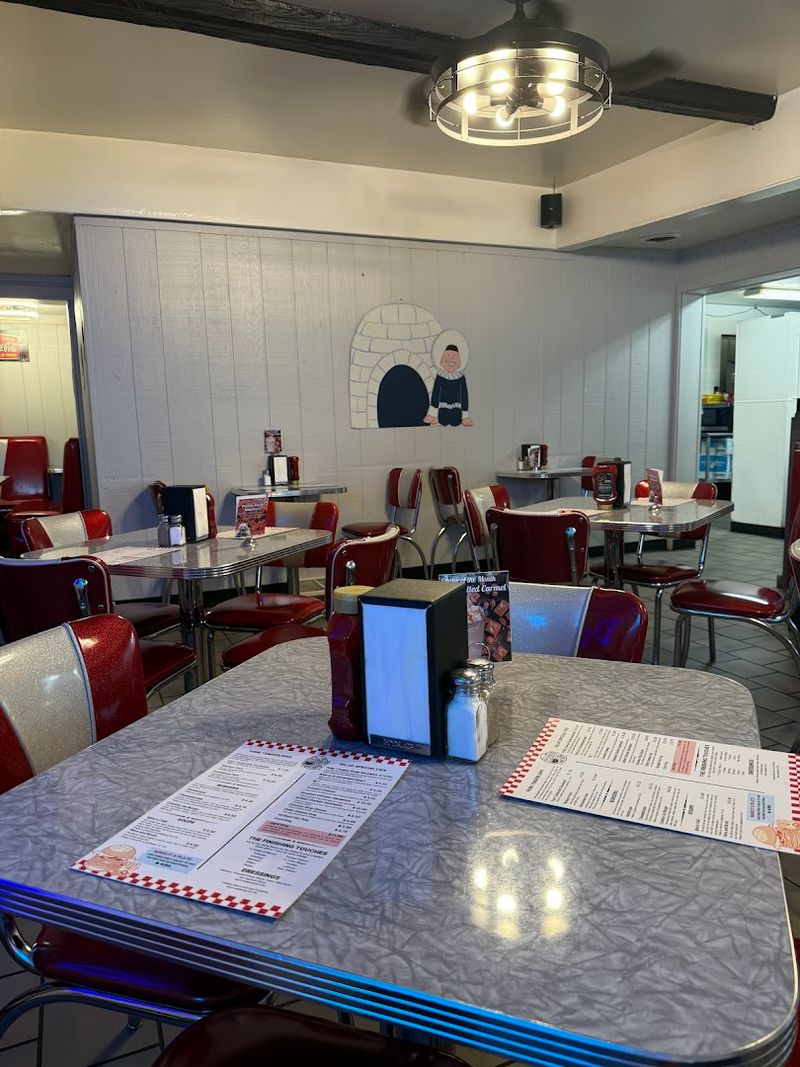
Igloo Diner is not operating as a novelty stop dropped into town for travelers. It reads as a place woven into local habits, family routines, and return visits that stretch across years.
That kind of connection changes the way a diner is perceived, because the meal is tied to repetition as much as appetite.
Older diners often carry a double responsibility. They need to satisfy the person walking in for the first time, but they also need to meet the expectations attached to memory.
At Igloo, that tension is visible in the way the place is discussed: longtime associations, comparisons across ownership eras, and a continuing focus on signature items that define the name.
That local weight does not mean the restaurant is frozen in amber. It means the diner is measured against itself, which is the burden that comes with becoming a regional reference point.
A pork tenderloin can be lunch for one table and a personal benchmark for another. The same is true for root beer, fries, and the old-fashioned diner format.
There is also a practical side to why a place like this lasts. The menu appears intentionally focused rather than sprawling, which usually helps a diner keep its identity clear.
When guests talk about burgers, fries, monthly specials, and tenderloin plates in the same breath, it suggests a kitchen built around recognizable categories instead of endless options.
In Peru, Illinois, that consistency of purpose matters more than trendiness ever could. Igloo Diner occupies a lane that chain restaurants cannot easily copy because the value is not only in the food but in the accumulated local familiarity around it.
You are stepping into a place with history in its name, habits in its seating pattern, and a signature sandwich large enough to keep the conversation going.
That is how a small diner keeps real civic weight without needing to advertise itself as an institution every five minutes.
Timing Your Visit for the Smoothest Stop
Because Igloo Diner is small, timing can shape your experience more than at a bigger restaurant. The listed hours are straightforward: open from 11 AM to 8 PM on Wednesday through Sunday, closed Monday and Tuesday.
That makes it an easy lunch or early dinner target, but not the kind of all-day diner where you drift in at any random hour.
If your goal is the cleanest, least rushed first impression, lunch is the obvious move. The pork tenderloin is the centerpiece, and midday light suits both the diner interior and the plate itself.
You also get the practical advantage of turning the stop into part of a road-day plan rather than the final crowded obligation of the evening.
Families appear to fit comfortably here when the room is flowing well, which says something useful about the setup.
Even with a compact footprint, seating can still feel workable if the staff is moving efficiently and tables turn at a steady pace. That is good news if you are traveling with kids and want something classic without a drawn-out production.
The counter offers another smart strategy. If you are dining solo or in a pair, it can be the fastest path into the full diner mood while keeping the stop simple.
You get the visual energy of the room, a direct view of service in motion, and none of the pressure to make the meal more elaborate than it needs to be.
One more practical note: this is a place where specialties and monthly items can matter, so arriving open to the board beyond the standard order is a good idea.
Even if you came fixed on the tenderloin, you may spot a burger, chicken sandwich, or seasonal feature worth considering. Igloo works best when you treat the visit like a focused local meal, not a rushed checkbox between exits.
Why the Igloo Name Travels
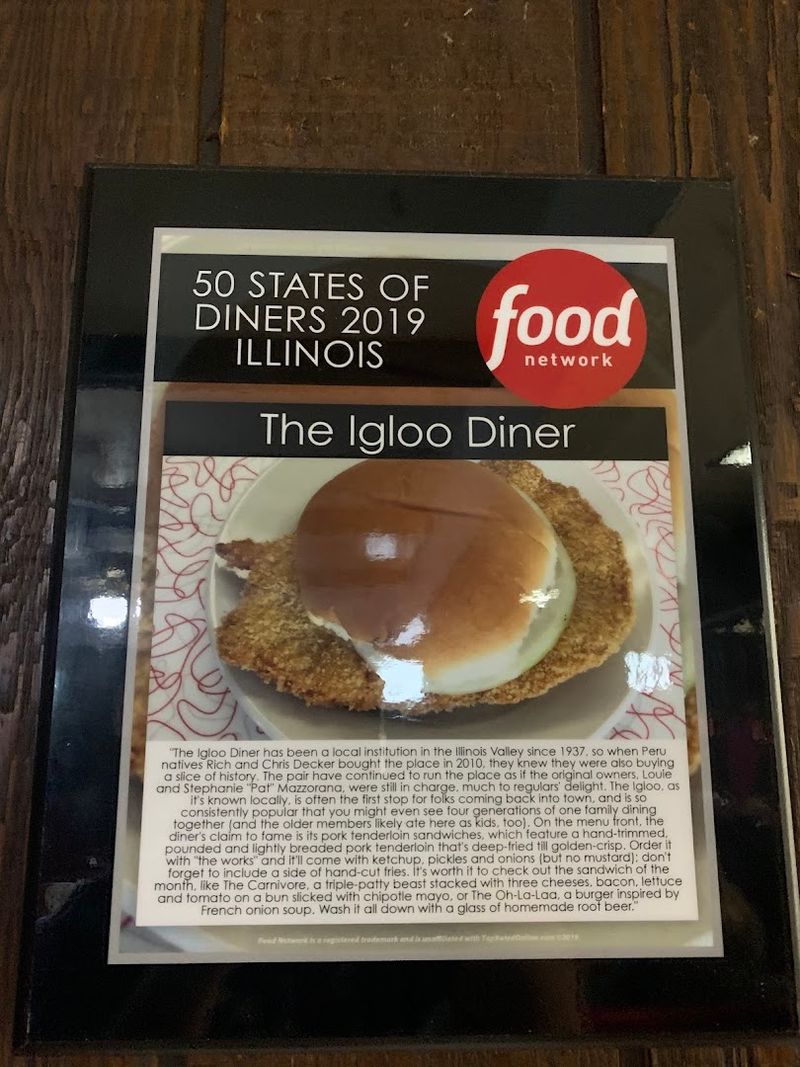
Plenty of diners serve pork tenderloins. Far fewer manage to attach a clear visual identity to one and keep that image circulating beyond their own parking lot.
Igloo Diner has done that by making the sandwich feel oversized in exactly the right way, then backing it up with fries, root beer, and a room that understands the assignment.
The smartest part of the place is that nothing seems overbuilt. There is no need for a massive menu, gimmicky plating, or faux nostalgia layered on top of a classic format.
The strongest details are basic and concrete: a compact diner, a broad breaded cutlet, hand-cut fries, a frosty mug, counter seats, and service built for people who came to eat.
That combination gives the diner range. You can come for a quick lunch, a small-town dinner, a family stop, or a personal ritual tied to older memories of the place.
The room handles all of those purposes because its identity is already settled. It knows what kind of restaurant it is. There is also a useful lesson in the way Igloo stands out. Distinctive food does not always require reinvention.
Sometimes it is enough to take a regional favorite, make it visually undeniable, and keep the rest of the meal aligned with that same no-nonsense confidence.
The famous pork tenderloin succeeds not only because it is big, but because the whole diner supports that sense of classic abundance.
If you are mapping out where to eat in Peru, this is the stop that turns into a story before the plate is even cleared. You leave with a strong image in mind: a tiny Illinois diner and a giant sandwich that refuses to stay inside its bun.
For a roadside meal, that is a sharp and lasting identity, and it explains why the Igloo name keeps traveling farther than the building itself.
Share this story