Before Michigan was known for highways, cities, and shoreline getaways, its rivers were already shaping the story. Flowing through wild Upper Peninsula forests, quiet inland communities, and busy industrial corridors in the south, these waterways have carried canoes, cargo ships, history, and generations of life for hundreds of years.
They connect small towns and major hubs to the vast Great Lakes system, making them essential to the state’s economy, outdoor culture, and identity. Get ready to explore eleven of the most powerful and fascinating rivers Michigan has to offer.
1. Saginaw River
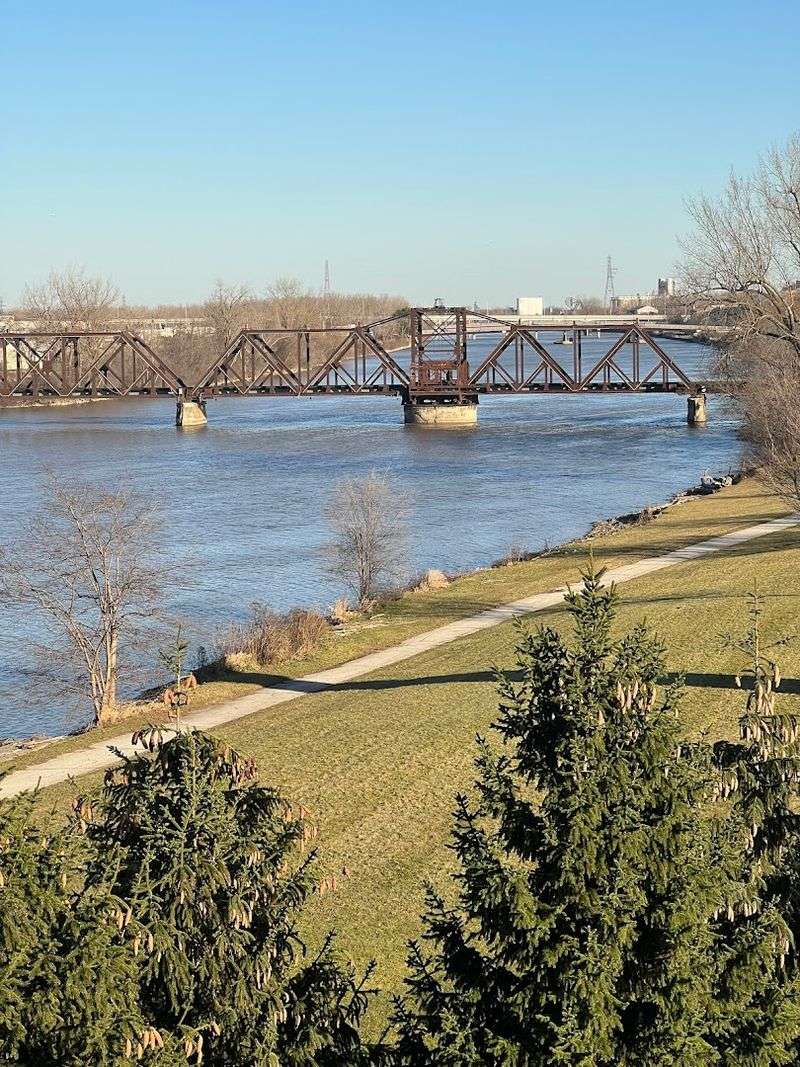
Few rivers in Michigan carry as much industrial muscle as the Saginaw River. Stretching roughly 22 miles from the confluence of the Tittabawassee and Shiawassee rivers down to Saginaw Bay on Lake Huron, this river has been a workhorse for the region since the 1800s.
Lumber, coal, and manufactured goods have all moved along its waters, making it one of the most commercially significant rivers in the state.
The Saginaw River watershed covers a massive portion of central Michigan, draining land from dozens of counties before funneling into the bay. That wide reach means the river responds quickly to heavy rains, and flooding has shaped how communities along its banks have built and planned over the decades.
Engineers and city planners have had to get creative here, and the results are a fascinating mix of old infrastructure and modern flood management systems.
Wildlife thrives here too, despite the river’s industrial history. Walleye, perch, and bass are regularly caught by anglers who line the banks during peak seasons.
Bald eagles have been spotted along the river corridor, which says a lot about how much the ecosystem has recovered over the past few decades thanks to ongoing cleanup efforts. The Saginaw River is not just a relic of Michigan’s industrial past — it is an actively breathing part of the region’s present and future.
Local conservation groups continue working to improve water quality and restore natural habitats along its banks, turning what was once heavily polluted water into a river that communities are genuinely proud to call their own.
2. Muskegon River
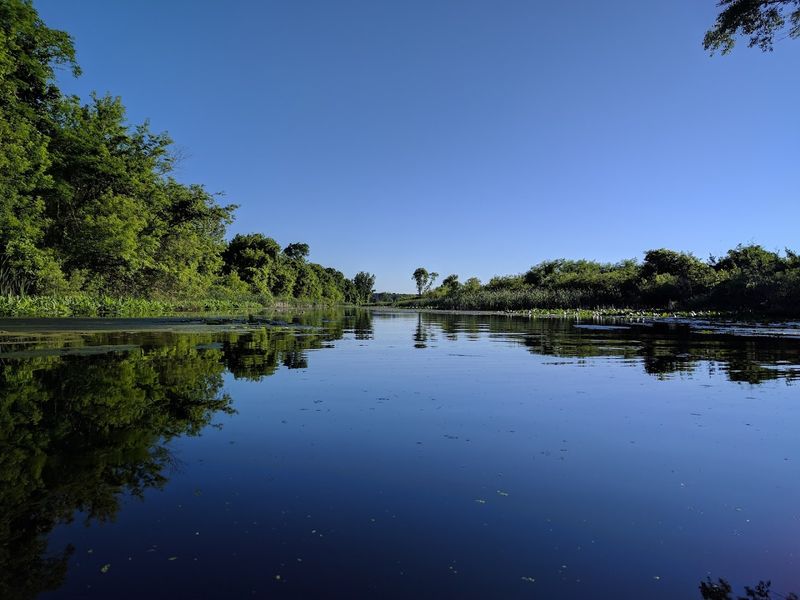
At nearly 230 miles long, the Muskegon River is the second-longest river entirely within Michigan’s Lower Peninsula, and it earns every bit of that distance. Rising from Houghton Lake — the state’s largest inland lake — it winds its way westward through forests, farmland, and small towns before emptying into Muskegon Lake and then Lake Michigan.
The journey the river takes is nothing short of spectacular.
Paddlers absolutely love this river. Canoe and kayak trips along the Muskegon are a summer tradition for many Michigan families, with outfitters scattered along its length offering rentals and shuttle services.
The current is generally manageable for beginners, but there are sections that get lively enough to keep experienced paddlers on their toes. Camping along the banks is common, and multi-day float trips give adventurers a real taste of Michigan’s backcountry without having to hike deep into the wilderness.
The Muskegon River also holds legendary status among fly fishing enthusiasts. Steelhead and salmon runs in the fall draw anglers from across the Midwest, turning certain stretches of the river into a buzzing hub of waders, fly rods, and hopeful casts.
Brown trout are present year-round, giving fishing fans a reason to visit in every season. Hydroelectric dams along the river have historically altered its flow and fish populations, but dam removal and fish passage projects in recent years have made a noticeable difference.
The river is coming back stronger, and the fishing community has taken notice. Whether you are looking for a lazy float on a hot July afternoon or a serious angling challenge in October, the Muskegon River delivers with confidence and character.
3. Au Sable River
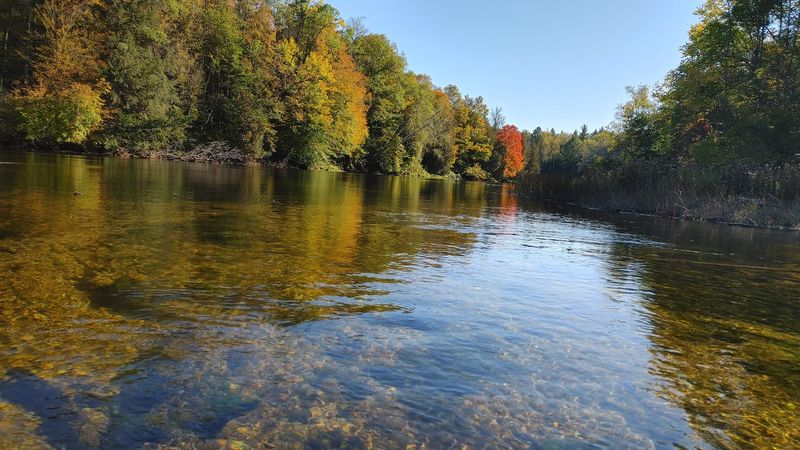
There is a reason the Au Sable River has inspired painters, writers, and fly fishers for well over a century. Running approximately 138 miles from Grayling to Lake Huron near Oscoda, this river moves through some of the most breathtaking pine forest in the entire Midwest.
The water is cold, clear, and clean — exactly the kind of river that makes you want to slow down and pay attention to the world around you.
The Au Sable is legendary in fly fishing circles. It was one of the first rivers in the United States to be designated as a Blue Ribbon Trout Stream, a title it has more than earned.
Brook trout and brown trout thrive in its cold, oxygen-rich water, and the river’s catch-and-release sections attract skilled anglers who treat fishing here almost like a sacred ritual. The famous Au Sable River Canoe Marathon, held each summer, is one of the longest and most grueling canoe races in North America, drawing elite paddlers from around the world.
Beyond fishing and paddling, the Au Sable corridor offers some of the best camping and hiking in the Lower Peninsula. The Mason Tract, a stretch of protected land along the South Branch, gives hikers a peaceful and largely undeveloped landscape to wander through.
Quiet mornings on the Au Sable have a way of resetting your brain in ways that are hard to explain but easy to feel. The river flows through the heart of northern Michigan with a quiet authority, connecting the inland forests to the great waters of Lake Huron while carrying stories of every season along the way.
It is simply one of Michigan’s finest natural treasures.
4. Escanaba River
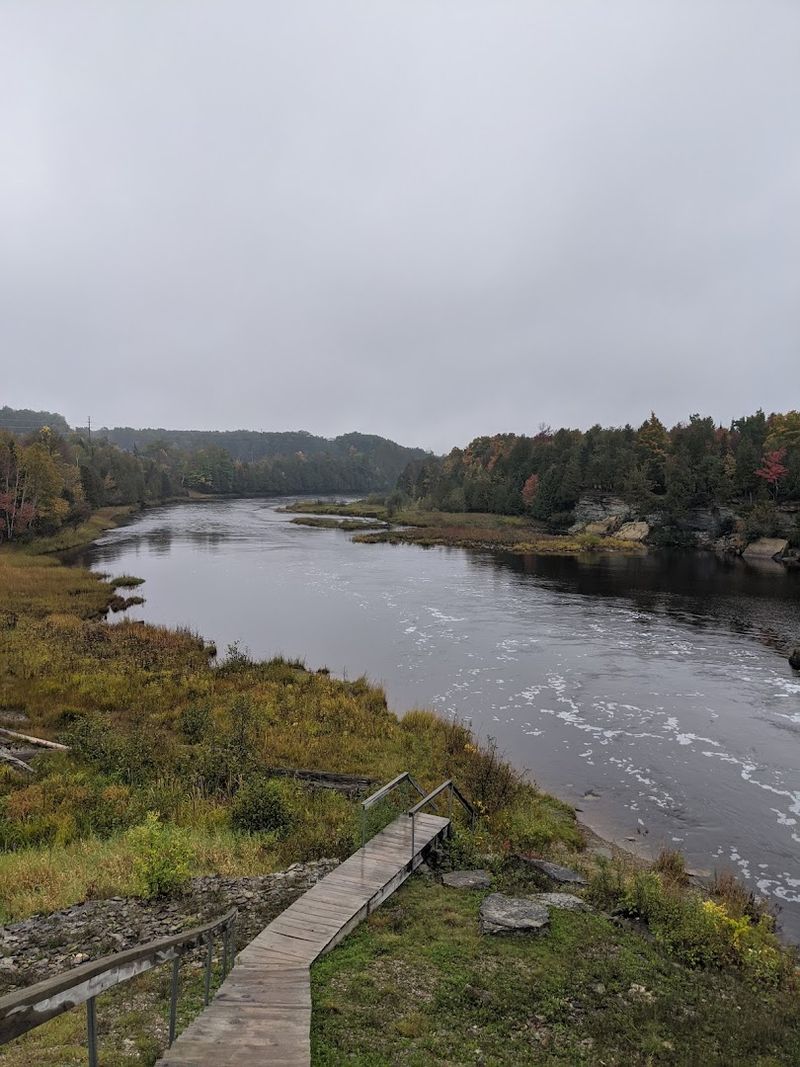
Up in Michigan’s Upper Peninsula, where the forests grow thick and the winters hit hard, the Escanaba River runs with a quiet toughness that matches the land it flows through. Starting near the town of Humboldt and heading south to Little Bay de Noc on Lake Michigan, this river covers around 80 miles of some seriously wild terrain.
It is not the flashiest river in the state, but those who know it well will tell you it is one of the most rewarding.
The Escanaba drains a landscape that still feels largely untouched. Hardwood and conifer forests line most of its banks, and wildlife sightings here are common and varied.
Black bears, white-tailed deer, river otters, and a wide range of bird species call this watershed home. For hunters and wildlife photographers, the Escanaba corridor is a destination in itself, offering the kind of raw, unfiltered nature that is getting harder to find in many parts of the country.
Fishing on the Escanaba is a serious pursuit. The river supports healthy populations of brook trout, brown trout, and walleye, drawing anglers who appreciate a less crowded experience than what they might find on more heavily trafficked streams.
Smallmouth bass fishing in the lower stretches near the bay is particularly productive during summer months. The river also has a rich logging history — timber was floated down the Escanaba throughout the late 1800s, fueling the region’s sawmill economy.
Old-timers in Delta County still tell stories about river drives that shaped the towns along its banks. The Escanaba River is Upper Peninsula grit in flowing form, and it rewards every visitor who makes the trip north to experience it.
5. Manistee River

Ask any serious Michigan paddler to name their favorite river and there is a good chance the Manistee comes up. Flowing about 190 miles from near Gaylord in the northern Lower Peninsula westward to Lake Michigan at the city of Manistee, this river hits a sweet spot between wild and accessible that few waterways in the state can match.
The scenery along its banks shifts beautifully with the seasons, from spring green to blazing fall color to quiet winter white.
The Manistee River Trail is one of the most celebrated long-distance hiking routes in Michigan. Stretching roughly 26 miles along the lower river, it offers hikers a mix of forested ridges, river views, and backcountry campsites that make multi-day treks genuinely enjoyable.
The trail connects with the North Country National Scenic Trail, giving it a broader context within the national trail network. Hikers who complete this route often rank it among the best in the Midwest.
Steelhead fishing on the Manistee is another massive draw. The fall and spring runs bring serious anglers to the river’s lower stretches, especially near Tippy Dam, where the fishery is well-managed and consistently productive.
Salmon runs add another layer of excitement in the autumn months, turning certain access points into lively social scenes where fishermen trade tips and stories between casts. The river also flows through the Huron-Manistee National Forests, which means much of its corridor is protected from development.
That protection has kept the water quality high and the natural character of the river intact. The Manistee is the kind of river that feels like a privilege to paddle, fish, or simply sit beside on a quiet afternoon when the herons are gliding low over the water.
6. Pere Marquette River
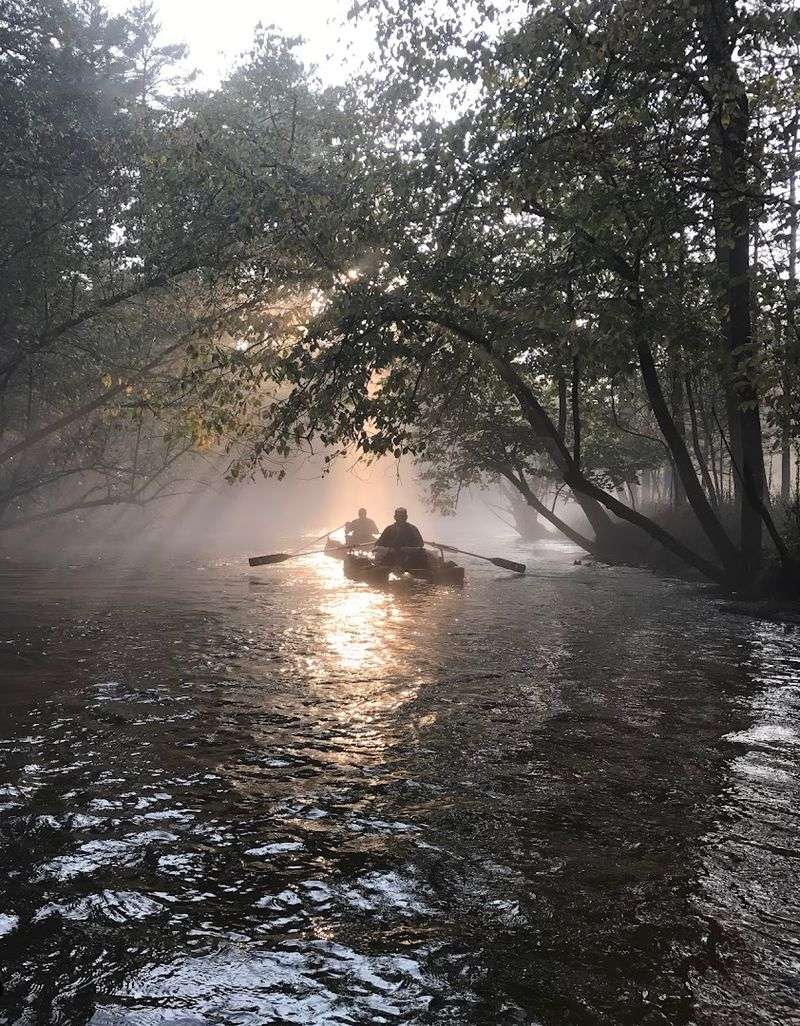
Cold, clear, and consistently ranked among the finest trout streams in the entire country, the Pere Marquette River is a name that carries real weight in angling communities far beyond Michigan’s borders. Running about 66 miles through the forests of the Lower Peninsula before meeting Lake Michigan near Ludington, this river punches well above its size in terms of reputation and ecological value.
Designated as a National Scenic River, it has legal protections that have helped preserve its extraordinary character.
The Pere Marquette was one of the first rivers in the United States to receive steelhead from Pacific Coast stock, a stocking experiment in the late 1800s that turned out to be wildly successful. Today, wild steelhead runs on the PM — as locals affectionately call it — are a major event each spring and fall.
Fly fishing guides book up months in advance, and the riverbanks get busy with waders and rods. Brown trout fishing is exceptional year-round, and the river’s consistent water temperatures make it productive even during summer when other rivers slow down.
Beyond fishing, the Pere Marquette offers outstanding canoe and kayak experiences for paddlers of all skill levels. The river moves at a comfortable pace through forested corridors that feel genuinely remote, even though several small towns and access points are never too far away.
Bald eagles are a common sight overhead, and the sandy bottom of the river makes it easy to spot fish moving in the current below your boat. Camping along designated sites adds to the appeal of a multi-day trip.
The Pere Marquette is one of those rare rivers where every visit feels like the first time — there is always something new to notice, whether you are there for the fish or simply for the peace.
7. Detroit River
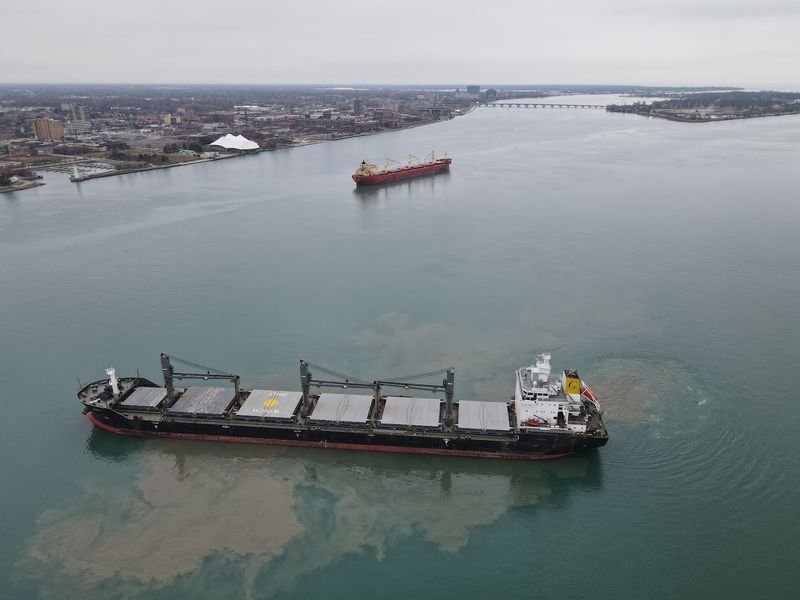
No other river in Michigan carries the geopolitical weight of the Detroit River. Stretching just 32 miles from Lake St. Clair to the western end of Lake Erie, it forms the international border between the United States and Canada, with Detroit on one side and Windsor, Ontario on the other.
Every day, massive freighters, tankers, and cargo ships navigate this narrow corridor, making it one of the busiest commercial waterways in North America. The volume of maritime traffic here is genuinely staggering.
Despite its industrial reputation, the Detroit River has become a remarkable conservation success story. Decades of pollution from manufacturing and urban runoff had severely damaged the ecosystem by the mid-20th century.
But sustained cleanup efforts, including the designation of the Detroit River International Wildlife Refuge — the only international wildlife refuge in North America — have brought the river back in meaningful ways. Walleye fishing is now thriving, and the river hosts impressive populations of migratory birds during spring and fall.
For residents of metro Detroit, the riverfront has transformed into a vibrant public space. The Detroit RiverWalk stretches miles along the Michigan shoreline, offering residents and visitors a place to walk, bike, and enjoy views of the river and the Windsor skyline across the water.
Fireworks over the river during the annual International Freedom Festival draw massive crowds each summer. The Detroit River is a place where history, commerce, ecology, and community all collide in a way that is uniquely American — and uniquely Michigan.
It is simultaneously a working industrial corridor and a beloved neighborhood waterfront, and somehow it manages to be both things at once without contradiction. That duality is what makes the Detroit River one of the most fascinating waterways in the entire Great Lakes region.
8. St. Clair River
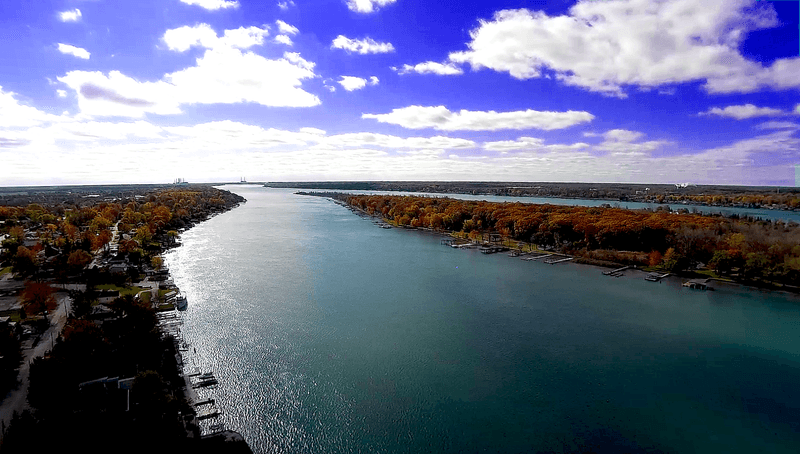
Think of the St. Clair River as the Great Lakes system’s main highway. Connecting Lake Huron to Lake St. Clair over a distance of about 40 miles, this river moves an enormous volume of water — and an enormous amount of ship traffic — between two major bodies of water.
Freighter watching along the St. Clair is practically a local sport, with enthusiasts gathering at spots like Port Huron and Marine City to watch massive vessels pass within what feels like arm’s reach of the shoreline.
The river forms the border between Michigan and Ontario, much like the Detroit River to its south. Small towns on the Michigan side — Port Huron, Marysville, St. Clair, Algonac — have built entire community identities around their relationship with the water.
Waterfront parks, marinas, and restaurants with river views are part of everyday life here. During summer, recreational boaters mix with commercial shipping traffic in a dance that requires skill and awareness from everyone on the water.
Fishing on the St. Clair River is exceptional by any standard. Walleye, muskellunge, smallmouth bass, and lake sturgeon are all present in its fast-moving currents.
The river’s depth and flow create habitat conditions that support a diverse and healthy fish community, and local fishing tournaments draw competitive anglers from across the Midwest each season. The St. Clair River also has an interesting ecological role as a corridor for invasive species — zebra mussels entered the Great Lakes through this region in the late 1980s, and researchers continue to monitor the waterway carefully.
Understanding this river means understanding both the beauty and the complexity of the Great Lakes ecosystem. It is a waterway that rewards close attention and never runs short of surprises for those willing to look closely.
9. St. Marys River
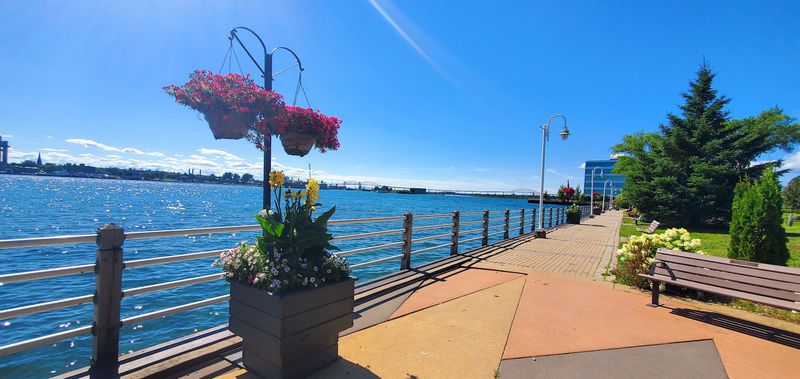
There is no more dramatic river in Michigan than the St. Marys. Connecting Lake Superior to Lake Huron over about 75 miles, it drops roughly 21 feet in elevation — a difference that created the famous St. Marys Rapids and, eventually, the Soo Locks.
Those locks, located at Sault Ste. Marie, allow massive freighters to travel between the two lakes despite the significant elevation change.
Without the Soo Locks, the entire western Great Lakes shipping industry would simply not function as it does today.
Watching a 1,000-foot freighter pass through the Soo Locks is one of those experiences that stops you cold. The scale is hard to wrap your head around until you are standing right next to it.
The locks are open to public viewing, and the visitor area draws hundreds of thousands of people each year. It is one of the most visited attractions in Michigan’s Upper Peninsula, and rightfully so.
The combination of engineering history and sheer physical spectacle makes it unforgettable.
The St. Marys River also offers outstanding fishing, particularly for whitefish, which are caught in abundance near the rapids below the locks. Local restaurants in Sault Ste.
Marie have built menus around fresh-caught whitefish, making it a regional culinary tradition. The river also supports populations of lake sturgeon, one of the most ancient fish species in North America, and conservation efforts to protect these prehistoric-looking creatures are ongoing.
The St. Marys forms the international boundary between Michigan and Ontario, adding a geopolitical dimension to its already rich natural and industrial story. Few rivers anywhere carry this much history, ecological significance, and raw visual power in such a compact stretch of water.
The St. Marys is genuinely in a class of its own.
10. Grand River
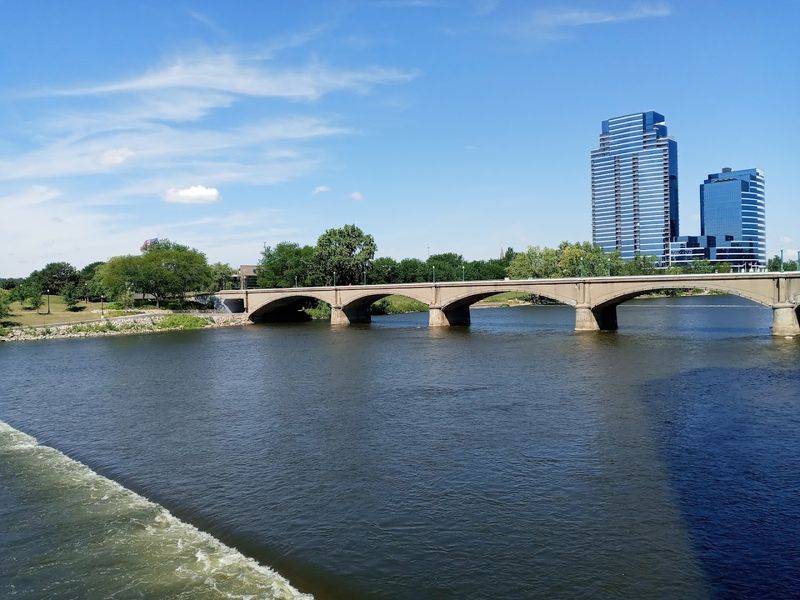
Running 252 miles from Jackson to Grand Haven on Lake Michigan, the Grand River holds the title of Michigan’s longest river. It passes through some of the state’s most populated and economically important areas, including Lansing — the state capital — and Grand Rapids, Michigan’s second-largest city.
The river has been central to the development of western Michigan since Indigenous peoples first settled its banks thousands of years ago, and its influence on the region’s identity has never really faded.
Grand Rapids owes much of its early growth to the Grand River. Furniture manufacturing — the industry that gave the city its nickname as the Furniture Capital of the World — depended on the river for waterpower and transportation during the 19th century.
Today, the river runs through a revitalized downtown corridor where kayakers, paddleboarders, and fishing enthusiasts share the water with migratory fish making their way upstream each fall. The city has invested heavily in reconnecting residents with the riverfront, and the results are visible in the parks, trails, and public spaces that now line its banks.
Salmon and steelhead runs on the Grand River are a major annual event. Fish ladders at Sixth Street Dam in Grand Rapids allow fish to move upstream, and anglers line the banks during peak migration periods in a scene that feels almost festive.
The lower river near Grand Haven is also a popular destination for recreational boating, with the river mouth offering a scenic entry point into Lake Michigan. From its headwaters in the Irish Hills region of Jackson County to its wide, calm mouth at Grand Haven State Park, the Grand River tells the story of Michigan itself — long, varied, historically rich, and still very much alive and relevant today.
11. Kalamazoo River
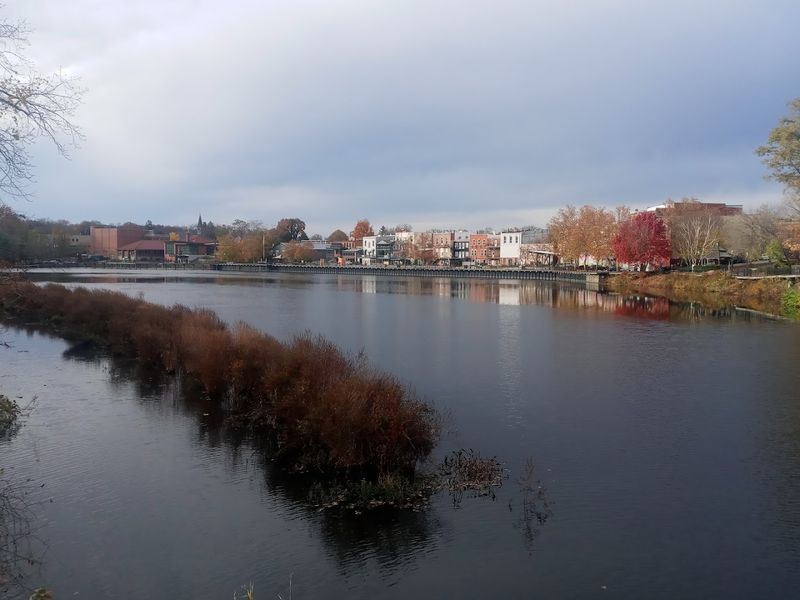
The Kalamazoo River has a complicated story, and that complexity is actually part of what makes it so interesting. Flowing about 170 miles from near Marshall westward to Lake Michigan at Saugatuck, the river passes through both charming small towns and areas that carry the environmental weight of Michigan’s industrial past.
The 2010 Enbridge oil spill near Marshall released more than a million gallons of crude oil into the river, making it one of the largest inland oil spills in U.S. history. The cleanup effort took years and cost hundreds of millions of dollars.
The recovery of the Kalamazoo River since that disaster has been a closely watched environmental story. Scientists, regulators, and conservation advocates have monitored every stretch of the river carefully, tracking the return of fish populations, invertebrates, and riparian vegetation.
Progress has been real and measurable, and the river today supports fishing and paddling in many stretches that were severely impacted just over a decade ago. The resilience of the ecosystem has surprised even some of the skeptics who doubted full recovery was possible.
Near Saugatuck and Douglas at the river’s western end, the Kalamazoo takes on a completely different personality. The lower river flows through a charming arts community and empties into Lake Michigan through a broad, scenic channel flanked by dunes and beaches.
Kayaking the lower Kalamazoo on a summer evening, with the light going golden and the lake visible ahead, is one of those Michigan experiences that stays with you. The river also passes through Battle Creek and Kalamazoo city, connecting urban communities to the natural world in ways that local trail and greenway projects continue to strengthen.
The Kalamazoo River is proof that rivers, like the people who live beside them, can endure almost anything.
Share this story