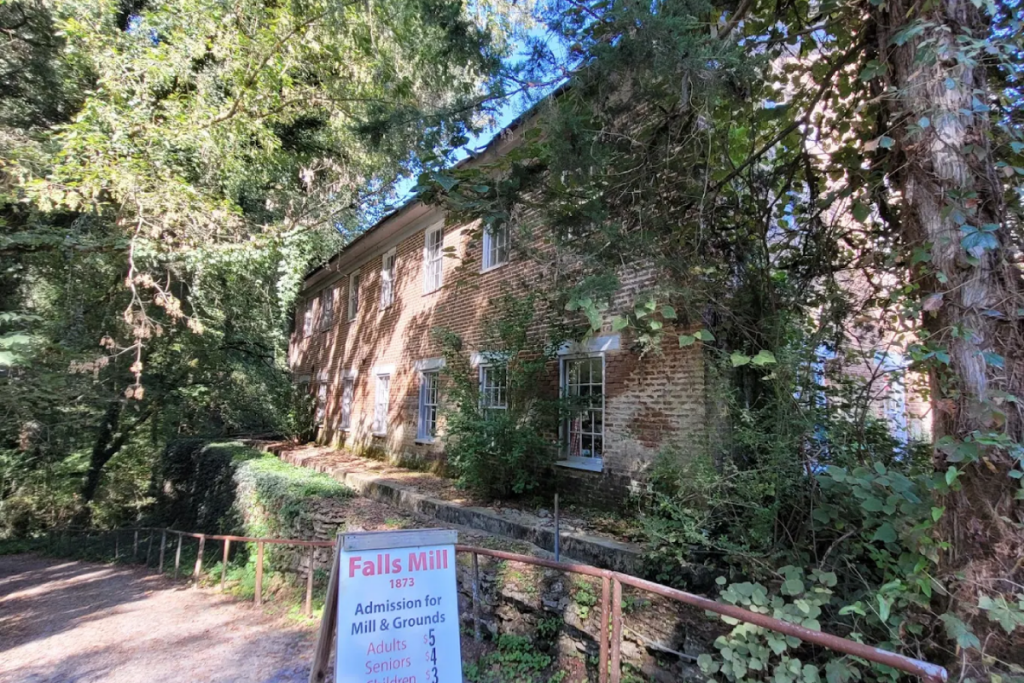
Tucked away in the rolling hills of southern Tennessee, Falls Mill has been grinding grain the old-fashioned way for more than 150 years. The massive waterwheel still turns with the force of a natural waterfall, just like it did when the mill first opened in the 1870s. Walking through this working piece of history feels like stepping into another century, where the rhythm of rushing water replaced the hum of electricity.
It’s one of those rare places where you can see, hear, and feel how people lived and worked generations ago.
A Waterfall-Powered Mill Hiding In Tiny Belvidere, Tennessee
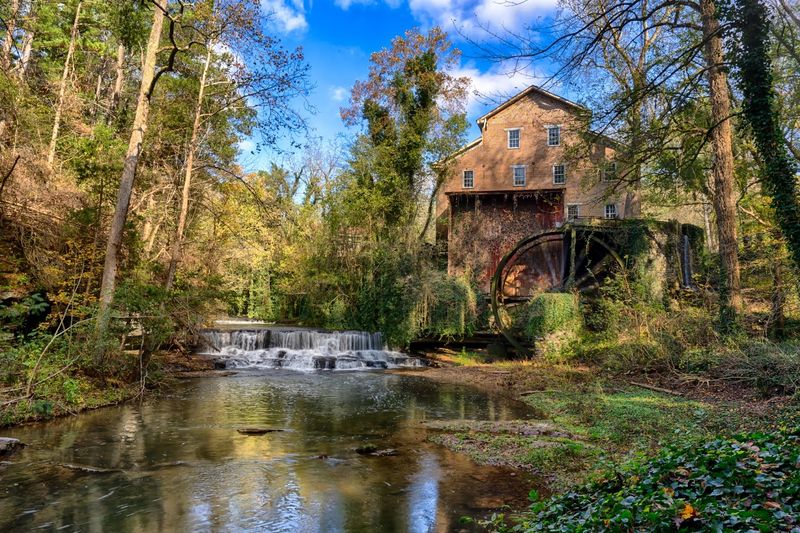
Most people zip right past Belvidere without a second glance, but that just means more magic for those who know where to look. Falls Mill sits along Factory Creek in Franklin County, where the sound of rushing water greets you before you even step out of your car. The setting alone is worth the drive—dense woods, moss-covered rocks, and a waterfall that flows year-round.
The mill itself is a weathered beauty, built from local stone and timber that’s stood strong since the 1870s. It’s not some polished-up tourist trap with gift shops and guided tours every fifteen minutes. This place feels real, lived-in, and wonderfully untouched by modern overdevelopment.
You’ll find it at 134 Falls Mill Road, a winding country lane that feels like it belongs on a postcard. The location is remote enough to feel like a discovery but accessible enough for a casual day trip from Nashville or Chattanooga. There’s something deeply satisfying about finding a place this special without fighting crowds or navigating theme park-style lines.
The owners have preserved the mill with care and respect for its history, keeping the original machinery intact and operational. When you visit, you’re not just looking at old equipment behind velvet ropes—you’re witnessing a functioning piece of Tennessee’s industrial past. The waterfall powers the mill’s grinding stones, just as it did when farmers brought their corn and wheat here over a century ago.
Even before you step inside, the atmosphere pulls you in. The air smells like creek water and old wood, the kind of scent that makes you slow down and breathe deeper. It’s the kind of place that reminds you why Tennessee’s backroads are worth exploring, even when GPS tries to reroute you back to the highway.
The 1870s Mill That Still Feels Alive Today
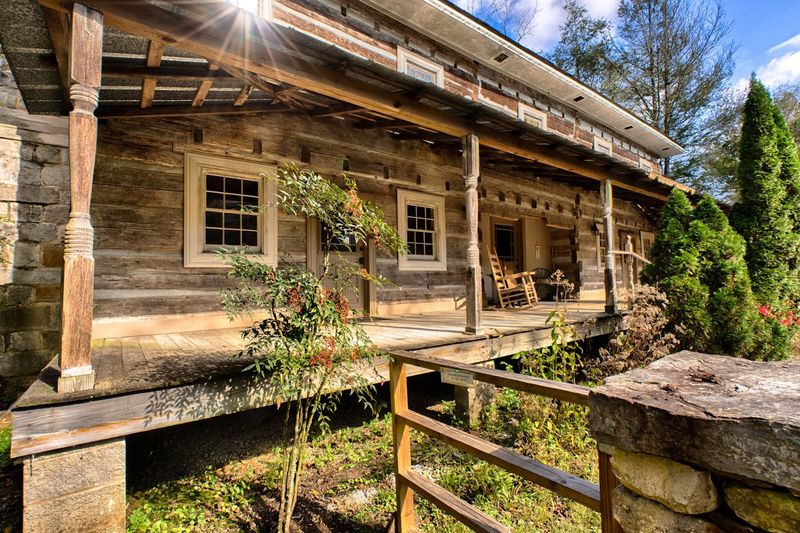
Walking into Falls Mill is like opening a time capsule that never quite closed. The building dates back to the 1870s, when milling was serious business and communities depended on places like this for their daily bread. What makes this mill extraordinary isn’t just its age—it’s the fact that it still works.
The machinery inside is the real deal, not replicas or static displays. Massive wooden gears, iron grinding stones, and leather belts connect in a complex dance of engineering that predates electricity. When the waterwheel turns, the whole building hums with mechanical energy, and you can watch flour being ground the way your great-great-grandparents would have seen it.
The mill spans three stories, each level packed with equipment that tells a different part of the story. Upstairs, you’ll find looms, spinning wheels, and textile tools that show how versatile these water-powered operations really were. The owners have collected an impressive array of artifacts, from hand tools to household items, all displayed in a way that feels organic rather than overly curated.
John and Janie, the couple who own and operate Falls Mill, have devoted decades to preserving this landmark. They’re not just caretakers—they’re passionate storytellers who know every beam, every gear, and every quirk of the building. Their enthusiasm is contagious, and their willingness to answer questions makes the experience feel personal rather than transactional.
How The Waterfall Keeps The Mill’s Story Turning
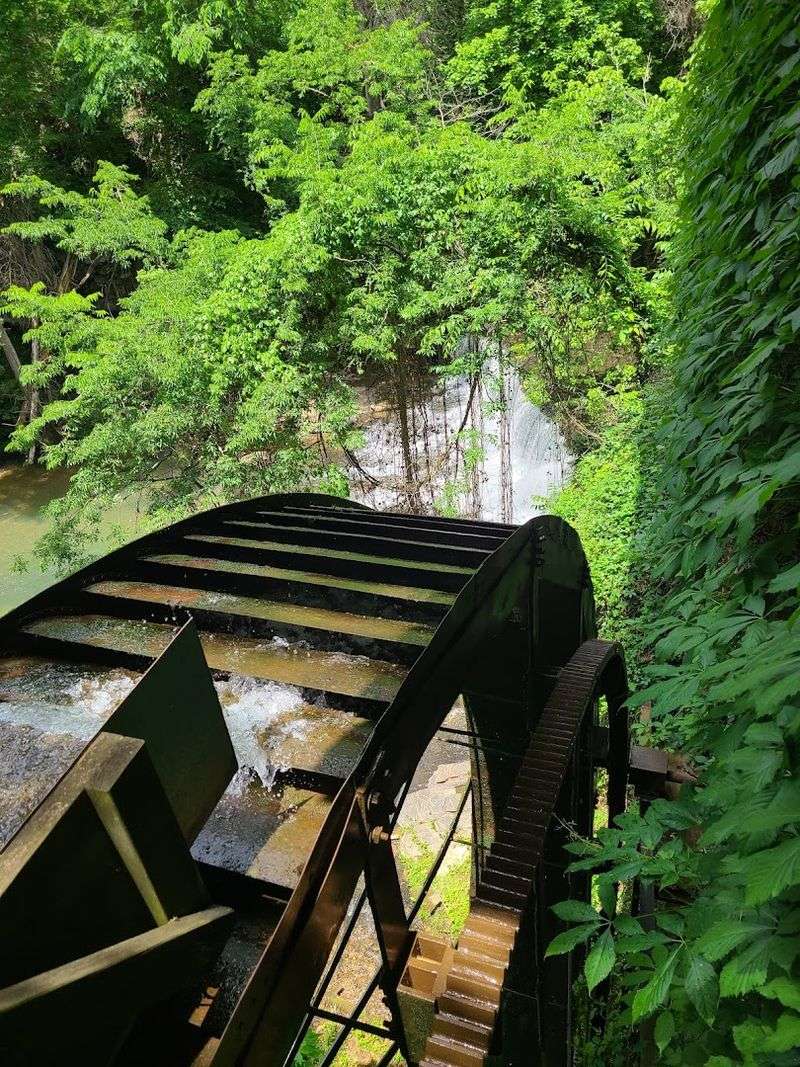
The centerpiece of Falls Mill is the massive 32-foot waterwheel, a towering feat of engineering that’s been turning since the 19th century. It’s powered entirely by the natural flow of Factory Creek as it tumbles over a scenic waterfall, creating enough force to grind grain without a single volt of electricity. Standing beside it, you can feel the vibration in the ground and hear the rhythmic creaking of wood and iron working in harmony.
The waterwheel isn’t just for show—it’s the heart of the mill’s operation. Water rushes into wooden buckets along the wheel’s rim, and gravity does the rest, turning the wheel and transferring energy through a series of gears and belts to the grinding stones inside. It’s simple, elegant, and remarkably efficient, a reminder that people figured out some pretty clever solutions long before modern technology took over.
Watching the wheel turn is mesmerizing in a way that’s hard to put into words. There’s something primal about seeing raw natural power harnessed so beautifully. The sound of water hitting wood, the spray catching sunlight, the steady rotation—it all combines into a sensory experience that feels both peaceful and powerful.
The waterfall itself is a beauty, spilling over moss-covered rocks into a clear creek below. Even when the mill isn’t actively grinding, the waterfall runs year-round, creating a soundtrack that makes the whole property feel like a retreat from the modern world. Visitors often bring picnic lunches and settle at one of the tables near the wheel, where the sound of rushing water drowns out everything else.
The engineering behind the system is surprisingly sophisticated. The mill race, sluice gates, and overflow channels were all designed to manage water flow in different seasons and conditions, ensuring consistent power without flooding or damage.
Step Inside The Museum For A Look At Tennessee’s Past
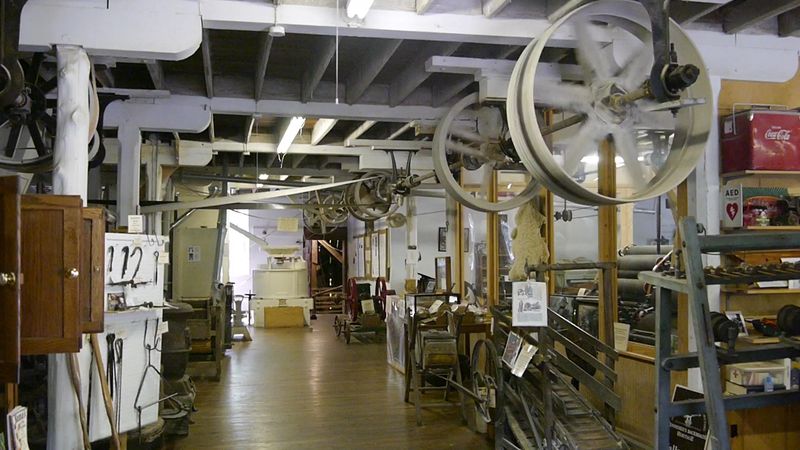
Falls Mill isn’t just about grinding grain—it’s also home to a surprisingly rich museum that captures rural Tennessee life as it was lived more than a century ago. The collection includes everything from farming implements to household goods, textile equipment to blacksmithing tools, all housed within the mill’s three-story wooden interior. Each floor offers a different glimpse into the past, and you’re free to explore at your own pace.
The museum’s charm lies in how it’s presented. Nothing feels overly staged or behind glass barriers that keep you at arm’s length. Instead, artifacts are arranged in a way that invites curiosity, with handwritten labels and thoughtful groupings that tell stories without needing a formal tour guide.
Of course, if you do have questions, the owners are incredibly knowledgeable and happy to share details about specific items or the mill’s history.
One section focuses on textile production, showcasing looms, spinning wheels, and tools used to process wool and cotton. Another area highlights everyday life, with kitchen gadgets, furniture, and personal items that show how families lived and worked in pre-electric Tennessee. There’s even a collection of medical instruments and agricultural tools that give you a sense of just how hands-on survival used to be.
Kids tend to love the museum because there’s so much to look at and discover. Unlike sterile museum settings where touching is forbidden, Falls Mill has a more relaxed vibe that makes history feel accessible rather than intimidating. The player piano, antique toys, and quirky gadgets scattered throughout keep younger visitors engaged while parents soak in the historical context.
The museum experience is included with your admission, which is incredibly affordable at just five dollars per adult. For that price, you get access to the entire property, including the mill, museum, walking trails, and waterfall area.
Why This Place Feels Like A Postcard Come To Life
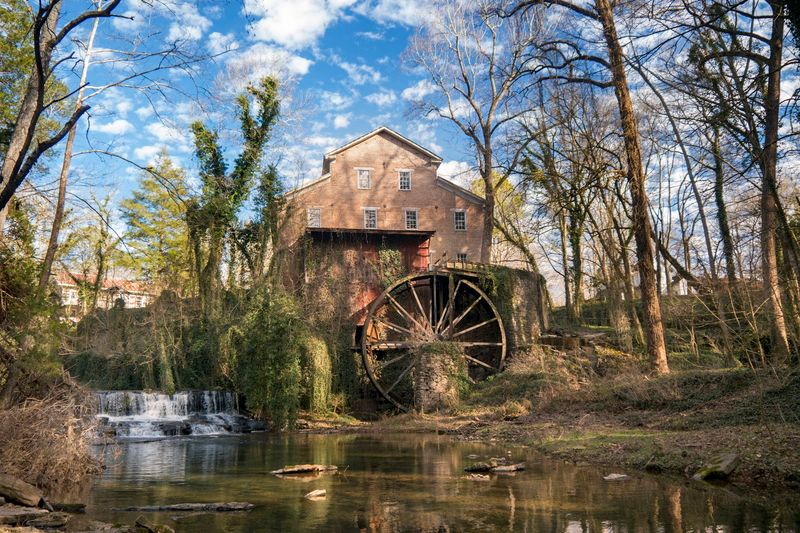
Some places just photograph well, and Falls Mill is one of those rare spots where every angle looks like it belongs on a calendar. The combination of the weathered wooden mill, the cascading waterfall, and the surrounding forest creates a scene that’s almost too picturesque to be real. Whether you visit in the vibrant greens of summer, the fiery colors of fall, or the quiet beauty of winter, the setting delivers.
The mill building itself is a photographer’s dream, with its stone foundation, wooden siding, and large waterwheel spinning beside it. The waterfall adds movement and sound to the scene, while the creek below reflects light in ways that change throughout the day. Bring your camera, because you’ll want to capture it from every possible angle.
Beyond the visual appeal, there’s an atmosphere here that’s hard to find in more commercialized destinations. It’s peaceful without feeling deserted, scenic without feeling staged. The sound of the waterfall mixes with birdsong and the occasional creak of the mill’s machinery, creating a soundtrack that’s equal parts nature and history.
Picnic tables are scattered around the property, especially near the waterwheel and along the creek. Visitors often pack a lunch and spend hours just soaking in the surroundings, watching the water flow, and enjoying the kind of quiet that’s increasingly rare in our noisy world. Dogs are welcome on leashes, making it a great spot for a family outing that includes four-legged members.
The nostalgic charm is real and unforced. There’s no gift shop blaring music, no crowds jostling for selfie spots, no pressure to move along quickly. Falls Mill lets you linger, wander, and simply be present in a beautiful place.
It’s the kind of experience that reminds you why slowing down matters, and why Tennessee’s hidden corners are often more rewarding than its headline attractions.
What To Know Before Visiting Falls Mill
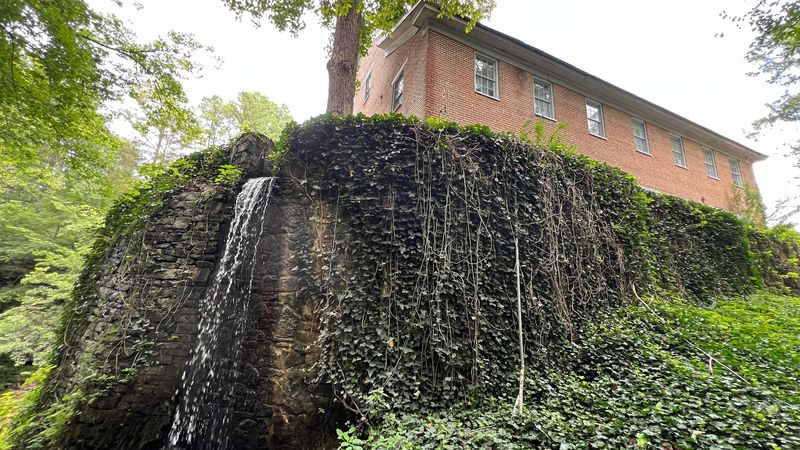
Falls Mill is located at 134 Falls Mill Road in Belvidere, Tennessee, a tiny community in Franklin County near the Alabama border. The drive takes you through winding country roads that are part of the experience, so give yourself a little extra time and enjoy the scenery. GPS will get you there, but double-check the address because some mapping apps get confused by rural routes.
The mill is open Thursday through Saturday from 9 AM to 4 PM, and it’s closed Sunday through Wednesday. Hours can vary seasonally, and the owners occasionally close for special events or maintenance, so it’s smart to call ahead or check their website before making the trip.
Admission is remarkably affordable at just five dollars per adult, which covers access to the mill, museum, grounds, and waterfall area. It’s one of the best values you’ll find for a historic attraction in Tennessee, especially considering how much there is to see and explore. You can easily spend several hours here without running out of things to discover.
The property is mostly accessible, though the mill itself has stairs and uneven wooden floors that might be challenging for those with mobility issues. The outdoor areas, including the waterfall viewing spots and picnic areas, are easier to navigate. If you have specific accessibility questions, the owners are happy to discuss what’s feasible during your visit.
Bring cash for admission and any purchases you might make in the small shop, where you can buy stone-ground cornmeal, flour, grits, and other products milled on-site. They also sell jams, souvenirs, and local crafts. Pack a picnic if you want to make a day of it, and don’t forget your camera.
There’s also a bed-and-breakfast cabin on the property if you want to extend your stay and wake up to the sound of the waterfall.
Why Falls Mill Belongs On Your Tennessee Day Trip List
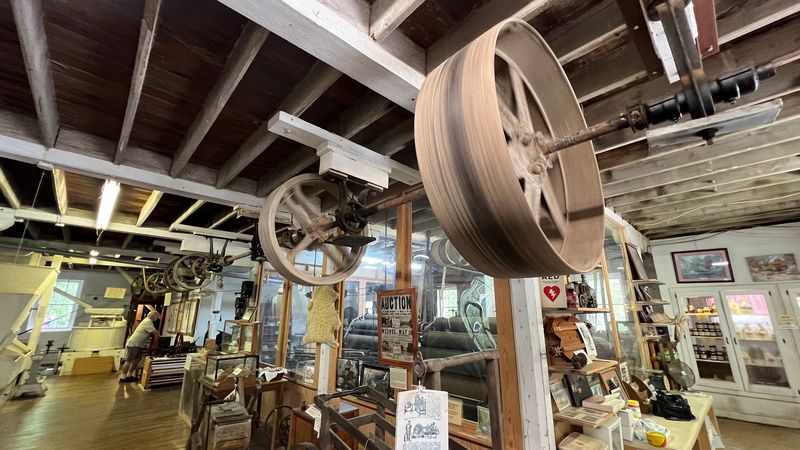
Tennessee has no shortage of attractions, but most of them come with crowds, ticket prices that make you wince, and that commercial polish that can feel a bit soulless. Falls Mill is the opposite—it’s authentic, affordable, and blissfully uncrowded. If you’re the kind of traveler who prefers discovery over hype, this place delivers in spades.
The combination of history, natural beauty, and genuine hospitality makes Falls Mill stand out. You’re not just looking at old stuff—you’re experiencing a working piece of the past in a setting that’s legitimately gorgeous. The waterfall alone would be worth a visit, but add in the functioning mill, the museum, and the welcoming owners, and you’ve got something special.
It’s also the kind of destination that appeals to different interests. History buffs will love the mill’s machinery and museum artifacts. Nature lovers will appreciate the waterfall, creek, and surrounding woods.
Families with kids will find it educational without being boring, and the outdoor space gives children room to explore safely. Photographers will have a field day with the scenery and vintage details.
The peaceful atmosphere is another major draw. Unlike state parks that can get overrun on weekends or tourist towns where you’re constantly dodging tour buses, Falls Mill remains quiet and manageable. You can actually hear yourself think, which is increasingly rare at popular destinations.
It’s the perfect antidote to overstimulation, a place where you can reset and reconnect with simpler rhythms.
Finally, there’s something deeply satisfying about supporting a place like this. The owners have poured decades of love and labor into preserving Falls Mill, and your visit helps keep this piece of Tennessee heritage alive. It’s not owned by a corporation or managed by a government agency—it’s a family operation with heart, and that makes all the difference.