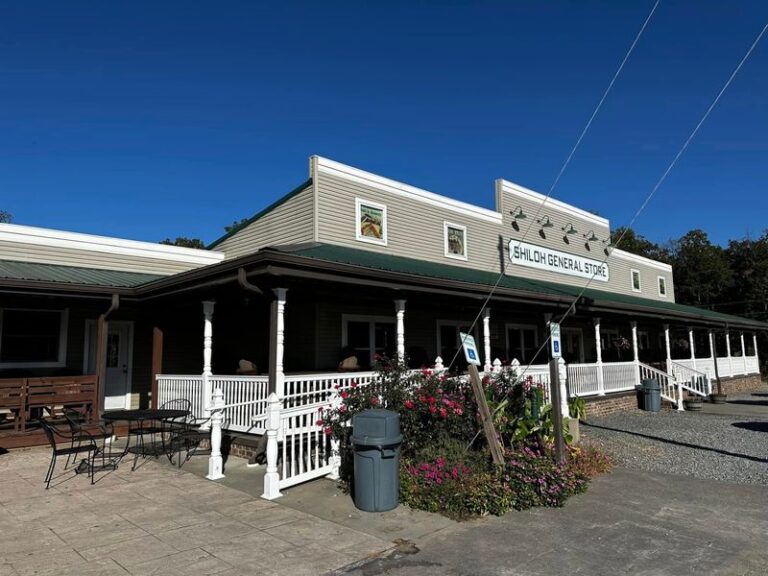
If you love the feeling of discovering something memorable without watching your budget disappear, North Carolina is full of places that make a day out feel rich in every sense except the cost. Across the state, you can wander through fossil collections, historic homes, sculpture-filled gardens, hands-on science exhibits, raptor enclosures, and art museums that give you a real sense of place, all while showing off the stories, landscapes, and creativity that shape North Carolina from the mountains to the coast.
What makes these spots especially worth your time is that they are not just inexpensive detours or filler stops for a rainy afternoon, but destinations where you can slow down, learn something surprising, and come away with a stronger connection to the people, wildlife, history, and artistic spirit that make this state so distinctive. If you are planning a road trip, building a weekend itinerary, or simply looking for meaningful things to do close to home, these 11 free North Carolina museums and cultural attractions prove that some of the most rewarding experiences in the state do not require a ticket price to leave a lasting impression.
1. Aurora Fossil Museum

If you are drawn to places that make natural history feel hands-on instead of distant, this stop in eastern North Carolina delivers a surprisingly memorable experience.
The setting is modest, welcoming, and rooted in the region’s deep connection to ancient marine life, which immediately gives your visit a sense of place.
Rather than overwhelming you with huge galleries, it invites you to focus on details, ask questions, and appreciate how much of North Carolina’s past is literally buried beneath the ground.
Inside Aurora Fossil Museum, you can explore exhibits filled with fossils, prehistoric marine specimens, and information about the area’s phosphate mining history.
Shark teeth tend to steal the show, especially if you enjoy seeing objects that feel both scientifically important and just plain cool.
The displays explain how this part of the coastal plain was once covered by ancient seas, so even a short visit gives you a clearer picture of how the state’s landscape developed over time.
One of the best things about this museum is that it feels approachable whether you already love paleontology or you are simply curious.
Families often appreciate that kids can stay engaged without needing long attention spans, while adults can still enjoy the educational depth tucked into the exhibits.
Because the museum reflects local geology and industry, it also works well as a cultural stop, showing how natural resources and community identity have long been connected in North Carolina.
If you want a free attraction that feels distinctly regional, Aurora Fossil Museum stands out for its authenticity and charm.
It is easy to pair with a broader day of exploring the coast, especially if you like quieter destinations that reward curiosity.
You leave with more than a few fun facts, because the experience reminds you that North Carolina’s history is not only written in documents and buildings, but also in ancient teeth, shells, and sediments that still tell stories today.
2. Airlie Gardens
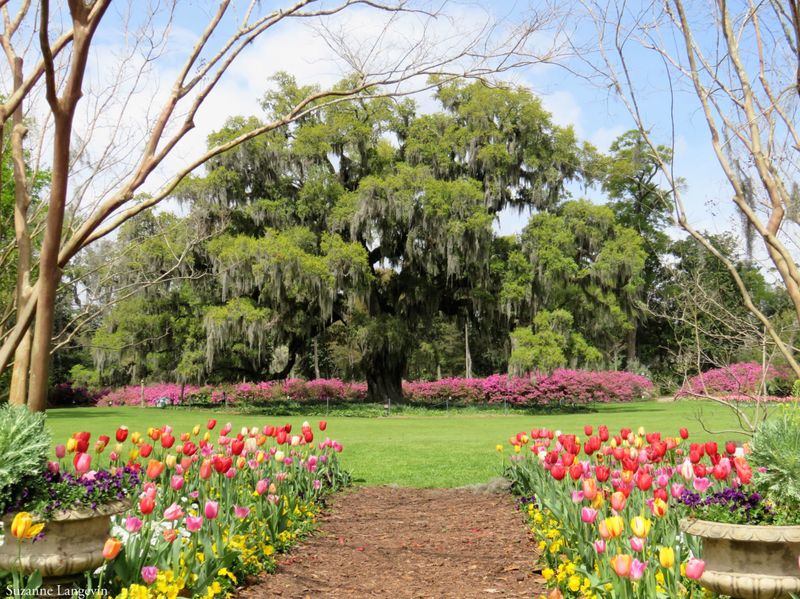
When you want a cultural outing that feels peaceful, photogenic, and deeply tied to the coastal character of North Carolina, a garden setting can be just as enriching as a traditional gallery.
The beauty here is not only decorative but also historical, shaped by the state’s climate, plant life, and long relationship with designed landscapes.
You can stroll at your own pace and still feel like you are taking in something carefully curated.
Airlie Gardens is known for its majestic live oaks, seasonal blooms, and pathways that let you move through changing textures of color, shade, and water.
Even if you are not a serious gardener, the layout makes it easy to notice the artistry behind the planting schemes and the sense of atmosphere created by the grounds.
Sculptural elements and preserved features add another layer, giving the space an identity that feels both refined and unmistakably North Carolinian.
What makes a visit especially rewarding is how the gardens connect natural beauty with regional history.
You are not simply looking at flowers, but spending time in a place that reflects the horticultural traditions and coastal environment of southeastern North Carolina.
The result is a visit that works for solo travelers, couples, and families alike, especially if you want something relaxing that still feels meaningful and specific to the state.
Because the experience is mostly self-guided, you can shape the day around what you enjoy most, whether that means photography, quiet walking, or simply taking a break from more crowded attractions.
Airlie Gardens offers that rare mix of calm and substance, giving you room to breathe while still leaving you with a stronger sense of local character.
If you are exploring North Carolina on a budget, it proves that culture does not always live inside four walls, and that some of the state’s most memorable artistry grows in the open air.
3. Cameron Art Museum
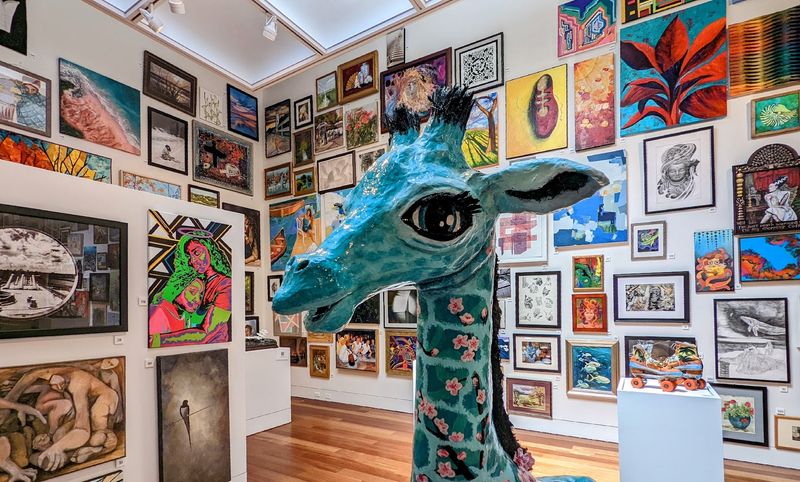
For a free cultural stop that feels polished without becoming intimidating, an art museum can offer exactly the kind of inspiring reset you need during a North Carolina trip.
The appeal comes from how visual art lets you see the state through different lenses, from personal memory to social change to coastal and regional identity.
Even a short visit can leave you noticing details, colors, and ideas that stay with you long after you walk out.
Cameron Art Museum brings together contemporary and regional art in a way that feels accessible to both regular museumgoers and first-time visitors.
Rotating exhibitions mean there is usually something fresh to discover, which makes the museum especially appealing if you like returning to places that keep evolving.
Depending on what is on view, you may encounter painting, photography, design, craft, and installations that connect local stories to broader artistic conversations.
What stands out most is the museum’s ability to make North Carolina feel central rather than secondary.
Instead of treating regional art as a side note, the space often highlights voices, histories, and landscapes that give you a stronger understanding of the state’s creative life.
That makes your visit feel grounded and relevant, especially if you want attractions that say something specific about where you are rather than offering a generic museum experience.
If you appreciate places that invite reflection without requiring a huge time commitment, the Cameron Art Museum is easy to fit into a wider day of exploring.
You can move through the galleries at your own pace, pause with the works that catch your attention, and leave feeling like you spent your time well.
In a state filled with scenic drives and outdoor adventures, this museum adds an artistic counterpoint that deepens the trip and reminds you that North Carolina’s identity is shaped as much by creative expression as by geography.
4. Blowing Rock Art and History Museum

In the North Carolina mountains, some of the most memorable museums are the ones that feel rooted in community rather than scale.
You do not need a massive institution to understand a region when the exhibits are thoughtful, local, and tied to real people, traditions, and landscapes.
That is exactly why this stop works so well if you want a free museum experience with personality and a strong sense of place.
Blowing Rock Art and History Museum blends visual art with regional storytelling, giving you a fuller picture of life in the Blue Ridge area.
The museum often highlights Appalachian craft, local artists, and exhibitions that reflect the cultural history of western North Carolina.
Because the focus stays closely linked to the mountain region, your visit can feel more intimate and specific than a broader art museum that spreads itself across too many subjects.
One of the best parts is how naturally the art and history support each other.
Instead of seeing paintings or objects in isolation, you start to understand the traditions, landscapes, and communities that shaped them.
If you enjoy museums that reward slow looking and curious reading, this one offers a satisfying balance, and if you are simply escaping a rainy day in the mountains, it still gives you a worthwhile and enriching hour or two.
Blowing Rock Art and History Museum is especially appealing for travelers who want cultural depth without leaving the mountain atmosphere behind.
After scenic overlooks, hikes, and drives along winding roads, stepping into galleries that reflect the same region adds another dimension to the experience.
It reminds you that North Carolina’s mountain identity is not only scenic, but also artistic, historical, and handmade, and that understanding a destination often means paying attention to the stories people create about the place they call home.
5. Carolina Raptor Center

If your ideal museum day includes fresh air, wildlife, and a stronger connection to North Carolina’s natural world, this is a standout choice.
The experience feels different from a traditional indoor attraction, yet it still delivers the same sense of learning and discovery that makes free cultural stops so rewarding.
You are not just passing time here, but seeing living ambassadors that can change how you understand the state’s ecosystems.
Carolina Raptor Center focuses on birds of prey, including owls, hawks, falcons, vultures, and eagles, many of which have been part of rehabilitation or education efforts.
Walking the grounds gives you a chance to observe these powerful birds up close while learning about their behavior, habitats, and conservation needs.
That combination of visual impact and environmental education makes the visit memorable for both children and adults, even if you arrive knowing very little about raptors.
What makes it especially meaningful in North Carolina is the way it highlights the wildlife that shares the state with you.
Instead of framing nature as something far away, the exhibits show how these birds fit into local forests, wetlands, and broader ecological systems.
You leave with a better sense of responsibility too, because the center emphasizes how human choices affect native species and why rescue, habitat protection, and public awareness matter.
For budget travelers, families, and anyone who likes attractions with a mission, Carolina Raptor Center offers more than simple entertainment.
It combines outdoor movement, photography opportunities, and practical learning in a way that feels energizing rather than passive.
In a state known for both biodiversity and beautiful landscapes, this stop helps connect those scenic qualities to real conservation work, making your North Carolina itinerary feel richer, more grounded, and a little more personal than a standard sightseeing list.
6. Cape Fear Museum of History and Science

When you want one museum to cover multiple interests at once, a place that combines science and history can be an easy win.
It gives you the feeling of getting a broader snapshot of North Carolina rather than focusing on only one theme, which is especially useful if you are short on time.
You can step inside, curious about almost anything, and still find exhibits that hold your attention.
Cape Fear Museum of History and Science explores the story of southeastern North Carolina through artifacts, scientific displays, and community-centered interpretation.
Depending on the current exhibitions, you may encounter topics connected to local culture, technology, natural environments, and the lives of people who shaped the region over time.
That range helps the museum feel dynamic because each gallery adds a new angle on how the Cape Fear area developed and why it matters within the state.
The strongest part of a visit is the way the museum ties local details to larger patterns.
Rather than presenting history as a list of dates, it tends to show how transportation, innovation, environment, and everyday life intersected in coastal North Carolina.
Science exhibits add another useful dimension, reminding you that understanding a place also means understanding its physical world, from landscapes and weather to materials and changing technologies.
If you like informative attractions without feeling heavy, the Cape Fear Museum of History and Science strikes a satisfying balance.
It works well for adults traveling alone, families with mixed interests, or anyone who wants an affordable activity that feels both educational and genuinely connected to the state.
By the time you leave, you are likely to have a sharper sense of southeastern North Carolina’s identity and a new appreciation for how local museums can make big subjects feel immediate, personal, and surprisingly engaging.
7. Imagination Station Science and History Museum
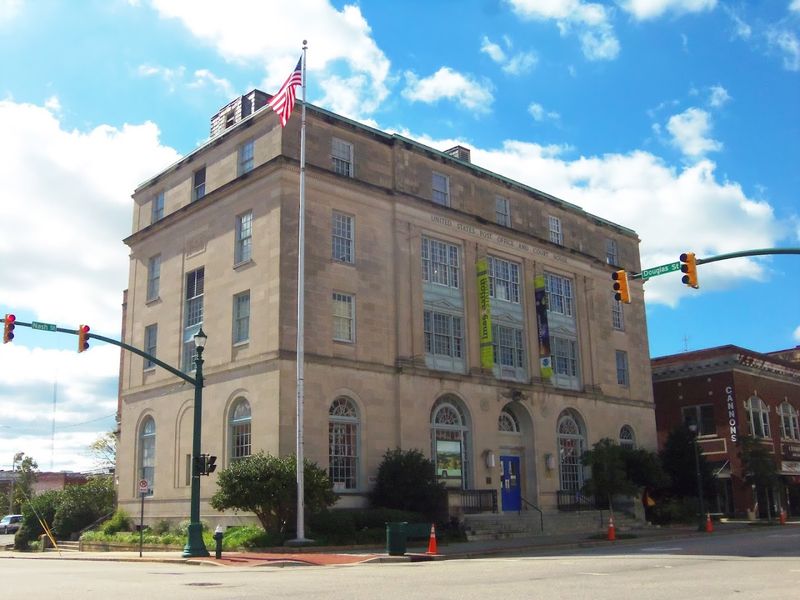
Sometimes the most enjoyable free museums are the ones that do not try to impress you with size, but instead win you over with energy, accessibility, and local pride.
A smaller science and history museum can feel especially useful if you are traveling with kids or simply want a stop that stays fun and low-pressure.
You can explore without needing a full day, yet still come away feeling like you learned something valuable about North Carolina.
Imagination Station Science and History Museum brings together interactive learning and regional storytelling in a format that is easy to enjoy.
Hands-on exhibits help make scientific ideas more approachable, while history displays add context about the surrounding community and its place within the state.
That combination gives the museum a broad appeal, because it offers enough activity for younger visitors while still keeping the subject matter anchored in local identity.
What makes this kind of attraction worth seeking out is the personal scale.
Instead of feeling anonymous, the experience often reflects the rhythms, concerns, and history of the area it serves, which can make your visit feel more genuine than a larger institution.
You may find yourself paying closer attention because the exhibits are tied to real places in North Carolina, not abstract examples designed to fit any city.
For travelers building a budget-friendly itinerary, Imagination Station Science and History Museum is a reminder that meaningful stops do not have to be famous to be worthwhile.
It is the sort of place where curiosity leads the day, whether you are reading local history panels, watching a child engage with an exhibit, or rediscovering how enjoyable simple science learning can be.
In a state with so many big-name destinations, this museum adds welcome variety and shows that North Carolina’s educational landscape is strongest when it includes community-focused spaces alongside major attractions.
8. Charlotte Museum of History

If you are curious about how North Carolina’s largest cities connect to much older stories, a history museum set around preserved buildings can be especially rewarding.
It gives you more than text on a wall, because the physical setting helps the past feel tangible and close.
You can walk the grounds, imagine the people who once moved through them, and understand the city through a longer timeline.
Charlotte Museum of History is known for interpreting local and regional history in a way that links early settlement, community development, and modern identity.
Exhibits and historic structures provide context for how Charlotte grew within the broader story of North Carolina, making the museum useful even if you are not deeply familiar with the area.
Rather than focusing only on famous names, it helps illuminate everyday life, change over time, and the layered narratives that shaped the region.
One reason this museum stands out is that it shows urban North Carolina from a historical perspective instead of only a contemporary one.
Charlotte is often associated with banking, sports, and rapid growth, but this stop reveals the older foundations beneath that image.
If you like places that challenge your assumptions about a destination, the museum does exactly that, showing how memory, preservation, and local storytelling can deepen your view of a fast-changing city.
Because the campus combines outdoor and indoor elements, the visit often feels more varied than a standard gallery experience.
You can move between exhibits, architecture, and open space, which keeps the pace comfortable and engaging.
Charlotte Museum of History is a strong choice if you want a free attraction that connects one of North Carolina’s best-known cities to the wider state story, proving that even in a place defined by growth and momentum, the past still has plenty to say if you make time to listen.
9. Reynolda House Museum of American Art
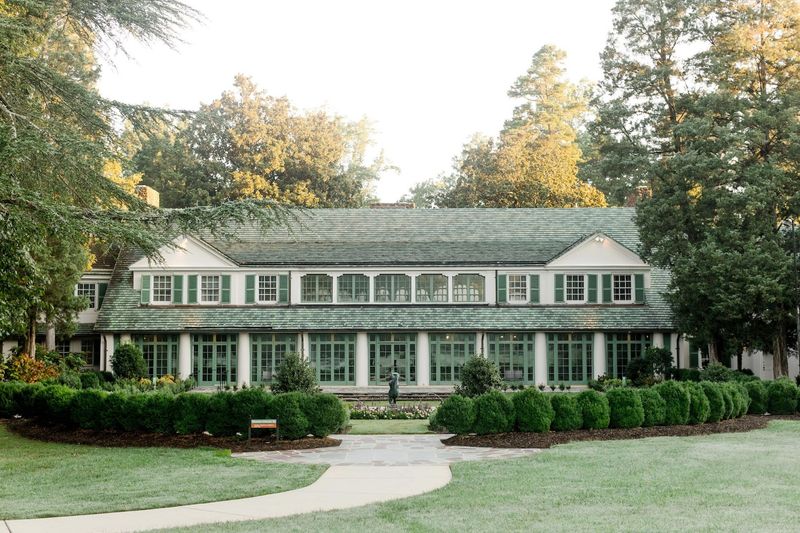
For a free museum stop that feels elegant, reflective, and unmistakably tied to North Carolina’s cultural history, a house museum with serious art credentials is hard to beat.
The combination of architecture, landscape, and gallery space creates an experience that feels layered from the moment you arrive.
You are not just seeing art on walls, but stepping into a setting where wealth, design, and regional history shaped the environment itself.
Reynolda House Museum of American Art offers a compelling mix of fine art and historic context within one of the state’s most distinctive estate settings.
As you move through the museum, you can take in American artworks while also noticing how the house and grounds reflect a particular moment in North Carolina’s social and cultural development.
That dual experience gives the visit unusual depth, because the building is part of the story rather than just a container for it.
What makes this museum especially memorable is the contrast between intimacy and significance.
The galleries invite close looking, but the setting also hints at larger conversations about industry, philanthropy, design, and the making of cultural institutions in the state.
Even if you usually prefer contemporary attractions, this museum can win you over because it connects art to lived environments and makes history feel textured instead of distant.
If you are looking for a place that feels both beautiful and intellectually rewarding, Reynolda House Museum of American Art deserves a spot on your list.
It suits visitors who enjoy quiet observation, photography, and destinations where every room seems to add another layer of meaning.
In North Carolina, where art, architecture, and regional history often intersect in subtle ways, this museum stands out as one of the clearest examples of how a well-preserved space can deepen your understanding of the state’s creative and cultural legacy.
10. North Carolina Botanical Garden
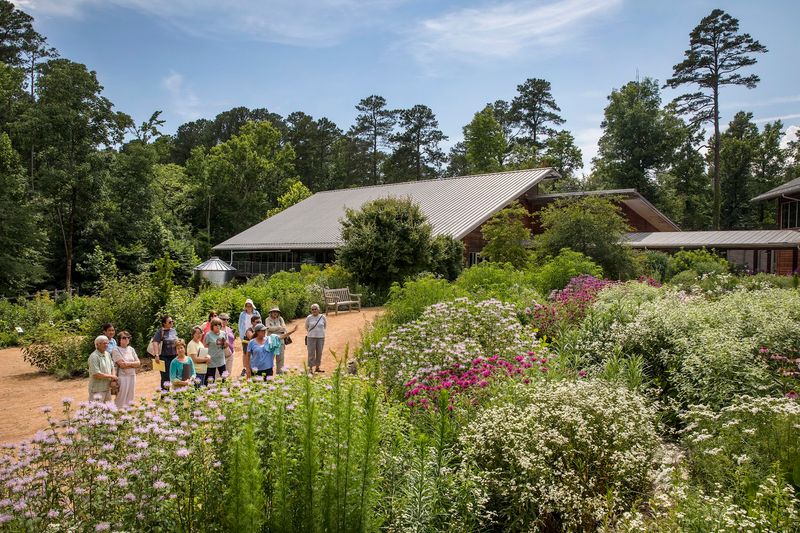
If you want a free attraction that teaches you about North Carolina by showing you the living landscape itself, a botanical garden is a smart choice.
The experience feels calm on the surface, but it is packed with insight about native plants, habitats, and the ecological relationships that shape the state.
You can enjoy it as a relaxing walk or treat it like an outdoor classroom, depending on your mood.
North Carolina Botanical Garden is especially meaningful because it emphasizes plants native to the region and the conservation of southeastern ecosystems.
That focus helps you understand what belongs in the landscape, how those species support wildlife, and why preservation matters in a rapidly changing world.
Rather than offering only ornamental beauty, the garden gives you a more grounded and educational look at the state’s natural heritage.
As you move through trails and curated plantings, you start to notice how diverse North Carolina really is.
The state stretches from mountains to piedmont to coast, and native species help tell that story directly and visually.
If you are someone who enjoys connecting travel to local ecology, this kind of visit can be surprisingly satisfying, because it makes the environment feel specific rather than generic.
North Carolina Botanical Garden is also a great option when you want a slower, less crowded day that still feels meaningful.
You can read interpretive signs, take photos, sit quietly, or simply let the setting reset your pace for a while.
In a state famous for scenic variety, the garden turns that beauty into understanding, showing you that North Carolina is not only pleasant to look at, but also ecologically rich, regionally distinct, and worth appreciating on a deeper level than a quick roadside view ever allows.
11. Wing Haven
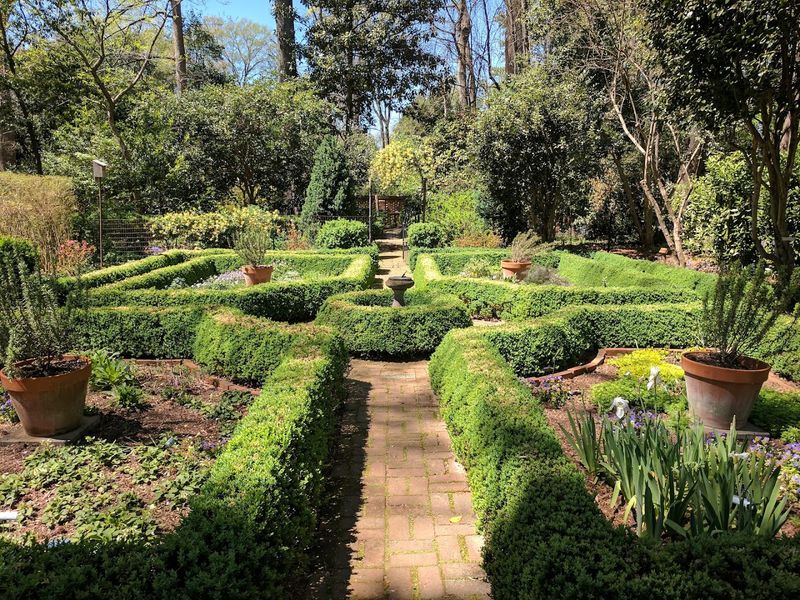
Some of the most memorable places in North Carolina are the ones that feel like quiet discoveries, especially when they blend design, history, and nature in a compact space.
A garden sanctuary can offer the same reflective experience as a museum while giving you birdsong, shade, and a slower rhythm that is hard to find in a busy city.
That balance makes it ideal if you want a free cultural stop that restores your attention rather than competing for it.
Wing Haven is admired for its intimate garden rooms, elegant landscaping, and strong sense of purpose as a place shaped around beauty and birds.
The space encourages you to notice small details, from plant textures and paths to the careful composition of each area.
Because it feels curated rather than wild, the visit has an artistic quality, yet it still remains grounded in the natural environment of North Carolina.
What makes it especially worthwhile is how clearly it expresses the idea that gardens can be cultural artifacts.
You are not only enjoying flowers and greenery, but also experiencing a vision of how people in the state have shaped private and public landscapes to reflect values such as hospitality, conservation, and contemplation.
If you usually think of museums as indoor spaces, this stop gently expands that definition in a way that feels convincing and refreshing.
For anyone exploring Charlotte or building a broader North Carolina itinerary, Wing Haven offers a lovely contrast to busier attractions.
It is easy to appreciate whether you are interested in horticulture, historic design, photography, or simply finding a peaceful place to walk and think.
By the end of your visit, you may feel that you discovered one of the state’s quieter treasures, a place where North Carolina’s charm is expressed not through spectacle, but through careful beauty, living collections, and the kind of stillness that stays with you.
Share this story