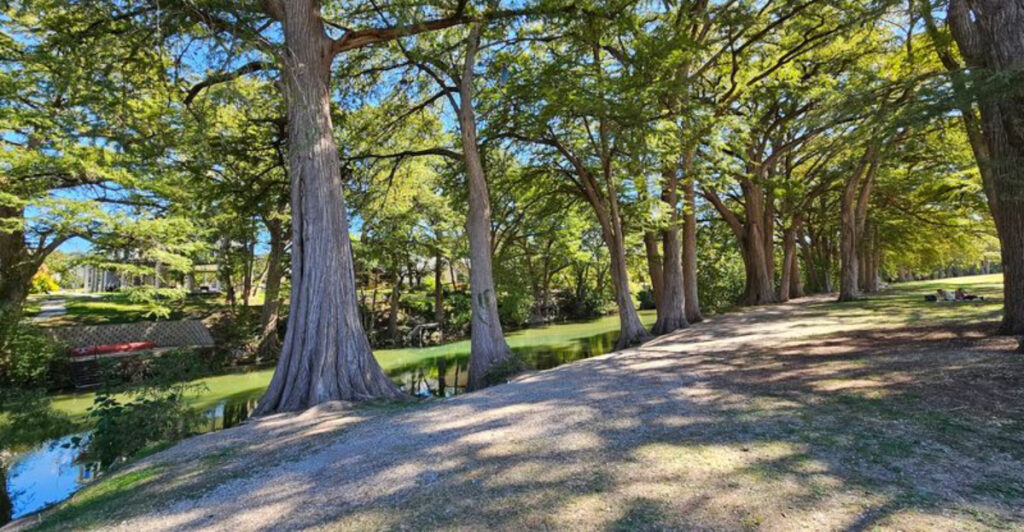
Texas is home to over 80 state parks, but most visitors flock to the same handful of popular destinations. Meanwhile, dozens of stunning natural areas sit quietly waiting to be explored, offering serene trails, dramatic landscapes, and wildlife encounters without the crowds. These hidden gems give you the chance to experience Texas wilderness the way it was meant to be—peaceful, personal, and utterly unforgettable.
1. Big Bend Ranch State Park (Presidio/Terlingua)
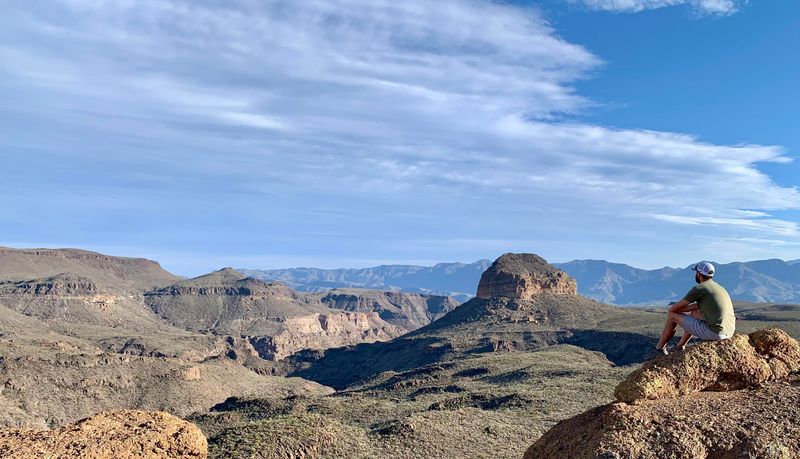
Sitting in the shadow of its famous national park neighbor, this massive wilderness area covers over 300,000 acres of Chihuahuan Desert terrain. Most people zoom past it on their way to Big Bend National Park, which means you’ll likely have these ancient volcanic formations and river canyons mostly to yourself. The landscape here feels almost otherworldly, with jagged peaks and colorful rock layers that tell millions of years of geological history.
Hiking options range from easy nature walks to challenging backcountry treks that can take multiple days. The Closed Canyon Trail is a favorite for good reason—you’ll squeeze through narrow slot canyons with towering walls on either side. If you’re up for something more demanding, the Rancherias Loop offers 19 miles of desert solitude with primitive campsites along the way.
River rats will appreciate the park’s access to the Rio Grande, where you can paddle through remote canyons far from civilization. The Madrid Falls area provides a rare desert waterfall, though it only flows after significant rainfall. Stargazing here is absolutely phenomenal since light pollution is virtually nonexistent.
Wildlife sightings are common, especially in early morning or late evening hours. Keep your eyes peeled for roadrunners, javelinas, and if you’re lucky, a desert bighorn sheep on the rocky slopes. Mountain lions also roam these lands, though they’re rarely seen.
Spring and fall offer the most comfortable temperatures for exploration, though winter can be surprisingly pleasant. Summer heat is intense and potentially dangerous, so save those visits for cooler months. The park’s remoteness means you need to be self-sufficient—bring plenty of water, food, and emergency supplies.
Park staff offer occasional guided tours that reveal hidden spots and share fascinating stories about the area’s ranching history. The Barton Warnock Visitor Center provides excellent context about desert ecology before you head out. This park rewards adventurous spirits willing to venture beyond the beaten path.
2. Fort Boggy State Park (Centerville)
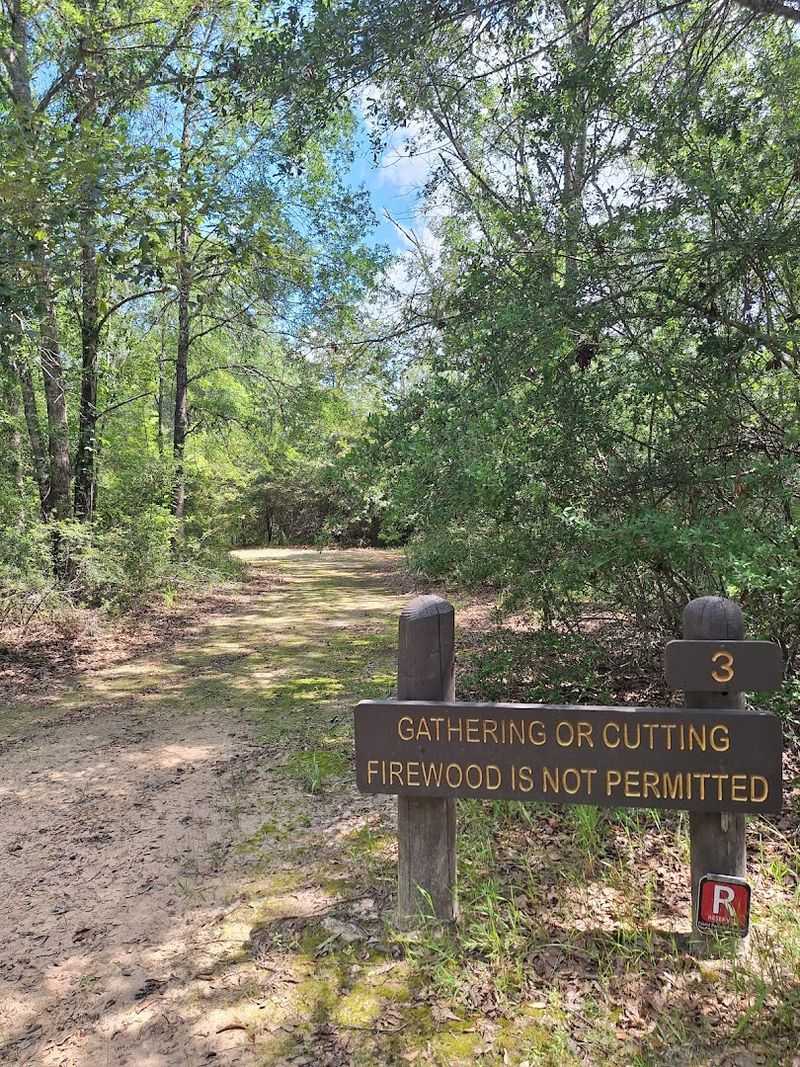
Tucked away in the Post Oak Belt between Houston and Dallas, this quiet park feels like a well-kept secret among East Texas locals. The 1,847-acre preserve wraps around a 15-acre lake and offers a refreshing escape into hardwood forests and gentle rolling terrain. Named after a small frontier fort that once stood nearby, the park today serves as a peaceful retreat far removed from urban chaos.
The trail system here is beautifully maintained yet rarely crowded, even on weekends. You can wander through mixed pine and hardwood forests where sunlight filters through the canopy in golden streams. Birders absolutely love this spot—over 150 species have been recorded, including several types of woodpeckers, warblers, and the occasional bald eagle during winter months.
Lake Boggy itself is perfect for quiet fishing or launching a kayak for a leisurely paddle. Bass, catfish, and sunfish populate the waters, and you’ll often see turtles sunning themselves on logs. The lack of motorboats keeps the atmosphere tranquil and family-friendly.
Camping options include both developed sites with water and electricity, plus primitive areas for those seeking a more rustic experience. The campsites are well-spaced, giving you plenty of privacy. Many visitors report feeling like they have the entire park to themselves, especially during weekdays.
Spring brings spectacular wildflower displays along the trails, with bluebonnets and Indian paintbrush creating colorful carpets. Fall foliage transforms the forest into a patchwork of reds, oranges, and yellows—something you don’t always associate with Texas. Summer can be warm and humid, but the shaded trails provide welcome relief.
The park’s location makes it an ideal overnight stop if you’re traveling between major Texas cities. But don’t just pass through—stay awhile and soak in the peaceful atmosphere. Pack a picnic, bring your fishing rod, and prepare to unwind in one of Texas’s most underappreciated natural spaces.
3. Devil’s Sinkhole State Natural Area (Rocksprings)
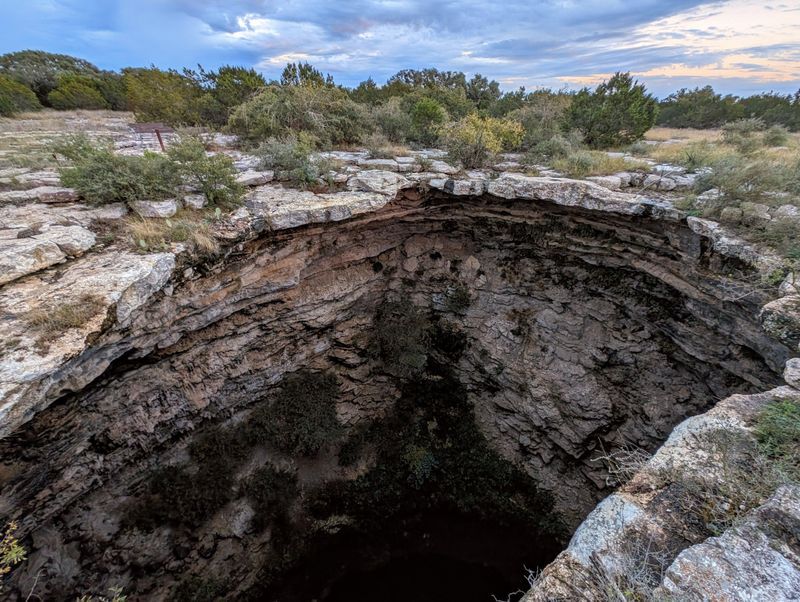
Imagine standing at the edge of a massive limestone crater, watching millions of Mexican free-tailed bats spiral upward into the twilight sky. That’s the magic waiting at this extraordinary natural area, though you’ll need to book a guided tour to experience it. The sinkhole itself plunges 140 feet straight down and opens into a vast underground cavern that serves as home to one of Texas’s largest bat colonies.
Access is strictly controlled to protect this delicate ecosystem, which actually works in your favor. Small tour groups mean intimate experiences without crowds jostling for position. Rangers lead visitors on a short hike to the viewing platform, sharing fascinating details about the area’s geology and wildlife along the way.
The bat emergence typically happens around dusk from May through October, when these tiny mammals pour out of the sinkhole in search of insects. They can consume tons of bugs in a single night, making them natural pest controllers for the surrounding ranch lands. Watching this phenomenon feels almost spiritual—nature’s daily migration happening right before your eyes.
Beyond the bats, the surrounding Hill Country landscape offers its own rewards. Scrubby juniper and oak trees dot the rocky terrain, and white-tailed deer are common sightings. The area’s limestone formations create interesting textures and colors, especially when late afternoon sun hits the rocks.
Tours fill up quickly during peak bat season, so advance reservations are essential. The natural area doesn’t offer traditional hiking trails or camping, but the guided experience provides something even more valuable—expert knowledge and guaranteed wildlife encounters. Photography enthusiasts should bring cameras capable of low-light shooting to capture the bat flight.
The property sits on private ranchland, demonstrating how conservation and agriculture can coexist successfully. Your tour fee supports ongoing research and habitat protection. This isn’t a place for casual drop-ins, but rather a destination for nature lovers seeking something truly special and different from typical state park experiences.
4. Copper Breaks State Park (Quanah)
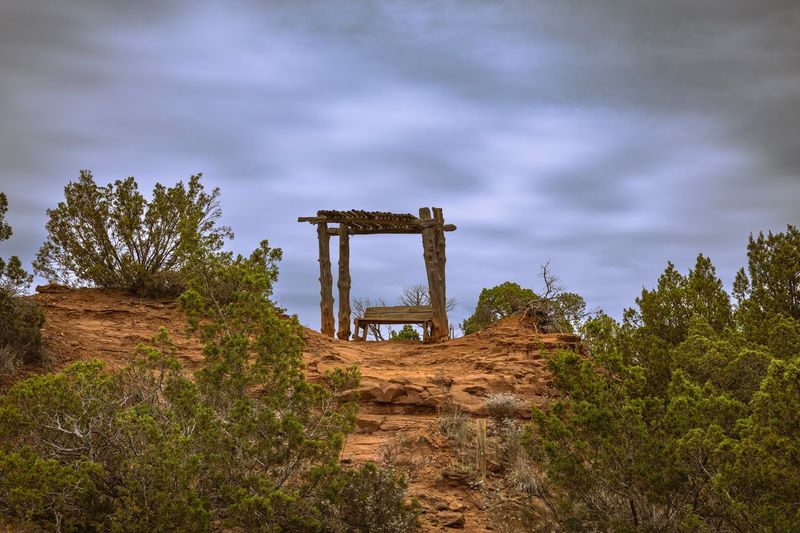
Way up in the Red River country near the Oklahoma border, this park showcases a landscape that many Texans never see. The copper-tinted rock formations that give the park its name create stunning contrasts against the prairie grasses and big sky. Two small lakes provide water features in an otherwise dry environment, attracting wildlife from miles around.
The trail system totals about 10 miles, winding through varied terrain that includes rocky breaks, grasslands, and lakeside paths. Bullwagon Trail offers the best overview, taking you past the park’s signature copper-colored cliffs and through stands of mesquite and juniper. Morning hikes often reward you with sightings of wild turkeys, roadrunners, and various hawk species soaring overhead.
Longhorn cattle roam a special pasture within the park, maintaining a living connection to Texas’s ranching heritage. These aren’t just for show—they’re part of an official state herd preservation program. Seeing these massive animals with their impressive horn spans never gets old, especially against the backdrop of red rocks and blue sky.
Night skies here are absolutely phenomenal, with minimal light pollution allowing stars to shine brilliantly. The park has earned recognition as an International Dark Sky Park, making it a premier destination for stargazing. On clear nights, the Milky Way stretches across the heavens in breathtaking detail.
Camping facilities are basic but comfortable, with sites offering water and electricity. The park rarely reaches capacity, even during holiday weekends. You can pitch your tent or park your RV without feeling cramped by neighbors.
Summer temperatures can soar, so spring and fall provide the most pleasant visiting conditions. Winter brings its own stark beauty, with occasional snow dusting the red rocks in surreal contrast. Fishing in the lakes yields catfish and bass, though catches can be unpredictable depending on recent rainfall.
This park’s remote location keeps visitor numbers low, which is exactly what makes it special. The sense of wide-open space and solitude feels increasingly rare in modern Texas.
5. Mission Tejas State Park (Grapeland)
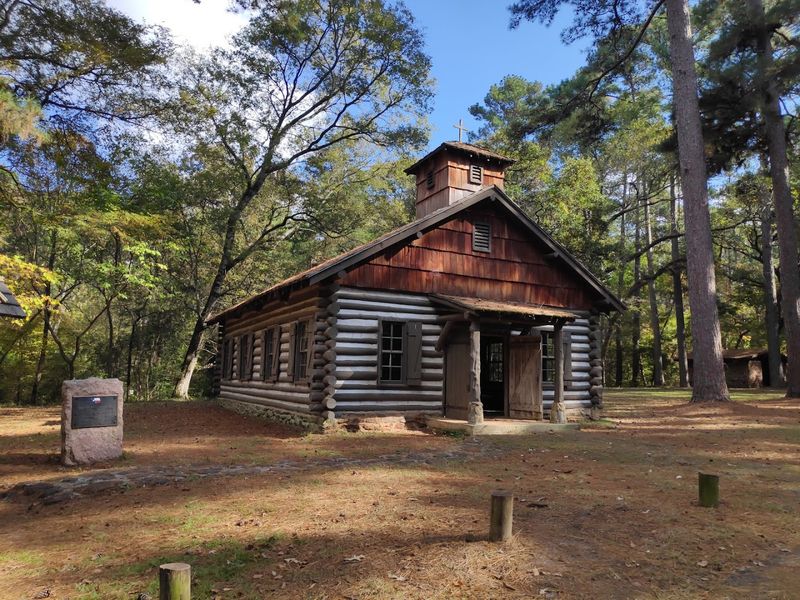
Deep in the Piney Woods of East Texas, this historical park combines cultural heritage with natural beauty in a uniquely peaceful setting. The reconstructed Spanish mission serves as the centerpiece, but the real treasures are the quiet forest trails that wind through towering pines and hardwoods. Most visitors to East Texas stick to the national forest areas, leaving this gem wonderfully uncrowded.
The park’s trail system meanders through diverse forest ecosystems where you’ll encounter everything from bog environments to upland pine stands. Wildflowers carpet the forest floor in spring, while fall brings a subtle but beautiful color change to the hardwood trees. The sounds of the forest—wind through pines, woodpecker drumming, and birdsong—create a natural soundtrack that instantly lowers your stress levels.
Rice Family Log Home, dating back to the 1820s, offers a fascinating glimpse into frontier life. The hand-hewn logs and simple construction methods remind you how recently this area was wild frontier. Park interpreters occasionally offer demonstrations of historical crafts and pioneer skills, bringing the past to life in engaging ways.
Pond Trail circles a small lake where turtles sun themselves and dragonflies dart across the water’s surface. It’s an easy, family-friendly walk that still feels like a genuine nature experience. Fishing is permitted, though this is more about the peaceful experience than landing trophy catches.
The camping area sits nestled among the trees, providing natural shade and privacy between sites. Screen shelters offer a middle ground between tent camping and cabins, protecting you from bugs while keeping you close to nature. Even during peak camping season, you’ll rarely encounter a full campground here.
Birdwatching opportunities abound, with species ranging from tiny warblers to impressive pileated woodpeckers. The mix of forest types creates habitat diversity that attracts a wide variety of wildlife. White-tailed deer are common, especially near dawn and dusk.
The park’s location along the historic El Camino Real de los Tejas trail adds another layer of interest for history buffs. This wasn’t just any path—it connected Spanish missions across Texas and played a crucial role in the region’s development.
6. Devils River State Natural Area (Del Rio)
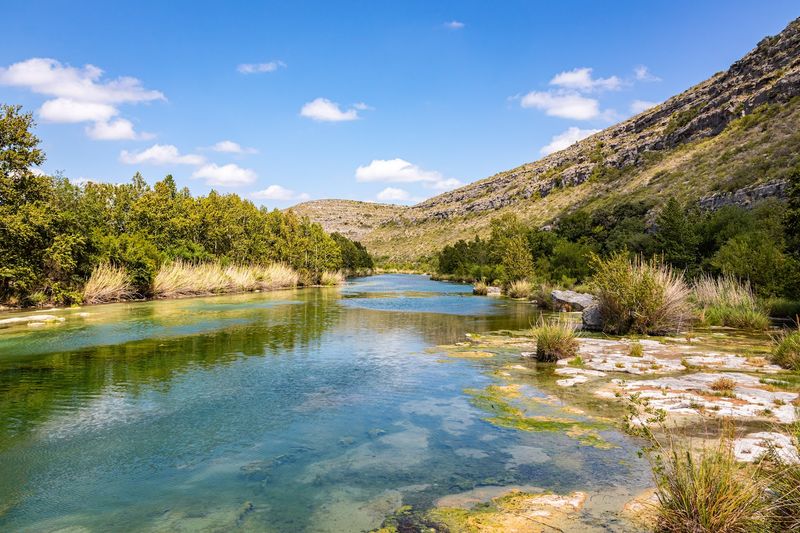
Some of the clearest, most pristine water in Texas flows through this remote natural area, creating a desert oasis that feels almost magical. The Devils River has remained largely unchanged for thousands of years, its spring-fed waters maintaining a constant cool temperature even during scorching summers. Getting here requires commitment—the rough roads and remote location keep casual visitors away, which is exactly what preserves its wild character.
Paddling this river ranks among Texas’s best kayaking and canoeing experiences. The water runs so clear you can see fish swimming below your boat, and the limestone canyon walls tower overhead in dramatic formations. Rapids range from gentle riffles to more challenging sections that require real skill, so know your abilities before launching.
Ancient rock art adorns canyon walls in several locations, created by indigenous peoples thousands of years ago. These pictographs offer haunting connections to the past, though reaching them often requires hiking to remote locations. Respect for these irreplaceable cultural treasures is absolutely essential—look but never touch.
Camping options are primitive and backcountry-style, meaning you’ll need to pack everything in and out. The lack of facilities keeps crowds minimal and preserves the wilderness atmosphere. Stargazing from a riverbank campsite, with the sound of flowing water as your soundtrack, creates memories that last a lifetime.
Wildlife includes everything from river otters to javelinas, though sightings require patience and quiet observation. Bird species are remarkably diverse for such an arid region, thanks to the reliable water source. Golden-cheeked warblers and black-capped vireos, both endangered species, nest in the surrounding habitat during breeding season.
Access requires advance reservations and often a high-clearance vehicle to navigate the rough entrance roads. The natural area doesn’t offer the easy accessibility of developed state parks, but that’s precisely the point. This is wild Texas, preserved in a state that increasingly feels tamed and developed.
Water levels fluctuate with rainfall and spring flow, so check conditions before planning your trip. The best times to visit are spring and fall when temperatures are moderate and water levels typically allow for good paddling.
7. Government Canyon State Natural Area (San Antonio)
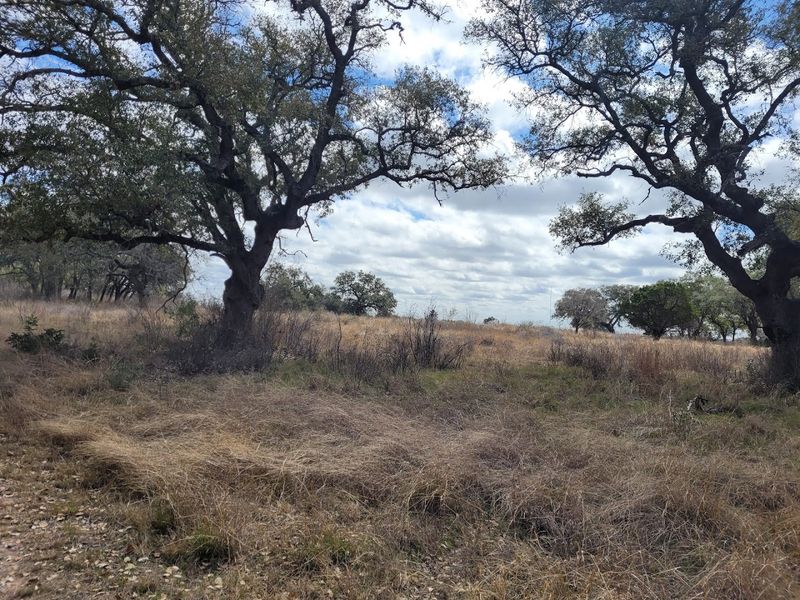
Perched on San Antonio’s northwestern edge, this natural area protects over 12,000 acres of Hill Country habitat while providing a wilderness escape just minutes from the city. The name comes from a historic government survey route, but today it’s all about conservation and recreation. Despite its proximity to a major metropolitan area, the trails here often feel remarkably secluded.
More than 40 miles of trails wind through diverse terrain including limestone canyons, oak woodlands, and grassland savannas. The Sendero Balcones Trail is particularly scenic, offering views across multiple Hill Country ridges. Spring wildflower displays can be spectacular, with bluebonnets, Indian paintbrush, and dozens of other species creating colorful meadows.
The natural area sits atop the Edwards Aquifer recharge zone, making it critically important for San Antonio’s water supply. Several sinkholes and caves dot the landscape, though most are closed to protect sensitive ecosystems and endangered species. The visible karst features provide fascinating glimpses into the limestone geology beneath your feet.
Birdwatching is exceptional year-round, with the endangered golden-cheeked warbler nesting here during spring and summer. This tiny bird travels all the way from Central America just to breed in Texas Hill Country juniper-oak woodlands. Seeing one requires patience and a good ear for birdsong, but it’s a thrill for serious birders.
Mountain biking is permitted on designated trails, offering technical challenges through rocky terrain. The trail system is well-marked and maintained, though you’ll still need to watch for loose rocks and sudden elevation changes. Weekday rides often mean having the trails entirely to yourself.
Guided hikes and educational programs run regularly, covering topics from geology to wildlife tracking. Park naturalists are genuinely knowledgeable and passionate about sharing this special place. The visitor center features excellent exhibits explaining the area’s ecological importance and conservation efforts.
Access is limited to protect the sensitive environment—daily visitor caps mean you’ll need reservations during busy periods. This might seem inconvenient, but it ensures the peaceful, uncrowded experience that makes Government Canyon special. The trade-off is absolutely worth it.
8. Fort Leaton State Historic Site (Presidio)
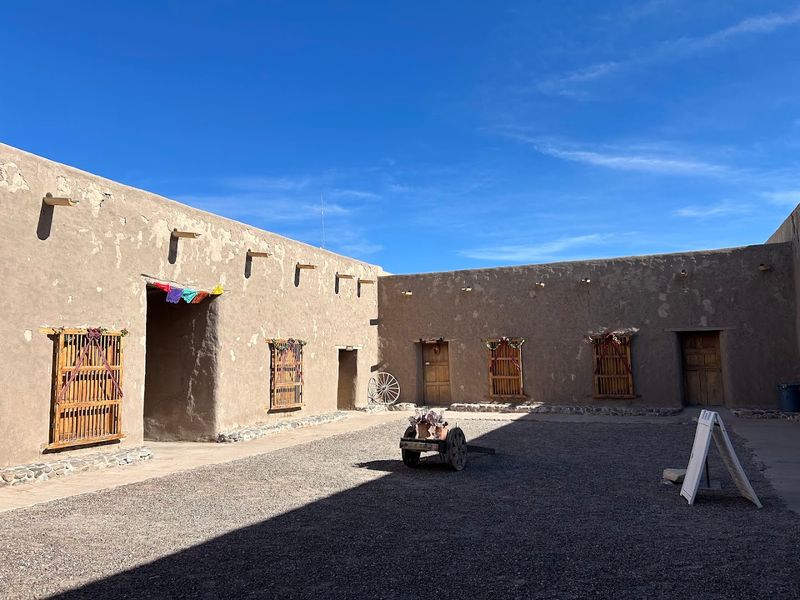
Standing near the Rio Grande in one of Texas’s most remote corners, this massive adobe trading post tells stories of frontier commerce and cross-border connections. Built in the 1840s by trader Ben Leaton, the fort served as a private enterprise rather than a military installation. Today its thick adobe walls and shaded courtyards offer a cool respite from the desert heat while providing fascinating historical insights.
The architecture itself is worth the visit—massive cottonwood beams support earthen roofs, and the rooms open onto central courtyards in traditional Spanish-Mexican style. Walking through these spaces, you can almost hear the echoes of traders, travelers, and families who passed through over the decades. Restoration work has preserved the structure while allowing visitors to explore freely.
Interpretive exhibits explain the complex history of this border region, including trade networks that connected Mexico, Texas, and points beyond. The fort’s location along the Chihuahua Trail made it a crucial stopping point for merchants hauling goods between Chihuahua City and San Antonio. That commerce brought wealth but also conflict and controversy.
The surrounding landscape is pure Chihuahuan Desert—sparse, beautiful, and unforgiving. Mountain ranges rise in the distance across the Rio Grande in Mexico, creating dramatic backdrops for photographs. Desert plants like ocotillo, lechuguilla, and various cacti demonstrate remarkable adaptations to extreme conditions.
Visitor numbers here are typically quite low, giving you plenty of time and space to explore at your own pace. The small visitor center provides context, but much of the experience involves wandering the fort’s rooms and courtyards while imagining frontier life. Benches in shaded areas invite you to sit and soak in the atmosphere.
Nearby Presidio is one of the hottest places in Texas, so timing your visit matters. Late fall through early spring offers the most comfortable temperatures. Summer heat can be dangerous, with temperatures regularly exceeding 110 degrees.
Combining Fort Leaton with nearby Big Bend Ranch State Park makes for an excellent West Texas adventure. The two sites complement each other perfectly—one showcasing human history, the other emphasizing natural landscapes.
9. Resaca de la Palma State Park (Brownsville)
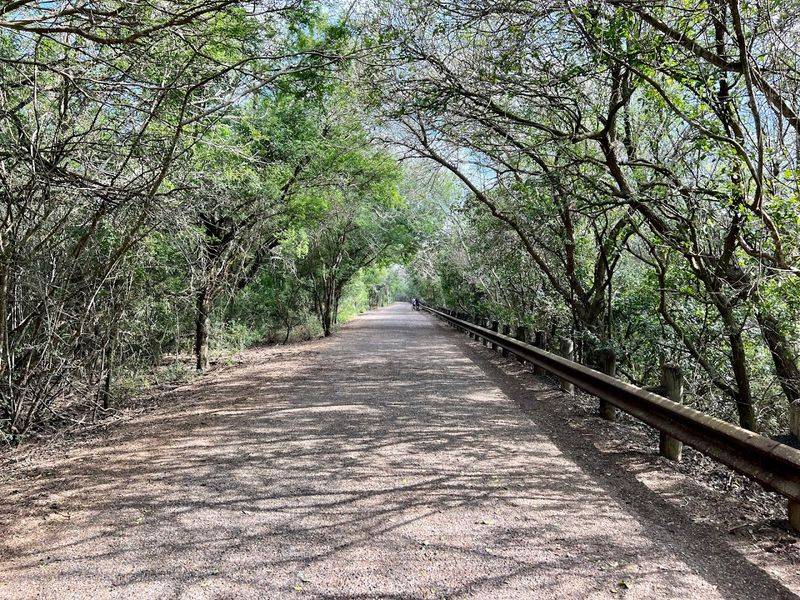
Down in the Rio Grande Valley where Texas meets Mexico, this park protects one of the last remaining examples of native Tamaulipan thornforest. The landscape here looks nothing like what most people picture when they think of Texas—dense subtropical vegetation, palm trees, and winding resacas (old river channels) create an almost tropical atmosphere. Yet despite being right next to Brownsville, the park sees relatively few visitors compared to its ecological significance.
The World Birding Center trail system winds through diverse habitats including wetlands, forests, and grasslands. Over 500 bird species have been recorded in the Rio Grande Valley, and this park provides prime habitat for many of them. Green jays, plain chachalacas, and great kiskadees are common sightings that would be rare or impossible elsewhere in the United States.
Kayaking and canoeing the resacas offers a unique perspective on this ecosystem. Paddling through these calm waterways, you’ll spot turtles, fish, and wading birds while being surrounded by lush vegetation. The water rarely moves quickly, making this ideal for beginners or anyone seeking a peaceful paddle.
Several observation platforms and photo blinds are strategically placed along the trails, perfect for wildlife watching without disturbing the animals. Early morning visits during spring migration can be absolutely phenomenal, with warblers, tanagers, and other neotropical migrants fueling up before continuing north. Butterfly diversity is equally impressive, with species found nowhere else in the country.
The park’s location in one of the fastest-growing regions of Texas makes its conservation role even more critical. Development has consumed much of the Valley’s native habitat, making protected areas like this increasingly precious. Walking these trails, you’re experiencing ecosystems that once covered hundreds of thousands of acres.
Summer heat and humidity can be intense, though the shade provided by dense vegetation helps. Winter is actually prime visiting season, with comfortable temperatures and excellent birding. The park offers both guided nature walks and self-guided exploration options.
Bring insect repellent—mosquitoes can be fierce, especially near the water. Long sleeves and pants are recommended despite the warm climate.
10. Kickapoo Cavern State Park (Brackettville)
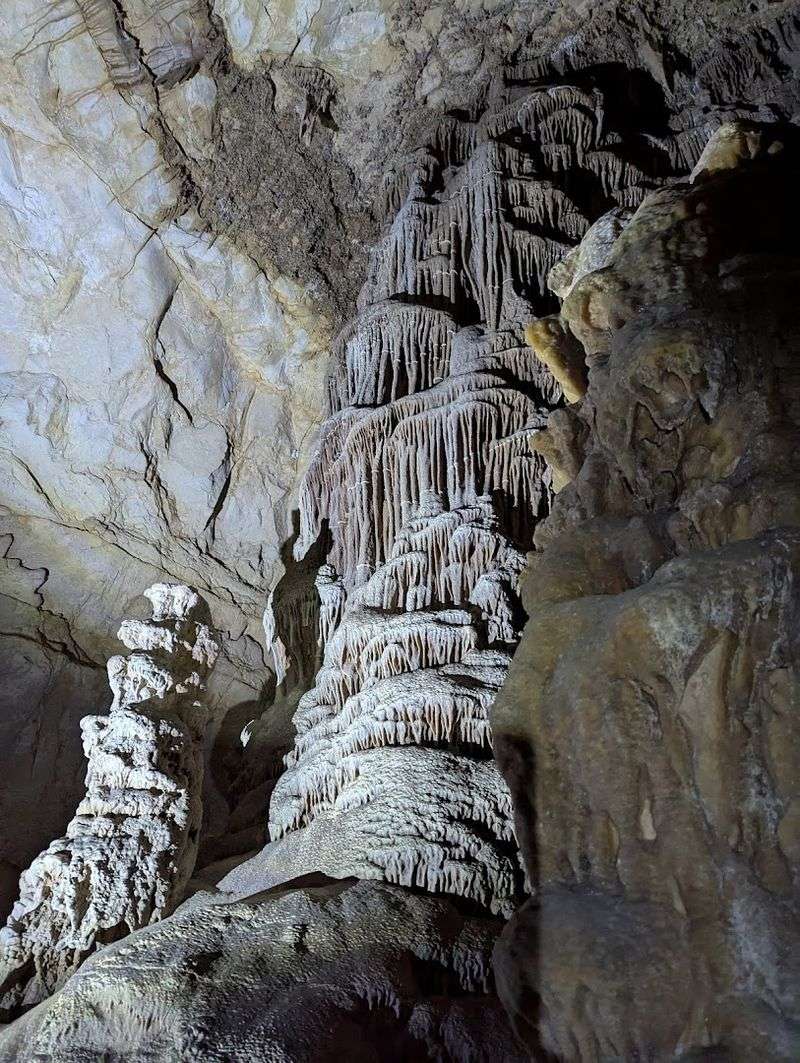
Sixteen caves honeycomb the limestone beneath this remote park, though only a couple are open for guided tours. The main cavern features stunning formations including stalactites, stalagmites, and flowstone that have developed over millions of years. But caves aren’t the only attraction here—the surface landscape of juniper-oak savanna and rocky canyons provides excellent hiking through classic Hill Country terrain.
Access requires advance planning since the park operates on a reservation-only basis with limited hours. This keeps visitor numbers low and protects both the caves and the endangered bat species that roost within them. The small group tours mean personalized attention from knowledgeable guides who share fascinating details about cave geology and biology.
Above ground, more than 20 miles of trails traverse varied terrain with names like Coyote Trail and Bluff Trail hinting at what you might encounter. The landscape is rugged and authentic, without the manicured feel of more developed parks. You’ll need to watch your footing on rocky sections, but the solitude and scenery make it worthwhile.
Wildlife includes white-tailed deer, javelinas, and numerous bird species adapted to semi-arid conditions. Roadrunners are frequently spotted darting across trails, and various hawk species soar overhead. The park’s remote location means animals are less habituated to humans, so sightings feel more genuinely wild.
Camping is primitive and backcountry-style, requiring you to hike to your campsite and pack out all trash. This keeps the experience authentic and the landscape pristine. Stargazing from a remote campsite, far from any light pollution, reveals the night sky in all its glory.
The cave tours themselves are moderately strenuous, requiring you to navigate uneven surfaces and sometimes tight passages. It’s not a walk-through commercial cave with paved paths and handrails. This raw experience appeals to adventurous visitors seeking something beyond typical tourist attractions.
Spring and fall offer ideal visiting conditions with moderate temperatures and active wildlife. Summer heat can be challenging, while winter occasionally brings surprisingly cold weather. The park’s elevation and exposed terrain mean weather can change quickly, so come prepared with layers.
11. Cypress Bend Park (New Braunfels)
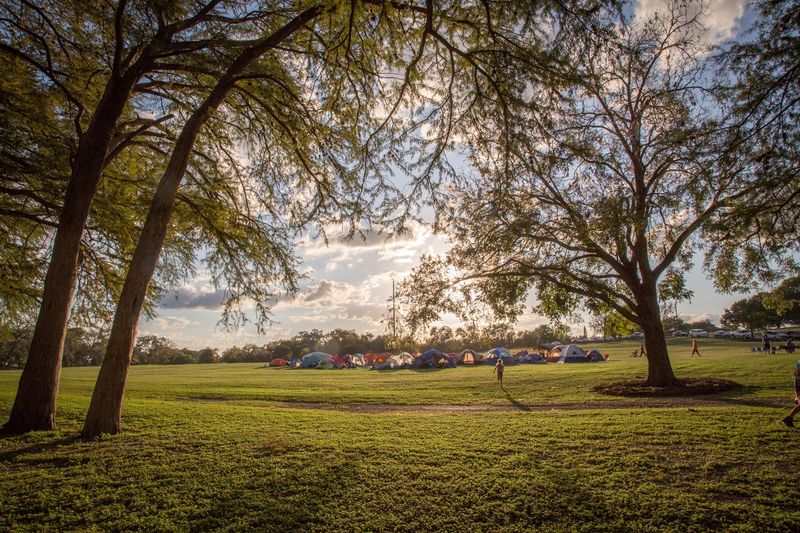
While thousands of tubers and swimmers crowd the popular stretches of the Guadalupe River each summer, this quieter park offers a more contemplative river experience. Ancient bald cypress trees line the water’s edge, their distinctive knees poking up from the shallows and roots creating intricate patterns. The park’s name is perfectly descriptive—the river literally bends through a grove of these magnificent trees.
Hiking trails wind along the riverbank and through upland areas, providing varied perspectives on the local ecosystem. The River Trail is especially scenic, following the Guadalupe’s curves while passing under the shade of massive cypress and pecan trees. Spring wildflowers add splashes of color, while fall brings migrating birds stopping to rest along the river corridor.
Fishing from the bank can be productive, with bass, catfish, and sunfish all present in good numbers. The river’s flow is usually gentle here, making it family-friendly for wading or launching kayaks. You won’t find the party atmosphere of nearby tube rental spots—this is more about peaceful connection with the river.
Picnic areas are scattered throughout the park, many offering shade and river views. It’s an ideal spot for a quiet lunch or lazy afternoon with a book. The sound of flowing water creates natural white noise that helps you truly relax and unwind.
Bird diversity is impressive thanks to the mix of river, woodland, and grassland habitats. Kingfishers rattle along the water’s edge, herons stalk the shallows, and songbirds fill the trees with music. Patient observers might spot river otters or beavers, though these are less common.
The park’s location in New Braunfels means it’s easily accessible, yet somehow it doesn’t draw the massive crowds that pack other local attractions. Perhaps the lack of extreme thrills keeps the masses away, or maybe it’s simply flying under the radar. Either way, it offers a refreshing alternative to the commercial river experience.
Visit on weekdays if possible for maximum solitude, though even weekends rarely feel overcrowded. The cypress trees alone are worth the trip—these ancient giants create a cathedral-like atmosphere that inspires quiet reverence for nature.