Independent bookstores come in all shapes and sizes, but few have carved out a mission quite like Loudmouth Books in Indianapolis. Known for its thoughtful selection of banned and challenged books, inclusive voices, and community-focused atmosphere, this distinctive shop has become a destination for readers looking beyond the typical bestseller lists.
Every shelf reflects a commitment to literary freedom, diverse perspectives, and the power of storytelling. Whether you’re searching for a frequently challenged classic, a contemporary title sparking conversation, or simply a bookstore with a strong sense of purpose, Loudmouth Books offers an experience that stands apart.
A Storefront That Declares Its Position
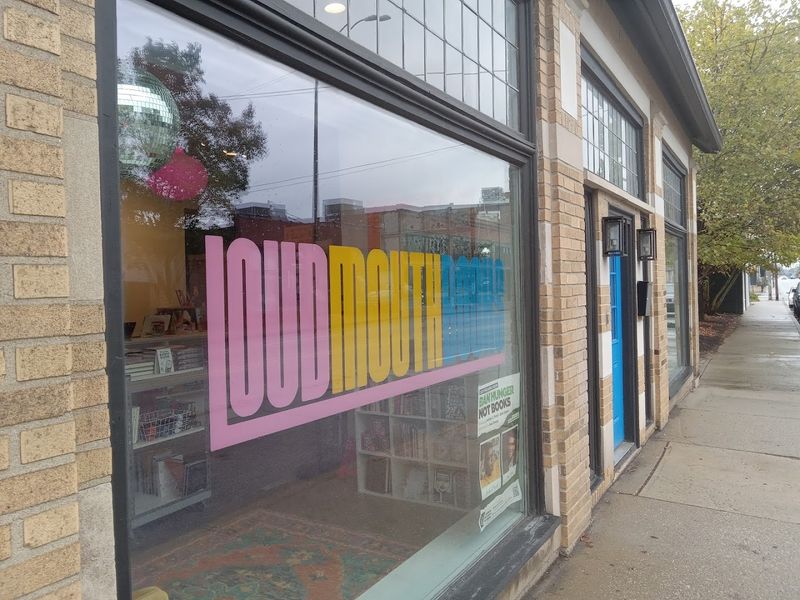
Loudmouth Books does not hide behind vague branding or soft neutrality. Even before you start scanning spines, the shop signals that books here are chosen with intention, and that clarity gives the whole visit a stronger pulse.
You are not wandering into a generic indie store built around candles, puzzles, and a polite stack of seasonal hardcovers.
The setting on East 16th Street adds to that snap. This part of Indianapolis mixes neighborhood calm with city energy, so arriving here feels less like entering a retail corridor and more like finding a place that belongs to nearby readers.
The storefront fits the street instead of overpowering it, which makes the mission inside hit harder once you cross the threshold.
There is also a useful contrast at work. The space comes across as approachable rather than intimidating, yet the identity is unmistakably outspoken, especially for anyone seeking books that are frequently challenged, removed, or debated elsewhere.
That combination matters because it lowers the barrier for curious browsers while still making room for serious literary and political stakes.
Plenty of bookstores want to be everything to everyone, and the result can feel blurry. Loudmouth Books is more interesting because it knows what it wants to champion, including marginalized voices and stories that often face organized pushback, while still functioning as a practical neighborhood bookshop.
You can walk in for one title and quickly realize the real draw is the confidence of the whole place, right there at 212 E 16th Street.
The Shelf Where Challenged Stories Get Their Due
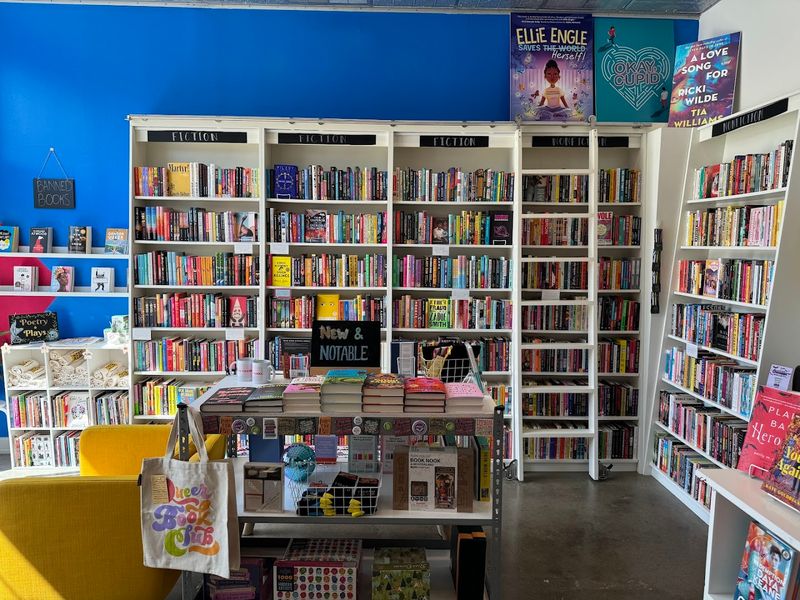
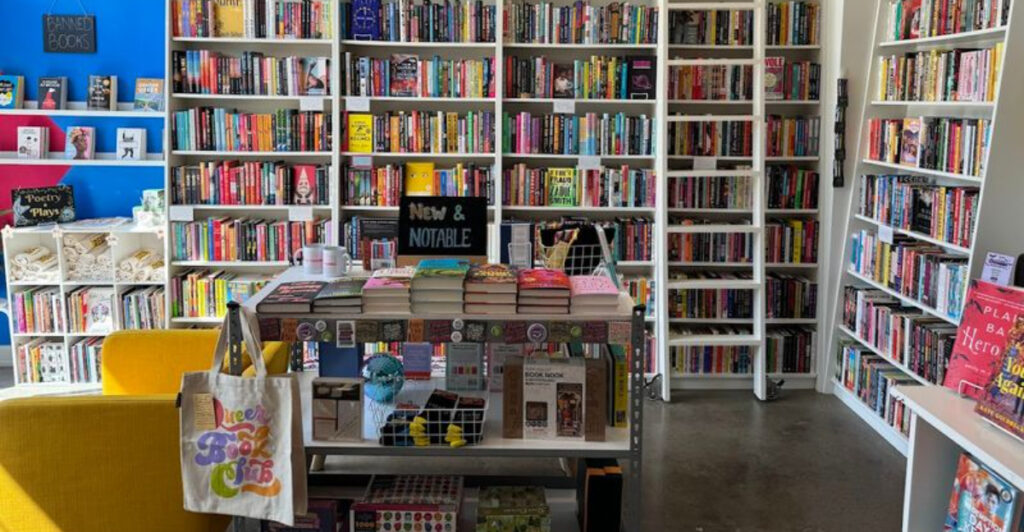
The core attraction at Loudmouth Books is not simply that banned or challenged books are available. It is the way those books are folded into the store’s larger identity, treated as living literature rather than controversy props, and presented beside a wider range of fiction, nonfiction, romance, children’s titles, and social justice reading.
That difference changes the experience from a novelty hunt into actual discovery. Instead of making challenged literature feel isolated behind a headline, the curation suggests context.
A reader can move from a frequently contested classic to contemporary work by BIPOC and LGBTQ+ authors, then into books for younger readers that widen perspective early, without ever feeling pushed through a lecture.
The shelves invite connections, which is far more powerful than a single dramatic display with no follow through. That approach also explains why the store resonates with people looking for books that have been restricted elsewhere. The point is not only access, though access matters.
The point is seeing those stories treated with seriousness, care, and ordinary shelf dignity, as if the bookstore is restoring a basic cultural function that should never have become controversial in the first place.
If you arrive with a title already in mind, there is a good chance you will leave with a stack shaped by association and curiosity. One challenged book leads to another author, then to a kids’ selection, then to a backlist surprise you had not planned to buy at all.
Loudmouth Books turns the banned-books conversation into a richer reading experience, and that is exactly why the selection lands with more force than a slogan ever could.
Selections With Range, Not Randomness
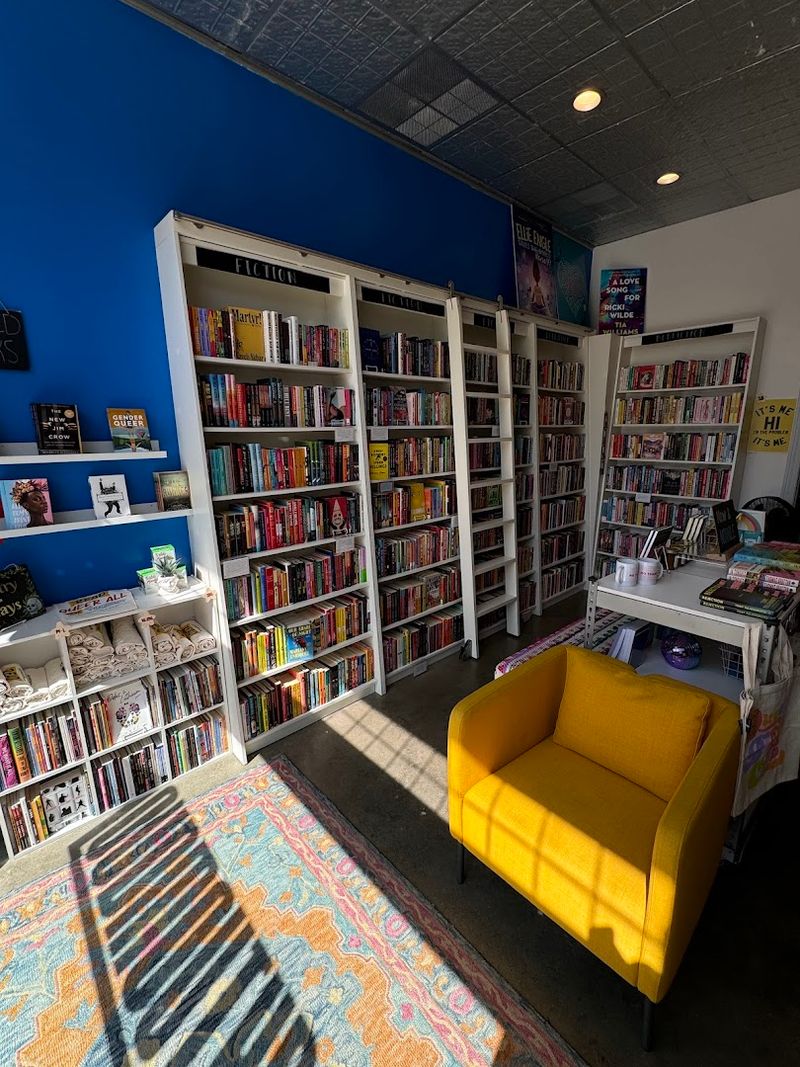
A lot of small bookstores advertise curation when they really mean limited inventory. Loudmouth Books reads differently because the selection appears shaped by point of view, not by whatever happened to arrive in a distributor catalog that week.
You can sense that in the spread of genres, the attention to backlist titles, and the steady emphasis on writers whose work is too often sidelined in larger retail spaces.
The children’s and young adult sections are especially important here. When a store puts care into those shelves, it is making an argument about who gets to encounter expansive stories early, and Loudmouth Books appears to understand that responsibility.
Books for younger readers are not treated like filler while the serious grown-up literature sits elsewhere with all the prestige.
Adult readers get range too, including fiction, nonfiction, romance, activism-centered titles, and work tied to Black history, queer identity, and broader social questions. That variety keeps the shop from becoming predictable.
A narrowly branded bookstore can flatten into a single talking point, but this one keeps opening new lanes as you move from shelf to shelf.
The effect is practical as much as ideological. You do not need to arrive as a specialist in challenged literature or independent publishing to find your footing here.
The store works for the person hunting one famous title, the parent seeking better options for a child, the serious reader chasing overlooked voices, and the browser who simply wants recommendations that break out of the usual algorithm. In Indianapolis, that kind of disciplined range gives Loudmouth Books an edge that is easy to notice and hard to fake.
A Small Floor Plan With Big Community Energy
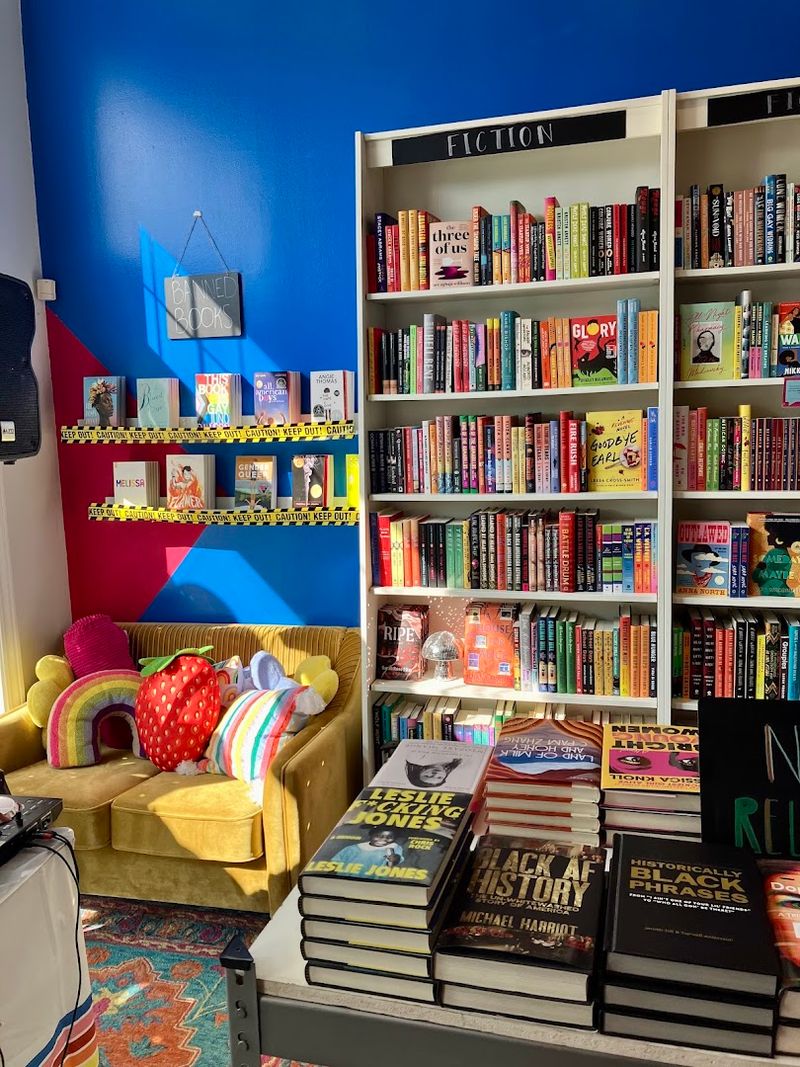
Loudmouth Books is not a sprawling warehouse of endless aisles, and that smaller footprint shapes the visit in useful ways.
The room asks you to browse with attention, to turn your body toward displays instead of racing past them, and to notice books that might disappear in a larger store’s visual noise. Compact does not mean cramped by design, but it does mean the energy stays close and personal.
That intimacy pairs well with the kind of bookselling the shop is known for. Helpful recommendations land differently in a space where staff are part of the browsing rhythm rather than distant figures posted behind a counter.
When a bookseller points you toward a title, it feels like an active handoff inside a living room for serious readers, not a transaction managed from across a big retail floor.
The merchandising deepens that sense of personality. Beyond books, the store carries items like totes, stickers, and shirts tied to reading culture and social movements, which reinforces the identity of the place without drowning it in novelty.
These details matter because they extend the argument of the shelves into objects that readers can carry out into daily life.
There is one practical note worth knowing before you go. Older, smaller spaces can present movement challenges depending on crowd level, so the easiest visit may be one chosen with a little timing awareness rather than a spontaneous rush-hour stop.
Even with that limitation, Loudmouth Books uses its scale well, keeping the shop organized, visually clear, and animated by the kind of human contact that larger bookstores often spend a fortune trying to imitate.
Where Indiana Readers Meet Authors Face to Face
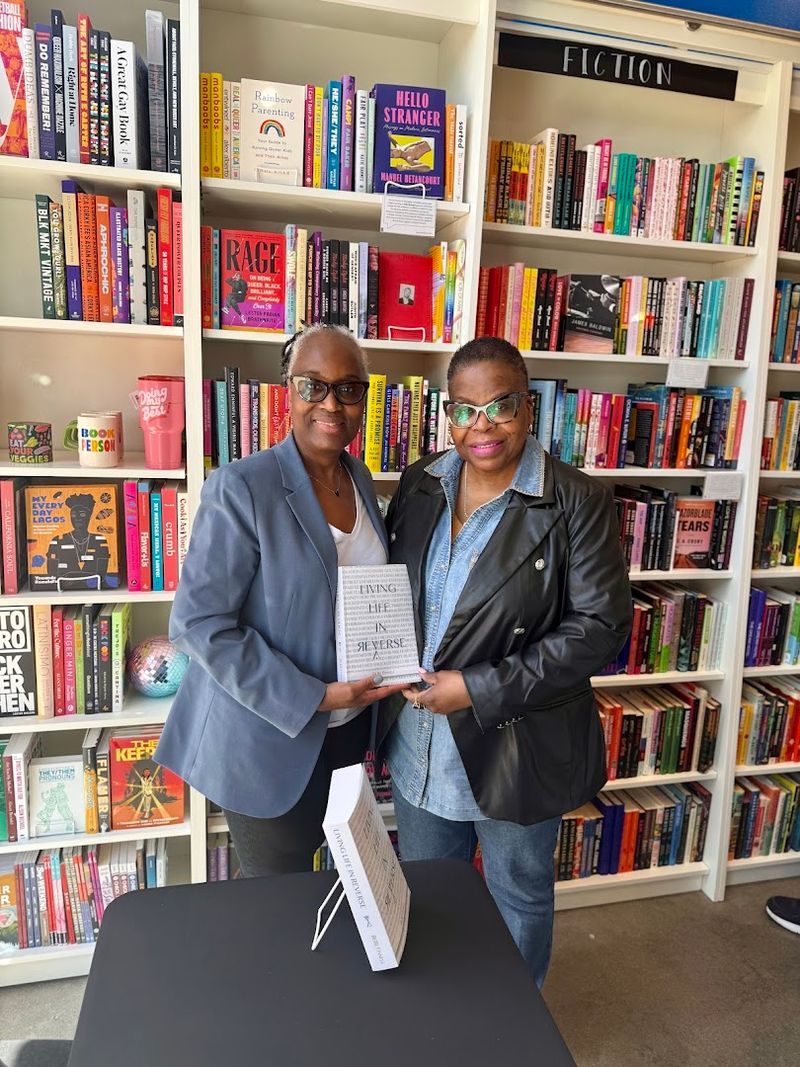
A strong bookstore sells books. A stronger one gives those books a public life after they leave the shelf, and Loudmouth Books appears to do exactly that through book clubs, author events, and direct community engagement.
That programming matters because it turns reading from a private purchase into an ongoing local conversation, which is especially valuable in a store centered on challenged literature and underrepresented voices.
Author talks in a space like this do more than fill a calendar. They create a direct line between writers and readers, allowing new work to arrive with context, urgency, and personality that online retail can never supply.
For debut authors, local writers, or readers trying to move beyond the national publicity machine, that kind of event can reshape how literary culture actually functions in a city.
Book clubs widen the effect. A monthly gathering around varied selections means the store is not only recommending titles but also building habits of return, discussion, and collective attention.
In a cultural moment when challenged books are often reduced to slogans in political fights, sustained conversation is one of the most useful things a bookstore can offer.
This is where Loudmouth Books becomes more than a retail stop on a Saturday errand list. Its role in Indianapolis appears tied to creating a welcoming place for readers who want ideas, disagreement, perspective, and discovery without the sterile feeling of an institution speaking down to them.
You come for books, but the larger draw is the chance to encounter a reading community in motion, with real people, real events, and shelves that continue the discussion long after the folding chairs are put away.
How to Browse Loudmouth Books Without Rushing It
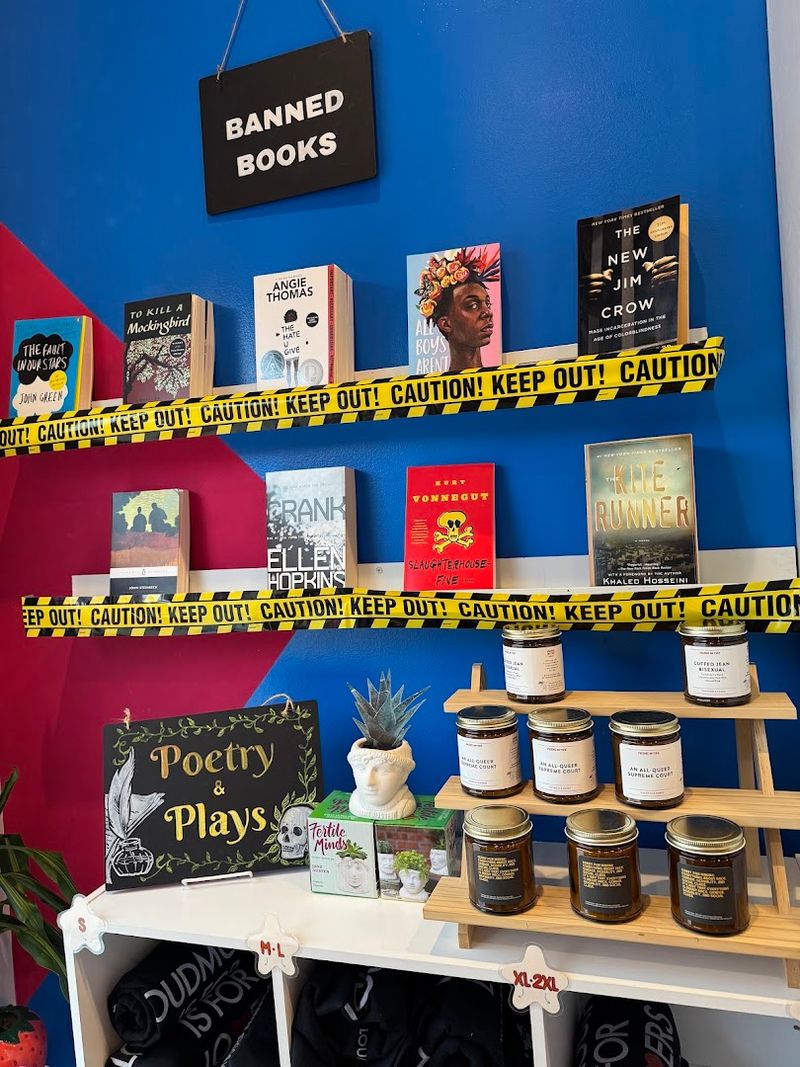
The best way to experience Loudmouth Books is to treat it like a focused browse, not a speed run. Because the shop is compact and carefully curated, the visit rewards patience more than coverage, and you will get more from the shelves by moving slowly enough to notice the links between displays, genres, and featured authors.
A rushed lap can miss the real structure of the selection. Start with whatever pulled you in first, especially if it is the banned-books angle, then let the store redirect you.
That first title often opens a trail toward adjacent work, whether that means a contested classic, a contemporary novel by a marginalized writer, a sharp nonfiction pick, or a children’s book that broadens the conversation for younger readers.
Loudmouth Books works best when curiosity is allowed to outrun the shopping list. Timing helps. Hours are consistent through most of the week, with doors generally opening at 11 AM and Sunday running a slightly shorter day, so planning an earlier visit can make browsing easier in a smaller space.
Nearby side-street parking has also been noted as a practical plus, which lowers the usual friction that can come with urban independent bookstores.
If you like talking books, this is a place to use that advantage. Asking for a recommendation is not an admission that you came unprepared.
It is one of the smartest ways to unlock a curated shop where the staff’s knowledge can connect your interests to titles you would never have typed into a search bar. Give yourself time, leave room in the tote bag, and expect the stack in your hands to change shape at least twice before checkout.
Why This Indianapolis Bookstore Stands Apart
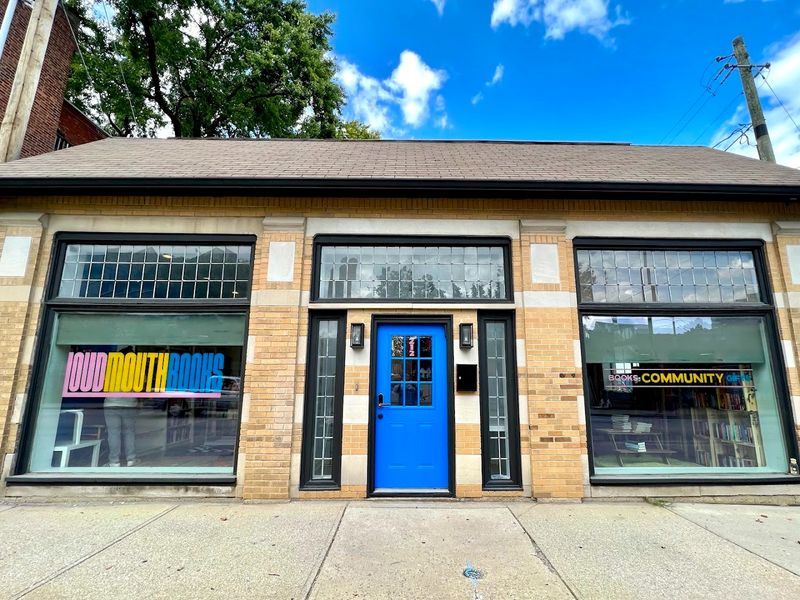
Loudmouth Books stands apart because it combines a clear cultural stance with the everyday pleasures of a very good neighborhood bookstore. That sounds simple, but it is harder than it looks.
Plenty of places can assemble a relevant display table, and plenty of places can be cozy, yet far fewer manage to make mission, curation, and ordinary browsing reinforce one another this cleanly.
The bookstore’s strength is not volume. It is precision. You see it in the attention given to challenged books, in the support for BIPOC and LGBTQ+ authors, in the balance between adult and younger readers’ shelves, and in the events that keep the store connected to Indianapolis literary life rather than frozen as a static backdrop for shopping.
Its location contributes to the experience too. On East 16th Street, the shop fits into the city as a local place with a specific voice instead of a polished destination built mainly for visitors.
Out-of-towners can absolutely make it a stop, but the more compelling angle is that Loudmouth Books appears rooted in the needs of actual readers who want books, guidance, discussion, and a space that does not pretend neutrality is the highest form of service.
If you are choosing one independent bookstore in Indianapolis and want more than a photogenic corner and a few trendy covers, this is the sharper pick.
Loudmouth Books gives challenged literature real shelf space, gives underrepresented writers meaningful visibility, and gives readers a store with enough conviction to be memorable without becoming self-important.
In a city full of places competing for attention, that combination of clarity, warmth, and editorial purpose is what gives this bookstore its lasting force.
Share this story