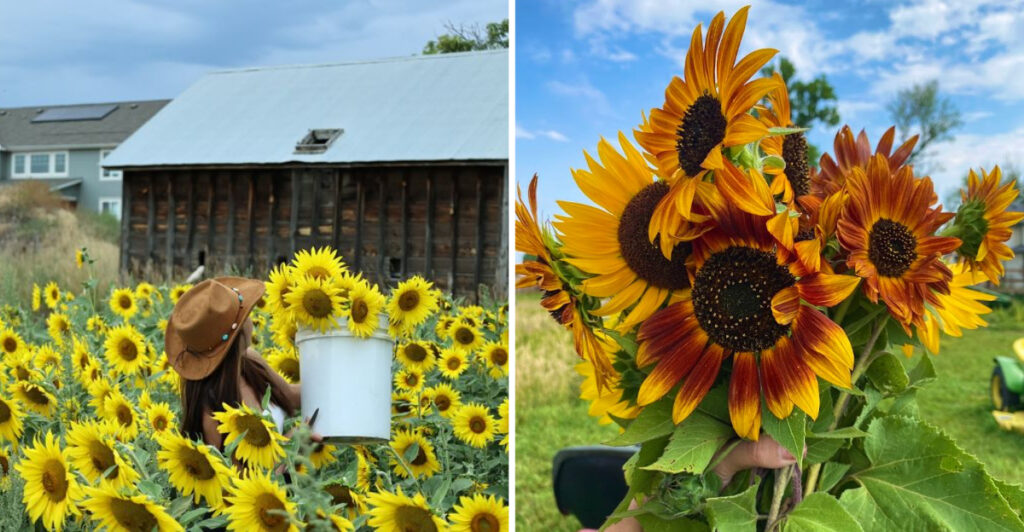
Colorado is filled with seasonal attractions, but few offer the simple charm of wandering through a massive sunflower field without paying an admission fee. The Bee Hugger in Longmont has become a favorite late-summer destination thanks to its vibrant sunflower blooms, picturesque farm setting, and family-friendly atmosphere.
Visitors can stroll among rows of bright yellow flowers, snap photos, meet farm animals, and enjoy a relaxed experience that feels far removed from crowded tourist attractions. What begins as a quick stop often turns into a leisurely afternoon. If you’re searching for a memorable Colorado sunflower destination, this hidden gem deserves a place on your list.
A Sea of Sunflowers Off Ute Highway
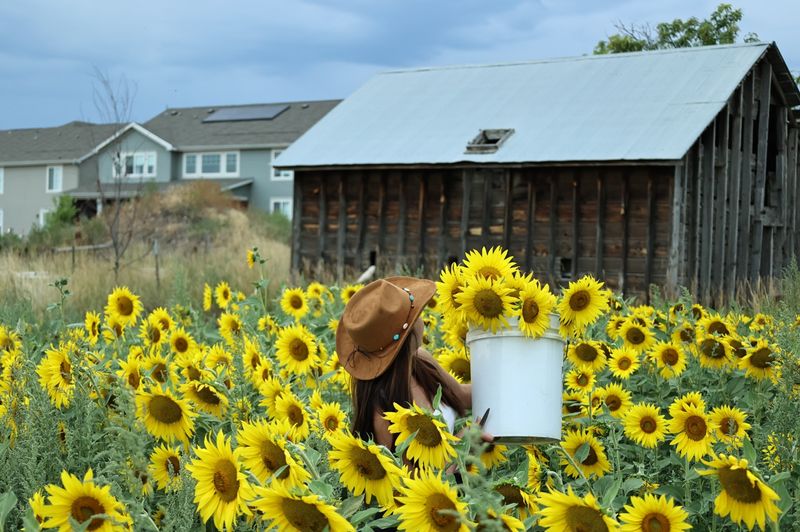
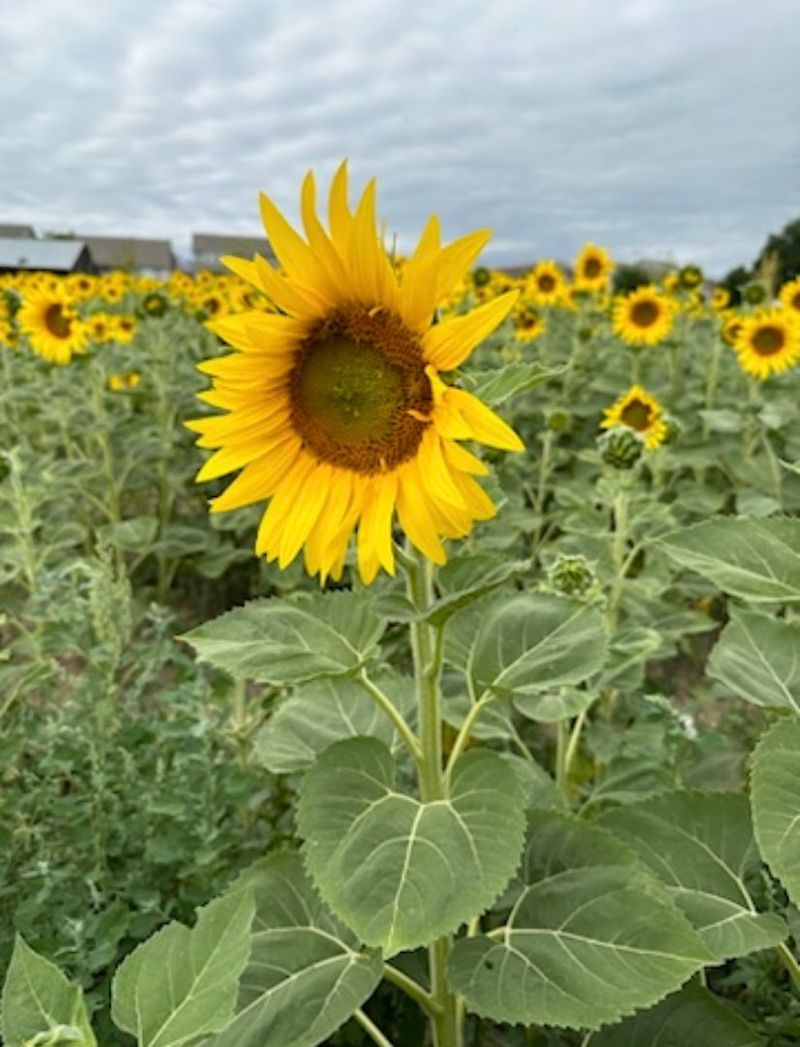
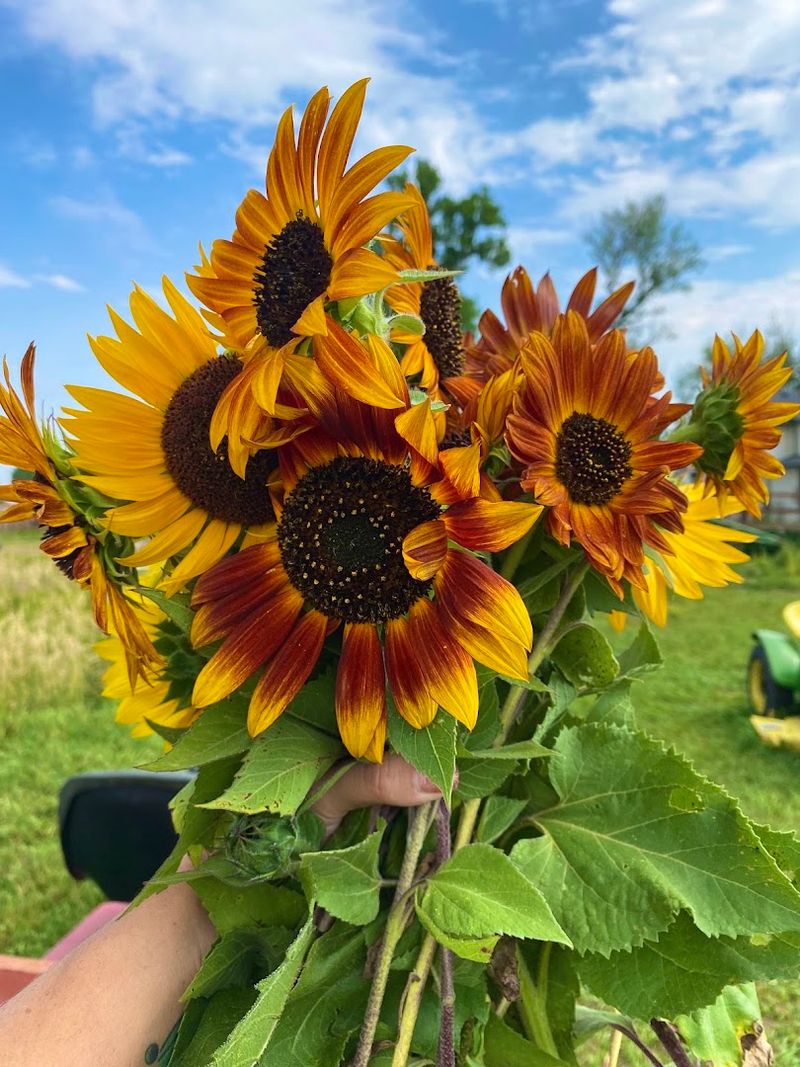
Ute Highway does not exactly prepare you for this burst of color. Then the sunflowers appear, tall and packed close, turning a working honey farm outside Longmont into a late-summer scene that looks oversized even before you step out of the car.
The fact that there is no admission fee changes the mood right away, because the place feels open, casual, and easy to enter instead of staged.
That freedom shapes the whole visit. You can wander, pause for photos, look toward the mountains, and let the farm reveal itself at a slower pace than a ticketed attraction usually allows.
There is a donation box, and that detail fits the overall rhythm here: come in, enjoy the fields respectfully, and support the farm if you want to help keep the experience going.
The sunflowers are the headline, but the setting gives them extra punch. Rustic fencing, open sky, old farm structures, and the everyday movement of a honey farm keep the scene grounded, so the blooms do not read like a decorative backdrop dropped into the countryside.
They feel rooted in place, which makes the color pop even more. For photographers, families, and anyone chasing one strong Colorado afternoon, that combination works beautifully.
The field offers scale, the farm offers texture, and the lack of an entry charge removes the usual pressure to hurry and get your money’s worth. Instead, you can focus on the simple part: sunlight, flowers, and a little room to breathe.
That is a rare setup along the Front Range. Plenty of seasonal attractions advertise sunflower moments, but not many pair big visual payoff with a low-key, self-guided farm visit that stays approachable from the start.
Even on a busy weekend, the experience can still feel more neighborly than commercial, which is a big part of the appeal.
More Than a Flower Stop for Kids
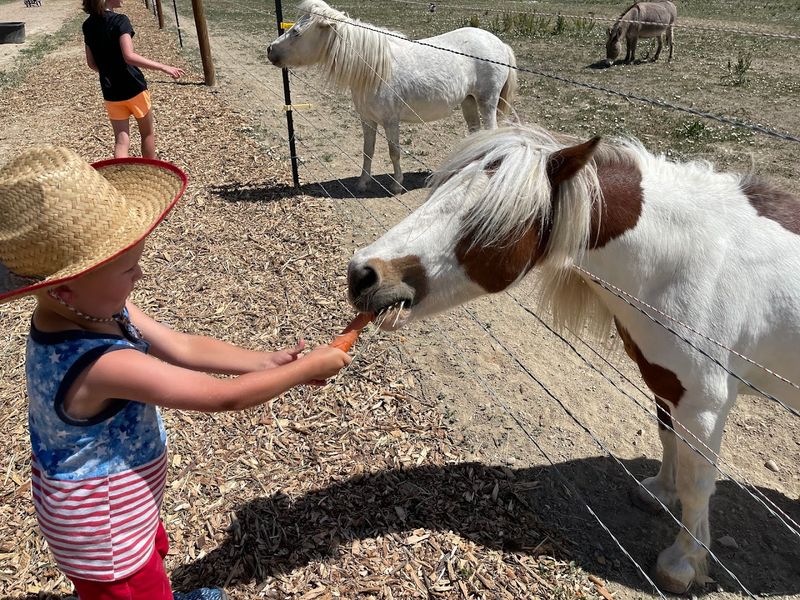
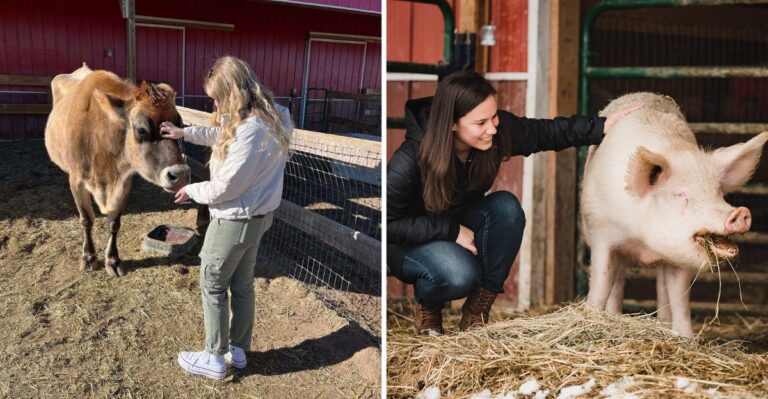
Once the sunflower photos are handled, the farm shifts into a different kind of fun. Goats, donkeys, chickens, ducks, and other animals turn the visit into a loose, self-guided roam, where a kid can move from admiring flowers to feeding a fence line animal in a matter of minutes.
That variety is important, because it keeps the place from being a one-note seasonal stop. The layout encourages motion instead of bottlenecks.
There are old tractors and rustic play elements that give children a reason to climb, pretend, and burn energy while adults keep one eye on the fields and another on the farmyard action.
At The Bee Hugger, the visit does not depend on a strict itinerary to stay interesting. Animal feed and small extras are available in ways that match the farm’s honor-system spirit, so the experience can stay inexpensive or expand a little depending on your mood.
Some families come mainly for the animal encounters, others for the photo backdrop, and plenty of people end up doing both because the transition between them is so easy. You are not choosing between a flower field and a small farm outing here.
That mix also broadens the appeal beyond parents with toddlers. Couples can browse honey, grandparents can sit back and watch the commotion, and anyone with even mild nostalgia for old farm equipment will probably pause near the tractors longer than expected.
The place stays active without feeling hectic, which is harder to pull off than it looks. In practical terms, that means more value from a free visit.
Even if sunflower season is the reason for the drive, the animals and play areas give the farm enough range to fill an unhurried hour without forcing entertainment. It reads less like an attraction and more like a flexible afternoon.
The Honey Farm Side of the Visit
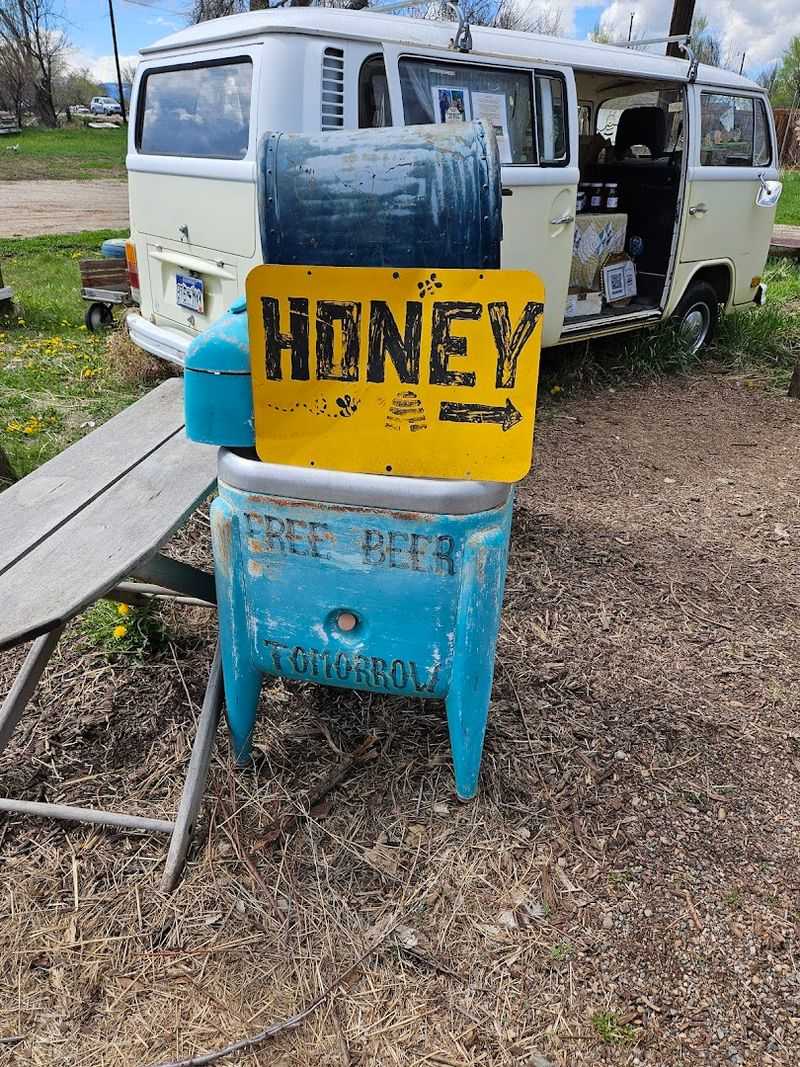
For all the sunflower attention, The Bee Hugger is still a honey farm first, and that changes how the property reads. The flowers are not random decoration beside a roadside stop.
They sit within a place centered on bees, pollination, and products that connect the visit back to the land in a concrete way.
That becomes clear around the honey and beeswax goods, where the experience shifts from visual to edible. Jars of local honey, comb, pollen, candles, and skincare turn the outing into more than a walk-through photo stop, because you can leave with something that carries the farm’s identity home.
Even a quick browse adds context to everything outside. Instead of treating retail as an afterthought, the farm folds it naturally into the visit.
After watching animals, scanning the sunflower rows, and taking in the weathered textures around the property, tasting or buying honey suddenly makes perfect sense.
It completes the story of why this place exists and why the fields are only one chapter. There is also a practical charm to the self-serve style noted by many return visitors.
It keeps the transaction simple, matches the casual pace of the grounds, and reinforces the sense that this is a farm opening itself up rather than a themed venue trying to upsell every corner.
That distinction matters when so many seasonal destinations feel overproduced. If you arrive thinking only about flowers, the honey side of the experience broadens the trip.
A bouquet is nice, but a jar of floral, local honey or a beeswax candle gives the farm a second life once you are back home, long after the dust from Ute Highway has settled. That kind of souvenir tells you more about the place than a generic gift shop trinket ever could.
How to Time a Visit to This Colorado Farm
Timing matters here more than at a standard farm market, because The Bee Hugger changes character with the season and even with the hour.
Sunflower visits hit differently in bright late morning than they do in softer evening light, and the farm’s self-guided setup means your experience depends partly on arriving with the right expectations.
This is not a tightly choreographed attraction with staff leading every step. The listed hours run daily from morning into early evening, which gives you room to plan around weather, naps, or a casual drive out from Boulder County or the northern Denver suburbs.
Still, it helps to treat the farm like a rural place with its own rhythm. Some optional activities happen on set schedules, so showing up informed makes the day smoother.
That flexibility is one of the best parts of visiting this Colorado farm. You can keep the outing short and spontaneous, or you can stretch it into a slower browse with animal feeding, honey shopping, and time in the sunflower rows.
The property works especially well for people who prefer light structure over a packed agenda. Practical details matter too.
Bringing cash or a payment option that matches the farm’s informal system can save hassle, and closed-toe shoes make more sense than fashion-first footwear when dirt, gravel, and farm surfaces are part of the setting.
If small children are coming along, active supervision is the smart approach around animals, equipment, and rustic features. Put all of that together and the visit gets easier to enjoy.
Arrive ready for a real farm, not a polished amusement zone, and the place makes far more sense, especially when the sunflower fields are in season and the mountain light starts doing its usual Colorado magic. A little planning pays off once the wandering starts.
Rustic Longmont Character You Cannot Fake
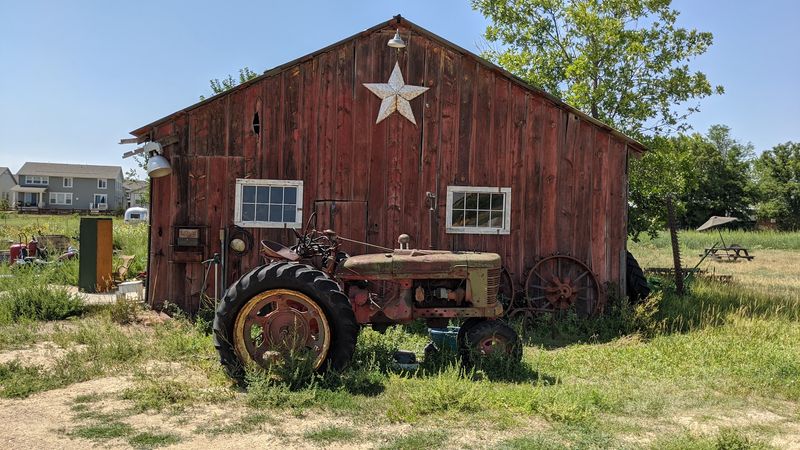
One of the most distinctive things about The Bee Hugger is that it does not try to sand down its rural edges. The property leans into weathered barns, older equipment, fencing, and a lived-in farmyard look that would be edited out of a more polished venue.
Here, that roughness is part of the identity, and it tells you this place values character over cosmetic perfection. That matters in Longmont, where agricultural history is not abstract background but part of the landscape’s daily language.
The farm presents itself as rustic rather than resort-like, and that choice affects how the sunflower fields register. Instead of floating in a pristine event space, they rise out of a setting that still looks tied to work, animals, and seasons.
There is also a community-minded streak running through the whole visit. A free-entry model, donation-based support, self-guided exploration, and locally produced honey all point toward a place built around participation more than spectacle.
You are invited to engage with the farm on its terms, which gives the experience a grounded, neighborhood quality.
That local energy helps explain why the farm has become a repeat stop for many Front Range families. It can be a quick detour, a tradition on the drive through Longmont, or a seasonal outing timed to flowers or pumpkins without needing a major production around it.
The scale stays approachable, and the farm never seems to confuse simplicity with lack of purpose. In a region full of destinations competing to be bigger, newer, or more heavily programmed, The Bee Hugger stands out by staying personal.
The sunflowers may catch your eye first, but the farm’s real signature is the way it preserves a homespun, community-facing style that bigger attractions usually leave behind. That choice gives the place unusual staying power.
Why Free Entry Actually Matters
The best way to do The Bee Hugger is to resist the urge to rush straight to the sunflowers, grab a few photos, and leave. This place rewards a slower lap.
Start with the fields when the light is good, then wander toward the animals, pause by the tractors, and end with honey so the visit unfolds like a small rural afternoon instead of a checklist.
That pacing lets each part of the farm do a different job. The flowers deliver scale and color, the animals bring motion and unpredictability, and the farm goods tie the whole outing back to bees and local production.
By the time you head out, the experience reads as more complete than a simple roadside photo stop. It also helps to notice what the farm is not trying to be.
There is no glossy entrance sequence, no heavy entertainment packaging, and no pressure to buy a ticket before you discover whether the place suits your day. That low barrier makes spontaneity possible, which is increasingly rare around scenic seasonal attractions.
For Colorado families, casual day-trippers, and anyone who prefers places with a little texture, that simplicity is the hook. The Bee Hugger offers a broad enough mix to keep different ages occupied, yet the farm remains compact enough to feel manageable.
You can show up for flowers and still leave talking about a donkey, a jar of cinnamon creamer honey, or a child who suddenly became very serious about an old tractor seat.
That is why this Longmont stop stands apart. Free admission gets attention, but the stronger story is how much personality fits inside that easy entry point: big sunflower views, a working honey-farm identity, and a laid-back setup that makes room for curiosity. Few places balance all three so neatly.
Share this story