Nashville’s Opry Mills sits on land that once thrilled visitors with roller coasters and carnival rides. Today, the massive shopping center carries that same spirit of fun, just with a whole lot more air conditioning.
What started as an amusement park has transformed into one of Tennessee’s most popular indoor destinations, blending retail therapy with family entertainment in a way that keeps both tourists and locals coming back for more.
The surprising history behind this Tennessee mall
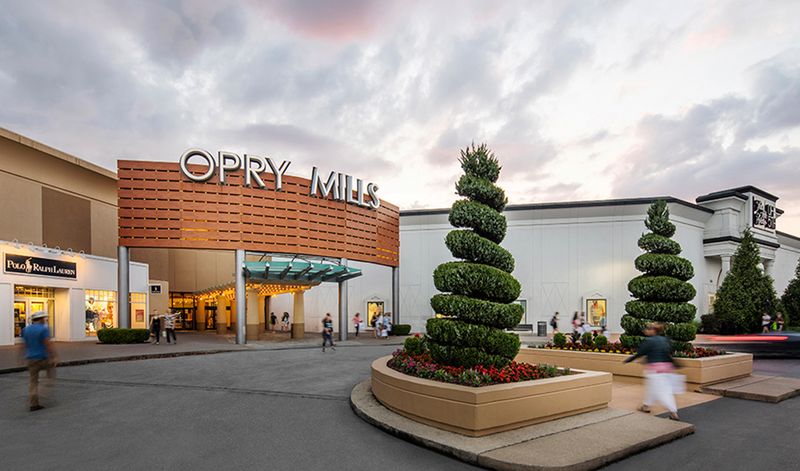
Long before shoppers strolled through climate-controlled corridors, this spot along the Cumberland River buzzed with a different kind of energy. Opryland USA, a music-themed amusement park, operated here from 1972 to 1997, drawing families with its shows, rides, and Southern charm. The park closed its gates not because it failed, but because the owners saw bigger dollar signs in year-round retail.
When Opry Mills opened in 2000, it rose from those old amusement park grounds with a promise to keep the entertainment factor alive. The transition wasn’t exactly smooth sailing—a major flood in 2010 forced the mall to close for nearly two years. But it came back stronger, reopening in 2012 with updated stores and attractions that honored its playful past.
Today, you can still catch glimpses of that amusement park DNA woven throughout the property. The curved layout mimics the flow of the old park pathways. The emphasis on experience over simple shopping echoes those days when families came for more than just merchandise.
Locals who remember riding the Wabash Cannonball or watching shows at the park often feel a tug of nostalgia walking these halls. Younger visitors might not know the history, but they definitely feel the vibe. The mall doesn’t just sell stuff—it invites you to spend the day, much like the amusement park once did.
That transformation from outdoor thrills to indoor entertainment makes Opry Mills more than your average shopping center. It’s a piece of Nashville history that refused to disappear, choosing instead to reinvent itself while keeping the fun front and center.
From roller coasters to retail therapy
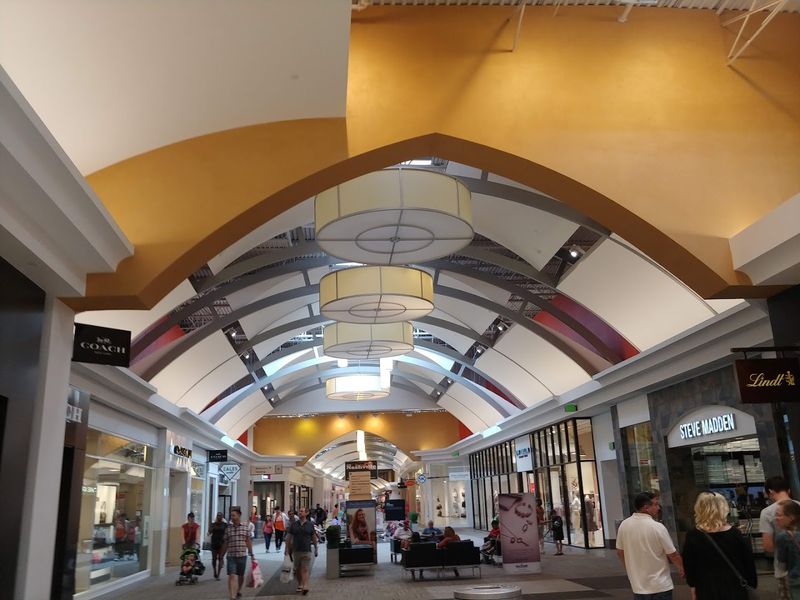
Swapping amusement rides for shopping bags might sound like a downgrade, but Opry Mills made the transition work by keeping entertainment at its core. The bones of the old Opryland park—those winding pathways designed to lead families from one attraction to the next—now guide shoppers through over 200 stores. Instead of waiting in line for a coaster, you’re browsing outlet deals and grabbing food court samples.
The developers didn’t just slap up a generic mall and call it a day. They designed the space to feel like a destination, not just a place to buy socks. The layout encourages wandering, with enough twists and turns to make you feel like you’re exploring rather than marching through a boring rectangle.
What really sets this transformation apart is how the mall embraced its entertainment heritage. Where other shopping centers might focus purely on retail, Opry Mills packed in movie theaters, arcades, and themed restaurants. It’s like they took the amusement park playbook and translated it into an indoor format that works rain or shine.
The shift from an outdoor park to an indoor mall also opened doors to year-round tourism. Nashville’s weather can be unpredictable, and a mall doesn’t care if it’s sweltering in July or freezing in January. Families who once planned summer trips around the amusement park now visit any time, making it a more reliable draw for the area.
That evolution from thrill rides to shopping aisles shows how a place can change its purpose without losing its soul. The energy that once powered roller coasters now fuels a different kind of excitement—one measured in shopping bags, restaurant receipts, and memories made indoors.
Why this mall still feels like an attraction
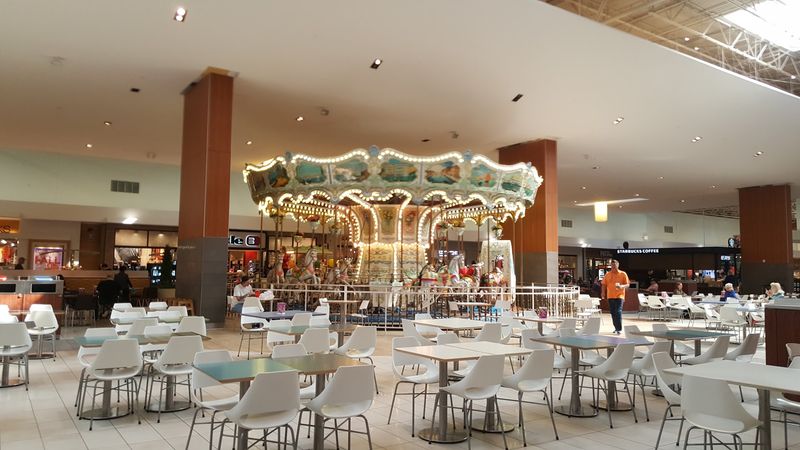
Most malls survive on retail alone, but Opry Mills thrives because it refuses to be just a shopping center. Walk through on any given Saturday and you’ll see families treating it like a full-day outing, not a quick errand run. Kids bounce between the arcade games and indoor play areas while parents actually enjoy themselves instead of just tolerating the trip.
The Rainforest Cafe and Aquarium Restaurant aren’t just places to eat—they’re mini-attractions where your meal comes with animatronic animals or floor-to-ceiling fish tanks. Dave & Buster’s pulls in the older crowd looking for something beyond window shopping. Even the movie theater, with its IMAX screen, turns a simple film into an event worth planning around.
Then there’s the unexpected stuff that keeps things interesting. Madame Tussauds wax museum sits right inside the mall, letting you snap selfies with celebrity figures between store visits. The carousel near the food court gives little ones a nostalgic ride that echoes the old amusement park days.
These aren’t afterthoughts—they’re deliberate choices that make the mall feel alive.
The atmosphere itself works in the mall’s favor. High ceilings, natural light pouring through skylights, and that curved design keep the space from feeling like a concrete box. Even when it’s crowded, it doesn’t feel suffocating.
You can actually breathe and move without bumping into displays every three steps.
Security presence keeps things safe without being overbearing, and the cleanliness standards stay pretty solid throughout the day. Families appreciate knowing their kids can roam a bit without constant worry. That combination of safety, entertainment, and variety explains why people drive from across the state to spend entire days here rather than hitting their local strip mall.
The shops that make it worth wandering
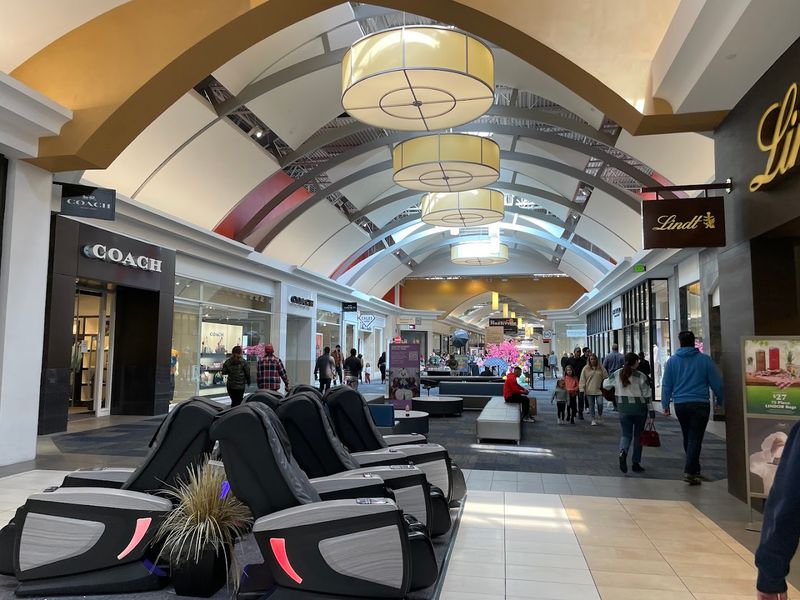
Opry Mills operates as a Simon outlet mall, which means you’re getting brand names at prices that don’t make your wallet cry. Nike Factory Store, Coach Outlet, and Under Armour sit alongside everyday favorites like T.J. Maxx and Old Navy.
The mix hits different budgets without making anyone feel out of place, whether you’re hunting designer deals or just need basic clothes that won’t fall apart after three washes.
The retail variety goes beyond typical mall fare. Bass Pro Shops takes up serious real estate, offering everything from fishing gear to camping equipment in a space that feels more like a destination than a store. Toys R Us made its comeback here, giving kids and nostalgic adults a reason to wander the aisles.
The LEGO store pulls families in with its creative displays and build-your-own sections that keep children occupied while parents browse.
Specialty shops add character that cookie-cutter malls lack. Hot Topic and Box Lunch cater to pop culture fans hunting anime merch and fandom gear. The train store appeals to hobbyists who appreciate niche interests, getting actual retail space.
GameStop and other entertainment shops round out options for people who don’t just want clothes and home goods.
Sales run constantly across different stores, making it easy to score deals if you’re paying attention. Outlet pricing already helps, but stacking discounts during promotional periods can lead to legitimately good finds. Smart shoppers hit the mall during off-peak hours when stores are restocked but crowds haven’t descended yet.
You’ll walk past national brands, regional favorites, and some surprises that make the browsing worthwhile even if you came in without a shopping list.
More than shopping: food, fun, and indoor adventures
The food court alone could justify the trip, with enough options to satisfy picky eaters and adventurous appetites alike. Standard mall fare shows up, sure, but you’ll also find spots serving decent pizza, Asian cuisine, and comfort food that actually tastes like someone cared while making it. Seating areas stay relatively clean, and there’s enough space that you’re not fighting for tables during lunch rushes.
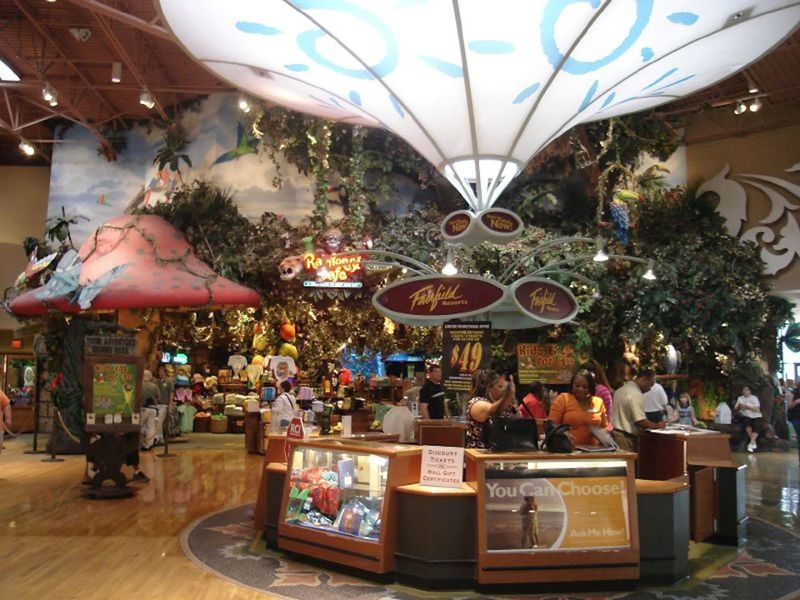
Sit-down restaurants up the game considerably. The Cheesecake Factory draws crowds willing to wait for those massive portions and dessert menus. P.F. Chang’s offers a step above food court Chinese when you want actual plates and service. The Aquarium Restaurant and Rainforest Cafe turn meals into entertainment with their themed environments and interactive elements that keep kids engaged beyond their chicken tenders.
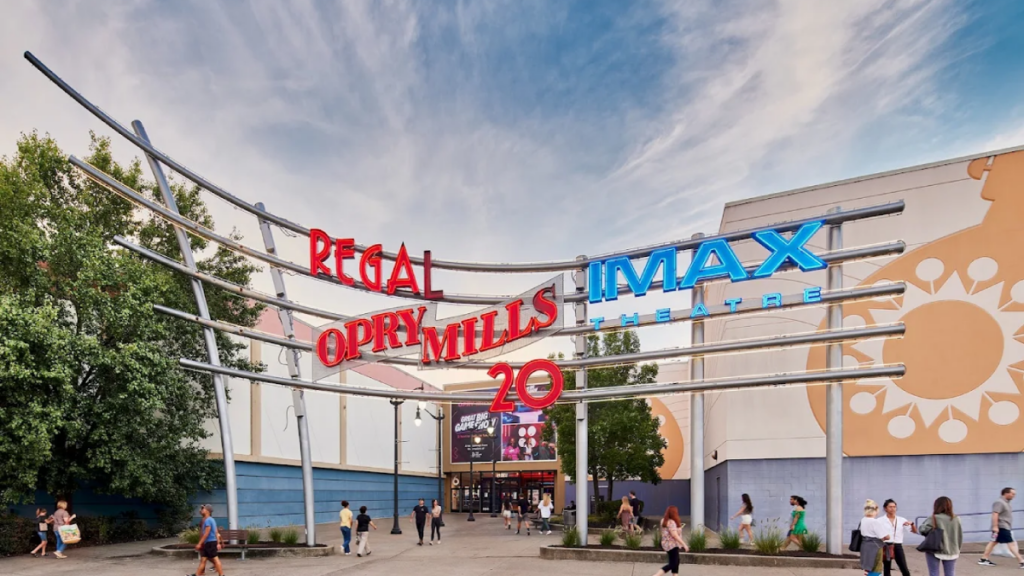
Entertainment options extend well past eating and shopping. Dave & Buster’s combines arcade games with a full bar and restaurant, making it a solid choice for adult groups or families with older kids. The Regal movie theater shows current releases on multiple screens, including IMAX for blockbusters that deserve the upgraded experience.
Escape rooms challenge groups to solve puzzles under time pressure, adding an interactive element most malls don’t bother offering.
Smaller activities pop up throughout the mall to break up shopping monotony. Arcade games cluster in certain areas, giving kids a place to burn energy while parents catch their breath. The carousel provides a classic touch that little ones love and parents find surprisingly charming.
Even just walking the full circuit counts as decent exercise—reviews mention the loop measures close to a mile, making it a legitimate indoor walking track for locals.
This variety means different groups find different reasons to visit. Teenagers might come for Dave & Buster’s and the movie theater. Young families target the play areas and themed restaurants.
Everyone benefits from having options beyond just browsing store racks.
A nostalgic stop with a modern Tennessee twist
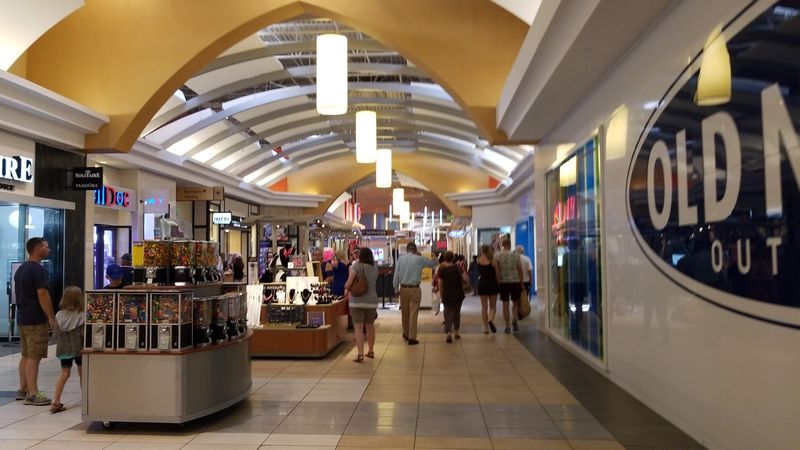
For anyone who remembers Opryland USA, walking into Opry Mills triggers a strange mix of feelings. The location feels familiar even though everything changed. That curved pathway design echoes how the old park guided visitors from one ride to the next.
The emphasis on creating an experience rather than just facilitating transactions carries forward the park’s original mission, just with shopping bags instead of ride tickets.
Locals who grew up visiting the amusement park often bring their own kids here, creating a generational connection that most malls can’t claim. They might not be riding the Grizzly River Rampage anymore, but they’re still making family memories in roughly the same spot. That continuity matters in ways that surprise people—it’s not just nostalgia; it’s about places that anchor communities across decades.
The modern updates respect that history without being stuck in the past. The mall doesn’t plaster old amusement park photos everywhere or try too hard to remind you what used to be here. Instead, it channels that same energy through current attractions and entertainment options that serve today’s visitors while honoring yesterday’s spirit.
Being near the Grand Ole Opry adds another layer of Nashville authenticity. The location sits in the heart of Music City’s tourist corridor, making it easy to combine a shopping trip with other iconic Nashville experiences. That proximity to genuine Tennessee culture prevents the mall from feeling like generic anywhere-USA retail that could exist in any state.
The comeback story after the 2010 flood adds to the nostalgia. Opry Mills didn’t just survive—it rebuilt better, proving that places with real community value find ways to endure. Visitors today walk through a space that refused to disappear, choosing transformation over extinction, which somehow makes the shopping and entertainment feel more meaningful than they probably should.
What to know before planning your visit
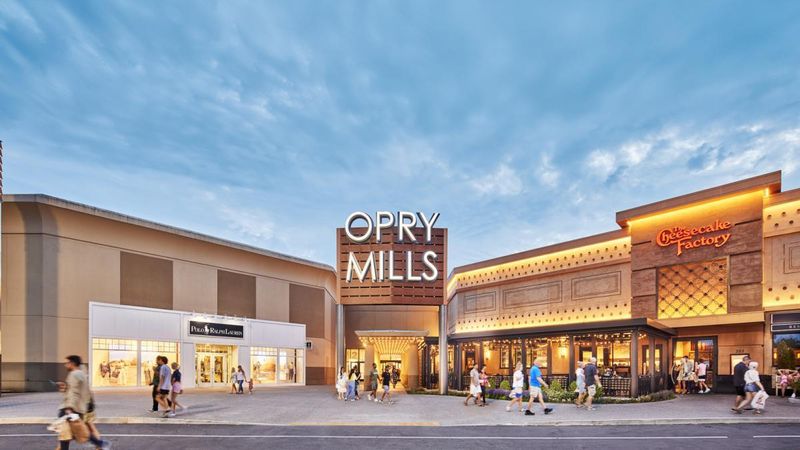
Opry Mills sits at 433 Opry Mills Drive in Nashville, right off Briley Parkway near the Grand Ole Opry House. Getting there is straightforward whether you’re coming from downtown Nashville or rolling in from out of state. Parking lots surround the mall with ample free spaces, though weekends and holidays can fill up quickly.
Arriving before 11 AM or after 6 PM typically means easier parking and smaller crowds.
The mall operates Monday through Saturday from 10 AM to 8 PM, with Sunday hours running 11 AM to 7 PM. These hours work well for planning full-day trips, though individual restaurants and entertainment venues might keep different schedules. Calling ahead or checking the website helps if you’re targeting specific stores or activities.
Weekend visits come with a security policy worth knowing about. Friday through Sunday, anyone under 18 needs to be accompanied by an adult 21 or older after certain hours. This policy aims to keep things family-friendly but can create entry lines during peak times.
If you’re bringing teenagers, plan accordingly and have IDs ready to avoid hassle at the door.
Some parking areas now charge fees, a change that irritates regulars who remember when everything was free. The paid spots sit closer to entrances, while free parking still exists farther out. Walking the extra distance saves money and adds steps to your day, so it’s not exactly a tragedy unless mobility issues make that distance challenging.
Bathroom quality gets mixed reviews, with some stalls having lock issues and cleanliness varying by location and time of day. It’s not a dealbreaker, but maybe don’t expect luxury spa conditions. The mall works best for families, tourists wanting indoor entertainment regardless of weather, and bargain hunters willing to walk and compare prices across multiple outlet stores.
Share this story