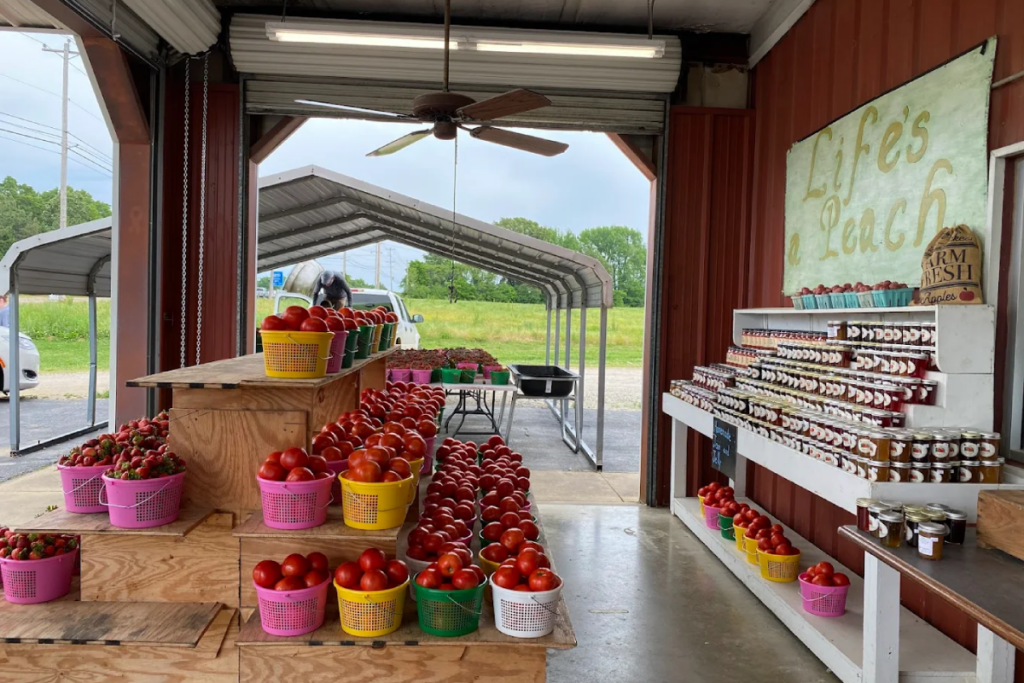
Summer road trips through Tennessee come with a bonus: farm-fresh produce stands dotting the highways and back roads. From vine-ripened tomatoes to just-picked peaches, these family-run stops offer flavors grocery stores simply can’t match.
Pull over, roll down your windows, and stock up on the best seasonal bounty the Volunteer State has to offer.
1. McNeill Farm Fresh Produce — Gates
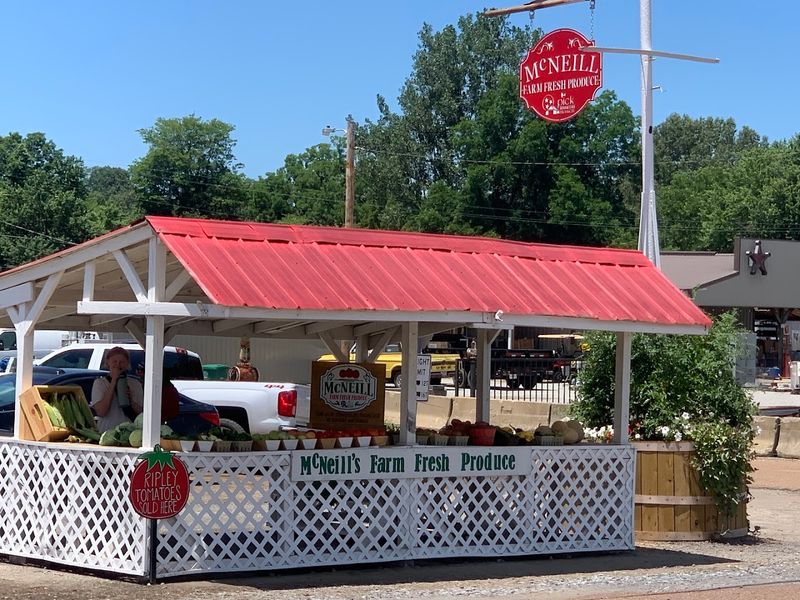
Three generations of McNeills have been growing tomatoes in West Tennessee, and their commitment shows in every sun-warmed fruit they sell. Operating three separate stands across the Gates area, this family knows exactly when to pick for peak flavor. Their season kicks off mid-June and runs through early November, giving you months to score their legendary homegrown tomatoes.
Tomatoes might be the headliner here, but the supporting cast deserves applause too. Blackberries arrive in early summer, followed by cantaloupes that smell like sunshine and peaches so juicy you’ll want a napkin handy. Corn, okra, peas, peppers, squash, and sweet potatoes rotate through as the weeks progress, all grown on their own land.
West Tennessee summers get hot, but that heat creates some of the sweetest watermelons you’ll ever taste. The McNeills grow those too, along with farm-fresh eggs that make grocery store versions seem pale and boring. Their stands operate on trust and tradition, the kind of setup where quality speaks louder than fancy displays.
Stop by once and you’ll understand why locals make regular trips throughout the season. The produce tastes like it was picked that morning because it probably was. No middleman, no warehouse storage, just straight-from-the-field freshness that reminds you what real vegetables are supposed to taste like.
Finding their stands is part of the adventure, tucked along rural routes where farmland stretches in every direction. Bring cash, bring coolers, and bring an appetite for produce that actually has flavor. The McNeill family has spent decades perfecting their craft, and every bite proves it.
2. Red Barn Produce — Rutledge
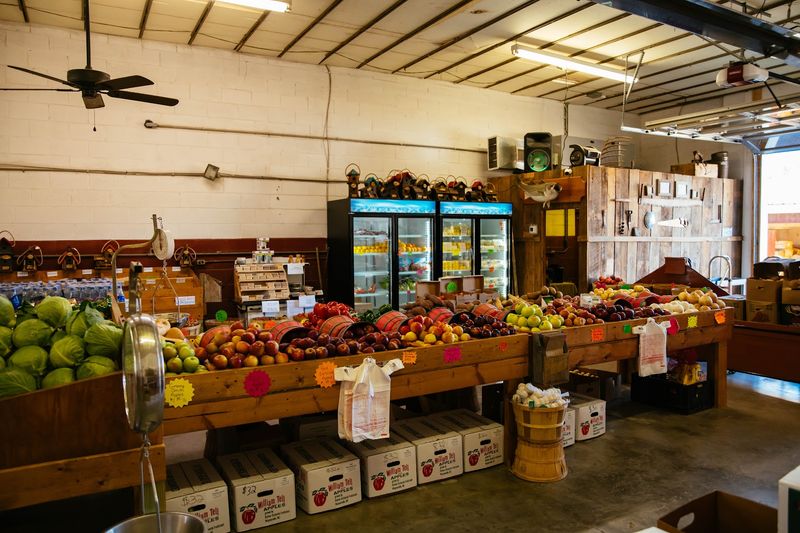
Grainger County tomatoes have earned legendary status among Tennessee produce lovers, and Red Barn Produce in Rutledge knows exactly why. Their small family farm operates a year-round stand, but summer is when the magic really happens. Those famous Grainger County tomatoes become the star attraction, drawing folks from neighboring counties who refuse to settle for anything less.
The soil in this region creates tomatoes with a perfect balance of sweetness and acidity, the kind that drips down your chin when you bite into them. Red Barn grows their own, ensuring every tomato meets the high standards locals expect. They sell out regularly during peak season, so early birds get the best selection.
Beyond tomatoes, this stand keeps things interesting with strawberries in late spring, green beans, cucumbers, and cabbage throughout summer. Corn and okra show up when the heat peaks, along with peppers in various heat levels. They also stock plants and flowers for gardeners who want to grow their own.
Operating year-round means Red Barn adapts to the seasons, offering whatever grows best at any given time. Winter might bring root vegetables and storage crops, but summer is undeniably their prime time. The stand itself maintains that classic no-frills farm aesthetic: practical, honest, and focused on quality over flash.
Rutledge sits in the heart of tomato country, and Red Barn Produce represents that heritage well. Their commitment to homegrown quality keeps customers coming back week after week. Whether you’re stocking up for canning season or just want a real tomato for tonight’s dinner, this little red barn delivers the goods without pretense or markup.
3. Carver Orchards & Farm Market — Cosby
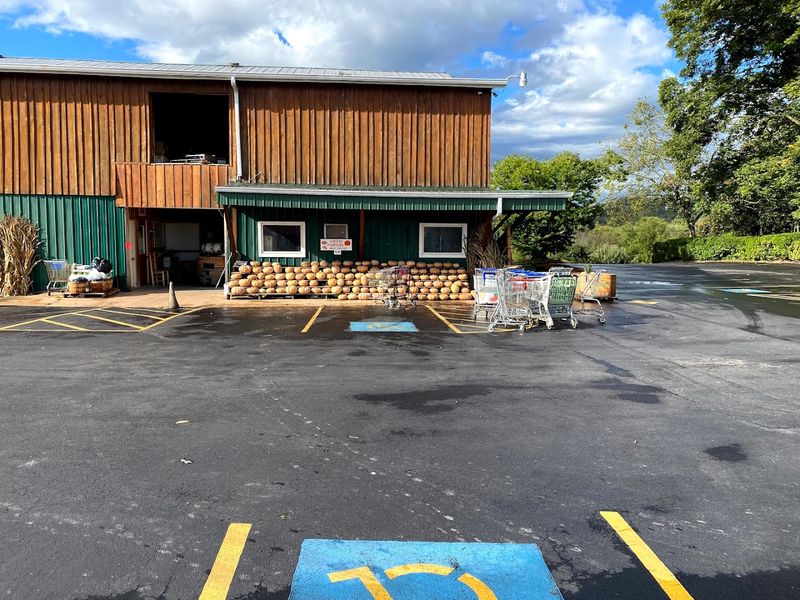
Since the 1940s, the Carver family has been growing apples in the foothills of the Smokies, and their orchard has become a Cosby institution. Multiple apple varieties ripen throughout the season, but it’s what they do with those apples that really sets them apart. Fried apple pies emerge from their kitchen warm and flaky, with filling that tastes like concentrated autumn.
Apple butter simmers in big batches, thick and dark and perfect for spreading on biscuits or toast. Their apple cider presses the essence of mountain orchards into every glass. Jams and canned goods line the shelves, preserving summer and fall flavors for year-round enjoyment.
While apples dominate the conversation, Carver’s also grows other produce, including tomatoes, pumpkins, and squash. The Tennessee River Valley region provides ideal growing conditions, and the Carvers take full advantage. Their market building feels timeless, the kind of place where traditions matter and shortcuts don’t exist.
Visiting during apple season means breathing in the scent of ripe fruit and fresh baking, watching families pick their favorites from wooden bins. But summer visits offer their own rewards with fresh vegetables and the chance to stock up on preserves before the fall rush. The Smokies create a stunning backdrop, making the drive to Cosby part of the experience.
Family-owned for nearly 80 years, Carver Orchards represents mountain agriculture at its finest. They’ve perfected their recipes over decades, and every jar of apple butter or bag of apples reflects that expertise. Stop in hungry, leave with bags full of mountain-grown goodness, and understand why generations keep coming back to this orchard.
4. Horn of Plenty Marketplace — Maryville
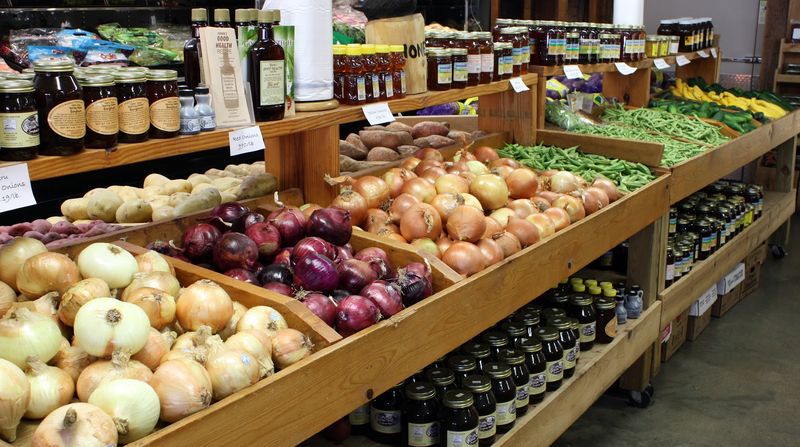
Southern Living recognized this Blount County gem, and one visit explains why. Horn of Plenty Marketplace brings together local farmers and artisans under one roof, creating a community hub where quality matters more than convenience. Seasonal produce rotates based on what’s actually growing, not what trucks can deliver from across the country.
Dairy products come from nearby farms, meat from local ranchers who raise their animals right. Baked goods emerge from home kitchens where recipes have been perfected over generations. Jams capture summer berries at peak ripeness, honey reflects the wildflowers bees visited, and cornmeal grinds from local corn varieties.
Summer brings an explosion of options: fruits and berries in every color, vegetables still crisp from morning harvest, plants and flowers for home gardens. The marketplace connects shoppers directly with the people who grew, raised, or made what they’re buying.
Maryville residents treat Horn of Plenty as their go-to source for ingredients that actually taste like something. The marketplace isn’t trying to compete with big-box stores on price or selection. Instead, it offers what those stores can’t: freshness, local connection, and the knowledge that your money supports regional farmers.
Walking through feels different than grocery shopping. Conversations happen, questions get answered by people who actually know, and you leave understanding where your food came from. The marketplace adapts to seasons naturally, celebrating what grows best when rather than forcing year-round availability through industrial agriculture.
This beloved local favorite has earned its reputation through consistency and quality. Whether you need tonight’s dinner ingredients or want to stock your pantry with regional specialties, Horn of Plenty delivers the best Blount County agriculture has to offer.
5. Little Creek Produce — Cookeville
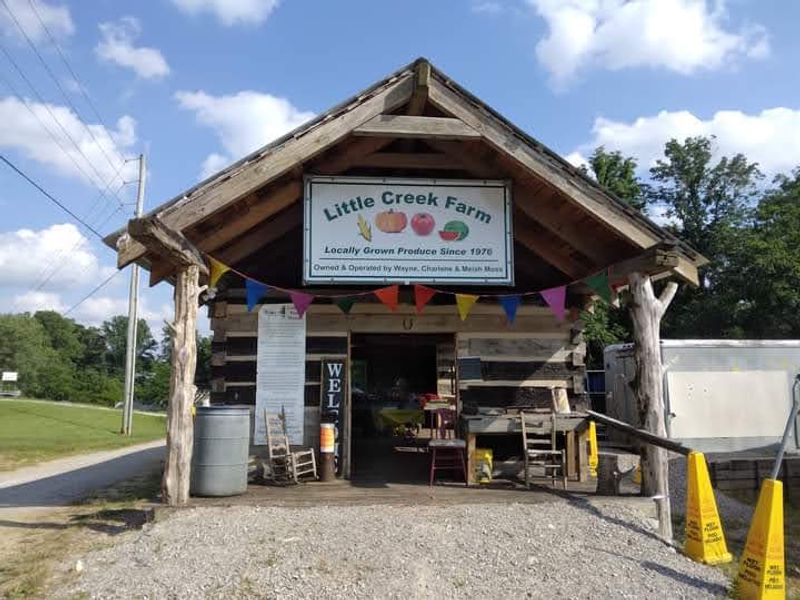
Cookeville sits in the Upper Cumberland region where rolling hills create perfect growing conditions for summer crops. Little Creek Produce taps into that agricultural advantage, offering locally grown items that capture the flavor of Middle Tennessee. Their stand operates with the straightforward philosophy that good produce sells itself without needing fancy marketing.
Summer transforms their tables into a celebration of regional bounty. Whatever’s in season takes center stage, from early strawberries through late-season tomatoes and everything in between. The stand reflects the rhythm of Tennessee farming, where timing matters and patience pays off in flavor.
Local growers understand their land and climate, knowing exactly when to plant and harvest for optimal taste. Little Creek benefits from those relationships, sourcing from farmers who prioritize quality over quantity. Their selection changes week to week as different crops reach maturity, keeping regular customers engaged and curious.
The Upper Cumberland region doesn’t get the same attention as West Tennessee tomato country or East Tennessee apple orchards, but the produce here holds its own. Rich soil, adequate rainfall, and warm summers create ideal conditions. Little Creek showcases what this region does best, giving locals a reason to skip the grocery store.
Simple wooden tables and shade structures keep things comfortable without overdoing the rustic aesthetic. The focus stays on the produce itself: colors, shapes, and that unmistakable freshness that only comes from a recent harvest. Prices reflect fair value for both growers and customers, maintaining the balance that keeps small farm stands viable.
Cookeville residents know summer means regular stops at Little Creek. The stand represents honest agriculture and straightforward sales, connecting farmers with folks who appreciate the difference between supermarket produce and the real thing grown just miles away.
6. Head Peach Company — Clarksville
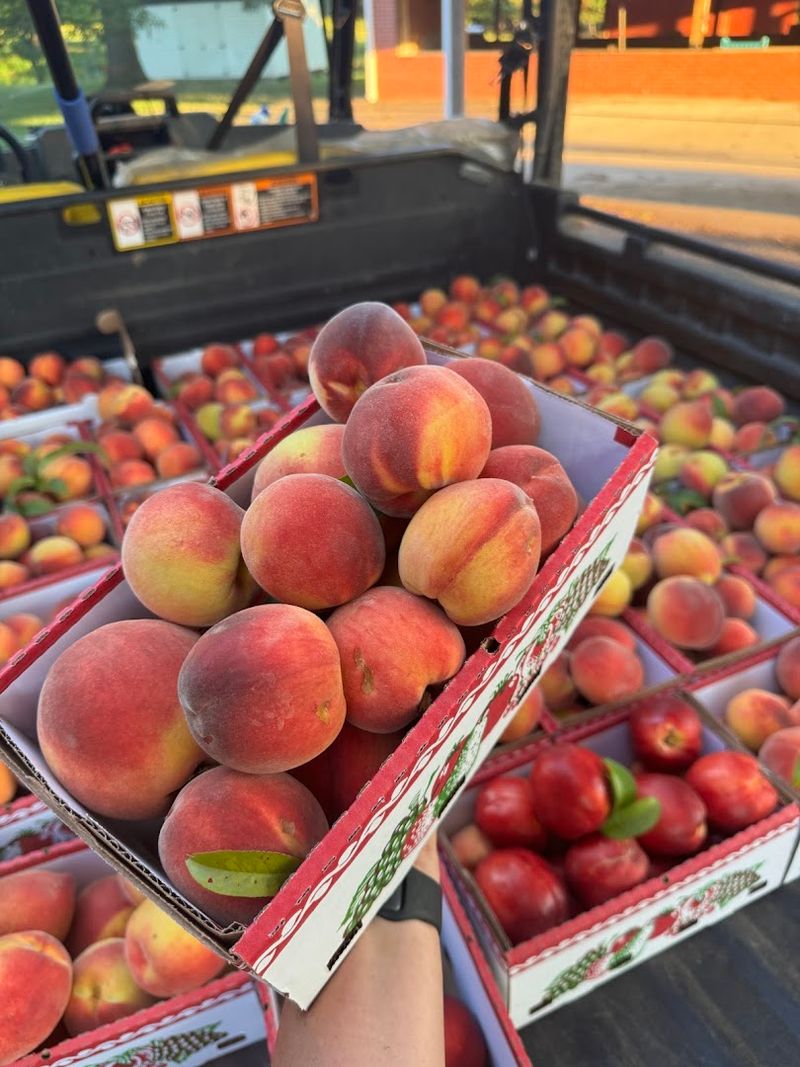
When peach season hits Clarksville, Head Peach Company becomes the destination for fruit so ripe you can smell it from the parking area. Their name says it all: peaches are the main event, grown with the care and timing that separates mediocre fruit from the kind you remember all year. That narrow window of perfect ripeness gets captured and delivered to customers who know the difference.
Montgomery County’s climate suits stone fruit beautifully, with enough chill hours in winter and plenty of summer heat to develop sugars. Head Peach Company works with nature’s schedule, never rushing harvest just to get product out earlier. The result is peaches that taste like concentrated sunshine, with juice that runs down your wrists.
Beyond peaches, summer brings other seasonal offerings that complement their main crop. Local produce rotates through based on availability, giving customers variety while maintaining the focus on quality. The company understands its reputation rests on those peaches, so everything else has to measure up to the same standard.
Clarksville sits in a unique agricultural zone where Middle Tennessee meets Kentucky, creating microclimates that favor certain crops. Peaches thrive here when grown by people who understand the land. Head Peach Company represents generations of knowledge about soil, weather patterns, and variety selection.
Visit during peak season and you’ll see bins full of peaches in various sizes, all picked at proper ripeness. The aroma alone makes the trip worthwhile. Staff can advise on which peaches work best for eating fresh versus baking or canning.
Summer in Tennessee means peach season, and Head Peach Company delivers the goods without shortcuts or compromises. Their fruit captures everything great about local agriculture: flavor, freshness, and the satisfaction of supporting farmers who do things right.
7. Jones Orchard — Millington
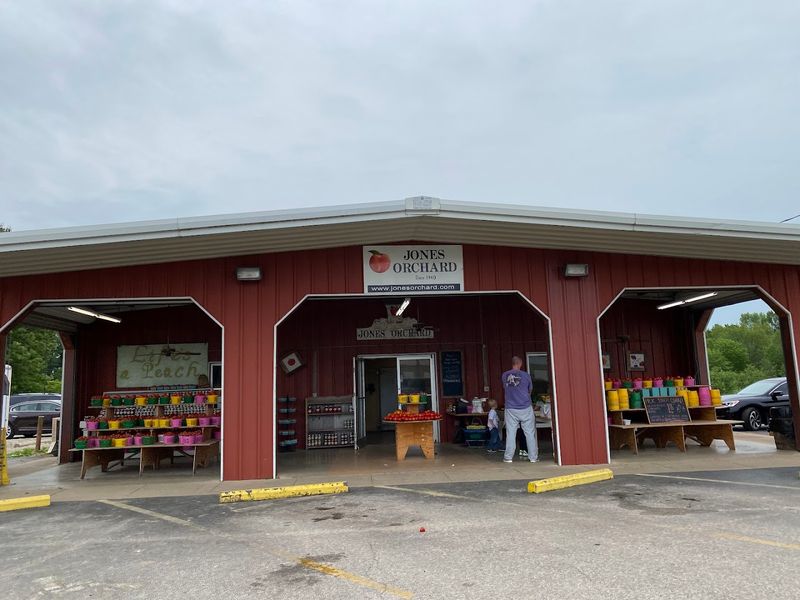
Just north of Memphis, Jones Orchard has been feeding Shelby County families for decades with fruit grown on their own land. Orchards require patience and planning, with trees taking years to mature and produce quality fruit. The Jones family put in that time, and their orchard now delivers seasonal harvests that make the wait worthwhile.
Summer brings early stone fruits and berries, building anticipation for the fall apple harvest that remains their signature offering. But warm-weather visits still reward customers with whatever’s currently ripe, from cherries to plums, depending on the year and weather patterns. Their market carries fruit at various stages, letting customers choose based on when they plan to eat it.
Millington’s location provides easy access for Memphis residents looking to escape city grocery stores without driving too far. The orchard creates a rural retreat where families can see fruit still hanging on trees and understand where their food originates. That connection matters more than ever as agriculture becomes increasingly invisible to urban populations.
Jones Orchard maintains traditional growing methods that prioritize tree health and fruit quality over maximum production. Their approach creates consistent harvests year after year without depleting soil or requiring excessive intervention. The fruit tastes right because the trees are healthy and the timing is respected.
Their market building stocks preserves, ciders, and other value-added products that extend the orchard’s bounty beyond the fresh fruit season. These items make excellent gifts or pantry staples, capturing summer and fall flavors for year-round enjoyment. Everything sold reflects the orchard’s commitment to quality and regional agriculture.
Visiting Jones Orchard means supporting a family business that’s invested in their land and community for the long term. Their fruit speaks for itself, requiring no marketing gimmicks or artificial enhancements. Just good growing practices, proper timing, and respect for what orchards do best.
8. Coning Family Farm Market — Maryville
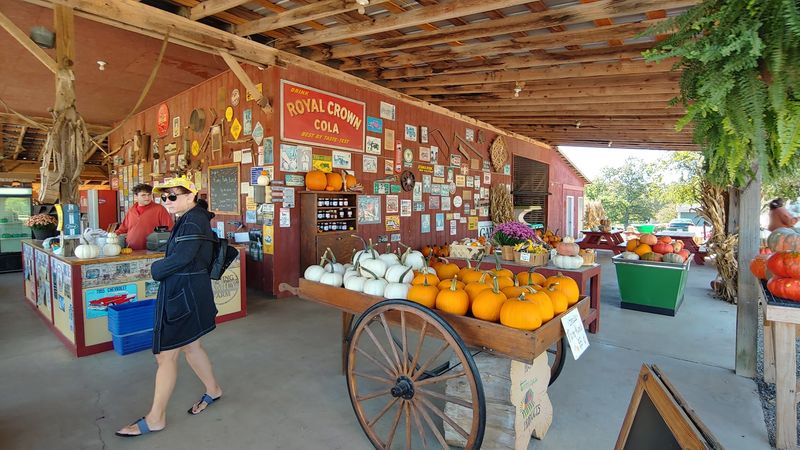
Another Maryville standout, Coning Family Farm Market brings multiple generations of agricultural knowledge to their roadside operation. Family farms carry a different energy than corporate agriculture, with personal pride driving quality control. The Conings grow what they sell, eliminating middlemen and ensuring peak freshness for every customer.
Their market reflects Blount County’s agricultural diversity, with seasonal produce rotating through as different crops mature. Summer means an abundance of vegetables and fruits, all grown within sight of the Smokies. That mountain backdrop isn’t just scenery; it influences weather patterns and growing conditions in ways that benefit certain crops.
The Coning family understands their land intimately after farming it for years. They know which fields drain best after rain, where morning sun hits first, and how to rotate crops for soil health. That accumulated knowledge translates into better produce, the kind that makes cooking easier because the ingredients actually taste like something.
Farm markets like this one preserve agricultural traditions while adapting to modern customer expectations. The Conings balance old-school growing methods with current food safety standards and customer service. Their market welcomes both longtime regulars who remember previous generations and newcomers discovering local produce for the first time.
Maryville benefits from having multiple quality farm markets, creating friendly competition that raises standards across the board. Coning Family Farm Market holds its own in this environment through consistent quality and genuine hospitality. They’re not trying to be the biggest or fanciest, just the most reliable source for honest produce.
Stopping here means supporting a family business that’s invested in their community and land for the long haul. Their success depends on repeat customers, so they can’t afford shortcuts or quality compromises. Every tomato, cucumber, and ear of corn represents their reputation, and they treat it accordingly.
9. Lovers Lane Farmstand — Lebanon
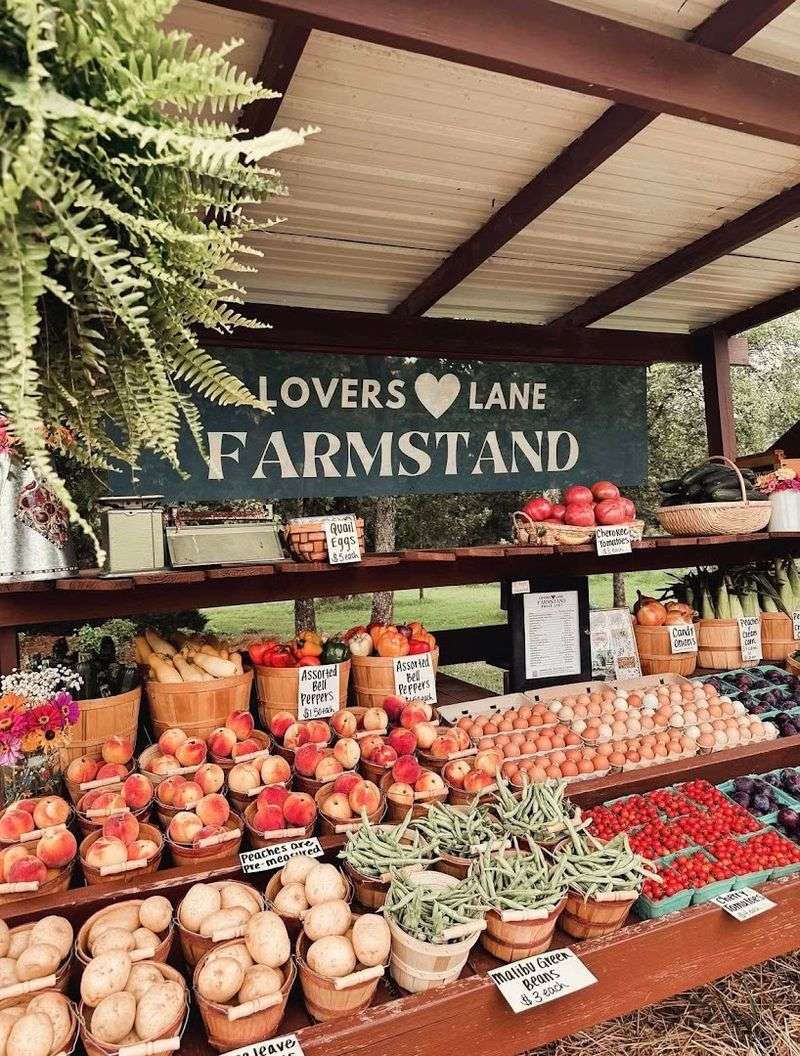
Lebanon sits in Wilson County where rolling farmland produces some of Middle Tennessee’s best vegetables and fruits. Lovers Lane Farmstand operates along a rural route where the name itself evokes a slower pace and simpler times. Their stand captures that spirit, offering produce grown locally and sold without unnecessary complications.
Summer transforms their tables into a showcase of regional agriculture. Whatever grows best in Wilson County’s climate and soil takes center stage, from leafy greens through vine crops and everything in between. The farmstand adapts to nature’s schedule rather than forcing year-round availability through imports and artificial ripening.
Local growing means produce gets picked at proper ripeness and sold within days or even hours. Lovers Lane customers taste the difference immediately, understanding why their grandparents insisted on farm-fresh ingredients.
The farmstand aesthetic leans practical rather than Instagram-perfect, focusing resources on growing great produce instead of creating elaborate displays. Simple wooden structures provide shade, clear signage shows prices, and the produce speaks for itself. This no-nonsense approach appeals to customers who value substance over style.
Lebanon’s location between Nashville and the Cumberland Plateau makes it accessible for day-trippers and locals alike. The farmstand benefits from traffic along rural routes where people are already in a slower mindset, ready to appreciate roadside stops. Pull over, stretch your legs, and stock up on vegetables that actually taste right.
Wilson County agriculture thrives because farmers like those behind Lovers Lane Farmstand maintain quality standards and community connections. Their success depends on satisfied customers who return week after week throughout the growing season. That accountability creates better produce than any corporate quality control program ever could.
10. R&J Produce — Helenwood
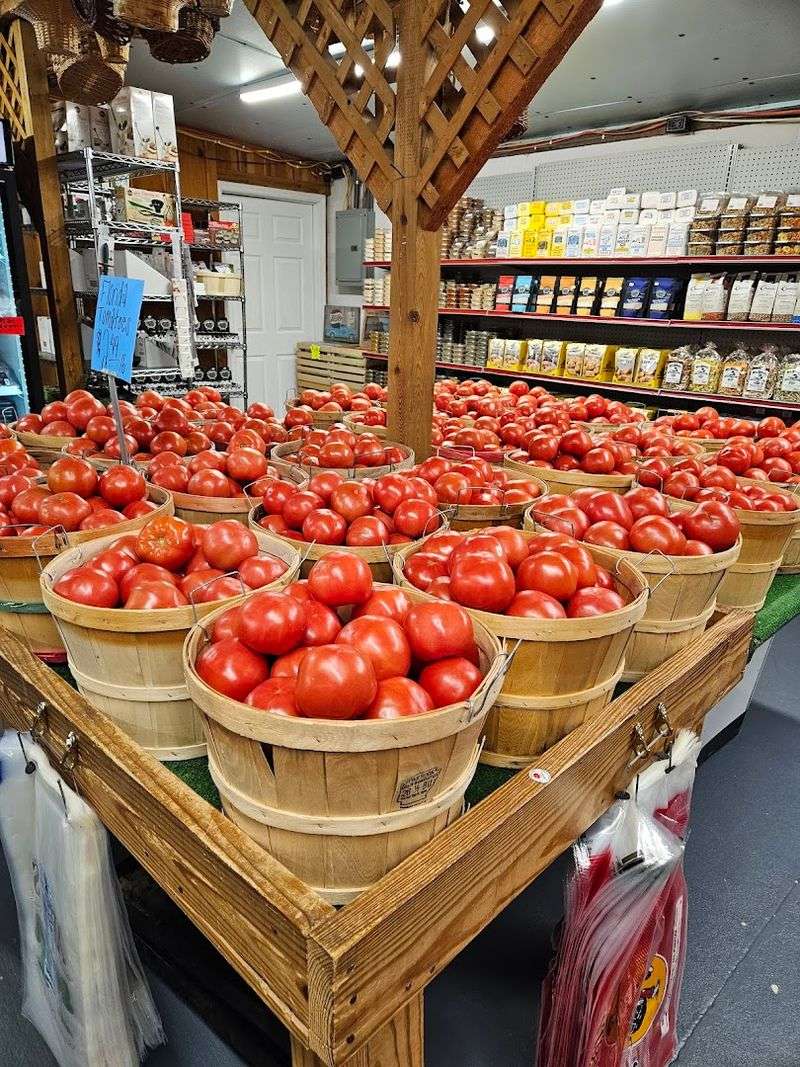
Helenwood sits in Scott County where the Cumberland Plateau creates unique growing conditions and a tight-knit agricultural community. R&J Produce serves this rural area with locally sourced items that reflect what grows best in highland Tennessee. Their stand represents the kind of small-scale agriculture that keeps rural communities connected and fed.
The plateau’s elevation and climate differ from those of Middle and West Tennessee, favoring certain crops while challenging others. R&J works within these natural parameters, offering produce suited to their specific location. Summer brings a focused selection of whatever’s thriving, with quality taking priority over variety.
Rural produce stands operate differently from their suburban counterparts, often relying on honor systems and community trust. R&J maintains that traditional approach while meeting modern expectations for freshness and value. Their customers know the people growing and selling their food, creating accountability that benefits everyone involved.
Scott County agriculture faces challenges from limited markets and tough terrain, but operations like R&J Produce demonstrate the resilience of small-scale farming. They’ve found their niche serving local customers who appreciate the convenience and quality of nearby sources. That local focus keeps money circulating within the community while providing fresh food access.
The plateau’s natural beauty surrounds Helenwood, making any drive through the area scenic and peaceful. Adding a stop at R&J Produce turns a pretty drive into a productive one, with bags of fresh vegetables as souvenirs. Their stand proves you don’t need fancy facilities or a wide variety to serve customers well.
Summer in highland Tennessee means cooler nights and intense sunshine, creating flavor profiles slightly different from lower elevations. R&J’s produce reflects those conditions, offering tastes unique to the plateau. Supporting their stand means supporting rural agriculture that keeps communities viable and landscapes productive.
Share this story