Tennessee is famous for the Smoky Mountains and Nashville’s neon lights, but some of the state’s most fascinating stories hide in plain sight at lesser-known historic parks. These places preserve Indigenous heritage, Civil War battlegrounds, Cherokee history, and powerful civil rights milestones that shaped the nation.
Most visitors rush past them without realizing what they’re missing, yet each one offers a quiet, meaningful way to connect with the past and understand Tennessee’s complex, layered history.
1. Port Royal State Historic Park
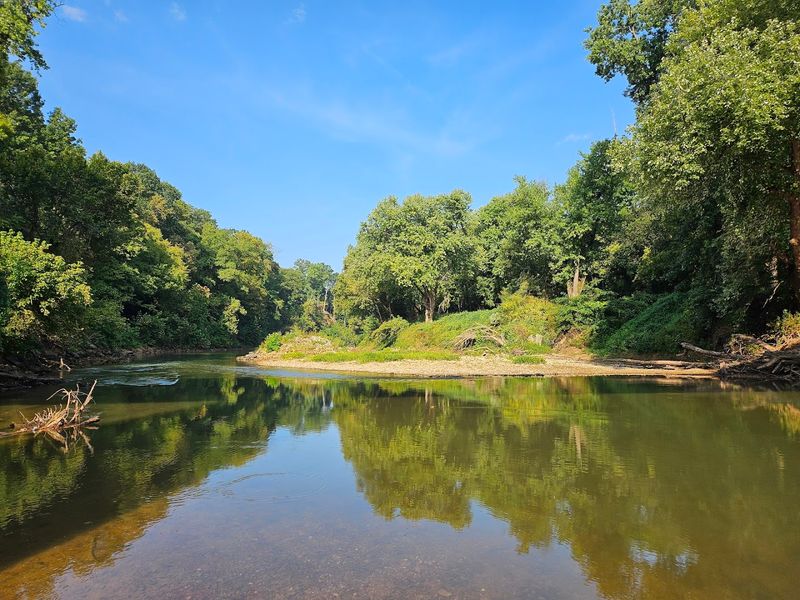
Tucked along the Red River in Montgomery County, Port Royal feels like stepping into a forgotten chapter of Tennessee history. Founded in 1797, this once-bustling river town served as a vital trading post and stop for flatboats navigating the Cumberland and Red Rivers. Today, it’s one of the quietest state parks in Tennessee, often overlooked by visitors chasing bigger attractions.
The centerpiece here is the beautifully restored 1859 Haley General Store, where you can still see original wooden floors, vintage merchandise displays, and artifacts from the town’s trading days. Walking through the store gives you a tangible sense of what daily life looked like in rural Middle Tennessee before the Civil War. The park also preserves a marked section of the Trail of Tears, the forced removal route that Cherokee people traveled during one of America’s darkest chapters.
Port Royal’s small size works in its favor. Without crowds or modern distractions, you can walk the riverbanks, explore interpretive trails, and reflect on the layers of history that unfolded here. The park hosts living history events and educational programs that bring the 19th century back to life, but even on quiet days, the place speaks for itself.
If you’re looking for a break from tourist traffic and want to experience Tennessee history in an intimate, unhurried way, Port Royal delivers. It’s not flashy, but that’s exactly the point. Sometimes the most powerful historic sites are the ones that let you slow down, listen, and imagine the voices of the past without competing for attention.
2. Johnsonville State Historic Park
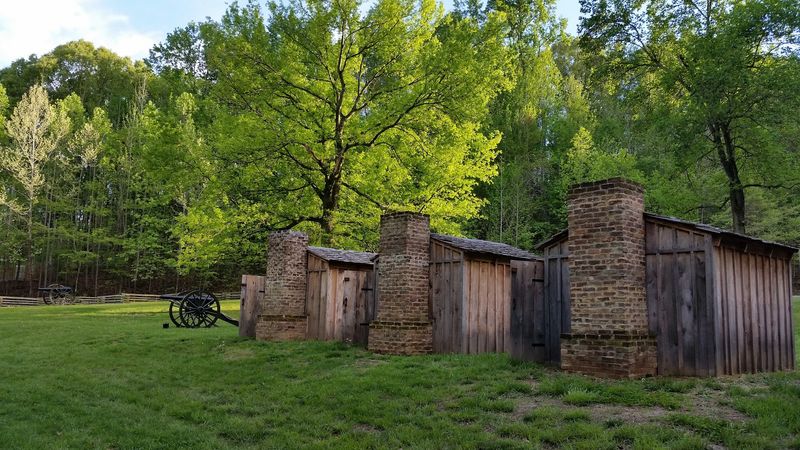
Johnsonville sits on a bluff overlooking the Tennessee River, and if you didn’t know better, you’d miss the fact that a full Union supply depot once thrived here. During the Civil War, this spot served as a critical logistics hub, complete with warehouses, docks, and fortifications. In November 1864, Confederate General Nathan Bedford Forrest launched a daring artillery attack that destroyed much of the depot, sending flames and explosions echoing across the water.
What makes Johnsonville especially compelling is that its stories don’t stop with the Civil War. The park also interprets the Civil Rights era, connecting the struggles for freedom across different centuries. Walking the trails, you’ll encounter earthworks, interpretive markers, and remnants of the old town that help piece together what happened here.
The riverside setting is peaceful now, but the landscape still holds traces of conflict and change.
Johnsonville is small and doesn’t get the foot traffic of bigger Civil War sites like Shiloh or Stones River. That means you can explore at your own pace, without crowds or noise. The park offers hiking, fishing, and camping, but history is the main attraction.
If you’re into Civil War history or just want to understand how Tennessee’s rivers shaped military strategy, Johnsonville is worth the detour. It’s not as polished or famous as other battlefields, but that raw, unvarnished quality makes it feel more real. You’re standing where soldiers stood, looking at the same river they fought to control.
3. Pinson Mounds State Archaeological Park
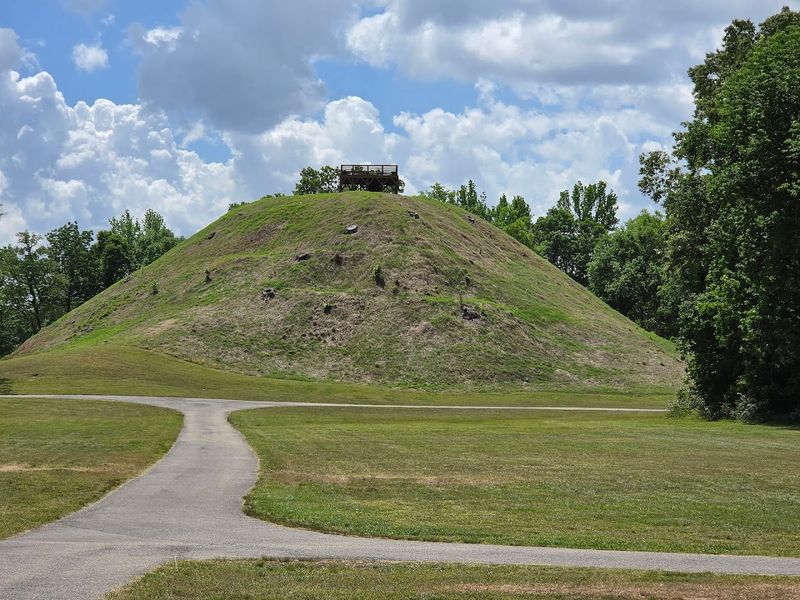
Long before European settlers arrived, Indigenous people built one of the largest ceremonial mound complexes in the entire United States right here in West Tennessee. Pinson Mounds contains at least 17 earthen mounds, some towering over 70 feet high, constructed by Middle Woodland cultures between roughly 1 CE and 500 CE. Walking among these structures, you realize the scale of engineering, community organization, and spiritual significance they represent.
The park’s museum does an excellent job explaining the people who built these mounds and how archaeologists have pieced together their story. You’ll see artifacts, tools, pottery, and interpretive displays that bring ancient lifeways into focus. Outside, a network of trails lets you explore the mounds themselves, including Sauls Mound, one of the tallest surviving prehistoric structures in the region.
Standing at the top, you get a sweeping view of the surrounding landscape and a sense of why this spot mattered so much.
Despite its national archaeological significance, Pinson Mounds remains off the radar for most Tennessee tourists. That’s a shame, because it offers a rare chance to connect with the deep Indigenous history of the South in a place that hasn’t been overdeveloped or commercialized. The park hosts annual events like Native American Heritage Month celebrations, but most of the time, it’s quiet and contemplative.
If you’re curious about the people who lived here thousands of years before Tennessee became a state, Pinson Mounds is essential. It’s not just a collection of dirt hills—it’s a sacred landscape, a testament to human creativity and resilience. You leave with a deeper appreciation for the layers of history beneath your feet.
4. Old Stone Fort State Archaeological Park
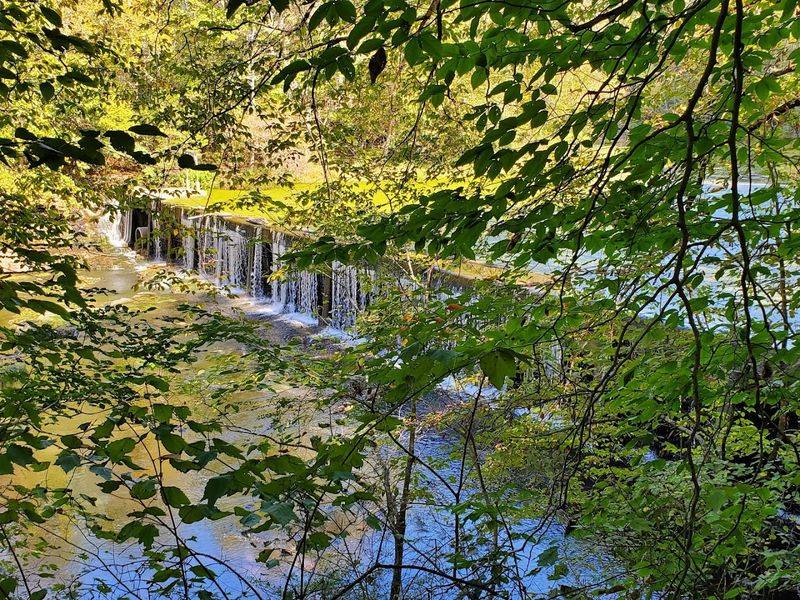
The name is misleading—there was never a military fort here. What you’re actually seeing is an ancient ceremonial enclosure built by Native Americans during the Middle Woodland period, roughly 100 BCE to 500 CE. Massive earthen and stone walls stretch for nearly a mile, forming a sacred space where two rivers meet and waterfalls tumble over limestone ledges.
It’s one of the most intriguing archaeological sites in Tennessee, yet it’s surprisingly quiet most days.
Archaeologists believe the Old Stone Fort served as a gathering place for ceremonies, trade, and community events rather than defense. The precision and effort required to build these walls, some over six feet tall, speak to the importance this location held for Indigenous peoples.
Today, you can hike the perimeter trail, explore the waterfalls, and stand inside the enclosure, imagining what gatherings might have looked like centuries ago.
The park also features a small museum with artifacts and interpretive exhibits that help you understand the people who built this place. Outside, the natural beauty is just as striking as the history. The Big and Little Duck Rivers converge here, creating dramatic waterfalls and lush forested gorges.
It’s a peaceful spot for hiking, picnicking, and reflection, with history woven into every corner.
Most visitors to Middle Tennessee skip Old Stone Fort entirely, which is a missed opportunity. This isn’t just another pretty park—it’s a place where human history and natural beauty intersect in a profound way. You walk away with a sense of wonder about the ingenuity and spirituality of the people who shaped this landscape long before modern times.
5. Red Clay State Historic Park
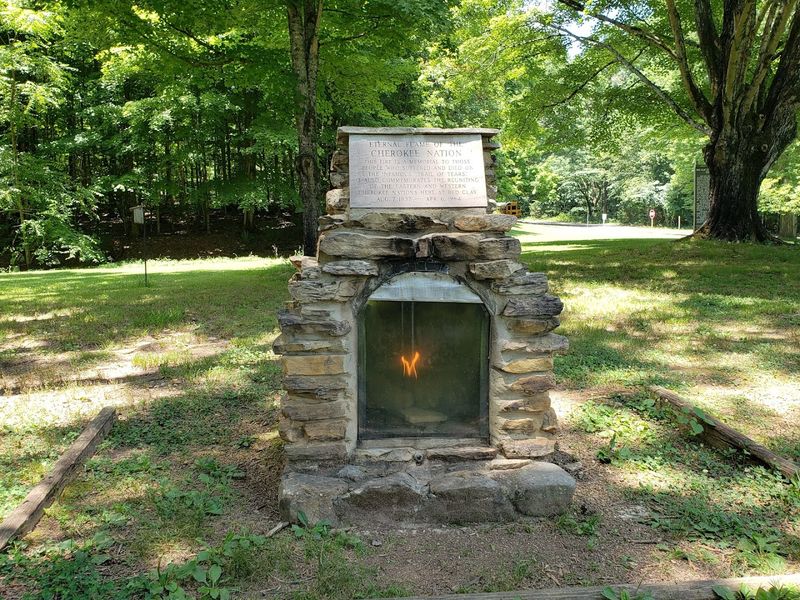
Red Clay holds a sacred place in Cherokee history. From 1832 to 1838, it served as the last seat of the Cherokee National Government before forced removal along the Trail of Tears. Thousands of Cherokee gathered here for council meetings, trying to resist the policies that would ultimately lead to their displacement.
Walking the grounds today, you can feel the weight of those decisions and the resilience of a people fighting to hold onto their homeland.
The park preserves the Blue Hole Spring, a sacred water source that still flows clear and cold. Nearby, you’ll find replica Cherokee structures including a council house and homestead, giving you a glimpse of how the community lived and governed itself. The Eternal Flame memorial burns continuously, honoring the memory of those who suffered and died during removal.
Interpretive signs and exhibits help connect the dots between what happened here and the broader tragedy of the Trail of Tears.
Red Clay isn’t just about mourning the past—it’s also about celebrating Cherokee culture, strength, and survival. The park hosts an annual Cherokee Heritage Week each August, with traditional dances, storytelling, crafts, and educational programs. Even outside of special events, the park offers a powerful, contemplative experience that few other Tennessee sites can match.
If you want to understand the human cost of westward expansion and honor the Indigenous people who called Tennessee home, Red Clay is essential. It’s a place of deep sorrow and deep pride, where history feels immediate and personal. You leave with a greater understanding of the Cherokee Nation’s legacy and the injustices they endured.
6. Cherokee Trail of Tears State Park
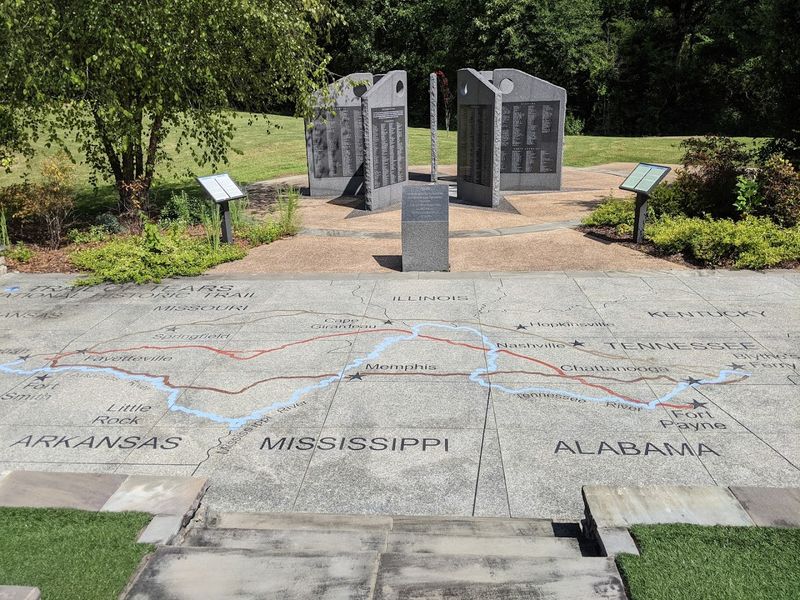
Located at Blythe Ferry on the Tennessee River, this park marks one of the most significant and heartbreaking crossing points on the Trail of Tears National Historic Trail. In 1838, thousands of Cherokee people were forced to cross the river here during their brutal removal to Oklahoma. Many were sick, starving, and grieving loved ones already lost along the way.
Standing at the riverbank today, you can almost hear the echoes of that suffering.
The park preserves the memory of Cherokee removal with interpretive trails, exhibits, and memorials that tell the story of resilience in the face of unimaginable hardship. You’ll find markers explaining the history of the crossing, the conditions the Cherokee faced, and the legacy of trauma that followed. It’s a somber, reflective place, but also an important one for understanding the true cost of American expansion.
Beyond its historical significance, the park offers beautiful river views, hiking trails, and picnic areas. The Tennessee River here is wide and powerful, a reminder of the natural obstacles the Cherokee had to overcome while being forcibly marched westward. The landscape is peaceful now, but the history it holds is anything but.
Cherokee Trail of Tears State Park doesn’t get the attention it deserves, often overshadowed by more famous Tennessee attractions. But if you care about truth-telling in history and want to honor the Indigenous peoples who suffered here, this park is a must-visit. It’s a place to pause, reflect, and commit to remembering stories that should never be forgotten.
The park serves as both a memorial and a call to acknowledge the injustices of the past.
7. Sgt. Alvin C. York State Historic Park
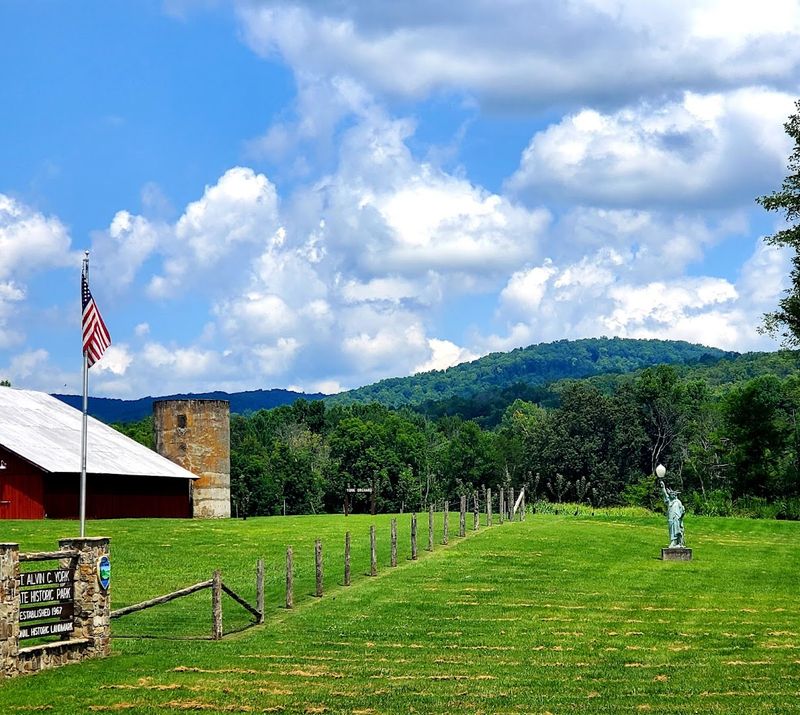
Nestled in the Cumberland Mountains, this park honors one of America’s most famous World War I heroes, Sgt. Alvin C. York.
Born and raised in nearby Pall Mall, York became a national legend after single-handedly capturing 132 German soldiers during the Meuse-Argonne Offensive in 1918. His story is one of courage, faith, and humility, and this park preserves the places where he lived and worked after returning home from war.
You can tour the York Farm, where the sergeant lived with his family, and visit the York Gristmill, which still operates seasonally and grinds corn just like it did in York’s time. The park also features a re-created World War I trench, giving visitors a visceral sense of the conditions soldiers faced in the trenches of France. Walking through the trench, you gain a deeper appreciation for the bravery and sacrifice of York and his fellow soldiers.
The park’s museum displays York’s medals, personal items, and photographs that tell the story of his life before, during, and after the war. Despite his fame, York remained deeply rooted in his Appalachian community, using his celebrity to improve education and infrastructure in rural Tennessee. His legacy is one of service, both on the battlefield and at home.
Sgt. Alvin C. York State Historic Park is a hidden gem for history buffs and anyone interested in World War I or Tennessee’s military heritage.
It’s a small park, but it packs a big emotional punch. You leave with a sense of admiration for a man who never sought glory but answered the call when his country needed him most.
8. T.O. Fuller State Park
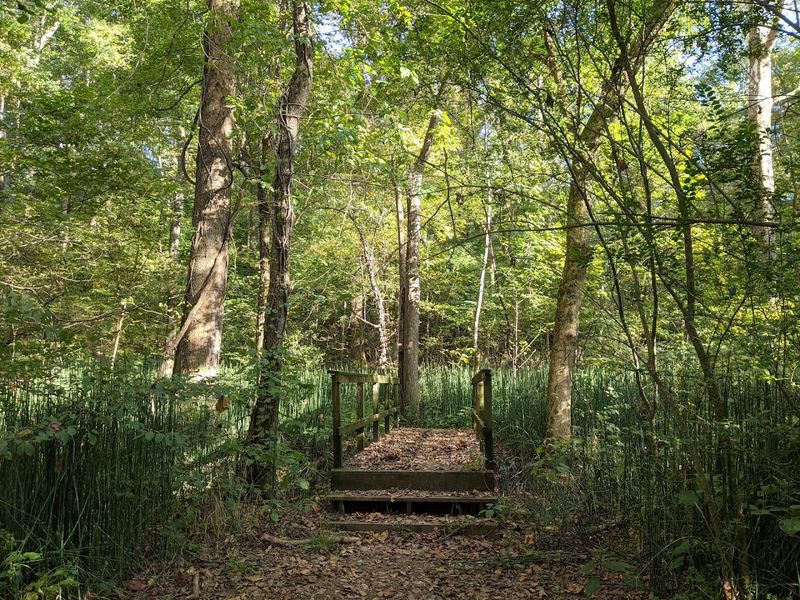
T.O. Fuller State Park carries a history that many visitors never learn about. Established in 1938 as Shelby County Negro State Park, it was one of the few recreational areas in the South where African Americans could enjoy outdoor activities during the Jim Crow era.
At a time when segregation barred Black families from most public parks, T.O. Fuller provided a rare space for picnics, swimming, camping, and community gatherings. That history alone makes it one of Tennessee’s most significant parks.
The park was later renamed in honor of Dr. Thomas O. Fuller, a prominent African American minister, educator, and historian who fought tirelessly for civil rights and education in Memphis. His legacy lives on in the park’s mission to serve the community and preserve an important chapter of African American history in Tennessee.
Walking the trails and picnic areas today, you’re treading ground that once represented freedom and dignity in a deeply unjust world.
T.O. Fuller offers hiking, disc golf, a golf course, and plenty of green space for recreation, but its historical significance is what sets it apart. Interpretive signs and exhibits help tell the story of segregation, resistance, and progress.
It’s a place where history and nature intersect in a meaningful way, reminding us of how far we’ve come and how much work remains.
Most tourists visiting Memphis head straight for Graceland or Beale Street, missing this powerful piece of civil rights history. T.O. Fuller State Park deserves more recognition, not just as a recreational spot but as a monument to resilience and community.
It’s a place to honor the past while enjoying the present.
9. Pickett CCC Memorial State Park
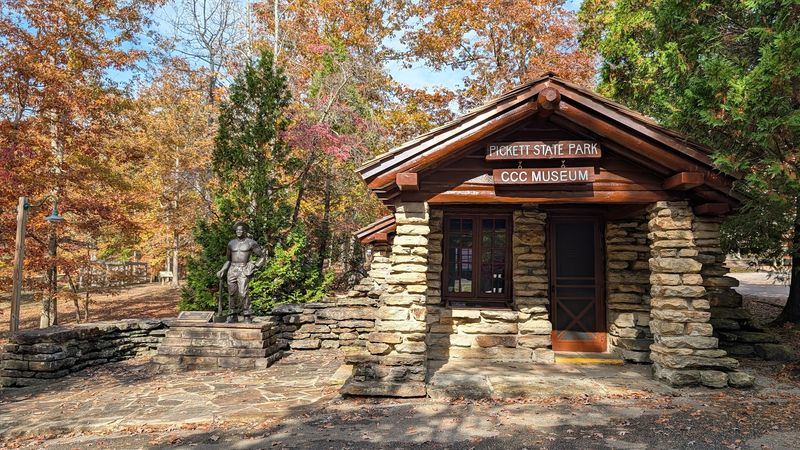
Pickett CCC Memorial State Park honors the young men of the Civilian Conservation Corps who transformed Tennessee’s landscape during the Great Depression. Between 1933 and 1942, CCC workers built trails, bridges, cabins, and infrastructure across the state, creating many of the parks we enjoy today. Pickett preserves that legacy with a CCC Museum that showcases tools, photographs, and stories from the era, giving visitors a window into one of America’s most successful public works programs.
Beyond its historical significance, Pickett is a natural wonderland. The park features stunning sandstone rock shelters, natural bridges, and caves that have been carved by water over millions of years. Hiking trails wind through old-growth forests, past rock formations with names like Indian Rockhouse and Hazard Cave.
The park also sits in a designated International Dark Sky Park, making it one of the best places in Tennessee for stargazing.
Pickett’s remote location in the Upper Cumberland keeps it off most tourists’ radar, but that’s part of its charm. You can paddle the park’s quiet lake, explore hidden waterfalls, or simply sit by a campfire under a sky full of stars. The combination of CCC history and natural beauty makes Pickett a unique destination that appeals to both history lovers and outdoor enthusiasts.
If you’re looking for a park that offers solitude, natural wonder, and a meaningful connection to Depression-era history, Pickett CCC Memorial State Park delivers. It’s a place where you can appreciate the hard work of the young men who built these trails while enjoying the timeless beauty they helped preserve. You leave with gratitude for their efforts and a deeper appreciation for Tennessee’s public lands.
Share this story