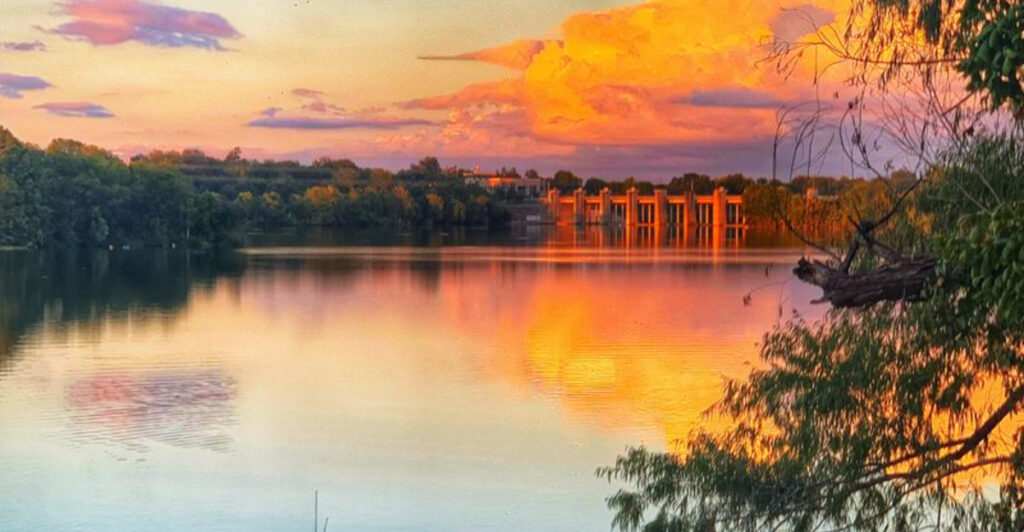
Austin isn’t just another city on the map of Texas—it’s a living, breathing celebration of creativity, nature, and good times rolled into one unforgettable place. From natural swimming holes that have cooled off locals for generations to quirky art installations that make you smile, this city knows how to keep things interesting. Whether you’re a first-time visitor or a longtime resident looking to rediscover your hometown, these spots capture what makes Austin so special.
Get ready to explore the attractions that prove why this city’s slogan, “Keep Austin Weird,” isn’t just a catchy phrase—it’s a way of life.
1. Barton Springs Pool
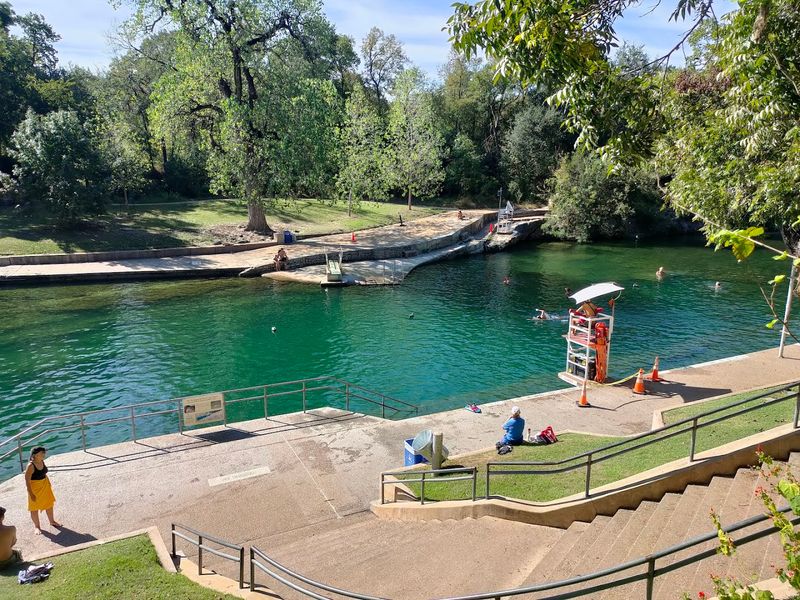
Picture a natural swimming pool so perfect that people have been taking the plunge here since the 1800s. Barton Springs Pool stays a refreshing 68-70 degrees year-round, fed by underground springs that pump out about 27 million gallons of water daily. That chilly temperature might make you gasp when you first jump in, but on a scorching Texas summer day, there’s nothing better.
The pool stretches nearly three football fields long inside Zilker Park, giving you plenty of room to swim laps or just float around. Locals treat this place like their backyard pool, showing up early in the morning or after work to get their swim in. You’ll see everyone from serious swimmers doing their daily workout to families teaching little ones to paddle.
What makes Barton Springs extra special is the natural environment surrounding it. Tall pecan trees provide shade along the grassy banks, and the spring water supports several endangered salamander species that live nowhere else on Earth. The limestone bottom stays visible through the clear water, and you might spot fish swimming alongside you.
Entry costs just a few dollars for residents and a bit more for visitors, making it an affordable escape from the heat. The pool operates year-round, though brave souls swimming in January deserve serious respect. Lifeguards keep watch during operating hours, and there’s a shallow area perfect for younger swimmers.
Early morning visits offer the most peaceful experience, with mist rising off the water and fewer crowds. Weekends get packed, especially during summer, so plan accordingly. Bring your own towel and sunscreen, and maybe pack a picnic to enjoy on the lawn afterward.
This Austin institution has been bringing people together for over a century, and one visit shows you exactly why.
2. Rainey Street Historic District
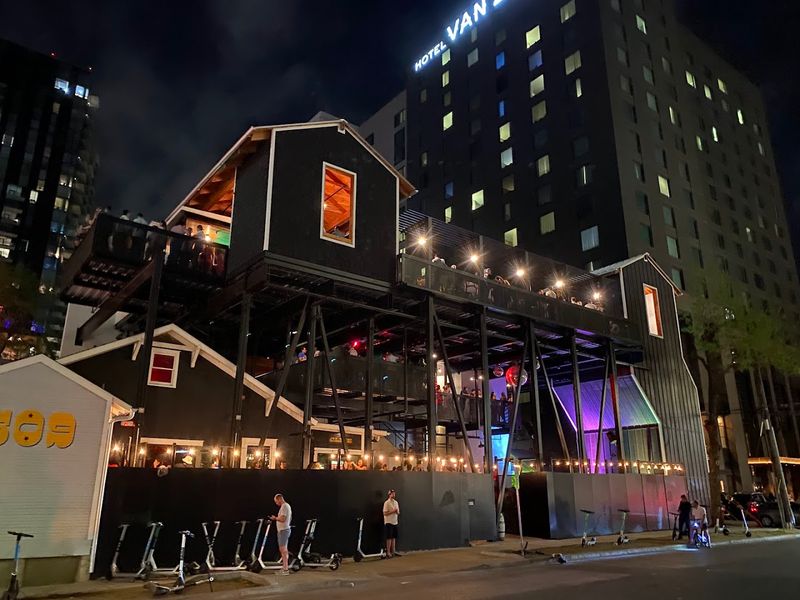
Once a quiet residential street lined with simple bungalow homes, Rainey Street transformed into one of Austin’s hottest nightlife destinations without losing its neighborhood charm. These aren’t your typical bars—they’re actual houses from the early 1900s converted into drinking and dining spots, each with its own personality and vibe. Walking down the street feels like hopping between different house parties, except with better cocktails and food trucks parked in the yards.
The transformation started around 2009 when developers saw potential in the aging homes near downtown. Instead of tearing everything down, they preserved the exteriors and turned living rooms into bar spaces and backyards into beer gardens. Now you can grab craft cocktails in a vintage cottage one minute and sip local brews on a patio under string lights the next.
Each spot brings something different to the table. Some focus on craft cocktails mixed by bartenders who take their job seriously, while others keep things casual with cold beer and good company. The outdoor spaces really shine, especially during pleasant weather months when you can claim a picnic table and settle in for the evening.
Food trucks line the street and parking lots, serving everything from tacos to barbecue to creative fusion dishes. This setup means you can bar-hop and food-truck-hop simultaneously, which locals have turned into an art form. The district stays relatively quiet during weekdays but comes alive Thursday through Saturday nights.
High-rise condos now tower over the historic bungalows, creating an interesting contrast between old Austin and new development. Some worry about the area losing its character as more construction happens, but for now, Rainey Street still captures that special Austin energy. Visit on a weeknight for a more relaxed experience, or embrace the weekend crowds if you want the full buzzing atmosphere.
3. Texas State Capitol
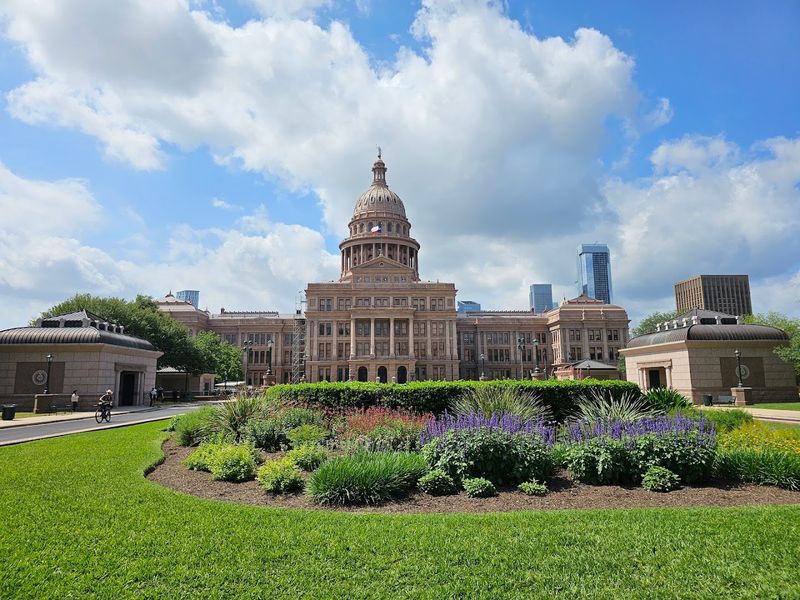
Standing taller than the U.S. Capitol in Washington, D.C., the Texas State Capitol makes quite a first impression with its distinctive pink granite exterior and commanding presence. Built in 1888, this Renaissance Revival masterpiece sits on 22 acres of beautifully maintained grounds right in the heart of downtown Austin.
The building’s dome rises 308 feet into the Texas sky, topped with a Goddess of Liberty statue that’s become an iconic symbol of the state.
Free guided tours run throughout the day, taking you through ornate chambers where Texas lawmakers still conduct state business. The interior features stunning details—intricate tile floors, portraits of past governors lining the walls, and rotunda artwork that showcases Texas history. Your guide will share stories about the building’s construction and the political drama that’s unfolded within these walls over the decades.
The grounds surrounding the Capitol deserve just as much attention as the building itself. Seventeen different monuments and memorials dot the landscape, each telling part of Texas’s complex story. Shaded walking paths wind past these monuments, and the mature trees provide welcome relief during hot months.
You can explore on your own or join one of the free tours that depart regularly from the ground floor. Security screening is required to enter, so leave extra time if you’re on a tight schedule. The Capitol also houses a visitor center with exhibits about Texas history and government.
The building lights up beautifully at night, making it worth a second visit after dark if you’re downtown anyway. During legislative sessions (January through May in odd-numbered years), you might catch actual government in action. The Capitol represents Texas pride in architectural form, and whether you’re into history, politics, or just impressive buildings, this landmark delivers on all fronts.
4. Mount Bonnell
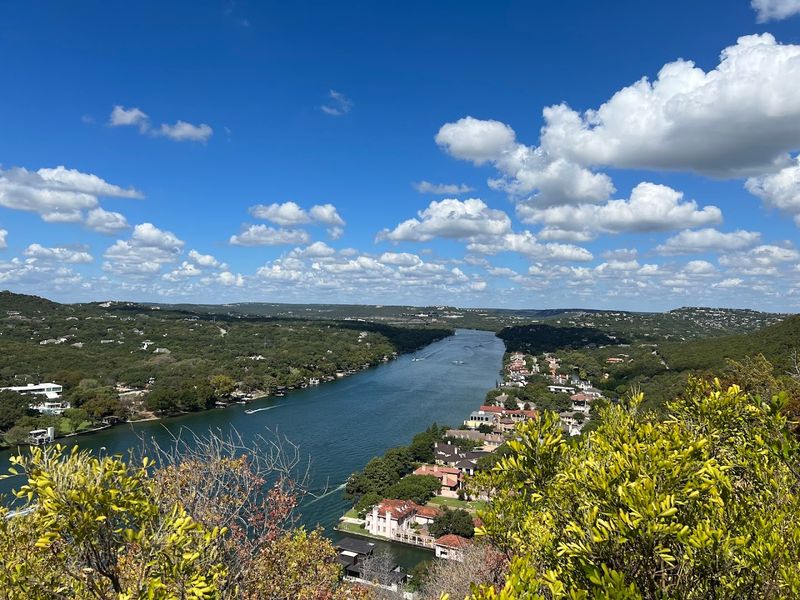
Climbing 102 stone steps might not sound like much, but the payoff at the top of Mount Bonnell makes every step worthwhile. This 775-foot peak offers the best panoramic views in Austin, with Lake Austin snaking through the hills below and the city skyline visible in the distance. People have been making this climb since the 1850s, and the tradition continues strong today with locals and visitors alike huffing up those stairs.
The hike takes maybe five minutes if you’re in decent shape, though you’ll see everyone from serious trail runners to families with small children making their way up. Benches at the top give you a place to catch your breath while taking in the scenery. The view changes with the seasons and time of day—spring bluebonnets paint the hillsides, summer sunsets turn the sky orange and pink, and fall brings clearer air that extends your sightline for miles.
Couples have claimed this spot as one of Austin’s most romantic locations, and you’ll often see people proposing or just enjoying quiet moments together. Photographers show up for sunrise and sunset, when the light hits the water and hills just right. Bring your camera or phone because you’ll definitely want to capture this view.
The small parking lot fills up quickly, especially on weekends and during peak sunset hours. Street parking along the residential road provides overflow options, though you might walk a bit farther. The site closes at 10 PM, and rangers do enforce this rule.
Wear comfortable shoes with good grip since the limestone steps can get slippery after rain. There’s no shade on the stairs or at the summit, so sunscreen and water are smart additions to your visit. The whole experience takes maybe 30 minutes unless you want to linger longer, making it an easy addition to any Austin itinerary.
5. South Congress Avenue
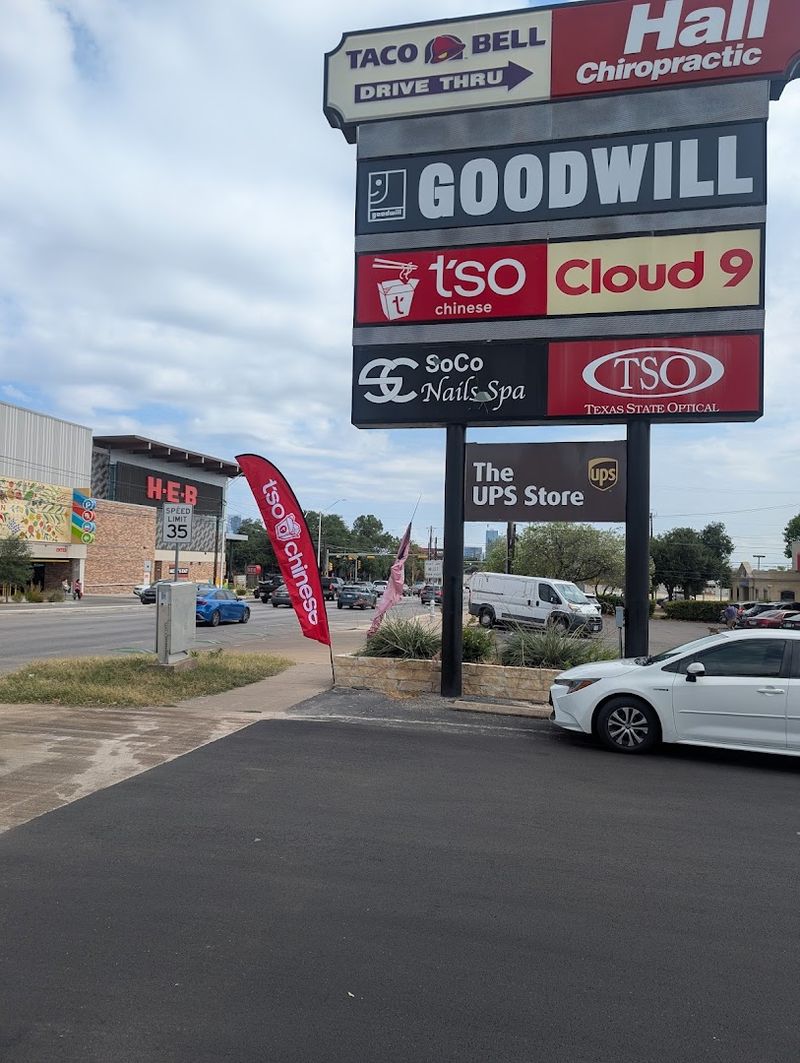
South Congress Avenue—or SoCo as locals call it—runs straight from the Texas Capitol down across the river into a neighborhood that perfectly captures Austin’s eclectic spirit. This isn’t some sanitized shopping district designed by committee. It’s a genuine mix of vintage clothing stores, quirky boutiques, food trailers, live music venues, and enough weird Austin character to fill a whole book.
The shopping here rewards browsers who like discovering unexpected treasures. You might find a perfectly worn leather jacket in one store, handmade jewelry in the next, and vintage cowboy boots in the third. Local designers and artists run many of these shops, so you’re supporting actual Austin creatives rather than chain stores.
The prices range from budget-friendly thrift scores to investment pieces you’ll keep forever.
Food options run the full spectrum on SoCo. Classic diners serve breakfast tacos and comfort food, upscale restaurants offer creative menus, and food trailers park along the avenue slinging everything from Thai food to gourmet popsicles. The famous “I love you so much” mural has become an Instagram staple, though plenty of other street art decorates the area if you keep your eyes open.
First Thursdays bring extra energy to the street with extended shopping hours, special deals, and a festive atmosphere. Street performers and musicians add to the scene, and the whole neighborhood feels like one big block party. Regular evenings stay lively too, especially as the weather cools down.
Parking can challenge even patient drivers, so many people bike or use rideshares to get here. The area stays walkable once you arrive, with most attractions clustered within a few blocks. Hotels dot the avenue if you want to stay right in the action.
South Congress shows you Austin’s creative soul without trying too hard—it just naturally happened this way, which makes it all the more authentic.
6. Blanton Museum of Art
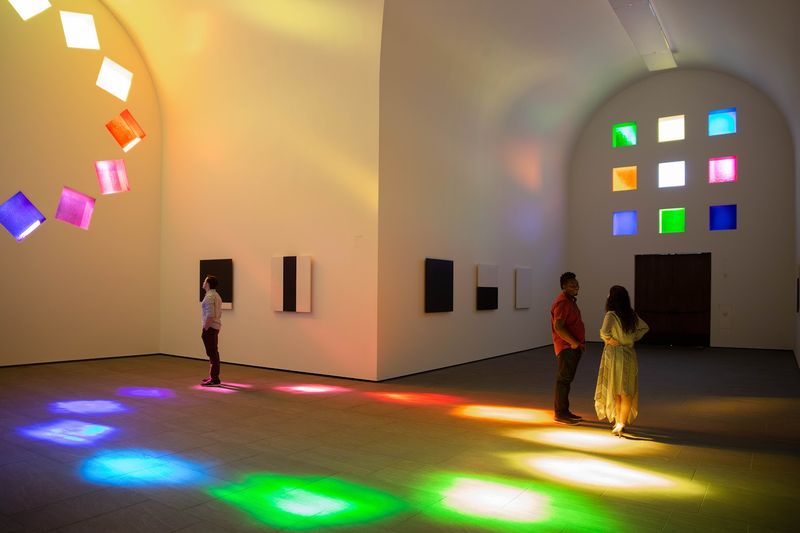
The largest university art museum in the country calls Austin home, and the Blanton Museum of Art houses an impressive collection that rivals museums in much bigger cities. Located on the University of Texas campus, this cultural gem holds over 21,000 works spanning European paintings, contemporary American art, and Latin American pieces that represent one of the finest collections anywhere.
Walking through the galleries feels like taking an art history course, except way more interesting. Ancient Greek and Roman artifacts share space with Renaissance paintings, modern photography, and cutting-edge contemporary installations. The museum rotates exhibitions regularly, so even frequent visitors find something new.
Special traveling shows bring world-class art to Austin that might otherwise require a trip to New York or Los Angeles.
The building itself deserves appreciation, with clean modern lines and naturally lit galleries that showcase the art beautifully. An outdoor space features large-scale sculptures and provides a peaceful spot to decompress between galleries. The museum shop sells art books, unique gifts, and items designed by local artists.
Admission costs less than a movie ticket, and UT students get in free with their ID. The museum offers free entry on Thursdays, making art accessible to everyone regardless of budget. Guided tours run regularly if you want expert insights, or you can wander at your own pace with the free audio guide.
Special events throughout the year include film screenings, lectures, and social gatherings that bring the community together around art. The museum stays open late on Thursdays, and the relaxed evening atmosphere attracts a different crowd than daytime visits. Families appreciate the interactive spaces designed for kids to engage with art hands-on.
Don’t skip the Latin American collection—it’s genuinely world-class and represents centuries of artistic tradition. Plan at least two hours to see the highlights properly, though art lovers could easily spend a full day here. The Blanton proves that Austin’s creative spirit extends well beyond live music and street art into serious fine art appreciation.
7. Lady Bird Lake
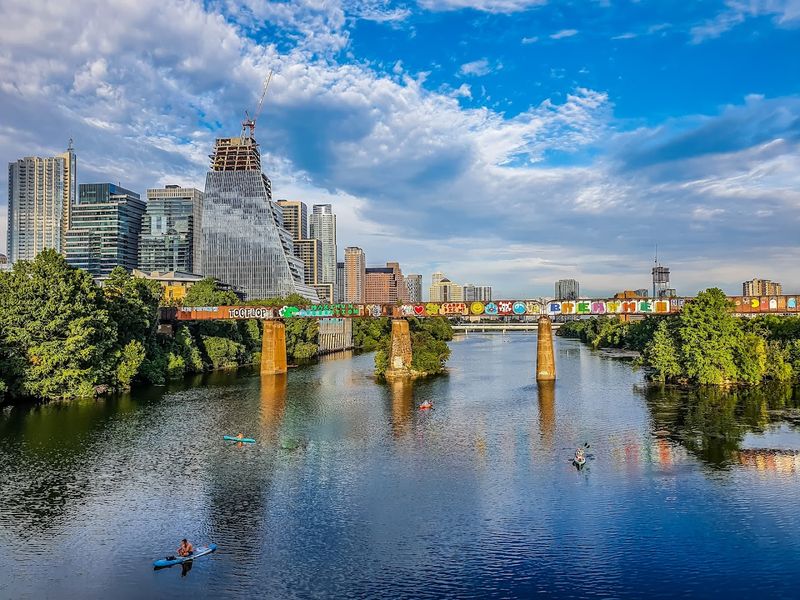
This isn’t technically a lake—it’s actually a dammed section of the Colorado River—but Lady Bird Lake serves as Austin’s aquatic playground right in the middle of the city. Named after former First Lady Lady Bird Johnson, who championed beautification efforts, the lake stretches for miles with the downtown skyline reflected in its calm waters. Kayakers, paddleboarders, and rowers share the surface while joggers and cyclists use the trails that hug the shoreline.
The Ann and Roy Butler Hike-and-Bike Trail loops around the lake for about 10 miles of mostly flat, paved path. You’ll pass under bridges, through shaded sections, and past parks where people picnic and practice yoga. The trail connects several neighborhoods, making it both a recreational space and an actual transportation route for people commuting by bike.
Distance markers help you track your progress, and water fountains appear regularly along the way.
Renting a kayak or stand-up paddleboard gives you a different perspective on the city. Several rental companies operate near the water, offering hourly rates and all the gear you need. The water stays calm most days since motorized boats aren’t allowed, making it perfect for beginners.
Paddling under the bridges and past the skyline creates those postcard-worthy moments that define Austin.
Sunrise and sunset transform the lake into something magical. Early morning mist rises off the water while rowers glide past in perfect rhythm. Evening brings golden light that photographers dream about, and the temperature cools to comfortable levels.
Weekday mornings offer the most peaceful experience, while weekends bring crowds of people enjoying their time off.
Several parks border the lake, including Auditorium Shores where free concerts happen regularly. Zilker Park anchors the south side, giving you easy access to multiple Austin attractions in one area. The lake attracts wildlife too—herons fish along the banks, turtles sun themselves on logs, and you might spot a river otter if you’re lucky.
This urban oasis reminds everyone that Austin’s natural beauty exists right alongside its growing cityscape.
8. The Domain
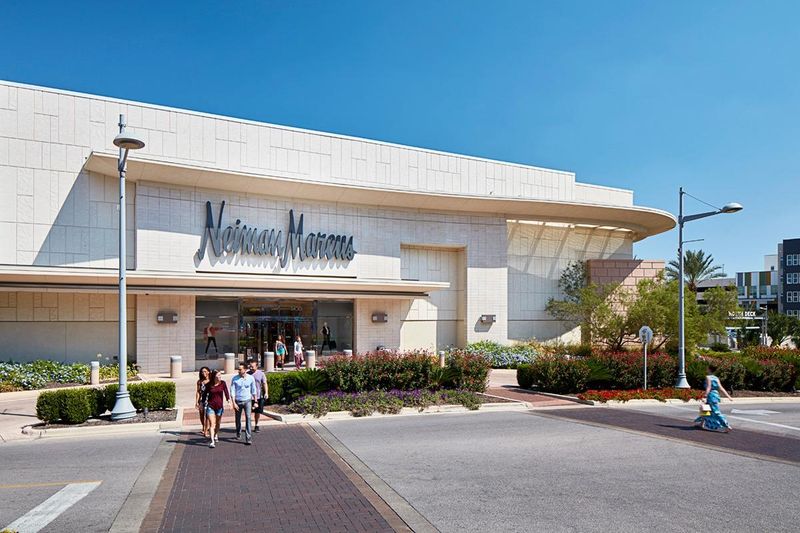
North Austin’s answer to downtown shopping and dining, The Domain sprawls across 300-plus acres of upscale retail, restaurants, and entertainment venues designed to look like a walkable city neighborhood. Love it or hate it, this open-air shopping center represents modern Austin’s growth and attracts serious crowds looking for brands you won’t find in typical Texas malls. Think Neiman Marcus and Tesla showrooms mixed with local favorites and chef-driven restaurants.
The shopping runs the spectrum from affordable chains to luxury boutiques where sales associates greet you at the door. Major department stores anchor the complex, while smaller shops fill the spaces between. Unlike enclosed malls, The Domain spreads across multiple blocks connected by actual streets where cars drive (slowly) past shoppers.
This setup creates a more urban feel, though it also means more walking between stores.
Restaurant options have expanded beyond typical mall food courts into legitimate dining destinations. Celebrity chefs have opened outposts here, and the variety ranges from quick-casual spots to white-tablecloth establishments. Outdoor patios fill up during pleasant weather, and the people-watching rivals the shopping as entertainment.
Food halls offer multiple vendors under one roof if your group can’t agree on a single cuisine.
The Domain II expansion added even more retail and residential towers, making this a true mixed-use development where people actually live above the shops. A luxury movie theater shows the latest releases with reserved seating and full food service. The whole complex feels less like a shopping center and more like a self-contained neighborhood.
Parking can frustrate even patient drivers during peak times, though multiple garages and surface lots provide options. The Domain stays busy year-round, with holiday seasons bringing extra crowds and special events. Some Austin natives dismiss this area as too corporate and chain-heavy, preferring the quirky local spots that define old Austin.
But others appreciate the convenience and selection, especially families looking for a one-stop destination. Whether The Domain represents Austin’s future or a departure from its roots depends on who you ask.
9. Congress Avenue Bridge Bats
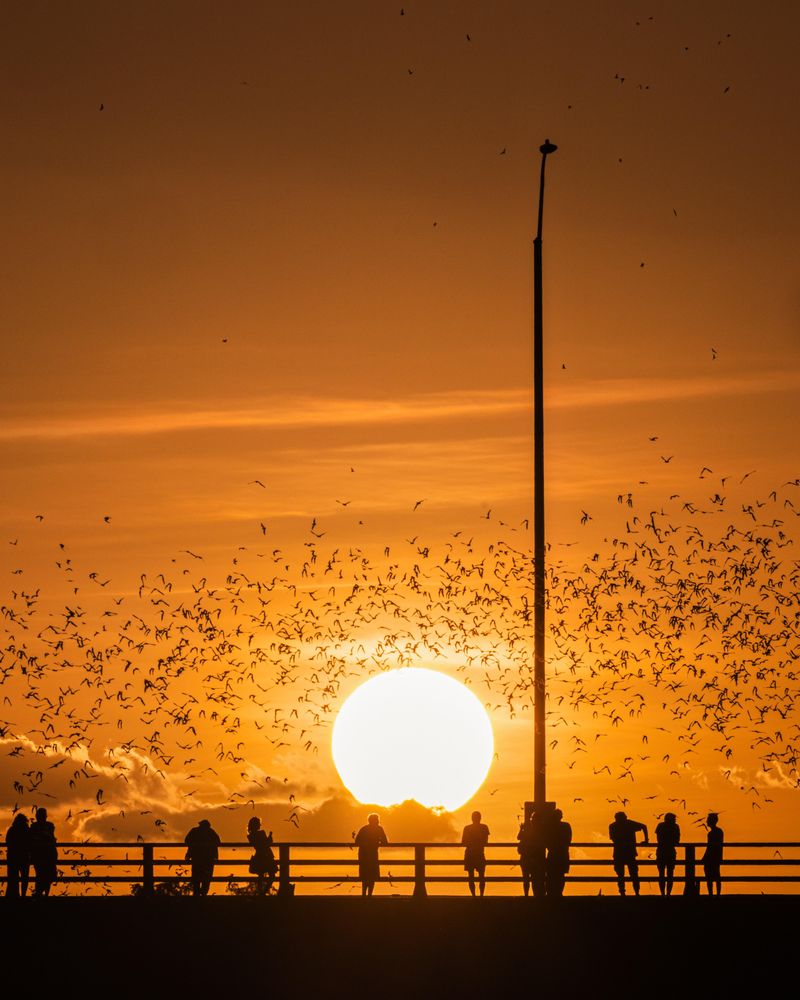
Every summer evening from March through October, the largest urban bat colony in North America puts on a show that draws crowds from around the world. About 1.5 million Mexican free-tailed bats live under the Congress Avenue Bridge, and watching them emerge at dusk has become one of Austin’s most beloved traditions. What started as a pest concern in the 1980s turned into a celebrated natural phenomenon that brings the community together nightly.
The bats emerge roughly at sunset, though exact timing varies with the season and weather. They pour out from under the bridge in dark, swirling columns, heading east to hunt insects over the Texas countryside. A single bat can eat thousands of mosquitoes in one night, making this colony a natural pest control system that benefits the whole city.
The spectacle lasts anywhere from 20 minutes to over an hour depending on how many bats decide to fly that evening.
Several viewing spots offer different perspectives on the emergence. The bridge itself has sidewalks where you can stand directly above the bats, feeling the wind from their wings as they whoosh past. Auditorium Shores park on the south side of the lake provides grassy areas where families spread blankets and wait for the show.
Boat tours on Lady Bird Lake position you right under the flight path for an up-close experience.
Peak season runs from July through September when baby bats born earlier in summer join the nightly flights. Cooler months see fewer bats as some migrate south to Mexico for winter. The bats won’t emerge during heavy rain or very cold temperatures, so check conditions before making special plans.
Arrive at least 30 minutes before sunset to claim a good viewing spot, especially on weekends when crowds gather. Bring a blanket if you’re watching from the park, and maybe pack snacks for a picnic while you wait. The bats represent Austin’s embrace of nature’s quirks—turning what other cities might consider a problem into a celebrated attraction that brings people together under the Texas sky.
10. The University of Texas at Austin
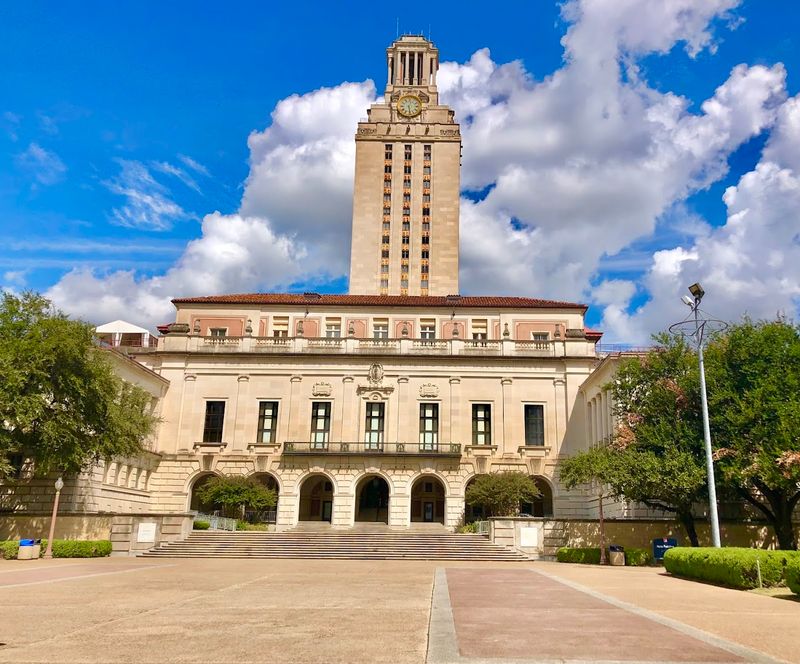
One of the largest universities in the country shapes Austin’s character in countless ways, from the sea of burnt orange you see on game days to the constant influx of young energy that keeps the city feeling vibrant. The University of Texas at Austin sprawls across 430 acres just north of downtown, with the iconic UT Tower serving as a beacon visible from miles away. Even if you’re not a student or alumnus, the campus offers plenty worth exploring.
The tower itself stands 307 feet tall and lights up to celebrate university achievements—orange for victories, different combinations for special occasions. You can tour the observation deck by reservation, climbing to views that rival Mount Bonnell’s perspective. The campus architecture mixes historic limestone buildings with modern facilities, creating an interesting visual timeline of the university’s growth since 1883.
Multiple museums call the campus home, including the previously mentioned Blanton Museum of Art plus the Texas Memorial Museum with natural history exhibits. The LBJ Presidential Library houses archives and exhibits about President Lyndon B. Johnson’s life and political career.
These cultural institutions welcome the public, not just students, making the campus a genuine community resource.
Game days transform the entire area into a burnt orange celebration when the Longhorns play football at Darrell K Royal-Texas Memorial Stadium. Even non-sports fans get caught up in the energy as 100,000 fans pack the stadium and thousands more tailgate around campus. Basketball games at the Moody Center bring similar excitement on a slightly smaller scale.
The campus stays active year-round with lectures, performances, and events open to the public. Food options range from student-budget tacos to nicer spots where professors take visiting scholars. Guadalupe Street, known as “The Drag,” runs along campus offering shopping, dining, and people-watching opportunities.
Parking requires permits in most campus areas, but public garages provide visitor options. The sprawling campus rewards exploration on foot or bike, with paths connecting the various colleges and facilities. UT’s presence influences everything from Austin’s politics to its music scene to its economy, making it impossible to understand the city without acknowledging the university’s massive impact.
11. Zilker Park
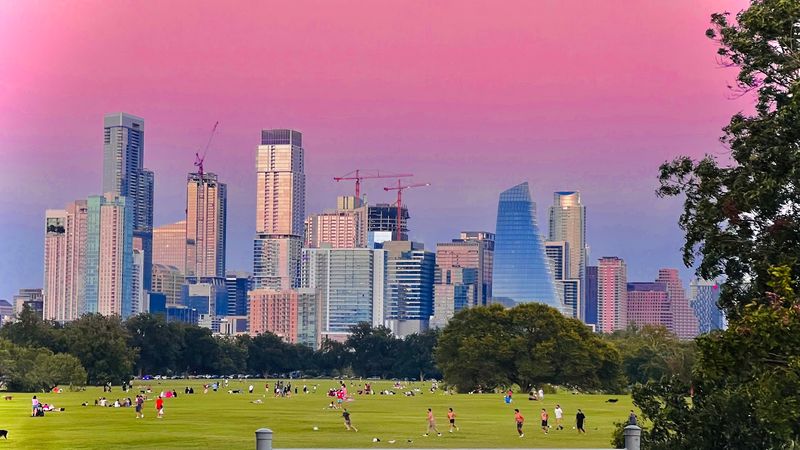
Austin’s most beloved park stretches across 350 acres of prime real estate just south of downtown, offering everything from swimming to hiking to festivals to simple lazy afternoons under the trees. Zilker Park functions as the city’s backyard, hosting millions of visitors annually who come for recreation, events, and that increasingly rare commodity—open green space in the middle of a growing city.
Barton Springs Pool anchors the park, but plenty of other attractions fill the acreage. The Zilker Botanical Garden showcases native plants and themed gardens, while the Austin Nature and Science Center offers interactive exhibits for kids. A miniature train chugs through the park on weekends, delighting children who wave at passengers from the regular trails.
Sports fields, volleyball courts, and wide-open lawns give people space to play whatever games they choose.
The park transforms into Austin’s festival headquarters throughout the year. Austin City Limits Music Festival takes over the grounds each fall, bringing major acts and massive crowds. The Trail of Lights holiday display creates a winter wonderland each December.
Smaller events happen constantly—kite festivals, charity runs, outdoor movies, and community gatherings that bring Austinites together.
The Ann and Roy Butler Hike-and-Bike Trail runs through Zilker, connecting it to the larger trail system around Lady Bird Lake. Kayak and paddleboard rentals operate near the park, making it easy to transition from land activities to water fun. Picnic areas with tables and grills let families and groups claim a spot for the day.
Parking lots fill quickly on nice weekends, and festival times require serious planning or alternative transportation. The park’s popularity sometimes means sharing space with lots of other people, though the size usually allows everyone to spread out. Shaded areas provide relief from summer heat, and the massive pecan trees create natural gathering spots.
Zilker represents what makes Austin special—accessible nature, community gathering space, and room to enjoy life without spending money. Whether you’re swimming, hiking, playing, or just lying in the grass watching clouds, this park delivers exactly what city dwellers need to recharge and remember why they love living here.
12. Live Music on Sixth Street
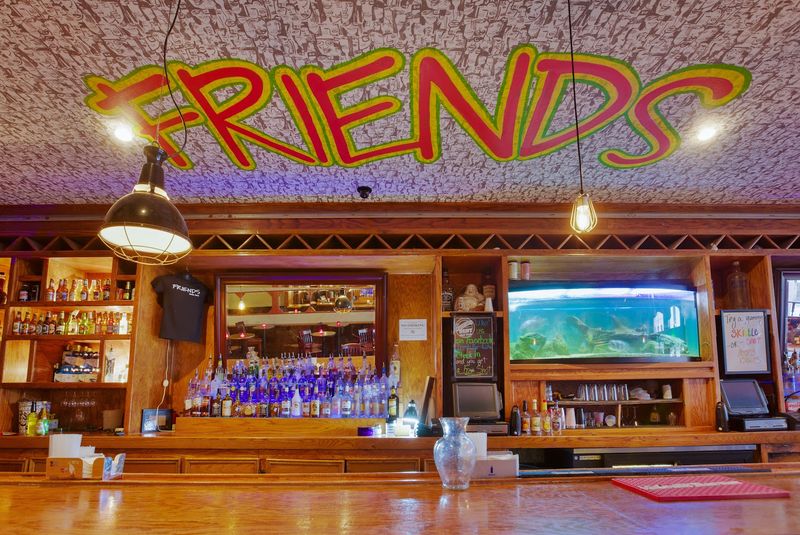
Austin earned its “Live Music Capital of the World” title largely because of this legendary stretch of downtown where live bands play every single night in venues packed shoulder-to-shoulder along the street. Sixth Street isn’t just one scene—it’s actually several distinct sections with different vibes, though the historic district between Congress and I-35 gets the most attention and foot traffic. Neon signs glow, music spills onto the sidewalks, and the energy hits you the moment you arrive.
The venues range from tiny bars where bands play inches from the crowd to larger clubs with actual stages and sound systems. Cover charges stay reasonable or nonexistent at many spots, making bar-hopping affordable entertainment. You might catch future stars before they break big, or see established local acts who’ve chosen Austin as their home base.
The variety spans rock, blues, country, punk, electronic, and genres that defy easy categorization.
Weekends bring the biggest crowds, with the street often closed to vehicle traffic so people can walk freely between venues. Bachelor and bachelorette parties mix with college students, tourists, and locals who still appreciate the scene despite its evolution over the years. The atmosphere gets rowdy and loud—this isn’t the place for quiet conversation or sophisticated cocktails.
It’s about live music, cold drinks, and the kind of night you’ll remember (or maybe not, depending on your choices).
East Sixth Street offers a different vibe with more dive bars, punk venues, and spots that feel less touristy. Red River Cultural District runs parallel to Sixth, hosting venues that book indie and alternative acts for crowds who take their music seriously. These areas represent Austin’s music scene beyond the party atmosphere of downtown Sixth Street.
The scene has changed over the years as Austin grew and rents increased, pushing some legendary venues out and bringing corporate interests in. Long-time Austinites debate whether Sixth Street maintains its authentic character or has become too commercialized. But on any given night, talented musicians still play their hearts out, and people still gather to experience live music in a city that’s built its identity around this art form.
The spirit survives, even if the details keep shifting.
13. Cathedral of Junk
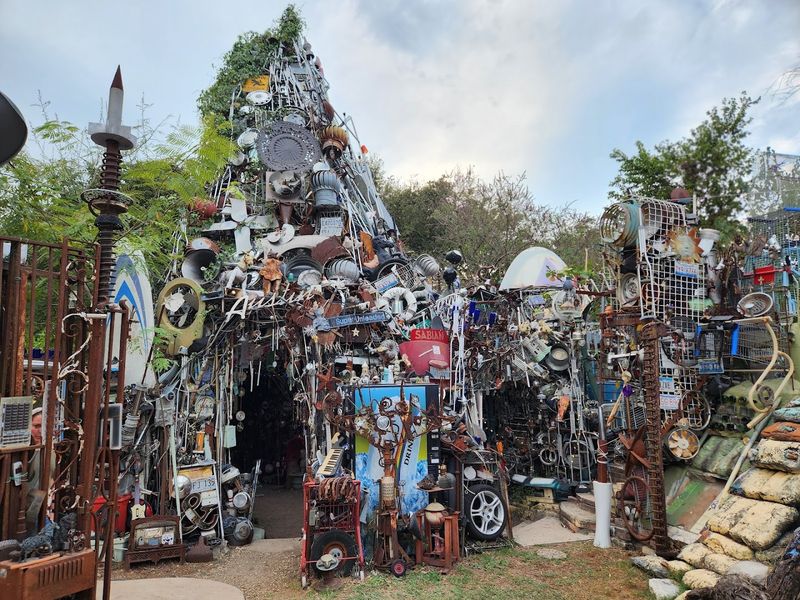
In a residential backyard in South Austin stands a three-story tower built entirely from discarded objects, bottle caps, bicycle parts, circuit boards, hub caps, and thousands of other items that most people would call trash. Vince Hannemann started building his Cathedral of Junk in 1989, and the structure has grown into a genuine Austin landmark that perfectly captures the city’s embrace of creative weirdness. Visiting requires contacting Vince to schedule a time since it’s literally in his backyard, but he welcomes visitors who make the effort.
The structure rises over 60 feet high, with tunnels, stairs, and chambers winding through the assemblage of junk. Everything is incorporated—old signs, tools, toys, electronics, furniture parts, and objects you can’t quite identify. Vince has organized the chaos with artistic vision, creating patterns and themes that reward close inspection.
The whole thing sways slightly when you climb through it, adding an element of adventure to the experience.
This isn’t a commercial attraction with tickets and gift shops. It’s one person’s artistic vision that he shares with curious visitors for free, though donations help with maintenance. Vince often gives tours himself, explaining how different sections came together and pointing out favorite pieces.
His passion for the project shines through, and you realize this represents decades of dedication to a singular creative vision.
The Cathedral faced threatened demolition in 2010 when city inspectors deemed it unsafe, but community support helped Vince make necessary modifications to save his creation. The incident highlighted tensions between Austin’s quirky artistic spirit and regulations that come with being a real city. Ultimately, the Cathedral survived, though Vince had to remove some sections and reinforce others.
Photography is encouraged, and the structure provides endless interesting compositions. Every visit reveals new details you missed before—a pattern in the bottle caps, a clever reuse of some mechanical part, or a hidden message spelled out in found objects. The Cathedral of Junk won’t appeal to everyone, but for those who appreciate outsider art and Austin’s commitment to keeping things weird, this backyard monument delivers an experience you won’t find anywhere else in the world.