If you have ever wished you could step out of modern life and into the daily rhythm of an older America, The Mountain Farm Museum in Cherokee makes that feeling startlingly real. Set against mountain views and open fields, this living history site turns simple log buildings into a vivid story about work, survival, and community.
What looks quiet at first quickly becomes immersive, especially when you picture the hands that cooked here, the forged tools here, and built a life from the land. By the time you finish walking the grounds, you may feel less like a visitor and more like a witness to another century.
1. Why the museum feels like time travel
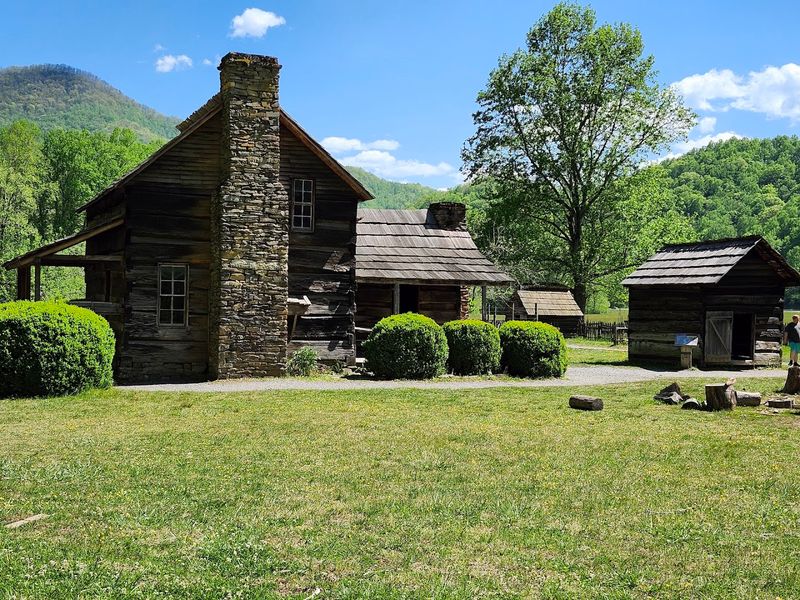
The first thing that struck me about The Mountain Farm Museum was how quickly the modern world seemed to fall away.
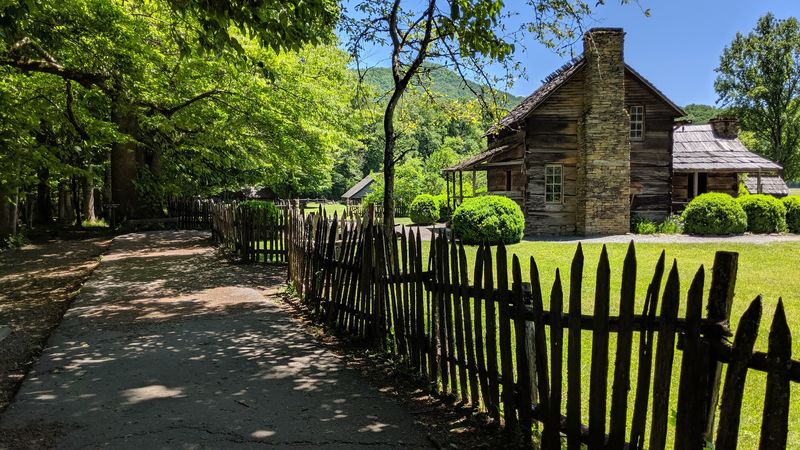
Within a few steps, paved roads, schedules, and screens felt less important than smoke-darkened logs, rough-hewn fences, and weathered farm structures.
You do not need much imagination here because the setting does most of the work for you.
This is not a museum that hides its subject behind glass cases and long indoor hallways.
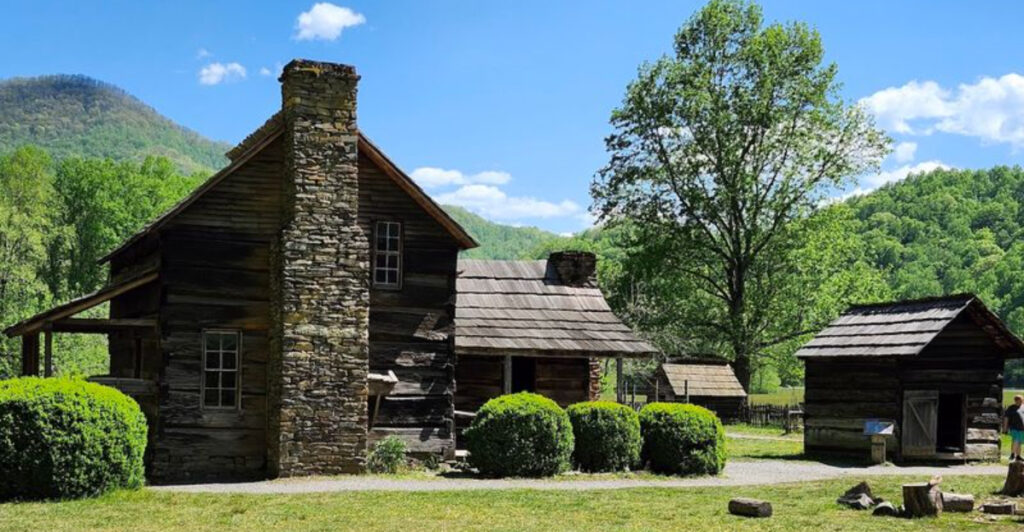
Instead, it spreads history across open ground, letting you walk among cabins, barns, and work buildings that reflect mountain farm life in the nineteenth century.
That physical closeness changes everything, because you are not just reading about the past; you are moving through its spaces.
The site gathers historic log structures that were relocated and preserved so visitors can better understand Appalachian daily life.
Each building helps tell a practical story about food, shelter, chores, craftsmanship, and endurance in the mountains.
I found that honesty refreshing, because nothing about the farm feels romanticized beyond recognition.
What stays with you most is the sense of effort built into every corner.
The museum quietly reminds you that survival once depended on skill, patience, and nonstop labor from sunrise to dark.
By the end of your visit, time travel feels less like a fantasy and more like a humble lesson in how people actually lived.
2. The farmhouse and daily home life
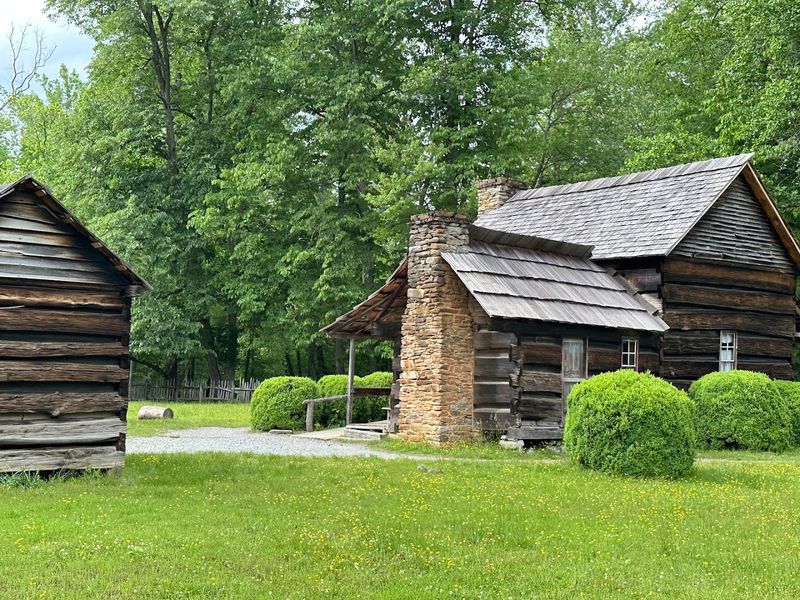
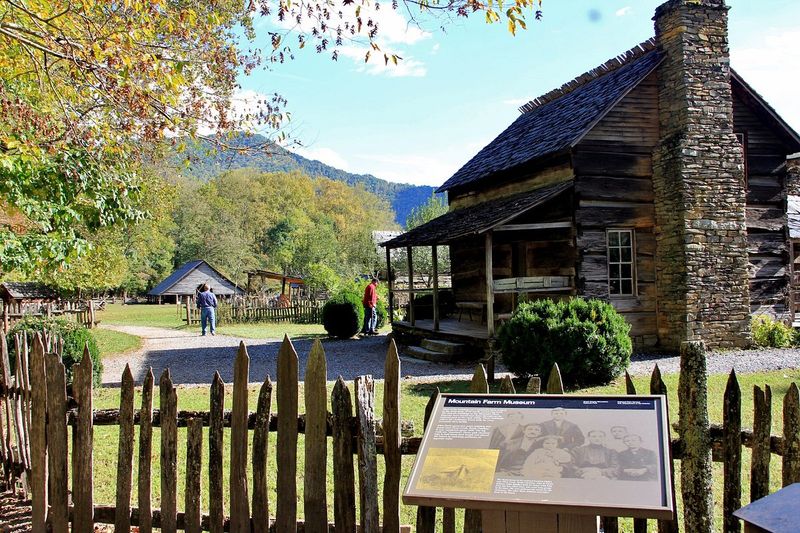
The farmhouse at The Mountain Farm Museum gives you one of the clearest windows into what everyday home life looked like in the North Carolina mountains.
Its plain design, sturdy logs, and practical layout speak to a household built around necessity rather than comfort.
As you stand near it, you can almost picture meals being prepared, clothes being mended, and children learning chores early.
What I appreciate most is how the house communicates values without needing dramatic effects.
Every object and every small room suggests thrift, hard work, and a careful use of limited resources.
You begin to understand that nothing in a mountain home was wasted, because every tool, shelf, and hearthside task served a purpose.
The farmhouse also helps you think differently about privacy, convenience, and rest.
Today, you may expect separate spaces for everything, but homes like this asked families to share heat, labor, and daily routines closely.
That closeness probably brought both comfort and tension, yet it also formed a stronger dependence on one another.
Walking around the house made me think less about old furniture and more about old rhythms.
Life here would have been measured by firewood, daylight, seasons, and the next needed task.
The farmhouse is simple to look at, but the story it tells about resilience, discipline, and family life is surprisingly deep.
3. Barns, pens, and the work of keeping animals
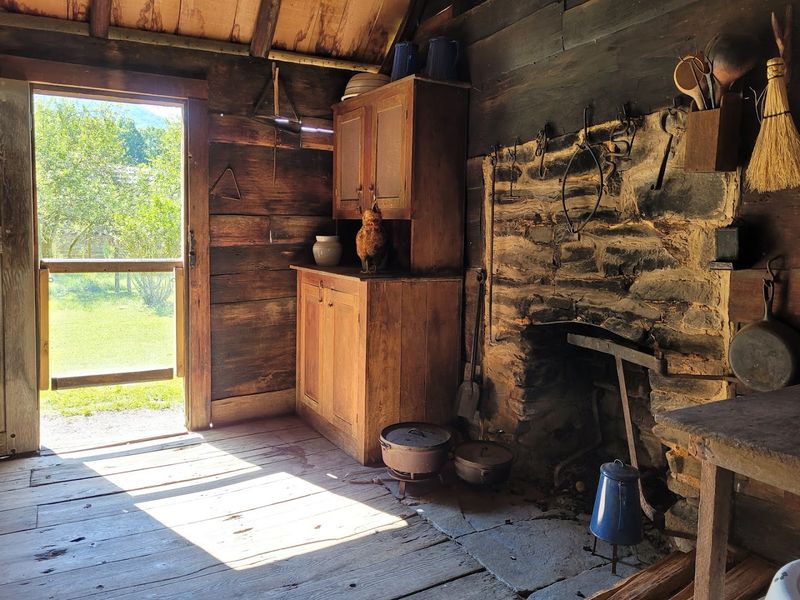
The barns and fenced areas at The Mountain Farm Museum reveal just how central animals were to survival on a mountain farm.
These structures were not decorative additions to a homestead, but essential spaces tied to food, labor, transportation, and household stability.
When you look at them closely, you begin to see a farm as a system where every animal has a job or a value.
There is something grounding about standing near old pens and imagining the noise, smell, and constant responsibility they once held.
Feeding livestock, cleaning enclosures, protecting animals from the weather, and making sure nothing wandered off would have shaped every single day.
That reality makes the farm feel much more demanding than charming.
Visitors often enjoy seeing animals around the museum, and that presence adds life to the historic scene.
Even when the pens are quiet, the layout still tells the story of a working place where people depended on chickens, hogs, and other livestock for meat, eggs, and practical needs.
It is a reminder that farming was not a hobby here, but the backbone of daily living.
I think the barns are especially effective because they show labor without needing much explanation.
Their size, placement, and construction all reflect hard choices about weather, materials, and efficiency.
You leave with a stronger respect for the people who managed both land and animals with little margin for error.
4. Workshops, tools, and mountain ingenuity
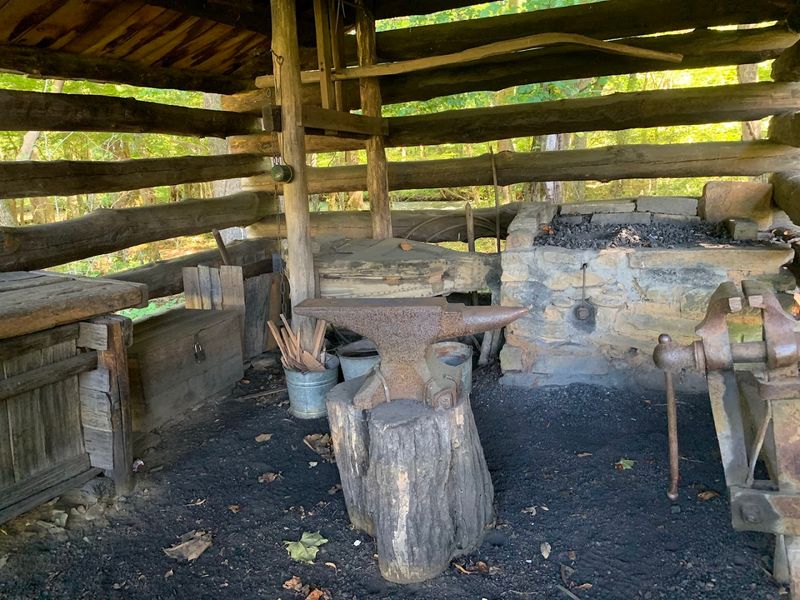
One of the most fascinating parts of The Mountain Farm Museum is the way it highlights the working intelligence behind mountain life.
The shop spaces and tool-related exhibits show that survival depended on far more than strength alone.
You needed repair skills, improvisation, and a constant ability to make or fix what the farm required.
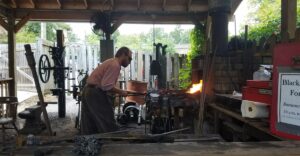
That is why the blacksmith and related work areas leave such a strong impression.
Iron hardware, farming tools, hinges, blades, and household essentials did not simply appear when something broke.
They had to be forged, mended, sharpened, or adapted, often with limited materials and no easy backup plan.
What I love here is the practical creativity on display.
These buildings remind you that older rural communities were full of problem-solvers who understood wood, metal, fire, and function in a deeply hands-on way.
Instead of replacing things casually, people extended the life of every object they could.
As you move through the museum, that ingenuity becomes part of the emotional experience.
You start seeing the farm not just as a collection of buildings, but as a place powered by skilled labor and local knowledge.
For anyone who enjoys craftsmanship, self-reliance, or the history of everyday technology, this part of the museum gives the entire visit extra depth and meaning.
5. A self-guided walk that rewards slow attention
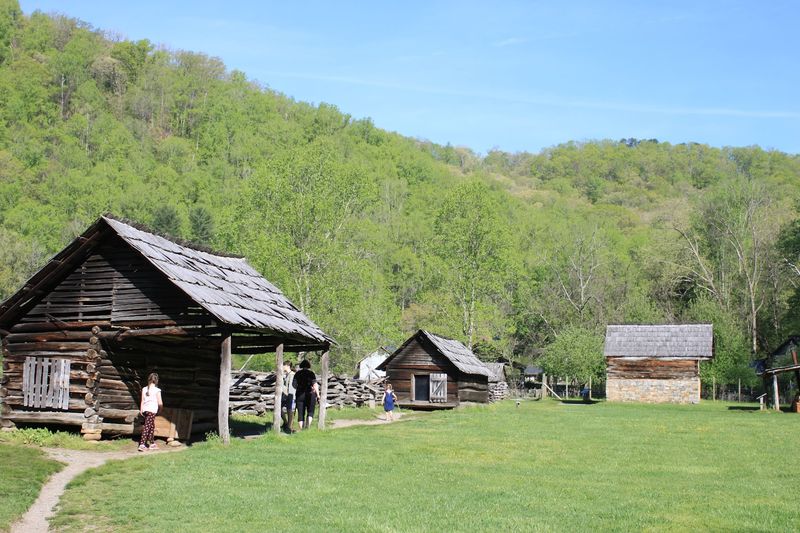
The Mountain Farm Museum works especially well because you can experience it at your own pace.
There is no pressure to rush through a crowded building or follow a strict route, which makes the whole place feel more personal.
If you like lingering, reading signs carefully, and noticing small details, this museum rewards that kind of attention.
The grounds invite a slow walk rather than a fast checklist.
As you move from structure to structure, the story builds naturally, with each stop adding another layer to the realities of mountain farm life.
I found that unhurried rhythm ideal, because the setting feels strongest when you give it time to breathe.
Interpretive information helps connect the buildings to the people who once used them.
Instead of offering history as abstract dates, the museum anchors it in chores, architecture, tools, food preparation, and seasonal labor.
That approach makes the past easier to grasp because it feels connected to ordinary human needs.
A self-guided visit also lets you shape the experience around your own interests.
You might focus on construction methods, domestic life, agriculture, or simply the peaceful atmosphere of the property.
However you choose to explore, the museum encourages curiosity instead of overwhelming you, and that balance makes visits feel welcoming for first-timers, families, and serious history lovers alike.
6. River views, open fields, and mountain atmosphere
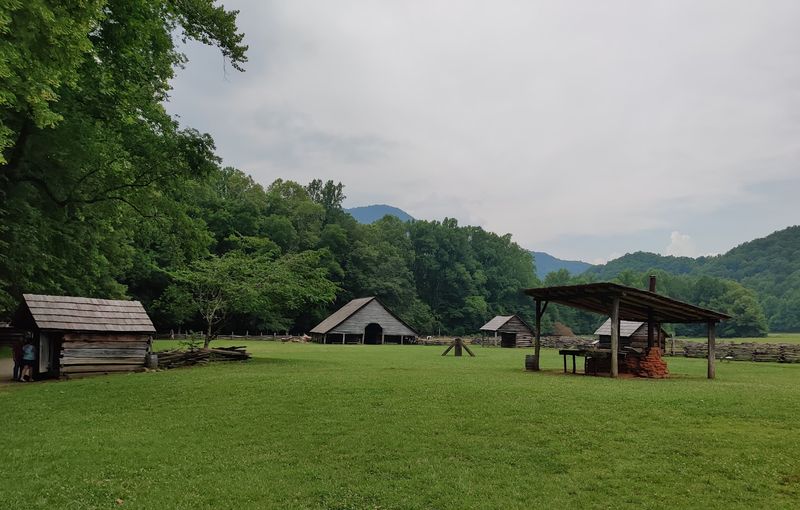
Part of what makes The Mountain Farm Museum so memorable is the landscape that surrounds it.
The open fields, mountain backdrop, and nearby river do more than add beauty – they explain why this kind of farm existed here in the first place.
The environment feels inseparable from the history, which gives the museum a sense of authenticity that indoor exhibits rarely match.
As you walk the grounds, the scenery softens the educational experience without distracting from it.
You can hear water, feel the openness of the meadow, and look up at ridgelines that have framed this region for generations.
That combination makes the museum feel less staged and more like a living part of the land.
I think this setting helps visitors connect emotionally with the past.
It becomes easier to imagine planting, gathering, hauling, and building when the terrain is right there around you.
The farm stops being an isolated display and starts feeling like a direct response to weather, soil, distance, and season.
Even if you arrived mainly for the history, the atmosphere may end up being what you remember most.
There is a peaceful quality here that encourages you to slow down and look longer.
That calm, paired with the weight of the stories on the property, gives The Mountain Farm Museum a rare blend of reflection, beauty, and educational power.
7. Why elk sightings add something special
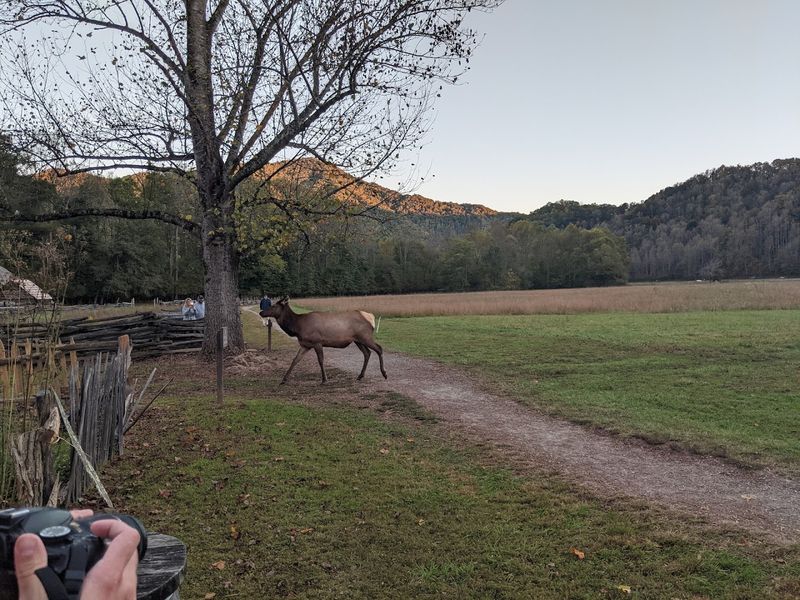
Although the history is the main reason to visit The Mountain Farm Museum, many people leave talking about the elk.
Seeing them near the fields adds an unexpected layer to the experience because the wildlife makes the setting feel even more connected to the rhythms of the land.
It is one thing to study an old farm, and another to watch large animals move through the same landscape.
The elk do not turn the museum into a zoo, and that is part of the appeal.
Their presence feels natural, occasional, and a little thrilling, especially in early morning or evening light.
When they appear, the scene becomes almost cinematic, with historic buildings in one direction and living wildlife in another.
I like that these sightings deepen your awareness rather than distract from the site.
They remind you that mountain life always involves a close relationship with the natural world, whether through hunting, farming, weather, or simple observation.
That connection is easy to forget in modern travel, where so many experiences are heavily managed.
Of course, even without elk, the museum is worth your time, but their presence can make a good visit unforgettable.
You may come for the cabins and barns, then find yourself standing still far longer than expected, watching the field.
Moments like that give The Mountain Farm Museum a quiet magic that feels both historic and completely alive.
8. Living history that makes hard work visible
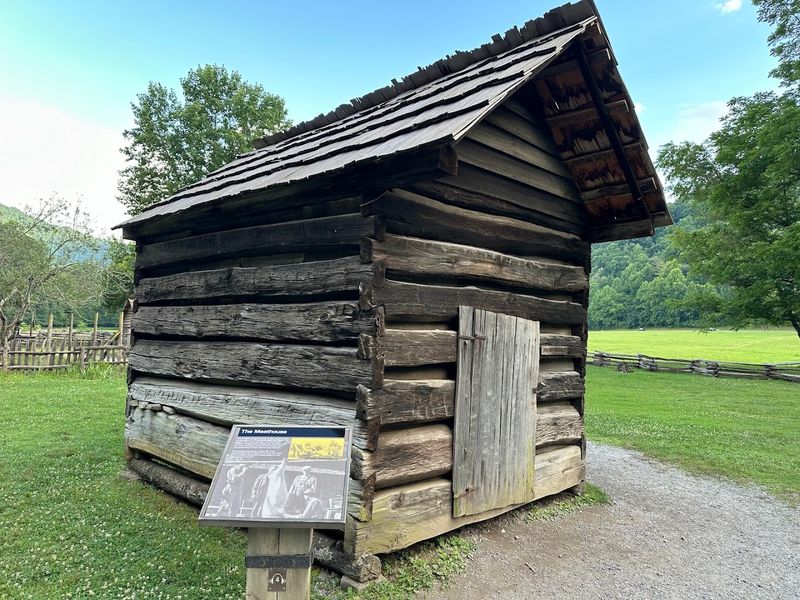
The Mountain Farm Museum succeeds because it does more than preserve old structures – it helps you understand the labor that once animated them.
Whether through exhibits, seasonal demonstrations, or the arrangement of workspaces, the site makes daily effort visible in a way that feels immediate.
You come away seeing history as action rather than decoration.
That matters because mountain farm life was demanding from every angle.
Cooking meant tending fires, farming meant constant physical work, and maintenance never really ended because buildings, tools, fences, and animals all required attention.
The museum presents this reality clearly, without turning hardship into spectacle.
I found that approach both honest and moving.
It asks you to respect the people who lived this way instead of merely admiring the rustic look of their homes.
Once you consider how much energy went into ordinary tasks, the entire farm starts to feel like a record of endurance.
Living history, at its best, helps you feel the distance between past and present while still recognizing familiar human concerns.
Food, shelter, family, weather, and work are timeless subjects, and this museum grounds all of them in a specific mountain setting.
That is why the experience can stay with you long after the visit ends, not as nostalgia, but as a fuller understanding of what daily survival once required.
9. What to know before you visit
Planning a visit to The Mountain Farm Museum is refreshingly simple, which is part of its charm.
The site is open-air, easy to explore on foot, and approachable even if you only have a short amount of time.
Still, a little preparation can help you enjoy it more fully.
Wear comfortable shoes because the best way to experience the museum is by walking slowly across the grounds and stopping often.
Since the setting is exposed to weather, you will also want to dress for sun, heat, cool air, or sudden changes depending on the season.
If you enjoy photography, bring your camera or keep your phone ready, because the mix of scenery, architecture, and possible wildlife is hard to resist.
Many visitors mention that the museum feels peaceful, educational, and family-friendly, which matches the atmosphere I would expect from a place like this.
It is smart to allow enough time not just to glance at the buildings, but to read the signs and absorb the setting.
Rushing would miss the very quality that makes the site special.
You should also check current access details and parking requirements before arriving, since practical arrangements can change over time.
Once you are there, though, the experience itself feels wonderfully uncomplicated.
The museum asks only for your curiosity, your attention, and maybe a willingness to imagine how different everyday life once was.
10. Why this museum lingers in your memory
Some historic attractions are interesting in the moment but fade quickly once you leave.
The Mountain Farm Museum is different because it gives you more than facts – it gives you a feeling of contact with real lives.
That emotional trace is what makes the place linger in your memory.
Part of that comes from the museum’s honesty.
Nothing here depends on flashy technology or manufactured drama to keep your attention.
Instead, the power comes from ordinary things: a farmhouse, a barn, a work area, a field, a fence, and the realization that each one once carried the weight of someone’s survival.
I think visitors respond so strongly because the site turns history into perspective.
You start out admiring old buildings, but you leave thinking about labor, resilience, and how much convenience shapes your own daily routine.
That shift feels personal, and it is why the museum can be both educational and quietly humbling.
If you are looking for a place in Cherokee that offers beauty, substance, and a true sense of place, this museum delivers all three.
It invites you to slow down, look closely, and imagine a world built by hand from local materials and relentless effort.
One visit may only take a small part of your day, but the sense of stepping back centuries can stay with you much longer.
Share this story