Colorado is famous for dramatic landscapes, but some of its most rewarding destinations are the ones that invite you to slow down instead of chase the next viewpoint. Western Colorado Botanical Gardens in Grand Junction offers exactly that kind of escape, combining colorful gardens, tranquil walking paths, butterfly habitats, and peaceful riverfront surroundings in one inviting setting.
Far from the crowds that gather at the state’s most famous outdoor attractions, this hidden gem encourages visitors to linger, explore, and appreciate the quieter side of Colorado’s natural beauty. Whether you’re a gardener, photographer, or simply looking for a relaxing break, this serene oasis is well worth discovering.
A Green Pocket Beside the River
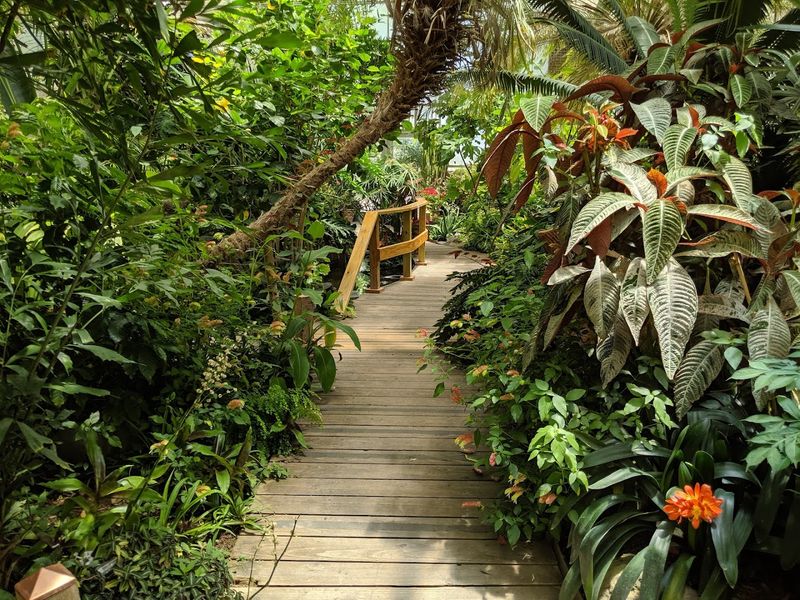
Grand Junction usually announces itself with sun, stone, and big Western space, so the first surprise here is the contrast. Western Colorado Botanical Gardens sits near the Colorado River corridor, and that placement changes the mood before a single bloom comes into view.
Instead of dramatic overlooks and long scenic drives, the experience begins with a smaller, greener world that asks you to slow down and pay attention.
The layout helps immediately. Paths meander rather than rush, and the garden unfolds in sections that feel connected without becoming repetitive.
One turn might frame roses and tidy borders, while the next introduces cactus shapes, shade pockets, or a softer riparian edge that fits the Grand Valley setting better than a generic botanical display ever could.
That sense of scale is part of the charm. This is not a sprawling estate built for marathon sightseeing, and it does not need to be.
The gardens work best as an intentional pause, the kind of place where a half hour can become longer because the route keeps offering one more greenhouse door, one more bench, or one more cluster of color worth stopping for.
Its setting also matters for travelers trying to understand western Colorado beyond postcard scenery. The region is often framed through mesas, orchards, and desert terrain, and this garden quietly ties those threads together.
You get cultivated beauty, but you also get context for local plant life, seasonal change, and the surprising richness that can thrive in an arid landscape when design and care are working together.
That is why the place lands so well. It feels tucked away, but not inaccessible, polished, but not overly formal. In a town where many outings pull you outward toward expansive views, this one invites your focus inward, toward texture, movement, and the calm of a path that never seems in a hurry to end.
The Butterfly House That Changes the Tempo
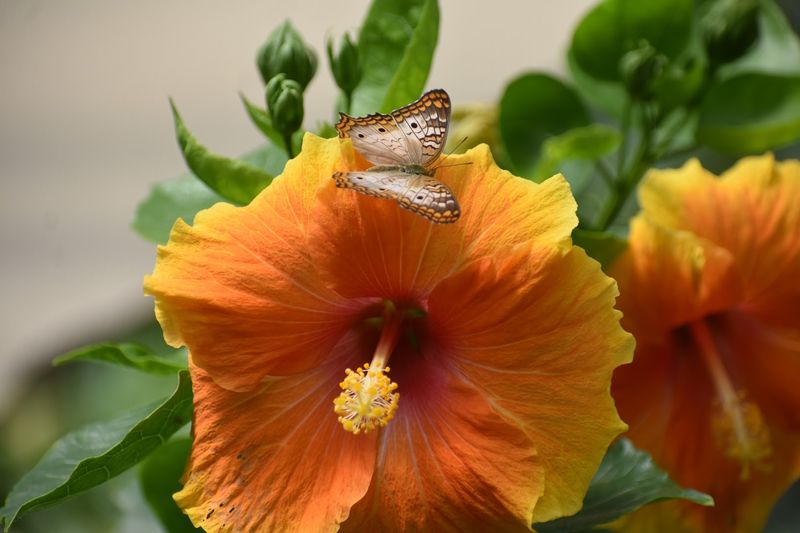
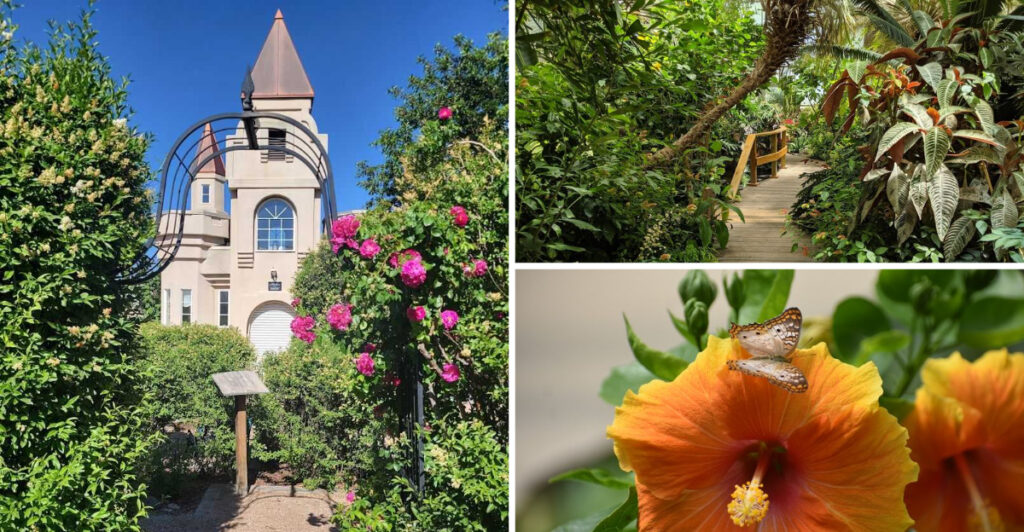
The signature draw here is the butterfly house, and it earns that status without relying on spectacle alone. Walking into the greenhouse shifts the entire rhythm of the visit.
The air turns warm, the light softens through glass and leaves, and suddenly every step gets more deliberate because movement is happening at eye level, above your shoulder, and sometimes directly in front of you.
Butterflies are the obvious stars, but the room succeeds because it is staged as a living environment rather than a photo prop.
Tropical plants fill the space with layers of green, and a koi pond adds motion at ground level, creating a scene that feels active even when everything is quiet. There is enough going on that you naturally stop scanning and start observing.
That slower pace changes how you look at details. Wing patterns become intricate instead of decorative, flowers start functioning as landing pads instead of background color, and even a short pause can produce a completely different view.
The greenhouse rewards patience, especially if you resist the urge to rush toward the next section and simply let the room reveal itself.
It also introduces an element of unpredictability that outdoor gardens cannot always guarantee. A butterfly might drift past your shoulder, settle on a leaf near your hand, or vanish into foliage just when you think you have a perfect look.
That uncertainty keeps the experience lively without making it chaotic, which is a tricky balance and one this place handles well.
For plenty of visitors, this is the moment that turns a casual stop into the centerpiece of the day. Not because it is huge, but because it narrows your attention so completely.
In a region defined by epic scale, a room full of delicate movement becomes its own kind of landscape, and it is surprisingly absorbing.
Tortoises, Koi, and the Joy of Looking Down
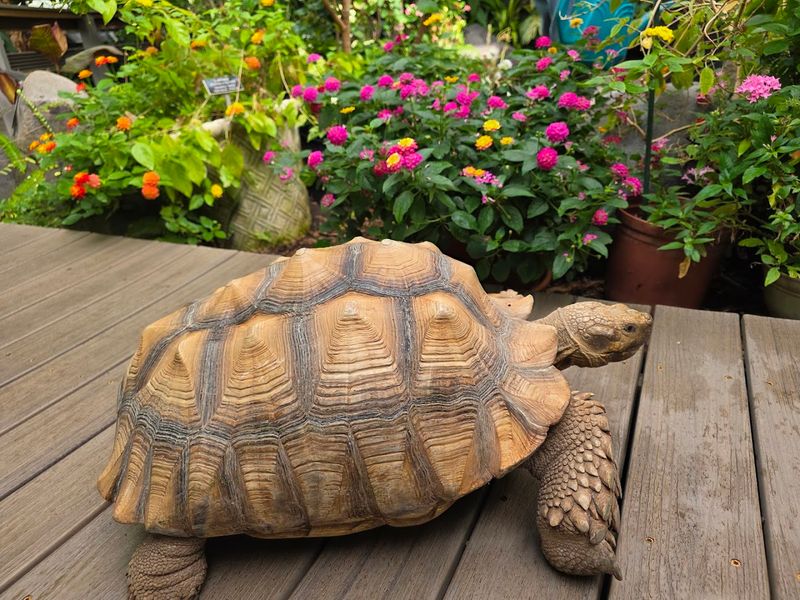
One of the most charming parts of Western Colorado Botanical Gardens is that the highlights are not limited to plants. Tortoises, turtles, koi, frogs, and other small living details give the grounds a playful unpredictability.
That matters because the visit never settles into a single-note stroll through labeled beds and careful landscaping.
Inside the greenhouse spaces especially, you are encouraged to watch your step for a reason. A large tortoise can become the center of the room simply by crossing a walkway at an unhurried pace, instantly changing the energy from passive viewing to delighted attention.
Nearby, koi ripple through the water and turtles appear almost accidentally, making the whole setting feel animated without becoming noisy or crowded.
These details broaden the audience in a smart way. Plant lovers still get the textures, blooms, and design they came for, but families, kids, and anyone who likes a little surprise in a garden experience have more to engage with.
The animals are not staged attractions in the theme-park sense. They are woven into the environment, which keeps the charm grounded.
That integration also supports the garden’s strongest quality: it invites observation from multiple heights. You look up for butterflies, straight ahead for foliage and flowers, and down for koi, turtles, and shaded water features.
The result is a visit that feels active even when you are barely moving, because your attention keeps shifting through different layers of the space.
There is also a practical benefit to that design. Travelers with mixed interests do not have to negotiate between a serious garden stop and something more casual.
This place quietly offers both at once. You can admire tropical leaves, pause beside a pond, then step aside for a wandering tortoise, all within the same small stretch of path.
Why the Outdoor Sections Work in Colorado
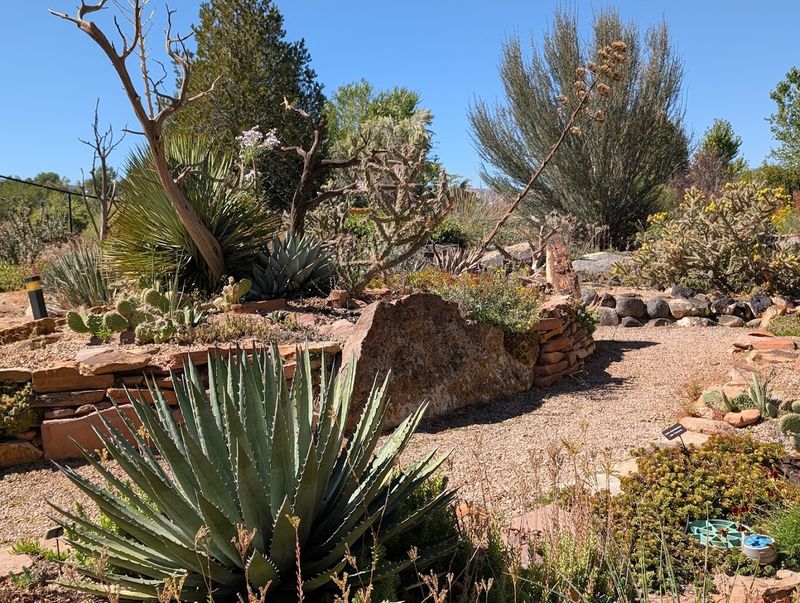
Outdoors, the gardens become less tropical and more regionally tuned, which is exactly where they get interesting. Instead of presenting a single style from end to end, the property moves through specialty sections that reflect different plant communities and visual moods.
A cactus garden, rose plantings, native vegetation, and other themed areas create contrast without making the place feel disjointed.
That variety is especially effective in Grand Junction, where climate shapes daily life in obvious ways. Dry heat, strong sun, and a long growing season all influence what succeeds here, so a garden that acknowledges those realities feels more connected to its setting.
You are not just looking at ornamental beauty in isolation. You are seeing how curated landscapes can respond to western Colorado conditions while still feeling generous and inviting.
The native and arid-friendly sections do some of the heaviest lifting. They bridge the gap between botanical display and local ecology, making the visit useful as well as scenic.
Instead of only delivering color, they show form, adaptation, and texture, from sculptural succulents to hardy plants that make sense in the surrounding valley.
Even the transitions help tell that story. Moving from enclosed greenery to brighter outdoor paths creates a noticeable shift in temperature, light, and sound.
The garden becomes less about enclosure and more about openness, with benches, water elements, and specialty beds breaking up the route so the walk remains visually varied.
This is also where the place avoids a common weakness of smaller gardens. It does not rely on one headline feature and let the rest blur together.
The outdoor sections carry their share of the experience, giving the visit shape and rhythm. By the time you finish the loop, the property reads less like a single garden and more like several compact worlds linked by one easy path.
Small Details That Keep It From Feeling Generic

The easiest way for a modest botanical garden to lose momentum is by becoming too predictable. Western Colorado Botanical Gardens avoids that with a string of odd, specific, and slightly whimsical touches that break up the experience.
A marshy pond area, specialty displays, a children’s space, sculptural elements, and even a small castle-like feature give the route personality that standard flower beds alone could never provide.
Those details matter because they create changes in tone. One moment the path is quiet and observational beside water and plantings, and the next it turns playful or storybook-like.
That variation makes the garden feel less formal than many botanical institutions, which can be a relief if you prefer places that invite curiosity instead of demanding reverence.
The water features seem especially important to the pacing. Lily pads, koi, and marshier edges introduce reflection, movement, and wildlife activity that soften the drier character of the broader region.
In western Colorado, water always catches the eye, so using it as a design anchor gives the grounds a stronger sense of place than decorative landscaping alone would achieve.
There is also a practical bonus to these smaller surprises. They help different generations enjoy the same visit for different reasons at the same time.
A plant enthusiast can focus on species and structure, while a child locks onto turtles, a tiny castle, or a winding path that feels exploratory rather than instructional. Nobody has to force enthusiasm because the garden naturally offers multiple entry points.
That is where the place becomes more than pleasant. It develops character. The memorable parts are not oversized or flashy, but they are specific enough to give the property texture.
You leave with a mental map made of small scenes instead of one generalized blur of flowers, and that is a much harder effect to pull off than it looks.
Why This Garden Feels So Connected to Grand Junction
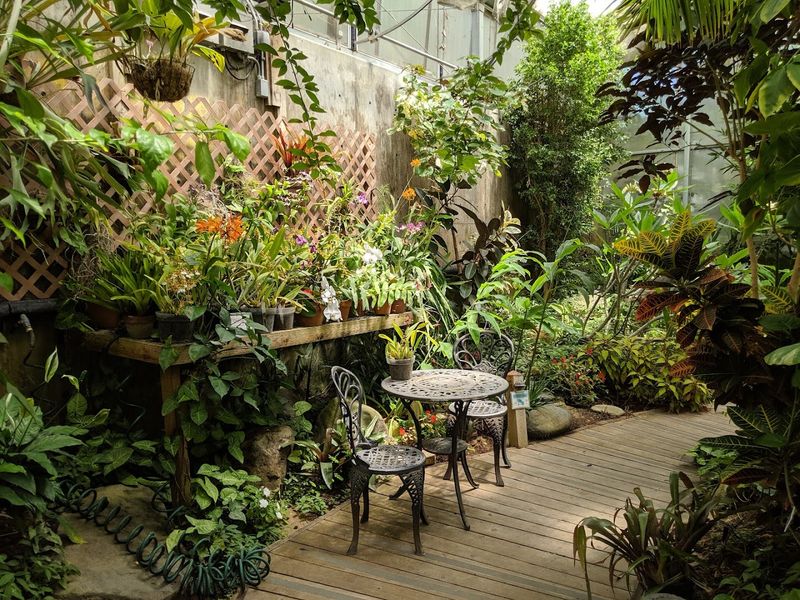
Some attractions impress through size, and others through polish. This one stands out more for care. Western Colorado Botanical Gardens has the kind of lived-in community character that makes a place feel supported rather than manufactured, and you can sense that in the manageable scale, the gift shop, the educational elements, and the way the property seems built for repeat local use as much as first-time discovery.
That local connection changes the reading of the space. Instead of moving through a garden designed only for destination tourism, you are walking through something that appears woven into everyday Grand Junction life.
Families can return seasonally, grandparents can take a gentle stroll, and residents can drop in without needing to build an entire day around the outing. It works as a neighborhood institution, not just a stop on a checklist.
The practical accessibility of that idea is important. Reviews regularly point to affordability, manageable walking routes, and a welcoming atmosphere, all of which reinforce the sense that this place was shaped to be used, not merely admired.
Even the handmade items often found in the shop add to that feeling, connecting the garden to local creativity instead of separating it into a purely curated bubble.
There is also a quiet educational thread running through the visit. Specialty gardens, plant variety, and regional features suggest a mission bigger than decoration.
You are not being lectured, but you are being given enough context to notice the relationship between cultivated beauty, native landscape, and the people who keep both visible in an arid environment.
That combination of intimacy and purpose gives the garden unusual strength. It does not pretend to be a monumental institution.
It offers something more useful: a place the community can actually return to, support, and recognize as its own. For travelers, stepping into that rhythm often reveals more about a destination than any oversized attraction can.
How to Time Your Visit for the Best Experience
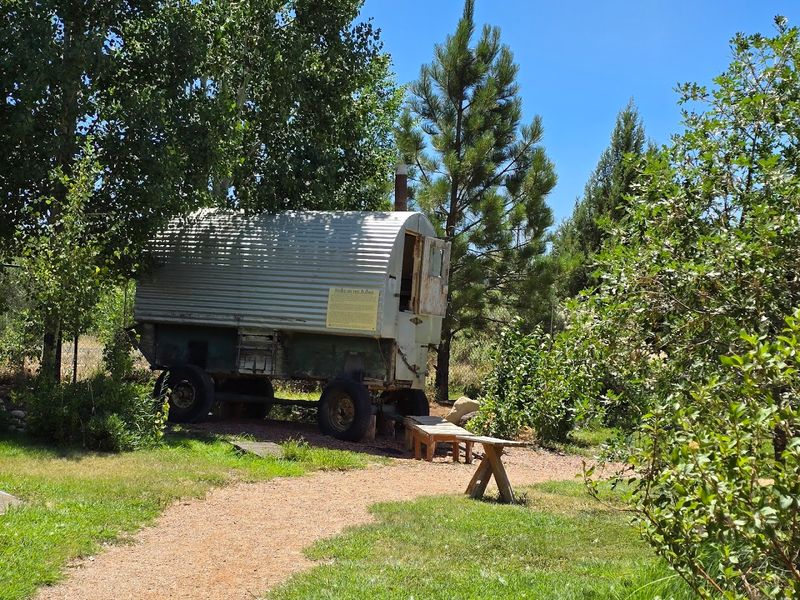
Because the garden is compact and varied, timing matters more than you might expect. Arrive thinking of it as a quick detour and you may miss the best parts simply by moving too fast or choosing the hottest hour.
Treat it as a slower stop, though, and the layout starts working in your favor, especially if you balance indoor greenhouse time with the outdoor sections.
Mornings are a smart choice in Grand Junction, particularly when the sun is intense. Outdoor paths are more comfortable before midday heat settles in, and the contrast between bright open gardens and warm enclosed tropical rooms feels less abrupt.
If you visit later, lightweight clothing, sunscreen, and water are all practical additions, especially for the sunnier stretches where shade can be limited.
The schedule also offers some flexibility worth noticing. Midweek and evening-adjacent hours on certain days create opportunities for a less rushed visit, while closed days make advance planning important if your trip is tightly packed.
This is not a place to assume daily all-day access, so checking operating hours before heading over is part of visiting smoothly.
Inside, it helps to move deliberately rather than trying to cover everything in one sweep. The greenhouse spaces reward standing still, while the outdoor gardens reward looping and lingering.
Benches and seating areas support that kind of pacing, making it easy to break the visit into small chapters instead of one continuous lap.
Accessibility is mixed in ways worth keeping in mind. Paved walkways make much of the route approachable, but some tighter indoor areas or dirt sections may require extra attention for strollers, walkers, or anyone wanting a completely seamless path.
A little planning solves most of that. The payoff is a visit that can be relaxed, comfortable, and surprisingly full without taking over the whole day.
Why This Garden Leaves a Bigger Impression Than Expected
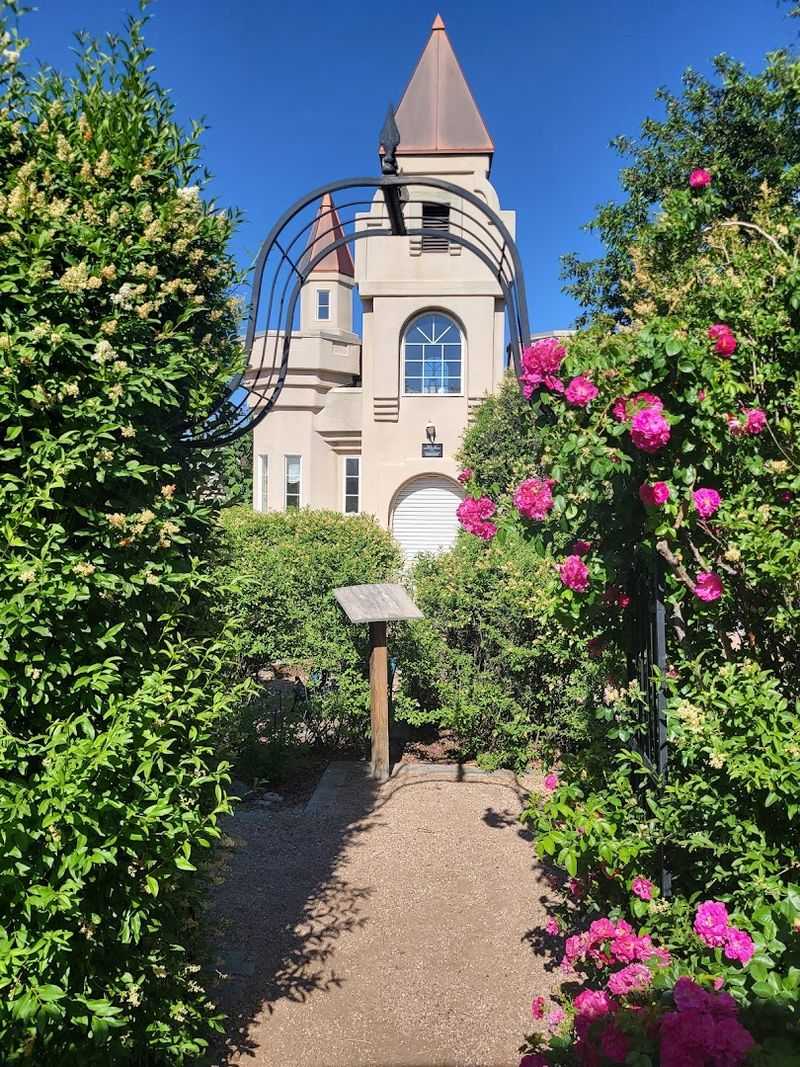
Western Colorado Botanical Gardens does not compete with western Colorado’s famous scenery on scale, and that is exactly why it succeeds. After highways, trailheads, overlooks, and sunbaked landscapes, this place offers a different kind of reward.
It replaces spectacle with intimacy, trading dramatic distance for close-up movement, plant detail, and a pace that encourages you to notice rather than conquer.
That distinction gives it unusual value in Grand Junction. Plenty of area attractions ask for gear, stamina, or a larger block of time.
This garden asks only for attention. You can fit it into a travel day without turning the schedule upside down, yet it still delivers a satisfying shift in mood, especially if the trip has been heavy on rock, heat, and open terrain.
The strongest case for visiting comes from how many roles the place can play at once. It works for a date, a family outing, a quiet solo wander, a multigenerational stroll, or a short recovery stop between bigger adventures.
Butterflies bring the drama, tortoises add personality, themed gardens add structure, and the river-adjacent setting helps the whole property feel unexpectedly sheltered from the city’s broader rhythm.
Just as important, the experience does not rely on one season alone. Outdoor color changes across the year, but indoor greenhouse spaces keep the visit alive even when temperatures drop or conditions outside are less inviting.
That flexibility makes the garden more than a fair-weather stop. It becomes one of those dependable places that can rescue an itinerary when you need something calmer and more contained.
If the best local finds are the ones that sharpen your sense of place rather than blur into generic sightseeing, this garden earns its spot. It shows a greener, softer side of Grand Junction without pretending to be anywhere else. In a region built for big views, that smaller focus turns out to be a real advantage.
Share this story