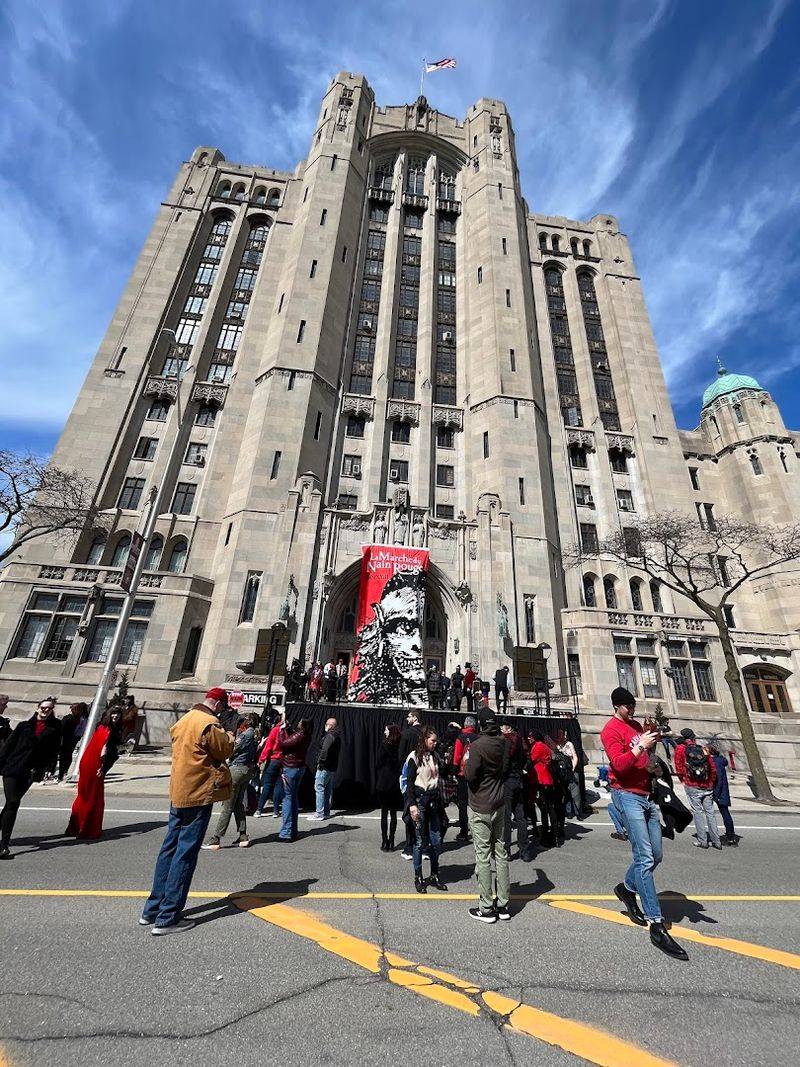
Standing tall on Temple Street in Detroit, the Masonic Temple is not just a building — it’s an experience that stops people in their tracks. Built in the 1920s, this Gothic-style landmark holds the title of the largest Masonic temple in the world, with over 1,000 rooms packed into its stone walls.
Whether you’re there for a concert, a candlelight event, or a guided tour, the place leaves a lasting mark. Detroit has no shortage of cool spots, but nothing quite compares to this castle-like structure that keeps reinventing itself decade after decade.
A Gothic Giant That Towers Over Temple Street
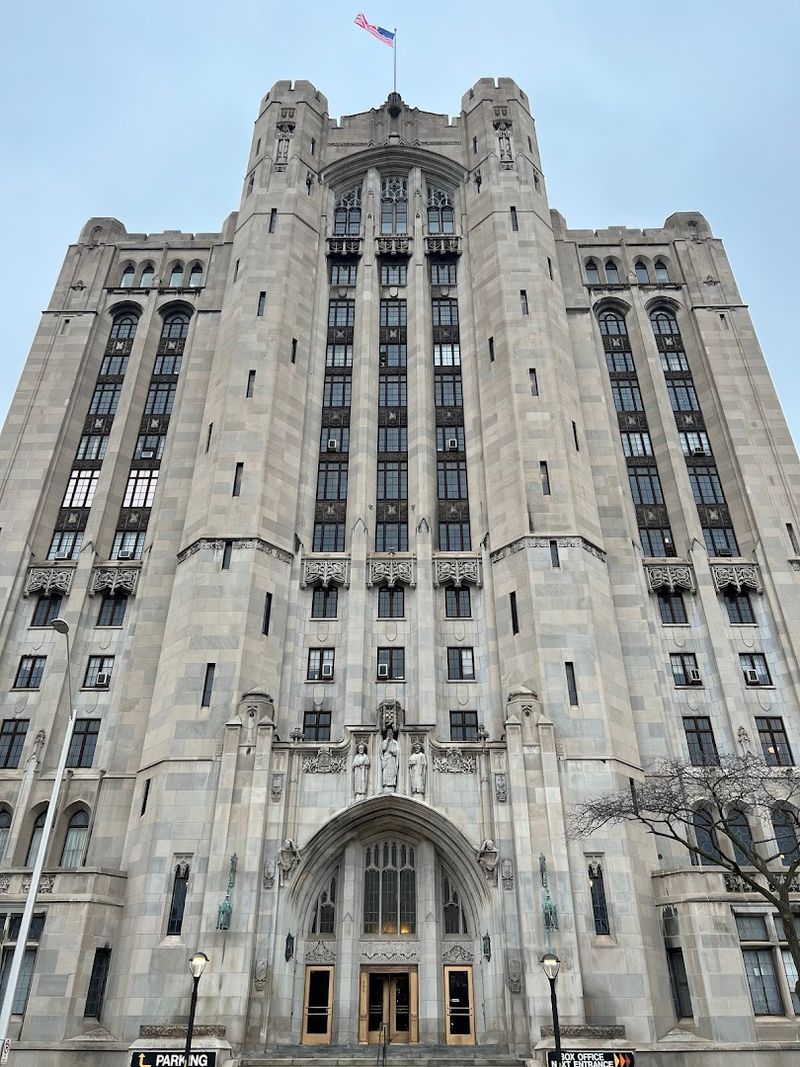
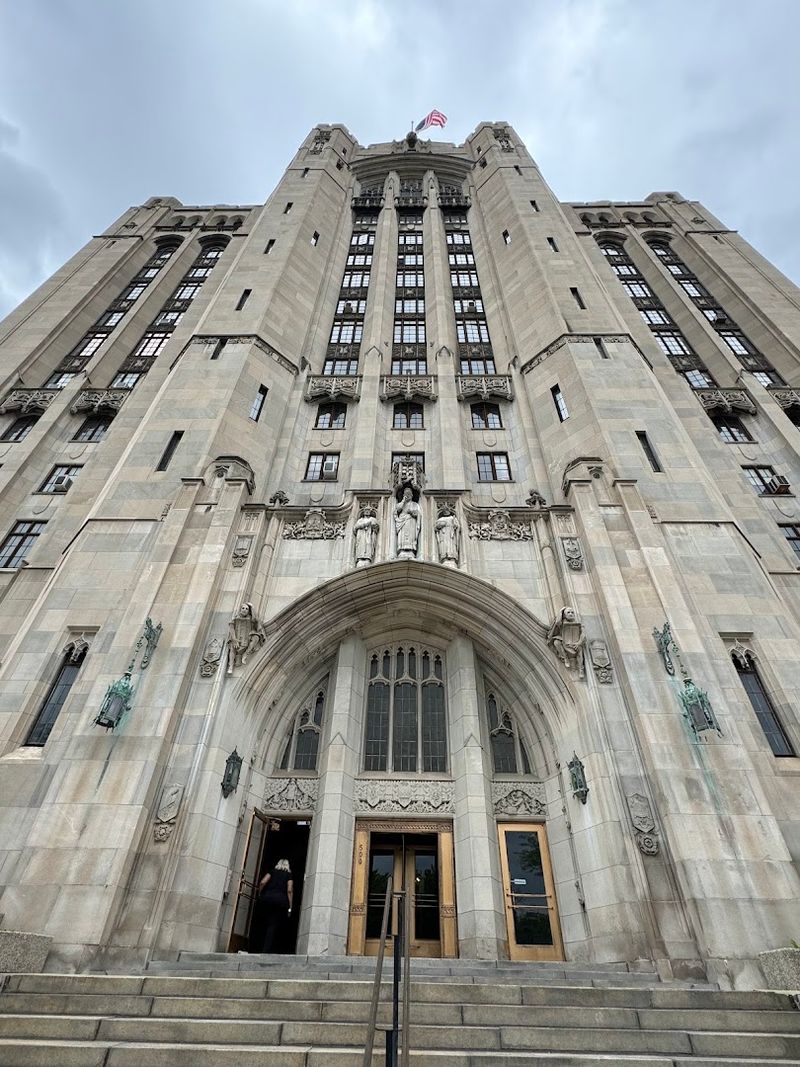
The first time you see the Masonic Temple from the outside, your brain takes a second to process what it’s looking at. The building does not blend in.
Rising above Temple Street with its dark stone facade, pointed towers, and rows of arched windows, it looks more like something pulled from a European city than a block in downtown Detroit. People who have passed it dozens of times still do a double take.
Completed in 1926, the structure was designed by architect George D. Mason, whose name happens to match the building’s fraternal purpose in a coincidence that still gets pointed out on tours.
The sheer scale of it is hard to describe without standing in front of it. At over 1,000 rooms spread across multiple floors, it holds the record as the largest Masonic temple on the planet — a fact that surprises even longtime Detroiters.
The stonework on the exterior is the kind of craftsmanship that simply does not happen anymore. Carved details, heavy cornices, and Gothic ornamental touches run across the building’s surface in ways that reward close inspection.
Looking up from the sidewalk, the towers seem to push into the sky with a quiet authority.
The building sits in Michigan’s cultural core, anchoring a neighborhood that has seen tremendous change while the temple itself has remained a constant. It functions as a visual landmark, a conversation starter, and a point of civic pride all at once.
Even before you step through the doors, the exterior alone makes the trip worthwhile. No photo fully captures the scale — this is a building that demands to be experienced in person, from the street, with enough space to take the whole thing in.
Inside 1,037 Rooms of History, Mystery, and Grandeur
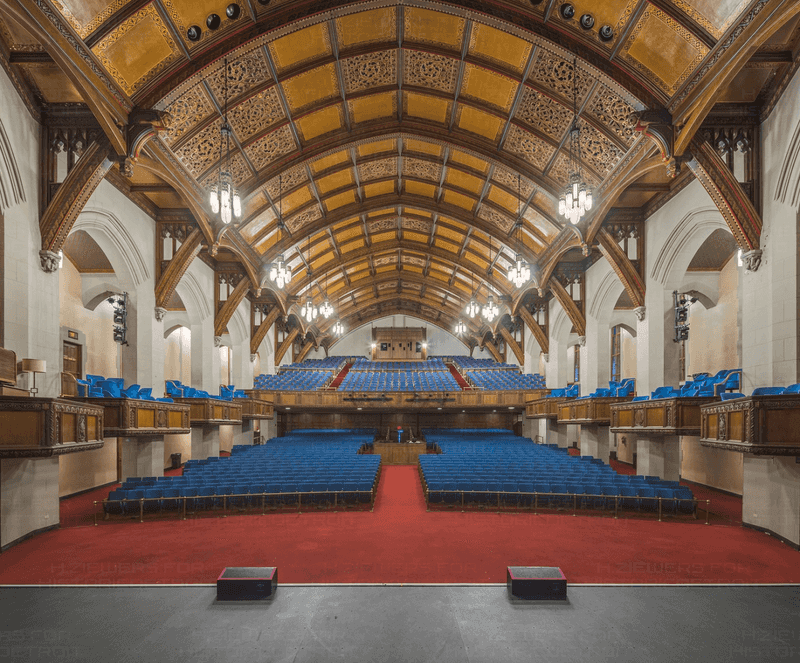
Cross the threshold and the temperature of the experience changes immediately. The interior of the Masonic Temple operates on a completely different visual language than the street outside.
Handcrafted wood paneling lines the walls of corridors that branch off in directions that feel almost deliberately disorienting. First-time visitors often admit they got turned around more than once, and that’s part of the building’s strange charm.
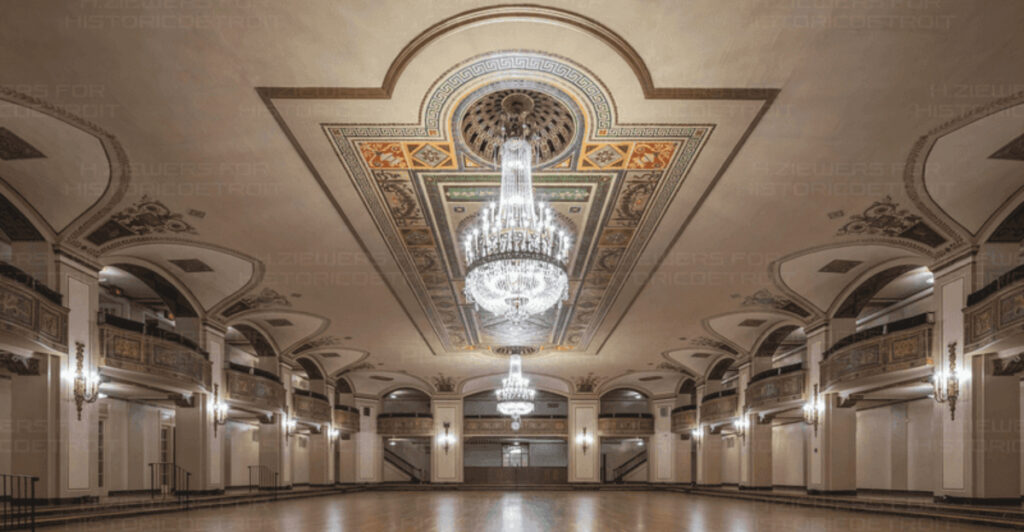
With 1,037 rooms in total, the temple is essentially a small city compressed into one structure. There are ballrooms, lodge rooms, chapels, rehearsal halls, anterooms, and ceremonial spaces, each designed with a specific Masonic function in mind.
Many of these rooms have rarely been seen by the general public, which gives the building a layered quality — the sense that there is always more to discover just around the next corner.
The main concert hall, which functions as the auditorium for live events, was originally a cathedral-style space. The layout can feel counterintuitive when entering from certain doors, since the building was not designed with modern event flow in mind.
But once inside the hall, the visual payoff is undeniable. Ornate details overhead, tiered seating, and a stage that sits low enough to give most seats a clean sightline all contribute to a room that has hosted everyone from rock bands to classical ensembles.
Smaller ceremonial rooms throughout the building feature carved sculptures, painted ceilings, and furniture that has not been updated in decades — intentionally. The decision to preserve rather than modernize keeps the interior feeling genuinely historic rather than themed.
Walking through the Masonic Temple is less like visiting a venue and more like moving through a living architectural document of 1920s craftsmanship at its most ambitious.
Live Music in Michigan’s Most Dramatic Concert Hall
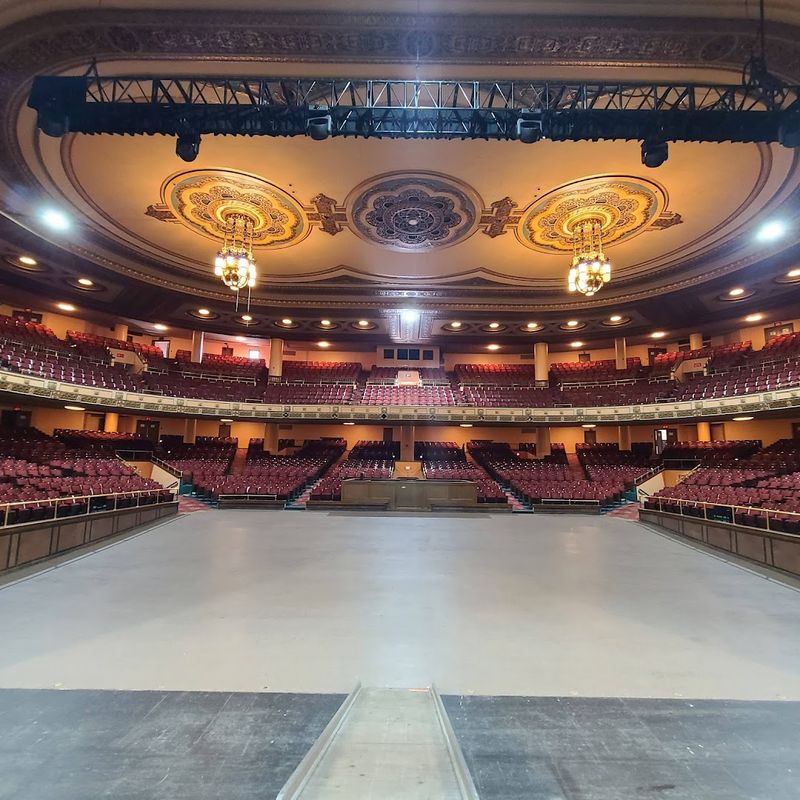
Plenty of venues in Detroit host live music, but none of them do it inside a room that looks like this. The main auditorium at the Masonic Temple brings a visual intensity to concerts that most modern venues simply cannot replicate.
The Gothic architecture overhead, the carved wood details on the walls, and the general feeling of performing or watching inside a historic monument all add up to something that changes how music lands in the room.
Acoustics in the space are generally strong, with a warmth that suits everything from R&B to prog metal. People who attend shows regularly note that the bass response is particularly physical — you can feel certain frequencies in your chest in a way that smaller or more sterile venues do not produce.
The seating arrangement gives most guests a solid view of the stage, and the balcony seats in particular come recommended for a full perspective on both the performance and the room itself.
The temple has hosted an incredibly wide range of artists over the years. One week it might be a comedy show filling the hall with laughter, the next a metal band rattling the stone walls.
That range is part of what keeps the venue relevant and unpredictable. No two shows feel exactly the same, partly because different events use different sections of the building.
Parking around the venue is manageable, with garages, secure lots, and street options all within an easy walking distance. Getting inside moves efficiently when staff are well-organized, though arriving a few minutes before security opens is smart for anyone who wants to settle in without rushing.
The bar areas inside the venue carry drinks and packaged snacks, keeping things simple during longer shows.
Candlelight Concerts That Turn the Space Into Something Otherworldly
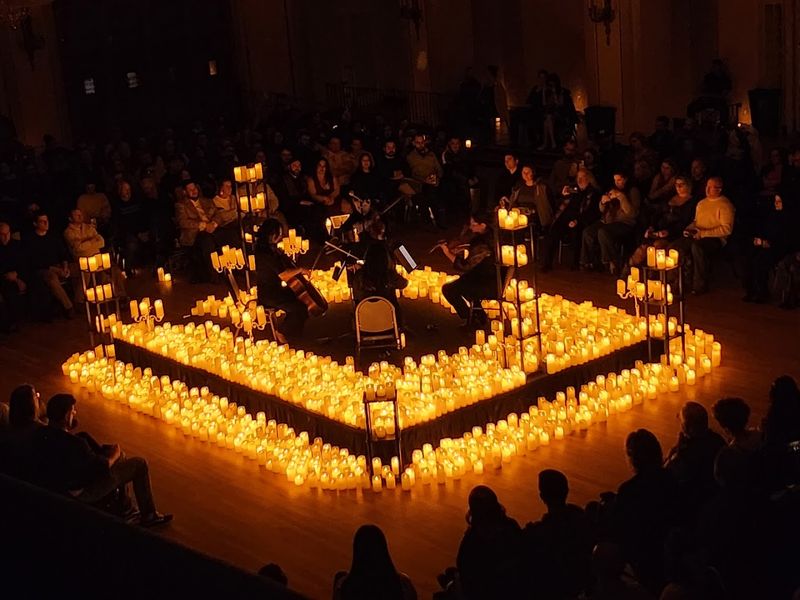
There is a version of the Masonic Temple that most concertgoers never see — and it involves hundreds of candles, a string quartet, and complete silence from the audience between movements. The Fever Candlelight Concert series has found a genuinely perfect home in this building, and the pairing makes so much sense that it’s hard to imagine the format working better anywhere else in Detroit.
Audience members walk into the hall to find candles arranged across the floor and stage, casting a golden, flickering light across the carved stone and wood surfaces that normally sit in shadow. The effect is not subtle.
People consistently describe the moment of walking in as a full stop — a pause where the visual impact of the room under candlelight simply takes over before a single note is played.
The performances themselves focus on classical compositions, with string quartets bringing pieces by Bach, Mozart, and other composers to life in a setting that matches the music’s age and emotional depth. The acoustic quality of the hall suits chamber music surprisingly well, with enough natural resonance to let the instruments breathe without overwhelming the room.
Attendees who come expecting a passive background experience often leave describing it as one of the more genuinely transporting evenings they have had in a long time.
Tickets for these events tend to move quickly, so booking ahead is strongly advised. The experience attracts a wide crowd — couples on date nights, classical music newcomers, and longtime fans who appreciate hearing familiar compositions in an unfamiliar setting.
One tip that repeat attendees pass along: the candle photo opportunities at the entrance are popular, but getting there a few minutes early gives you more time to soak in the pre-show atmosphere without feeling rushed.
The Building Tour That Unlocks Hidden Floors and Freemason Secrets
Most people who visit the Masonic Temple do so for a show or an event, which means they only ever see a fraction of the building. The guided tour changes that completely.
For anyone with even a passing curiosity about architecture, history, or secret societies, a walk through the building with a knowledgeable guide is one of the more genuinely surprising experiences Detroit has on offer.
Guides cover both the architectural story of the building and the history of Freemasonry itself — its beliefs, its ceremonies, and the specific ways the temple’s rooms were designed to support fraternal rituals. The combination of hard facts and atmospheric storytelling makes the tour work for people who knew nothing about Masons going in and leave with a completely different understanding of why this building was built the way it was.
Rooms that are off-limits during regular events get opened up for tour groups, including lodge rooms with original furnishings, ceremonial spaces decorated with Masonic symbols, and corridors that connect sections of the building most visitors never access. The scale becomes even more apparent when you’re moving through these less-trafficked areas — it’s easy to forget that you’re still inside a single structure.
The tour staff have received consistent praise for their ability to make the material accessible and engaging without dumbing it down. Accommodations for guests with mobility needs have been noted as genuinely thoughtful rather than an afterthought, with staff willing to adjust the route when needed.
Tours run on a schedule, so checking availability ahead of time is recommended. For anyone visiting Detroit for the first time or the fiftieth, this tour reframes what the building is and why it has managed to stay relevant for nearly a century.
Weddings, Film Shoots, and Events Unlike Anything Else in Detroit
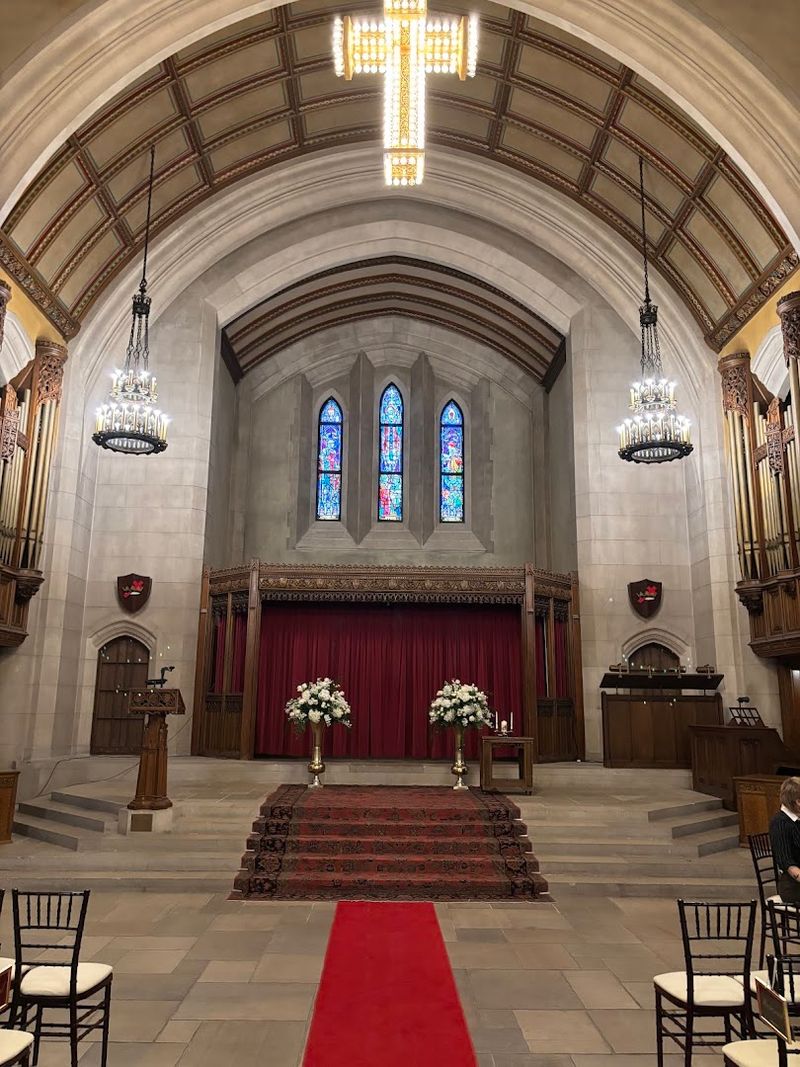
Not every visit to the Masonic Temple involves a ticket and a stage. The building doubles as one of the most distinctive event spaces in the entire Midwest, and couples who have hosted weddings here tend to describe it in terms that go beyond typical venue praise.
The chapel inside the temple has the kind of visual weight that makes a ceremony feel genuinely ceremonial — stone walls, carved details, and a hush that settles over the room when the music starts.
The catering team operates in-house and has earned strong word of mouth for food quality that goes beyond standard banquet fare. The late-night coney dog service has become something of a signature detail that guests remember long after the formal dinner ends.
Getting ready spaces within the building are available for wedding parties, with coffee and champagne service that helps the morning hours feel organized rather than chaotic.
Film productions have also used the Masonic Temple extensively over the years, drawn by the same qualities that make it memorable for live events: a visual environment that cameras love, rooms that read as historic without requiring additional set dressing, and a scale that gives directors options. The building has appeared in projects ranging from music videos to full feature productions.
Corporate events, galas, and private concerts round out the calendar alongside the public programming. The staff flexibility in accommodating multiple events simultaneously — something the building’s size actually allows — makes it practical for large-scale productions.
One thing planners mention consistently is that the team is responsive and accessible throughout the planning process, which matters enormously when coordinating logistics inside a 1,000-plus-room building. The venue’s character does a significant portion of the decorating work on its own, leaving event organizers free to focus on the details that actually need attention.
Why the Masonic Temple Remains Detroit’s Most Unforgettable Address
A lot of cities have historic venues. Very few have a building that functions simultaneously as a concert hall, event space, film location, architectural landmark, and active fraternal organization — all under one roof, all in a structure that looks like it was designed to outlast everything around it.
That combination is what separates the Masonic Temple from anything else on the Detroit cultural map.
The building has survived economic downturns, ownership challenges, and the general wear that comes with nearly a century of continuous use. Each time it has faced a threat to its future, the response from the city has been protective rather than indifferent.
That kind of relationship between a building and its community is not manufactured — it develops over decades of genuine significance.
Practically speaking, the temple sits in a location that is accessible without being difficult. Parking options within a block or two cover most preferences, from street spots to secured garages.
The surrounding neighborhood has enough activity before and after shows to make the evening feel complete rather than isolated. Restaurants and bars nearby give attendees options for building out a full night around whatever event brought them to Temple Street.
The staff inside the building — from security to event coordinators to the people working the coat check — come up repeatedly in conversations about what makes the experience work. In a building this large and this old, operational smoothness is not guaranteed.
The fact that it generally runs well is a credit to the people managing it day to day.
Detroit has plenty of places worth visiting, but the Masonic Temple occupies a category of its own. There is simply nothing else like it in Michigan, and arguably nothing like it anywhere.
Share this story