Nashville doesn’t have to drain your wallet to show you a good time. Sure, the famous honky-tonks and ticketed attractions get all the attention, but some of the city’s best experiences won’t cost you a single penny.
From gorgeous parks where you can hike or picnic to historic landmarks that tell Tennessee’s story, Music City offers plenty of ways to explore without spending a dime. Whether you’re a local looking for weekend plans or a visitor watching your budget, these free adventures prove that the best things in Nashville really are free.
1. Tennessee State Museum
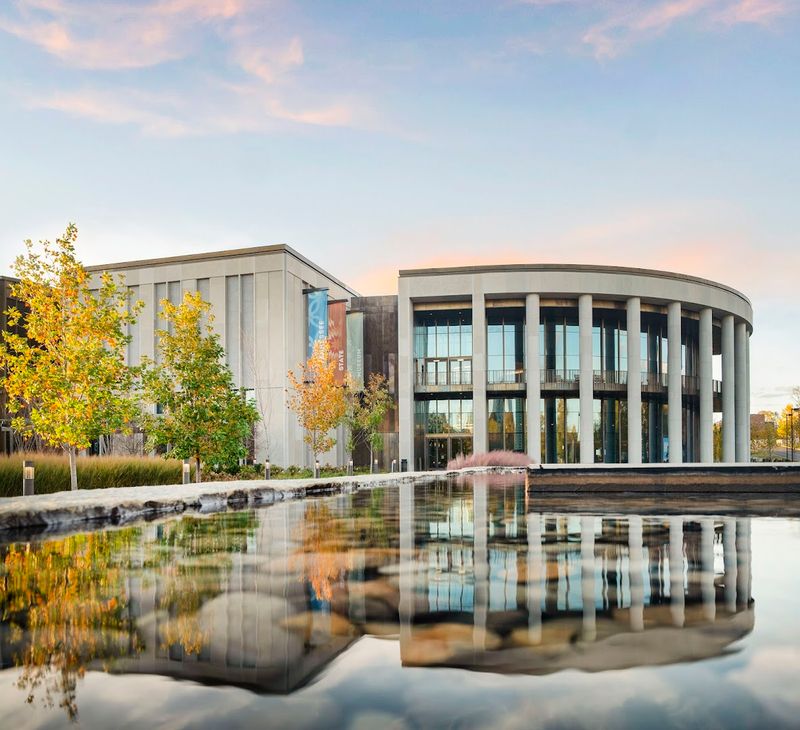
Walking through the doors of this museum feels like stepping into a time machine that spans 14,000 years of Tennessee history. The building itself is a sleek, modern space that opened in 2018, but the stories inside reach back to ancient Native American cultures and carry forward through the Civil War, the civil rights movement, and beyond.
Best part? Admission is completely free, which means you can spend hours exploring without watching the clock or worrying about getting your money’s worth.
The exhibits cover everything from pre-colonial artifacts to the state’s musical heritage. You’ll find original costumes worn by Tennessee musicians, military uniforms from various wars, and interactive displays that bring history to life.
Kids especially love the hands-on elements scattered throughout the galleries.
Located in the Bicentennial Capitol Mall area, the museum makes a perfect starting point for a day of free downtown exploration. Plan to spend at least two hours here if you want to see the permanent collection properly.
The staff is knowledgeable and friendly, always ready to answer questions or point you toward exhibits that match your interests.
2. Bicentennial Capitol Mall State Park
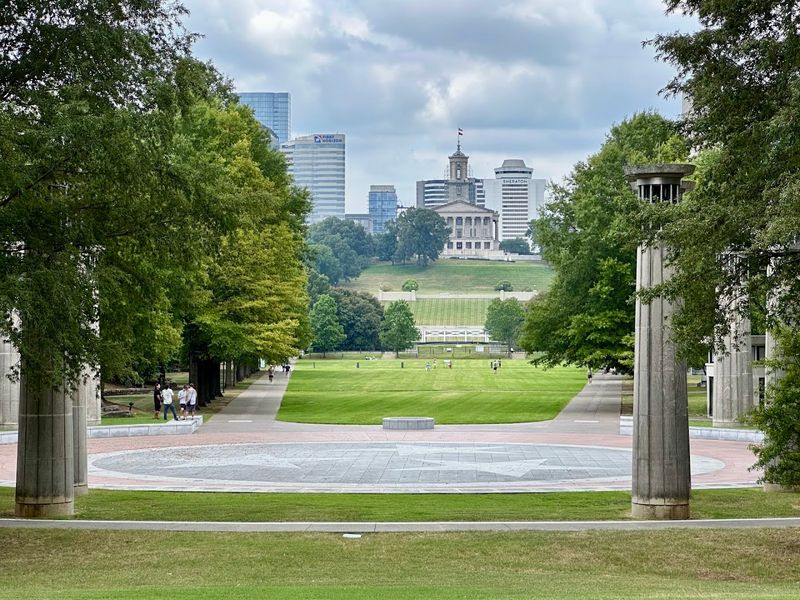
Right next to the State Museum sits this unique urban park that doubles as an outdoor history lesson. The 19-acre space was designed to celebrate Tennessee’s 200th anniversary, and every corner holds some educational element about the state’s past.
Ninety-five bells chime in a carillon to represent each of Tennessee’s counties, and a 200-foot granite map shows the state’s diverse geography from mountains to rivers.
The World War II Memorial features a striking fountain display with 31 jets representing each Tennessean who received the Medal of Honor. During warmer months, kids run through the water features while parents relax on nearby benches.
The park also includes a timeline walkway that traces major events in Tennessee history, making it easy to learn while you stroll.
Photographers love this spot for its clean sightlines to the State Capitol building, especially during golden hour. The open layout means there’s usually a nice breeze, even on hot summer days.
Pack a picnic lunch and claim one of the shaded areas, or just wander through and soak up some state pride without spending anything but time.
3. Radnor Lake State Park
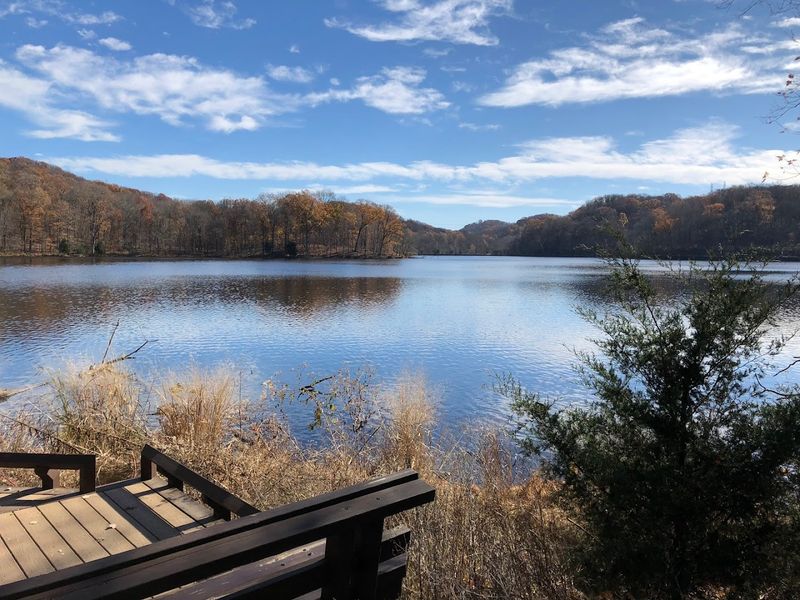
Just eight miles from downtown, Radnor Lake feels like a different world entirely. This 1,368-acre natural area serves as an oasis where deer, owls, and even the occasional otter go about their business while hikers circle the pristine lake on well-maintained trails.
The park was originally created as a reservoir for the railroad industry in 1914, but today it exists purely for conservation and public enjoyment.
Six different trails wind through the property, ranging from easy lakeside strolls to more challenging woodland climbs. The Lake Trail is paved and accessible, making it perfect for families with strollers or anyone wanting a gentle two-mile walk with stunning water views.
More adventurous visitors can tackle the steeper paths that lead to overlooks offering panoramic views of the valley below.
Birdwatchers bring binoculars to spot over 240 species that either live here or pass through during migration. Early morning visits often reward you with wildlife sightings, as animals are most active before the heat sets in.
The visitor center provides trail maps and natural history information, though the park’s true magic happens outside on the trails where Nashville’s urban buzz fades into birdsong and rustling leaves.
4. Centennial Park
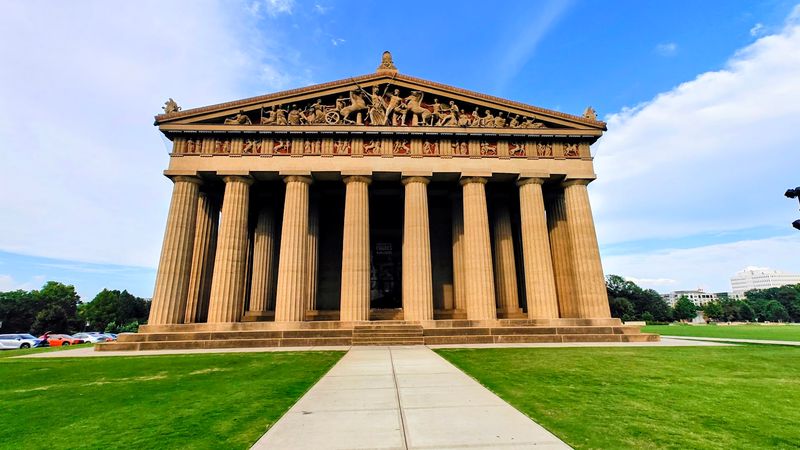
A full-scale replica of the Greek Parthenon sitting in the middle of Tennessee might sound bizarre, but somehow it works perfectly. Built for the 1897 Tennessee Centennial Exposition, this architectural wonder anchors a 132-acre park that locals use for everything from yoga sessions to frisbee games.
While touring inside the Parthenon costs a few dollars, the park itself and the building’s exterior are free to enjoy anytime.
The grounds feature walking paths, a lake where you can watch ducks and geese, and wide open spaces ideal for picnics or casual sports. Massive old trees provide plenty of shade during summer months, and the whole place takes on a magical quality when the light filters through the leaves.
Street musicians sometimes set up near the Parthenon, adding a soundtrack to your visit.
Families appreciate the playground area where kids can burn energy while adults relax nearby. The park hosts free concerts and cultural events throughout the year, so check the schedule before you visit.
Whether you’re exercising, reading a book on the grass, or just taking photos of the impressive Parthenon facade, Centennial Park offers a slice of classical beauty without the plane ticket to Greece or the admission fee.
5. John Seigenthaler Pedestrian Bridge
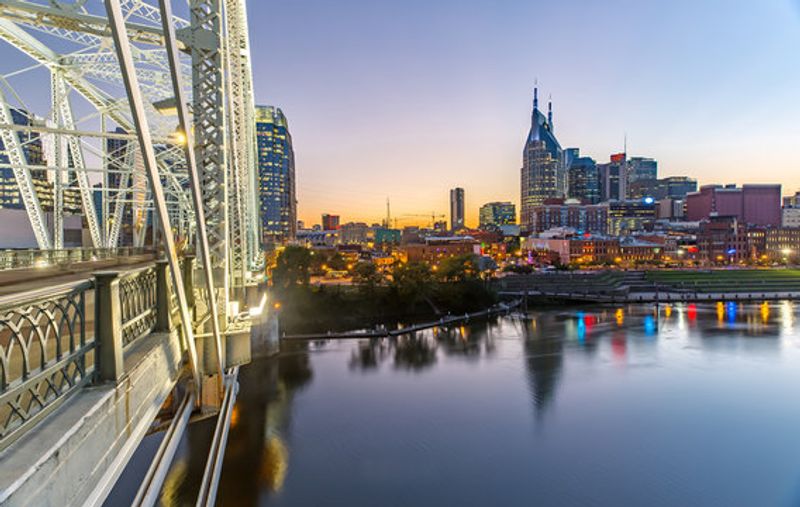
Stretching 3,150 feet across the Cumberland River, this historic bridge connects downtown Nashville to the east bank and offers some of the city’s best skyline views. Originally built in 1909 as a vehicle bridge, it was converted to pedestrian-only use in 2003 and renamed to honor the legendary Nashville journalist and civil rights advocate.
Walking across costs nothing but provides million-dollar views, especially as the sun sets behind the city’s buildings.
Locals use the bridge for exercise, jogging or walking across and back for a quick workout with scenery. Visitors stop frequently to snap photos of the riverfront, Nissan Stadium, and the downtown skyline from angles you simply can’t get anywhere else.
The bridge’s vintage truss design adds character to every picture, and the wide pathway means you never feel crowded even on busy weekends.
Street performers occasionally set up at either end, and you might catch live music drifting up from the riverfront parks below. The bridge lights up beautifully after dark, creating a romantic atmosphere for evening strolls.
Both sides connect to greenways and parks, so you can easily extend your free adventure before or after crossing. Bring water on hot days since there’s no shade on the span itself.
6. Tennessee State Capitol

Perched on a hill overlooking downtown, this Greek Revival masterpiece has housed Tennessee’s government since 1859. Architect William Strickland designed the building and actually requested to be buried within its walls when he died during construction, making it both a functioning capitol and a historic tomb.
Free guided tours run throughout the day, taking you through marble halls where crucial decisions about Tennessee’s future happen daily.
The building’s exterior alone justifies a visit, with its imposing columns and tower visible from many downtown vantage points. Inside, you’ll find ornate ironwork, period furnishings, and portraits of Tennessee’s governors dating back to statehood.
The tour guides share fascinating stories about the building’s Civil War occupation, architectural details, and the political dramas that unfolded within these walls.
Surrounding grounds feature monuments to various Tennessee figures and events, including President James K. Polk’s tomb.
The elevated location provides excellent views of the city spreading out below, and the landscaped grounds make a pleasant spot for a short rest. Tours are first-come, first-served, so arrive early during peak tourist season.
The whole experience takes about 45 minutes and leaves you with a deeper appreciation for Tennessee’s political and architectural history.
7. Shelby Bottoms Greenway and Nature Park
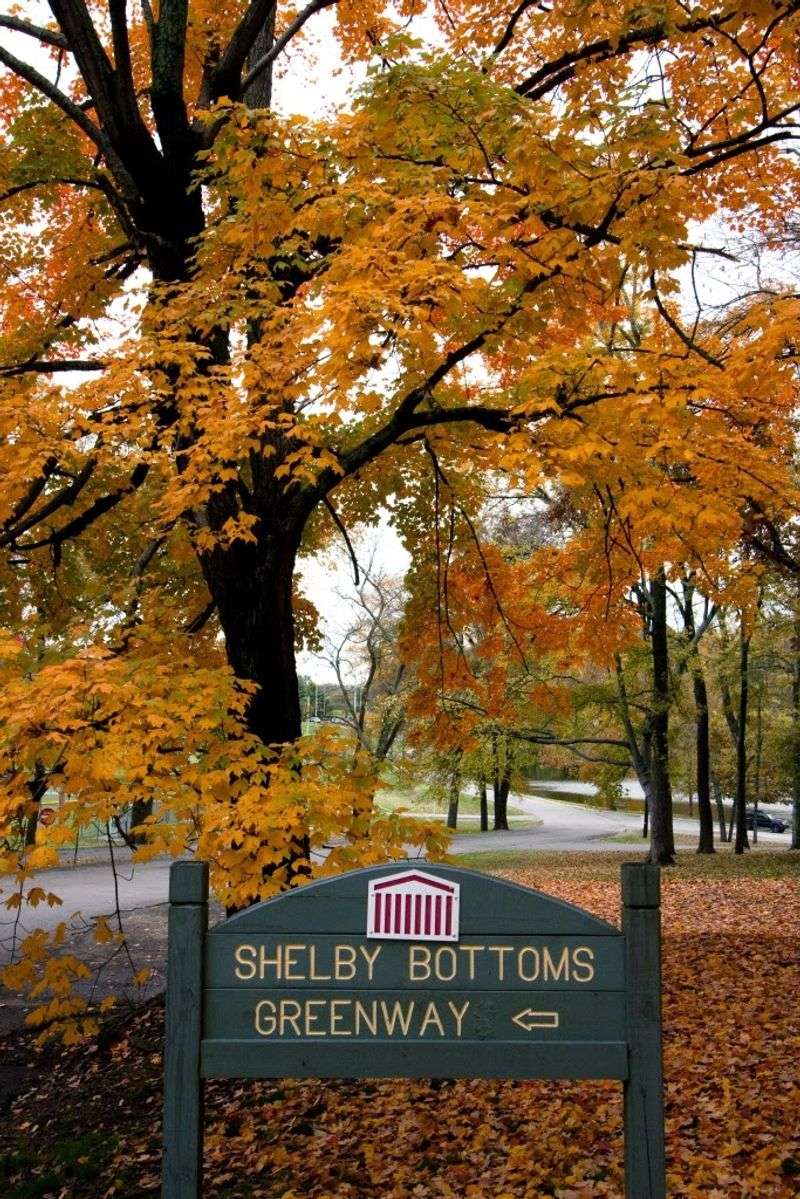
Over 960 acres of wetlands, forests, and meadows create Nashville’s largest greenway system right along the Cumberland River’s east bank. Five miles of paved trails connect to another five miles of natural surface paths, giving you plenty of options whether you’re biking, running, or just taking a leisurely walk.
The flat terrain makes these trails accessible for most fitness levels, and the scenery changes enough to keep things interesting from start to finish.
Wildlife thrives in this protected corridor, so keep your eyes open for herons wading in the wetlands, turtles sunning on logs, and rabbits darting through the underbrush. The nature center offers educational programs and trail information, though it keeps limited hours, so check ahead if you want to visit inside.
Most people come simply to enjoy the outdoors without needing any formal programming.
The greenway connects to the John Seigenthaler Pedestrian Bridge, meaning you can create a loop that takes you from nature into the heart of downtown and back again. Cyclists especially appreciate the long, uninterrupted stretches perfect for building speed or just cruising peacefully.
Parking is free at multiple access points, and the trails are open from dawn to dusk year-round, making this an easy addition to any Nashville itinerary.
8. Fort Negley Park
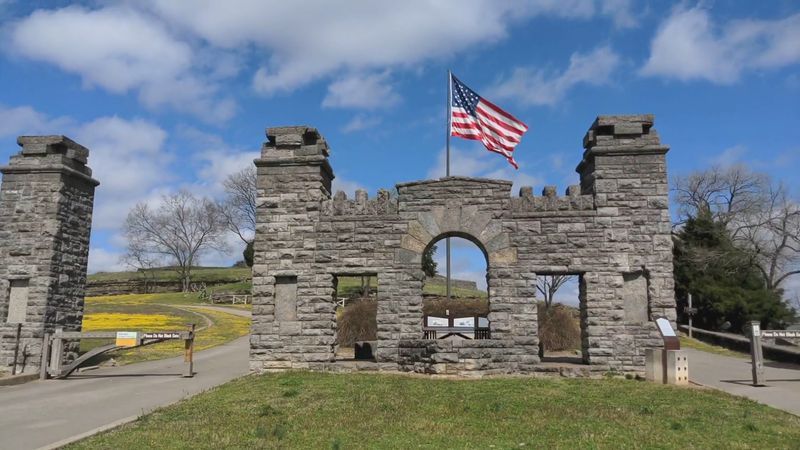
History buffs find something special at this Civil War fort that sits on a hill south of downtown. Built by Union forces in 1862, Fort Negley was constructed largely by formerly enslaved people and became one of the largest inland forts built during the war.
Today, the partially reconstructed fortifications tell a complicated story about war, freedom, and the people who built this massive defensive structure under difficult circumstances.
The site includes interpretive signs explaining the fort’s strategic importance and the human cost of its construction. You can walk among the remaining stone walls and earthworks while taking in views of the Nashville skyline that soldiers once watched for Confederate approaches.
A visitor center provides context through exhibits and displays, though the outdoor portions remain the main attraction.
The surrounding park includes walking trails that extend beyond the fort itself, connecting to nearby greenways for longer hikes if you’re interested. Spring wildflowers blanket the hillside, adding natural beauty to the historical significance.
Free guided tours happen on weekends during warmer months, led by knowledgeable volunteers who bring the fort’s stories to life. Even without a tour, the self-guided experience offers plenty of information and impressive views that make the short drive from downtown worthwhile.
9. Nashville Farmers’ Market
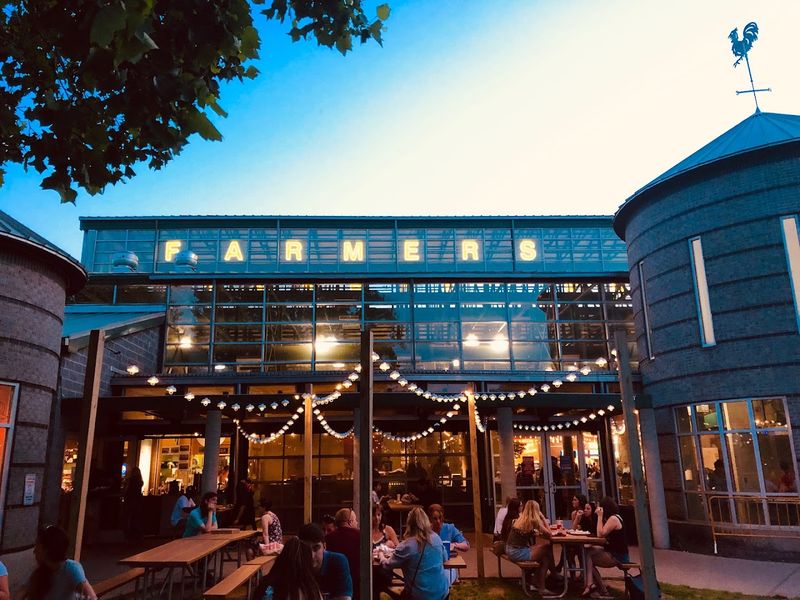
Open year-round, this isn’t just a place to buy groceries; it’s a community gathering spot where locals and visitors mingle among stalls selling everything from heirloom tomatoes to handmade crafts. The market building itself dates back to the 1800s, though the current structure was renovated in 2004 to include both open-air sheds and enclosed shops.
Walking through costs nothing, and the sensory experience of fresh flowers, ripe produce, and sizzling food samples makes it worth the trip even if you don’t buy anything.
Farm sheds operate daily with local growers selling seasonal produce, fresh-cut flowers, and artisanal products. On weekends, the selection expands with additional vendors offering everything from homemade jams to organic meats.
The international food hall surrounding the market proper features restaurants serving cuisines from around the world, though eating there obviously costs money.
People-watching reaches peak entertainment levels here, especially on Saturday mornings when the market buzzes with activity. Musicians sometimes perform near the entrances, adding a Nashville soundtrack to your browsing.
The Market House section includes permanent vendors selling specialty foods, and samples often appear if you time your visit right. Free parking makes it easy to stop by, and the location near Bicentennial Capitol Mall means you can combine multiple free attractions in one outing.
10. Musicians Hall of Fame Walk of Fame Park

While the indoor Musicians Hall of Fame museum charges admission, the outdoor Walk of Fame Park celebrates Nashville’s legendary session musicians and recording artists completely free. Located in the SoBro district near the Music City Center, this plaza features plaques honoring the players who created the signature sounds behind countless hit records.
These aren’t always the famous faces you’d recognize, but rather the studio professionals whose guitar riffs, drum beats, and keyboard melodies defined entire eras of music.
Reading through the inductees gives you a new appreciation for the collaborative nature of music creation. You’ll discover names you’ve never heard attached to songs you’ve known your whole life.
The plaques include brief biographies and career highlights, turning a simple walk through the plaza into an educational experience about Nashville’s role as a recording capital.
The park sits in a developing area that’s become increasingly popular, with restaurants and bars nearby if you want to extend your visit. Photo opportunities abound, especially for music fans who want to pose with their favorite artists’ tributes.
The open layout means you can visit anytime day or night, and the plaques are well-lit after dark. It’s a quick stop that adds context to Nashville’s Music City nickname without requiring a ticket or reservation.
11. Printer’s Alley
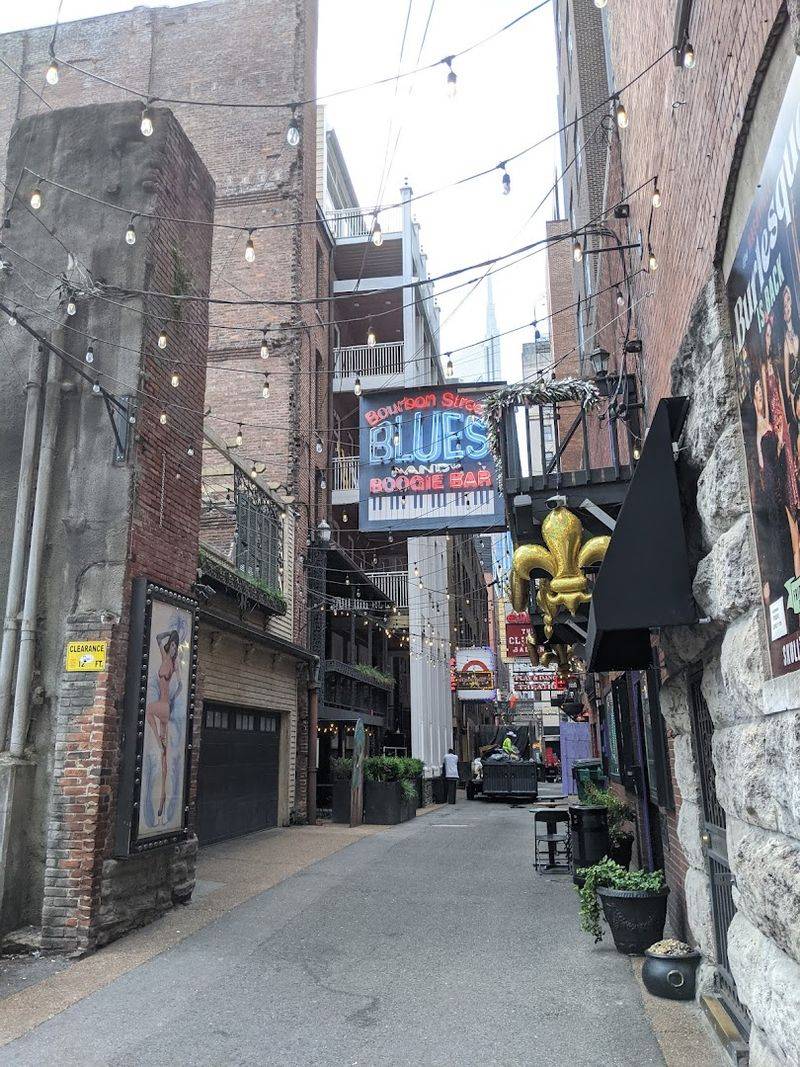
Tucked between Third and Fourth Avenues in downtown Nashville, this narrow alleyway holds decades of colorful history in its brick walls and vintage signage. Named for the printing businesses that dominated the area in the late 1800s, Printer’s Alley later became famous for speakeasies during Prohibition and nightclubs that hosted everyone from Hank Williams to Jimi Hendrix.
Today, it maintains that slightly gritty, atmospheric vibe that makes it perfect for photography and history appreciation.
Walking the alley costs nothing, though the bars and clubs lining it certainly hope you’ll step inside eventually. During daylight hours, you can explore without the crowds, examining the old building facades and imagining the alley’s heyday when it was Nashville’s entertainment epicenter.
The contrast between modern downtown and this historic passage creates an interesting time-warp effect that photographers love.
Evening brings neon lights flickering to life and live music spilling from doorways, creating an electric atmosphere even if you’re just passing through. The alley is only two blocks long, making it a quick addition to any downtown walking tour.
Look for historical markers explaining the area’s significance, and notice architectural details that have survived urban development all around. It’s one of those places where Nashville’s past feels tangible, offering a free glimpse into the city’s evolution from printing hub to music capital.
Share this story