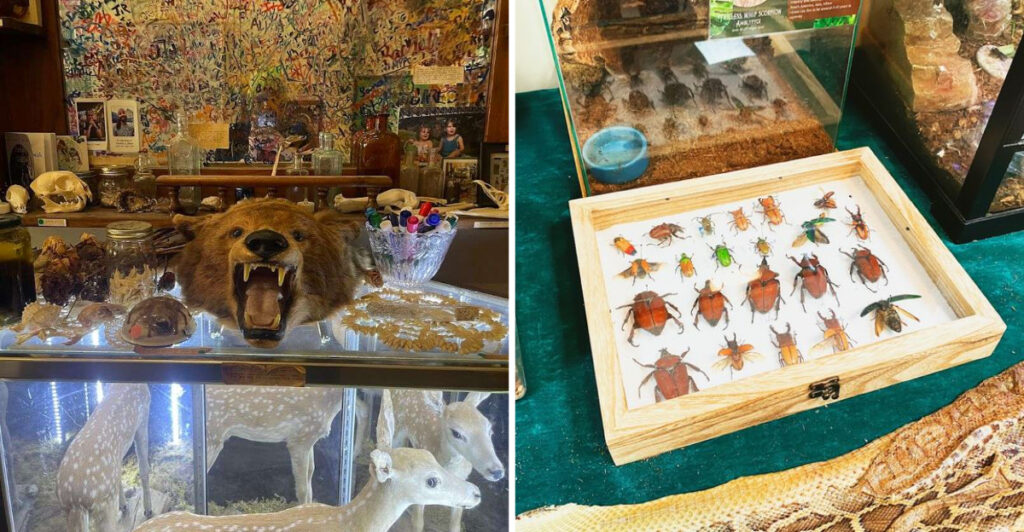
Chicago is home to plenty of unusual attractions, but few are as fascinating—or as delightfully creepy—as The Insect Asylum. Located along Milwaukee Avenue, this one-of-a-kind museum invites visitors into a world of giant beetles, exotic insects, preserved specimens, live creatures, and hands-on exhibits that blur the line between science and curiosity cabinet.
What might sound intimidating at first quickly becomes captivating, offering an up-close look at some of nature’s most remarkable and misunderstood animals. Whether you’re an insect enthusiast, a fan of the strange and unusual, or simply looking for a memorable Chicago experience, this hidden gem is worth exploring.
A Cabinet of Curiosities in Full Color

The first surprise at The Insect Asylum is scale. The place is compact, but every wall, shelf, and case seems busy with wings, legs, glass, pins, bones, and tiny details that pull your eyes in several directions at once.
Instead of the wide open hush you might expect from a formal museum, you get visual density, a room that rewards slow scanning and second looks.
That crowded layout is part of the thrill. Bright butterflies can sit near darker, stranger specimens, and delicate pinned insects share space with taxidermy, curios, and art that lean into the macabre without turning the room into a haunted house stunt.
You are not being chased toward a jump scare here. You are being invited to examine shape, pattern, texture, and the weird elegance of creatures many people usually swat away.
There is also a strong handmade quality to the experience. The displays do not read like a sterile institutional gallery arranged to keep you at a distance.
They come across as personal, studied, and lovingly assembled, which makes the museum feel more alive than its preserved specimens would suggest. That intimacy works especially well in a subject category that can easily become cold if overexplained or flattened into textbook facts.
For anyone walking in with equal parts fascination and discomfort, this opening impression sets the tone perfectly. The Insect Asylum knows that insects can be beautiful and creepy in the same breath, and it does not try to smooth out that tension.
It leans into it with color, contrast, and close range detail, giving Chicago one of its most visually peculiar indoor experiences.
Why the Bug Displays Hit So Hard
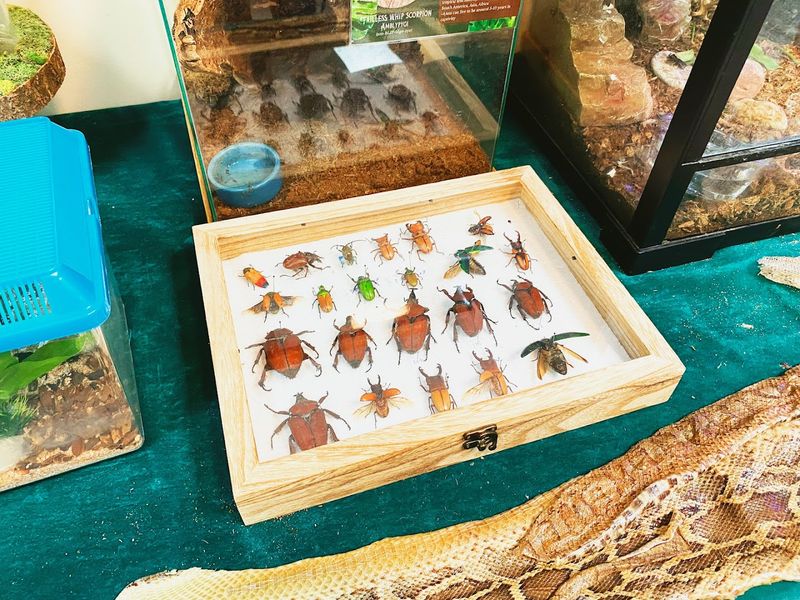
The core attraction is exactly what the name promises: insects in huge variety, presented in a way that turns a casual glance into an extended stare.
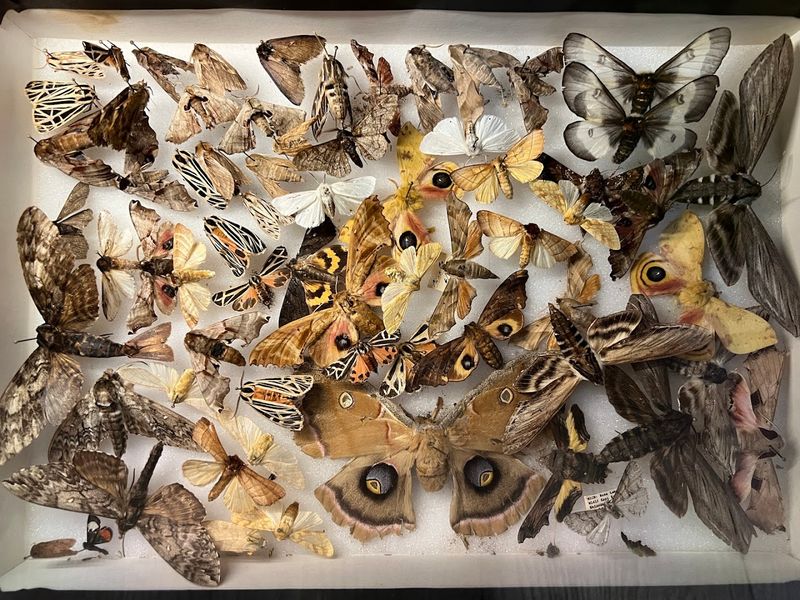
Butterflies flash with impossible blues and oranges, beetles look armored enough to belong in science fiction, and roaches confront squeamish instincts with a level of detail most people never allow themselves to notice. The museum does not flatten these creatures into novelty. It gives them presence.
That matters because insects are easy to dismiss when they are reduced to backyard annoyance or horror movie shorthand. Here, their structure becomes the story.
Legs look engineered, wings resemble stained glass, and body shapes shift from elegant to alien within a few inches. Even visitors who arrive expecting a quick creepy detour can end up studying symmetry, color variation, and the sheer diversity packed into the insect world.
There is a tactile dimension too, which changes the pace of the visit. This is not only a place for peering into cases with your hands politely folded behind your back.
Certain touchable items and up close interactions make the museum less about passive observation and more about direct encounter.
That approach softens fear for some people and intensifies fascination for others, which is a smart way to present a subject that often divides the room. The result is a museum section that plays on two tracks at once.
You get the immediate thrill of seeing thousands of unusual specimens, but you also start noticing how much visual richness gets lost when insects are treated as background noise. At The Insect Asylum, the bug displays do not simply gross you out. They recalibrate what you notice.
Upstairs, Downstairs, and the Live Animal Curveball
Just when the preserved specimens start to define the experience, The Insect Asylum changes tempo with live animals.
Reports from visitors consistently point to reptiles, amphibians, invertebrates, and even resident animal personalities that add motion and unpredictability to a museum otherwise built around stillness.
That shift matters. It keeps the visit from becoming a static march past cases and frames. The live element also broadens the place beyond a narrow bug niche. A tarantula is one kind of challenge for the nervous visitor.
Holding a hissing cockroach, meeting a ball python, or getting close to a bullfrog is another. Suddenly the museum becomes less about what is pinned and more about how comfort zones move in real time.
Curiosity starts competing with hesitation, and that tension is where this place gets especially fun. Some visitors head upstairs hoping for snakes and lizards, while others lock onto the possibility of meeting one of the small animal ambassadors connected to events and educational programs. Either way, the living collection changes the energy in the room.
People stop, gather, ask questions, and react out loud. In a small space, those moments create a social spark that larger museums often struggle to generate.
There is also a practical upside to that variety. If you are traveling with someone who loves natural history but is less obsessed with insects specifically, the live animals can become the bridge into the rest of the museum.
A compact venue has to work hard to keep attention fresh. By pairing preserved specimens with active encounters, The Insect Asylum turns a potentially one note premise into a layered, genuinely interactive visit.
Where Chicago Oddities Meet Local Art
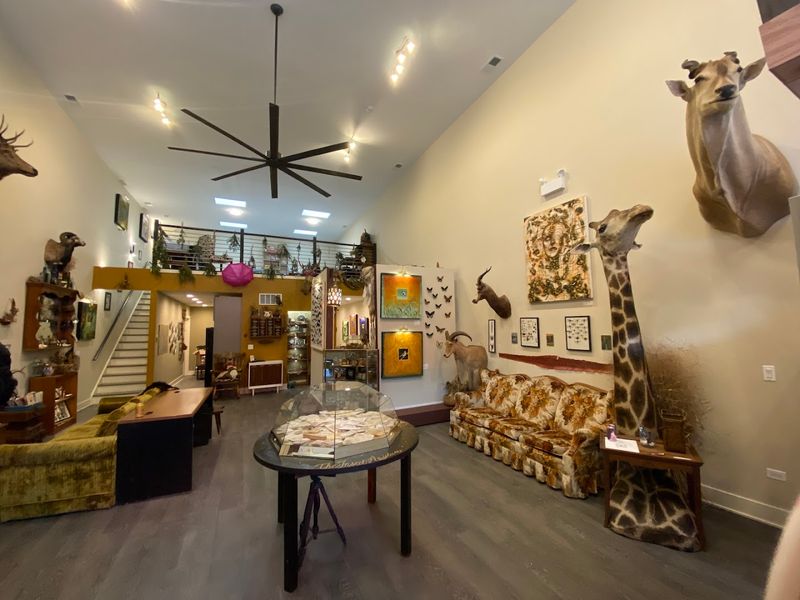
One of the smartest things about The Insect Asylum is that it never draws a hard line between museum, studio, and shop. The commercial side is part of the identity, but it does not read like an afterthought placed near the exit.
Instead, insect themed art, decor, and specimen related objects extend the visual language of the museum, making the whole place feel like a neighborhood oddities hub rather than a single purpose attraction.
That local, artist supported energy gives the venue a stronger Chicago personality. You are not moving through a generic natural history concept dropped into a storefront.
You are in a space where craft, preservation, collecting, and curiosity overlap. Framed butterflies, unusual keepsakes, and natural world inspired pieces add another layer for people who want more than display labels and glass cases.
Browsing becomes part of the experience, not a separate errand at the end. It also helps explain why the museum resonates beyond traditional science fans.
Some guests come for insects, some for taxidermy, some for workshops, and some because the entire aesthetic sits at the intersection of art school weird and educational programming.
That blend is hard to fake. It relies on the place having a clear point of view, and The Insect Asylum appears to have one.
For visitors, the payoff is simple. You can spend time examining preserved specimens, then pivot into objects made by local makers who are clearly inspired by the same world of texture, pattern, anatomy, and transformation.
In a city packed with polished museum stores, this one feels much more specific. It is less souvenir stop, more continuation of the museum in miniature form.
Classes, Community Nights, and the Side of the Museum You Can Join
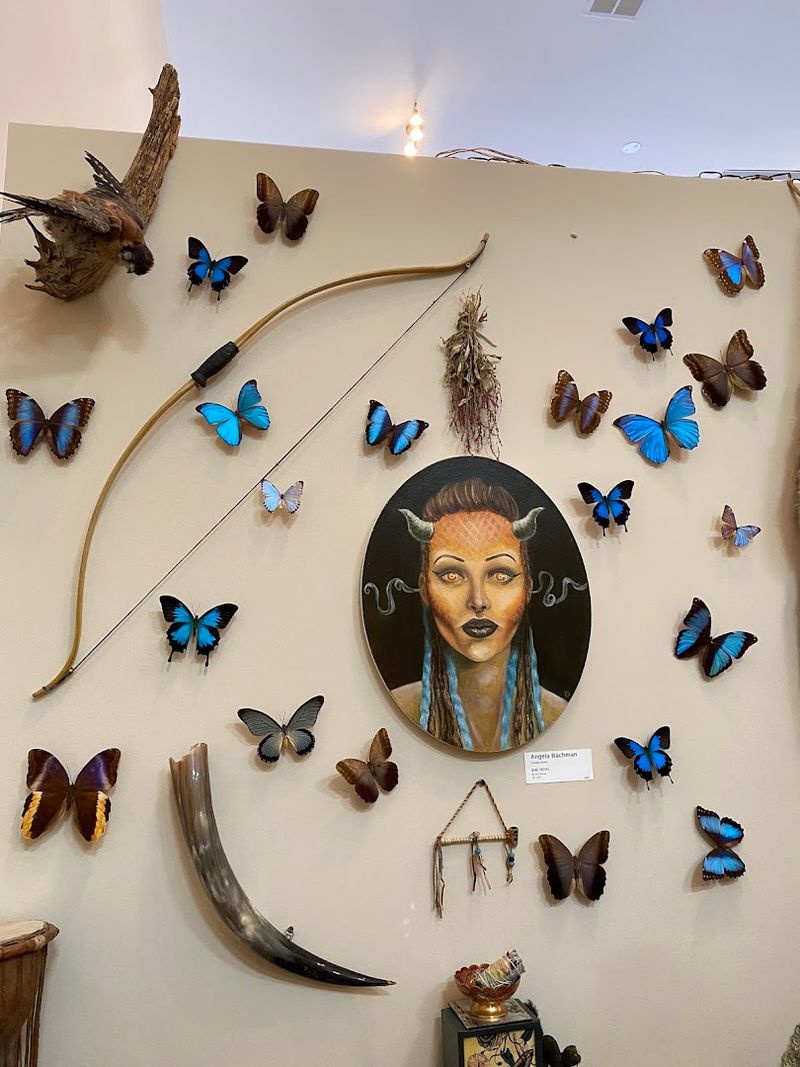
The Insect Asylum is not limited to standard museum browsing hours and silent display viewing. Workshops and special events appear to be a major part of how the place functions, and that changes the entire editorial picture.
Instead of a one way experience where information moves from case to visitor, the museum often turns into a participatory space where you handle materials, ask questions, and learn by doing.
Butterfly pinning classes stand out as one of the clearest examples. They take a niche interest that could easily seem intimidating and make it accessible through guided instruction.
That sort of programming attracts a different kind of visitor than a typical museum ticket alone. It pulls in curious beginners, craft minded locals, and people who want an evening activity with more texture than a bar or standard paint class.
Community day pricing and recurring events add another practical layer. For a small independent place, affordability windows and themed programs can make a real difference in whether someone drops by once or returns repeatedly.
The schedule also suggests that the museum is trying to meet people where they are, whether that means a discounted visit, a low key workshop, or a novelty event built around one of the resident animals.
That participatory model suits the subject perfectly. Insects are detailed, tactile, and often misunderstood, so the best way to build interest is not always through long text panels.
Sometimes it is through direct contact, a demonstration, or a chance to make something with your own hands. The Insect Asylum seems to understand that. It behaves less like a static collection and more like an active, curious little ecosystem inside Chicago.
How to Visit The Insect Asylum in Illinois
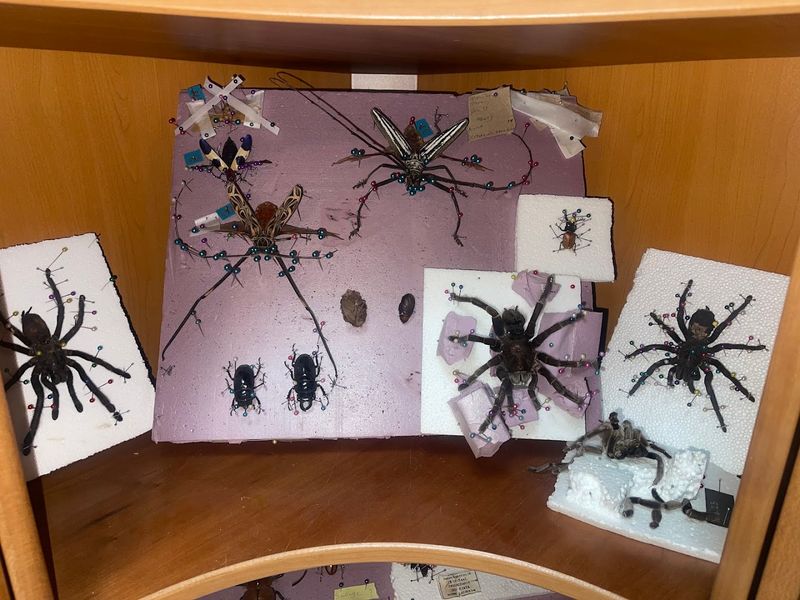
If you are planning a visit, the first thing to understand is that The Insect Asylum is small in footprint and large in detail. That means you will get more out of it by slowing down rather than treating it like a quick walk through.
Scan once, circle back, and look again. In a tightly packed space, the second pass is often when the strangest and most beautiful pieces reveal themselves.
Timing matters too. According to the current schedule, the museum is closed Monday and Tuesday, opens later on Wednesday, and runs broader daytime and evening hours from Thursday through Sunday.
That makes it a strong pick for a flexible afternoon or early evening stop, especially if you want something more offbeat than Chicago’s bigger institutions. A compact museum also changes character depending on crowd level, so quieter windows may suit anyone who prefers to inspect displays carefully.
It is also worth approaching the place with the right expectations. This is not a sprawling downtown museum with oversized galleries and a predetermined route.
It is closer to an immersive collection space, dense with objects and fueled by personality. If you enjoy tactile exhibits, unusual animals, or the intersection of science and oddity culture, that intimacy is a feature rather than a limitation.
For first timers, the best strategy is simple: leave room for conversation and surprise. Ask about current animals, keep an eye out for classes, and do not rush past the shop area assuming it is separate from the museum’s identity.
In Illinois, plenty of attractions advertise uniqueness. The Insect Asylum actually depends on it, and that is easiest to appreciate when you let the visit unfold at its own weird pace.
Why This Chicago Museum Punches Above Its Size
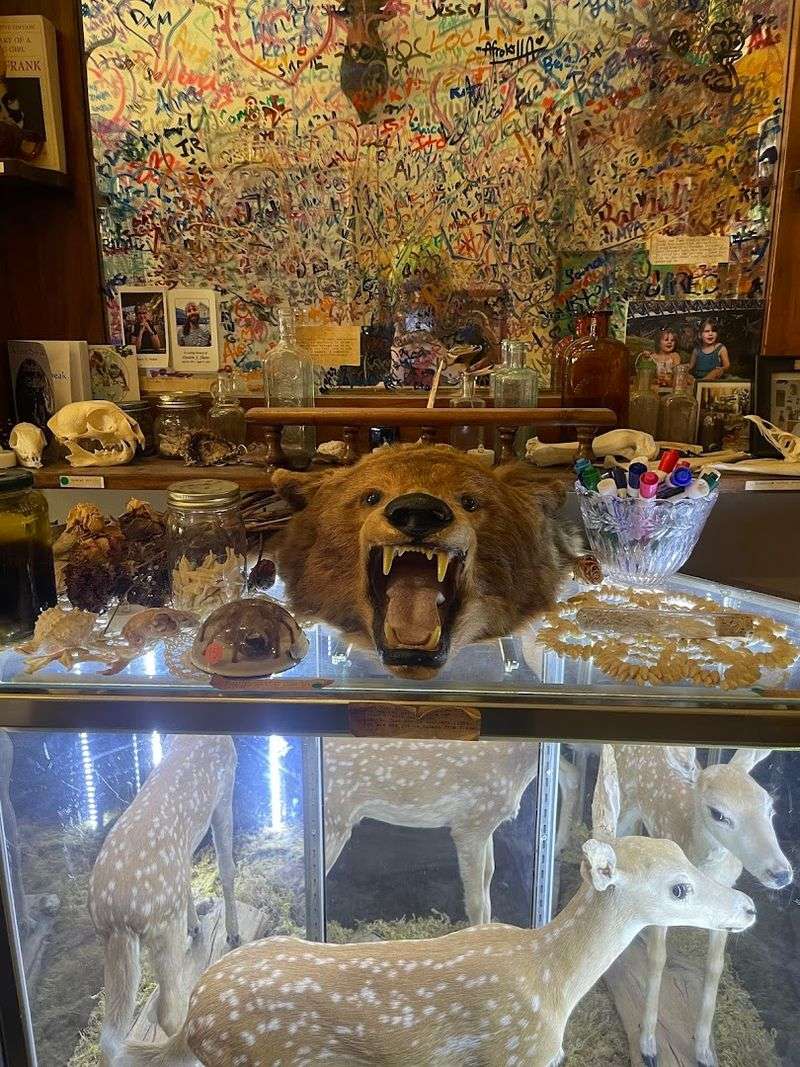
The strongest case for The Insect Asylum is not that it is the biggest, the oldest, or the most academically formal museum in Chicago.
It is that the place commits fully to a distinct subject and presents it with enough texture to keep the experience from becoming gimmicky.
That is harder than it sounds. Insect themed attractions can easily tip into cheap shock value or dry educational packaging. This one appears to thread the middle.
The museum’s size is part of that success, not a problem to excuse. Because the rooms are so packed, every visit carries a sense of discovery and compression.
You are never far from another strange specimen, another burst of color, or another animal encounter that interrupts the stillness. The format suits the material. Insects are creatures of close inspection, and this museum encourages exactly that kind of looking.
There is also a broader appeal here for Chicagoans who crave attractions with personality. The Insect Asylum blends zoology, art, oddities, classes, and community programming in a way that larger venues rarely attempt.
It can serve as a niche destination for bug lovers, but it also works as a conversation starter for anyone drawn to unusual local spots that refuse to sand down their edges.
So yes, it is creepy, at least in the way a room full of roaches, beetles, pinned wings, and taxidermy should be. But creepiness is only one layer.
Look longer and the sharper impression is curiosity guided with care. That combination is why this Milwaukee Avenue museum rises above novelty and becomes one of the city’s most distinctive small cultural stops.
Share this story