Some places wear their identity like a badge of honor, and Tennessee has no shortage of towns that do exactly that. From the moment you roll into these communities, you can feel the pride radiating from historic storefronts, carefully preserved main streets, and locals who genuinely love where they live.
These eleven towns don’t just exist on a map—they’ve built entire personalities around their heritage, quirks, and small-town character that make them impossible to forget.
1. Jonesborough
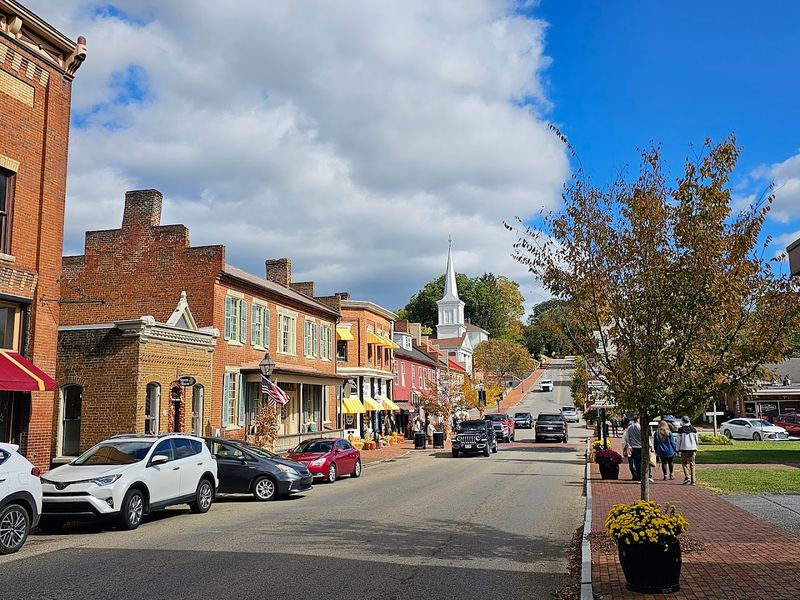
Tennessee’s oldest town doesn’t let you forget it for a second. Jonesborough wears its 1779 founding date with serious pride, and the entire downtown district feels like a living history lesson wrapped in Appalachian charm. Walk down Main Street and you’ll pass buildings that have stood for centuries, each one meticulously maintained and bursting with stories.
The National Storytelling Festival put this place on the cultural map, and locals have leaned into that identity hard. Every October, thousands of people descend on this tiny town to hear tales told the old-fashioned way. But even outside festival season, the storytelling vibe lingers in coffee shops, bookstores, and casual conversations with shop owners who know their town’s history by heart.
Antique stores line the streets alongside local galleries and cafes, all housed in buildings that predate the Civil War. The town’s commitment to preservation goes beyond just maintaining old structures—it’s about keeping the spirit of early Tennessee alive.
Local events happen year-round, from heritage celebrations to seasonal markets, all designed to bring the community together. Residents take genuine pride in being the state’s oldest incorporated town, and they’re not shy about sharing that fact. The whole place feels like a carefully curated museum where people actually live and work.
What makes Jonesborough special isn’t just its age—it’s the deliberate choice to celebrate that age at every turn. This town could have modernized and lost its character, but instead, it doubled down on history and storytelling, creating an identity that’s immediately recognizable and deeply rooted in Tennessee tradition.
2. Bell Buckle
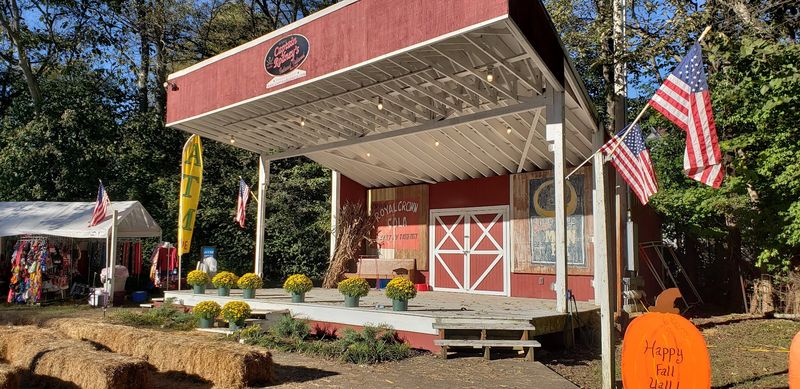
Population under 500, personality off the charts. Bell Buckle proves that size has nothing to do with character, and this tiny middle Tennessee town punches way above its weight class when it comes to local pride. The main drag is barely a few blocks long, but those blocks are packed with antique stores, quirky shops, and more festivals than some cities ten times its size.
MoonPie mania runs deep here. The annual RC Cola and MoonPie Festival draws thousands of visitors who come to celebrate the iconic Southern snack with games, music, and a genuine sense of small-town fun. Locals embrace the absurdity and charm of dedicating an entire day to a marshmallow sandwich cookie, and that willingness to be playful defines the whole town’s vibe.
Antique hunting is serious business in Bell Buckle. Shops overflow with vintage treasures, folk art, and collectibles that attract dealers and casual browsers from across the region. Store owners know their inventory intimately and love talking about the history behind their finds.
The town has become a destination for people who appreciate the past and want to take a piece of it home.
Webb School, a historic preparatory academy, adds an intellectual layer to the town’s identity. The campus anchors the community and contributes to Bell Buckle’s reputation as a place that values education and tradition.
Everything about Bell Buckle feels intentional, from the carefully maintained storefronts to the community events that bring everyone together. The town could easily fade into obscurity, but instead, residents have built an identity around their quirks, their history, and their determination to stay vibrant. Walking through Bell Buckle, you immediately sense that people here genuinely love their little corner of Tennessee.
3. Leiper’s Fork
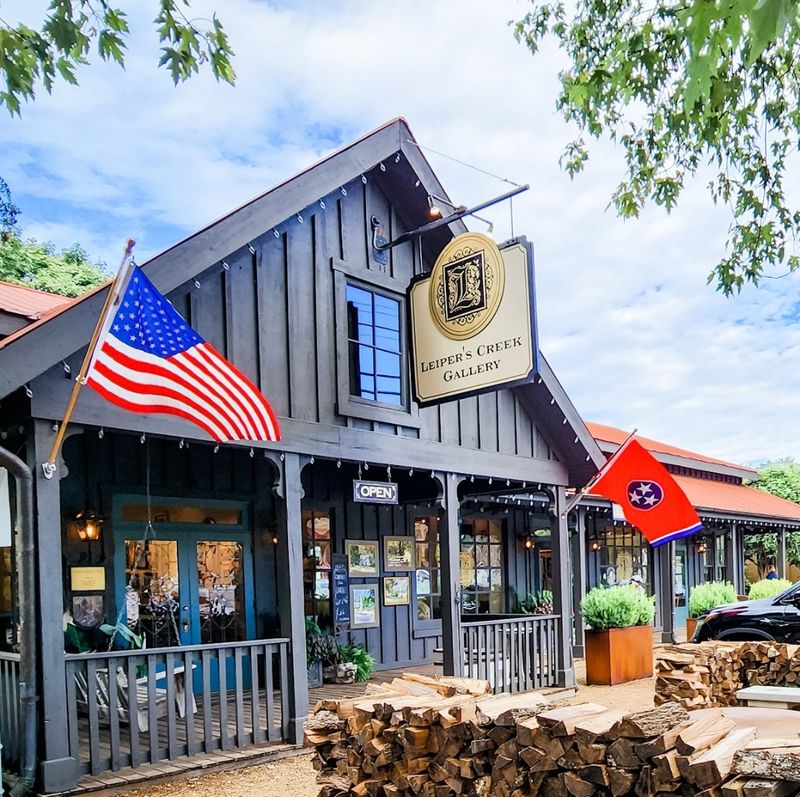
Artistic soul meets country roots in this unincorporated village that refuses to act like every other Nashville suburb. Leiper’s Fork sits just 30 minutes from Music City, but it feels like a different world entirely—one where creativity, live music, and fierce independence shape every corner. The village vibe hits you immediately, with converted barns housing galleries and restaurants that serve farm-to-table food with genuine conviction.
Musicians don’t just visit Leiper’s Fork—they live here, work here, and play impromptu shows. Any given weekend, you might catch a Grammy-winner picking guitar on the porch or local players jamming inside the historic store. Music isn’t a tourist attraction here; it’s woven into daily life, and locals protect that authenticity fiercely.
Art galleries showcase regional talent alongside national names, and the quality rivals anything you’d find in a major city. Sculptors, painters, and craftspeople have claimed this village as their creative home, drawn by the supportive community and the freedom to work without big-city pressures. Gallery owners know their artists personally and can tell you the story behind every piece.
The local food scene reflects the same commitment to quality and character. Restaurants source ingredients from nearby farms, and menus change with the seasons. Chefs aren’t chasing trends—they’re cooking what grows in Tennessee soil and honoring traditional techniques with modern touches.
Community events bring together longtime residents and newcomers who’ve chosen this village for its distinct personality. There’s a protective pride here, a collective determination to preserve what makes Leiper’s Fork special even as Nashville sprawls closer. People chose this place because it’s different, and they’re committed to keeping it that way.
The village identity isn’t manufactured for tourists—it’s the real deal, maintained by people who genuinely value creativity, music, and small-town authenticity.
4. Greeneville
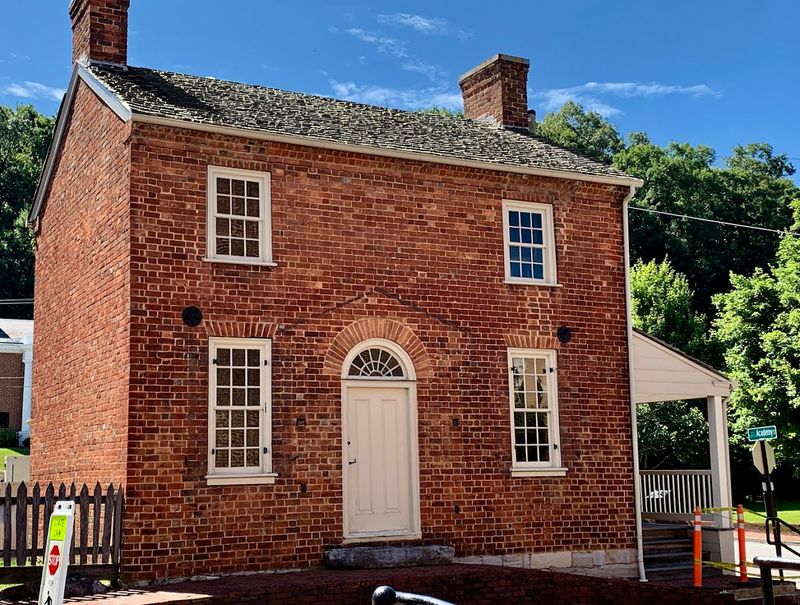
Andrew Johnson’s hometown wears that distinction proudly, and history enthusiasts find plenty to explore in this east Tennessee city. Greeneville doesn’t just acknowledge its presidential connection—it celebrates it with museums, historic sites, and a downtown that honors its Civil War-era significance. The Andrew Johnson National Historic Site preserves his tailor shop and homestead, offering visitors a deep look into the life of America’s 17th president.
Appalachian identity runs strong here. Greeneville sits in the foothills where mountain culture shapes everything from local festivals to the food served in family-owned restaurants. You’ll hear the accent, taste the traditional recipes, and see the craftsmanship that defines this region.
Locals take pride in their mountain heritage and the resilience it represents.
The downtown district blends historic architecture with functioning businesses, creating a space where preservation meets practicality. Old buildings house modern shops, and the courthouse square serves as a gathering place for community events. Greeneville hasn’t let its historic buildings become empty monuments—they’re working structures that contribute to daily life.
Agriculture remains important to the local economy, with tobacco barns dotting the surrounding countryside. The town honors its farming roots while adapting to changing times, and that balance shows in community events that celebrate both heritage and progress.
Educational institutions like Tusculum University add vitality and cultural programming to the community. The college brings speakers, performances, and academic energy that complement Greeneville’s historic character. Students and longtime residents interact in ways that enrich both groups.
What stands out most is how seriously Greeneville takes its role as a keeper of Tennessee history. This isn’t a town content to let the past fade—residents actively preserve, celebrate, and share their heritage with anyone willing to listen. The pride here is earned through decades of careful stewardship and genuine appreciation for what came before.
5. Townsend
Calling itself the “peaceful side of the Smokies” isn’t just marketing—it’s a mission statement. Townsend deliberately chose a different path from Gatlinburg and Pigeon Forge, rejecting the neon and tourist traps in favor of quiet mountain authenticity. Drive through town and you won’t find go-kart tracks or pancake palaces—just local businesses, mom-and-pop motels, and genuine respect for the natural beauty surrounding everything.
Great Smoky Mountains National Park borders the town, and locals treat that proximity as both a privilege and a responsibility. Hiking trails, fishing streams, and scenic drives draw visitors who want to experience the mountains without the crowds. Townsend serves as a low-key basecamp where you can gear up, grab a meal, and get honest advice from people who actually know the backcountry.
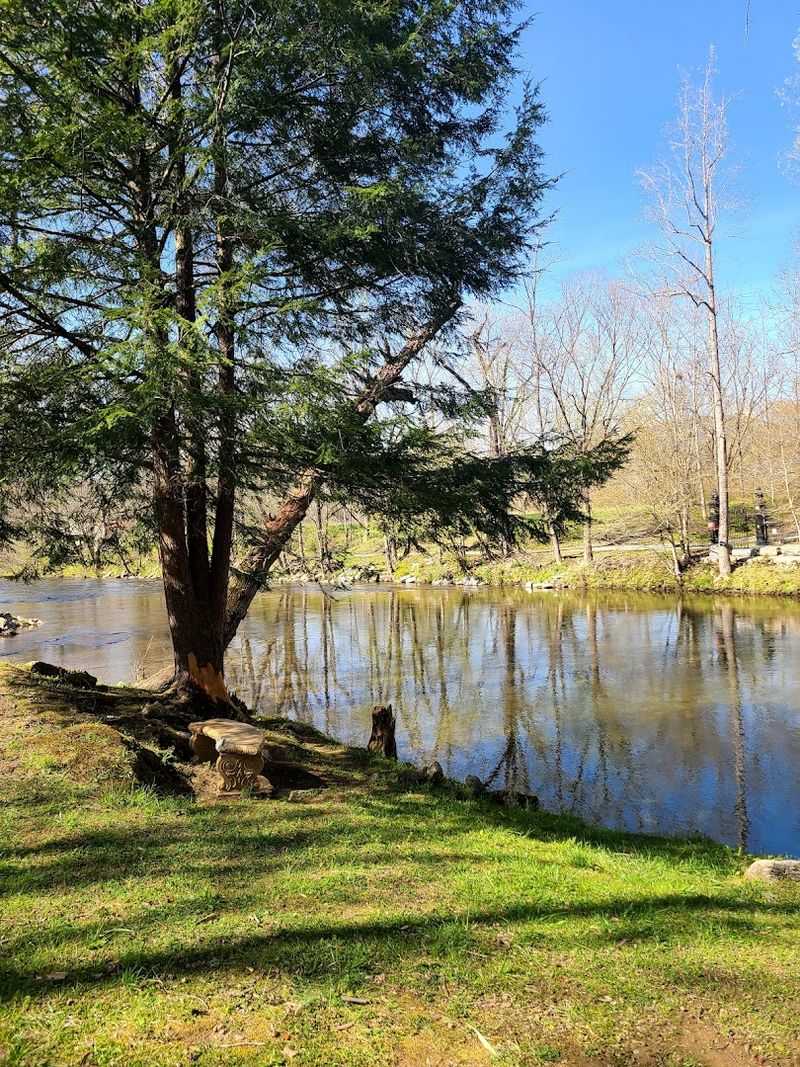
The Little River runs right through town, and in summer months, you’ll find families wading, tubing, and picnicking along its banks. There’s no admission fee, no corporate ownership—just a beautiful mountain stream that everyone can enjoy. That accessibility reflects the town’s values: nature should be shared, not commodified.
Local businesses maintain a deliberate small-scale approach. You won’t find chain restaurants dominating the landscape—instead, family-owned diners serve country cooking, and independent shops sell handmade crafts and regional products. Store owners know their customers by name and take pride in offering personal service that big-box stores can’t match.
Community events celebrate mountain culture without turning it into a theme park. Bluegrass music, heritage festivals, and seasonal celebrations feel authentic because they are—these traditions existed long before tourism became an industry.
Townsend’s pride comes from restraint. The town had every opportunity to follow the commercial path but chose preservation instead. That choice defines the community’s identity and attracts visitors who appreciate the difference between authentic mountain culture and manufactured tourist experiences.
6. Dandridge
Second-oldest town in Tennessee, and Dandridge makes sure you know it. Founded in 1783, this lakeside community has preserved its historic district with impressive dedication, earning a spot on the National Register of Historic Places. Walking through downtown feels like stepping into early American history, with buildings that witnessed the birth of Tennessee statehood still standing strong.
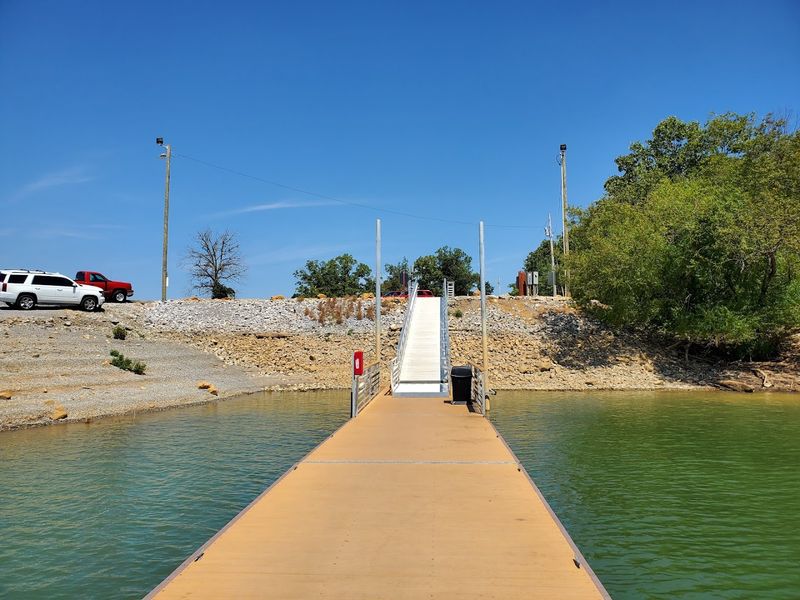
Douglas Lake transformed the town’s geography when TVA dammed the French Broad River, creating a massive reservoir that now defines much of Dandridge’s identity. The lake brought recreational opportunities that complement the town’s historic character—fishing, boating, and waterfront dining coexist with 18th-century architecture. Locals balance lake culture with preservation, honoring both the natural landscape and the built environment.
The Jefferson County Courthouse anchors the downtown square, serving as both a functioning government building and a historic landmark. Surrounding streets feature shops, restaurants, and services housed in carefully maintained old structures. Business owners respect the architectural integrity of their buildings, avoiding modern alterations that would compromise the historic streetscape.
Community events bring residents together throughout the year, from heritage celebrations to farmers markets. Dandridge doesn’t rely on manufactured attractions—the town’s authentic history provides plenty of draw for visitors interested in early Tennessee. Tour guides share stories of frontier life, Civil War conflicts, and the challenges of preserving a town threatened by rising lake waters.
Local pride centers on resilience. When TVA threatened to flood the entire town, residents fought to save their historic core, successfully relocating some buildings and protecting others. That determination created a modern identity rooted in preservation and community action.
People here didn’t just inherit history—they actively saved it.
The lake-meets-history combination gives Dandridge a unique position among Tennessee towns. Visitors can explore colonial-era buildings in the morning and spend the afternoon on the water, experiencing two very different aspects of Tennessee culture. Locals appreciate both dimensions and work hard to maintain the balance that makes their town special.
7. Collierville
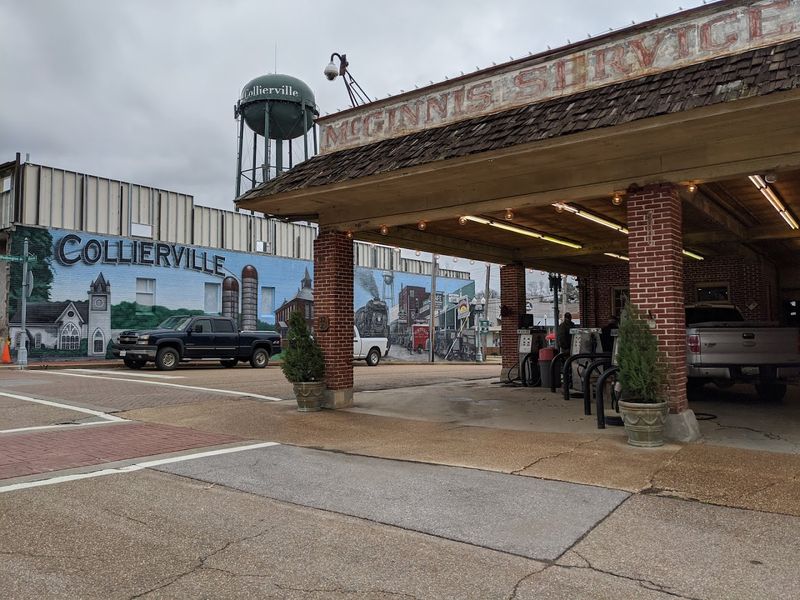
Memphis suburbs don’t usually have this much personality, but Collierville built an identity that stands completely apart from the city next door. The town square serves as the heart of the community, surrounded by locally-owned shops, restaurants, and businesses that create a genuine downtown atmosphere. Unlike strip-mall suburbs, Collierville invested in creating a walkable center where residents actually gather.
Community events fill the calendar year-round, from concerts on the square to seasonal festivals that draw crowds from across the region. These aren’t corporate-sponsored affairs—they’re genuinely local celebrations organized by residents who want to strengthen community bonds. Families spread blankets on the lawn for outdoor movies, kids play in the fountain, and neighbors catch up over coffee at sidewalk cafes.
Local business owners take pride in being part of the town square ecosystem. They participate in events, support each other’s ventures, and maintain high standards that keep the area attractive and thriving. The sense of mutual investment creates a business district that feels cohesive rather than randomly assembled.
Historic preservation matters here, but not at the expense of functionality. Old buildings get updated with modern amenities while maintaining their architectural character. The result is a downtown that looks historic but works for contemporary needs—restaurants serve current tastes in vintage spaces, and shops offer modern merchandise in traditional storefronts.
What makes Collierville remarkable is its refusal to become just another faceless suburb. The town deliberately built a center, fostered local business, and created gathering spaces that give residents a sense of place. That intentionality paid off with a community identity strong enough to compete with Memphis for cultural relevance.
People don’t just live in Collierville—they’re proud to be from Collierville, and that distinction matters.
8. Granville
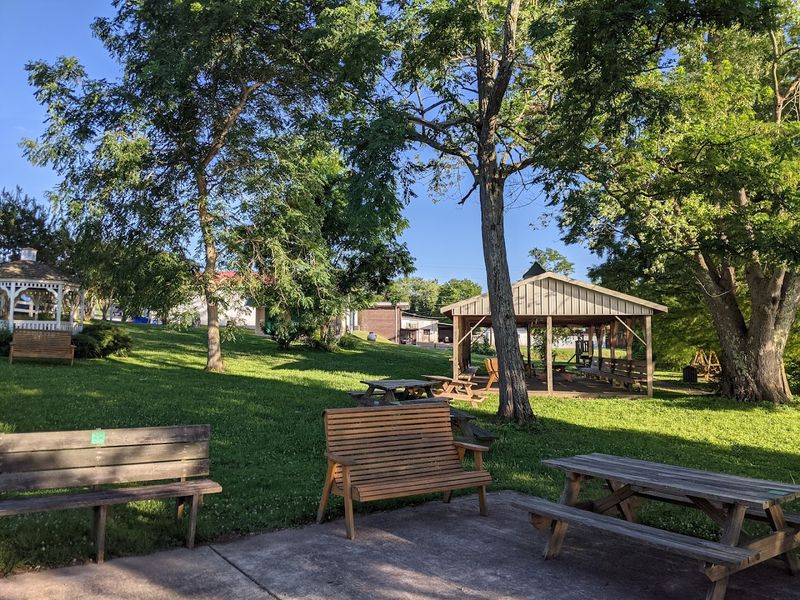
Stepping into Granville feels like time-traveling to a Tennessee that mostly exists in photographs. This tiny Jackson County town preserved its river-town character so completely that visitors genuinely experience what small-town Tennessee looked like a century ago. Old storefronts line the main street, museums occupy historic buildings, and community traditions continue much as they have for generations.
The Cumberland River shaped Granville’s history, and locals haven’t forgotten that connection. When the river served as the primary transportation route, Granville thrived as a trading center. Even though river commerce declined, the town maintained its waterfront identity and celebrates its steamboat heritage through festivals and historic interpretation.
Museums throughout town tell different aspects of local history, from agricultural heritage to river commerce to everyday life in rural Tennessee. Volunteers staff these small institutions, sharing knowledge passed down through families who’ve lived here for generations. The personal connection makes the history come alive in ways that professional museums sometimes can’t match.
Old-fashioned festivals bring the community together and attract visitors who appreciate authentic small-town celebrations. These aren’t polished tourist events—they’re genuine community gatherings where locals participate because they enjoy the traditions, not because they’re performing for outsiders. Craft demonstrations, heritage music, and traditional foods create experiences that feel real because they are.
Preservation in Granville isn’t about creating a tourist attraction—it’s about maintaining community identity. Residents value their town’s character and work to protect it from the homogenizing forces that erase small-town distinctiveness. Buildings get maintained, traditions get passed down, and newcomers get welcomed into a culture that takes its heritage seriously.
The town’s small size works in its favor. With limited commercial pressure and a tight-knit community, Granville can resist changes that would compromise its character. Residents know each other, care about their shared history, and actively participate in preservation efforts.
9. Pulaski
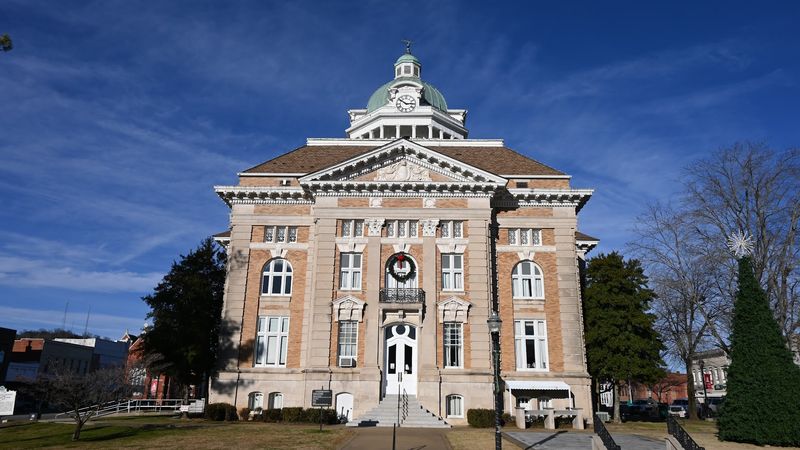
Courthouse-square towns define small-town Tennessee, and Pulaski exemplifies the type. The Giles County Courthouse dominates the town center, surrounded by businesses, restaurants, and civic buildings that create a traditional Southern downtown. This layout isn’t accidental—it reflects a deliberate approach to community organization that places government, commerce, and social life in close proximity.
History here is complicated and layered. Pulaski was the birthplace of the Ku Klux Klan, a dark chapter that the town has worked to acknowledge and move beyond. More recently, community leaders have focused on celebrating the town’s positive heritage—its role in Tennessee agriculture, its architectural treasures, and its contributions to regional culture.
That balancing act requires honesty and ongoing effort.
Local arts have become an important part of Pulaski’s modern identity. Galleries, theater productions, and public art installations bring cultural vitality to the downtown area. Artists have found affordable studio space and a supportive community, creating a small but vibrant arts scene that adds dimension to the town’s character.
Regional pride runs strong, with residents identifying deeply as Middle Tennesseans with connections to both Nashville and the Alabama border. That geographic position creates a distinct cultural blend—not quite Deep South, not quite Upper South, but something uniquely its own. Local festivals and traditions reflect that regional character.
Agriculture remains economically important, with farming families maintaining operations that have existed for generations. The connection to the land shapes local values and creates a community that understands seasonal rhythms, hard work, and the challenges of rural life.
What stands out about Pulaski is the active effort to build a forward-looking identity while respecting history’s complexity. The town isn’t hiding from difficult truths, but it’s also not letting past mistakes define its future. Community investment in arts, historic preservation, and downtown revitalization shows a commitment to creating something worth celebrating.
That work continues, and the pride here comes from progress rather than perfection.
10. Hohenwald

Quirky independence defines this Lewis County seat in ways that surprise first-time visitors. Hohenwald doesn’t try to be like other towns—it embraces its oddities and rural character with genuine confidence. The Elephant Sanctuary brought international attention to this small Tennessee town, and locals took that unexpected fame in stride, incorporating it into their identity without letting it overwhelm everything else.
The elephant connection is real and meaningful. The sanctuary provides a retirement home for elephants from zoos and circuses, and while the facility isn’t open to the public, its presence influences the town’s character. Elephant-themed art appears downtown, businesses reference the sanctuary, and residents take pride in their town’s role in protecting these magnificent animals.
It’s an unusual claim to fame, but Hohenwald owns it completely.
Rural Tennessee culture thrives here without apology. Farm supply stores, meat-and-three restaurants, and businesses serving agricultural communities operate alongside newer ventures. There’s no pretense of being something the town isn’t—Hohenwald knows it’s a rural community and values that identity.
People here appreciate the slower pace, the connection to the land, and the independence that comes with rural life.
Local businesses reflect the town’s practical, no-nonsense approach. You’ll find what you need without the trendy packaging—hardware stores, diners, and services that prioritize function over flash. Store owners know their customers personally and provide the kind of service that builds long-term relationships rather than one-time transactions.
Community events celebrate local heritage and bring neighbors together without trying to attract big crowds. These gatherings serve residents first, visitors second—a priority that keeps events authentic and focused on genuine community building. Whether it’s a festival, a fundraiser, or a seasonal celebration, the emphasis stays on strengthening local bonds.
Hohenwald’s pride comes from being unapologetically itself. The town doesn’t chase trends, doesn’t pretend to be something it’s not, and doesn’t apologize for its rural character. That authenticity attracts people tired of manufactured experiences and corporate sameness.
In a world of increasingly homogenized places, Hohenwald stands out by refusing to change.
11. Paris
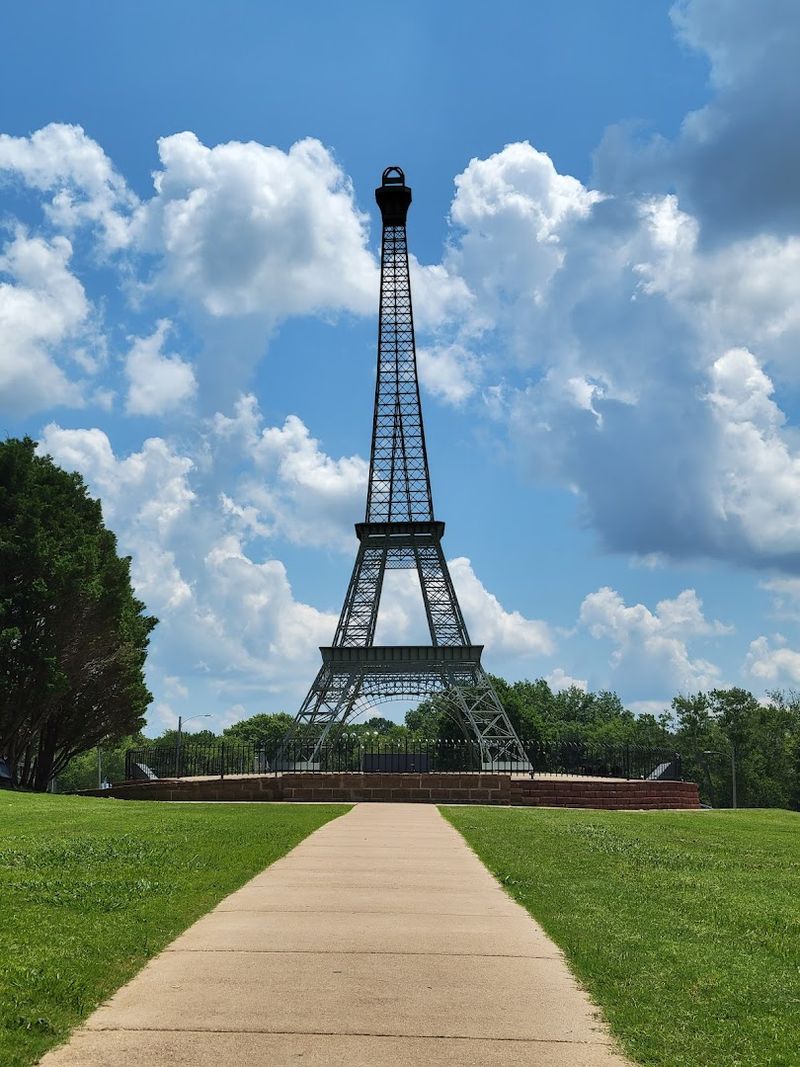
Building a 60-foot Eiffel Tower replica takes confidence, and Paris, Tennessee, has plenty of it. This Henry County seat doesn’t apologize for its playful branding—it leans into the name with genuine enthusiasm and a sense of humor that visitors find refreshing. The tower in Eiffel Tower Park isn’t a tourist trap gimmick; it’s a beloved community landmark that represents the town’s willingness to have fun with its identity.
Downtown energy distinguishes Paris from sleepier small towns. The courthouse square stays active with businesses, restaurants, and services that create genuine foot traffic throughout the week. This isn’t a downtown that only comes alive for special events—it’s a functioning business district where locals shop, eat, and conduct daily business.
That vitality reflects a community that values its center and supports local merchants.
Small-town branding here goes beyond the Eiffel Tower. Paris embraces its identity through festivals, promotional materials, and a general sense of civic pride that permeates community activities. Residents enjoy their town’s distinctiveness and actively promote it to visitors.
That enthusiasm isn’t manufactured for tourism—it’s genuine pride in a place that knows how to stand out.
Local businesses benefit from the town’s clear identity. Visitors who come to see the Eiffel Tower stay to explore shops, eat at restaurants, and discover other attractions. The landmark serves as a conversation starter that leads to deeper engagement with the community.
Smart business owners leverage that interest while maintaining authenticity.
Community events throughout the year bring residents together and reinforce the town’s personality. From the World’s Biggest Fish Fry to seasonal celebrations, Paris knows how to throw a party that reflects local character. These events aren’t cookie-cutter affairs—they incorporate regional traditions, local food, and genuine community participation.
What makes Paris memorable is the combination of playfulness and substance. The Eiffel Tower gets attention, but the town backs up that initial draw with a real downtown, engaged residents, and a community that genuinely enjoys where it lives.
Share this story