Tennessee has more than just rolling hills and country music. Scattered across the state are places where old stories, ghost tales, and local legends seem to matter just as much as the buildings themselves. Some visitors come for the history, but plenty stick around because of the eerie folklore that refuses to fade.
Whether you believe in the supernatural or just love a good campfire story, these spots prove that sometimes the legend is what keeps people coming back.
1. Bell Witch Cave — Adams
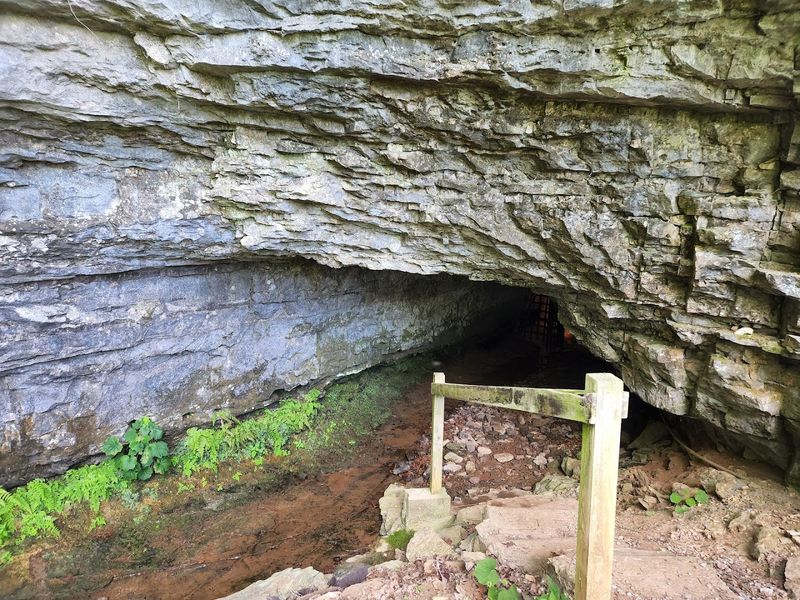
Few ghost stories in America have held on quite like the Bell Witch legend. Back in the early 1800s, the Bell family claimed something sinister was tormenting them on their farm in Adams. The tales grew wilder with time, and today the cave on the old property has become the center of it all.
Visitors walk through the dimly lit cave while guides share stories of strange voices, unexplained scratches, and eerie encounters reported over the decades. The atmosphere alone is enough to give you chills, even if you’re a skeptic. There’s a replica cabin on-site too, meant to evoke the world the Bells lived in when the haunting supposedly began.
What makes this place stand out is how seriously people take the folklore. Tour guides don’t just recount history—they treat the legend like it’s still unfolding. Some guests claim to hear whispers or feel sudden cold spots, which only adds to the mystique.
The cave itself is naturally spooky, with tight passages and mineral formations that feel older than memory. But it’s the stories that pull people in. Families, paranormal enthusiasts, and curious travelers all show up hoping to experience something unexplainable.
Even if nothing strange happens during your visit, the legend gives the whole experience weight. You’re not just touring a cave—you’re stepping into one of Tennessee’s most enduring mysteries. And that sense of walking through living folklore is what keeps Bell Witch Cave on so many must-see lists across the state.
2. Brushy Mountain State Penitentiary — Petros
Brushy Mountain was one of Tennessee’s toughest prisons for over a century. It housed some of the state’s most dangerous criminals, including James Earl Ray, who famously escaped in 1977. The facility closed in 2009, but its reputation never faded—it just shifted into something darker.
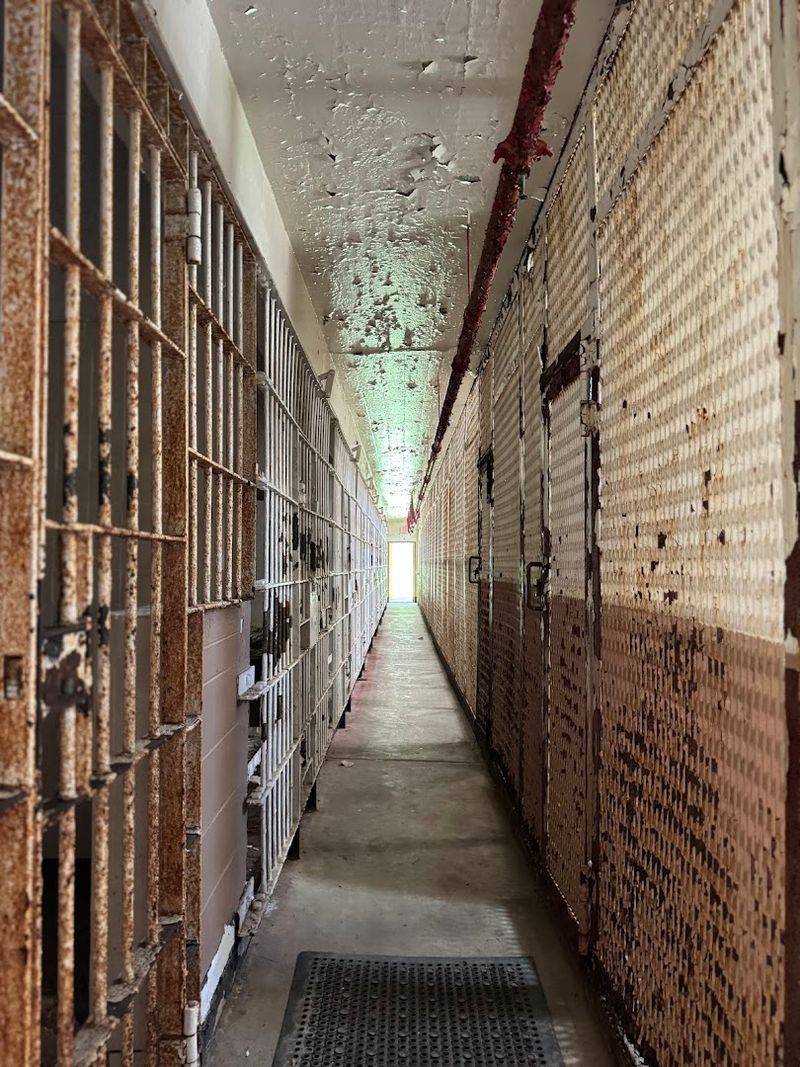
Now it operates as a tourist attraction, offering distillery tours, a museum, and restaurant space. But the real draw for many visitors is the paranormal side. Ghost tours wind through cell blocks, solitary confinement units, and the old Death Row area, where guides share stories of unexplained footsteps, shadow figures, and voices echoing through empty halls.
The building itself feels heavy with history. Cold stone walls, rusted bars, and cramped cells create an atmosphere that doesn’t need much embellishment. But the ghost stories add another layer, turning a grim piece of history into something people actively seek out after dark.
Some guests report feeling watched or hearing cell doors slam when no one’s nearby. Others just soak in the eerie vibe and imagine what life was like for the men locked inside. Either way, the legend of the place—both real and rumored—has become inseparable from the experience.
Brushy Mountain doesn’t shy away from its past. It leans into the darkness, the danger, and the folklore that’s built up over decades. For visitors who want more than a typical history lesson, the haunted reputation is exactly what makes the trip worthwhile.
3. White Bluff — Dickson County
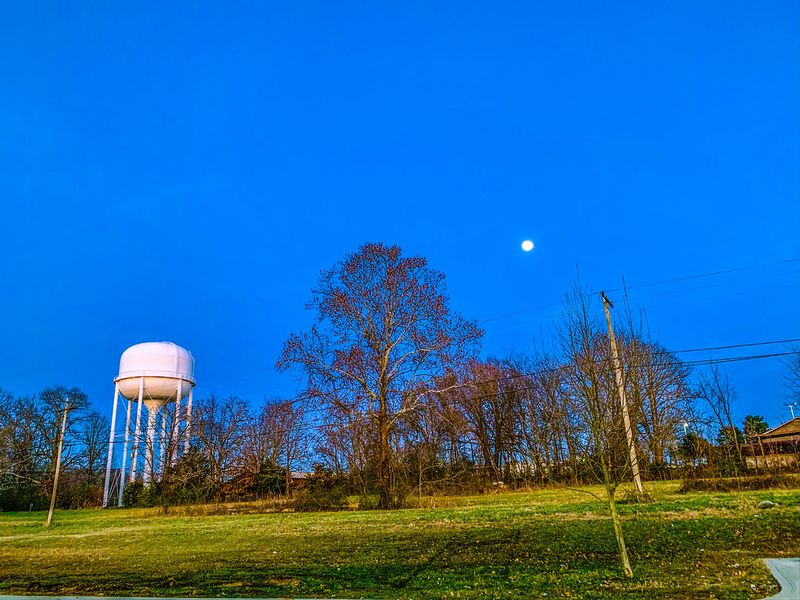
White Bluff might look like any other quiet Tennessee town, but locals know it has a darker claim to fame. The legend of the White Screamer has been passed down for generations, describing a pale, ghostly figure that roams the woods and lets out a blood-curdling scream in the dead of night.
No one agrees on exactly what it is. Some say it’s a tortured spirit, others think it’s a cryptid or some kind of albino creature. A few skeptics chalk it up to wild animals or overactive imaginations, but the story refuses to die.
People who’ve heard the scream describe it as unlike anything else—high-pitched, almost human, but wrong in a way that makes your skin crawl. Hunters and hikers have reported hearing it deep in the forest, usually when they’re alone. That’s when the legend feels less like folklore and more like something you’d rather not test.
The town itself doesn’t advertise the White Screamer on billboards, but ask around and you’ll find plenty of residents who’ve heard the stories or know someone who swears they’ve had an encounter. It’s the kind of legend that lives in whispered conversations and late-night campfire tales.
White Bluff doesn’t need a museum or a haunted tour to keep the story alive. The woods do that on their own. And for visitors drawn to the strange and unexplained, just knowing the legend exists makes the area feel a little more unsettling than it probably should.
4. Chickamauga Battlefield — Near Chattanooga
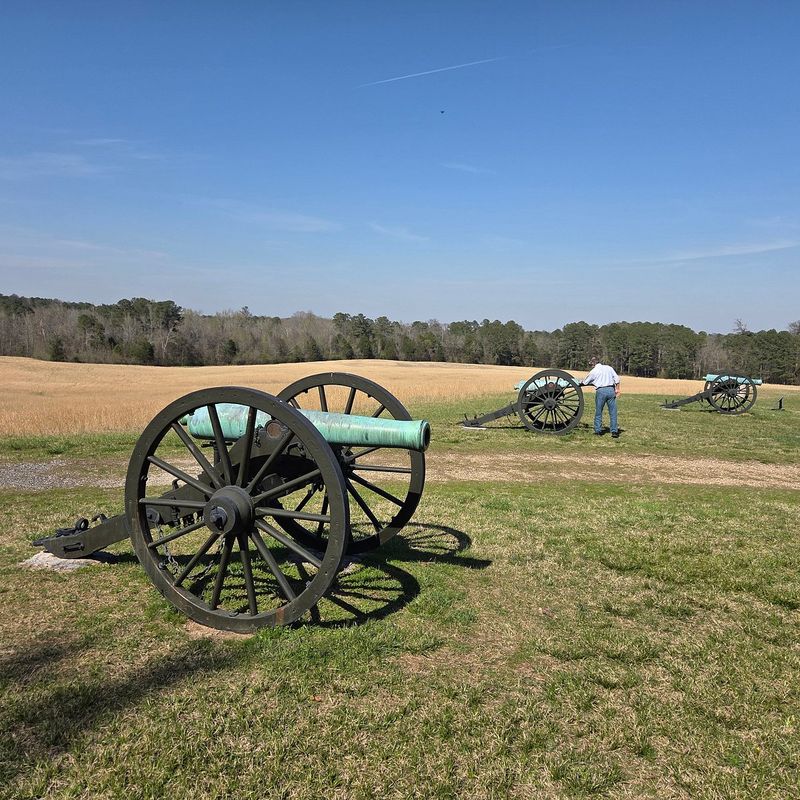
Chickamauga was one of the bloodiest battles of the Civil War, and the land hasn’t forgotten. Thousands of soldiers died here in September 1863, and the battlefield has been preserved as a national park. But beyond the monuments and plaques, there’s another story that visitors talk about—one involving glowing green eyes in the woods.
The legend goes that a Confederate soldier lost his head during the battle and now roams the area at night, searching for it. Witnesses claim to see two eerie green lights floating through the trees, moving in ways that don’t match any animal or natural phenomenon. Some say the lights chase them, others just feel watched.
Park rangers and historians focus on the factual side of the battle, but the ghost stories are never far behind. Tour groups, especially around dusk, often ask about the Green Eyes legend. It’s become part of the Chickamauga experience, whether the park officially endorses it or not.
The battlefield itself is beautiful in a haunting way—rolling fields, old cannons, and dense forests that seem frozen in time. But knowing the violent history and the folklore attached to it changes how the place feels. Even on a sunny afternoon, there’s a weight in the air.
Chickamauga draws Civil War buffs, school groups, and families interested in history. But it also attracts people hoping to catch a glimpse of something unexplainable. The legend might not be in the brochures, but it’s absolutely part of why so many people keep coming back after dark.
5. Thomas House Hotel — Red Boiling Springs
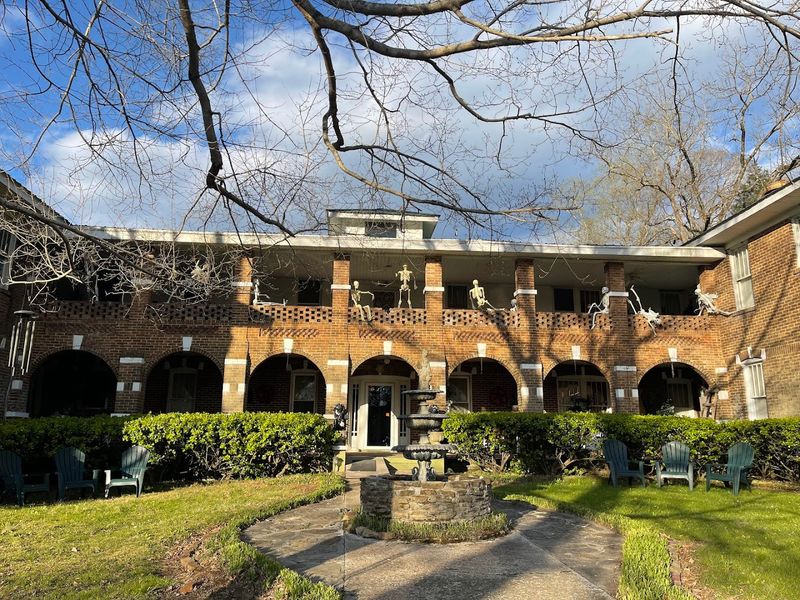
Red Boiling Springs used to be a spa destination back in the early 1900s, drawing visitors to its mineral waters. The Thomas House Hotel opened in 1890 and has been hosting guests ever since. But somewhere along the way, it became just as famous for its ghosts as for its history.
The hotel has leaned into its haunted reputation, offering ghost hunts and paranormal investigation weekends. Guests report hearing footsteps in empty hallways, seeing doors open on their own, and feeling sudden cold drafts in certain rooms. Some claim to have seen full apparitions, including a woman in old-fashioned clothing.
Staff members share stories freely, and some rooms are known by name based on the spirits said to occupy them. It’s not just marketing—plenty of visitors leave with their own strange experiences to talk about.
The building itself has that classic creaky charm—wooden floors, antique furniture, and a layout that feels like stepping back in time. But the ghost stories give it an edge that goes beyond nostalgia. People book rooms specifically hoping something weird will happen.
Even if you’re not a believer, the atmosphere is thick enough to make you wonder. The hotel doesn’t try to scare you with props or jump scares. It just lets the building and its history speak for themselves, and for a lot of guests, that’s more than enough to keep the legend alive.
6. Hales Bar Marina & Dam — Guild
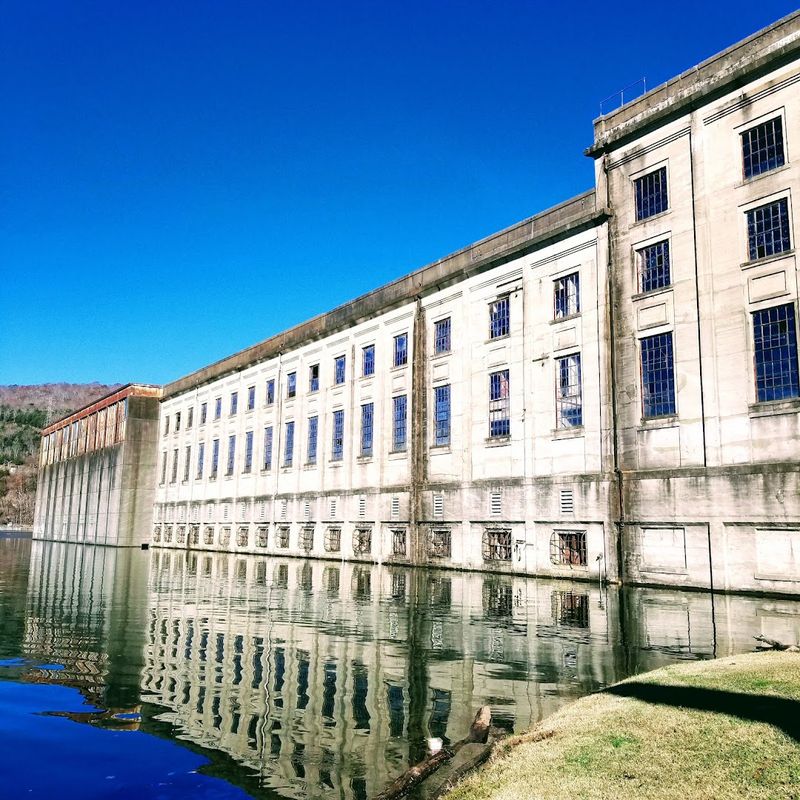
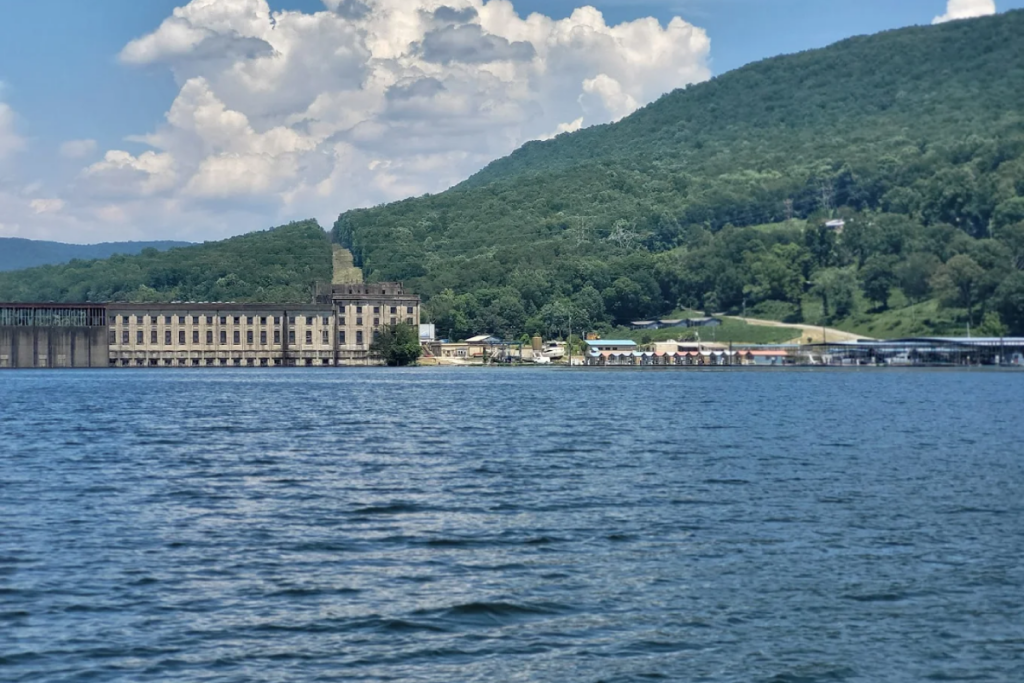
Hales Bar Dam was built in the early 1900s and served as a power source for decades before being replaced by the Nickajack Dam. The old structure still stands, though it’s no longer operational. These days, it’s known more for the strange stories surrounding it than for its engineering.
Visitors and boaters who pass through the area have reported odd occurrences—unexplained lights, voices near the water, and an overall sense of unease. Some believe the site is haunted by workers who died during construction or by those who drowned in the river over the years. Others just find the crumbling dam and its isolation naturally eerie.
The marina nearby offers a peaceful spot for fishing and boating, but the dam itself looms in the background like a relic from another era. Its decay adds to the haunted vibe, with rusted metal and weathered concrete that look like they’re holding onto old secrets.
People come for the river, but they stay curious about the stories. Local lore has kept the haunting reputation alive, and enough visitors have had their own unsettling experiences to keep the legend growing. It’s not a place you’ll find on glossy tourist brochures, but word of mouth does the job.
Hales Bar doesn’t need a formal ghost tour to draw attention. The combination of history, abandonment, and whispered tales is enough to make it a destination for anyone who likes their scenery with a side of mystery. The legend might be quiet, but it’s definitely part of the draw.
7. Carnton — Franklin
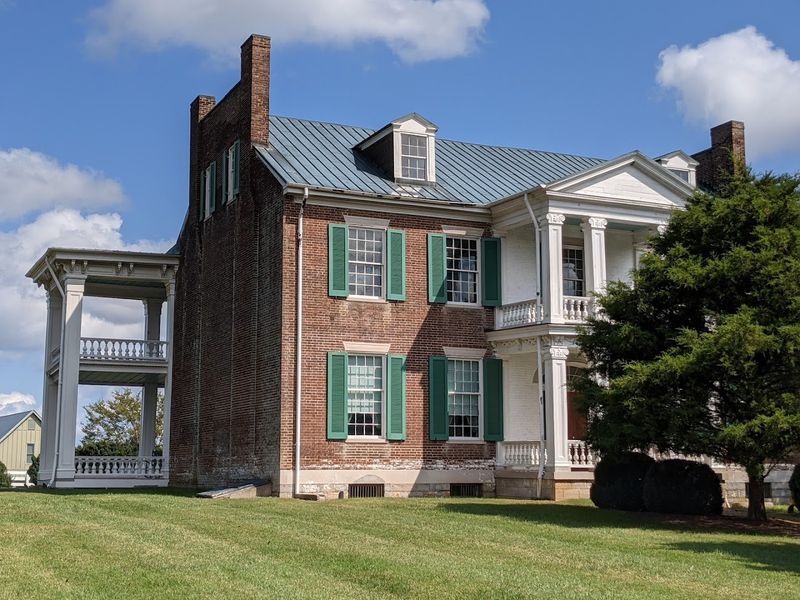
Carnton Plantation sits at the heart of one of the Civil War’s most brutal battles. On November 30, 1864, the Battle of Franklin left thousands of soldiers dead or wounded, and Carnton became a makeshift hospital. The blood-soaked floors and overwhelming loss left a mark that some say never fully healed.
Today, the home is a museum and historic site, carefully preserved to tell the story of the battle and the families who lived there. But alongside the history lessons, there are ghost stories. Visitors report seeing shadowy figures in period clothing, hearing footsteps on the stairs, and feeling cold spots in rooms where soldiers once lay dying.
The McGavock family, who owned Carnton, buried nearly 1,500 Confederate soldiers in their backyard, creating what’s now the largest private military cemetery in the country. Walking through those rows of headstones adds weight to the experience, and for some, it stirs up more than just historical reflection.
Tour guides don’t push the paranormal angle, but they don’t avoid it either. The stories are part of Carnton’s identity now, passed along by staff and visitors alike. Some people come strictly for the history, while others are hoping to feel a connection to something beyond the physical world.
Carnton is beautiful, tragic, and haunted all at once. The legend doesn’t overshadow the real history—it enhances it. For many who visit, the ghost stories make the past feel closer, more real, and impossible to ignore.
8. Bijou Theatre — Knoxville
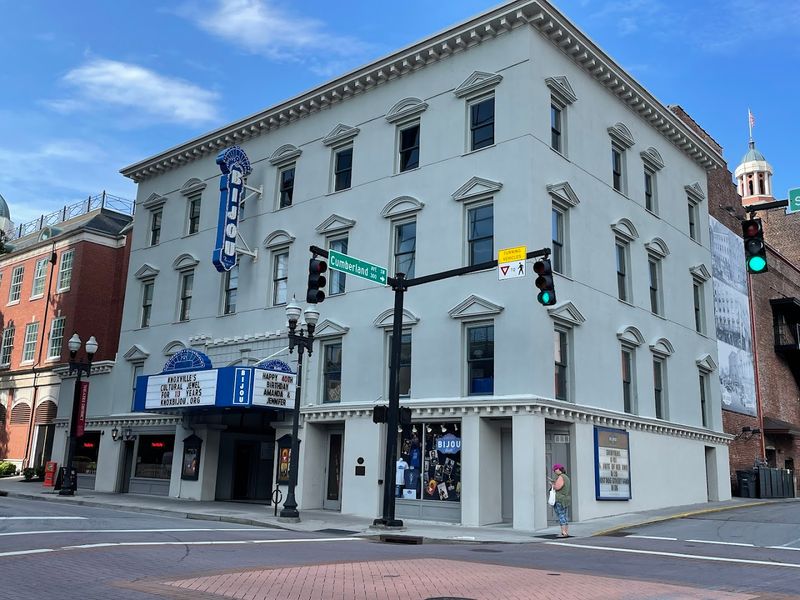
The Bijou Theatre opened in 1909 as a vaudeville house and has hosted everything from silent films to live performances over the decades. It’s one of Knoxville’s most recognizable cultural landmarks, but it’s also earned a reputation as one of the city’s most haunted buildings.
Performers, stagehands, and audience members have all reported strange happenings. Lights flicker without explanation, footsteps echo from empty balconies, and some claim to see a ghostly figure watching from the upper seats. The most famous spirit is said to be a former stagehand who never quite left the building.
The theater’s age and old-world design add to the eerie vibe. Velvet curtains, creaky floorboards, and dim backstage areas create an atmosphere that feels like it belongs to another time.
Staff members have their own tales, passed down through the years. Some refuse to go backstage alone after dark, while others laugh it off as part of the building’s charm. Either way, the stories are part of what makes the Bijou memorable.
People still come for the shows, but plenty are drawn by the haunted history. Ghost tours occasionally stop by, and local paranormal groups have investigated the space multiple times. The Bijou doesn’t need to advertise its spooky side—word of mouth has done that for over a century.
Whether you’re there for a concert or a ghost hunt, the Bijou Theatre delivers. The legend is woven into the walls, and for a lot of visitors, that’s half the appeal.
9. Wheatlands Plantation — Sevierville
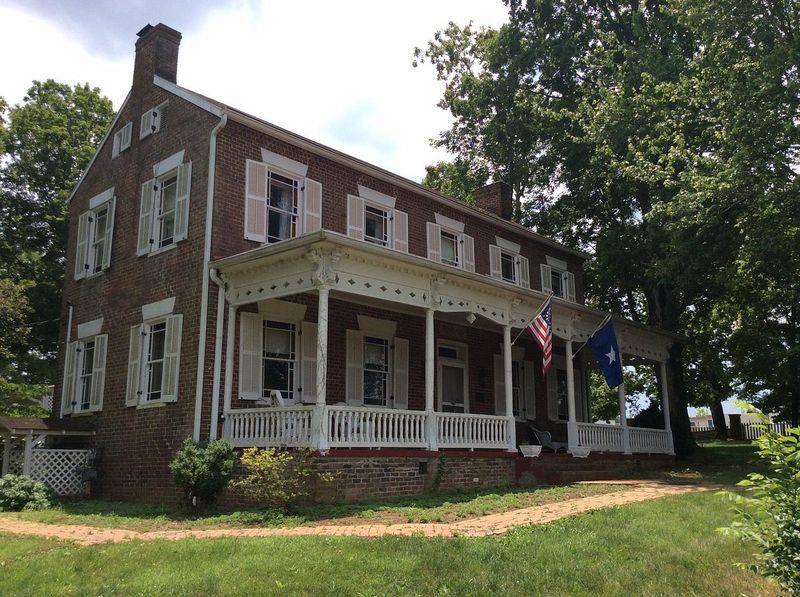
Wheatlands Plantation was built in the early 1800s and has been carefully preserved as a glimpse into Tennessee’s past. The home and surrounding land tell the story of early settlers, but over time, ghost stories have become just as much a part of the tour as the antiques and architecture.
Visitors have reported seeing figures in old-fashioned clothing moving through the rooms, hearing voices when no one else is around, and feeling sudden drops in temperature. Some say the spirits are former residents who never left, while others believe the land itself holds onto the energy of those who lived and died there.
Tour guides share the history with care, but they don’t shy away from the eerie reputation. The stories have been passed down through generations, and enough people have had their own experiences to keep the legend alive. It’s not sensationalized—it’s just part of what Wheatlands is.
The plantation itself is beautiful in a quiet, nostalgic way. The rooms are filled with period furnishings, and the grounds feel peaceful. But knowing the ghost stories adds a layer of tension that makes you pay closer attention to every creak and shadow.
Wheatlands draws history buffs, school groups, and families looking for a dose of local culture. But it also attracts those who love a good ghost story and want to see if the legends hold up. The plantation doesn’t need to prove anything—the stories do that on their own.
For visitors, Wheatlands offers both education and intrigue. The history is real, the preservation is impressive, and the legends make it all a little more interesting than your average historic home tour.
10. The Great Smoky Mountains — East Tennessee
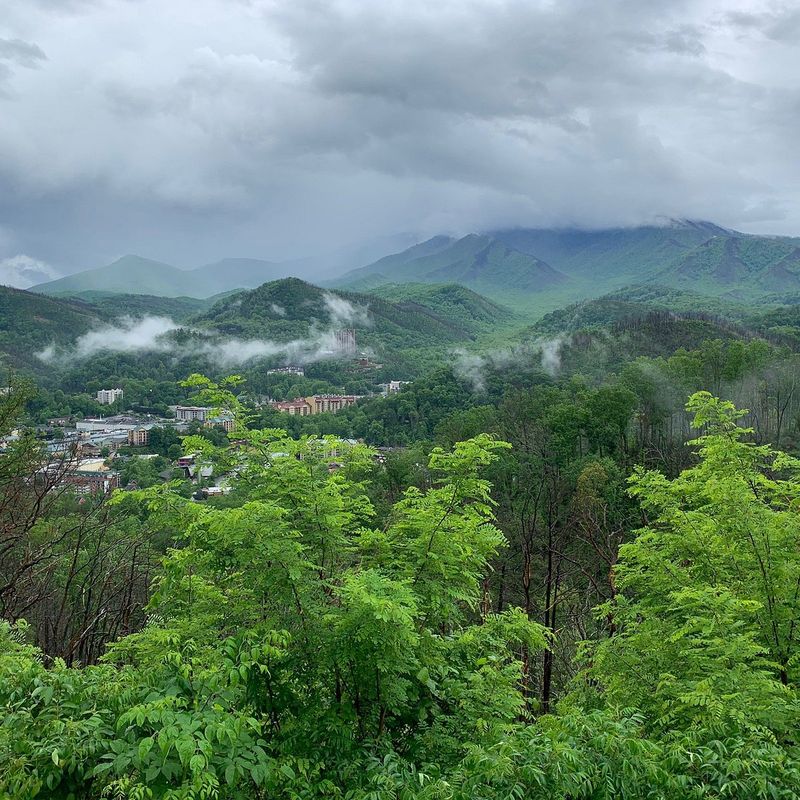
The Great Smoky Mountains are famous for their beauty, wildlife, and endless hiking trails. But beyond the scenic overlooks and tourist-friendly cabins, the Smokies are steeped in folklore. Cherokee legends, Appalachian ghost stories, and tales of mysterious disappearances have been part of these mountains for centuries.
Old-timers still talk about strange lights seen moving through the trees, voices calling from the fog, and figures that vanish when you get too close. Some stories come from Cherokee tradition, warning of spirits that guard the land. Others are rooted in the hard lives of early settlers, whose tragedies left emotional scars on the landscape.
Hikers sometimes report feeling watched on remote trails or hearing footsteps behind them when no one else is around. Park rangers hear the stories but rarely comment—they know the mountains have a way of getting under your skin, whether you believe in ghosts or not.
The Smokies are vast, wild, and full of places where cell service disappears and the modern world feels far away. That isolation makes the legends feel more plausible. When you’re deep in the woods and the mist rolls in, it’s easy to imagine something ancient and unexplainable lurking just out of sight.
Visitors come for the views, the waterfalls, and the wildlife. But the folklore adds depth to the experience, reminding you that these mountains have been home to countless stories long before they became a national park. The legends aren’t just entertainment—they’re part of what makes the Smokies feel alive, layered, and endlessly fascinating.
Share this story