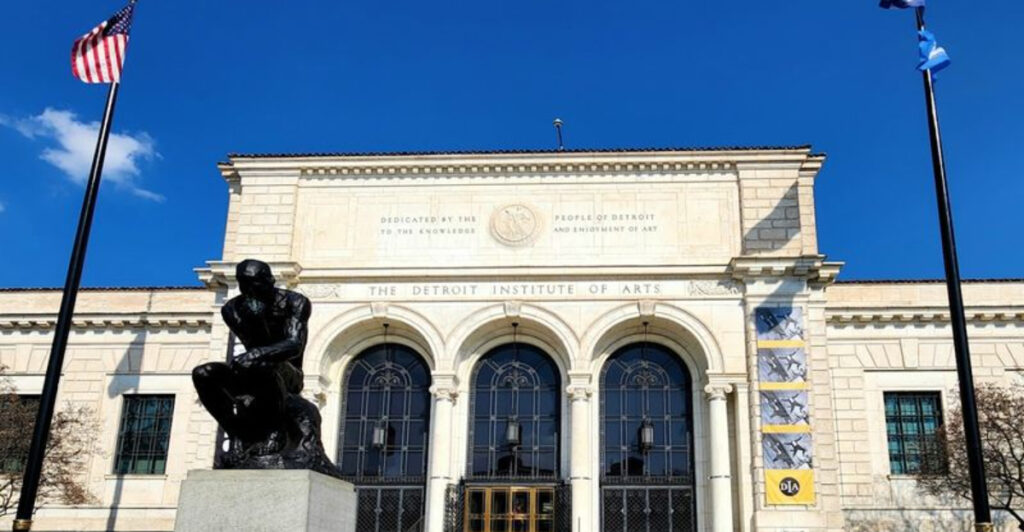
Sitting on Woodward Avenue like it has always belonged there, the Detroit Institute of Arts is one of those places that earns its reputation the moment you walk through the door. With over 100 galleries spread across a grand Beaux-Arts building, the DIA holds one of the most wide-ranging art collections in the country.
From ancient artifacts to modern canvases, the museum connects visitors to centuries of human creativity without ever feeling like a history lecture. Whether you are a lifelong art lover or just curious about what the buzz is about, this place has a way of pulling you in.
The Diego Rivera Court and Its Industry Murals
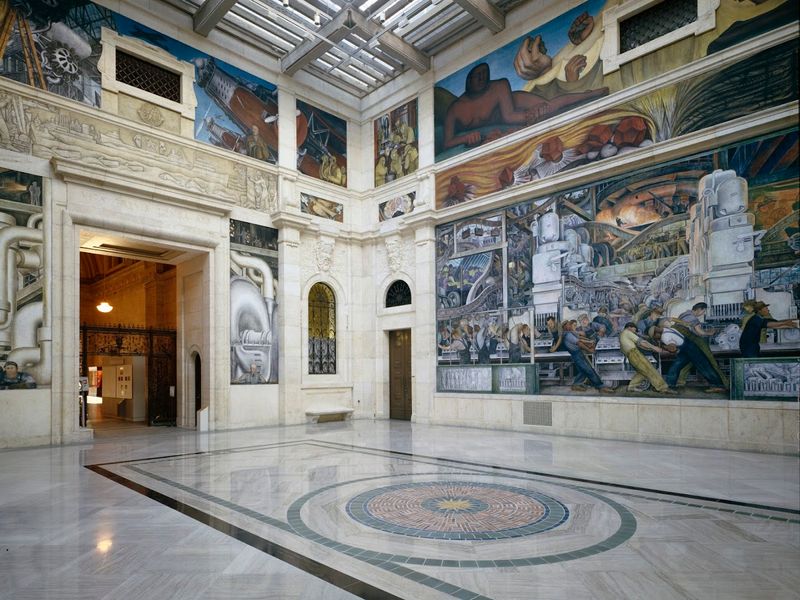
Walk into Rivera Court and your eyes do not know where to land first. The walls rise up around you covered in massive painted panels — workers, machines, gears, fire, and human hands all tangled together in a scene that feels alive even decades after Rivera finished painting it.
It is one of those rooms that makes you stop mid-step.
Diego Rivera created this 27-panel fresco cycle as a tribute to Detroit’s industrial power. The scale alone is hard to process.
Each panel connects to the next, telling a layered story about the relationship between labor and technology. Standing at the center of the room and slowly rotating to take it all in is a genuinely different kind of encounter with art.
Visitors who spend time here often linger far longer than they planned. Some pull out notebooks.
Some just sit on the benches and stare. A museum docent once spent nearly half an hour walking a small group through the symbolism hidden in a single panel — the kind of detail that is easy to miss on a quick pass.
Rivera’s use of color keeps everything warm and grounded. The figures are monumental but human.
You can see sweat, effort, and concentration in the painted faces. It does not feel like a celebration of industry so much as an honest portrait of it.
The room itself, with its skylight and open floor plan, gives the murals room to breathe. Even on a busy weekend afternoon, the space has a kind of quiet gravity that slows people down.
If you only have an hour at the DIA, this is the room to spend most of it in.
Van Gogh’s Self-Portrait and the European Galleries
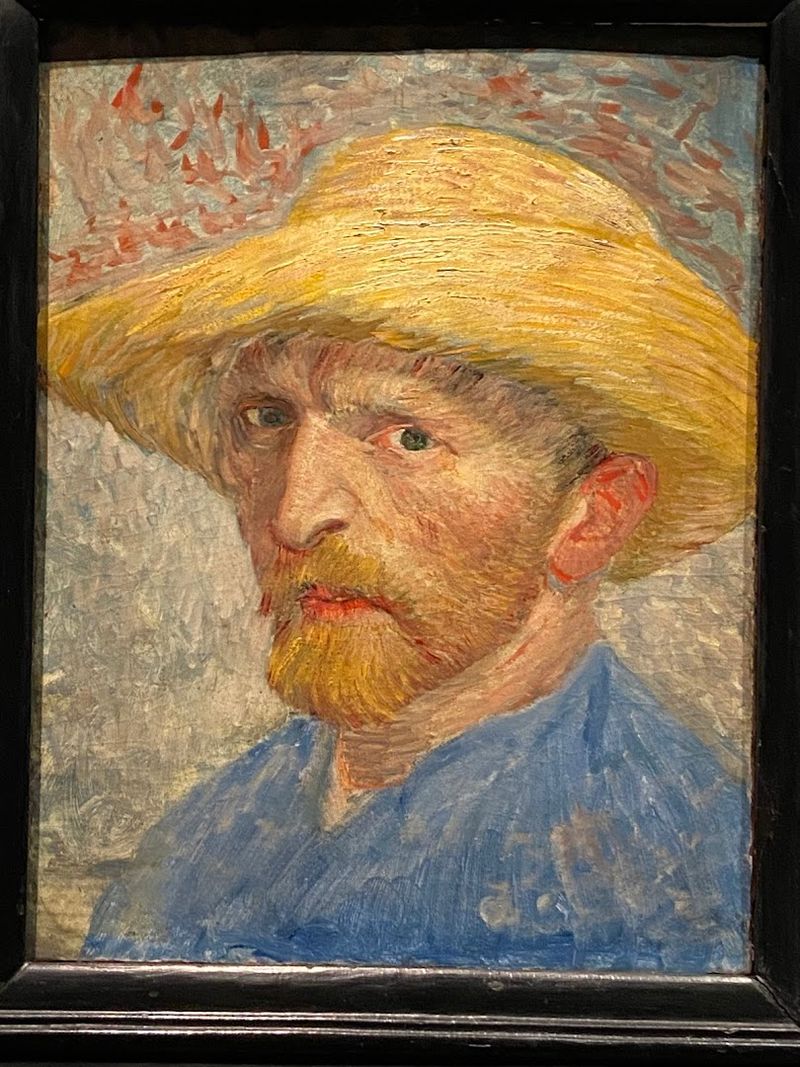
The DIA made history when it became the first American museum to acquire a Van Gogh painting, and that self-portrait from 1887 still draws people across the Atlantic to see it in person. Up close, the brushwork is something else entirely.
Photographs of Van Gogh paintings always flatten them out, but standing in front of the real thing, you can see each stroke raised slightly off the canvas, directional and deliberate.
The European galleries surrounding it hold their own weight. Monet, Picasso, Cézanne, Rembrandt — the names on the placards read like a greatest hits collection, but none of it feels like a trophy case.
The curation keeps things human-scaled. You move from room to room without the exhaustion that sometimes hits in larger museums where everything competes for the same level of attention.
One of the quieter pleasures here is finding a painting you have never heard of and standing with it long enough to understand why it was kept. There are pieces by lesser-known Dutch masters tucked alongside the famous names, and they reward patience.
The light in these galleries is soft and even, which makes the older oil paintings look exactly as they were meant to be seen.
The gallery adjacent to Rivera Court is where many visitors discover their favorite piece by accident. Someone walks in looking for the Van Gogh and leaves talking about a small Cézanne still life they almost walked past.
Friday evenings are a particularly good time to visit these galleries. The museum stays open until 9 PM, the crowds thin out after dinner hour, and there is something about viewing centuries-old European paintings under lower evening light that feels a little cinematic.
The African Art Gallery and Its Remarkable Artifacts
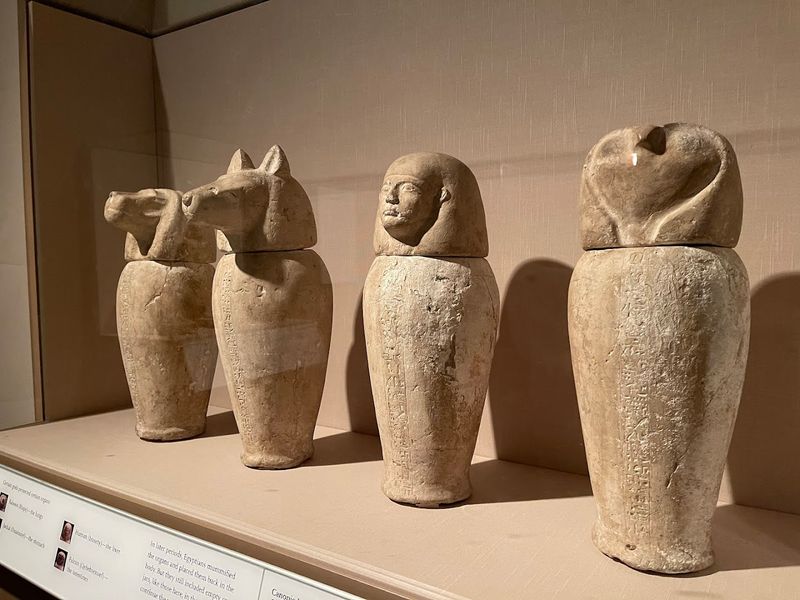
Not every visitor comes to the DIA expecting the African gallery to be the section they talk about most afterward. But it happens more often than you would think.
The collection of masks, sculptures, and ceremonial objects carries a different kind of weight than the European paintings — more tactile, more immediate, more tied to specific human rituals and communities.
Each piece comes with context. The placards do not just name the object and the region; they explain what it was used for, who made it, and what it meant to the people it came from.
That framing changes how you look at a carved wooden mask. It stops being decor and starts being a record of something lived and believed.
The craftsmanship visible in some of the older pieces is hard to process. Intricate beadwork, precisely carved surfaces, and objects that have survived centuries of use and travel to end up behind glass on Woodward Avenue.
There is a quiet tension in that fact that the gallery does not try to paper over.
One visitor described standing in front of a large ceremonial sculpture and feeling the history and craft behind it in a way that surprised her. That reaction comes up in conversation about this gallery more than almost any other section of the museum.
The layout is unhurried. Wide aisles give you room to circle pieces and view them from multiple angles, which matters for three-dimensional work in a way it does not for flat paintings.
If you have been moving fast through the rest of the DIA, this gallery is a good place to slow down and actually look.
The Architecture of the Building Itself
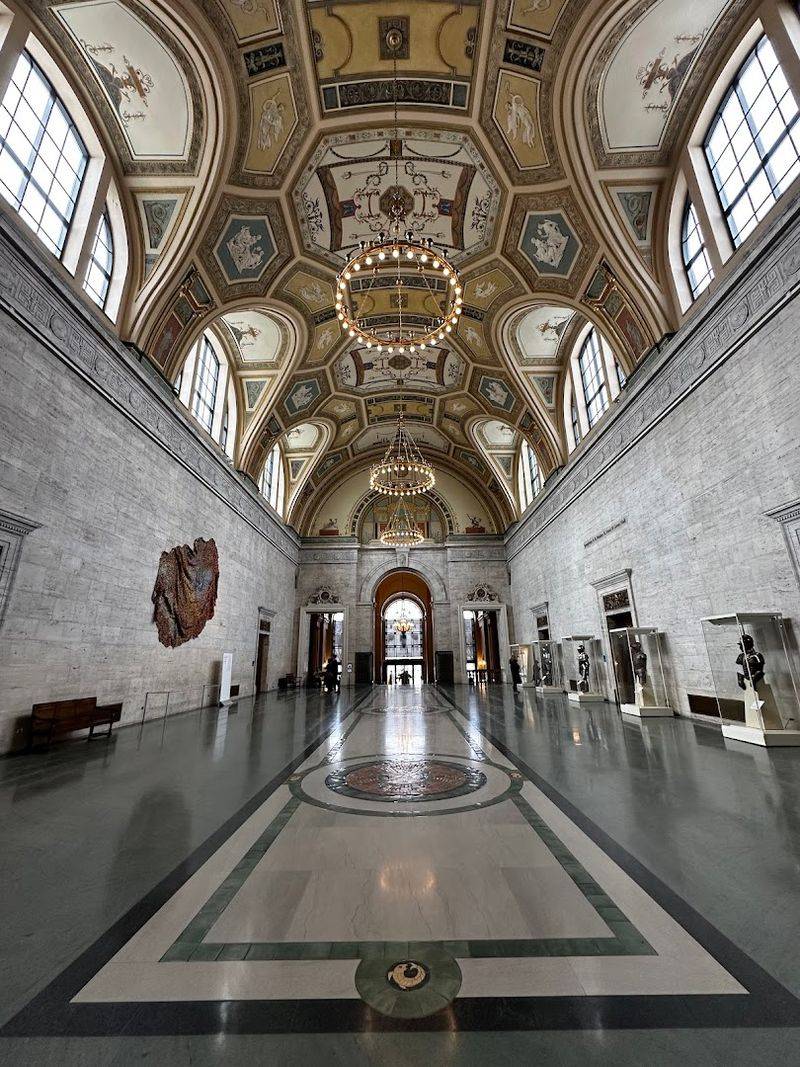
Before you ever make it inside, the building makes a statement. The marble exterior, the grand arched entrance, the wide stone steps leading up from Woodward Avenue — it all signals that something serious is happening inside.
Locals sometimes pass it every day without really looking at it, which is easy to do with a building that has been part of the skyline for so long.
Wedding photographers have figured out what art lovers have always known: the DIA’s architecture is endlessly versatile. The clean lines, the natural light that falls across the facade in the morning, the way the arches frame a person standing in the doorway — it photographs beautifully from almost every angle.
One photographer described the building as cinematic, which feels exactly right.
Inside, the architecture keeps delivering. The ceilings in the main halls are high enough to make you feel small in a good way.
The transition between galleries is well-designed — you rarely feel like you are being funneled through a maze. Quiet corners appear unexpectedly, little alcoves and side rooms where you can step out of the main flow and collect yourself.
Rivera Court benefits enormously from the building’s original skylight design. Natural light falls into that central space in a way that changes depending on the time of day and the season, which means the murals never look exactly the same twice.
Early morning light on a clear day makes the colors in Rivera’s panels pop differently than afternoon light does.
The building is also fully accessible, with wide corridors and elevators connecting the three floors. That practical thoughtfulness is part of what makes the space feel welcoming rather than intimidating — a detail that matters more than most people realize until they are actually moving through it.
Friday Nights at the DIA
Friday evenings at the DIA run on a different frequency than the rest of the week. The museum stays open until 9 PM, and over the years that extended evening has developed its own personality.
Live music shows up in the schedule. Occasional film screenings fill one of the event spaces.
The café in the courtyard becomes a place where people linger over wine or coffee instead of rushing to the next gallery.
The crowd shifts noticeably on Friday nights. Fewer families with strollers, more couples and friend groups who treat the visit like a night out rather than a cultural obligation.
The galleries feel less like classrooms and more like living rooms — places where conversation about what you are looking at feels natural rather than performative.
There is something about viewing art after dark that loosens people up. The hustle of the week is mostly gone by 7 PM, and the galleries take on a different quality under evening lighting.
The European paintings in particular seem to shift slightly — the warm tones in the Dutch masters reading differently under artificial light than they do in the afternoon.
If you have been to the DIA on a Saturday afternoon and found it crowded, a Friday evening visit can feel like a completely different museum. The same collection, the same rooms, but with more breathing room and a more relaxed pace.
Parking tends to be less of a scramble, too, which is a practical bonus that regular visitors have figured out.
The gift shop stays open on Friday evenings, and it is genuinely worth a stop — not the typical museum tchotchke situation, but a well-curated selection of books, prints, and objects that reflect the collection upstairs.
The Native American and Indigenous Art Wing
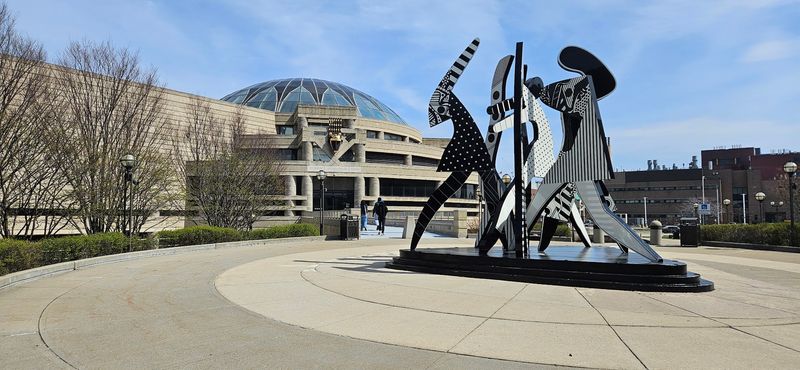
A few years ago, a visitor asked a docent why the DIA’s Native American wing had no representation from Michigan’s local Ojibwe and Anishinaabe tribes — some of the largest remaining Indigenous communities in the country. The question stuck.
By 2025, the museum had opened an exhibit featuring a contemporary Indigenous Ojibwe artist, a shift that long-time visitors noticed and appreciated.
That kind of responsiveness to community feedback is not something every institution pulls off gracefully. The DIA’s willingness to listen and then actually act on what it heard says something about how the museum sees its role in Detroit.
A museum that grows and adjusts is more interesting than one that treats its collection as permanently settled.
The Indigenous art on display covers a wide geographic and cultural range, but the addition of locally connected work gives the wing a grounding it did not always have. Michigan has a deep and layered Indigenous history, and seeing that reflected in the collection makes the museum feel more honest about where it sits geographically and culturally.
The beadwork and textile pieces in this section are some of the most technically intricate objects in the entire building. The detail in traditional Ojibwe embroidery, for example, requires close looking — the kind where you lean in until your nose is almost at the glass.
The scale is intimate compared to the massive murals and European canvases elsewhere, but the precision is no less impressive.
The open sketch events the DIA hosts occasionally bring visitors into this wing with drawing materials, which is one of the better ways to actually absorb what you are looking at. Sketching forces slower attention.
It is a different kind of visit entirely, and one that regulars tend to recommend without hesitation.
The Cafe, Courtyard, and Practical Visitor Experience
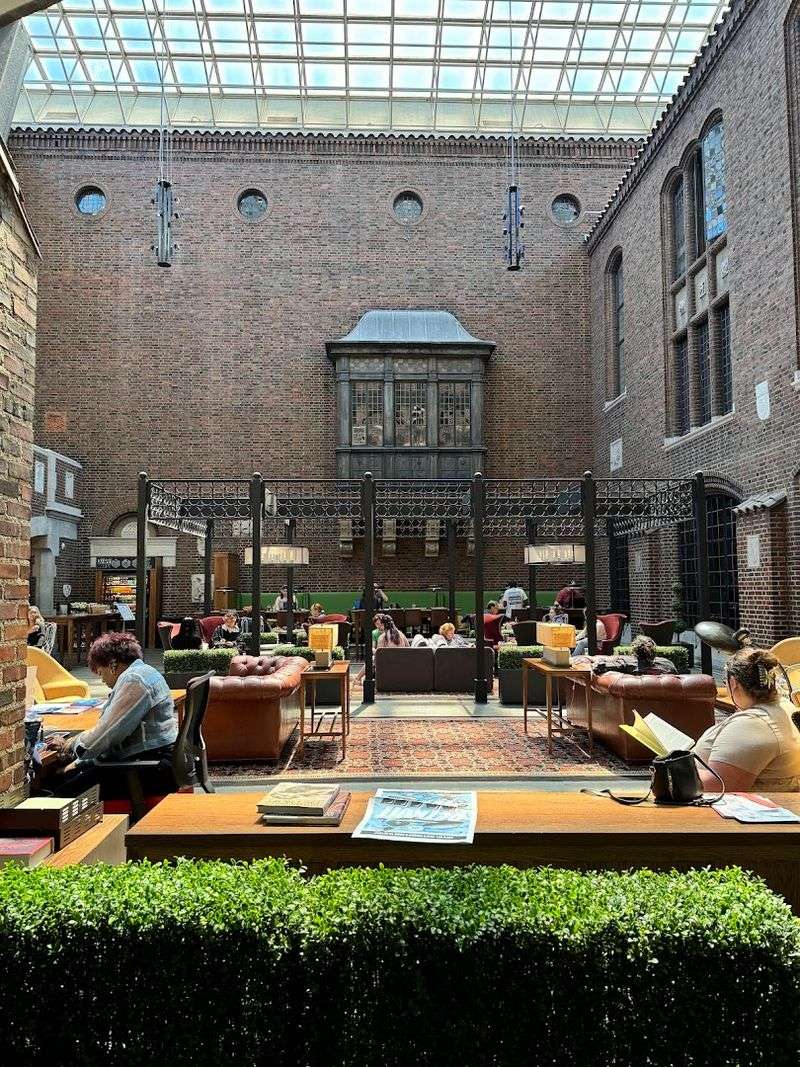
Practical details matter when you are spending a full afternoon somewhere, and the DIA handles them better than most museums its size. There are two food options on-site — a café and a larger dining room in the basement — which means you do not have to abandon your visit to find lunch.
The food is decent and reasonably priced, which is not something you can say about every museum cafeteria in a major city.
The courtyard space, when it is set up for drinks and light food, becomes one of the better places in the building to pause. Sitting under the Rivera murals with a coffee while other visitors move quietly through the room around you is the kind of low-key afternoon that does not require much planning or money to pull off.
Wayne County residents get in free, and nearby county residents pay reduced admission — a policy that keeps the museum genuinely accessible rather than just technically public.
A free coat check near the gift shop is a small thing that makes a real difference on cold Michigan days. The museum runs warm inside, and shedding a heavy winter coat before you start walking means you will last longer and enjoy more.
First-time visitors sometimes skip this and regret it by the second floor.
Parking fills up fast on weekend mornings, especially in the museum’s own lot. Street parking a block or two away tends to open up more consistently, and the walk is short enough that it is not worth stressing over.
Weekday mornings are the calmest time to visit overall — fewer crowds, more space in the popular galleries, and easier access to the docents who can actually tell you what you are looking at. The gift shop, for what it is worth, earns its own mention.
Share this story