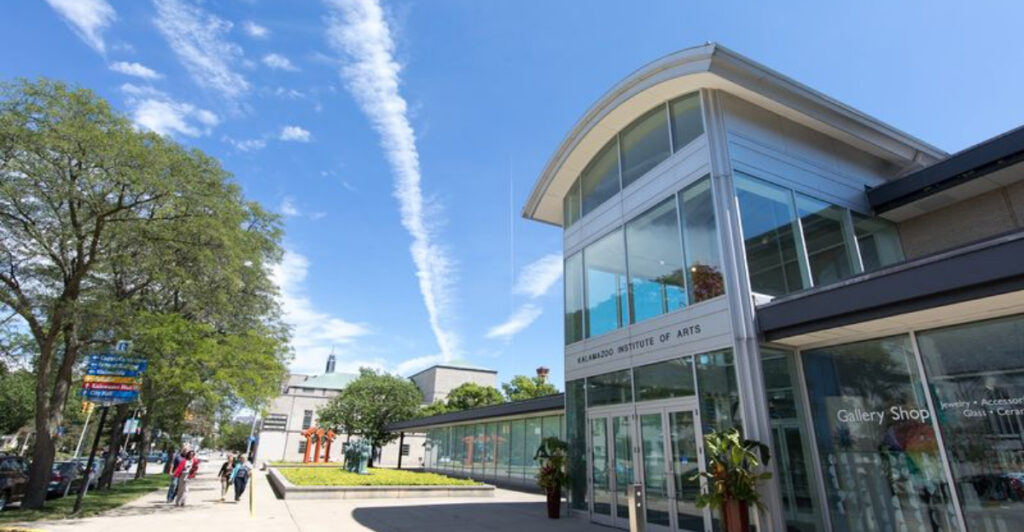
Some museums ask you to simply look. The Kalamazoo Institute of Arts makes you want to linger, wonder, and look again.
Set along South Park Street in the heart of downtown Kalamazoo, the KIA has a quiet way of catching visitors off guard, turning what might seem like a simple gallery visit into something far more memorable. Whether you know your way around an art museum or you are stepping into one for the first time, this is the kind of place that feels welcoming, thought-provoking, and surprisingly alive from the moment you walk in.
The Permanent Collection That Tells Michigan’s Visual Story
Walking into the lower level of the KIA feels a little like opening a time capsule that someone packed with real care. The permanent collection leans heavily into 20th and 19th century American art, and the pieces are arranged in a way that actually makes you stop and think rather than just shuffle past.
The lighting throughout the gallery is thoughtfully designed. Nothing feels washed out or shadowed awkwardly.
Each piece has enough breathing room that you can stand back, take it in, and then move closer to read the details on the wall card without bumping into anyone.
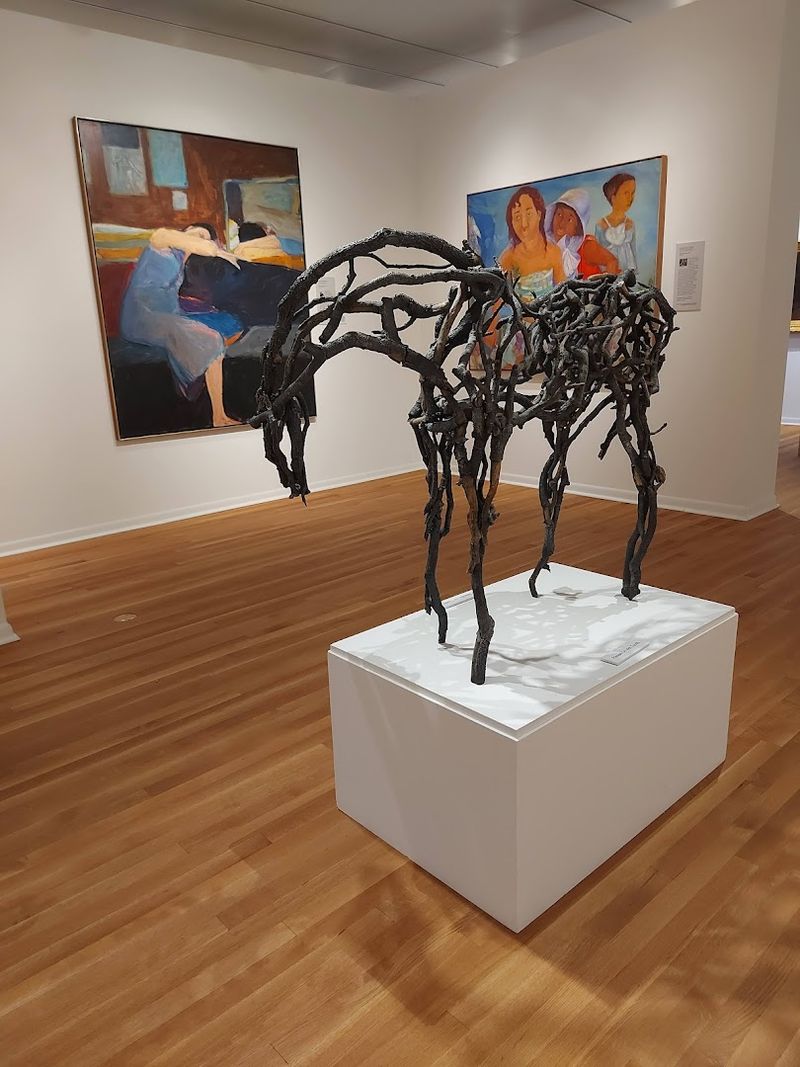
What makes this floor feel different from a lot of smaller museum collections is how the works speak to each other. A painting in one corner seems to be in quiet conversation with a sculpture across the room.
The curatorial choices feel intentional, not just decorative.
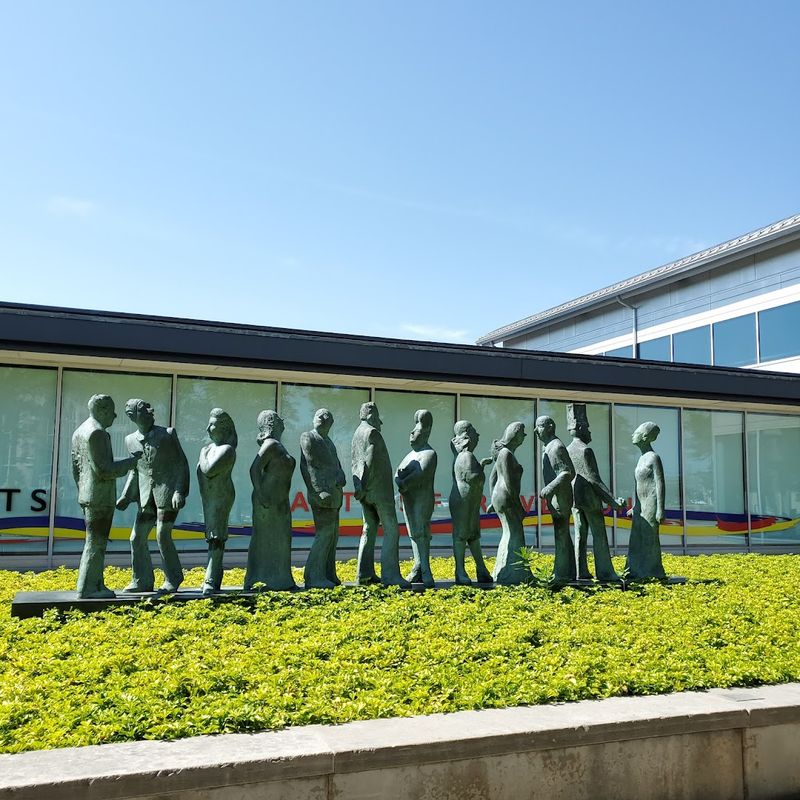
Sculptures and glass works are tucked throughout the space, breaking up the flat walls in a way that keeps your eyes moving. There is also a children’s area down here, which means families with younger kids can explore without worrying about noise levels the whole time.
One visitor noted being particularly drawn to the way artworks were organized and how the accompanying information gave real context rather than just titles and dates. That attention to detail is noticeable even on a first visit.
Parking is available across the street, which makes getting here easier than you might expect for a downtown location. Plan to spend at least an hour just on this floor alone if you want to give the collection the time it actually deserves.
Rotating Exhibits That Keep Every Visit Fresh
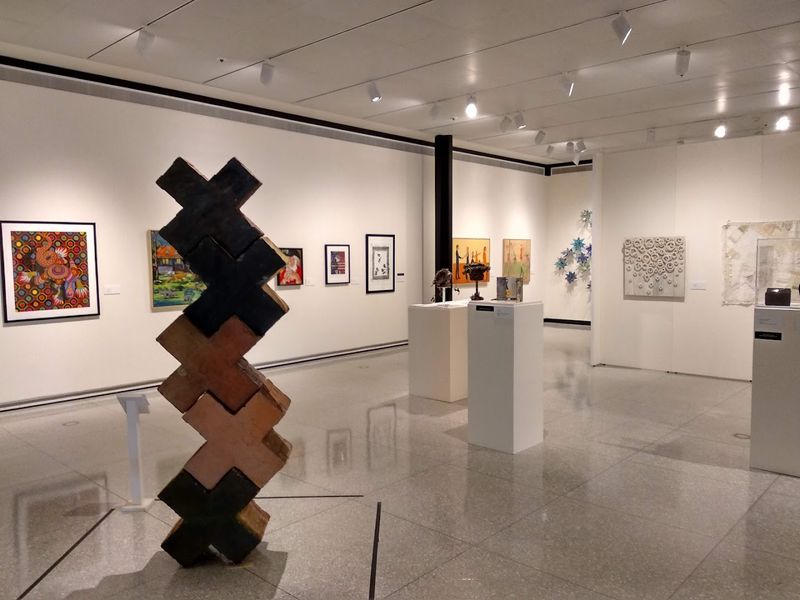
One of the most talked-about things at the KIA is that the rotating exhibits genuinely rotate. Past shows have included everything from Georgia O’Keeffe works and Japanese washi art to sneaker culture and quilts.
That range is not accidental. It reflects a real effort to pull in audiences who might not show up for a traditional painting show.
The ground level is where most of these temporary exhibitions live, and the space adapts well to different types of work. One month it might feel like a photography gallery, the next it carries the texture and weight of fiber arts or ceramics.
The walls and floor layout shift to serve whatever is on display.
Visitors who come back regularly say they almost always find something new to engage with. A reviewer who had not visited in years returned to find a sneaker exhibit running alongside the legacy collection near the entrance.
That kind of unexpected pairing is exactly what makes the KIA feel alive rather than static.
The compare-and-contrast approach used in some temporary exhibitions has drawn particular praise. One visitor described a fall 2024 exhibit where works were placed in deliberate dialogue, inviting you to think about influence, style, and time period all at once.
Even if you have been before, the rotating schedule means the museum rewards repeat visits. Checking the KIA website at kiarts.org before you go is a good habit, since exhibit openings sometimes come with special events or receptions that are open to the public.
The Young Artists Showcase is one example of a community-rooted exhibit that draws families, teachers, and local supporters. Seeing a third grader’s painting hanging in a real gallery space is the kind of thing that stays with you.
The KIA Art School With Over 300 Classes
Most art museums display work. The KIA also teaches you how to make it.
The art school housed in the lower level of the building offers more than 300 classes to students of all ages, from young children picking up a paintbrush for the first time to adults who have been throwing pottery for decades.
The pottery classes in particular have built a loyal following. One reviewer put it plainly: the knowledge gained from instructors and fellow students makes the price completely worthwhile.
That kind of community learning energy is hard to manufacture, and at the KIA it seems to happen naturally.
Classes cover a wide range of disciplines. Drawing, painting, ceramics, printmaking, and more are on the schedule throughout the year.
The school runs on a class registration system, so checking availability ahead of time is a smart move if you have a specific medium in mind.
What separates this from a standalone art studio is the connection to the museum itself. Students are literally learning inside a working cultural institution.
The museum collection, the visiting exhibits, and the professional art environment all become part of the classroom context in a way that a strip-mall studio simply cannot replicate.
Kids benefit from this setup in a particular way. When a child’s work gets selected for the Young Artists Showcase and hung in the actual gallery space, the impact of that moment is significant.
One grandmother described watching her grandson beam while showing off his fox-and-northern-lights painting on display. That memory clearly stuck.
For adults looking to try something creative without committing to a full semester program, shorter workshops are also available. The lower level feels active and purposeful in a way that gives the whole building a different kind of energy than a museum that only asks you to look.
The Lobby’s Helen Frankenthaler Painting
Some museums have a signature piece that anchors the whole building. At the KIA, a lot of regular visitors point to the Helen Frankenthaler painting in the lobby as their personal favorite moment in the space.
It greets you before you even make a deliberate choice about where to go next.
Frankenthaler was known for her color field paintings, large abstract works where color seems to soak into the canvas rather than sit on top of it. Standing in front of one in person is a different thing from seeing a reproduction online.
The scale matters. The texture matters.
The way the light in the lobby hits it changes depending on the time of day you visit.
For people who are not typically drawn to abstract work, this painting tends to be a quiet entry point. There is something approachable about color field painting that does not demand art history knowledge.
You can just stand there and let it settle over you.
The lobby itself is a good transition space. Coming in off South Park Street, you pass through the entrance and into an area that feels calm and considered.
The stained glass near the entrance is another detail that longtime visitors mention when they reminisce about the building. It is the kind of architectural touch that sets a mood before you even reach the first gallery.
Legacy artwork near the entrance has been noted by visitors as a point of connection across multiple visits and even multiple years. Pieces that have been there for a long time carry a kind of familiarity that feels different from newer acquisitions.
If you are pressed for time and only have twenty minutes, the lobby and the Frankenthaler are worth the stop on their own.
Community Events and Cultural Programming
The KIA is not a place that locks itself behind its own collection and calls it done. Throughout the year, the museum hosts events that reach into the broader Kalamazoo community, touching on cultural diversity, local identity, and shared creative experience.
These events draw people who might never come in on a regular Tuesday afternoon.
Opening receptions for new exhibits are a reliable way to see the museum in a different mode. The crowd at an opening tends to include artists, students, teachers, and curious neighbors all in the same room.
It has the energy of a neighborhood gathering as much as a formal arts event.
The Young Artists Showcase is one of the most community-oriented programs the KIA runs. Work from school-age artists across Kalamazoo County gets displayed in the actual museum galleries, treated with the same seriousness as any other exhibition.
For the kids involved, that matters enormously.
Special events sometimes include food and drink, as a few reviewers have noted. The mix of art viewing and social mingling makes the museum feel less intimidating for people who do not usually think of themselves as museum-goers.
One visitor described wandering in off the street during an event and being welcomed by staff before getting a wine sample and browsing local prints and ceramics.
The museum is also available for private rentals, including weddings and other celebrations. Having an event inside a working art institution gives those occasions a character that a generic event space cannot provide.
Thursday evenings are worth noting specifically, since the KIA stays open until 8 PM that night. It is the one weeknight where you can visit after a workday without rushing, which makes it a practical option for people with daytime schedules that are hard to break away from.
The Gift Shop That Actually Delivers
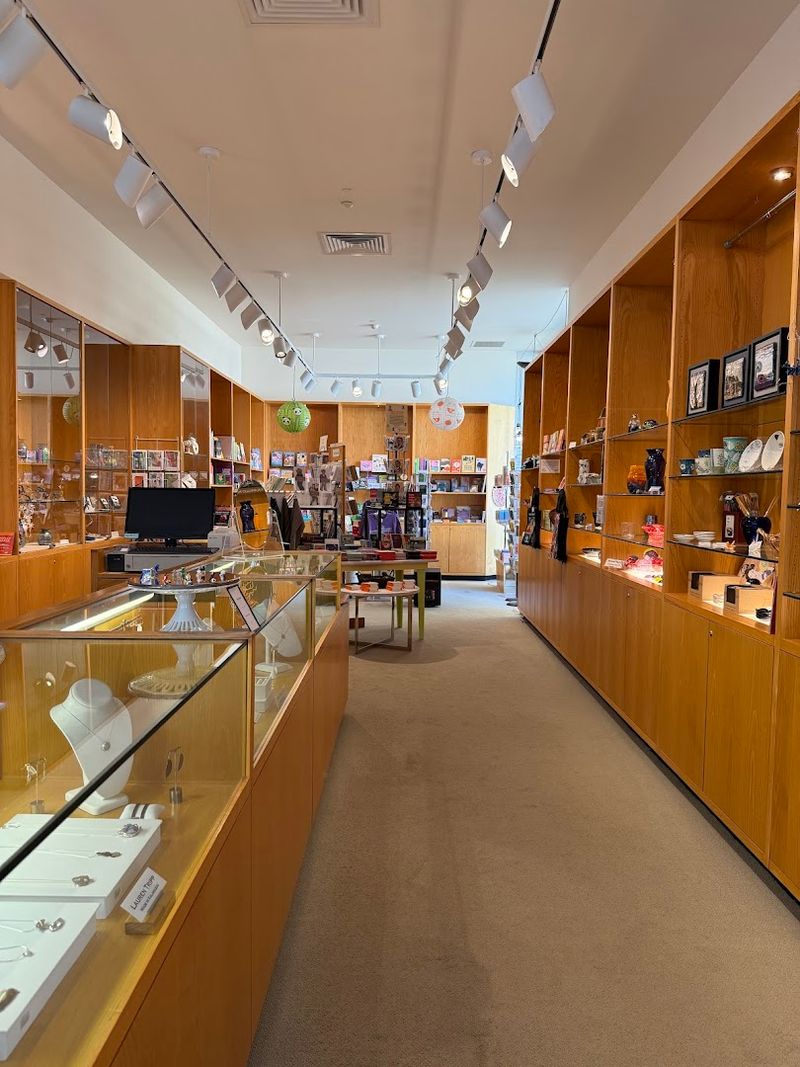
Museum gift shops have a reputation for being an afterthought. The one at the KIA tends to get mentioned in reviews in the same breath as the exhibits themselves, which says something.
People browse it seriously, not just out of habit on the way to the exit.
The selection leans toward items that feel genuinely tied to art and craft rather than generic souvenirs. Unique gifts, locally relevant items, and pieces that could work as Christmas presents or birthday finds for people with specific tastes.
One longtime visitor described it as reliably good for that purpose year after year.
The staff at the gift shop have been called out specifically in reviews for being friendly and helpful without being pushy. That matters more than it sounds.
There is nothing worse than browsing a small retail space while someone hovers. The KIA shop seems to avoid that dynamic.
For visitors who arrive a little late and miss the last gallery, the gift shop offers a real consolation. One reviewer mentioned arriving too late for the exhibits but spending quality time in the shop and leaving with unique items they were happy about.
That is a shop doing its job well.
The connection between the shop’s inventory and the museum’s programming also tends to be tighter than average. When a specific exhibit is running, you will often find related books, prints, or objects that extend the conversation.
It adds coherence to the whole visit rather than feeling like a separate commercial detour.
Small, thoughtful, and worth browsing even if you are not planning to buy anything. The kind of shop where you pick something up, put it back, pick it up again, and eventually just buy it because it is genuinely good.
A Building Designed to Let Art Breathe
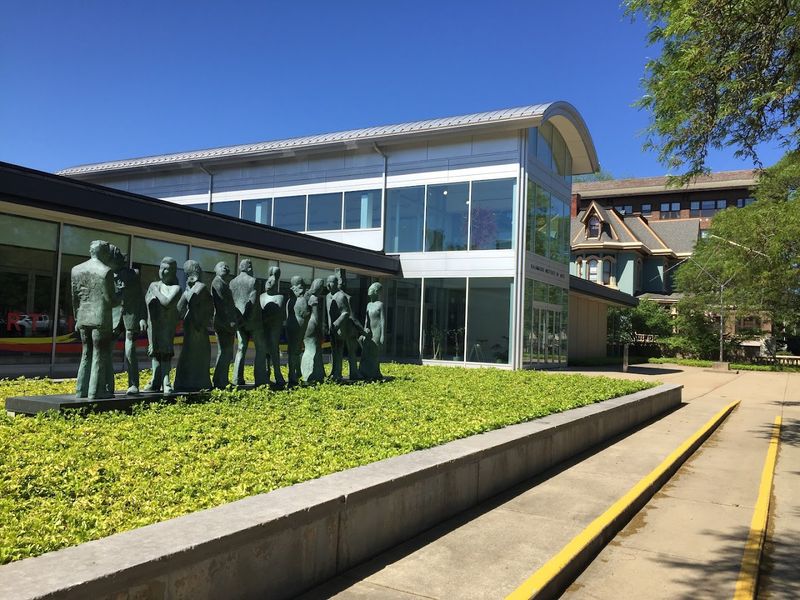
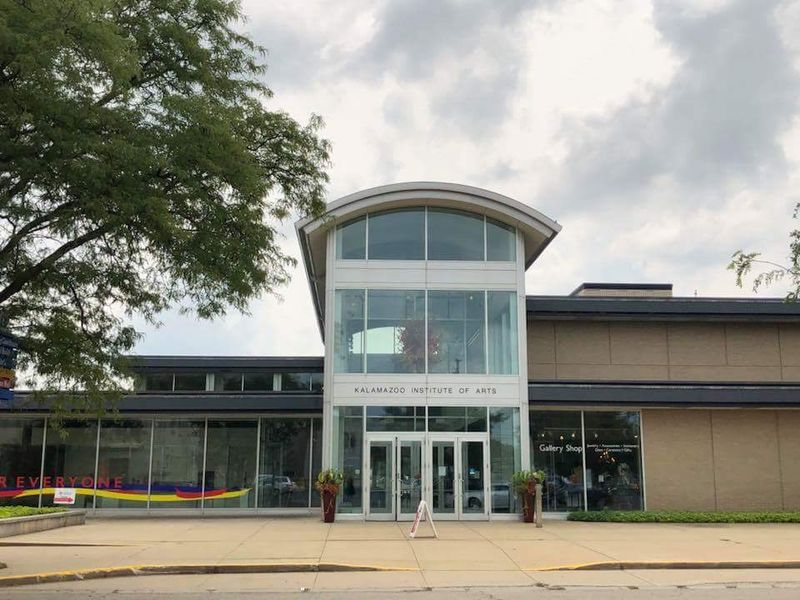
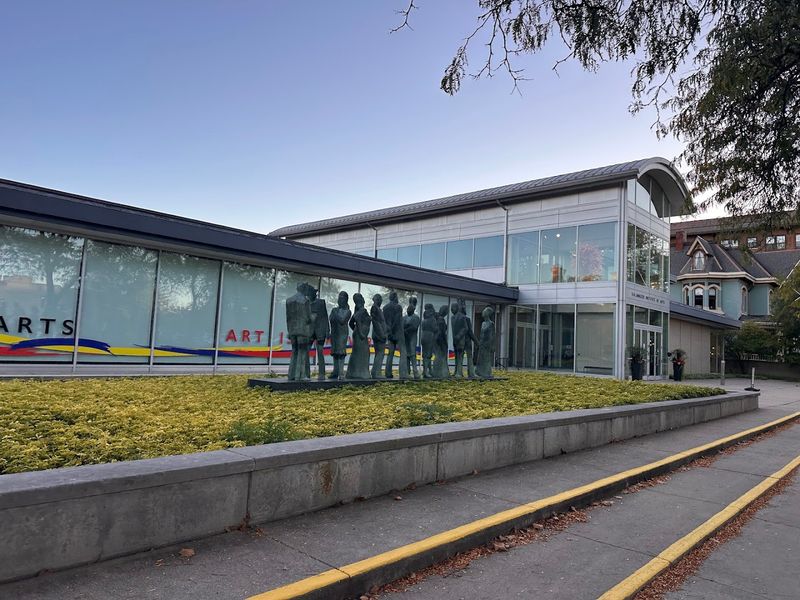
The physical building at 314 S Park Street is worth paying attention to before you even walk inside. Sculptures placed outside the entrance are thoughtfully positioned rather than dropped randomly near the door.
They signal something about how the whole institution approaches its relationship with the public.
Inside, the architecture is specifically designed to support viewing rather than compete with it. Multiple levels give different types of work different homes.
The third floor holds administrative offices. The ground level handles temporary exhibitions.
The lower level carries the permanent collection and the art school. Each floor has its own feel and purpose.
Lighting is one of those things that you do not notice when it is done right, and the KIA gets it right. Works are lit in ways that reveal texture and depth without creating glare.
One reviewer specifically mentioned great lighting as a reason the art felt easier to engage with than in other spaces.
The open layout on the gallery floors allows groups to move through comfortably without bottlenecking. Students visiting on school trips, families with strollers, and solo visitors reading every wall card can all occupy the same space without friction.
That kind of spatial generosity is a design choice, not an accident.
Being located in downtown Kalamazoo means the KIA sits within walking distance of other things worth exploring on South Park Street and the surrounding area. Parking across the street keeps the logistics simple for people driving in from outside the city.
The building carries a sense of permanence without feeling stuffy. It is a place that has clearly been maintained and cared for over a long period of time.
You can feel that in the way the floors sound underfoot and the way the light moves through the entrance on a bright afternoon.
Share this story